Looking to start affiliate marketing in 2026? Choosing the right affiliate programs can make a big difference in your earnings. With so many programs available, beginners and experienced marketers alike often feel overwhelmed.
Affiliate marketing lets you earn commissions by promoting products and services. But managing multiple programs, tracking commissions, and optimizing campaigns can be tricky. In this guide, we’ll show you the best affiliate programs, explain how to choose them, and give tips to maximize your income.
Whether you are a beginner looking for simple programs or an experienced marketer aiming for high-paying opportunities, this guide will help you make informed decisions. You’ll also learn how tools like DICloak can help manage multiple affiliate campaigns efficiently and securely.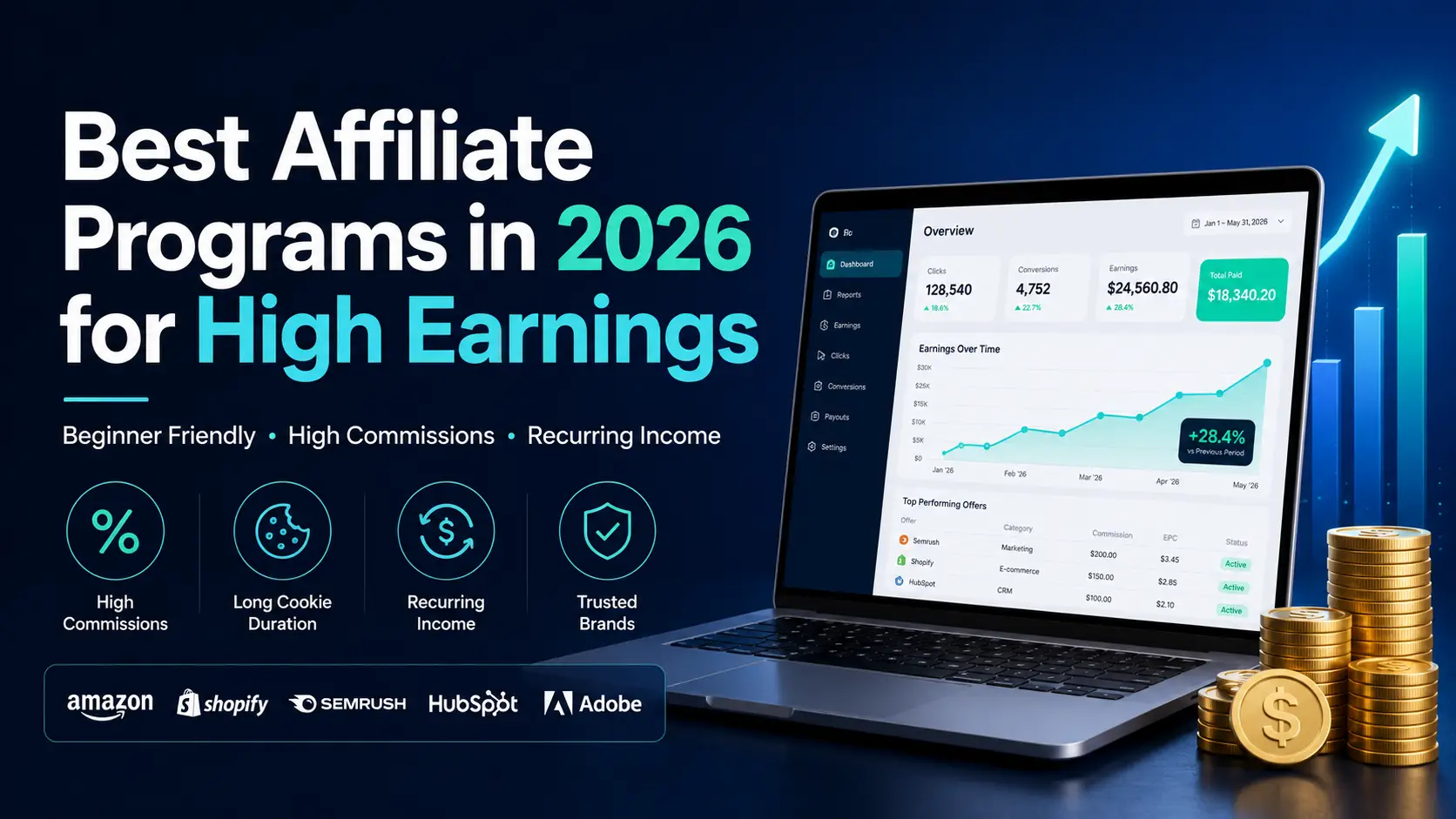
What Makes an Affiliate Program Worth Joining in 2026?
The best affiliate programs are not always the ones with the highest payout. A good program should fit your niche, match your audience, and give you a fair chance to earn. Before you join any program, look at how it pays, what it sells, and how easy it is to promote.
Match programs with your niche
Start with your niche. If your content is about SEO, marketing, or online business, software and SaaS programs may fit well. If your content is about home, beauty, fitness, or daily life, product-based programs may be easier to promote.
For example, a creator who writes about building online stores may do better with Shopify or eCommerce tools than with random fashion products. The offer should feel like a natural next step for the reader.
Check commission structures and payouts
Commission matters, but it is not the only thing to check. Some programs pay a one-time commission. Others pay recurring commissions when the customer keeps using the product. You should also check the cookie duration, payment threshold, and payout schedule.
For example, a program with a smaller commission may still earn more if many readers buy. A high-paying program may look better on paper, but it may need more trust, stronger content, and a more serious buyer.
Look at tools and support for affiliates
Good affiliate programs make your work easier. They may offer tracking dashboards, banners, product links, reports, and clear rules. Some also provide guides, partner support, or ready-made materials.
This matters because affiliate marketing is not only about adding links. You need to know which links get clicks, which products convert, and which pages bring real income. Better tools help you make smarter decisions.
Quick Comparison of the Best Affiliate Programs in 2026
Before you read the full reviews, it helps to compare the best affiliate programs side by side. This makes it easier to see which programs fit your niche, traffic level, and income goal.
Use this table as a starting point. Commission rates, cookie duration, and approval rules can change, so always check the official program page before you apply.
| Affiliate Program |
Best For |
Niche |
Commission Style |
Beginner Friendly |
Main Advantage |
| Amazon Associates |
Bloggers and product reviewers |
General products |
Category-based commission |
Yes |
Huge product variety and strong buyer trust |
| Fiverr Affiliates |
Creators and service-based blogs |
Freelance services |
Fixed or performance-based commission |
Yes |
Easy to explain and useful for many audiences |
| Shopify Affiliate Program |
eCommerce creators |
Online stores |
Referral\\\\\\\\-based commission |
Medium |
Strong fit for business and store-building content |
| Semrush Affiliate Program |
SEO and marketing sites |
SaaS and marketing |
Fixed commission per referral action |
Medium |
High buyer intent in SEO and digital marketing |
| HubSpot Affiliate Program |
B2B creators and consultants |
CRM, sales, marketing |
Recurring commission |
Medium |
Trusted brand with strong B2B demand |
| ClickFunnels Affiliate Program |
Funnel and course creators |
Sales funnels |
Commission-based referral income |
Medium |
Good match for online business audiences |
| Kinsta Affiliate Program |
WordPress and hosting blogs |
Web hosting |
One-time and recurring commission |
Medium |
Strong fit for serious website owners |
| WP Engine Affiliate Program |
Agencies and WordPress users |
Managed hosting |
High-ticket referral income |
Medium |
Useful for premium hosting comparisons |
| AWeber Affiliate Program |
Email marketing educators |
Email marketing |
Recurring commission |
Yes |
Good for long-term email marketing content |
| ActiveCampaign Affiliate Program |
Automation and eCommerce blogs |
Email automation |
Recurring commission |
Medium |
Strong fit for business automation guides |
| ConvertKit Affiliate Program |
Creator-focused blogs |
Newsletters and creators |
Recurring commission |
Yes |
Great for bloggers, YouTubers, and newsletter owners |
| Teachable Affiliate Program |
Course creator audiences |
Online education |
Recurring or partner commission |
Yes |
Easy to connect with course-building content |
| Thinkific Affiliate Program |
Educators and coaches |
Online courses |
Recurring or referral commission |
Yes |
Strong fit for teaching and coaching niches |
| Canva Affiliate Program |
Design and creator content |
Design tools |
Referral commission |
Yes |
Easy to promote to non-designers |
| ShareASale |
Bloggers in many niches |
Affiliate network |
Varies by merchant |
Yes |
Many brands in one platform |
| PartnerStack |
SaaS and B2B marketers |
SaaS marketplace |
Varies by partner |
Medium |
Good place to find software affiliate programs |
A comparison table helps you narrow the list, but it should not be your only decision tool. A program with a lower payout can still earn more if your audience trusts the product and buys often. A high-paying program can also fail if the product does not match your content.
Detailed Reviews of the Best Affiliate Programs
After the quick comparison, it is easier to look at each type of program in more detail. The best affiliate programs usually fall into a few groups: beginner-friendly programs, high-paying programs, recurring programs, and niche-based programs.
Beginner-friendly programs
Beginner-friendly affiliate programs are easy to understand and simple to promote. They are a good fit for new bloggers, YouTubers, and creators who are still learning how affiliate marketing works.
Amazon Associates is a common starting point because it covers many product categories. A home office blog, for example, can promote desks, chairs, lamps, and keyboards in one article. The commission may not be the highest, but the product variety makes it easier to start.
Fiverr Affiliates can also work well for beginners. Many audiences need freelance services, such as logo design, video editing, writing, or website setup. This makes Fiverr easier to explain in tutorials, business guides, or creator content.
ShareASale is another useful option because it gives access to many merchants in one place. A lifestyle blogger can test beauty, home, fashion, or wellness offers without joining each brand one by one.
High-paying programs
High-paying affiliate programs can bring bigger commissions, but they usually need stronger content and a more serious audience. These programs often work best for SaaS, hosting, business, and marketing niches.
Semrush is a strong fit for SEO and digital marketing content. Readers searching for SEO tools often have clear intent. They may already need keyword research, competitor analysis, or site audit tools.
HubSpot can work well for B2B creators, consultants, and sales blogs. It fits content about CRM, lead management, email marketing, and business growth.
Kinsta and WP Engine are better for WordPress users, agencies, and serious site owners. These offers may not fit a casual beginner audience, but they can convert well when readers care about speed, uptime, and managed hosting.
Recurring programs
Recurring affiliate programs are useful because they can build long-term income. Instead of earning once, you may keep earning while the customer stays subscribed.
AWeber, ActiveCampaign, ConvertKit, Teachable, and Thinkific can work well for this model. They are often linked to email marketing, creators, online courses, and business automation.
For example, a creator who teaches newsletter growth could promote ConvertKit. A course-building blog could promote Teachable or Thinkific. These tools match the reader’s goal, so the recommendation feels natural.
Niche-based programs
Some affiliate programs are best because they fit a very clear niche. Canva is useful for design, social media, and creator content. Shopify is strong for eCommerce and online store guides. PartnerStack can help SaaS-focused marketers find more software programs.
The main lesson is simple. Do not choose a program only because it is popular. Choose it because it fits your audience, content, and traffic source.
How to Choose the Right Affiliate Program for Your Audience
Choosing the right affiliate program is more important than picking the highest commission. A program only works if it matches your audience’s needs and interests.
Audience alignment
First, consider your audience. What do they read, watch, or search for? If your audience is made up of creators and marketers, software tools like Semrush or HubSpot will convert better. If your readers are beginners in eCommerce, Shopify or Teachable may be more relevant.
Evaluate program credibility
Check how trustworthy the program is. Look for established brands, clear rules, and reliable payout processes. A program that has unclear rules or poor support may waste your time and hurt credibility with your audience.
Use analytics and tools
Track your traffic and see what type of content your audience engages with most. You can focus your efforts on programs that naturally fit your top-performing content. For example, if your blog post about email marketing gets high traffic, a recurring program like ActiveCampaign or ConvertKit may earn more.
Common Mistakes to Avoid When Joining Affiliate Programs
Even experienced marketers make mistakes when choosing affiliate programs. Learning from others can save time and money.
Choosing only by commission rate
High commissions look attractive, but they don’t guarantee sales. If your audience isn’t interested, clicks won’t convert. Always match programs to your content and niche.
Ignoring payout rules and cookie duration
Some programs pay only if a sale happens within a short period. Others have long cookies. Ignoring these details can reduce your earnings. Check each program’s terms before promoting.
Promoting too many unrelated offers
Adding random affiliate links can confuse your audience. Focus on a few programs that fit your content and audience. Quality matters more than quantity.
How to Maximize Earnings from Affiliate Programs in 2026
After you avoid common mistakes, the next step is to grow your income. To maximize affiliate earnings, you need more than affiliate links. You need helpful content, the right traffic channels, and clear performance tracking.
Create review, comparison, and tutorial content
Content that explains, compares, or reviews products helps readers make decisions. Tutorials, product comparisons, and honest reviews tend to convert better. For example, a blog reviewing different web hosting options can guide readers to the program that fits them best.
Use SEO, YouTube, and social media together
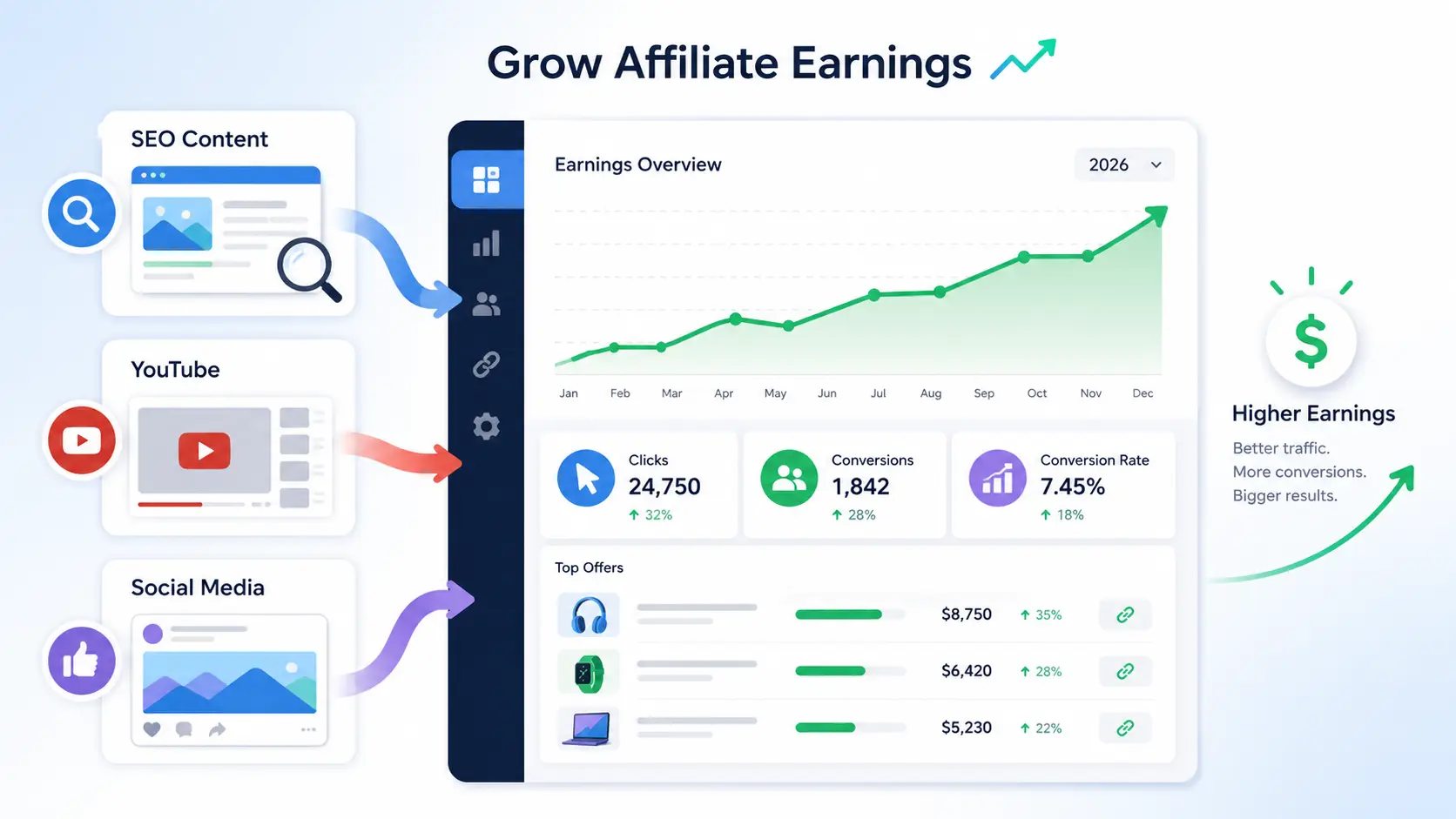
Promoting your affiliate links on multiple channels increases reach. Blog posts help with long-term search traffic. YouTube tutorials and review videos attract visual learners. Social media posts can share highlights or quick tips. Combining these channels strengthens your exposure.
Track clicks, conversions, and top-performing offers
Monitoring performance is key. Track which links get clicks, which programs convert, and which content brings the most revenue. Over time, you can focus on programs and content that perform best, and adjust or remove low-performing offers.
By creating helpful content, promoting it strategically, and tracking results, you improve your chances of higher commissions and sustainable growth.
How Affiliate Marketers Can Manage Multiple Programs with DICloak
Choosing the best affiliate programs is only the first step. As your income grows, you may start promoting several offers across blogs, YouTube, TikTok, Pinterest, Facebook, or paid traffic. At that point, the challenge is not just finding more programs—it’s keeping every campaign, account, and team workflow organized while scaling efficiently.
When One Affiliate Program Becomes Five
Many beginners start with one affiliate program and one traffic channel. High-earning marketers often test several programs simultaneously, such as SaaS tools, eCommerce platforms, creator services, or hosting offers. This can mean more affiliate dashboards, more social accounts, more tracking links, and more campaign assets to manage. Without a clear setup, it’s easy to log in to the wrong account, mix up campaign data, or lose track of which channel is promoting which offer.
Test and Organize Multiple Campaigns
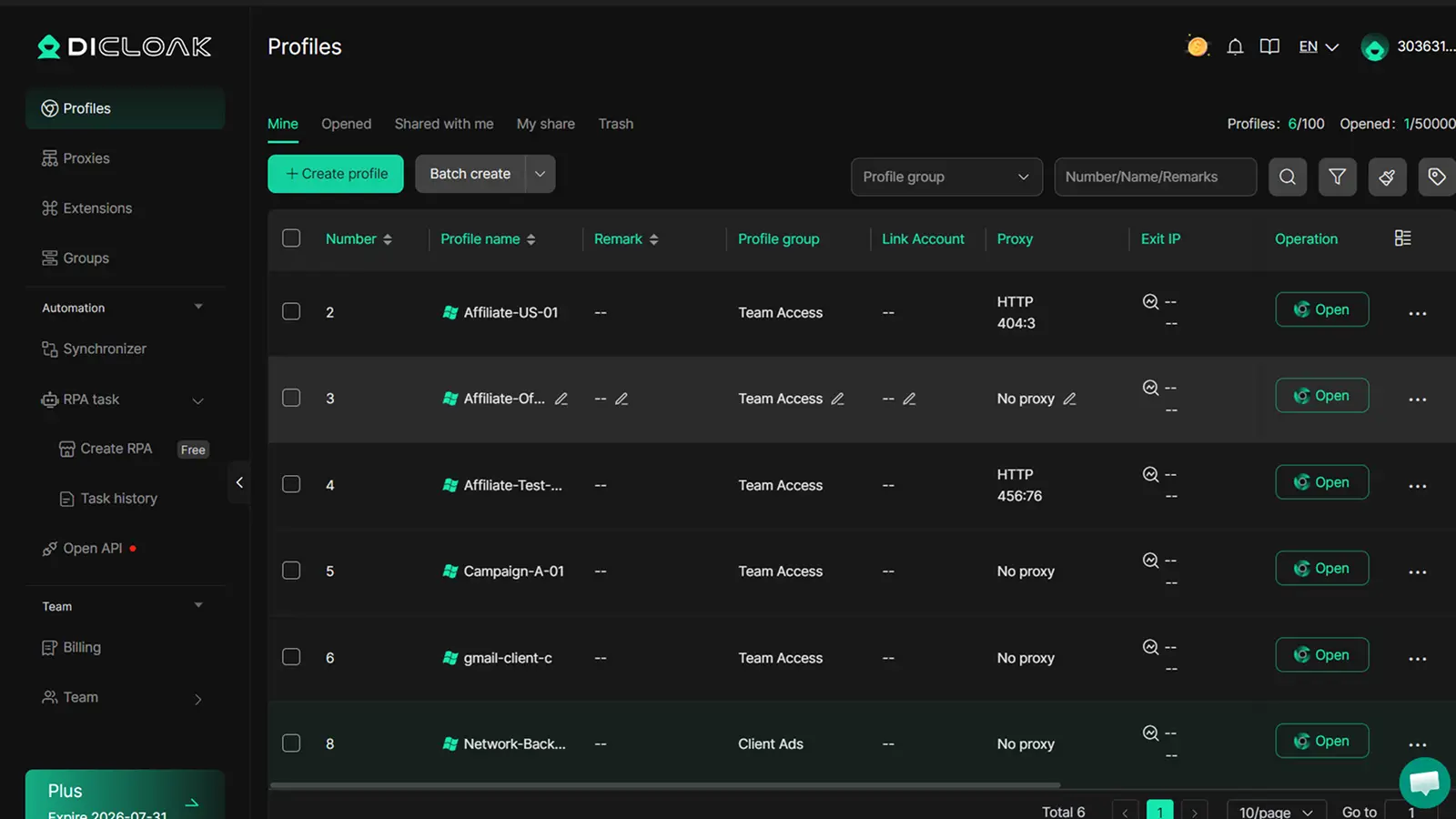
You can use DICloak to create separate browser profiles for each campaign. In each profile, you can configure cookies, login sessions, user-configured proxies, and browser fingerprint settings. This keeps dashboards and social accounts isolated and helps you track each program’s performance clearly. Repetitive tasks, like checking multiple dashboards or updating affiliate links, can also be streamlined using RPA workflows or the Synchronizer, saving time and reducing manual errors.
Collaborate with Your Team Without Losing Control
As your affiliate work scales, you may involve writers, virtual assistants, social media managers, or media buyers. Sharing raw passwords or giving full access to everyone can quickly become risky. In DICloak, you can share selected profiles with team members, assign roles, and review operation logs. This makes it easier to manage permissions, monitor activity, and keep workflows transparent, so your team can work efficiently without mixing up accounts or campaign assets.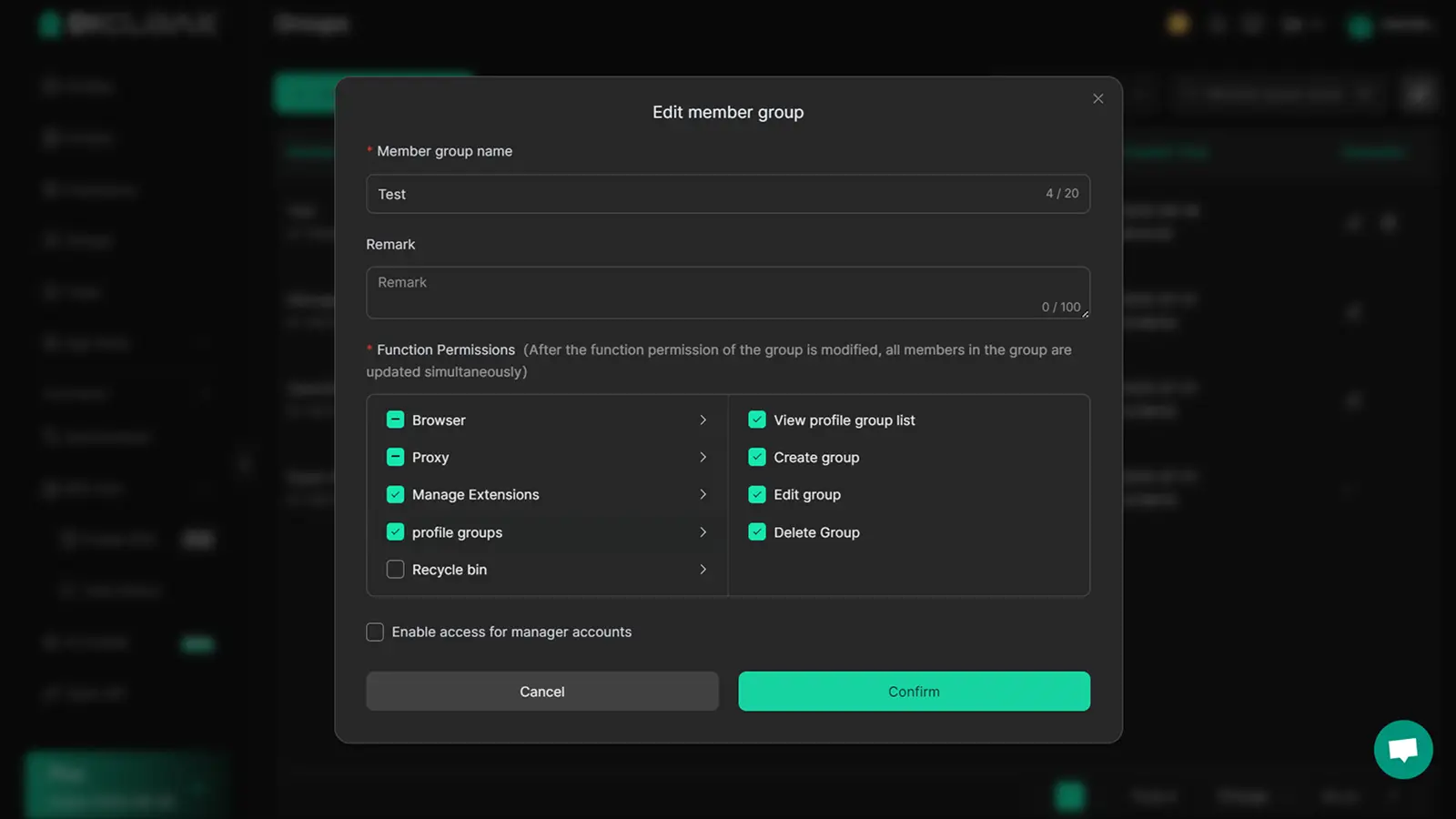
FAQ
What are the best affiliate programs to join in 2026?
The best affiliate programs in 2026 are programs that match your niche, pay fair commissions, and have trusted brands. Good examples include Amazon Associates, Semrush, Shopify, Fiverr, HubSpot, and Kinsta.
Which affiliate programs are best for beginners?
The best affiliate programs for beginners are easy to join and easy to promote. Amazon Associates, Fiverr Affiliates, ShareASale, and Shopify are good starting points for many new affiliates.
What affiliate programs pay the highest commissions?
High-paying affiliate programs often come from SaaS, hosting, finance, and B2B tools. Programs like Semrush, HubSpot, Kinsta, WP Engine, and ClickFunnels can offer bigger commissions than many physical product programs.
Can I join multiple affiliate programs at the same time?
Yes, you can join multiple affiliate programs. But it is better to start with a few that match your audience. Promoting too many unrelated offers can make your content feel less trustworthy.
How long does it take to make money from affiliate programs?
Some affiliates earn within a few weeks, but many need several months. It depends on your niche, traffic, content quality, and the affiliate programs you promote.
Getting started with affiliate programs is a practical way for beginners to earn online by promoting products and services they believe in. By choosing reputable networks, understanding your audience, and consistently applying best practices, you can build a sustainable income stream over time. Try DICloak for free.
 Web Proxy Tools
 Free Tools
 Cookie Plugin
 UA Generator
 MAC Address Generator
 IP Generator
 IP Address List
 2FA Code Generator
 World Clock
 Anonymous Check
 WebRTC Leak Test
 UUID Generator
 Free Web Proxy Site
 Proxy Checker
 FB Ad Checker
 AI Web Scraping
 Free SMM Tools
 Twitter Shadowban Checker
 Instagram Name Checker
 UTM Generator
 Username Generator
 AI Hashtag Generator
 LinkedIn Headline Generator
 Social Media Image Resizer