Assignment arbitrage has become a popular real estate strategy because it can offer a way to profit from a deal without buying the property outright. In simple terms, you put a property under contract, then assign that contract to another buyer for a fee. It sounds simple, but in 2026, assignment arbitrage is not just about finding a cheap property and passing the deal along. You also need to understand contract terms, local rules, buyer demand, and pricing risk. This guide explains how assignment arbitrage works, why investors use it, what can go wrong, and how to approach deals more carefully in a market that moves fast.
What Is Assignment Arbitrage in Real Estate?
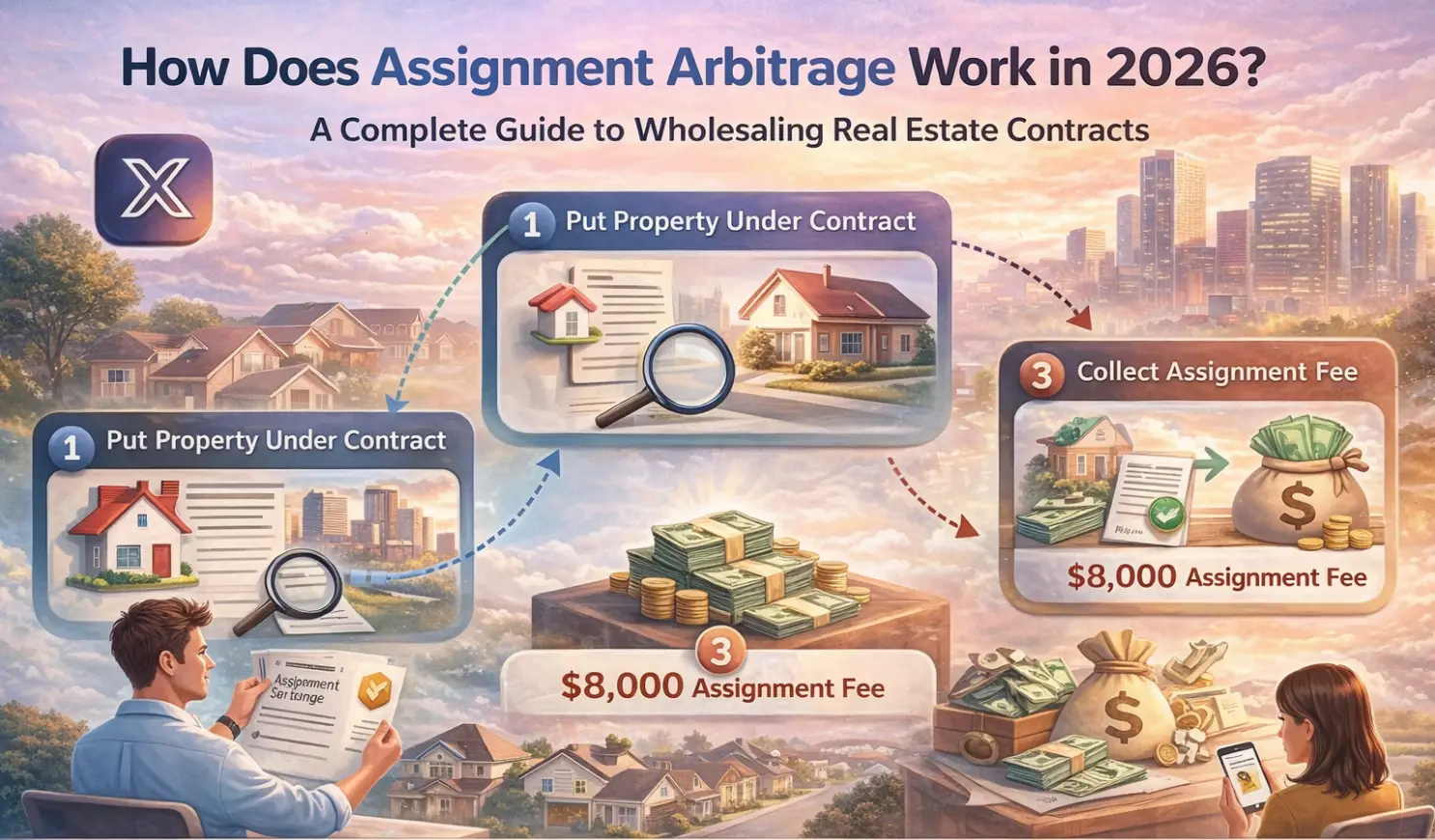
Assignment arbitrage is a real estate strategy where a person puts a property under contract, then transfers that contract to another buyer for a fee instead of buying the home themselves. In most cases, the investor is selling the contract rights, not the property itself. That is why assignment arbitrage is often seen as a low-capital way to enter real estate, but it still depends on clear contract terms and local rules.
How assignment arbitrage works step by step
The basic idea is simple.
- First, you find a seller who is willing to sign a purchase contract at a price that leaves room for profit.
- Next, you make sure the contract allows assignment.
- Then you look for an end buyer, often another investor, who is willing to pay more for that contract. The difference becomes your assignment fee.
How it is different from flipping and wholesaling
Many people confuse assignment arbitrage with flipping, but they are not the same. In a flip, the investor usually buys the property, owns it, fixes it, and then resells it. In assignment arbitrage, the investor usually never takes title and does not do repairs. It is much closer to wholesaling. In fact, many wholesaling deals work through contract assignment. The main difference is that flipping depends more on renovation and resale, while assignment arbitrage depends more on pricing skill, contract structure, and a fast buyer match.
Why more investors are paying attention to it in 2026
More investors are watching assignment arbitrage in 2026 because the housing market is still tight, but conditions are shifting. The National Association of REALTORS® reported in March 2026 that affordability had improved for eight straight months, while inventory was also rising, even if slowly. At the same time, Redfin said homes were selling at their slowest pace in six years in early 2026, which means buyers are being more careful and investors need flexible, lower-risk ways to structure deals. In that kind of market, assignment arbitrage can look attractive because it may reduce the need for large upfront cash, long holding periods, and rehab risk.
Why Assignment Arbitrage Appeals to New and Experienced Investors
After you understand how assignment arbitrage works, the next question is simple: why do so many investors keep looking at it? The answer is not just profit. For many people, the real appeal is that assignment arbitrage can be easier to enter, faster to move, and more flexible than buying a property and holding it. That matters even more in 2026, when the market is still active but buyers are moving more carefully. Housing affordability has improved from a year ago, but demand is still uneven, inventory is growing slowly, and homes are taking longer to sell in many areas.
Lower upfront capital than buying property outright
One big reason assignment arbitrage attracts new investors is the lower cash need at the start. In a standard purchase, you may need a down payment, loan approval, closing costs, repair money, and holding costs. In an assignment deal, the investor usually tries to control the contract first and then assign it before taking ownership. That does not mean the deal is free or risk-free, but it can reduce the amount of money tied up compared with buying the property yourself. Real estate wholesaling guides describe this model as a way to profit by passing the agreement to another buyer rather than closing on the home directly.
Faster deal cycles than many traditional real estate strategies
Another reason investors like assignment arbitrage is speed. A flip can take months because you have to close, renovate, relist, and wait for a resale. A rental strategy usually takes even longer because the payoff comes over time. With assignment arbitrage, the goal is often to secure a contract and move it to an end buyer quickly. Rocket Mortgage notes that wholesalers often turn properties around within about 30 days, which shows why this model appeals to people who want faster deal flow.
That speed can be useful in real life. If you lock up a property at a price that clearly works for another investor, you may be able to exit the deal before repair costs, financing issues, or long holding periods become your problem. Of course, “fast” only helps if the numbers are good and the contract is clean. But compared with traditional buying, renovating, and reselling, assignment arbitrage often offers a shorter path from opportunity to fee.
Why flexibility matters in changing local markets
Flexibility is another reason assignment arbitrage continues to get attention in 2026. The housing market is not frozen, but it is more selective. NAR reported in March 2026 that affordability had improved for eight straight months, while Redfin reported that homes going under contract in February took 66 days on average, the slowest pace for that time of year in a decade. Redfin also found that sellers were starting to outnumber buyers, giving buyers more negotiating power. In a market like that, investors often want strategies that let them test demand and move carefully instead of taking on full ownership right away.
This is where assignment arbitrage can feel practical. If local demand is soft, an investor may prefer a deal structure that allows a quick exit rather than months of carrying costs. If a neighborhood is active and buyers are still hunting for discounted properties, a strong contract can move quickly to the right end buyer. That does not make assignment arbitrage easy, but it does make it flexible. And for both new and experienced investors, that flexibility can be a real advantage when local conditions change faster than expected.
Is Assignment Arbitrage Legal and What Rules Matter Most?
As assignment arbitrage gets more attention, many investors ask the same thing next: is it legal? The short answer is yes, assignment arbitrage can be legal, but only when the contract allows it and the deal follows state and local rules. That matters because wholesaling and contract assignment are not regulated the same way in every market.
When an assignment clause allows the deal
The first legal checkpoint in assignment arbitrage is the contract itself. If the purchase agreement allows assignment, the buyer may be able to transfer their contract rights to another buyer. If the contract bans assignment, or requires seller approval first, trying to assign it can create a legal problem right away. In simple terms, the deal usually starts with one question: does the contract clearly permit assignment, and under what conditions? That is why experienced investors pay close attention to the assignment clause before they worry about profit.
Where legal disputes usually begin
Most legal trouble in assignment arbitrage does not begin with the idea itself. It usually starts when the paperwork is weak or the parties do not fully understand what is being sold. A common problem is poor disclosure. Another is marketing the property as if you own it, when in reality you only control a contract right. Disputes also grow when buyers think the deal terms were hidden, when sellers say they were misled, or when deadlines, contingencies, or earnest money terms are unclear. Because a real estate contract is legally binding, even a small mistake in the language can create a much bigger conflict later.This is also where inexperienced investors get into trouble. Some assume that because they are not taking title, the legal side is lighter. In practice, that can be a dangerous assumption.
Why local laws, disclosures, and licensing rules matter
Local law matters because assignment arbitrage is not treated the same way everywhere. One state may allow the practice with few extra steps, while another may require registration, disclosures, consent, or even a license depending on how the deal is structured.
So the safest way to approach assignment arbitrage is not to assume one rule works everywhere. Before doing a deal, investors should check whether the contract is assignable, whether the seller must be told more clearly what is happening, and whether state law treats the activity as something close to brokerage. A practical approach is simple: read the contract closely, disclose honestly, and get local legal or title guidance before marketing the deal. That may feel slower at the start, but it can prevent much bigger problems later.
What Are the Biggest Risks in Assignment Arbitrage?
Once the legal side is clear, the next issue is risk. This is where many assignment arbitrage deals start to fall apart. On paper, the model looks simple: lock in a contract, find a buyer, collect a fee. In real life, the biggest problems usually come from weak contracts, bad pricing, and broken trust between the people in the deal. Those risks matter because in assignment arbitrage, one mistake can wipe out a thin profit very fast.
Contract mistakes that can kill a deal
The first major risk in assignment arbitrage is the contract itself. If the purchase agreement does not clearly allow assignment, or if the wording is sloppy, the deal may not be enforceable. Some contracts also block assignment, require seller approval, or include terms that make the transfer much harder than the investor expected. That is why even experienced investors treat contract review as one of the most important parts of the process.
Mispricing the property or the assignment fee
Another big risk in assignment arbitrage is pricing the deal wrong. This can happen in two ways.
- the property itself may not be as underpriced as it seems.
- the assignment fee may be set too high for the end buyer to accept.
If either number is off, the deal can stall or die. This is especially common when investors rely on weak comps, skip repair estimates, or assume buyer demand is stronger than it really is.
For example, a house may look like a bargain at first because similar homes nearby sold for more. But if those other homes were updated and the subject property needs a new roof, plumbing work, and interior repairs, the margin can disappear fast. Then the wholesaler adds a large assignment fee on top, and the end buyer no longer sees a real deal. In assignment arbitrage, small math errors can create very real losses because the buyer at the end is usually looking closely at value, repairs, and speed.
Reputation and trust risks with sellers and buyers
The last major risk is trust. Assignment arbitrage depends on other people believing that the deal is real, fair, and clear. Sellers want to know what they are signing. Buyers want to know that the contract is valid and that the fee makes sense. If either side feels misled, the deal can break down very quickly. Even when a contract is technically legal, poor communication can still damage your reputation and make future deals harder.
This shows up in simple ways. A seller may get upset if they learn too late that the original buyer never planned to close themselves. A buyer may walk away if they cannot verify the contract, inspect the numbers, or trust the person assigning the deal. Over time, that kind of friction hurts more than one transaction. In assignment arbitrage, trust is part of the business model. If people stop trusting your process, your pipeline gets weaker, even if one past deal looked profitable on paper.
How to Find Profitable Assignment Arbitrage Opportunities
After looking at the biggest risks, the next step is knowing what a good deal actually looks like. This is where many beginners get stuck. They understand the idea of assignment arbitrage, but they do not know how to spot a property that leaves enough room for profit. In simple terms, a strong assignment arbitrage deal usually starts with a motivated seller, a price below market value, and enough local buyer demand to move the contract quickly.
What underpriced or distressed properties often look like
A distressed property does not always mean a house is falling apart. Sometimes it means the owner wants to sell fast because of repairs, vacancy, missed upkeep, financial pressure, or simple landlord fatigue. Rocket Mortgage explains that distressed properties often need work and are often sold by owners who want a quicker, easier sale. In assignment arbitrage, those situations matter because speed and convenience can be just as important to the seller as top price.
How to read local demand before you lock in a contract
Finding a cheap property is not enough. You also need to know whether buyers in that area are still active. In March 2026, Redfin reported that sellers outnumbered buyers by more than 40% and that buyers had more negotiating power, while the typical home took 66 days to sell, the slowest winter pace in a decade. NAR also reported that affordability improved for the eighth straight month in February 2026, but inventory and market pace still varied by region. This means assignment arbitrage depends heavily on local demand, not just on getting a contract signed.
Before you lock in a deal, ask practical questions. Are investor-friendly homes in that zip code moving, or sitting? Are price cuts common? Are cash buyers still active in that neighborhood? A market can look fine on national headlines and still be slow on one street. That is why smart assignment arbitrage is local. A contract only becomes valuable when there is a real buyer pool behind it.
Which numbers matter most before you assign a deal
The most important numbers in assignment arbitrage are usually the after-repair value, estimated repair cost, your contract price, and the fee you want to earn.Here is a simple way to think about it. If a house could be worth $220,000 after repairs, but it needs $45,000 in work, the numbers have to leave room for the end buyer to make sense of the deal after your fee is added. If your contract is too high, or your fee is too aggressive, the buyer may walk away. In assignment arbitrage, the best opportunities are not just “cheap” properties. They are deals where the math still works after repairs, holding risk, and buyer expectations are all considered.
How to Execute an Assignment Arbitrage Deal Step by Step
Once you know how to spot a good opportunity, the next job is execution. This is where assignment arbitrage stops being a theory and becomes a real deal. A profitable spread on paper means very little if the contract is weak, the buyer list is poor, or the paperwork is not handled the right way. In most cases, assignment arbitrage works best when each step is done in order: secure the original contract, line up a real buyer, then assign the contract with clean documents and clear deadlines.
How to secure the original contract the right way
The first step in assignment arbitrage is getting the original purchase contract right. That means more than agreeing on a price. The contract should clearly identify the property, the agreed purchase price, deadlines, contingencies, earnest money terms, and whether the agreement can be assigned. Rocket Mortgage explains that the assignment contract only works after the original purchase agreement is in place, because what gets transferred is the right to buy under that existing agreement. Nolo also notes that contract assignment is about handing off contractual rights and benefits from one party to another, which is why the original contract language matters so much.
How to market the deal to qualified buyers
Once the contract is secure, the next step is finding a buyer who can actually close. In assignment arbitrage, that usually means marketing the contract position to investors, not pitching the property like you already own it. Investopedia notes that success in real estate wholesaling depends heavily on market knowledge and a strong investor network, because the end buyer is usually another investor looking for a workable spread.This is where many beginners waste time. They send the deal to anyone who shows mild interest, instead of focusing on qualified buyers who understand rehab costs, can verify the numbers, and have money or financing ready.
How to assign the contract and complete the paperwork
After you find the right buyer, the last step is the assignment itself. Rocket Mortgage describes a wholesale real estate assignment contract as the legal document that transfers the right to purchase the property from the wholesaler to the end buyer. In other words, the seller stays in the original sale, but your contract position is handed to the new buyer through a separate agreement. Nolo’s explanation of assignment basics supports the same point: the assignor transfers contractual rights to the assignee.
In practice, that means the paperwork has to be clean. The assignment agreement should state who is assigning the contract, who is receiving it, what fee is being paid, and which original contract is being transferred. Then the title company or closing attorney usually helps move the transaction toward closing based on the assigned rights. A simple version looks like this: you contract the property at $185,000, you assign the contract to a buyer for $193,000, and the spread becomes your assignment fee if the closing goes through as agreed. That is the basic mechanics of assignment arbitrage. It sounds simple, but it only stays simple when the contract terms, buyer readiness, and closing documents all line up the right way.
What Tools and Resources Can Make Assignment Arbitrage Easier?
Once you know how to structure and assign a deal, the next question is practical: what helps you do it faster and with fewer mistakes? In real life, assignment arbitrage becomes much easier when you have three things working together: a real buyer network, solid local market data, and a simple way to track each deal. That matters even more in 2026, when housing conditions are still uneven by area and investors need to move carefully, not just quickly.
How investor networks help you find faster exits
A strong investor network can make assignment arbitrage much easier because the contract only has value if you can place it with the right buyer. Investopedia explains that wholesaling depends on finding distressed or undervalued homes and then assigning that contract to another investor for a fee. In practice, that means your buyer list is not just helpful. It is part of the business model. If you already know landlords, flippers, or cash buyers who work in a certain zip code, you can often move faster and waste less time than someone who starts looking for a buyer after signing the contract.
Why local market data and comps improve decision-making
Good data is another core tool in assignment arbitrage. A deal can look profitable until local numbers say otherwise. Investopedia explains that the sales comparison approach uses recently sold similar properties in the same area to judge whether a price is fair. That matters because weak comps can make a contract look better than it really is. And in 2026, local market reading matters even more. NAR reported in March 2026 that existing-home sales rose 1.7% month over month in February, while inventory also increased. That kind of market shift can change buyer behavior from one area to the next.
How simple systems can keep deals organized
The last resource is not flashy, but it saves a lot of trouble: a simple system. Assignment arbitrage usually involves many moving parts at once, such as seller details, contract dates, earnest money, repair notes, buyer follow-ups, and closing steps. Investopedia notes that successful real estate investors tend to act like business operators, with planning and structure instead of improvising every step. That is why even a basic workflow, like a spreadsheet, checklist, or CRM, can make a real difference.
How DICloak Can Support More Organized Assignment Arbitrage Workflows
As assignment arbitrage becomes more active, many investors find that the hard part is not only finding a deal. It is also keeping research, outreach, and follow-up work organized across different sellers, buyers, and listings. In that kind of workflow, a tool like DICloak can be useful.
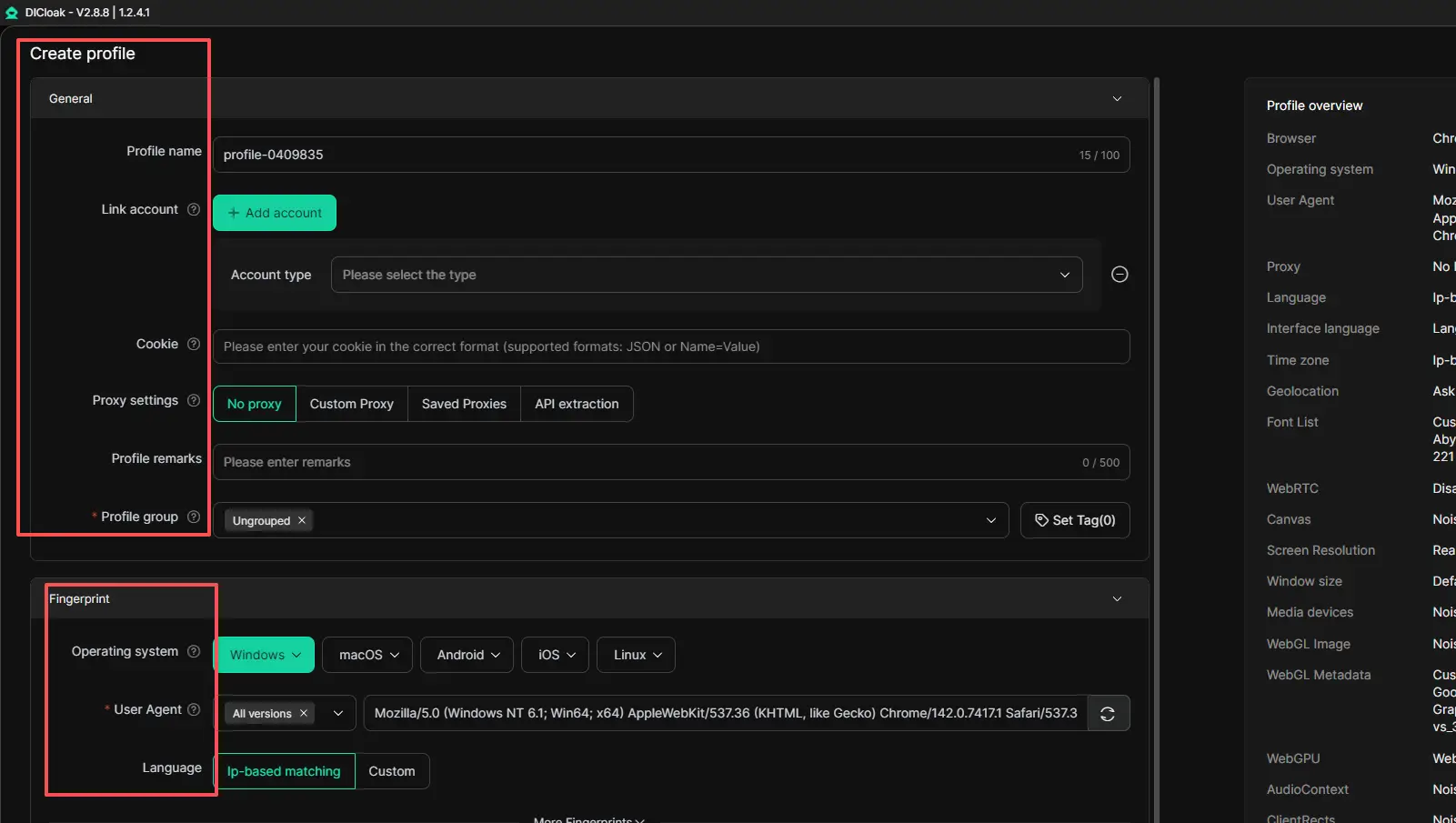
- Separate different tasks more clearly: DICloak lets users create isolated browser profiles, so property research, seller communication, and buyer outreach do not all get mixed in one browser session.
- Keep account environments more organized: Each profile can use its own fingerprint settings, and users can add their own proxy setup, which gives more control over how different workflows are arranged.
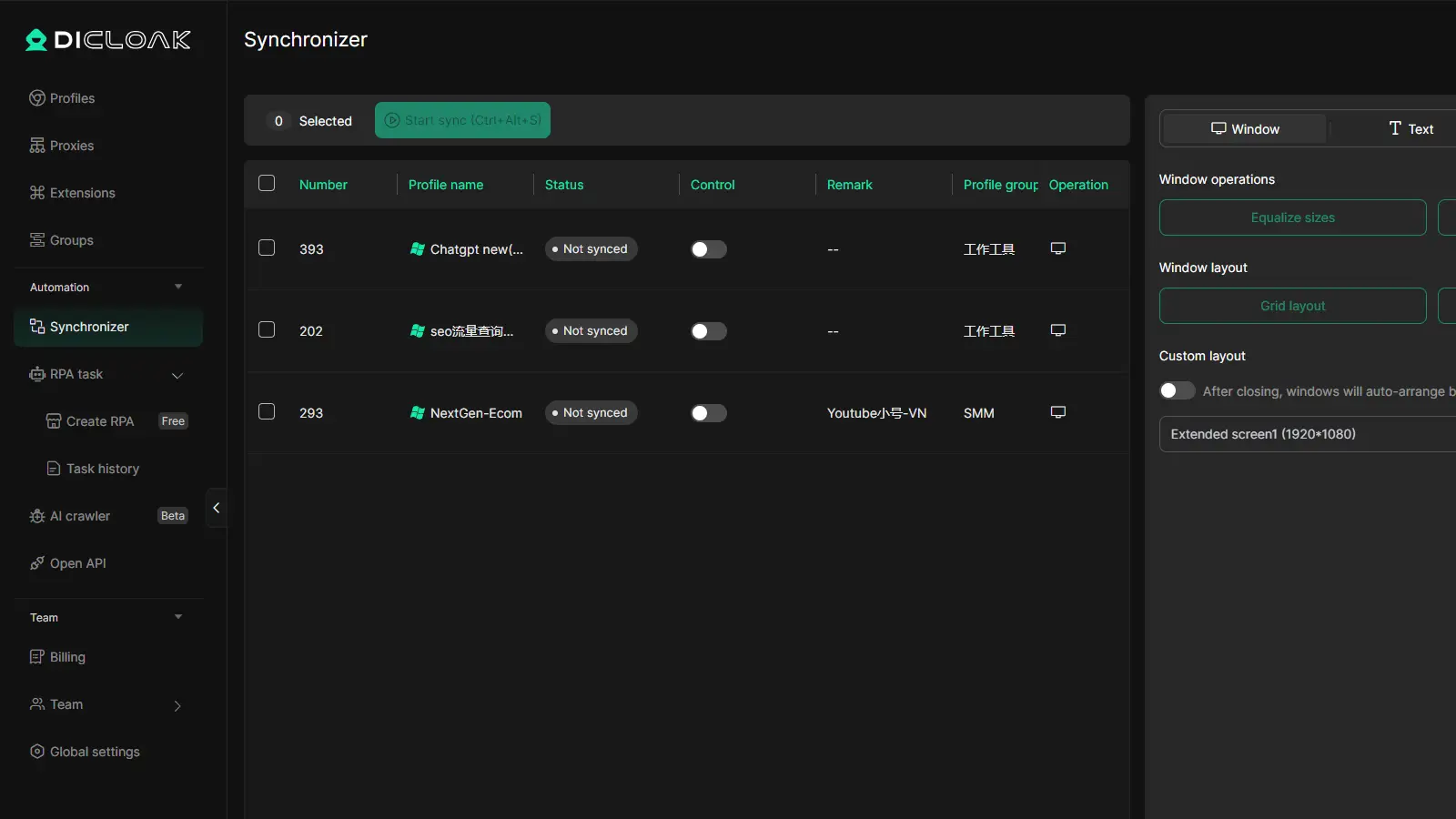
- Reduce repetitive manual work: Features like the Multi-Window Synchronizer can help repeat similar actions across multiple profiles, which may save time when handling several deals at once.
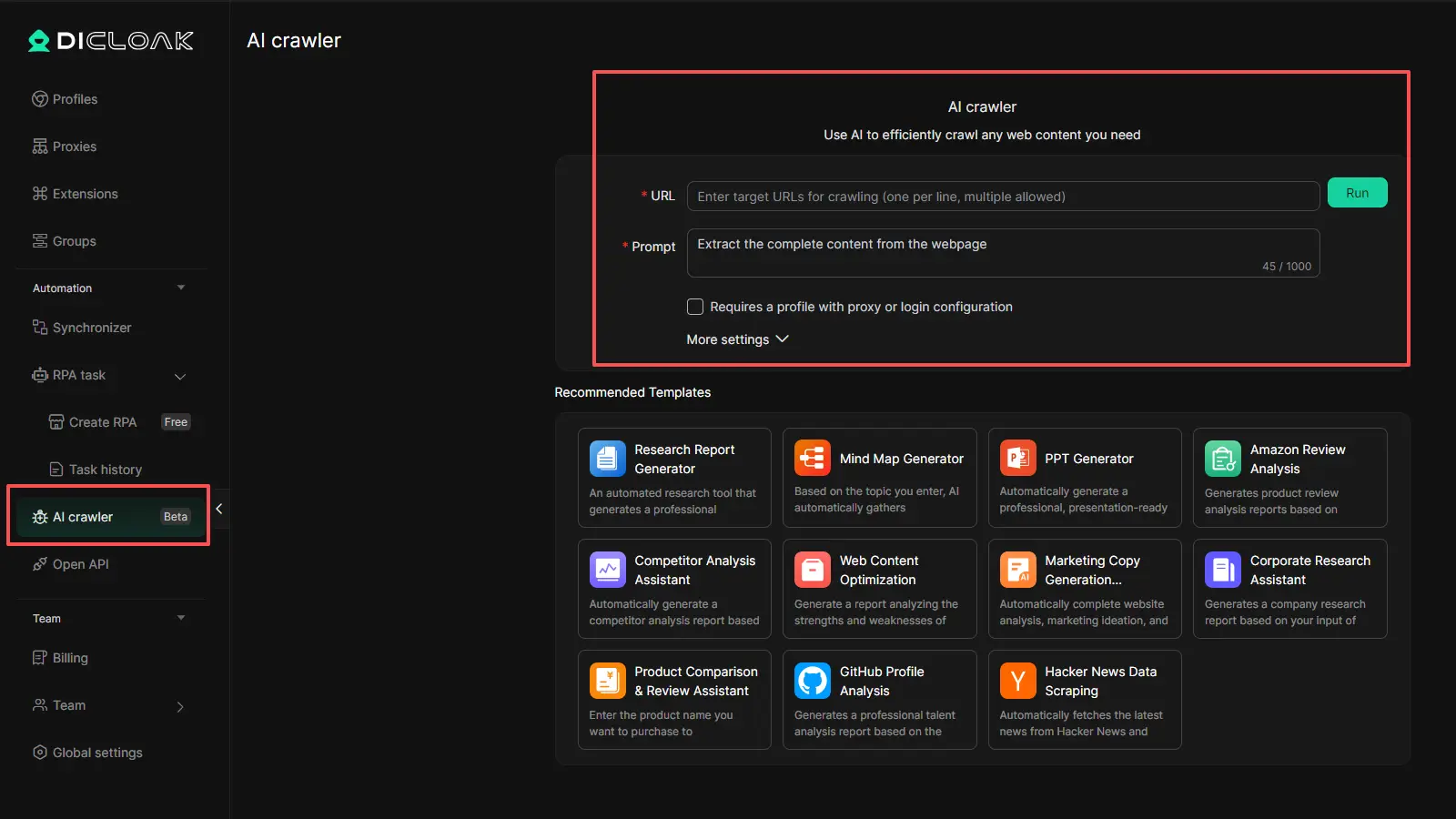
- Support faster research: DICloak’s AI Crawler can help collect listing details and market information more efficiently
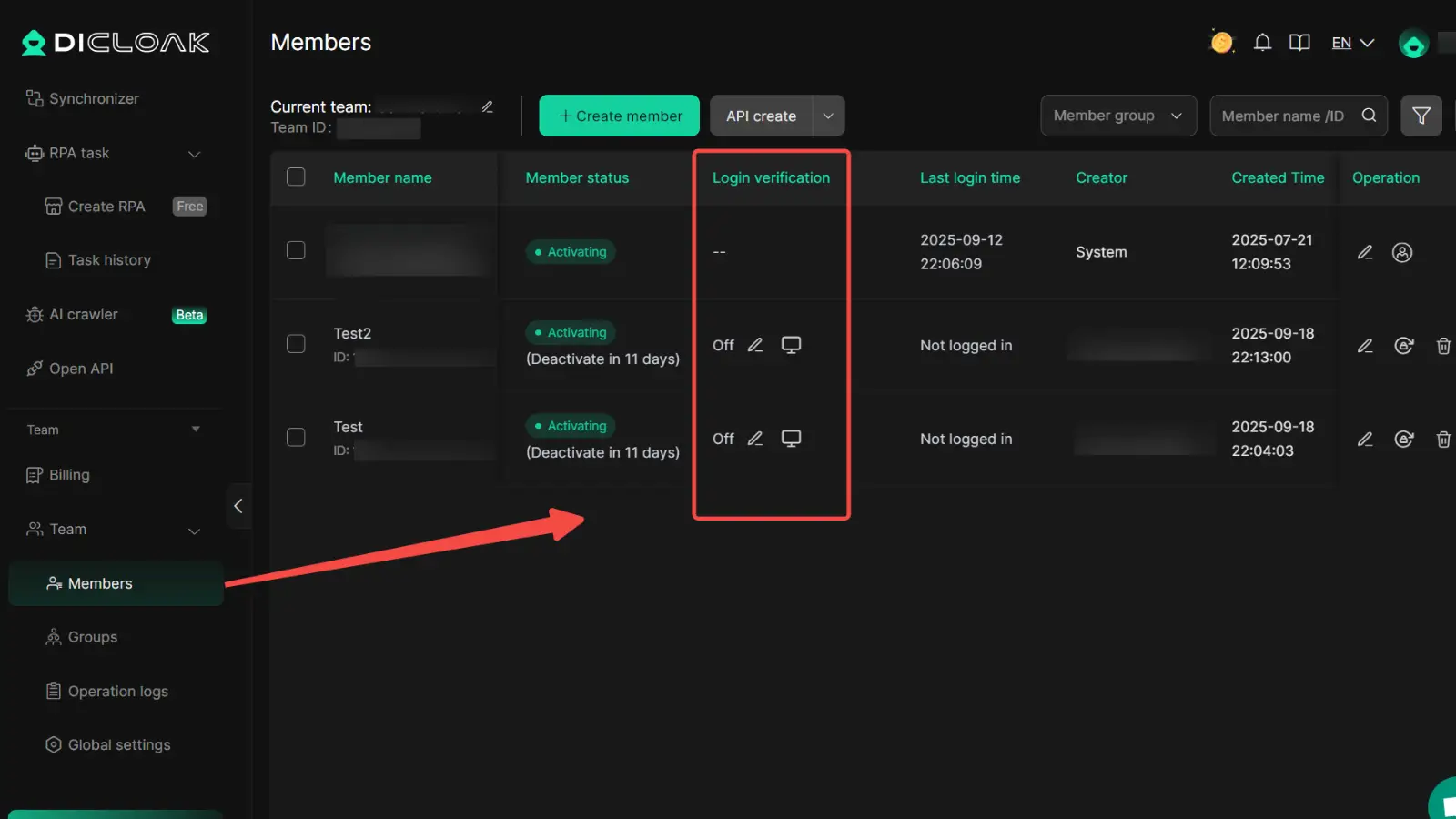
- Make team workflows easier to manage: Member permissions and access controls can help small teams keep shared work more structured.
DICloak is not what makes assignment arbitrage profitable on its own. But as a supporting tool, it can help investors keep deal workflows cleaner, more organized, and easier to manage at scale.
FAQs About Assignment Arbitrage
Q1: What is assignment arbitrage in real estate?
Assignment arbitrage is a real estate strategy where an investor puts a property under contract and then transfers that contract to another buyer for a fee. In most assignment arbitrage deals, the investor does not buy or own the property. Instead, the profit comes from the contract assignment itself.
Q2: Is assignment arbitrage legal in every market?
Assignment arbitrage can be legal, but it is not handled the same way in every state or local market. Some areas have stricter rules on disclosures, licensing, contract language, or wholesaling activity. That is why anyone using assignment arbitrage should review local laws and make sure the contract clearly allows assignment.
Q3: How do you make money with assignment arbitrage?
In assignment arbitrage, the investor makes money by securing a property contract at one price and assigning that contract to an end buyer at a higher price. The difference becomes the assignment fee. For example, if you lock in a deal at $180,000 and assign it at $190,000, the gross assignment arbitrage spread is $10,000.
Q4: What are the biggest risks in assignment arbitrage?
The biggest risks in assignment arbitrage usually include contract mistakes, bad pricing, weak property data, legal compliance issues, and buyers who fail to close. Even when a deal looks profitable at first, a small error in timing or paperwork can reduce profits or kill the deal completely.
Q5: Is assignment arbitrage the same as wholesaling?
Assignment arbitrage is closely related to wholesaling, and many people use the terms in similar ways. In both cases, the investor often profits by assigning a purchase contract rather than buying the property. However, assignment arbitrage usually puts more focus on the pricing gap, deal structure, and profit spread between the original contract and the end buyer.
Conclusion
Assignment arbitrage can look simple from the outside, but good deals depend on much more than finding a cheap property. You need clear contract terms, realistic pricing, real buyer demand, and a process that stays organized from start to finish. In 2026, that matters even more because local markets can shift fast and small mistakes can cut into profit quickly. For investors who understand the rules, check the numbers carefully, and move with discipline, assignment arbitrage can still be a useful strategy—but it works best when speed is matched with good judgment.
 Web Proxy Tools
 Free Tools
 Cookie Plugin
 UA Generator
 MAC Address Generator
 IP Generator
 IP Address List
 2FA Code Generator
 World Clock
 Anonymous Check
 WebRTC Leak Test
 UUID Generator
 Free Web Proxy Site
 Proxy Checker
 FB Ad Checker
 AI Web Scraping
 Free SMM Tools
 Twitter Shadowban Checker
 Instagram Name Checker
 UTM Generator
 Username Generator
 AI Hashtag Generator
 LinkedIn Headline Generator
 Social Media Image Resizer