Buying aged YouTube accounts can sound like an easy shortcut. The channel looks older. The subscriber count may look better. The setup may seem faster than starting from zero. But once money is involved, the real question changes. It is no longer just about age. It is about risk, control, and whether the channel is actually worth buying.
In 2026, that matters more than ever. Some older channels come with useful history. Others come with fake engagement, weak traffic, ownership problems, or monetization issues that are easy to miss at first. This guide breaks down what aged YouTube accounts really are, why people buy them, what can go wrong, and what to check before you make a decision.
What Is an Aged YouTube Account and Why Do People Buy One?
When people talk about aged YouTube accounts, they usually mean accounts or channels that were created months or years ago and already have some history. That history may include old uploads, past logins, channel settings, or audience activity. In many listings, sellers also use terms like aged YouTube channel or old YouTube account to make the channel sound more valuable. But age alone does not mean quality. Some old channels are inactive, weak, or built with fake activity, so buyers need to look deeper before they buy aged YouTube account offers.
What makes a YouTube account "aged"?
A YouTube account is usually called "aged" when it has been online for a while instead of being newly created. Sellers often point to the channel creation date, upload history, or older activity as proof. For example, a channel opened in 2021 with several past uploads will usually be seen very differently from a brand-new account made this week. Still, YouTube does not give special value to a channel just because it is old. Age is only one part of the picture.
How is an aged account different from a new channel?
The biggest difference in aged YouTube account vs new channel is history. A new channel starts clean, with no past activity. An aged one already has a record. That can help, but it can also create problems. An older channel may already have a profile, videos, and some audience signals. That is one reason some people try to buy YouTube channel assets instead of building from zero. But older channels can also come with hidden issues, such as deleted content, weak traffic sources, or fake subscribers on YouTube.
For example, one channel may have 8,000 subscribers and look strong at first glance. But if many of those subscribers are inactive or low quality, the channel may perform worse than a smaller new channel with real viewers. That is one of the main risks of buying aged YouTube accounts. Old numbers can look good, but they do not always mean real value.
Why do some buyers prefer aged accounts over starting from scratch?
Most buyers want speed. They hope an older channel will save time, look more established, or make early growth easier. Some marketers and agencies also want older channels because they manage many projects and do not want every account to start at zero. That is why people search for aged YouTube accounts in the first place.
Still, buyers often expect too much. An older channel is not automatically a monetization ready YouTube account. It still needs to meet YouTube Partner Program eligibility rules and follow YouTube monetization requirements. Buyers also need to watch for YouTube seller red flags, YouTube account transfer risk, and whether there is a secure YouTube account transfer process. So before asking is it safe to buy a YouTube account, the better question is whether the channel’s history is real, clean, and useful for your goal.

What Risks Come With Buying an Aged YouTube Account?
As the last section showed, the main risk with aged YouTube accounts is not just age. It is history. An aged YouTube channel may look stronger than a new one, but it may also carry old problems that are hard to spot at first. That is why the risks of buying aged YouTube accounts often start before the new owner even uploads anything.
Why do some purchased accounts get flagged, limited, or banned?
Some bought channels get flagged because their past activity already looks suspicious. That can include spammy traffic, bought engagement, or fake subscribers on YouTube. YouTube says fake engagement and policy violations can lead to warnings, removal, or monetization problems. So when people ask, is it safe to buy a YouTube account, the answer depends a lot on what happened on that channel before the sale.
For example, a seller may list an old YouTube account with a high subscriber count and call it a monetization ready YouTube account. But if those subscribers are low quality or fake, the channel may struggle later. Good-looking numbers do not always mean a healthy channel.
What can go wrong when the seller is unreliable?
A bad seller creates another layer of risk. The problem is not only the channel itself. It is also the handover. If you buy aged YouTube account listings from the wrong person, you may get the login but not full control. The seller may still keep recovery access, devices, or backup options. That creates serious YouTube account transfer risk. YouTube also recommends safer account management methods instead of casually sharing sign-in details.
That is why YouTube seller red flags matter so much. If the seller avoids showing ownership details, recovery access, or transfer steps, that is a warning sign. A truly secure YouTube account transfer should cover more than just a password.
How can past violations or suspicious history hurt the account later?
Old problems can continue after the sale. A channel may have past strikes, copyright issues, or weak traffic quality. That can hurt growth and even affect YouTube Partner Program eligibility later. YouTube makes clear that channels must meet policy standards and YouTube monetization requirements. Age alone does not change that.
This is one reason the aged YouTube account vs new channel question is not simple. A new channel is slower, but it starts clean. An older one may save time, but it may also come with baggage. That is why the next step is so important: learning how to evaluate an aged YouTube account before paying for it.
How to Evaluate the Quality of an Aged YouTube Account
After looking at the risks, the next step is checking quality. This matters because many aged YouTube accounts look better on the surface than they do in real use. A channel may be old, but that does not mean it is healthy, trusted, or worth the price. When people ask how to evaluate an aged YouTube account, the best place to start is not the seller’s promise. It is the channel’s real history, real traffic, and real ownership details.
What signs suggest an aged account may be high quality?
A stronger aged YouTube channel usually shows steady and believable history. That can mean normal upload timing, real comments, traffic that makes sense for the niche, and audience numbers that match the channel’s actual performance. For example, if an old YouTube account has 5,000 subscribers but its recent videos get almost no views or comments, that gap is a warning sign. A better channel usually looks more balanced. It also should not be sold as a monetization ready YouTube account unless the seller can show real proof that it meets YouTube Partner Program eligibility and other YouTube monetization requirements.
How can you check whether the account history looks real?
The easiest way is to look for patterns that feel natural. For instance, check whether the upload dates make sense, whether the content topic stayed mostly consistent, and whether views and subscriber growth look gradual instead of sudden. If a channel jumped from almost no activity to very large numbers in a short time, that deserves a closer look. The same goes for fake subscribers on YouTube or other signs of fake engagement. YouTube’s policies are clear that fake engagement and spam can cause channel problems later, so a channel with suspicious growth is riskier even if it looks strong today.
What seller red flags should you watch for before paying?
Some of the clearest YouTube seller red flags are simple. The seller will not show analytics. The price is far too low for what is being offered. They push you to pay fast. They refuse escrow or avoid written records. They also cannot clearly explain who controls the recovery email, backup phone, or past access. That is a major YouTube account transfer risk. If you want to buy aged YouTube account listings or buy YouTube channel assets, a secure YouTube account transfer should include full control, not just a password. If the transfer details are vague, the deal is weak no matter how old the channel is.
This is also where the aged YouTube account vs new channel question becomes more practical. A new channel takes longer, but it is easier to control from day one. An older one may save time, but only if the history is clean and the handover is solid. That is why quality checks matter so much before you ask, is it safe to buy a YouTube account. The safer answer depends less on age and more on proof.
What to Check Before Paying for an Aged YouTube Account
Once you finish checking quality, the next step is simple: do not pay too fast. Many aged YouTube accounts look fine until the buyer asks for proof, transfer steps, and recovery control. This is where weak deals usually fall apart. A channel may look strong on the outside, but if the ownership trail is unclear, the risk is still high.
What account details should you confirm before purchase?
Before you buy aged YouTube account listings, confirm the basics first. Check the channel creation date, recent analytics, traffic sources, subscriber quality, upload history, and whether the niche still matches your goal. If the seller calls it a monetization ready YouTube account, ask for real proof, not just screenshots. You should also check whether the channel appears to meet YouTube Partner Program eligibility and current YouTube monetization requirements. A seller who avoids these questions is already showing one of the clearest YouTube seller red flags.
For example, a seller may offer an old YouTube account with strong subscriber numbers, but the traffic may be weak, off-topic, or built on fake subscribers on YouTube. That is why how to evaluate an aged YouTube account should always include both performance and ownership checks. A clean-looking aged YouTube channel is not enough by itself.
What payment or escrow options offer better buyer protection?
For higher-risk digital deals, escrow usually offers better protection than sending money directly. An escrow service works as a neutral third party that holds the buyer’s payment until the agreed conditions are met. In plain terms, the seller does not get paid right away, and the buyer has a chance to confirm delivery first. That does not remove all risk, but it is usually safer than direct transfer methods when you buy YouTube channel assets from someone you do not know.
How can you reduce risk during account transfer?
The handover matters just as much as the payment. YouTube says channel permissions are meant to reduce security risks such as password sharing, and ownership changes are tied to Brand Account rules and channel permissions. That means a secure YouTube account transfer should cover more than a login and password. It should include recovery access, role changes, and clear control of the channel after the deal. If the seller still keeps the recovery email, backup phone, or hidden owner access, that creates serious YouTube account transfer risk.
This is one more reason the aged YouTube account vs new channel question is not only about speed. A new channel is slower, but control is easier from day one. An older one may save time, but only if the payment method is safer and the transfer is complete. That is why, before asking is it safe to buy a YouTube account, you should first ask whether the proof, payment, and transfer process are all solid.
Are Aged YouTube Accounts Really Monetization-Ready?
After checking payment and transfer, the next question is usually about revenue. This is where many buyers get misled. Some sellers present aged YouTube accounts as if age alone makes a channel ready to earn money. That is not how YouTube works. A channel can be old and still fail monetization review. YouTube says channels must meet current YouTube Partner Program eligibility rules and follow all YouTube monetization requirements.
Does an aged account automatically qualify for monetization?
No. An older channel is not automatically a monetization ready YouTube account. For full YPP ad revenue access, YouTube says a channel needs 1,000 subscribers and either 4,000 valid public watch hours in the last 12 months or 10 million valid public Shorts views in the last 90 days. YouTube also offers an expanded YPP entry point for some fan funding features at 500 subscribers, but that is not the same as full ad monetization.
For example, a seller may offer an old YouTube account with 1,200 subscribers and call it ready to earn. But if the watch hours are too low, or the views came from weak traffic, the channel may still not qualify. That is one reason the risks of buying aged YouTube accounts are often misunderstood. Age can save time in some cases, but it does not replace real performance.
How can you check whether a channel may qualify for the YouTube Partner Program?
The safest way is to check proof inside YouTube Studio, especially the Earn section, instead of trusting a sales claim. Buyers should look for subscriber count, valid watch hours or Shorts views, and any clear signs about policy status. This is also part of how to evaluate an aged YouTube account before paying. If a seller avoids showing current YPP status, that is one of the clearest YouTube seller red flags.
What issues can delay or block monetization after purchase?
Even if a channel looks close to qualifying, several things can still block monetization later. YouTube says monetizing channels must follow channel monetization policies, including advertiser-friendly rules. Reused content that does not add enough original value can also create problems. Fake engagement, spam signals, copyright trouble, or unresolved channel issues may delay review or lead to demonetization.
For instance, a seller may offer an aged YouTube channel with decent numbers, but those numbers may include fake subscribers on YouTube or weak recycled content. In that case, the channel may look strong on paper but still struggle to earn. So before you buy aged YouTube account listings or buy YouTube channel assets, do not ask only whether the channel is old. Ask whether the growth is real, the content is compliant, and the account can still pass review after a proper handover.
How to Manage a Purchased Aged YouTube Account Without Making It Look Suspicious
Even if payment, transfer, and monetization checks look fine, the first few weeks still matter a lot. Many problems with aged YouTube accounts happen after the sale, not before it. The reason is simple: sudden changes can make a channel look unusual. A different owner, different content style, different access setup, and different behavior all at once can create extra risk. That is why buyers should move carefully after they buy aged YouTube account listings or buy YouTube channel assets.
What early actions may help reduce suspension risk?
Start with control and security first. Make sure the handover is complete, remove old access where possible, and use channel permissions instead of casually sharing passwords. YouTube explicitly recommends channel permissions and says not to share sign-in info with others. That matters because weak access control adds to YouTube account transfer risk even after the deal is done.
It also helps to avoid sudden, messy changes on day one. For example, if an old YouTube account had a stable upload pattern, then the new owner instantly changes branding, deletes videos, adds new managers, and starts posting very different content, the channel may look less natural. That does not mean every change is forbidden. It means slower, cleaner changes are usually easier to manage than a full reset in one day. If the channel already had warnings or strikes, the risk is even higher, because YouTube says strikes can limit posting ability and repeated violations can lead to termination.
How should you handle content changes after taking over the account?
Content changes should match the channel’s history as much as possible, or at least move in a believable direction. For instance, if an aged YouTube channel was built around simple tutorial videos, then switching overnight to unrelated recycled clips can create problems for both trust and monetization. YouTube’s monetization policies say reused content that does not add enough original value may not qualify. So even if the channel looked close to a monetization ready YouTube account, careless content changes can hurt it later.
This is one reason how to evaluate an aged YouTube account should include content fit, not just numbers. A channel with real history in one niche may be more useful if you stay close to that niche at first. A channel with messy, mixed, or low-value uploads may need more caution. The goal is not to pretend nothing changed. The goal is to avoid making the channel look chaotic right after transfer.
What mistakes can damage growth after purchase?
The biggest mistake is trusting surface numbers too much. Buyers see subscriber count, assume the channel is strong, and forget that fake subscribers on YouTube, weak watch quality, or bad old traffic can still hurt performance. Another common mistake is thinking age solves everything. It does not. An aged YouTube account vs new channel decision only makes sense if the older channel still has real audience value, clean history, and proper control.
There is also a practical mistake many buyers make: they focus only on getting the channel, not on keeping it stable. That includes ignoring YouTube seller red flags, skipping a truly secure YouTube account transfer, or assuming old content and old metrics will carry future growth on their own. So when people ask, is it safe to buy a YouTube account, the safer answer is this: it is less about the age itself and more about what you do with the channel after the purchase.
When working with aged YouTube accounts, one of the biggest problems is keeping each account in a separate and stable setup. If multiple accounts are opened in the same browser with mixed cookies, shared local data, and messy login habits, management becomes harder to control.
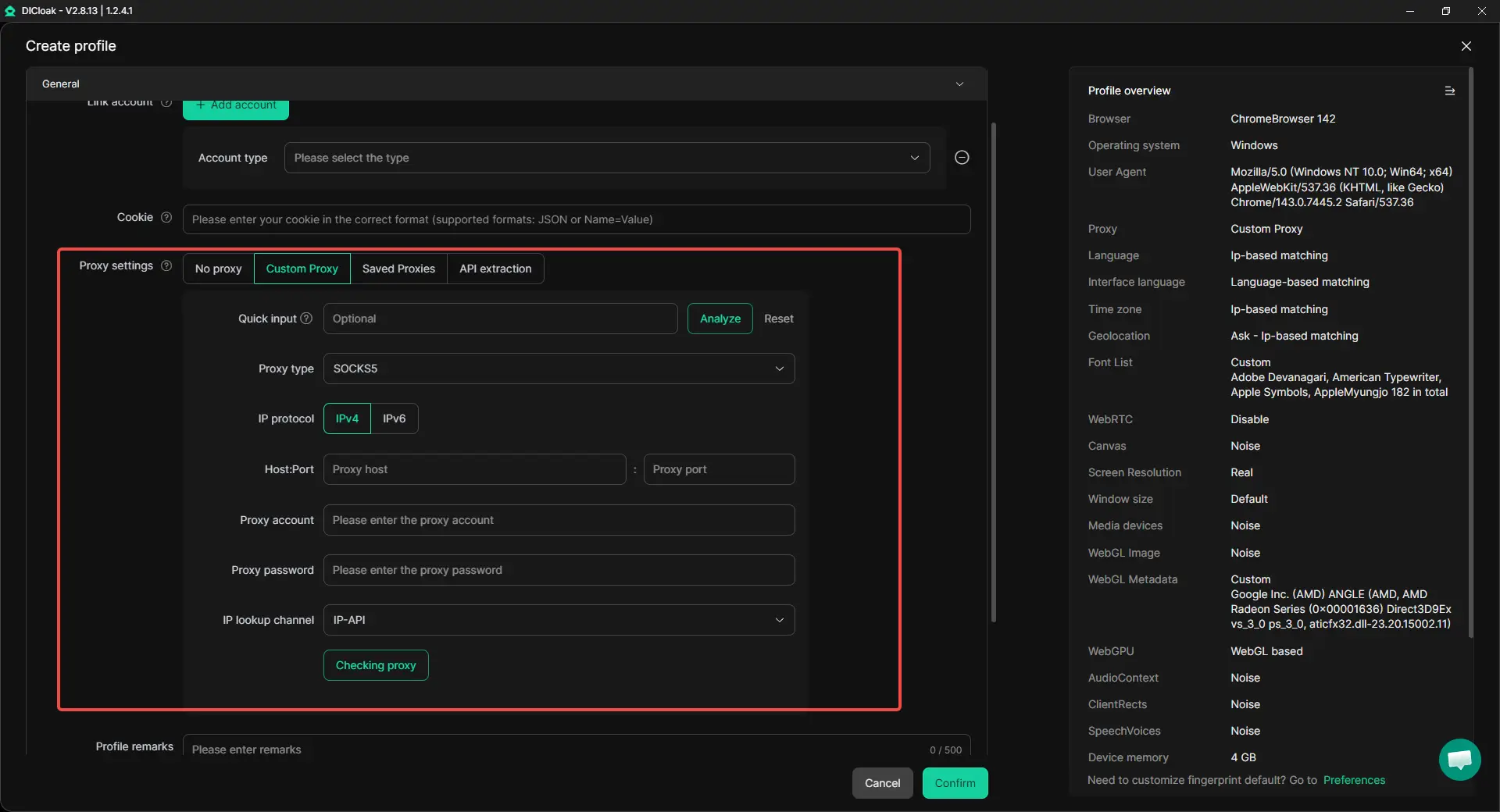
- Separate each account into its own browser profile: Users can keep each account in its own browser profile instead of mixing everything together. Each profile can hold its own cookies, storage, login state, and fingerprint. This makes multi-account work cleaner and more organized.
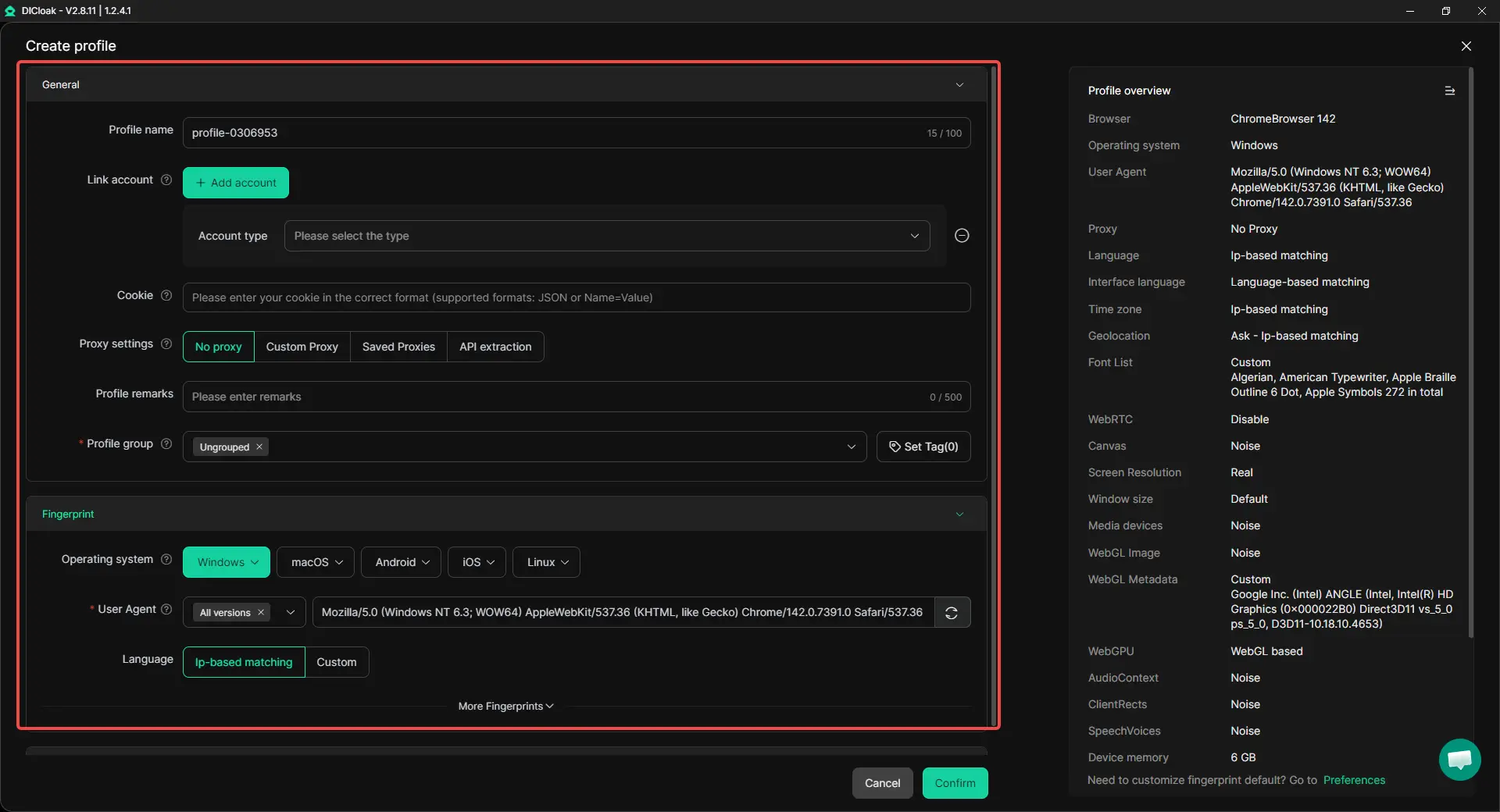
- Use a different proxy setup for each profile: Users can assign a separate proxy to each profile instead of sending every account through the same connection. For aged YouTube accounts, this makes it easier to keep access patterns more consistent after transfer.
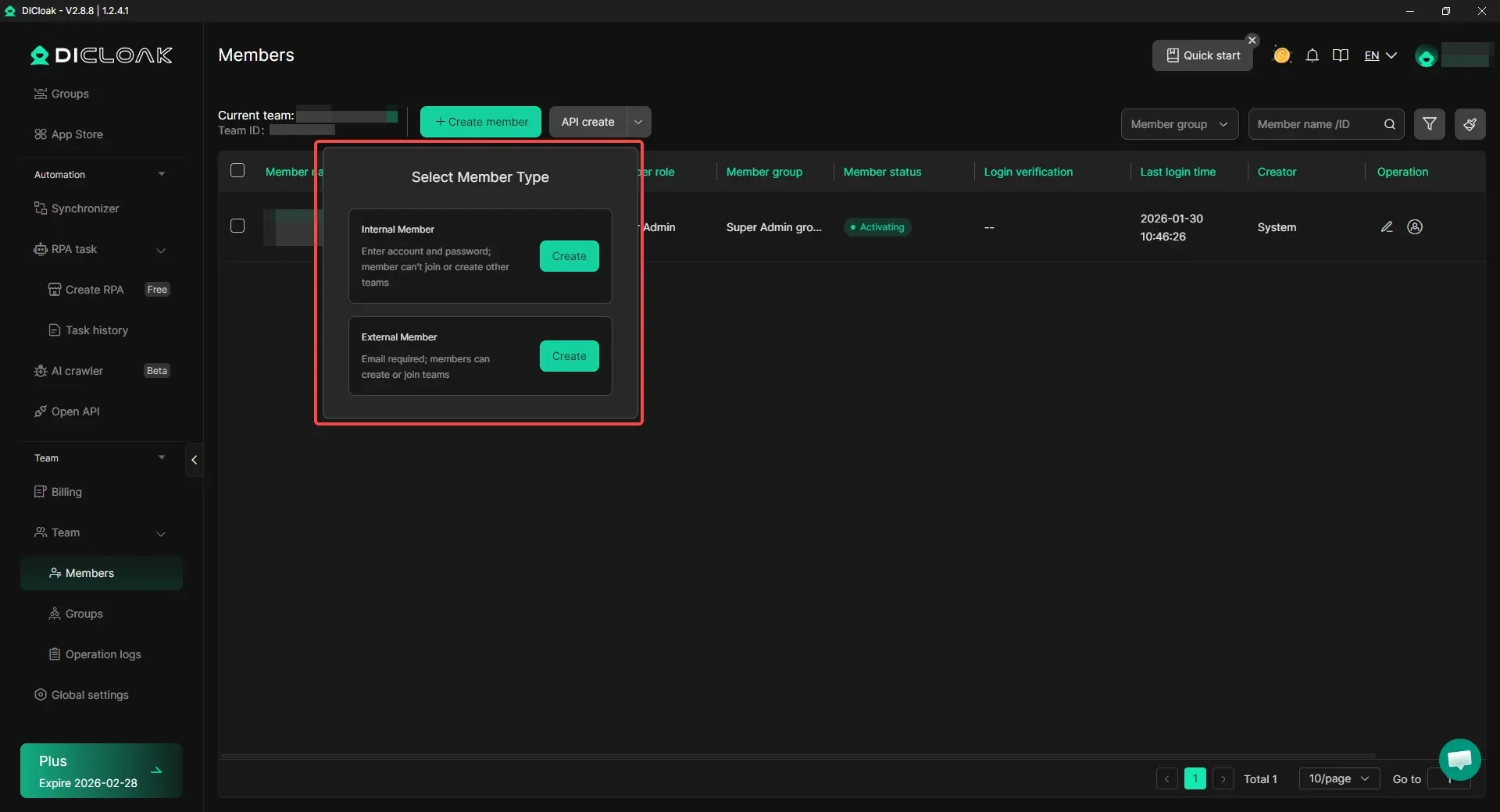
- Use team permissions to manage access more clearly: When multiple people need to work on the same channels, permission settings can keep account access more organized. Different team members can be assigned different roles, which helps reduce messy password sharing and makes multi-account work easier to control.
Frequently Asked Questions About Aged YouTube Accounts
Is it safe to buy aged YouTube accounts in 2026?
It can be risky. The biggest issue is not age. It is the channel’s history, traffic quality, and transfer control. If the account used fake engagement or has unresolved policy problems, those issues can still affect it later.
Are aged YouTube accounts better than starting a new channel?
Not always. Aged YouTube accounts may save time, but a new channel starts clean. There is no old traffic problem, no transfer dispute, and no hidden history. The better choice depends on whether you value speed more than control.
Can aged YouTube accounts still get monetized after purchase?
Yes, but age alone is not enough. An older channel is not automatically a monetization ready YouTube account. It still needs to meet current YouTube Partner Program eligibility and YouTube monetization requirements.
How can you tell if aged YouTube accounts have fake subscribers or fake views?
Look for numbers that do not match real activity. For example, a channel may have many subscribers but very low views, weak comments, or sudden growth spikes. That can be a sign of fake engagement.
What should be transferred when buying aged YouTube accounts?
The transfer should include more than a password. Buyers should confirm control of the recovery email, backup phone, and channel access settings. If the seller keeps recovery control, the channel may not be fully safe to use.
Conclusion
Aged YouTube accounts can save time, but they are not automatically safe, valuable, or ready to earn. What matters most is the channel’s real history, including traffic quality, past activity, ownership details, and whether the audience is genuine. Before buying, it is important to check the channel carefully instead of trusting age or subscriber count alone. After purchase, stable account management also matters. In the end, the best approach is to treat aged YouTube accounts as a risk-checking decision, not a shortcut.
 Web Proxy Tools
 Free Tools
 Cookie Plugin
 UA Generator
 MAC Address Generator
 IP Generator
 IP Address List
 2FA Code Generator
 World Clock
 Anonymous Check
 WebRTC Leak Test
 UUID Generator
 Free Web Proxy Site
 Proxy Checker
 FB Ad Checker
 AI Web Scraping
 Free SMM Tools
 Twitter Shadowban Checker
 Instagram Name Checker
 UTM Generator
 Username Generator
 AI Hashtag Generator
 LinkedIn Headline Generator
 Social Media Image Resizer