This document discusses an open-source web scraping application that simplifies data extraction from various websites. It covers setup, data formats, user feedback, and the integration of AI technologies to enhance scraping efficiency. The application allows users to define fields for extraction, export data in multiple formats, and provides a user-friendly interface. Future improvements are driven by user suggestions, ensuring the tool remains effective and adaptable to evolving web scraping needs.
This article discusses the evolution of web scraping in 2024, emphasizing the impact of AI on data collection processes. It covers traditional methods, emerging opportunities for freelancers, and best practices for scraping both simple and complex websites. The use of advanced tools like Selenium and AgentQL is highlighted, along with strategies for handling vague user requests. The future of web scraping is portrayed as increasingly automated and efficient, enabling users to focus on data analysis.
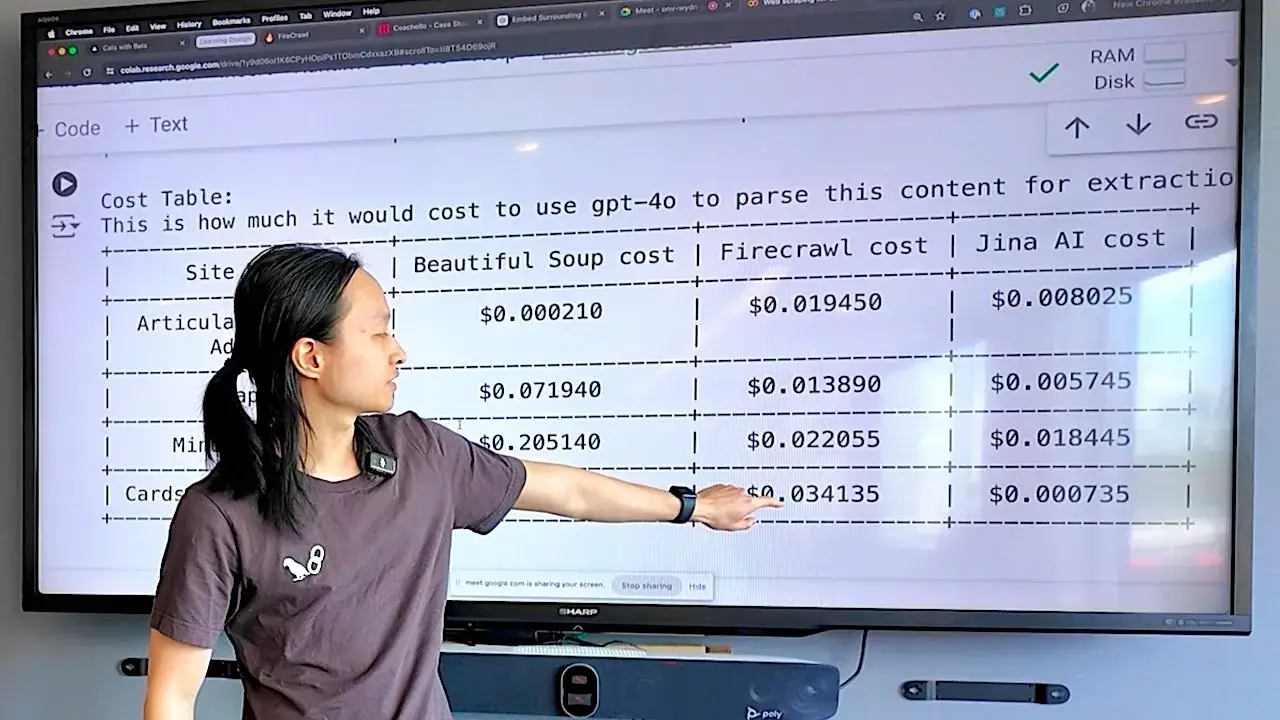
This article discusses various web scraping tools and techniques for training large language models (LLMs) in 2024. It covers traditional tools like Beautiful Soup, the integration of LLMs for HTML processing, and advanced solutions such as Reader API, Firecrawl, Scrape Graph AI, and Crawl4AI. The challenges of scraping data from complex web pages and PDFs are also addressed, along with practical examples and next steps for users interested in building retrieval-augmented generation applications.
This guide addresses common issues with ad blockers on browsers like Chrome, Firefox, and Edge, offering solutions such as re-enabling extensions and adjusting settings. It emphasizes the importance of maintaining a smooth browsing experience, especially during the holiday season, while also spreading festive cheer and well-wishes.
Use Browser is an open-source tool built on LangChain that allows users to control web browsers through simple prompts. It offers easy integration with Python, supports various APIs, and provides structured responses. Users can create persistent agents for complex tasks and customize the tool for specific needs, making it a powerful solution for web automation.
Skyvern is an open-source automation tool designed to enhance web-based workflows using advanced machine learning and computer vision. It offers a user-friendly cloud interface, local installation options, and a drag-and-drop builder for task automation. Since its beta launch, Skyvern has evolved to rival proprietary systems while providing users with flexibility and control. Its capabilities include handling complex workflows and data extraction, making it a powerful alternative to traditional automation tools.
YouTube has intensified its battle against ad blockers, impacting popular options and prompting users to disable them to access content. The platform emphasizes the necessity of ads for its revenue model and offers a premium subscription for ad-free viewing. Users have found workarounds, and alternative ad blockers like p.org are gaining attention. Community frustration over excessive ads is growing, highlighting the ongoing tension between ad revenue and user experience.
This article reviews the top five AI web scraping tools, highlighting their importance, types, and practical applications. It discusses browser-based, cloud-based, and hybrid scrapers, emphasizing AI's role in enhancing data extraction efficiency. Key tools like Bine, Web Scraper IO, Instant Data Scraper, and Octoparse are examined for their user-friendliness and functionality. The guide aims to help users select the right tool based on their specific needs and use cases.
Magical is a user-friendly web scraping tool that simplifies data extraction from various websites, including LinkedIn and CRM systems. It allows users to customize data collection, automate email responses, and streamline outreach efforts. Compared to Zapier, Magical offers a more straightforward setup for scraping tasks, making it accessible for users without extensive technical skills. Overall, it enhances productivity by reducing manual data entry and improving automation capabilities.