Search is changing faster than many brands expected, and that is why more people now ask what is GEO. In the past, most search strategy was built around rankings, clicks, and traffic. In 2026, that is only part of the picture. Google AI Overviews now reach more than 1 billion monthly users across 100+ countries and territories, ChatGPT has reached 800 million weekly active users, and Google’s Gemini app has passed 750 million monthly users. At the same time, AI Overviews appeared in about 16% of queries by late 2025.
That shift means your content may need to do more than rank. It may also need to be clear enough to get cited, mentioned, or reused inside AI-generated answers. This is where generative engine optimization comes in. GEO is getting more attention because brands are starting to see a simple truth: AI is already changing how people discover products, services, and information. The real question now is not whether this shift is happening. It is whether your brand is visible when it does.
What Is GEO?
Search is changing fast. People still use normal Google results, but many now ask full questions in AI tools and expect a direct answer first. Google AI Overviews now appear in more than 120 countries and territories, which helps explain why more people are asking what is GEO and why it matters.
What does GEO mean in simple terms?
In simple terms, generative engine optimization means making your content easier for AI systems to find, understand, trust, and use in their answers. That is the basic generative engine optimization meaning. In the past, brands focused more on rankings, clicks, and traffic. Now they also want to appear inside AI-generated answers. That is why people search for what is GEO in SEO, what is GEO AI, and what is GEO in search.
This also makes GEO vs SEO easier to understand. SEO focuses more on rankings and clicks. GEO focuses more on answers, mentions, citations, and overall AI search visibility. GEO does not replace SEO. It builds on strong SEO basics.
Which platforms does GEO apply to?
GEO applies to platforms that read web content and return AI-written answers. That includes Google AI Overviews and tools like Perplexity. This is why what is GEO in digital marketing has become a real question for brands that want stronger AI search optimization across more than one platform.
For example, a page about the best payroll software for a small team may rank well in search, but it also needs to make the answer easy to extract. If it gives a clear definition, a short comparison, and direct facts, an AI system is more likely to reuse it. That is a simple way to understand how GEO works and why more teams now want to optimize for AI search.
Why are more people asking what is GEO in 2026?
More people are asking this because AI answers are now part of everyday search. Businesses now see that ranking alone is not enough. They also want to be cited, summarized, or recommended in the answer itself. That is pushing more teams to think seriously about GEO strategy, GEO marketing, and GEO for content marketing.
This also changes how marketers judge content quality. A page can rank well and still perform weakly in AI answers if it is too vague or hard to extract. That is why more teams are asking how to optimize content for GEO and how to measure GEO in a practical way.

How Does GEO Work in 2026?
After you understand what is GEO, the next step is to see how it works in real search. GEO works by helping AI systems find useful pages, understand the main point, and decide whether that content is strong enough to reuse in an answer. It is not a trick. It is about making content easier to find, read, and trust.
How do generative engines find and use content?
Generative engines usually start with web pages they can access and understand. They look for useful information, pull key points, and turn them into one answer. That is a big part of how GEO works and why GEO for AI search engines matters now.
For example, a page about the best project management software for remote teams may rank in normal search, but it also needs to make the answer easy to extract. If it gives a short definition, a clear comparison, and direct facts under helpful headings, it has a better chance to support AI search visibility.
Why do clear answers matter more in GEO?
Clear answers matter because AI tools are built to respond fast. If a page answers the main question early, an AI system can reuse it more easily. If the answer is buried under long filler text, the page becomes harder to use. That is why teams that want to optimize for AI search often start by improving structure and wording.
This also explains part of GEO vs SEO. Traditional SEO can reward a page that ranks well for a keyword. GEO asks a second question: can an AI tool extract the answer quickly and use it with confidence? That is often where a strong GEO strategy begins.
What kinds of signals help AI systems trust content?
Trust starts with clear facts and consistent meaning. Structured data, strong page structure, and clear topic signals help systems understand what a page is about. They do not guarantee inclusion in AI answers, but they do make content easier to interpret.
Trust also grows when a source looks reliable beyond one page. For GEO marketing and GEO for content marketing, that often means clear expertise, solid topic coverage, and a trustworthy content presence. These are some of the signals teams now watch when they want stronger AI search optimization and better GEO results.
GEO vs. SEO: What Is the Difference?
After learning what is GEO and how GEO works, the next step is to compare it with SEO. The simple difference is this: SEO helps pages rank and win clicks, while generative engine optimization helps pages and brands appear inside AI-generated answers. SEO focuses more on rankings, traffic, and clicks. GEO focuses more on citations, mentions, recommendations, and AI search visibility.
How does SEO focus on rankings and clicks?
Traditional SEO is still built around search result performance. A strong SEO page tries to rank high, get noticed, and earn the click. That is why titles, keyword relevance, content quality, backlinks, page speed, mobile-friendliness, and user experience still matter.
For example, a software page may perform well in search because it targets the right query, loads fast, works well on mobile, and gives useful information. Good SEO still helps search engines find and understand your page first.
How does GEO focus on answers, mentions, and citations?
GEO looks at a different result. Instead of asking only whether a page ranked well, it also asks whether that page helped shape the AI answer. That is why AI search optimization is not measured by clicks alone. In GEO, brands care more about whether they are cited, mentioned, or summarized inside AI-generated responses.
This also changes how content should be built. Pages that use clear facts, self-contained paragraphs, strong headings, and easy-to-scan sections are often easier for AI systems to reuse. For example, a page with a direct definition and a short comparison may be more useful in AI search than a page with a long, soft introduction.
To make the difference easier to understand, here is a simple side-by-side comparison of SEO and GEO.
| Aspect |
SEO |
GEO |
| Goal |
Rank and get clicks |
Appear in AI answers |
| Focus |
Rankings, traffic, clicks |
Mentions, citations, visibility |
| User action |
Clicks a search result |
Sees an AI-generated answer |
| Content style |
Keyword-focused, full coverage |
Clear, direct, easy to extract |
| Trust signals |
Backlinks, reviews, authority |
Trust signals plus brand mentions |
| Main metrics |
Rankings, clicks, traffic |
Citations, share of voice, sentiment |
Does GEO replace SEO?
No. GEO does not replace SEO. It builds on it. Strong content, clear relevance, technical accessibility, and trustworthy signals still matter in both systems. The difference is in the result. SEO helps you earn a place in search results. GEO helps you earn a place inside the answer itself.
That is why SEO vs GEO is not really a fight. It is a shift in how visibility works. A smart GEO strategy still tracks rankings, clicks, and traffic, but it also looks at citations, mentions, share of voice, sentiment, and prompt visibility.
Why Strong SEO Does Not Always Lead to Strong GEO Results?
A page can rank well in Google Search and still stay weak in AI answers. Strong SEO can help a page get traffic and clicks, but that does not always mean the page will be cited, mentioned, or reused in AI-generated responses. SEO and generative engine optimization do not measure success in the same way. SEO focuses more on rankings and clicks. GEO focuses more on citations, mentions, and AI search visibility.
How does user intent differ between GEO and SEO?
In traditional search, many users still want a list of links they can compare. In AI search, users often want one direct answer first. Their questions are also longer and more specific. That changes the kind of content that performs well.
For example, a page may rank for “best email marketing software,” but an AI tool may prefer a page that clearly answers a more specific question, such as the best tool for a small ecommerce brand with a low budget. SEO helps a page get found. GEO helps a page match the full question behind the search.
Why do traditional ranking metrics not fully explain GEO visibility?
Rankings do not tell the full story because AI systems do not just copy the search results page. They pull useful parts from pages and turn them into one answer. A page can rank well and still be hard to extract if the main point is buried, the wording is vague, or the structure is messy.
That is why many teams now look beyond rankings and clicks. They also track AI mentions, citations, prompt visibility, and competitor share of voice. That gives a clearer view of how GEO works in real search.
What common mistakes hurt GEO visibility?
One common mistake is writing content that ranks but does not answer the question early enough. Another is using long introductions, weak headings, and vague wording that make the page harder to extract. Some pages cover the topic, but they still feel too broad or slow.
Another mistake is treating GEO as separate from SEO. Good GEO still depends on strong basics like helpful content, clear structure, technical accessibility, and trust. The best approach is simple: keep the SEO foundation strong, then make the content easier for AI systems to understand, reuse, and trust.
How to Optimize Content for GEO
Once you see why strong SEO does not always lead to strong GEO results, the next step is to improve the content itself. The goal is still to help people first. But now the page also needs to be easier for AI systems to read, extract, and trust. That is the practical side of what is GEO in SEO and what is GEO in digital marketing. A strong GEO strategy still starts with good SEO basics, but it applies them in a more answer-focused way. Content needs to be helpful, easy to scan, technically accessible, and clear enough to support AI search visibility.
How should you write content for GEO?
Start with the real question, then answer it early. AI systems work better with content that is clear, direct, and easy to understand on its own. That means short paragraphs, simple wording, specific facts, and less filler. It also helps to use natural language, related terms, and longer query phrasing instead of forcing the same keyword again and again. This is a big part of how GEO works and why AI search optimization is not just old SEO with a new name.
For example, if your page is about the best payroll software for small teams, do not delay the answer with a long intro. Give a short definition, explain who the tools are for, and show the main differences fast. That kind of writing is easier for both users and AI systems to use. It also matches the broader generative engine optimization meaning: making content easier to find, understand, and reuse in answers.
How should you structure pages for better GEO visibility?
Good structure helps AI systems understand what each part of the page is doing. Clear headings, FAQ sections, how-to blocks, tables, summaries, anchor links, and structured data all make content easier to scan and classify. Fast loading, mobile-friendly pages, and secure HTTPS also still matter because they support accessibility and trust. These are not flashy tactics, but they are part of the technical base behind GEO for AI search engines.
It also helps when each important paragraph can stand on its own. AI systems often pull one chunk, not the whole page. So if a paragraph explains one idea clearly without needing extra setup, it is easier to reuse. This is why self-contained definitions, short comparisons, and front-loaded answers often perform better for AI search visibility than long blocks of soft introduction.
Why does topical authority matter more now?
Topical authority matters more because AI systems do not learn about your brand from one page alone. They compare signals across your website and beyond it. That includes your own blog, but also sources like YouTube, Reddit, review sites, industry publications, and other places where your brand is discussed. Strong GEO marketing is not only about publishing one good article. It is also about building a clear, consistent presence across trusted channels.
For example, if a company wants visibility for project management software, one article is not enough. It helps to have related pages on features, use cases, comparisons, setup guides, and FAQs. It also helps when the brand is mentioned in relevant communities and third-party sources. That mix of owned content and outside mentions makes it easier for AI systems to understand what the brand is, what it offers, and why it is worth citing. This is why teams working on GEO for content marketing now care more about topic depth, entity clarity, and off-site mentions, not just rankings.
How to Measure GEO Success
Once you start improving content for GEO, the next question is simple: how do you know if it is working? This is where many teams get stuck. In classic SEO, success is easier to see. You look at rankings, clicks, and traffic. In GEO, the path is less direct because AI tools can mention your brand even when the user never clicks your site. That is why learning how to measure GEO is now a core part of what is GEO in digital marketing and modern AI search optimization.
Which GEO signals should you track first?
The first signals to track are mentions, citations, and share of voice in AI answers. These tell you whether your brand is showing up when users ask important questions. Search Engine Land describes AI mentions and citation rate as the most basic GEO metric because the goal of generative engine optimization is often to be used as a source inside the answer itself, not just to rank on a results page. Semrush also treats AI share of voice as a key benchmark because it shows how visible your brand is compared with competitors across AI responses.
It also helps to track prompt context and sentiment. In other words, you want to know which questions trigger your brand and whether the mention is positive, neutral, or negative. For example, a project management tool might appear often in AI answers for “best tools for remote teams” but rarely for “best low-cost project management software.” That gap shows where your GEO strategy is strong and where it still needs work. This is much closer to real AI search visibility than looking at rankings alone.
How are GEO metrics different from SEO metrics?
The main difference is that SEO measures page performance, while GEO measures answer visibility. SEO asks whether your page ranked, got impressions, earned clicks, and brought traffic. GEO asks whether your content or brand helped shape the AI answer. That is why GEO vs SEO is really a difference in outcomes. One tracks website visits. The other tracks presence inside the answer layer.
For example, a page may rank well for “best CRM for startups” and still get little value from AI answers if it is never cited or mentioned. Another page may rank lower but appear often inside AI-generated responses because its content is easier to extract and trust. That is why teams now watch AI mentions, citation frequency, share of voice, and even AI-referred traffic when they want a fuller picture of how GEO works in practice. Search Engine Land lists citation frequency, share of voice, citation sentiment, and AI-referred traffic among the key measures for GEO in 2026.
What technical signals still support GEO performance?
The technical basics still matter because AI systems still need to access, interpret, and trust your content. Google’s guidance for AI features says there are no special technical requirements for AI Overviews or AI Mode beyond normal Search requirements, which means crawlability, indexability, and overall content accessibility still matter. Google also states that structured data can help its systems understand page content better. So while schema does not guarantee inclusion, it still supports GEO for AI search engines by making content easier to classify and connect.
Page experience also still plays a role. Clear HTML structure, readable pages, mobile-friendly design, fast loading, and stable rendering all make content easier to process. Search Engine Land’s GEO guidance also points to entity consistency, internal linking, mobile UX, and crawl paths as practical areas to review alongside newer AI metrics. In simple terms, strong GEO performance still rests on strong technical SEO. That is why the best answer to what is GEO in SEO is not “replace SEO,” but “build on it and measure more than clicks.”
What Are the Main GEO Challenges Today?
GEO is useful, but it is not simple. After teams learn what is GEO, they often face three big problems: keeping quality high at scale, dealing with weak or misleading information, and tracking results with enough confidence. Generative engine optimization is not only about publishing content. It is also about how AI systems understand and describe your brand over time.
Why is GEO harder to scale without losing quality?
The first challenge is scale. When teams publish too much too fast, content often becomes thin, repetitive, or too broad. That hurts both SEO and GEO. In AI search, this problem shows up quickly because systems are more likely to reuse content that is clear, specific, and easy to extract.
There is also a content ingestion problem. It is not enough to publish the right message. AI systems also need to pick it up and represent it correctly. A brand may explain itself clearly on its own site, but AI tools may still lean on third-party summaries or public discussions.
How can misinformation create GEO problems?
Misinformation creates GEO problems because AI systems pull signals from many places, and some of those sources may be outdated or wrong. That creates a narrative control problem. Your brand may describe itself one way, while AI tools repeat a different version based on reviews, forums, or older content.
For example, a brand may position itself as easy for beginners, but if public discussions keep calling it hard to use, that outside story may show up in AI answers. That is why GEO marketing now depends on both owned content and off-site brand signals.
Why is GEO still difficult to monitor precisely?
GEO is still hard to monitor because AI outputs are not fully stable. The same prompt can return different answers across tools, users, or different moments in time. That makes GEO harder to track than normal rankings.
Teams now need to look beyond classic SEO data. Mentions, citations, prompt context, share of voice, and brand framing all matter. So when people ask what does GEO mean in marketing, part of the honest answer is this: GEO matters, but measurement is still less precise than traditional SEO.
How Can GEO Workflows Be Managed Across Multiple Accounts?
As GEO becomes part of daily content and visibility work, some teams need a cleaner way to manage research, publishing, and multiple accounts at the same time. This matters even more when different tasks need to stay separate. In that kind of workflow, isolated browser profiles, custom proxy setup, and team controls can make operations more organized.
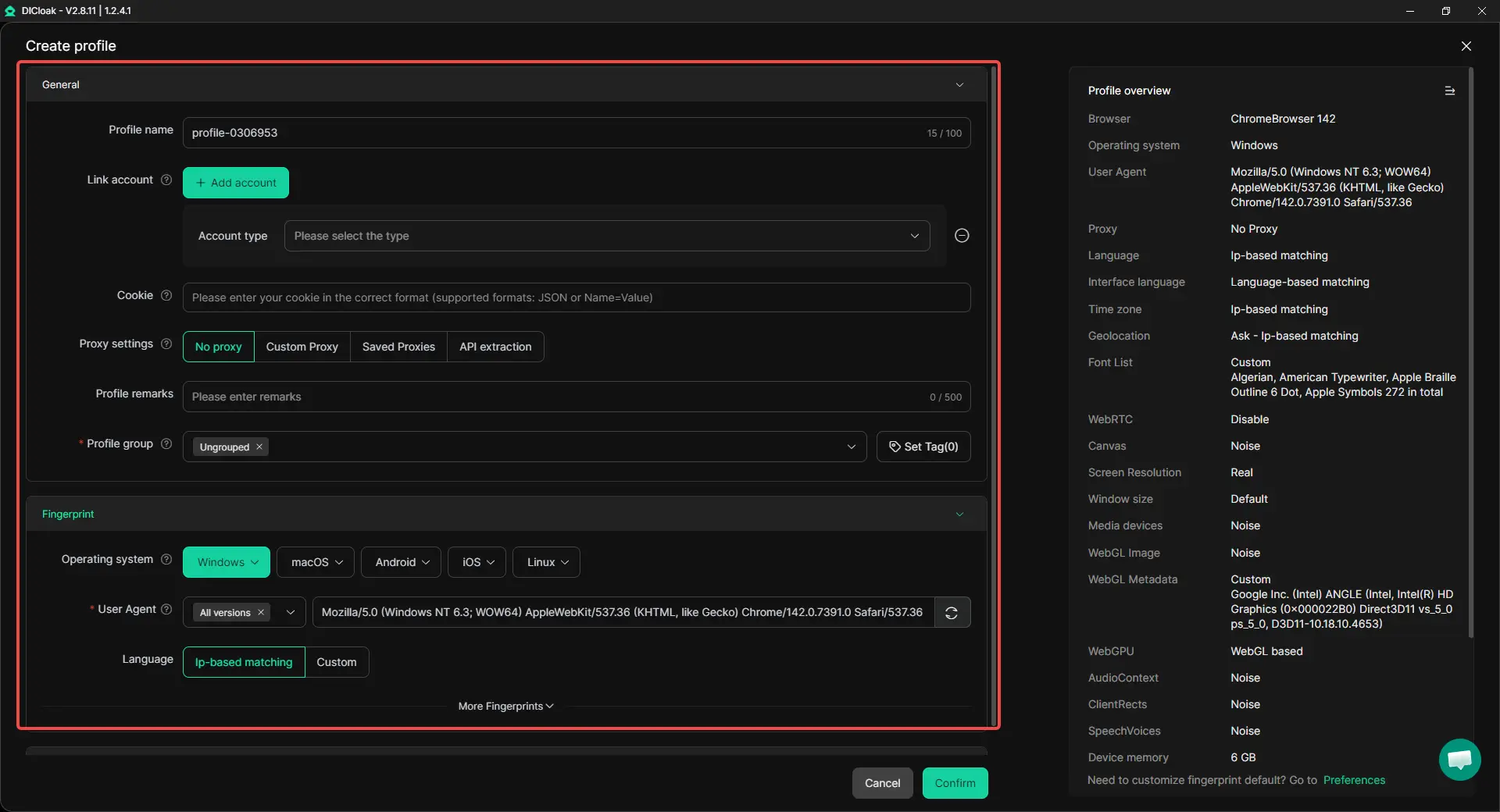
Use separate browser profiles to keep accounts isolated
When many accounts are handled in one normal browser, cookies, sessions, and logins can mix together. A cleaner setup is to keep each account or task in its own browser profile. This makes it easier to separate research, publishing, and account work, while keeping multiple social media accounts independent on one device. It also reduces the mess that comes from mixed cookies, sessions, and login states.
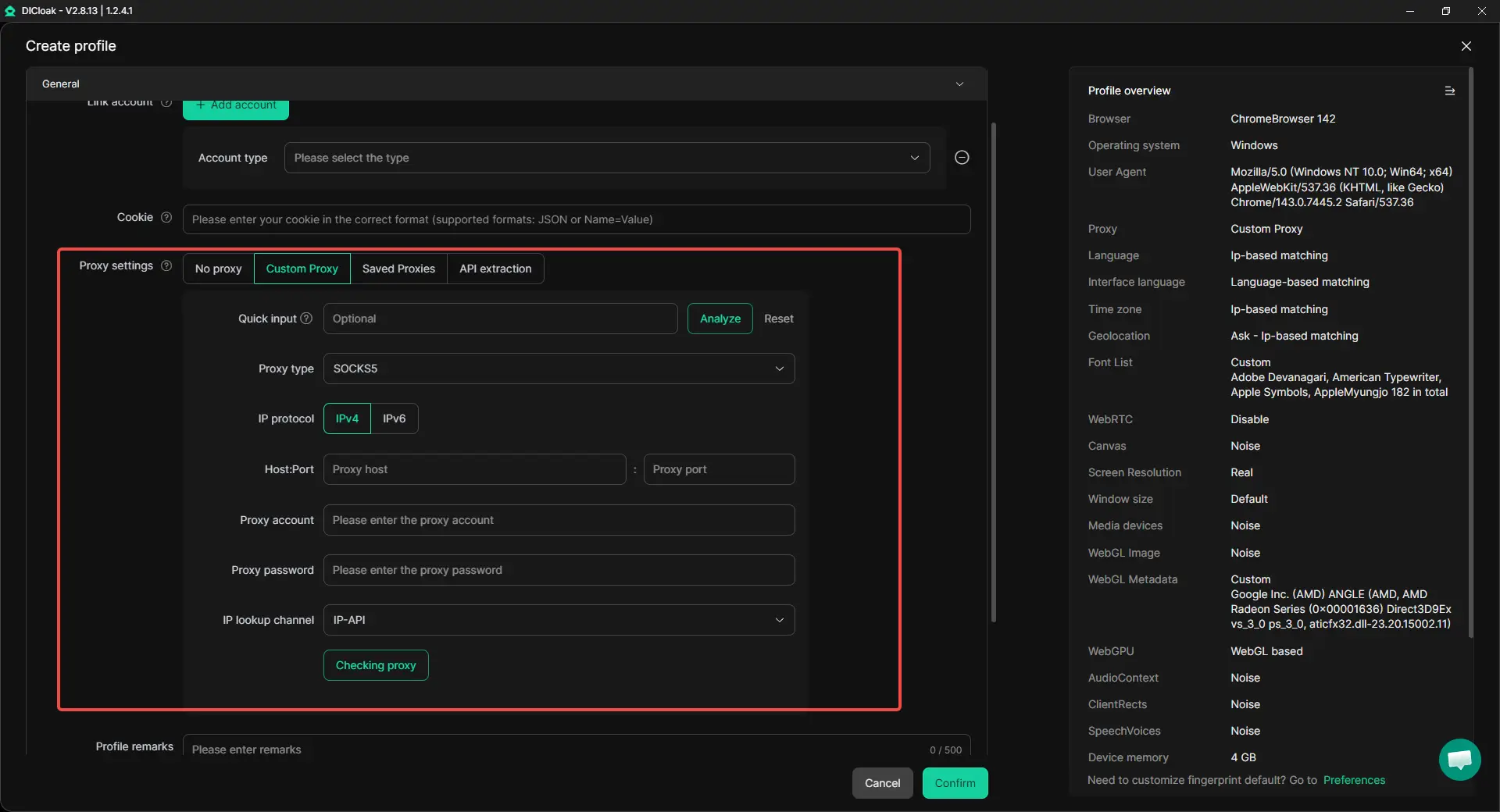
Use custom proxy setup to organize different account environments
Multi-account work is easier to manage when each profile can use its own proxy and profile settings. This gives users more control over how different account environments are arranged. It is especially useful when different channels or tasks need separate setups, because users can organize each profile more clearly instead of running everything inside one shared browser profile.
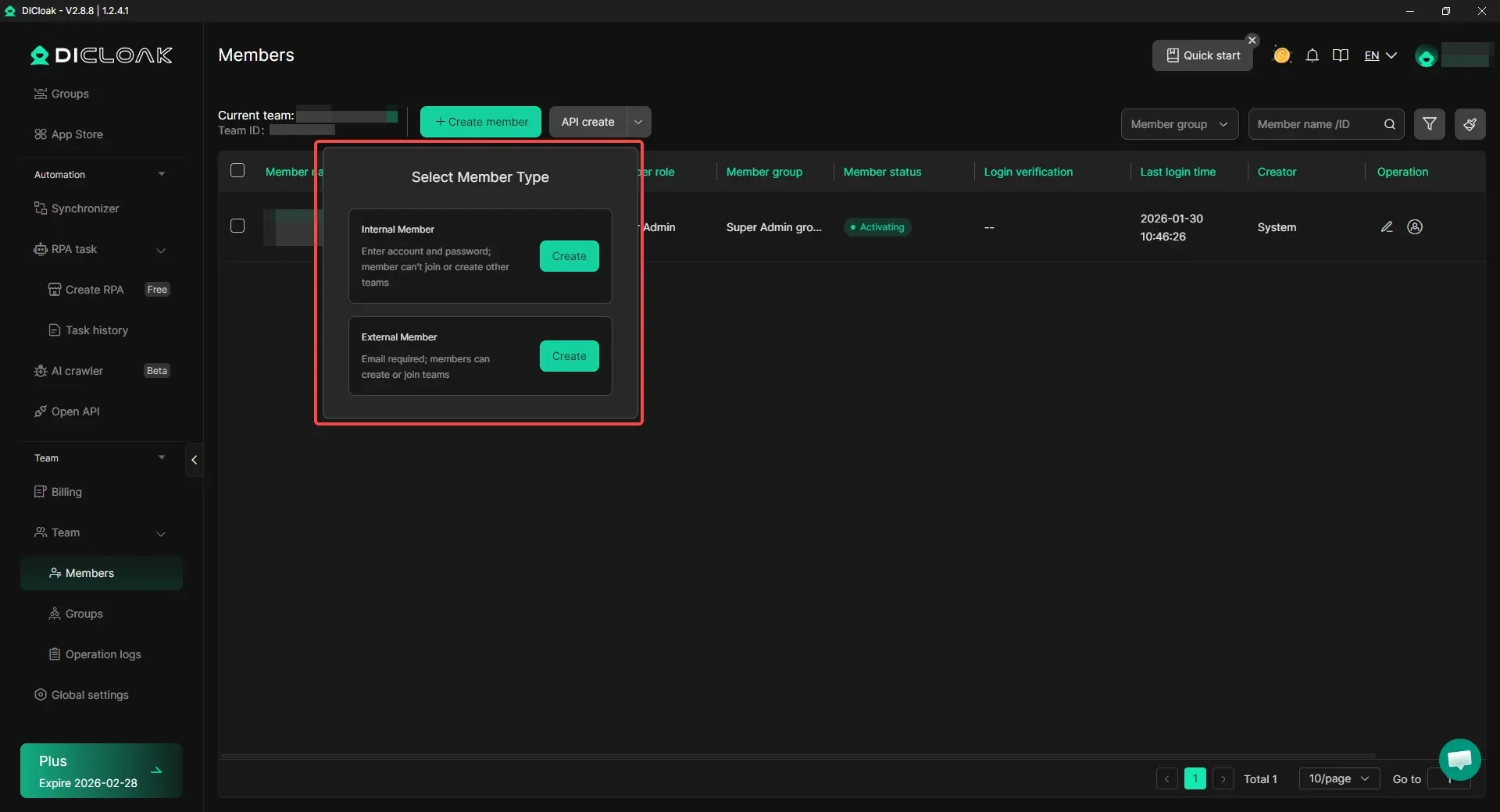
Use team controls to manage shared work more clearly
GEO work often involves more than one person. One person may write content, another may publish it, and another may handle account operations. A more structured setup makes that easier to manage. Profiles can be shared with the right team members, permissions can be set for different roles, and data can stay isolated while people work across the same workflow. This makes team-based GEO operations cleaner and easier to control.
Frequently Asked Questions about What Is GEO
What is GEO in SEO?
GEO means making content easier for AI systems to find, understand, and use in answers.
What is GEO and how is it different from SEO?
SEO focuses more on rankings and clicks. GEO focuses more on mentions, citations, and AI answer visibility.
What is GEO in digital marketing?
It means improving brand visibility in AI search tools like Google AI Overviews, ChatGPT, and Perplexity.
What is GEO AI and how does it work?
GEO AI is about helping AI tools extract, trust, and reuse your content more easily.
What is GEO and how can you measure it?
GEO is often measured through AI mentions, citations, share of voice, and prompt visibility.
Conclusion
In 2026, understanding what is GEO is no longer optional for brands that care about search visibility. As more people use AI tools to ask full questions and expect direct answers, generative engine optimization has become an important layer on top of strong SEO. It is not about replacing SEO. It is about making content easier for AI systems to find, understand, trust, and reuse in answers.
The core idea is simple. Pages that answer questions clearly, use strong structure, show real expertise, and build trust across the web are more likely to support AI visibility. At the same time, GEO is still harder to measure and control than traditional SEO. That is why the best approach in 2026 is practical and balanced: keep your SEO foundation strong, create useful content for real people, and make that content easier for AI systems to extract, cite, and understand.
 Web Proxy Tools
 Free Tools
 Cookie Plugin
 UA Generator
 MAC Address Generator
 IP Generator
 IP Address List
 2FA Code Generator
 World Clock
 Anonymous Check
 WebRTC Leak Test
 UUID Generator
 Free Web Proxy Site
 Proxy Checker
 FB Ad Checker
 AI Web Scraping
 Free SMM Tools
 Twitter Shadowban Checker
 Instagram Name Checker
 UTM Generator
 Username Generator
 AI Hashtag Generator
 LinkedIn Headline Generator
 Social Media Image Resizer