In the 2026 e-commerce landscape, Amazon is no longer just a digital storefront; it is a complex ecosystem of retail and infrastructure. To the casual shopper, Amazon.com appears as a single entity, but under the hood, it operates as a dual system: a direct-to-consumer retailer and a massive hosting platform for millions of independent businesses. This ecosystem is powered by Amazon Web Services (AWS), utilizing tools like EC2 and S3 to maintain the technological backbone that allows for seamless global transactions. Understanding the distinction between Amazon’s own inventory and the Amazon Marketplace is critical for buyers seeking value and for sellers managing capital allocation and chain of custody.
Is it Amazon or a third-party seller? Understanding the "Sold by" tag
For consumers, the interface remains seamless, but the origin of a product significantly impacts who handles the financial transaction and the logistical chain of custody. Identifying the source of a product is the first step in mitigating purchase risk.
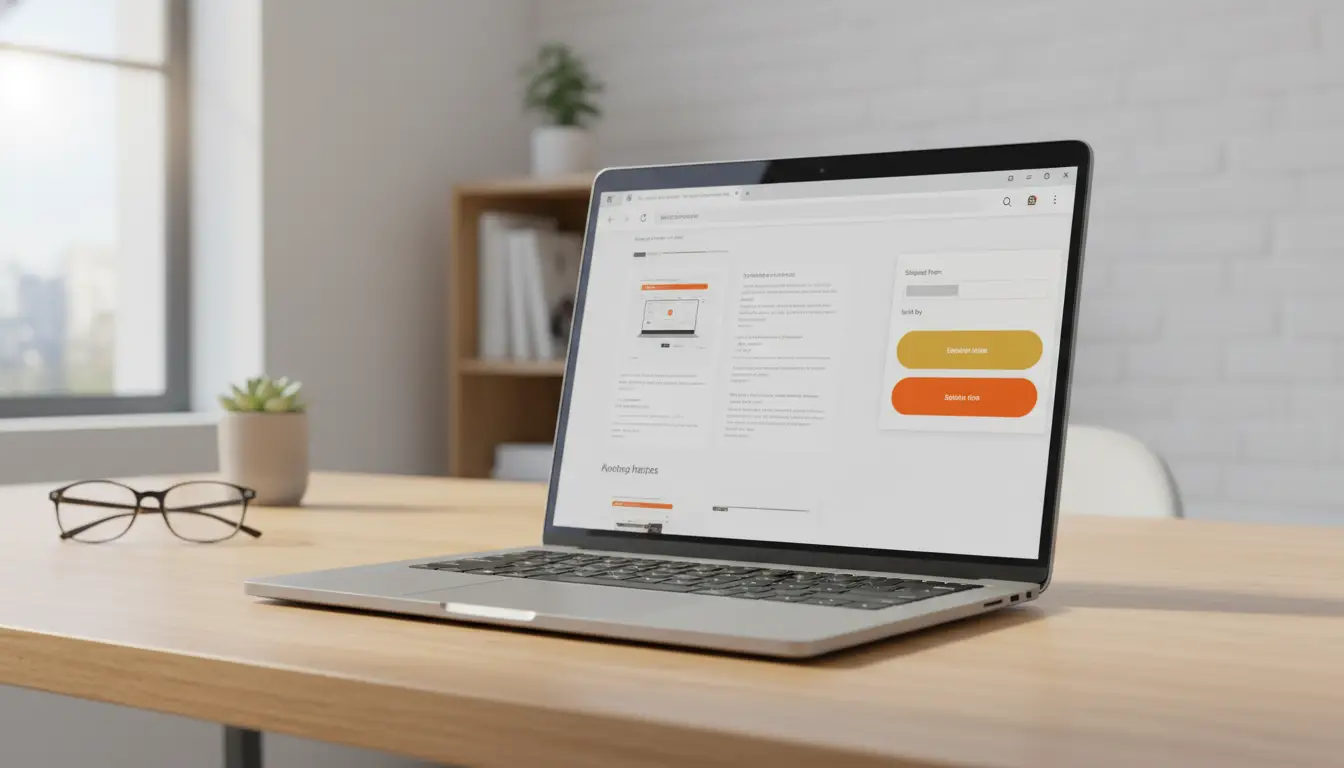
To determine if you are buying from the Marketplace, audit the information box located near the "Add to Cart" or "Buy Now" buttons:
- "Shipped from": This identifies the entity responsible for the physical logistics. If it lists "Amazon," the item is being dispatched from an Amazon fulfillment center.
- "Sold by": This is the definitive marker of ownership. If it lists a store or brand name, you are transacting with a third-party Marketplace seller (operating via Seller Central). If it states "Sold by Amazon," you are buying directly from Amazon’s retail division (supplied via Vendor Central).
How does Amazon Marketplace actually differ from Amazon.com?
While they coexist on the same domain, Amazon Retail and Amazon Marketplace represent two distinct business models. Amazon Retail acts as a traditional merchant, while the Marketplace functions as a digital landlord providing infrastructure for independent brands.
| Feature |
Amazon Retail |
Amazon Marketplace |
| Product Ownership |
Amazon owns and manages the inventory. |
Third-party sellers retain ownership. |
| Pricing Control |
Driven by Amazon’s internal systems/algorithms. |
Controlled by the individual seller. |
| Inventory Source |
Wholesaled from manufacturers (VC). |
Sourced, manufactured, or used goods. |
Why Amazon’s own inventory is the standard for Prime
Items sold directly by Amazon are guaranteed to be new. Because Amazon controls the entire supply chain and storage environment for these items, they are automatically prioritized for Amazon Prime, ensuring maximum consistency in shipping speeds and quality control.
Why the Marketplace offers more variety (and used goods)
The Marketplace is the primary driver of Amazon's massive catalog depth. Independent sellers enable the platform to offer niche products and specialty categories that Amazon’s retail arm does not touch. Furthermore, unlike the direct retail side, the Marketplace is the designated venue for used and refurbished goods, providing a broader range of price points for budget-sensitive consumers.
Should you sell to Amazon or on the Marketplace in 2026?
Operating on Amazon requires a strategic choice between three primary programs, each with different levels of logistical overhead and brand control.
Vendor Central: Selling wholesale to the giant
This is an invite-only model typically reserved for high-volume manufacturers. In this relationship, you act as a supplier, selling your goods to Amazon at wholesale prices. Amazon takes ownership, sets the retail price, and manages the customer relationship.
Seller Central: The path for independent Marketplace brands
This is the standard entry point for third-party brands. It allows you to sell directly to the customer base. Sellers maintain control over their pricing and brand presence, choosing between managing their own logistics or leveraging Amazon's fulfillment network.
Amazon Advantage: The niche for media creators
A specialized consignment model designed for creators of media—primarily books, music, and DVDs. Sellers ship inventory to Amazon, and Amazon handles the fulfillment and distribution upon sale.
How do I know if a Marketplace product is safe to buy?
Mitigating account health and transaction risk is a priority for both parties. Amazon utilizes specific safeguards to maintain trust in third-party transactions.
The A-to-z Guarantee as a safety net
To protect the ecosystem, Amazon provides the A-to-z Guarantee. This program acts as a sophisticated mediator to protect the rights of both sellers and buyers in complex situations. It ensures buyers are covered if a product is materially different or fails to arrive, while providing a framework for dispute resolution.
Evaluating seller-specific return policies
While Amazon.com maintains a rigid and professional return policy for its retail goods, Marketplace sellers have the latitude to establish their own rules. Strategic buyers must review the "Returns" section on a seller’s profile, as these specific regulations—especially for niche categories—can vary significantly from Amazon’s standard retail baseline.
What are the real costs of running a Marketplace business?
Success on the Marketplace requires a granular understanding of the fee structure to prevent margin erosion.
Professional vs. Personal selling plans
- Personal Plan: Ideal for low-volume testing, this plan carries a $0.99 fee per item sold instead of a monthly subscription.
- Professional Plan: Essential for active businesses, this requires a flat $39.99/month fee. Choosing this plan waives the $0.99 per-item fee but does not exempt the seller from referral commissions.
Hidden fees: Referral and closing costs
Beyond the subscription, sellers must account for these operational costs: * Referral Fees: A percentage-based commission (typically 8%–15%) that Amazon takes on every sale for providing the customer lead. * Closing Fees: Fixed additional charges applied specifically to media categories. * Fulfillment Fees: These costs for storage, picking, and packing only apply if using Amazon's logistics services (FBA).
FBA vs. FBM: Who handles the shipping and returns?
Logistical strategy is a primary growth lever. Sellers must choose how to move goods while maintaining high service levels.
Why FBA is the preferred growth lever
Fulfillment by Amazon (FBA) allows sellers to outsource the heavy lifting to Amazon's warehouses. FBA products earn the Prime badge. This is critical because Prime members spend twice as much on average as non-Prime users. * Sales Impact: Transitioning to FBA can increase sales by 30%–50% due to increased visibility and Buy Box priority.
Managing your own logistics with FBM or 3PL
Fulfillment by Merchant (FBM) keeps shipping in the seller's hands. Advanced operators may use Seller-Fulfilled Prime or Amazon Easy Ship to maintain Prime eligibility while keeping inventory in their own facilities. Others use a Hybrid Approach or a 3PL (Third-Party Logistics) to optimize costs for oversized or slow-moving goods.
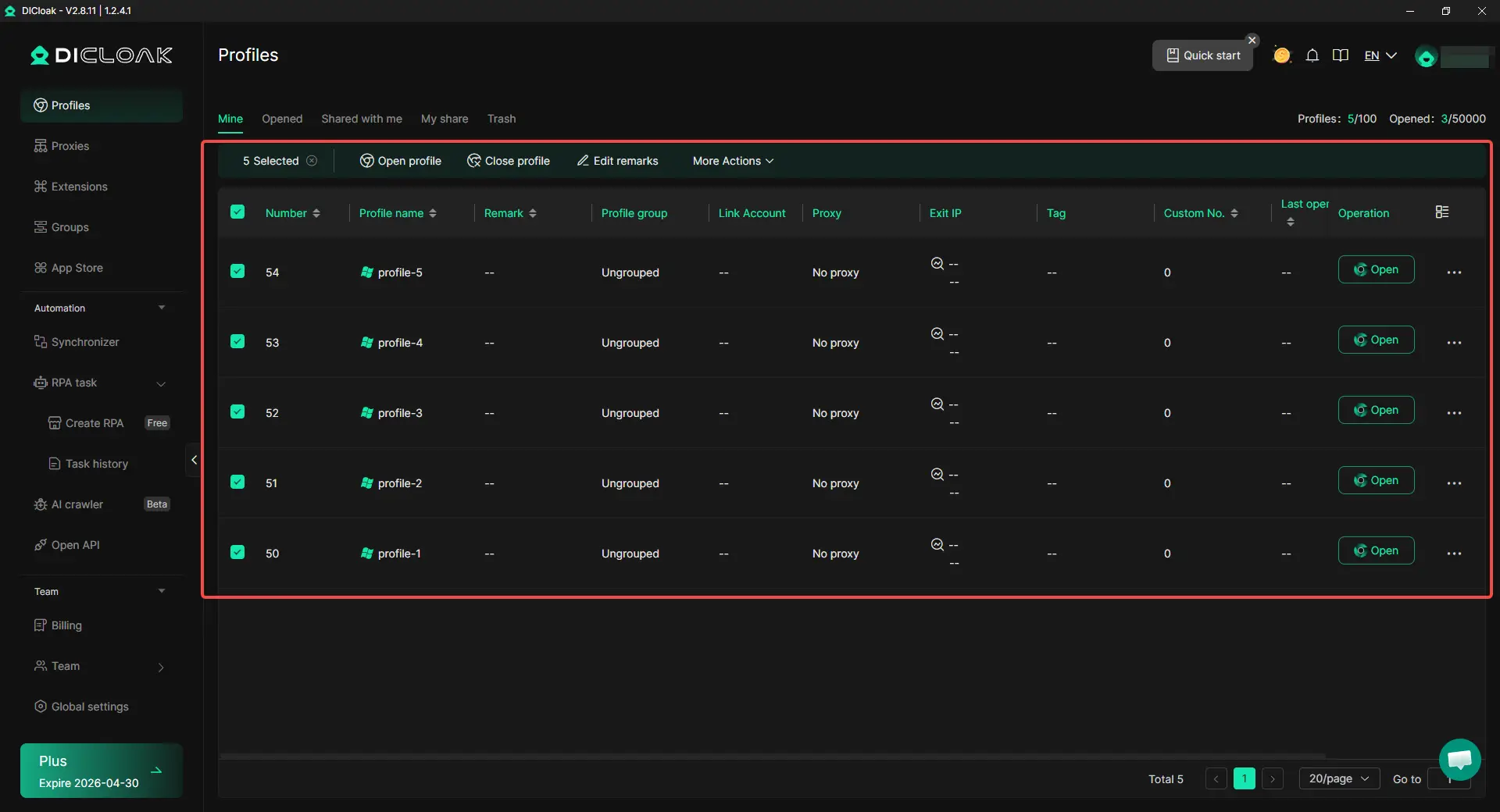
As a business grows, managing more than one storefront can make account separation more important. On platforms like Amazon, related-account signals may create extra risk when different stores are operated in overlapping environments. With DICloak, users can keep different storefronts in separate browser profiles and manage them in a more controlled way.
Separate browser profiles for different storefronts
With DICloak, users can create isolated browser profiles for different storefronts, each with its own cookies, local storage, and session data. This makes it easier to keep store environments apart and reduce unnecessary overlap between accounts.
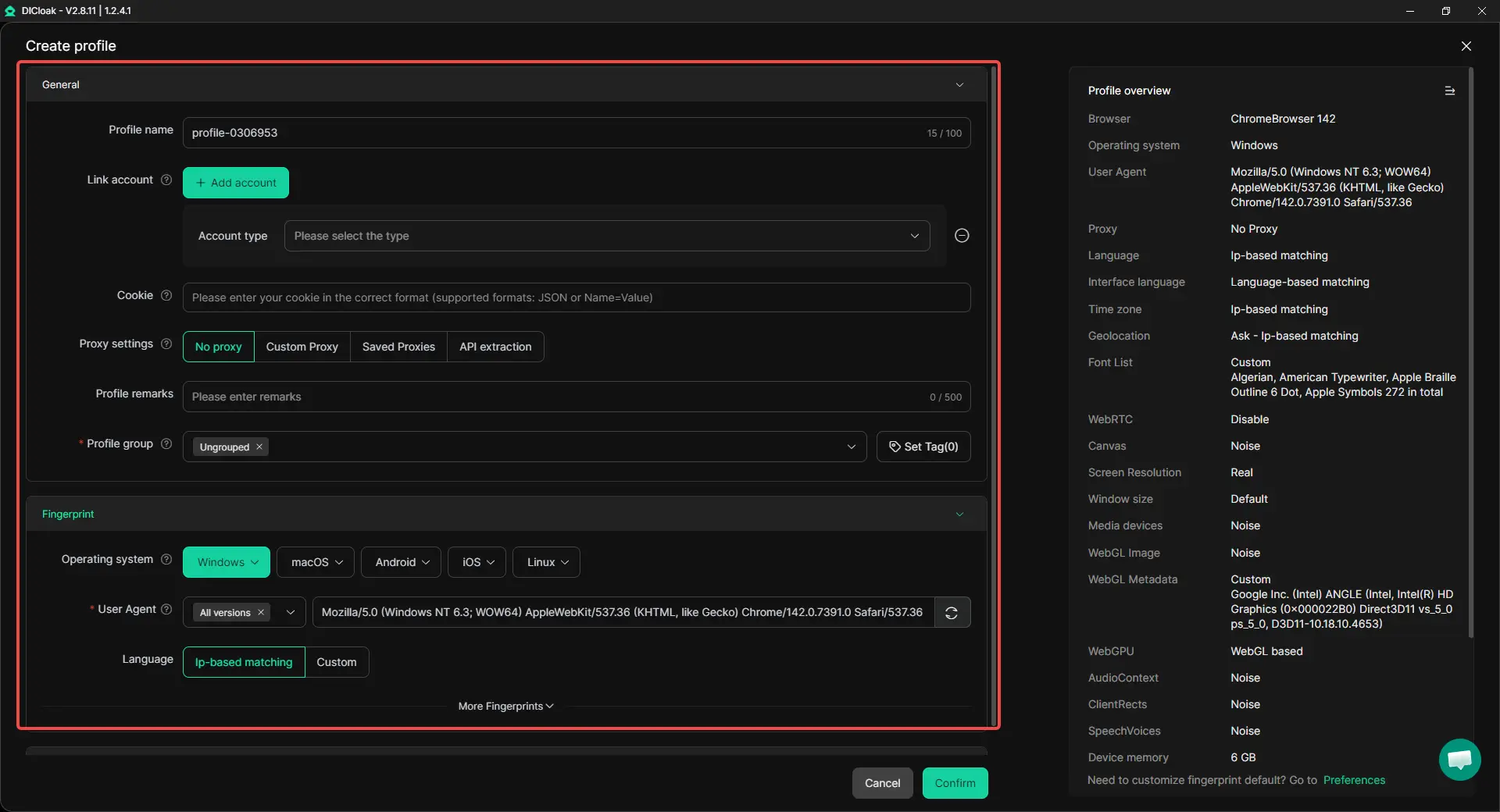
With DICloak, users can configure browser fingerprint settings for different profiles based on their operational needs. This can help keep each storefront environment more consistent and reduce obvious setup mismatches during repeated use.
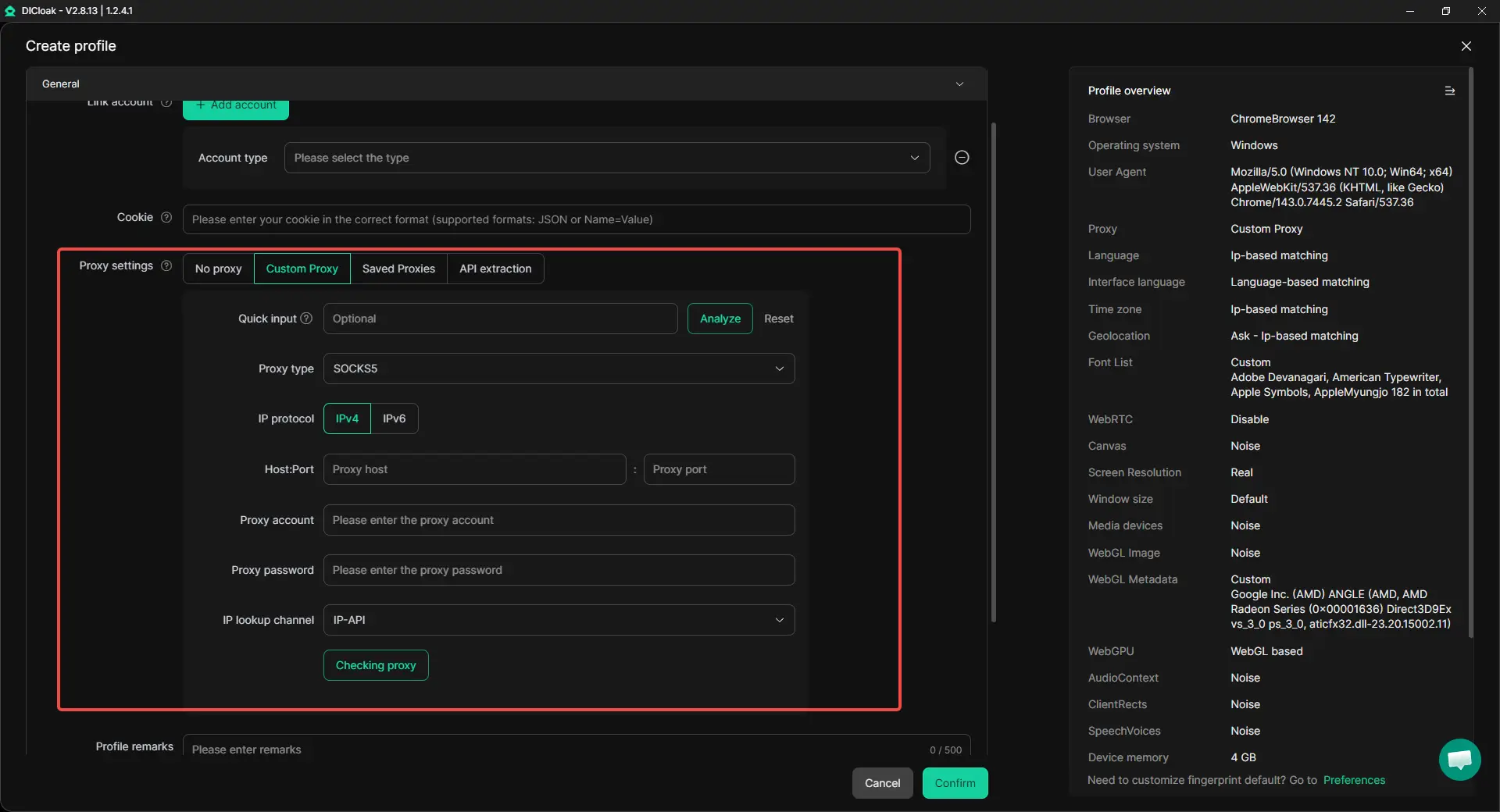
Custom proxy setup for each profile
With DICloak, users can configure a dedicated proxy for each browser profile. This makes it easier to align different store environments with different network settings or regional operating needs.
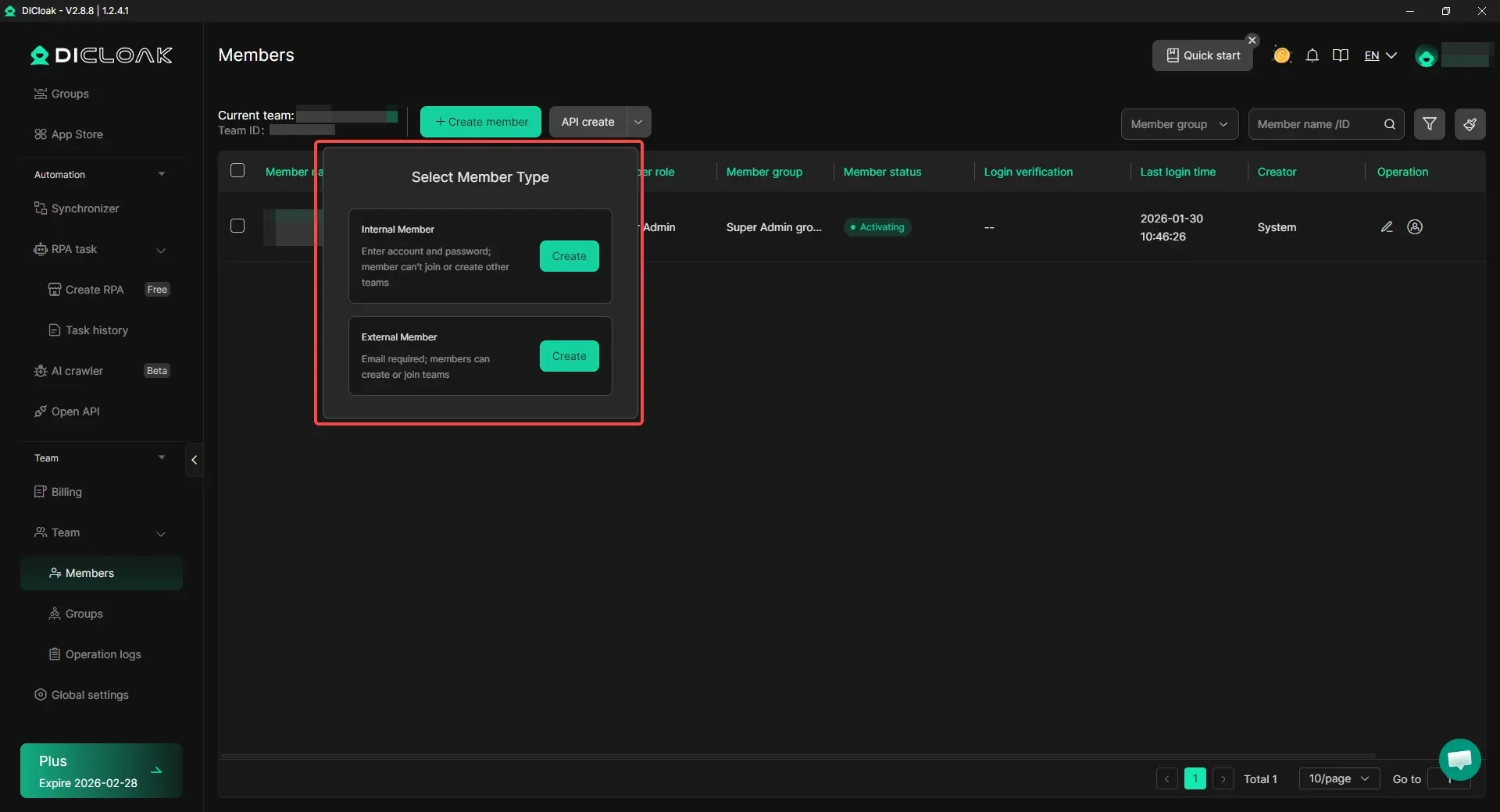
Team access with clearer profile control
With DICloak, users can share specific browser profiles with team members based on role or task. This can make day-to-day collaboration easier while reducing the need to circulate main account credentials across a wider team.
Is the Amazon Marketplace still worth the effort for new sellers in 2026?
The Marketplace remains a powerful but operationally rigorous platform. Final entry decisions should be based on these trade-offs:
- Massive Customer Base vs. Buy-Box Suppression: You gain immediate access to millions of shoppers, but you face extreme competition and automated pricing wars that can suppress your visibility.
- Amazon Infrastructure vs. Margin Erosion: Leveraging FBA offers world-class logistics, but the combination of referral and fulfillment fees makes it a capital-intensive model.
- Global Reputation vs. Strict Compliance: You inherit Amazon's trust, but you face high compliance risks. For instance, failing to use genuine UPC codes is not just a minor error—it is a "removal of listing" risk that can jeopardize your entire account.
Frequently Asked Questions about What is Amazon Marketplace
Why is it called a "Marketplace" if it's on Amazon.com?
It is a "Marketplace" because Amazon functions as the host for thousands of independent third-party sellers, creating a competitive environment where multiple vendors can offer the same product.
Is Amazon Marketplace safe for high-value electronics?
Yes. Transactions are secure as long as they are completed through Amazon's official payment system. Buyers are further protected by the A-to-z Guarantee, which covers high-value disputes.
How can I tell if my order is coming from an Amazon warehouse or a seller's garage?
Verify the "Shipped from" label. If it says "Amazon," it is coming from a professional fulfillment center (FBA). If it lists a seller's name, the merchant is handling the logistics themselves (FBM).
Does Amazon Marketplace have different shipping speeds than Amazon Retail?
It can. While Amazon Retail is optimized for Prime, Marketplace items only achieve those speeds if the seller uses FBA or is enrolled in the Seller-Fulfilled Prime program.
Can I sell used items on Amazon Marketplace but not through Vendor Central?
Correct. The Marketplace allows for the sale of both new and used goods. Vendor Central is a wholesale relationship where Amazon typically only accepts new, factory-sealed inventory.
Why does Amazon take a referral fee if I’m doing all the work?
The referral fee is a commission for the "lead." Amazon provides the customer traffic, the secure checkout infrastructure, and the global brand trust that facilitates the sale, regardless of who ships the item.
 Web Proxy Tools
 Free Tools
 Cookie Plugin
 UA Generator
 MAC Address Generator
 IP Generator
 IP Address List
 2FA Code Generator
 World Clock
 Anonymous Check
 WebRTC Leak Test
 UUID Generator
 Free Web Proxy Site
 Proxy Checker
 FB Ad Checker
 AI Web Scraping
 Free SMM Tools
 Twitter Shadowban Checker
 Instagram Name Checker
 UTM Generator
 Username Generator
 AI Hashtag Generator
 LinkedIn Headline Generator
 Social Media Image Resizer