In 2026, the secondary ticket market has matured into a sophisticated e-commerce asset class. For professional resellers who sell tickets on StubHub, the platform is no longer just a marketplace; it is a critical liquidity provider within a global live-entertainment ecosystem. Effectively managing a ticket portfolio in this environment requires a clear understanding of market volatility, demand cycles, and inventory turnover.
StubHub remains a dominant force for those looking to sell tickets on StubHub at scale, thanks to three core pillars of value: unparalleled global reach, institutional-grade transaction security, and granular seller control over pricing strategies. By connecting high-demand events with a verified buyer base of more than 100 million fans worldwide, StubHub delivers the infrastructure resellers need to grow revenue while reducing the counterparty risks common in peer-to-peer ticket sales. This guide outlines the strategic and technical frameworks required to optimize ROI and maintain a competitive edge when you sell tickets on StubHub in 2026.
Foundational Setup: How to Sell Tickets on StubHub with a Reliable Virtual Box Office
A successful resale operation is built on the integrity of its account architecture. For both beginners and experienced resellers who sell tickets on StubHub, the StubHub account functions as a virtual box office. Its accuracy directly affects search visibility, buyer trust, and the ability to sell tickets on StubHub at scale while processing high-volume payouts smoothly and without operational friction.
Step-by-Step Listing Protocol:
- Account Initialization: Register for a free account using professional credentials and a secure password.
- Event Acquisition: Use the "Sell" interface to locate the specific event. In 2026, ensuring you select the precise tour leg or tournament stage is vital for SEO visibility within the platform.
- Type Designation: Select the event date and the specific ticket category (e.g., VIP, General Admission, or Reserved).
- Granular Seat Mapping: Input the exact section, row, and seat numbers.
- Financial Configuration: Set your target price and designate your payout method.
- Review and Deployment: Conduct a final audit of the metadata before publishing the listing.
Expert Tip: Accuracy and Seller Ratings
Transparency in seat details is a primary driver of buyer confidence for anyone who sell tickets on StubHub. Precise and accurate listing data reduces the risk of post-event disputes, which can be catastrophic for sellers aiming to sell tickets on StubHub at scale while protecting their account health. In 2026, maintaining a high seller rating is essential, as it directly impacts “Top Seller” status—often resulting in better listing visibility, higher placement in search results, and faster inventory turnover for those who consistently sell tickets on StubHub.

Revenue Leakage Control: Fees, Payouts, and Margins When You Sell Tickets on StubHub
To ensure a high ROI, resellers who sell tickets on StubHub must treat platform overhead as a fixed cost within their pricing models. StubHub operates on a performance-based fee structure where listing is completely free, creating a low-barrier entry point for sellers looking to sell tickets on StubHub with new or high-volume inventory.
The standard fee structure typically involves a deduction of approximately 15% from the final sale price after a successful transaction. In contrast, buyers are generally charged around 10% above the listed price. This split-fee model is important to understand when you sell tickets on StubHub, as it directly affects perceived pricing and seller margins.
Calculating Your Net Payout When You Sell Tickets on StubHub
When modeling profitability, use the following breakdown as a practical baseline. StubHub’s built-in payout calculation feature provides a real-time summary that includes seller fees and estimated taxes:
- Gross Listing Price: $100.00
- StubHub Seller Fee (Approx. 15%): -$15.00
- Estimated Net Payout: $85.00
Note: StubHub’s real-time calculation engine now integrates estimated taxes into this breakdown, helping sellers who sell tickets on StubHub avoid unexpected accounting issues at the end of each reporting period.
Inventory Logistics: Ticket Formats, Transferability, and How They Impact Selling Tickets on StubHub
The digital transformation of the ticketing industry has introduced multiple ticket formats, each with its own delivery and compliance requirements. For resellers who sell tickets on StubHub, identifying the correct inventory type early is essential to meet fulfillment deadlines and avoid seller penalties.
Standard 2026 Formats:
- Mobile Transfer: Tickets moved via the primary box office app (e.g., Ticketmaster).
- Mobile Transfer Screenshots: Static barcodes (Note: Highly restricted for high-security events).
- PDF/Electronic: Traditional digital files for upload.
- Physical Paper: Hard-copy tickets requiring physical logistics.
- Virtual/Airdrop: Emerging digital assets for web3-integrated events.
Expert Tip: The "Rotating Barcode" Trap
Before creating a listing, always verify ticket transferability in the original ticketing app. If you see a moving blue line or animated barcode, the ticket uses a rotating barcode. Sellers who attempt to sell tickets on StubHub using screenshots or static PDFs for these tickets risk immediate penalties, as the barcode refreshes and expires before the buyer reaches the venue gate.
Ensuring the correct ticket format is one of the most effective ways to protect your seller rating and maintain long-term success when you sell tickets on StubHub in 2026.
Pricing Strategy: How to Sell Tickets on StubHub Profitably in Volatile Markets
Pricing in 2026 is a dynamic, data-driven process shaped by real-time market signals and the well-known “24-hour pre-event floor” volatility. Professional resellers who sell tickets on StubHub must closely track inventory turnover rates to determine whether to hold inventory for a premium or liquidate positions before a late-stage price correction.
Value Differentiators:
- Market Momentum: Use StubHub’s "sold inventory" tool to distinguish between "asking prices" and "realized prices."
- Performer Velocity: Factor in the artist's current cultural relevance and tour scarcity.
- Seat Tiering: Front-row and "aisle-seat" premiums should be priced 20-30% higher than mid-row inventory.
Furthermore, utilize StubHub’s "recommended price" as a baseline, but remain aware of the "pre-event floor"—the final 24 hours where prices often spike for sold-out events or crash for oversupplied ones. Strategic use of these trends ensures your capital remains liquid for the next high-demand drop.
Fulfillment and Post-Sale Logistics for Sellers Who Sell Tickets on StubHub
The post-sale phase is where operational efficiency is truly tested for resellers who sell tickets on StubHub. Rapid and accurate fulfillment is the gold standard for maintaining a trustworthy seller profile and protecting long-term account health when you sell tickets on StubHub at scale.
The Professional Transfer Protocol:
- Access "My Tickets" and select the relevant sale.
- Choose "Manage Transfers."
- Enter the buyer's email address (Verification requires a double-entry).
- Note: Ensure the recipient has a StubHub account, as this is often required to accept the transfer successfully.
- Confirm the number of tickets and finalize.
- The buyer receives an automated notification; ensure you keep the confirmation email for your records.
Guaranteed Delivery and Penalties
StubHub guarantees ticket delivery to buyers. Sellers who fail to complete transfers—especially for high-demand or time-sensitive events—may face financial penalties that exceed the original sale amount, along with potential listing restrictions or account suspension. For professionals who sell tickets on StubHub, strict adherence to fulfillment protocols is essential to avoid costly disputes and protect seller status.
Technical Troubleshooting: How to Sell Tickets on StubHub When Events Are Missing
For local or niche events, sellers who sell tickets on StubHub may find that the platform does not yet have a pre-existing event listing. In these cases, resellers must submit details through the Event Request Form before they can sell tickets on StubHub.
The Bottleneck When You Sell Tickets on StubHub
StubHub typically takes up to seven business days to review and approve new event requests. This processing delay creates a significant risk for events with short or highly volatile sales windows, limiting early-mover advantage for those trying to sell tickets on StubHub quickly.
Strategic Solution for Professionals Who Sell Tickets on StubHub
Experienced resellers mitigate this bottleneck by using DICloak Antidetect Browser. With multiple geo-located and isolated browser profiles, sellers can safely submit event requests, monitor approval status, and track event availability across different regional versions of StubHub. This approach helps professionals who sell tickets on StubHub secure “first-to-list” positioning the moment an event goes live, maximizing visibility and early sales velocity.
Professional Scaling: How Power Sellers Sell Tickets on StubHub Using DICloak
For teams managing large ticket portfolios, standard browsing quickly becomes an operational liability. Professional scalpers and agencies that sell tickets on StubHub at scale require a more advanced infrastructure to avoid detection, account linking, and sudden bans. This is where DICloak Antidetect Browser becomes essential.
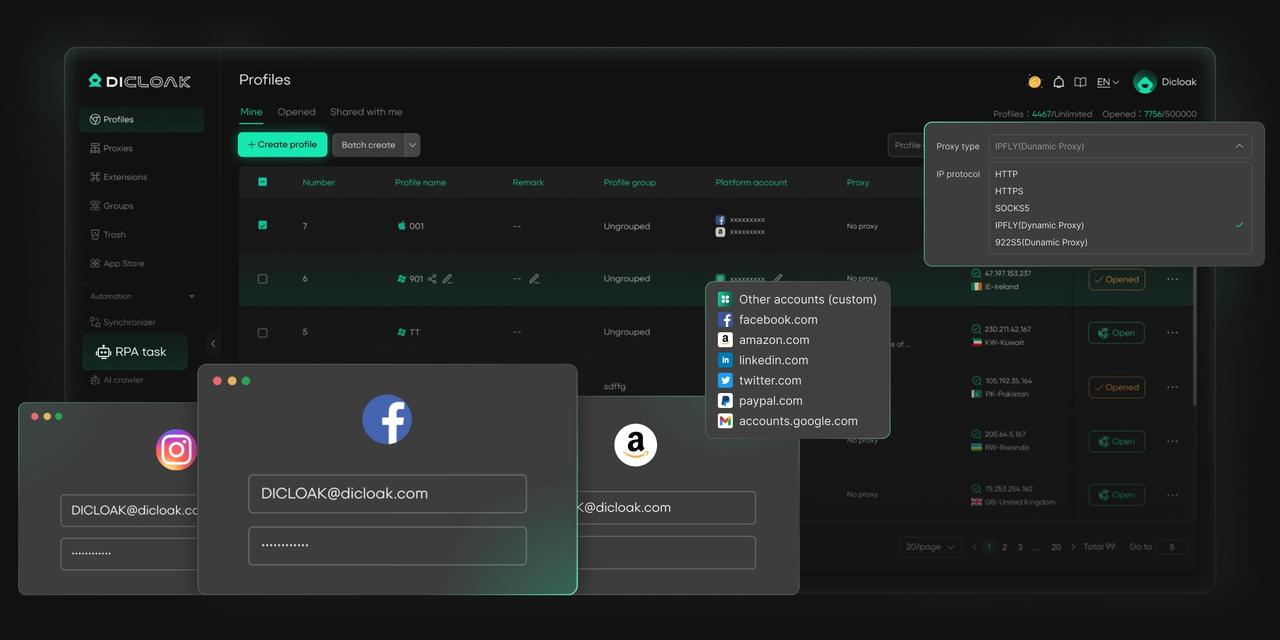
DICloak provides a secure, undetectable environment by spoofing IP addresses, WebGL, and device parameters. It is 12x cheaper and faster than running traditional Virtual Machines (VMs), providing a significant competitive advantage.
Why Professionals Use DICloak:
- Mobile Emulation: DICloak supports simulating Windows, Mac, iOS, and Android, which is critical for bypassing mobile-only resale restrictions on Ticketmaster or AXS.
- RPA Automation: Use the Robotic Process Automation (RPA) tool to automate repetitive listing tasks and monitor price changes.
- Synchronizer: Synchronize actions across multiple windows to secure high-demand inventory simultaneously during "drop" events.
DICloak Pricing and Tiers:
- Free: 5 profiles (Entry-level testing).
- Base ($8/mo): 20 profiles, suitable for solo resellers or small teams starting to sell tickets on StubHub.
- Plus ($28.80/mo): 100 profiles. Recommended for professionals as it unlocks the RPA automation and Synchronizer tools.
- Share+ ($138/mo): 200 profiles with unlimited members, designed for large-scale ticket agencies that sell tickets on StubHub across multiple regions.
Comparative Market Analysis: Sell Tickets on StubHub vs. Alternative Marketplaces
The “best” resale platform ultimately depends on your goals around inventory turnover, buyer reach, and fee absorption. For many professionals who sell tickets on StubHub, platform selection is a strategic decision rather than a purely cost-based one.
- StubHub: The market leader for high-profile and sold-out events. For resellers who sell tickets on StubHub, the approximate 15% seller fee is widely considered the cost of doing business in exchange for access to a global buyer base of more than 100 million verified fans.
- SeatGeek: A hybrid marketplace with a smaller overall reach than StubHub, but valuable for events where SeatGeek operates as the primary ticket issuer. Sellers often use it as a secondary channel alongside efforts to sell tickets on StubHub.
- TicketsCandy: A high-margin alternative for event organizers and high-volume sellers. It features a remarkably low 0.9% fee and provides interactive real-time data and promo coupon capabilities—features StubHub currently restricts for individual sellers who primarily sell tickets on StubHub.
While Facebook Marketplace advertises zero platform fees, it lacks escrow protection and automated ticket transfer verification. For professional operators accustomed to the safeguards required to sell tickets on StubHub, this absence of transactional security makes Facebook Marketplace a high-risk channel for serious e-commerce operations.
Common Questions About How to Sell Tickets on StubHub
Does StubHub charge a fee to list tickets?
No. Listing is free. A commission (approx. 15%) is only deducted from your final payout once the sale is confirmed. This contrasts with primary platforms like Ticketmaster, which may have fixed listing or entry fees.
Can I sell Ticketmaster tickets on StubHub?
Generally, yes. Many resellers successfully sell tickets on StubHub that were originally purchased through Ticketmaster. However, always check the primary app for “resale restricted” notices. If the ticket uses a rotating barcode (often shown as a blue moving line), you must use the official mobile transfer method rather than uploading a PDF or screenshot.
How does DICloak help professional sellers?
DICloak enables professional sellers to sell tickets on StubHub at scale by managing hundreds or even thousands of accounts from a single device. It allows for the management of 1,000+ accounts from a single device by creating unique digital fingerprints. This is essential for bypassing virtual queues and preventing account bans during high-volume operations.
What happens if I fail to send tickets in time?
StubHub’s Buyer Guarantee ensures the buyer receives replacement tickets or a refund. If you sell tickets on StubHub and fail to complete delivery within the required timeframe, you may face financial penalties, a major drop in seller rating, and potential account suspension or termination.
Which DICloak plan is best for professional ticket agencies?
The Plus Plan is the industry standard for professionals who sell tickets on StubHub. At $28.80/month, it provides 100 profiles and includes the Synchronizer features necessary for ticket acquisition and management. For large teams, the Share+ plan offers unlimited seats.
 Web Proxy Tools
 Free Tools
 Cookie Plugin
 UA Generator
 MAC Address Generator
 IP Generator
 IP Address List
 2FA Code Generator
 World Clock
 Anonymous Check
 WebRTC Leak Test
 UUID Generator
 Free Web Proxy Site
 Proxy Checker
 FB Ad Checker
 AI Web Scraping
 Free SMM Tools
 Twitter Shadowban Checker
 Instagram Name Checker
 UTM Generator
 Username Generator
 AI Hashtag Generator
 LinkedIn Headline Generator
 Social Media Image Resizer