The Nodepay airdrop is attracting attention from users who want to earn crypto without trading or upfront costs. Instead of asking people to buy tokens, Nodepay rewards real action. By sharing unused internet bandwidth through a simple browser extension, everyday users can take part in a growing AI-focused network and earn Nodecoin (NC) along the way.
This guide explains everything you need to know about the Nodepay airdrop in clear and simple terms. It shows what Nodepay is, how the airdrop works, how to participate step by step, and how to claim rewards safely. You will also learn about tokenomics, security, and smart strategies to increase your rewards. If you want a practical and low-risk way to join an airdrop based on real contribution, this guide will help you get started with confidence.
What is Nodepay?
Nodepay is a project built to create a decentralized network that shares internet bandwidth for AI use. Many AI companies need large amounts of bandwidth to move data, train models, and run tasks across different locations. Nodepay helps solve this by letting everyday users share their unused internet bandwidth in a safe and controlled way.
At its core, Nodepay allows people to turn idle bandwidth into value. When your internet connection is not fully used, Nodepay can route part of it to support AI-related work. This includes public training data transfer, data labeling, model sharing, and remote distributed training. In return, users earn rewards, which is where the Nodepay airdrop becomes important for early participants.
Nodepay is built on a clear three-part architecture that keeps the system stable and easy to scale.
- Node Core is the foundation of the network. It manages how data moves, how tasks are assigned, and how security rules are enforced. This layer acts as the backbone and keeps the system running smoothly.
- Node Net is the network layer. It connects thousands of individual bandwidth providers with infrastructure partners. Each user adds a small part, but together they form a strong distributed network that AI companies can rely on.
- Node Services sit on top of everything. These are the tools and applications users interact with, such as dashboards, task systems, and browser extensions. They make it simple to join, monitor activity, and track rewards.
The entire system runs on a token-based reward model. Instead of paying users upfront, Nodepay tracks real contributions. Users earn points by running the Nodepay extension and completing tasks. These points are later used to calculate rewards during events like the Nodepay airdrop.
A simple example helps explain how this works. Imagine a freelancer with fast home internet that stays mostly unused during the night. After installing the Nodepay browser extension, their connection becomes part of Node Net. The system uses small portions of their bandwidth when needed for AI data tasks. Over time, the user sees points increase in their Nodepay dashboard. When a Nodepay airdrop event opens, those points can turn into token rewards. This practical setup shows how Nodepay links real-world resources with digital incentives in a way that feels natural and low effort.
Understanding the Nodepay Airdrop
After understanding how Nodepay turns unused bandwidth into real network value, the next key topic is how users are rewarded. This is where the Nodepay airdrop becomes central. The airdrop connects real contributions, such as sharing bandwidth and staying active, with the Nodepay token economy. It explains how points turn into tokens, why timing matters, and what users need to do to stay eligible.
What is an Airdrop?
An airdrop is a common method in crypto where a project gives tokens to users for free. These tokens are not random gifts. They are usually rewards for early support or real activity. In the Nodepay airdrop, users earn rewards by taking part in the network instead of buying tokens.
Nodepay uses a points-based system. Users earn points by running the Nodepay browser extension, sharing bandwidth, and joining simple tasks. These points are later converted into Nodecoin (NC) tokens during the airdrop.
For example, a user installs the Nodepay extension and keeps it running during normal browsing. Over time, the dashboard shows points increasing. When the Nodepay airdrop snapshot is taken, those points are locked in and used to calculate token rewards. This makes the airdrop fair and based on real effort.
Purpose and Significance of the Nodepay Airdrop
The Nodepay airdrop has a clear purpose. It rewards the people who help grow the Nodepay network. Nodepay depends on real bandwidth from real users. Without active contributors, the network cannot support AI data transfer or distributed training.
Nodecoin (NC) plays a key role in this system. It is the native token of the Nodepay network. NC is used to reward bandwidth contributors and also validators who help keep the network stable. Over time, the token is meant to support further development in decentralized AI ownership and innovation.
For users, the Nodepay airdrop lowers the barrier to entry. There is no need to invest money at the start. Instead, users contribute unused bandwidth they already have. In return, they receive points that may turn into NC tokens. This creates a strong link between participation and ownership.
Nodepay also encourages deeper engagement. Beyond basic bandwidth sharing, users can earn extra points through community activities. One example is Node Wars, a mini-game on Telegram. By joining this game, users can boost their points and increase their potential Nodepay airdrop rewards.
Key Dates and Milestones for the Airdrop
Key dates are critical for the Nodepay airdrop, because missing a step can mean missing rewards. Nodepay has shared several important milestones that users should understand.
A major snapshot was taken on November 26, 2024. This snapshot recorded user points and marked a key step toward the Token Generation Event. Points earned during Seasons 0, 1, and 2 of the campaign are included in the initial airdrop calculation.
Before claiming tokens, users must connect a supported wallet. Many users who earned points but failed to connect their wallet before the deadline risked losing eligibility. This step is required to receive NC tokens.
The initial token listing for Nodecoin (NC) is scheduled for January 6, 2025. This is when the token becomes visible on exchanges. The official trading launch follows on January 14, 2025, when users can trade NC freely.
A simple lesson from past participants is clear. Always follow official announcements, connect your wallet early, and track deadlines closely. In a system like the Nodepay airdrop, both activity and timing decide your final reward.
How to Participate in the Nodepay Airdrop
After understanding how points are earned and why deadlines matter, the next step is knowing exactly how to join the Nodepay airdrop. The process is practical and beginner-friendly. You do not need to trade or invest money. You only need to follow the steps, stay active, and complete verification before key dates.
Step-by-Step Guide to Participation
Joining the Nodepay airdrop follows a clear and structured flow.
First, create a Nodepay account on the official website. Some users join through a referral link, which can give 500 bonus points at the start. This does not affect eligibility, but it helps boost early progress.
Next, download and install the Nodepay browser extension. This step is required. The extension allows your device to share unused bandwidth. Without it, you cannot earn points.
After installation, log in to your dashboard and connect a Solana wallet. This wallet is where NC tokens will be sent after the airdrop. Many users delay this step and later regret it. Connecting early avoids problems near deadlines.
Then, complete the Proof of Humanhood verification. This step helps Nodepay filter out bots and fake accounts. It usually includes:
- Verifying your email
- Linking and verifying your Discord account
- Connecting and verifying your X (Twitter) account
You can find this in the “Medals & Boost” section of the dashboard. Click “Verify” under Proof of Humanhood to finish the process and earn extra points.
Once verified, keep the extension running while your device is online. You do not need to change how you browse. Many users simply leave it active during daily use.
You can also complete available missions inside the dashboard. These tasks increase your total points. All progress can be tracked in the “Earnings” tab.
A real example makes this clear. A remote worker installs the extension, verifies all accounts, and keeps it running during work hours. They check the dashboard once a week. By the snapshot date, they have steady points and full eligibility for the Nodepay airdrop.
Eligibility Requirements for the Airdrop
Eligibility for the Nodepay airdrop depends on real participation, not just sign-ups.
Your account must earn points during valid campaign seasons. For the initial airdrop, points from Seasons 0, 1, and 2 are included. Points earned after the snapshot do not count for that round.
A snapshot was taken on November 26, 2024. This snapshot locked in user points and marked an important step toward the Token Generation Event.
You must also connect a valid Solana wallet before the deadline. Users who earned points but failed to connect a wallet were not able to claim NC tokens.
Following platform rules is also important. Accounts that show fake activity or automation may lose eligibility, even if they have points.
Verifying Your Eligibility
Verifying eligibility early is one of the most important steps in the Nodepay airdrop process.
Inside the Nodepay dashboard, users can check:
- Total points earned
- Wallet connection status
- Verification completion
- Eligibility for claiming NC tokens
After the snapshot, users can connect their wallet and check whether their points are converted into token rewards. This step confirms whether you are included in the airdrop.
A common mistake is waiting until the last day. If something goes wrong, such as a wallet connection error, there may not be time to fix it. Experienced users recommend checking eligibility several days before any deadline.
In short, the Nodepay airdrop rewards users who act early, stay active, and complete every required step. In the next section, the focus will shift to how to claim your Nodepay airdrop.
Claiming Your Nodepay Airdrop
After completing all tasks and confirming your eligibility, the final step is claiming your rewards. This is when your points turn into real NC tokens. The Nodepay airdrop claim process is simple, but it must be done carefully. Using the official page and checking details early helps avoid common problems.
Detailed Claim Process
To claim the Nodepay airdrop, always start from the official Nodepay claim page. Do not use links from private messages or unknown websites.
First, visit the official Nodepay airdrop claim page and log in to your existing Nodepay account. This takes you directly to your dashboard, where your activity history and points are stored.
Next, check your eligibility. The dashboard will clearly show whether your account qualifies based on your past participation, such as points earned during Seasons 0, 1, and 2, and whether your wallet was connected before the snapshot.
If you are eligible, follow the on-screen steps to claim your NC tokens. You may need to confirm your connected Solana wallet. Make sure the wallet address matches the one you used before the snapshot. A small amount of SOL is usually required to cover network fees.
After confirming the transaction, your NC tokens are sent to your wallet. In most cases, this happens quickly, but delays can occur during busy periods.
One user claimed their Nodepay airdrop on the first day. Their wallet was already connected and funded by SOL. The tokens appeared within minutes. Another user waited until the last day and faced wallet connection errors and slower network speed.
Common Mistakes to Avoid During the Claiming Process
Several mistakes often cause problems during the Nodepay airdrop claim stage.
One common error is using the wrong link. Fake claim pages are common during popular airdrops. Always access the claim process through the official Nodepay dashboard.
Another mistake is changing wallets after the snapshot. If the wallet does not match the original one, the system may block the claim. Always double-check your wallet address before confirming.
Some users forget about network fees. Even though the airdrop is free, the blockchain still requires a small amount of SOL. A wallet with zero balance cannot complete the claim.
Waiting too long is also risky. Claim windows are limited. If you miss the deadline, unclaimed tokens may be lost.
The safest approach is simple. Use the official claim page, claim early, and confirm every detail. In the Nodepay airdrop, careful steps protect all the effort you put in before.
Tokenomics and Security of Nodecoin
After claiming rewards from the Nodepay airdrop, many users ask two simple questions. How many tokens exist, and how safe was the distribution? Understanding Nodecoin’s tokenomics and security rules helps users judge fairness, value, and long-term potential.
Understanding the Tokenomics of Nodecoin (NC)
Nodecoin (NC) is the native token of the Nodepay network. The total supply is capped at 1 billion NC. This fixed limit helps control inflation and keeps rewards tied to real contribution.
Nodepay has shared a clear allocation model:
- Initial circulating supply: 208,000,000 NC
- Community incentives: 420,000,000 NC
- Ecosystem and foundation: 225,000,000 NC
- Investors and advisors: 215,000,000 NC
- Team allocation: 140,000,000 NC
A large share is reserved for community incentives. This directly supports the Nodepay airdrop and future reward programs. It shows that users who share bandwidth and stay active are a core part of the project, not an afterthought.
The initial circulating supply is smaller than the total supply. This helps reduce sudden selling pressure after the airdrop. Other portions, such as team and investor tokens, are usually released over time instead of all at once.
A simple example explains why this matters. Two projects launch tokens on the same day. One releases most tokens at once. The other releases tokens slowly. The second project often sees more stable prices. Nodepay follows the second approach, which many users see as a healthier model.
Security Measures for Safe Participation in the Airdrop
Security plays a major role in the Nodepay airdrop. A fair token distribution only works if fake activity is removed.
Nodepay applied strict checks during its campaigns. During the Season 1 review, the team removed over 300,000 bot accounts. They also eliminated 17 billion illegitimate points that came from fake or abusive behavior. In addition, suspicious accounts went through manual audits.
These steps protect real users. Without them, bots could earn large shares of the airdrop without contributing any bandwidth. By cleaning the system, Nodepay made sure rewards stayed tied to real effort.
Users still need to protect themselves. Always use the official Nodepay dashboard. Never trust private messages offering “extra Nodepay airdrop rewards.” Keep your wallet keys private and use trusted Solana wallets.
For example, one user followed all official steps and claimed safely. Another trusted an unofficial link shared in a group chat and lost access to their wallet. The difference was not luck. It was basic security habits.
In the Nodepay airdrop, tokenomics reward contribution, and security protects fairness. Understanding both helps users keep the value they worked to earn and avoid mistakes after the airdrop.
Strategies for Maximizing Airdrop Rewards
After understanding tokenomics and security, the next goal is clear. Get the most value from your effort. The Nodepay airdrop rewards real activity over time. Users who stay active, follow updates, and use smart tools often earn more points than passive users. The strategies below focus on simple actions that many successful participants already use.
Engaging with the Community
Community activity plays a bigger role than many people expect in the Nodepay airdrop. Nodepay often rewards users who stay involved through official channels like Discord, Telegram, and X.
For example, joining announcements helps users learn about new missions, mini-games, or bonus events early. Some users earned extra points by joining activities like Node Wars on Telegram. Others missed these chances because they only checked the dashboard once a month.
A simple habit helps. Spend a few minutes each week checking official updates. This small effort can lead to extra points and better timing, which matters in a points-based airdrop system.
Referral Programs and Their Benefits
Referrals are another way to boost Nodepay airdrop rewards without extra risk. Nodepay allows users to invite others using a referral link. When a new user signs up and becomes active, the referrer may earn bonus points.
For example, one user shared their referral link with two friends who already had fast internet and planned to use the extension. Those referrals stayed active. Over time, the bonus points added a noticeable increase to the user’s total score.
The key is quality, not quantity. Referring real users who actually participate is better than sharing links everywhere. Fake or inactive referrals usually bring no benefit and may even raise flags.
Participating in Different Airdrop Seasons
The Nodepay airdrop is not limited to one short event. Nodepay runs activity campaigns in seasons. Points earned during valid seasons are what count toward rewards.
Users who joined early and stayed active across Seasons 0, 1, and 2 had more points locked in at the snapshot. Others joined late and only earned points for a short time.
A practical lesson is simple. Start early when a new season opens. Keep the extension running. Complete tasks as they appear. Consistent activity across seasons often leads to higher rewards than short bursts of effort.
Use an Antidetect Browser Like DICloak
Account safety matters when trying to maximize the Nodepay airdrop. Nodepay has shown strong anti-bot and anti-abuse rules. Users with linked or suspicious activity risk losing points.
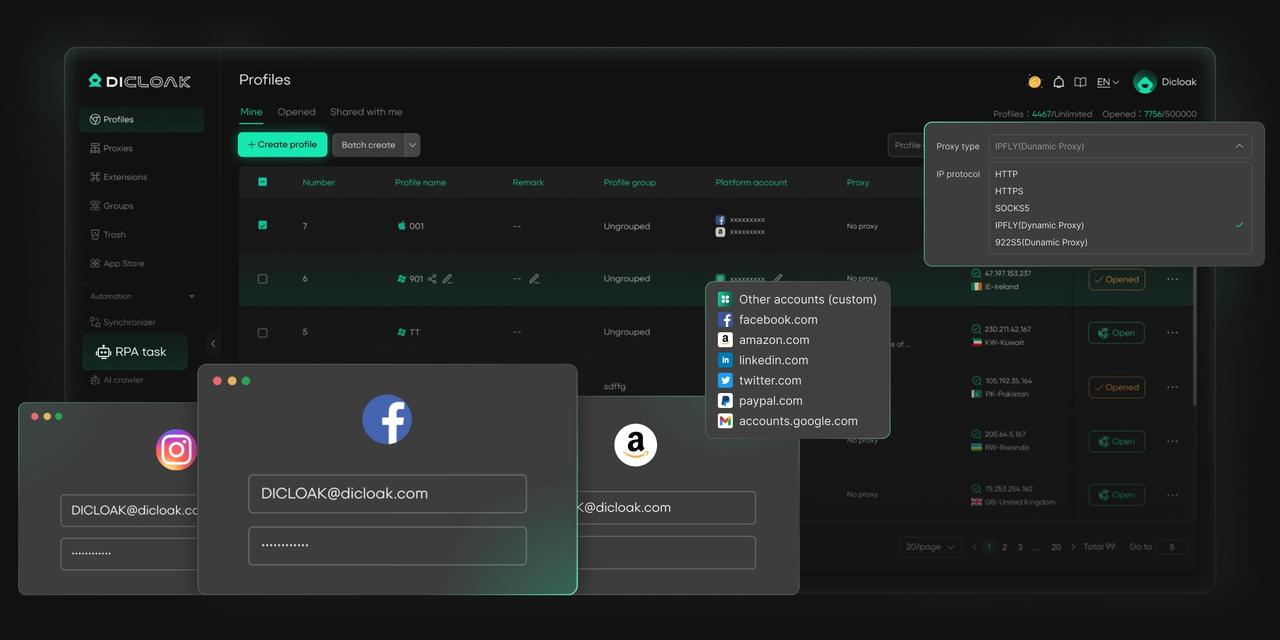
Some advanced users manage multiple online tasks across platforms. In these cases, an antidetect browser like DICloak can help. DICloak creates isolated browser profiles. Each profile has separate fingerprints, cookies, and local data.
For example, a user who manages different crypto tools in the same browser may accidentally mix sessions. This can look suspicious to platforms. With DICloak, each Nodepay account or task runs in its own clean profile. This reduces the risk of account linking or accidental violations.
The goal is not to cheat the system. The goal is stability. Clean environments help real users avoid mistakes that lead to lost points or account reviews.
In the Nodepay airdrop, rewards grow with steady effort, good timing, and safe habits. Simple actions, done consistently, often matter more than complex tricks.
Why choose DICloak Antidetect Browsers for your business?
⚡The DICloak Antidetect Browser has become a global favorite for its unparalleled ability to efficiently and securely manage multiple accounts. Designed for professionals in social media management, affiliate marketing, traffic arbitrage, e-commerce, account farming, airdrops, and more, DICloak offers powerful features like RPA automation, bulk operations, and a synchronizer. Additionally, it allows you to customize fingerprints and integrate proxies for each profile, ensuring top-level security and operational efficiency. It’s the ultimate tool for seamless, secure, and scalable operations.
What Makes DICloak Stand Out?
✅ Manage 1,000+ Accounts on One Device: Stop wasting money on extra hardware! DICloak allows you to manage multiple accounts on a single device, cutting costs and boosting efficiency.
✅ Guaranteed Account Safety, No Ban Risks: Every account gets its own isolated browser profile with custom fingerprints and IPs, drastically reducing the risk of bans. Your accounts, your control!
✅ Flexible Proxy Configuration for Maximum Performance: Seamlessly integrate with all major proxy protocols (HTTP/HTTPS, SOCKS5) and manage your proxy pool with bulk operations. No more struggling with IP management—DICloak has you covered.
✅ Streamlined Team Collaboration for Better Results: Easily manage your team with advanced tools like profile sharing, permission settings, data isolation, and operation logs. Your team works smarter, not harder.
✅ Automate the Grind with RPA: DICloak's built-in RPA saves you hours of manual work. Automate repetitive tasks, streamline workflows, and focus on what really matters—growing your business.
✅ Powerful Bulk Tools to Scale Your Operations: Create, import, and launch multiple browser profiles in one click. DICloak makes scaling your business as easy as it gets.
✅ Compatible with All Major Operating Systems: Based on the Chrome core, DICloak supports simulating Windows, Mac, iOS, Android, and Linux operating systems. No matter what platform you need, DICloak has you covered.
🔗 Ready to Get Started?
Visit the DICloak website to explore more details and choose the plan that’s right for you. Start for free today and experience the power of secure, efficient, and scalable multi-account management!
Conclusion
The Nodepay airdrop rewards real users who share unused internet bandwidth and stay active on the platform. By running a simple browser extension, users earn points through everyday browsing, tasks, and community engagement. These points are later converted into Nodecoin (NC) tokens, making participation based on real effort rather than chance.
Joining the Nodepay airdrop is easy. Users create an account, install the extension, connect a Solana wallet, and complete basic verification. Staying active during valid seasons and checking deadlines is important, since missing a step can mean missing rewards. Claiming tokens should always be done through the official Nodepay page to avoid scams or delays.
Strong tokenomics and security measures support fairness in the Nodepay airdrop. A capped token supply, large community allocation, and strict anti-bot checks protect honest users. In the end, steady participation, early action, and safe habits help users get the most value from the Nodepay airdrop.
Frequently Asked Questions (FAQs) about the Nodepay Airdrop
What is the Nodepay airdrop and who can join it?
The Nodepay airdrop is a reward program that gives Nodecoin (NC) tokens to users who help the Nodepay network. Anyone can join if they create a Nodepay account, install the browser extension, share unused bandwidth, and complete basic verification steps. No crypto purchase is required.
How are rewards calculated in the Nodepay airdrop?
Rewards in the Nodepay airdrop are based on points, not random selection. Users earn points by running the Nodepay extension, completing missions, joining community activities, and staying active during official seasons. These points are later converted into NC tokens at the snapshot.
Do I need a wallet to receive the Nodepay airdrop?
Yes. To receive tokens from the Nodepay airdrop, you must connect a supported Solana wallet before the deadline. If a wallet is not connected before the snapshot or claim period, you may lose eligibility even if you earned points.
Is the Nodepay airdrop safe to participate in?
The Nodepay airdrop is safe if you follow official steps. Nodepay uses verification, bot removal, and manual reviews to protect real users. Always use the official Nodepay dashboard, avoid private claim links, and never share your wallet keys.
Can I still benefit from the Nodepay airdrop if I join late?
Joining early gives the best results, but late users can still benefit from the Nodepay airdrop in future seasons. Nodepay runs multiple campaigns, and continued participation across new seasons can lead to additional rewards.
 Web Proxy Tools
 Free Tools
 Cookie Plugin
 UA Generator
 MAC Address Generator
 IP Generator
 IP Address List
 2FA Code Generator
 World Clock
 Anonymous Check
 WebRTC Leak Test
 UUID Generator
 Free Web Proxy Site
 Proxy Checker
 FB Ad Checker
 AI Web Scraping
 Free SMM Tools
 Twitter Shadowban Checker
 Instagram Name Checker
 UTM Generator
 Username Generator
 AI Hashtag Generator
 LinkedIn Headline Generator
 Social Media Image Resizer