You’re not the only one pausing before checkout, wondering if Shein is actually safe. Stories about lost packages, surprise customs fees, and reviews that swing between “great deals” and “never again” make it hard to answer is shein trustworthy with a simple yes or no. The site’s prices look too good, but the real worry is whether your money and information are safe, or if you’ll get what you ordered at all.
Plenty of posts claim Shein is legit, but those don’t help much when you’re facing a payment screen asking for your card. The gap between what influencers show and what actual buyers get is wide. “Is Shein safe?” and “can you trust Shein?” aren’t just about getting clothes, they’re about whether you’ll end up fighting customer support, dealing with unexpected charges, or chasing a refund for weeks.
The real test isn’t just whether Shein ships an item. It’s about what happens when things go wrong: missing items, sizing that makes no sense, or sudden account problems. People care less about glossy photos and more about how easy it is to fix issues, what the risk of fraud looks like, and if their data is actually protected. If you’re weighing Shein against other e-commerce sites, you want to know the difference between a normal hiccup and a red flag worth walking away from.
Here’s what actually matters when judging Shein’s trustworthiness.
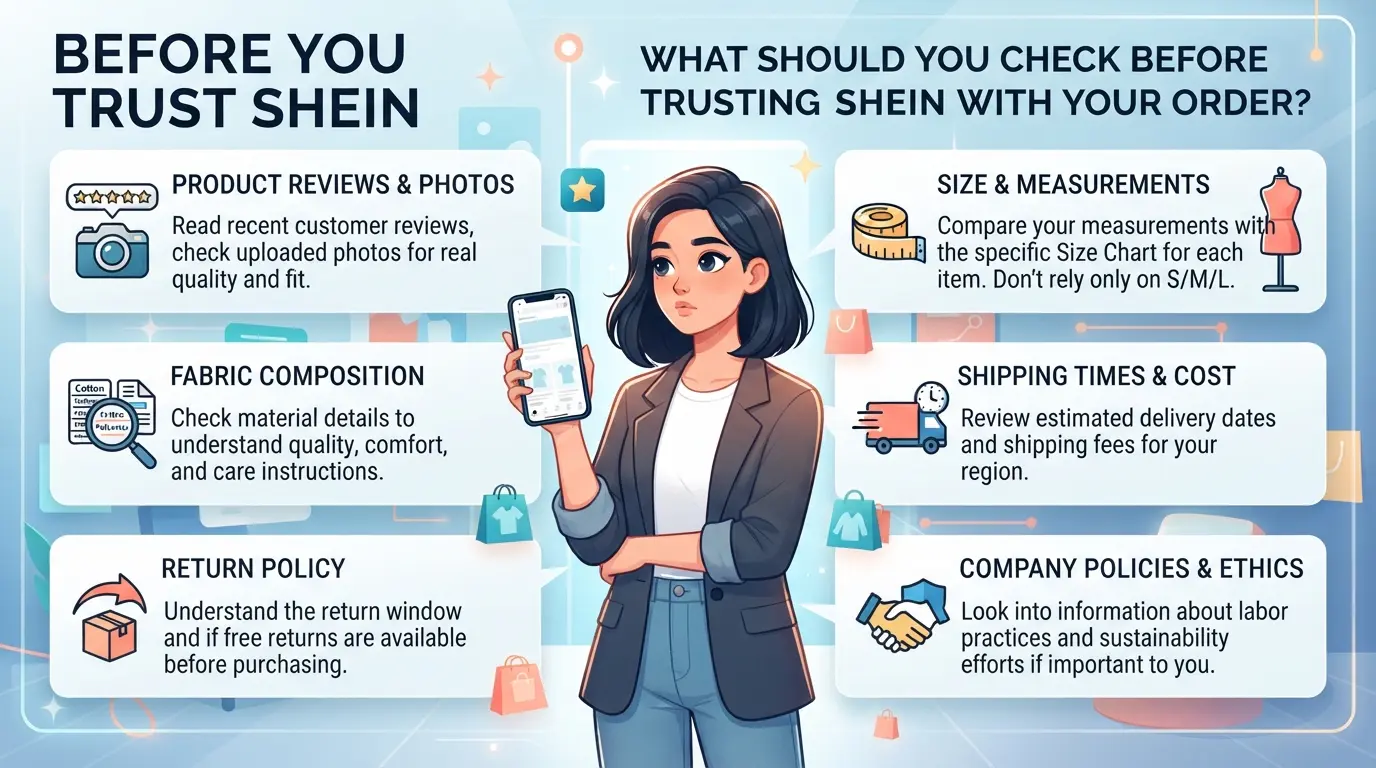
What Should You Check Before Trusting Shein With Your Order?
No one cares about “is shein trustworthy” in the abstract, they want to know if they’ll actually get what they paid for, or if they’re about to lose money, time, or both. Before you trust Shein with your order, focus on the basics: site authenticity, how real buyers rate their experience, and what actual policies will (or won’t) protect you if things go sideways.
How to verify Shein's website and app authenticity
Fake Shein sites and scam apps are everywhere in 2026. The real Shein site uses shein.com and the official app is only on Apple’s App Store or Google Play, never from a random APK site or a link sent in a DM. Scammers often copy the Shein look but sneak in a typo or a .shop/.top domain. If you land on a site that asks for card info before login or redirects you through multiple pop-ups, back out immediately. Most real payment pages will show a secure HTTPS lock and never push you to pay by wire transfer or gift card.
What recent buyer reviews actually reveal
Reading the latest reviews helps, but only if you know what to look for. Long, detailed complaints about missing refunds or blocked accounts tell you more than 5-star bursts that all sound the same.
- Check for repeated complaints about missing orders, refunds not arriving, or support ignoring users.
- Look for reviews with dates, if only old reviews are positive, that’s a warning.
- Watch for copy-paste praise or reviews that mention getting a discount for posting.
Which policies protect you as a customer
Don’t just trust the “easy returns” banner. Shein’s actual refund and return policies are buried in their help center, refunds can take up to 30 days and not all items are eligible. If you have a problem, support usually takes 24-72 hours to reply, but during sales, queues can stretch to a week.
- Read the full return window (usually 15 days from delivery for most items, but some categories are excluded).
- Check whether you need to pay for return shipping, Shein often deducts this from refunds unless the item is defective.
- Test the support chat before buying, send a basic question and see how fast and clear the response is.
If you skip these checks, you’re more likely to get stuck with clothes you can’t return, delayed refunds, or no answer when something goes wrong. Understanding these steps makes it easier to spot the difference between a minor hiccup and a real red flag, next up: why some shoppers stop trusting Shein and what warning signs they wish they’d seen earlier.
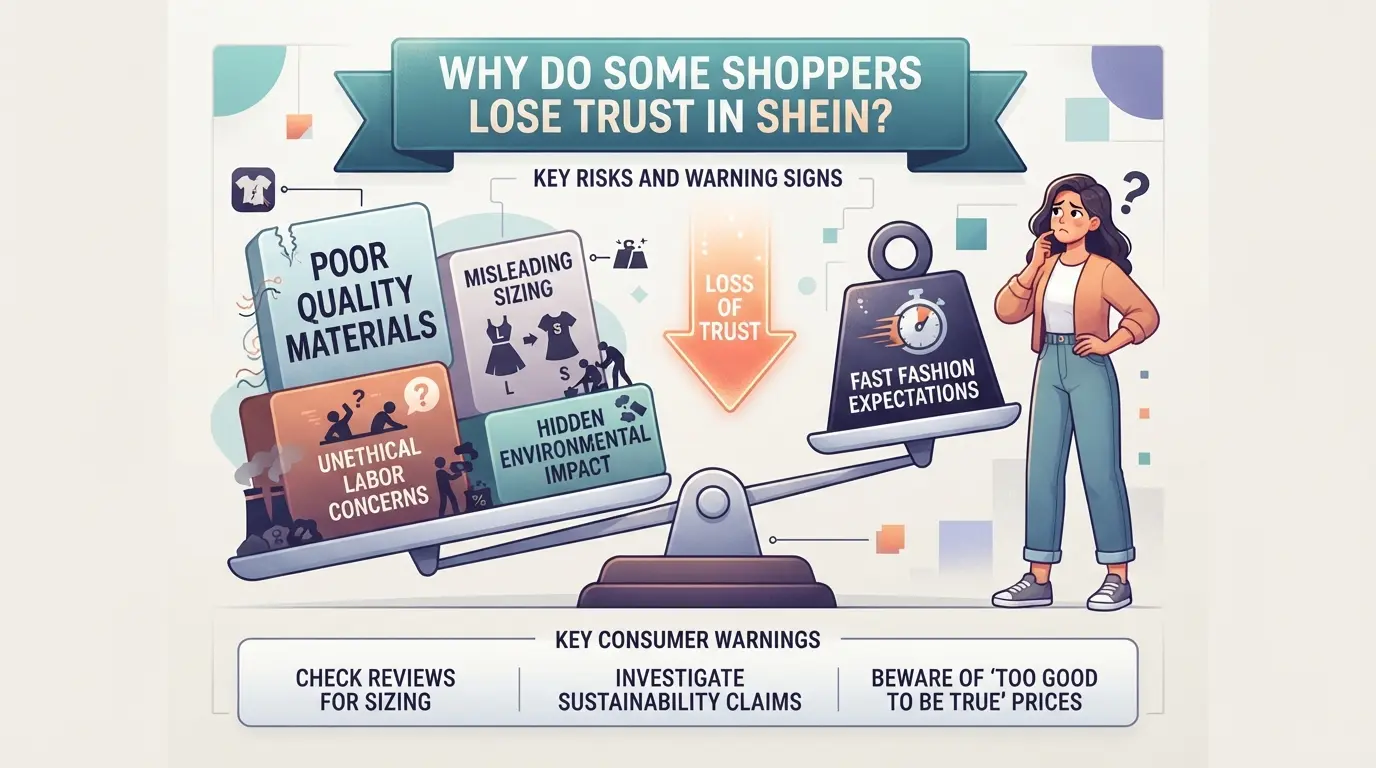
Why Do Some Shoppers Lose Trust in Shein? Key Risks and Warning Signs
When people ask “is shein trustworthy,” they’re not just worried about fake reviews or sketchy sellers. The biggest risks show up after you pay: delays, refund headaches, and privacy problems that can turn a simple order into weeks of hassle. Spotting these warning signs early can save you from chasing support or losing money.
Order issues: delays, missing items, and wrong products
Late shipments and missing items are more common than Shein’s ads suggest. Buyers run into “delivered” status with nothing at the door or get the wrong size even after double-checking measurements. If your package goes missing, Shein’s support usually offers a credit or refund, when you can actually reach them. But slow response times and canned replies make it hard to get real help.
Payment and refund frustrations
Payment problems on Shein rarely pop up until you try to fix something. It’s not unusual for refunds to take weeks, especially if the order was split or the item was flagged for “quality control.” Some users report seeing a “refund processed” status while the money never lands in their account. If you paid with a card, the wait can stretch longer, banks often need extra details before releasing funds. Cases where Shein denies refunds usually involve claims about “non-returnable” items or disputes over wear-and-tear. Here’s the thing: when the process drags on, you’re left chasing support tickets or digging through bank statements, with little recourse besides escalating to your payment provider. The real risk isn’t just slow refunds, it’s losing track of your money and wasting hours on follow-up.
Privacy, data, and scam risks
- Fake Shein sites pop up in search ads or social feeds, tricking users with “limited offers” that steal card info.
- Your account data can leak if you reuse passwords or click links from unofficial emails, scammers target these gaps.
- Shein’s platform collects lots of personal info. If you ignore privacy settings or don’t check site URLs, your details can end up in marketing lists or worse.
If you only focus on price or photos, you’ll miss these red flags. Problems start small, like a delayed package or odd refund status, but ignoring them can turn a small hiccup into months of hassle. Next, it’s worth checking how Shein handles your payment and personal data, since those are where the biggest risks actually show up.
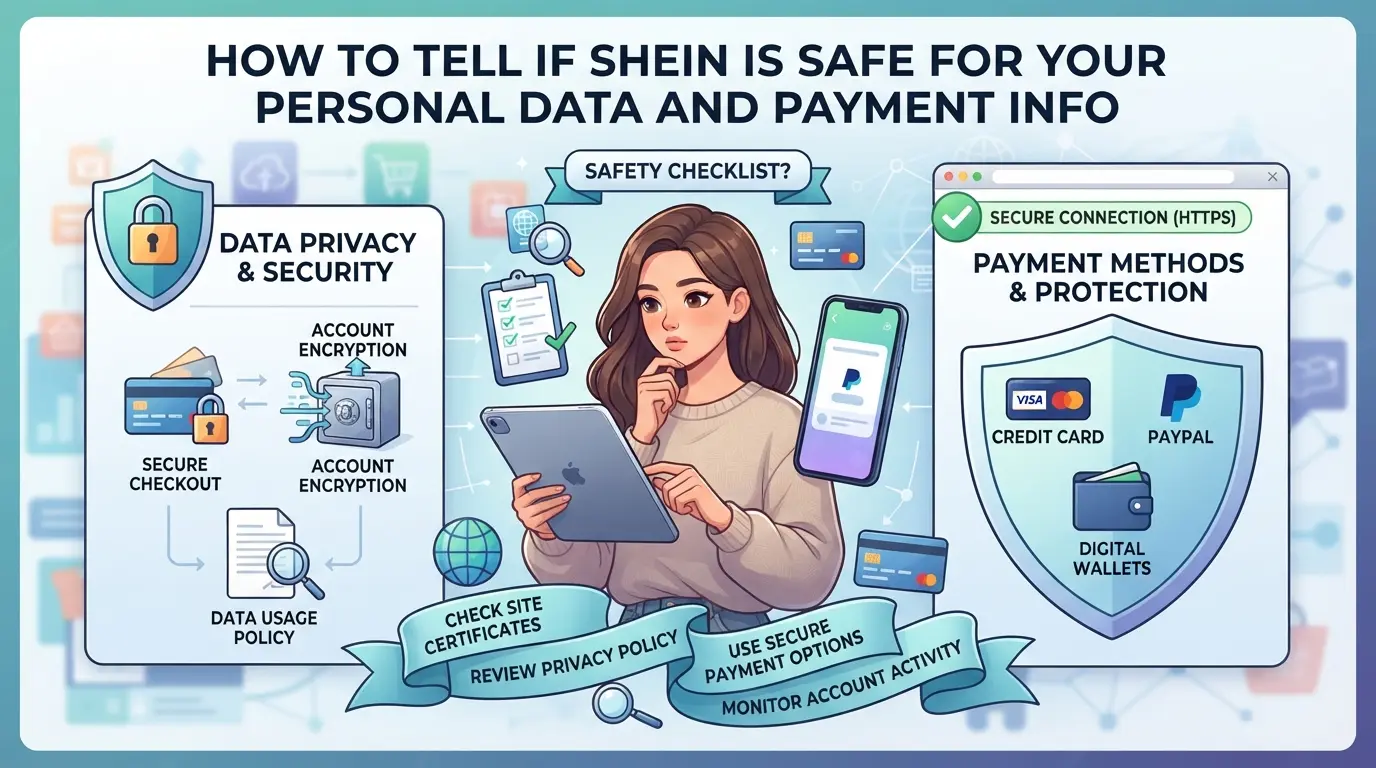
How to Tell If Shein Is Safe for Your Personal Data and Payment Info
Most shoppers want a straight answer: is Shein trustworthy with payment and personal data? Shein does process millions of orders, but privacy and payment risks are real, especially when things go wrong behind the scenes.
What Shein collects and how your data is used
Shein collects your shipping address, contact details, order history, and browsing behavior. This data feeds their marketing and site analytics. Shein’s privacy policy allows sharing with shipping partners, payment processors, and sometimes marketing platforms, so tracking can follow you off-site. If you’re logged in, nearly every click is tracked.
How secure is payment on Shein?
Shein accepts major credit cards, PayPal, Klarna, and sometimes Apple Pay, but not every method is equally safe. PayPal and credit cards give you the strongest buyer protection if something goes wrong. If your card payment fails, don’t retry too fast, some users report multiple charges or pending holds that take days to clear. If you see any unauthorized charge, contact your bank or PayPal right away instead of waiting for Shein support, refunds move faster that way.
What to do if you suspect a data breach or scam
- Change your Shein password and email password immediately, reuse is the most common leak path.
- Check your bank and PayPal for strange charges or holds, and freeze your card if anything looks wrong.
- Report issues through Shein’s in-app help, but document everything; if support stalls, open a dispute with your payment provider.
A breach often looks like a sudden password reset email or charges you didn’t make. Fast action can limit the damage. Most real problems show up in your bank, not your Shein account, so watch financial notifications closely.
Knowing how Shein actually handles data and payments is more useful than any marketing claim. How real buyers rate their experience is next, separating hype from what actually happens.
How Do Real Users Rate Shein in 2026? Sorting Fact From Hype
Most buyers split into two camps, those who get what they expect and those who end up frustrated. Mixed reviews come from real orders, not just hype.
What positive reviews highlight
| Reason for High Ratings |
Typical Buyer Experience |
| Fast shipping |
Orders arrive in 7–12 days, faster than promised |
| Low prices |
Buyers score full outfits for under $40 |
| Trendy selection |
Customers find items that match current styles |
People who rate Shein highly usually order basics or trending clothes, stick to simple sizes, and don’t need to return items.
What negative reviews warn about
Most negative reviews in 2026 talk about slow refunds, missing items, or sizing that’s way off. Shein’s customer service sometimes resolves issues, but long wait times and copy-paste replies frustrate buyers.
How to spot fake or manipulated reviews
Obvious red flags: dozens of five-star reviews without details, or identical wording across listings. For a clearer picture, cross-check ratings on Trustpilot and Reddit fashion threads.
What Steps Can You Take to Shop on Shein More Safely?
If you want to cut your risk when ordering from Shein, focus on the steps you control. A few changes to your setup, how you pay, and what you do if things break can make all the difference. Here’s a clear workflow anyone can follow.
How to set up your account and device securely
- Create a password with at least 12 random characters, not your birthday or pet’s name. Reused or weak passwords are how most accounts get hijacked.
- Turn on two-factor authentication in your Shein account settings. Without it, anyone with your password can log in from anywhere.
- Only shop after logging out of public Wi-Fi. Shared networks expose your login and payment details.
- Never share your device while logged in. If you must, log out first, session cookies can leak if someone else opens Shein.
Smart payment and delivery choices
- Use a credit card or a payment service with buyer protection (like PayPal), not a debit card. You want a way to dispute charges if Shein cancels or doesn’t deliver.
- Double-check your delivery address for typos. A single wrong digit can send your order to a stranger, and Shein support won’t always recover it.
- Track your parcel from shipment until it arrives. Save the tracking number, if it shows “delivered” but you have nothing, act fast. Some payment providers only allow disputes within 30 days.
What to do if something goes wrong
- Screenshot order details and chat logs before opening a dispute. If you skip this, Shein’s support may claim they never saw your evidence.
- Try Shein’s support through the app or website chat first. If they offer only a partial refund or stall, don’t wait, start a dispute with your payment provider right away.
- Watch the refund window. If you miss it, even your bank or PayPal may block your claim.
These steps cut through the noise around “is Shein trustworthy” and focus on what actually keeps your money and data safer, no matter what happens. If you’re handling multiple accounts, risk management gets trickier, that’s where specialized tools come in next.
How E-Commerce Teams Manage Multiple Platform Accounts Safely With DICloak
If you run more than one Shein or marketplace account, maybe for order handling, marketing, or support, keeping things separate gets tricky fast. Personal shoppers care about “is Shein trustworthy” for their own orders, but teams face a different problem: keeping each account’s browser session fully isolated, so mistakes or overlap don’t create bigger risks than a lost package. This part looks at how DICloak fits into that more advanced workflow.
How to isolate browser profiles and configure fingerprints for each account
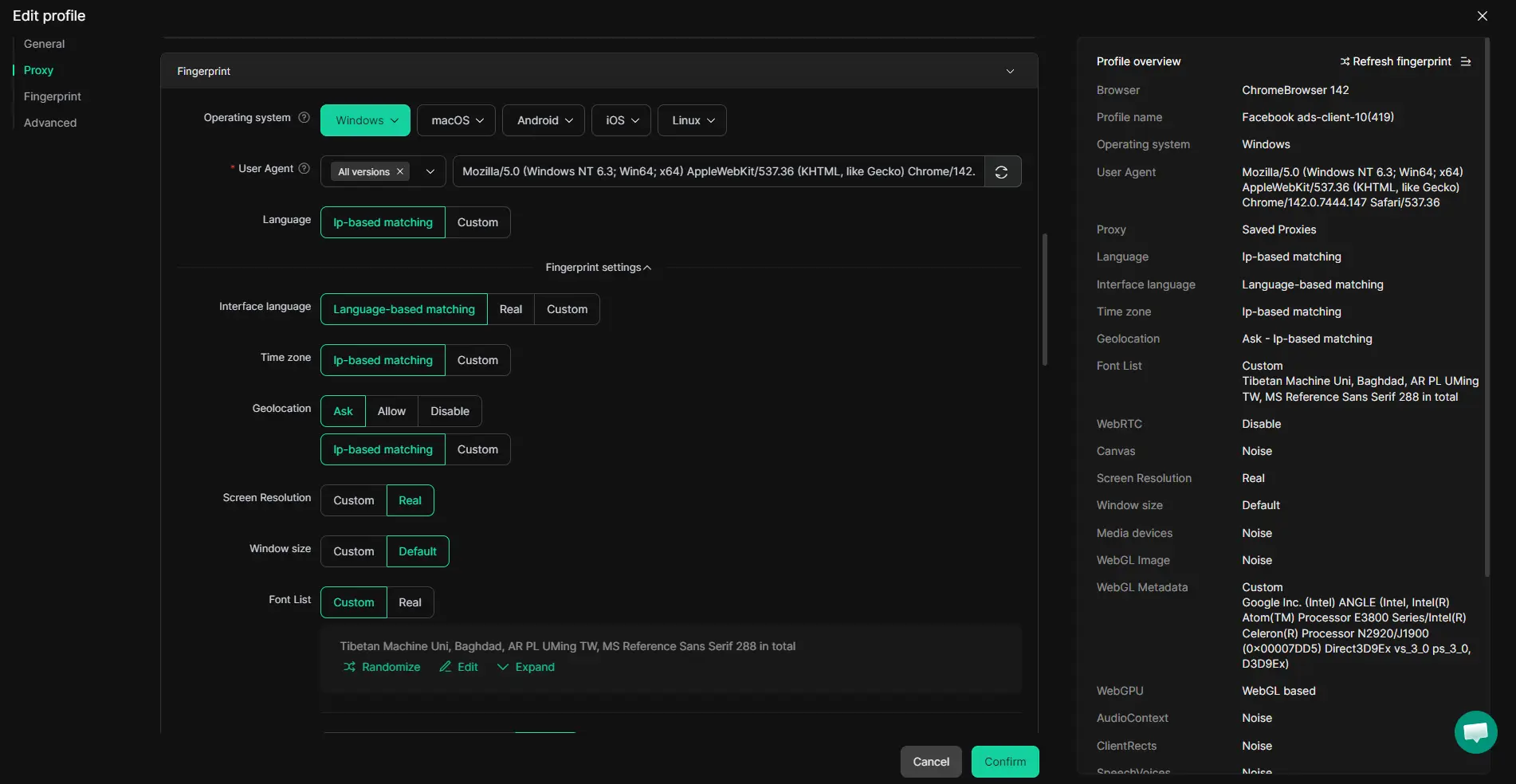
Operators can create a unique browser profile in DICloak for every platform account and adjust key fingerprint signals, like system type, language, time zone, and screen size, so each session stays separate. This setup means the browser storage, cookies, and configuration for one account never mix with another, giving managers more control over account environments. The scope is limited to browser-profile separation; it never changes anything inside Shein or other platforms.
How to configure user-provided proxies for account separation
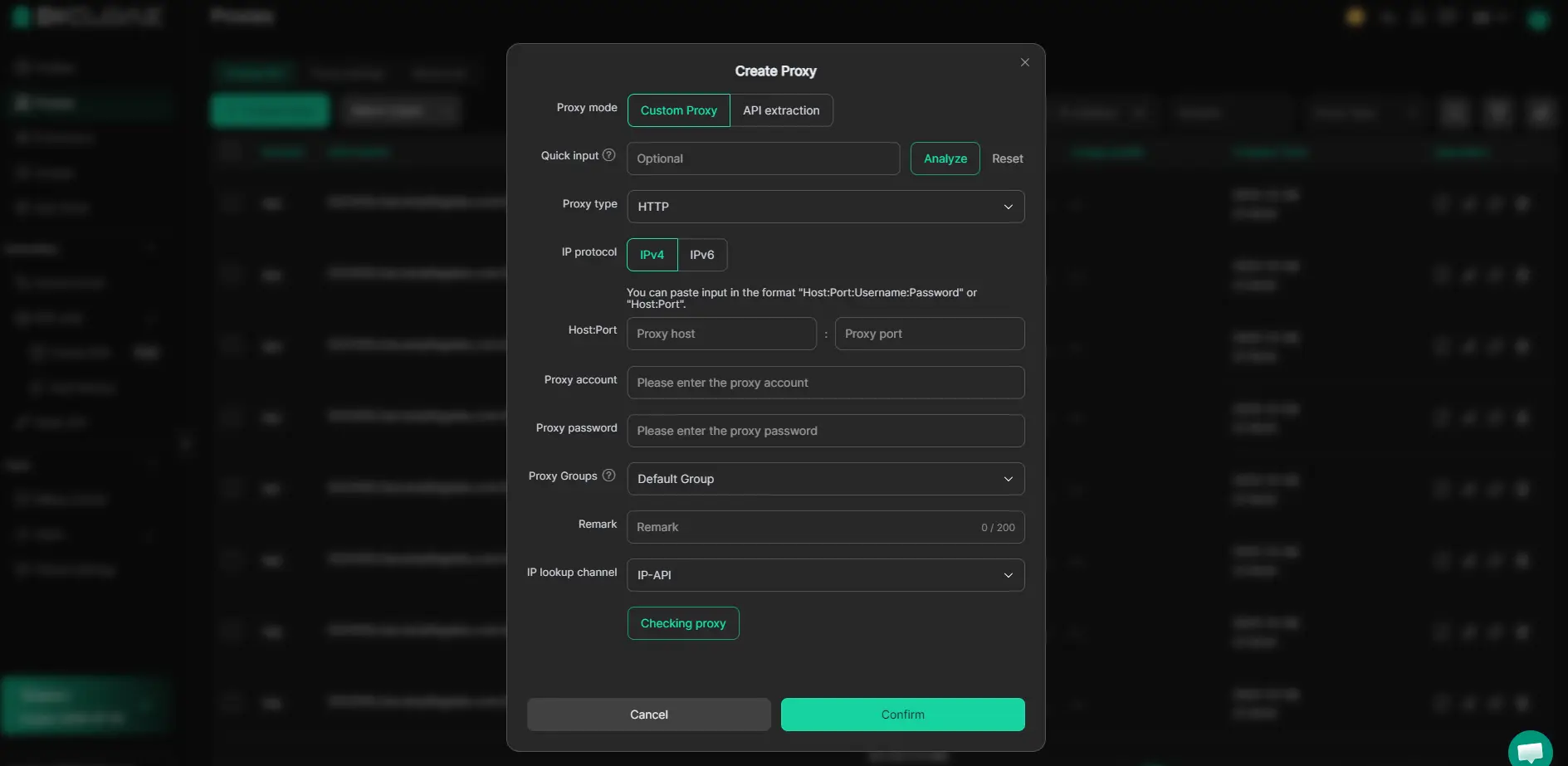
For teams that want another layer of separation, users can assign their own HTTP, HTTPS, or SOCKS5 proxy to any browser profile and test the connection before use. This lets you route each account session through a distinct network path if needed. Operators choose, enter, and verify their own proxies, DICloak does not supply proxies or pick which network location is best.
Team Permissions for Assigned Browser Profiles
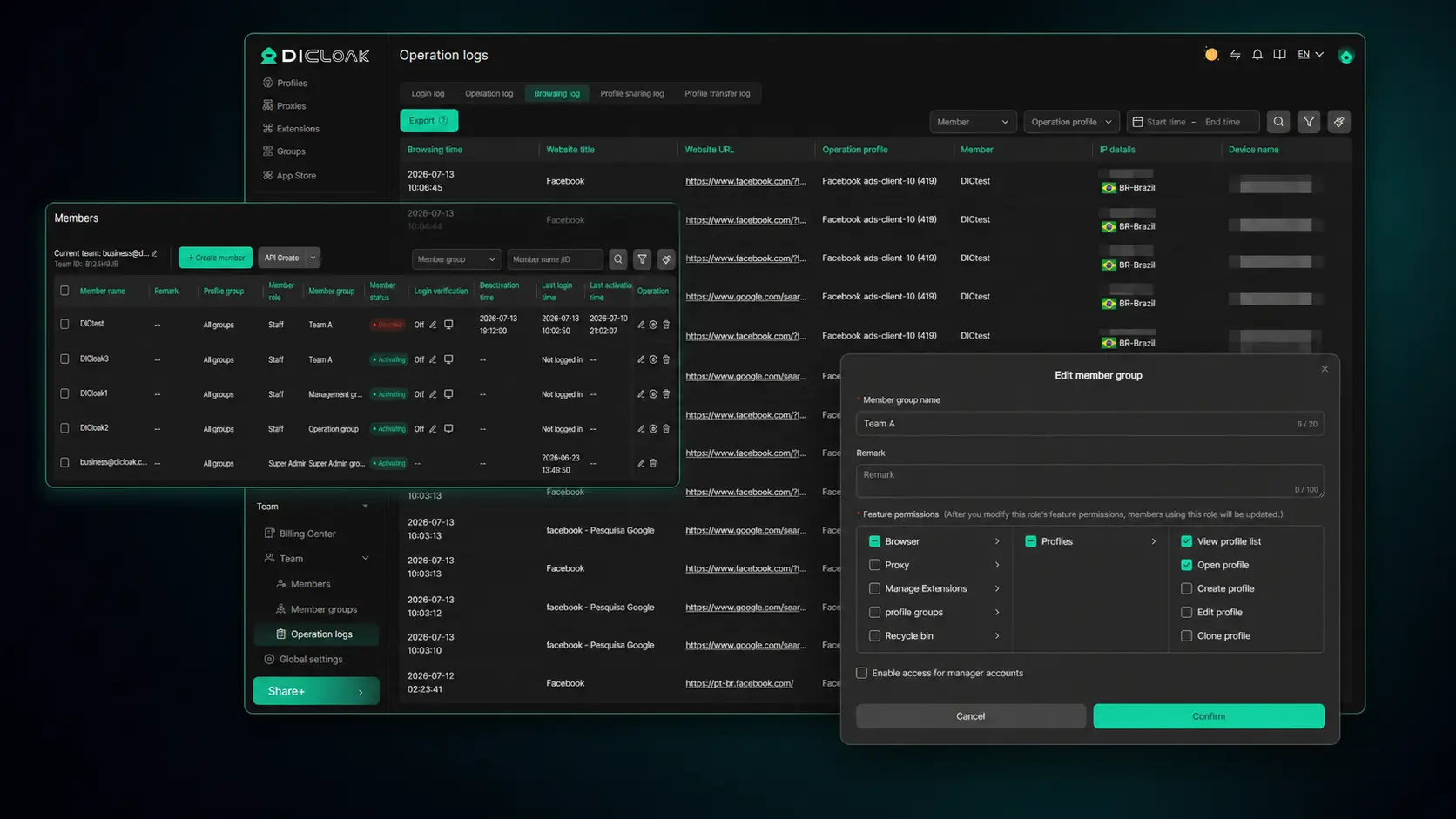
Admins can keep things organized by grouping team members and assigning access only to the profiles or actions each person needs. For example, you might let support staff open certain account profiles but block changes to settings. These permissions work inside DICloak, they do not control roles or rights inside Shein itself.
When Is Shein the Wrong Choice? Alternatives and Safer Options
When Shein is not a good fit
Not every order suits Shein. For high-value or urgent purchases, or when handling sensitive data (like business orders), risk jumps. Here’s where Shein falls short compared to other options:
| Scenario |
Shein |
Major Retailers |
| High-value items |
Long refund delays |
Faster escalations |
| Urgent delivery needed |
Unpredictable |
Reliable tracking |
| Business/sensitive data |
Weak buyer recourse |
Stronger oversight |
If you can’t afford to chase support or risk lost items, don’t use Shein for these cases.
What alternatives offer stronger trust signals
Major retailers and local, platform-verified sellers enforce stricter return, tracking, and support rules. You get clearer recourse if things go wrong, that’s the key difference when trust is non-negotiable.
Common Mistakes That Make Shein Shopping Riskier (and How to Avoid Them)
Falling for fake apps or phishing links
People get scammed by clicking on lookalike Shein apps or fake links sent by “support” emails. Real Shein orders always show up in your official account and the site uses “shein.com”, if you see odd URLs, close the page.
Ignoring payment and delivery warnings
- Only pay with secure options (credit card, PayPal).
- Never send money by wire or gift card.
- Double-check the payment page’s web address before entering info.
Skipping review and policy checks
Trust drops fast if you skip the basics. It’s easy to miss hidden return fees or spot fake reviews if you don’t look.
- Read real buyer reviews, not just the star rating.
- Check the return and refund policy details.
- Search for recent scam or safety complaints.
Frequently Asked Questions About is shein trustworthy
Is Shein trustworthy for first-time buyers in 2026?
Shein is popular for affordable fashion, but trust depends on several factors. Check seller ratings, product reviews, and return policies before buying. New users should look for secure payment options and confirm the site’s HTTPS status. , Shein delivers for most buyers, but some report slow shipping or quality issues. Always research the seller and item.
Can Shein access or misuse my personal data?
Shein collects data like email, address, and payment details to process orders. The company encrypts sensitive information, but risks exist with any online store. To protect yourself, use strong passwords and avoid sharing extra personal details. You can review and adjust privacy settings in your Shein account for added safety.
What should I do if my Shein order never arrives?
If your Shein order doesn’t arrive, first check the tracking info on your account. Contact Shein customer support with your order details. If support doesn’t help, file a dispute through your payment provider. Save all messages and receipts. Escalate the issue if you don’t get a response within a week.
Are there safer ways to pay on Shein?
For best buyer protection, use credit cards or PayPal when shopping on Shein. These methods offer dispute resolution and fraud safeguards. Avoid using direct bank transfers or prepaid cards, as they offer less protection. Always check for secure checkout (HTTPS) before entering payment info.
How do I know if a Shein review is real?
Look for reviews with detailed photos and clear descriptions. Fake reviews often sound generic or repeat phrases. Trust reviews from verified buyers labeled on the site. For more reliable opinions, check third-party platforms like Trustpilot or Reddit, where shoppers share honest feedback.
If you’re considering a purchase, take time to research reviews, payment options, and shipping details to make the most informed choice for your needs. For an added layer of privacy and security while shopping online, consider tools that improve your browsing experience. Try DICloak For Free
 Web Proxy Tools
 Free Tools
 Cookie Plugin
 UA Generator
 MAC Address Generator
 IP Generator
 IP Address List
 2FA Code Generator
 World Clock
 Anonymous Check
 WebRTC Leak Test
 UUID Generator
 Free Web Proxy Site
 Proxy Checker
 FB Ad Checker
 AI Web Scraping
 Free SMM Tools
 Twitter Shadowban Checker
 Instagram Name Checker
 UTM Generator
 Username Generator
 AI Hashtag Generator
 LinkedIn Headline Generator
 Social Media Image Resizer