Scrolling through social feeds in 2026, you’ve probably wondered if signing up for another platform is worth the hassle. Bluesky keeps popping up as the supposed alternative to Twitter, but after months of hype and mixed user reviews, it’s hard to tell what’s real value and what’s just buzz. The real question hanging in the air: is bluesky worth it, or will you end up with yet another unused account?
On one hand, Bluesky promises a cleaner, less toxic space and a fresh start, especially if you’re tired of Twitter’s algorithm-driven chaos. But every new platform comes with its own headaches: smaller audience, missing features, constant “beta” feel, and the risk of investing time only to find the community never takes off for your interests.
Most people don’t regret skipping yet another social network, but missing early access to a real Twitter alternative can sting if you care about reach or community. The main thing to figure out is whether Bluesky’s real-world experience in 2026 justifies the switch, especially once you’ve seen how content discovery, moderation, and account controls work compared to what you’re used to. Don’t get distracted by promises of decentralization or early adopter hype; what matters is if Bluesky actually solves your daily social feed problems.
Here’s what really sets Bluesky apart (and what’s still missing) before you decide to join.
What Should You Check Before Deciding If Bluesky Is Worth It?
If you’re not sure whether to jump in, start by looking at what matters for your own use, not just the hype. The gap between Bluesky’s promises and what’s actually working in 2026 is bigger than most new users expect. You’ll avoid wasted effort if you check these points up front.
Is your target audience active on Bluesky?
Before you sign up, check if people you want to reach actually use Bluesky. Pull up the current user stats, but don’t stop there, search for recent posts in your niche, look at trending topics, and see if your peers mention Bluesky anywhere. If you can’t find active communities, it’s a strong sign that your audience isn’t there yet. On the flip side, if you see familiar faces posting daily, that’s a green light. Bluesky’s user base still skews tech-heavy and early adopter in 2026, so don’t expect mainstream reach unless you see real proof.
Does Bluesky support your content type and goals?
- Try posting a thread, image, or video in preview mode, see which formats get engagement.
- Check if your expected features (like scheduling, analytics, or link previews) are available yet.
- Review the rules: Bluesky’s moderation and algorithm may limit certain content styles.
How much time and effort are you willing to invest?
Most early adopters say building real traction on Bluesky takes more work than on established platforms. If you expect quick growth, you’ll likely be disappointed. Take a hard look at the time you’re ready to commit, especially since tools for automation and analytics are still limited.
- Map out how often you’d need to post before seeing results.
- Ask recent joiners how long it took to reach your current Twitter or Threads following.
- Decide if you’re willing to keep posting even if engagement stays low for months.
The biggest hidden cost is sunk time, if you spread yourself too thin, you’ll see the weakest results on every platform.
Deciding if Bluesky is worth joining comes down to where your people are, what you want to share, and how patient you’re willing to be. If you’re not seeing signs that your goals line up with Bluesky’s strengths, it’s smart to hold off. Next, you’ll see why some people stick with Bluesky and others don’t.
Why Some People Find Bluesky Worth It, and Others Don’t
The split between people who stick with Bluesky and those who drop it comes down to whether the platform’s strengths actually match their needs. If you care about reach, personal connections, or community-driven feeds, Bluesky can feel like a fresh start, but if you need scale, proven tools, or a big audience, disappointment is common.
What creators and brands get out of Bluesky
Creators and brands who succeed on Bluesky in 2026 usually rely on organic engagement. The platform’s feed algorithm is shaped by user moderation and curation, not just paid promotion or trending posts. Content discovery often works best for niche communities and authentic conversations. If your focus is on building a tight group or testing new content types, Bluesky’s audience can be more responsive than Twitter’s broad but noisy feed.
Where Bluesky falls short for certain users
Even with active communities, Bluesky’s total user base is much smaller than Twitter or Threads. If you’re used to thousands of impressions per post, expect a ceiling: most posts reach only a few hundred people unless you’re part of a “hub” account or early influencer circle. Missing features, like advanced search, analytics, or integrations, limit what brands can track or automate. For example, a team running campaigns may get stuck without scheduling tools or cross-platform support. One common failure mode: a creator joins hoping for viral growth, posts daily, but after two months sees flat follower numbers and no meaningful feedback. That’s when frustration sets in. Unlike larger networks, Bluesky’s culture is less focused on chasing numbers and more about interaction, which means growth feels slower and less predictable. If your main goal is to scale fast or tap into mainstream trends, Bluesky often feels unfinished and isolating.
Typical reasons people leave or stop posting
- Frustration with weak discovery, content rarely travels beyond your immediate circle.
- Culture mismatch, platform norms skew toward in-depth discussion, not quick updates.
- Engagement plateaus, posting often brings low likes and almost no new followers.
If your expectations line up with Bluesky’s actual strengths, you’ll find the experience rewarding. But if you need growth, tools, or mainstream reach, the limits show up fast. That’s why before investing, you should look closely at the downsides and risks, especially those that don’t surface until you’ve tried to scale your presence.
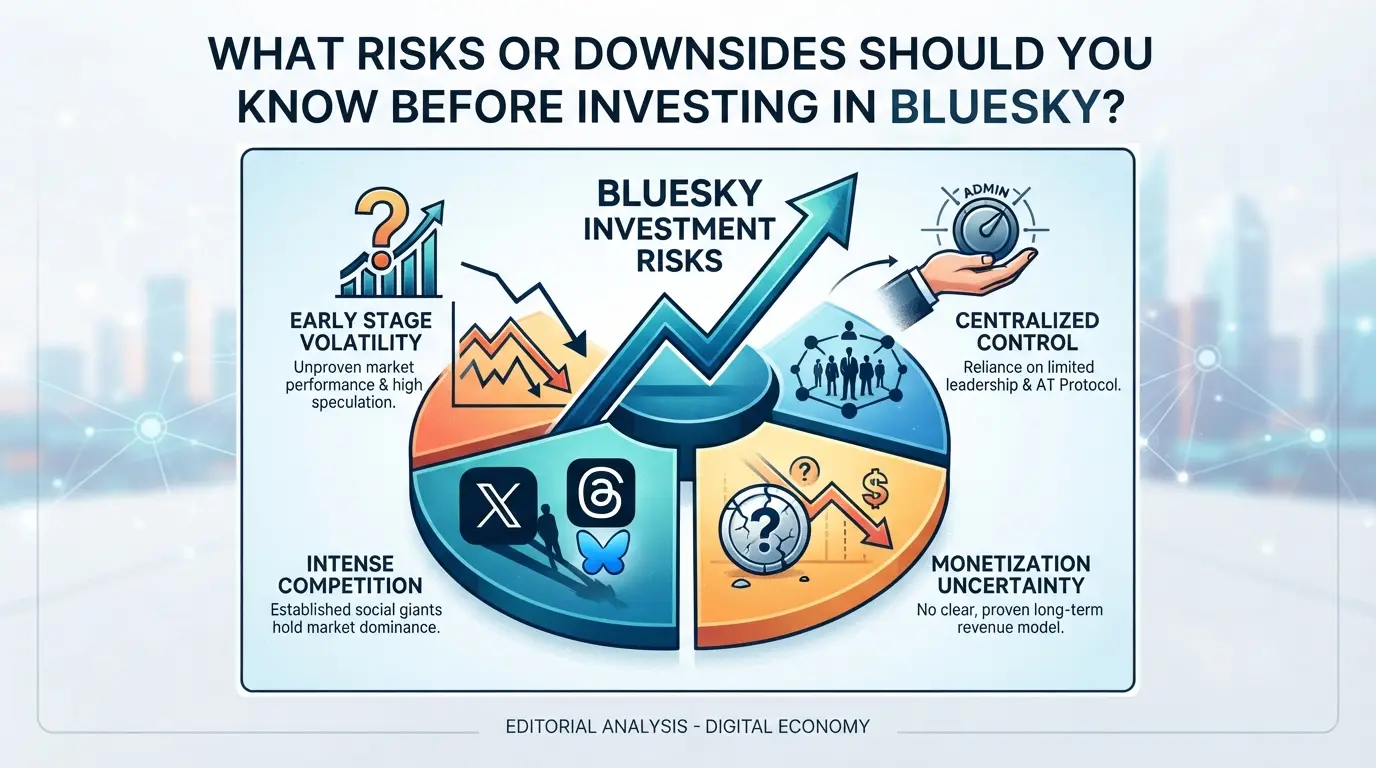
What Risks or Downsides Should You Know Before Investing in Bluesky?
Deciding if Bluesky is worth it means looking past hype and seeing concrete risks, especially the ones users regret not checking before joining.
Platform stability and long-term uncertainty
If Bluesky’s growth stalls, you risk spending months building a presence that reaches fewer users each year. To hedge, keep your main audience active elsewhere and avoid sinking all your effort into a single feed.
Discovery and reach limitations
Content often gets buried because Bluesky’s algorithm still feels basic compared to X/Twitter.
- Posts can disappear in feeds if you rely on hashtags or trending topics, they simply don’t spread as far.
- The safer move: treat Bluesky as a side channel for now, and share your best posts cross-platform so reach isn’t wasted.
Missing features or monetization options
You won’t find built-in ads, analytics, or creator tools that rival what’s available on larger platforms. If you need detailed stats or monetization, expect to use third-party tools or manual tracking, which adds friction and limits growth.
Community and moderation challenges
Decentralized moderation means each server sets its own rules, but enforcement isn’t consistent. Public figures and brands can face sudden waves of spam or harassment, and appeals are handled piecemeal. If reputation matters, monitor your mentions closely and be ready to act fast.
How Does Bluesky Compare to X/Twitter, Threads, and Mastodon in 2026?
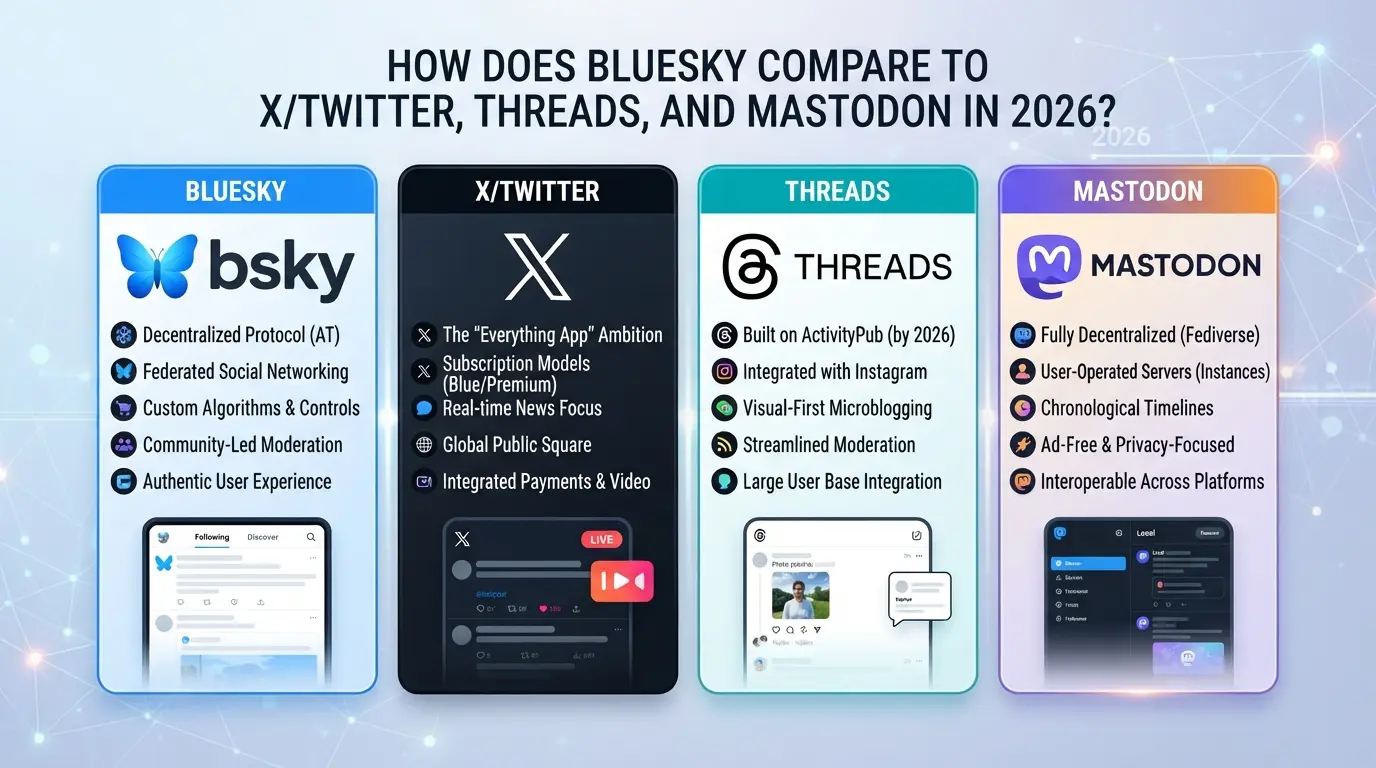
Anyone weighing “is bluesky worth it” needs to see how Bluesky stacks up against the other big platforms. If you’re chasing reach, audience quality, or safer moderation, the gaps matter more than the usual feature lists.
Audience and growth potential
| Platform |
Estimated Active Users |
2026 Growth Trend |
Audience Type |
| Bluesky |
~3M |
Steady, niche |
Tech, indie, early adopters |
| X/Twitter |
~350M |
Slowing |
Mainstream, news, brands |
| Threads |
~70M |
Flat |
Instagram spillover, casual |
| Mastodon |
~2M |
Slow, fragmented |
Open source, privacy fans |
For real-time reach, X/Twitter still wins. Bluesky’s crowd is smaller but feels more focused, if your audience matches, engagement can be higher per post.
Features and customization
Bluesky gives users real feed control and lets them build custom algorithms. The others are more locked down or algorithm-heavy, so Bluesky fits anyone tired of “black box” feeds.
Content moderation and safety
Bluesky lets you pick moderation services and block lists. Threads and X/Twitter rely on their own teams. Mastodon depends on server admins, so rules can shift quickly. The biggest risk for brands is unclear enforcement and whiplash from community-driven bans.
Monetization and business tools
X/Twitter and Threads offer ads, analytics, and brand tools. Bluesky and Mastodon have almost no built-in business features, so creators and companies must work harder for visibility and income.
If your main goal is growth or monetization, Bluesky still lags behind. For control and a cleaner feed, it’s a stronger pick than Threads or Mastodon. The next step is figuring out whether Bluesky’s tradeoffs fit your use case.
When Is Bluesky the Right (or Wrong) Choice for You?
If you’re asking “is Bluesky worth it” in 2026, the answer hinges on what you want from your social feed and how much you need network effects right now. For some, getting in early brings real advantages; for others, it’s not just underwhelming but a drain on time and energy best spent elsewhere.
When Bluesky is a smart move
- You want to reach a new audience before it gets saturated.
- You’re frustrated with X/Twitter’s direction and ready to start over.
- You don’t mind missing features if it means more control and less noise.
Early adopters who care about community norms or want to shape discussions often find Bluesky’s smaller crowd and open-source vibe appealing.
When you’re better off elsewhere
If you rely on a large, established follower base, like running brand campaigns or driving sales, Bluesky’s current reach won’t deliver. Content tools are still limited: scheduled posts, analytics, and ad support lag behind X and Threads. One agency lead tried moving a campaign over but lost 80% of impressions, since partners and audience hadn’t joined yet. For creators who need proven traffic or teams who depend on integrations, waiting makes sense.
How to decide in practice
The single strongest sign Bluesky is right for you: You’re more interested in building genuine connections or experimenting with new formats than chasing instant numbers. If your main goal is reach or you need advanced tools today, stick with the platforms that already serve your needs, at least until Bluesky’s audience and features catch up.
How DICloak Supports Safer Multi-Account and Team Workflows on Bluesky
Social media managers and teams who choose to build a presence on Bluesky often face a different challenge: keeping each platform account’s session, proxy, and access separate, especially when more than one person is involved. For these cases, DICloak gives you tools to set up isolated workflows for each account, so you don’t end up with session overlap or accidental cross-contamination between work and personal logins.
Set Up Profile Isolation and Fingerprint Configuration
Operators can create a new browser profile in DICloak for every Bluesky or other platform account they handle. Each profile stores its own browser signals, like operating system, time zone, language, and device details, so session data from one account doesn’t leak to another. This step matters most when teams or agencies need to match working environments to each client or campaign, not just for “is bluesky worth it” but for any platform where session mixing can cause headaches. The scope is limited to browser-profile access; it does not touch platform content or user data. 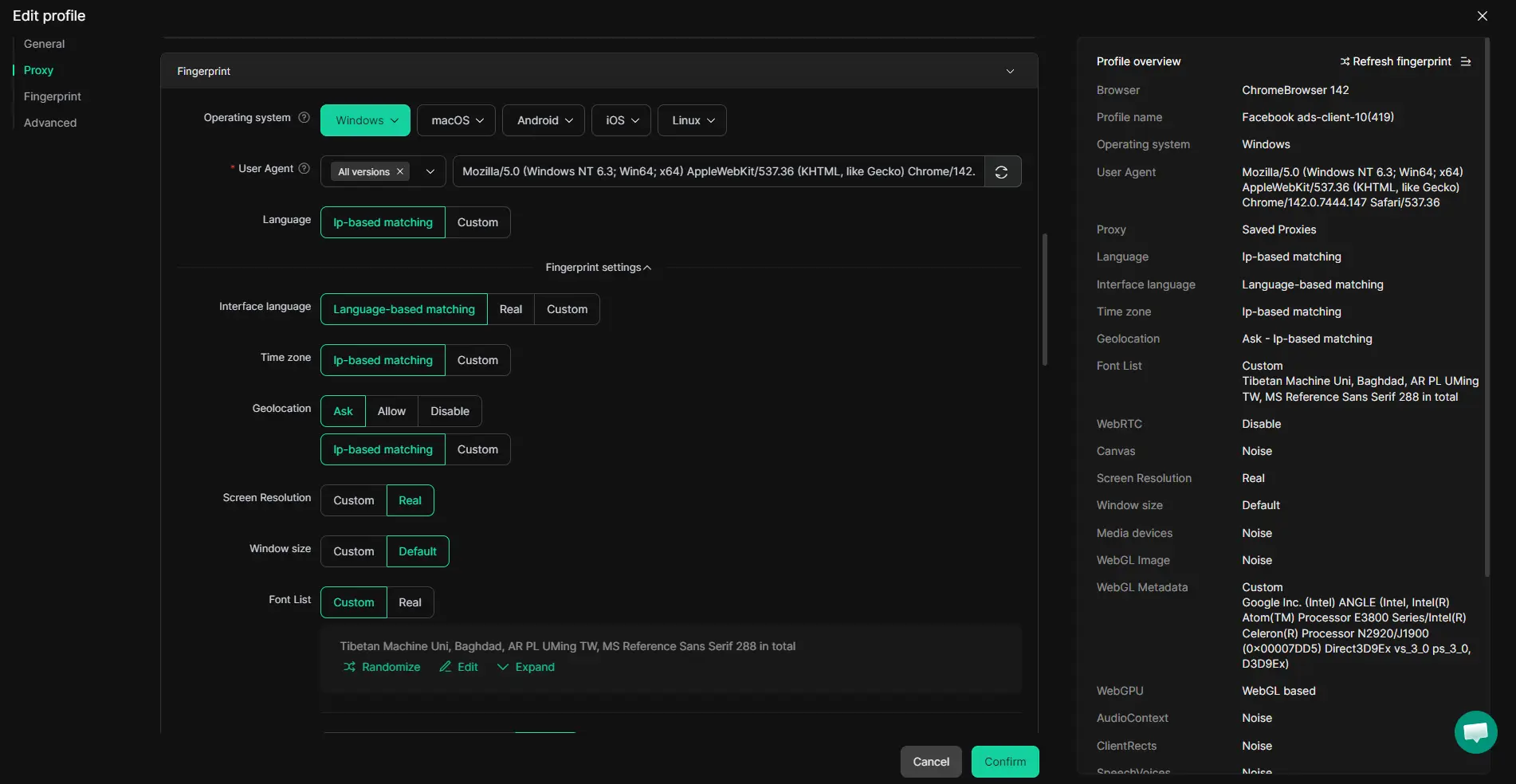
Configure a User-Provided Proxy for Each Profile
Teams can assign and test a user-provided proxy for each DICloak browser profile. This means every account workflow can run through a separate network exit, using HTTP, HTTPS, or SOCKS5, depending on what the operator provides. Checking the proxy connection before logging in helps catch mistakes early, like using the wrong location or a dead proxy. Proxy selection and quality stay in the user’s hands; DICloak only stores and applies the configuration. 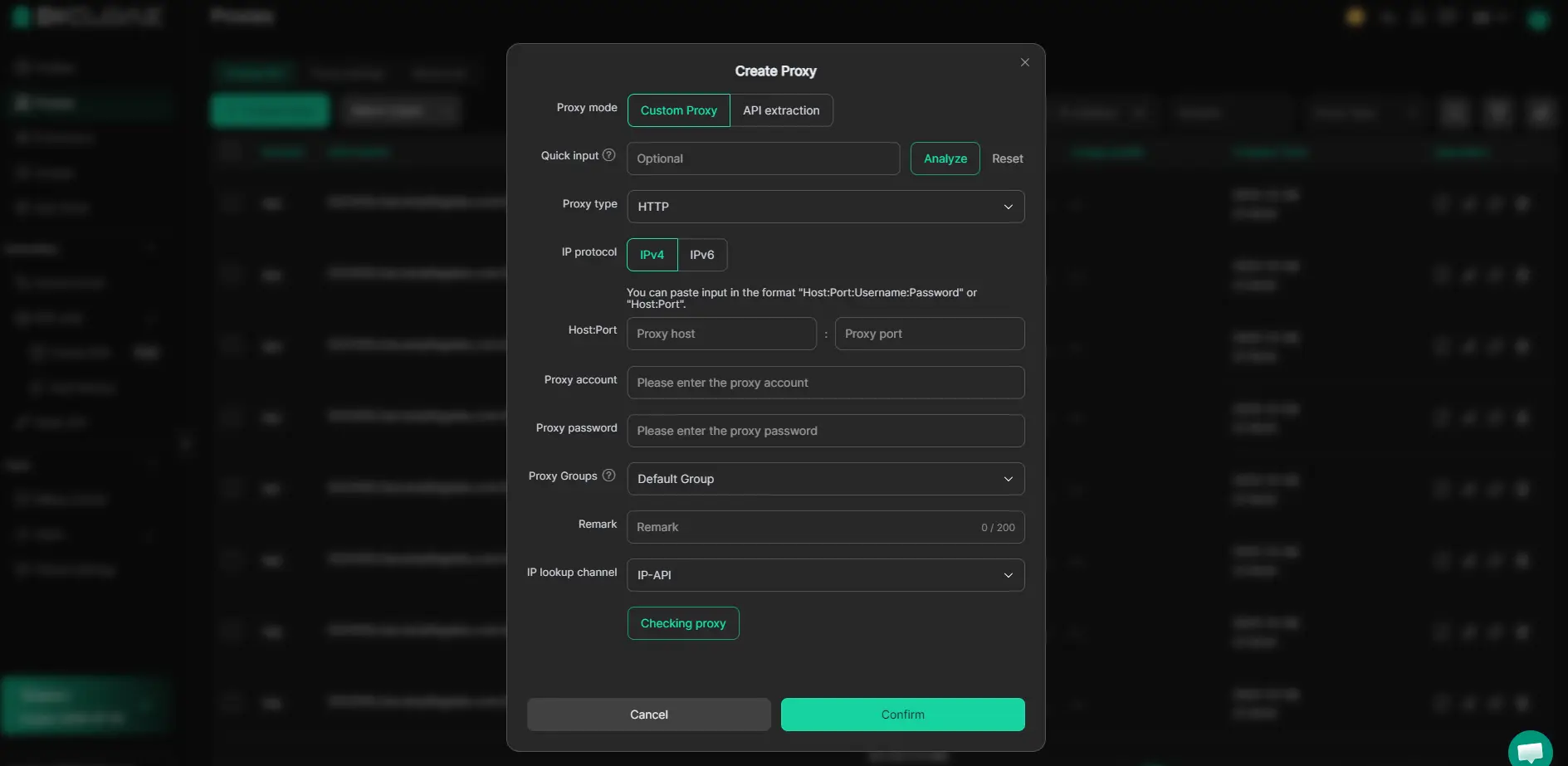
Control Team Collaboration and Permissions
Admins can set up member groups and fine-tune which team members access which browser profiles inside DICloak. By giving the right people only the permissions they need and limiting who can see which account setups, teams reduce the risk of mistakes or leaks. This control stays at the browser-profile layer, platform roles and permissions must still be managed inside Bluesky or the target service. 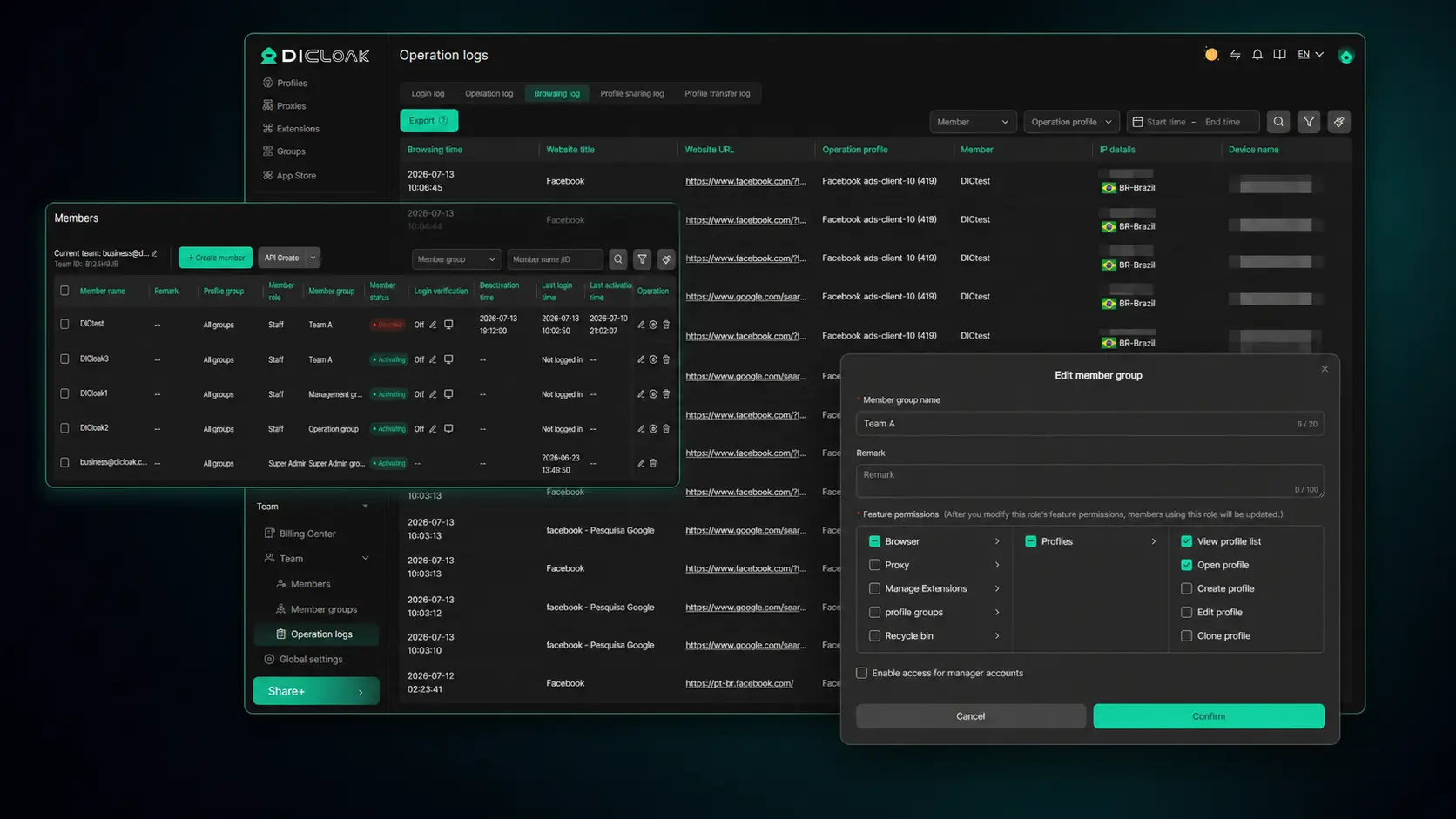
If you’re ready to set up accounts for new campaigns, the next step is to build your actual presence on Bluesky.
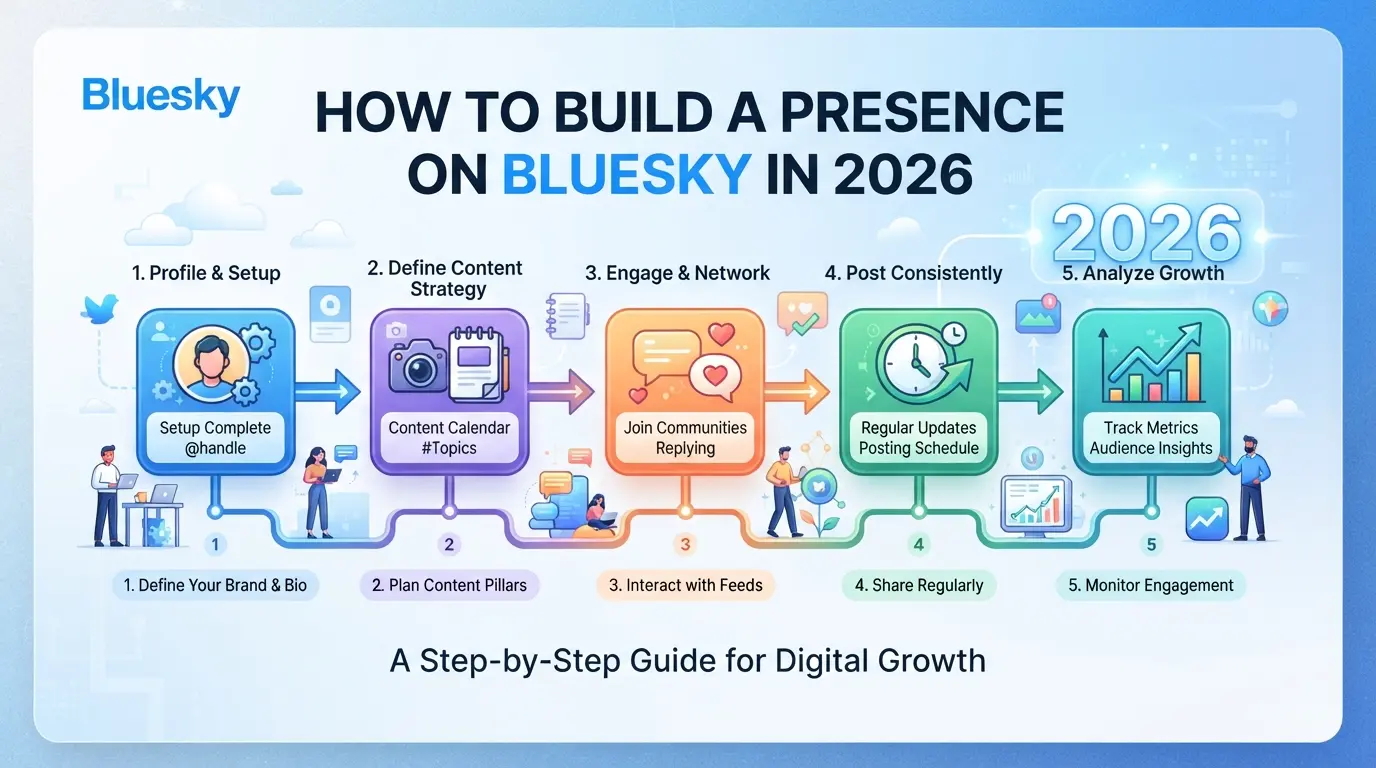
Step-by-Step: How to Build a Presence on Bluesky in 2026
Getting traction on Bluesky in 2026 means more than just signing up, it’s about building trust and actually getting seen. If you’re weighing “is Bluesky worth it” and want a shot at real engagement, here’s what to do, and what to watch for at each stage.
improve your profile for discovery
- Use a clear, recent profile photo, no blurry selfies. People skip anonymous accounts.
- Write a specific, honest bio with keywords tied to your niche or interests.
- Add one link: your main site or portfolio. Bluesky users check for off-platform signals.
- Triple-check visible details match your other social accounts. Mismatch here kills credibility fast.
Find and engage with your community
- Search hashtags and join custom feeds related to your field or hobbies.
- Comment on posts in those feeds, don’t just “like” them.
- Follow active users, not just big accounts. If no one replies after a week, adjust your approach.
- Respond to replies within 24 hours. Missed windows mean lost momentum.
Develop and post valuable content consistently
- Post at least 3 times a week, short, original takes work best.
- Mix posts: share questions, quick updates, and resource links.
- Test timing: if posts stall with zero replies or likes, shift your schedule.
- Re-use what works, but avoid spamming the same format.
Track your progress and adapt
- Watch follower growth and average replies, not just likes.
- Check which posts get shares; those drive reach.
- If engagement drops for two weeks, review your content mix and posting times.
- Drop what isn’t working, sticking with dead formats wastes effort.
Skip the basics and Bluesky will just feel like another empty timeline. Next, see which common mistakes, like bad onboarding or ignoring replies, make Bluesky not worth the effort for so many users.
Common Mistakes That Make Bluesky Not Worth It for Many Users
Most people who ask “is Bluesky worth it” trip up by expecting Twitter results from day one or by missing how Bluesky’s smaller, tighter network works in practice.
Treating Bluesky like X/Twitter without adapting
Copy-pasting your Twitter playbook rarely works, Bluesky’s feed algorithm and social norms push for genuine interaction and niche topics, not viral threads or hot takes. Growth feels slow if you expect the same engagement patterns.
Over-promoting or ignoring community norms
- Check if your posts match what people actually discuss.
- Skip auto-plugs and share real updates.
- Reply to others, don’t just broadcast.
Giving up too quickly
Early traction is slower than on X. If you bail after a week, you’ll never see what works.
- Post at least 10 times before judging reach.
- Follow and interact with active people.
- Wait 2–3 weeks before deciding to quit.
Frequently Asked Questions About is bluesky worth it
Is Bluesky free to use in 2026?
As of 2026, Bluesky offers free sign-up and core features for everyone. There is no monthly fee to access basic posting, reading, or following accounts. Some advanced tools or custom domains may require payment, but regular users can use Bluesky without cost. This makes it easy to try Bluesky and decide if it’s worth joining.
Can I use Bluesky for business or brand marketing?
Yes, Bluesky is friendly for business accounts and brand marketing. You can build a profile, share updates, and engage with followers. However, Bluesky has fewer built-in analytics and ad tools compared to platforms like Twitter. Businesses may need to rely on organic reach, and sponsored content options are limited as of 2026.
How does Bluesky handle privacy and data security?
Bluesky lets users control who sees their posts and manage their own data. The platform uses decentralized technology, meaning your account isn’t tied to one company. Bluesky does not track users for ads and offers strong privacy settings. You can block, mute, and report accounts easily, keeping your experience safe.
Is it possible to automate posting or manage multiple Bluesky accounts?
Managing multiple Bluesky accounts is possible, but tools for automation are still basic compared to Twitter. Some third-party apps let you schedule posts or switch between accounts, but not all workflows are supported yet. Businesses and creators should check app compatibility and be ready for manual work if automation is important.
What happens if Bluesky shuts down or changes direction?
Because Bluesky uses decentralized tech, you can move your account and content to another compatible service if the platform changes or closes. This lowers the risk of losing your audience or posts. Still, users should regularly back up important content and stay informed about Bluesky’s updates to protect their investment.\
If you're curious about the platform's features and community, testing it firsthand can help you decide if it fits your social media needs. Consider signing up and exploring its offerings yourself before committing long-term. Try DICloak For Free
 Web Proxy Tools
 Free Tools
 Cookie Plugin
 UA Generator
 MAC Address Generator
 IP Generator
 IP Address List
 2FA Code Generator
 World Clock
 Anonymous Check
 WebRTC Leak Test
 UUID Generator
 Free Web Proxy Site
 Proxy Checker
 FB Ad Checker
 AI Web Scraping
 Free SMM Tools
 Twitter Shadowban Checker
 Instagram Name Checker
 UTM Generator
 Username Generator
 AI Hashtag Generator
 LinkedIn Headline Generator
 Social Media Image Resizer