The e-commerce platform Temu has experienced explosive growth, capturing global attention with its viral low prices, generous new-user coupons, and lucrative referral bonuses. This aggressive promotional strategy has led many users—from casual shoppers to professional e-commerce sellers—to ask a critical question: "Can I create multiple Temu accounts to maximize these benefits?"
This article provides a comprehensive, transparent, and safe guide to navigating this complex issue. We will cover Temu's official policies on multi-accounting, the significant operational risks involved, the sophisticated methods the platform uses to detect linked accounts, and the professional solutions for managing account segmentation.
For agencies, sellers, and marketers, managing segmented Temu accounts is not a matter of choice but an operational necessity. This guide provides the professional framework for doing so securely. We will introduce the concept of an antidetect browser as the industry-standard security tool and recommend DICloak for its robust and user-friendly features. This guide will equip you with the knowledge to make informed decisions and mitigate account suspension risk.
Why People Want to Create Multiple Temu Accounts
To properly assess the risks of multi-accounting, it is essential to first understand user motivation from a strategic perspective. Temu’s business model is built on aggressive, front-loaded promotions designed to attract and onboard new users at a rapid pace. This model naturally encourages shoppers and sellers to explore ways to extend their access to these initial deals and rewards.
Based on user behavior and platform incentives, the primary motivations for creating multiple Temu accounts include:
- Repeat New-User Coupons: Every new account is greeted with steep discounts, free shipping offers, and other exclusive promotions. Creating additional accounts is a direct way to access these valuable new-user perks repeatedly.
- Referral Bonuses: Temu rewards users with platform credits for referring new customers. This creates a strong temptation to "self-refer" by creating new accounts, although this behavior is easily flagged by Temu's fraud detection systems.
- Separate Budgets: For practical purposes, some users prefer to maintain separate accounts to split personal, gift, and business purchases. This helps with expense tracking and organization.
- Price and Promotion Comparison: E-commerce platforms sometimes display different prices or offers to different users based on their browsing history. Multiple accounts allow users to compare promotions across various product categories without mixing their data.
- Games and Rewards: Temu integrates gamification into its shopping experience, offering rewards, cash tokens, and free gifts through in-app mini-games. More accounts mean more opportunities to play and win these rewards.
However, before acting on these temptations, it's crucial to understand Temu's official stance on multi-accounting.
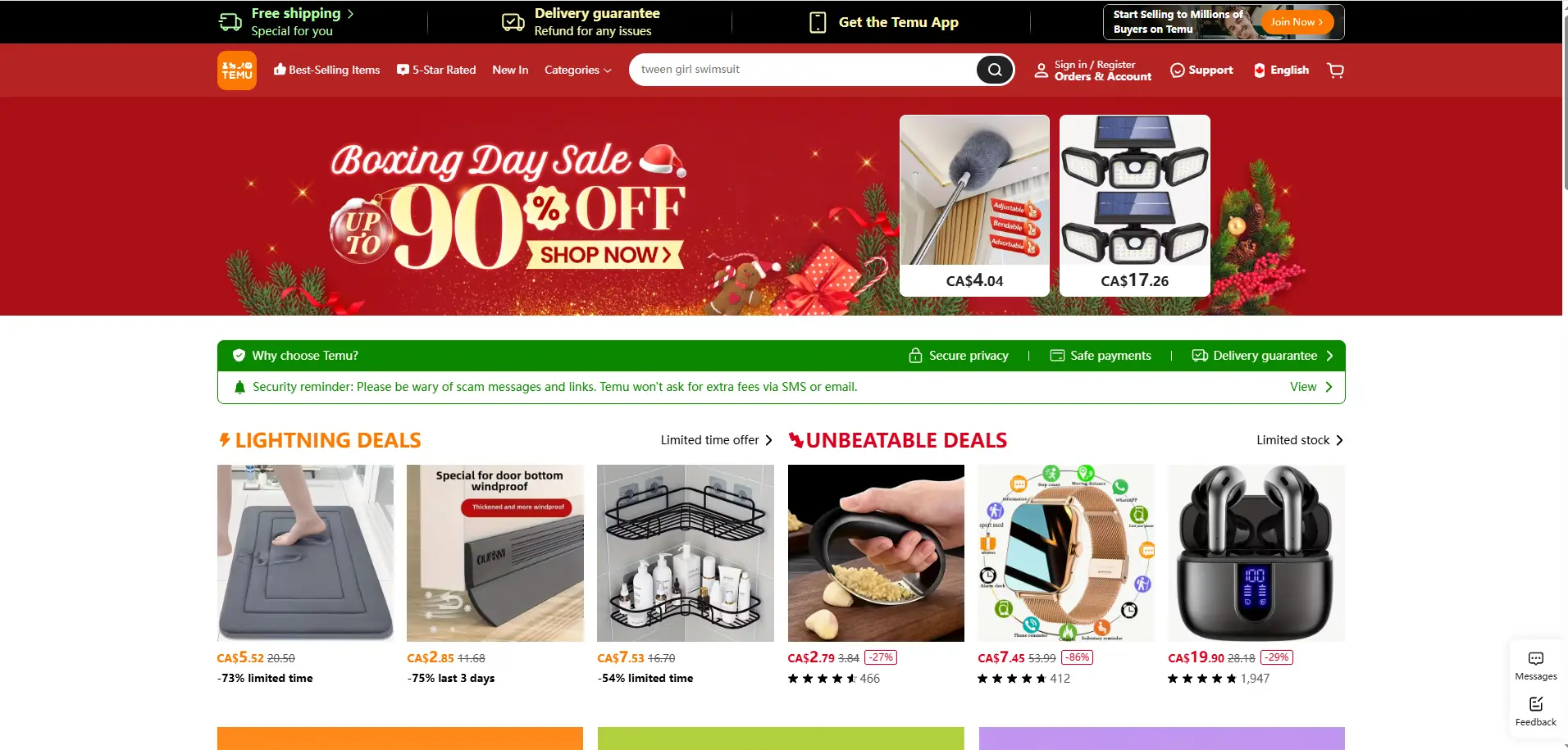
What Temu’s Terms of Use Say About Multiple Accounts
Adhering to a platform's terms of service is not just a recommendation; it is a legally binding agreement that every user accepts upon signing up. Ignoring these rules is a direct threat to business continuity and can lead to severe and often irreversible consequences.
According to Temu’s Terms of Use (last updated 4 November 2024), the platform's policy on this matter is unambiguous. Section 3.3 states bluntly: "You must not create multiple accounts." This prohibition is listed alongside other restricted activities, such as abusing promotions and attempting to circumvent security measures. Violating this fundamental rule gives Temu the right to take punitive action to protect its platform and business model.
The Risks of Violating the Rules
Attempting to bypass Temu's one-account policy carries significant operational risks that extend beyond simply losing a discount coupon. The platform's enforcement systems are designed to identify and penalize fraudulent activity, which can result in:
- Account Suspension or Deletion: If Temu detects linked or duplicate accounts, it reserves the right to suspend or permanently delete them without warning. This is the most common and immediate consequence.
- Loss of Rewards and Bonuses: Any credits, coupons, or referral bonuses obtained through what Temu deems misuse can be confiscated. This means you could lose all the benefits you were trying to gain.
- Payment and Order Issues: Using the same payment method across multiple accounts is a common red flag for fraud detection systems. This can lead to canceled orders, payment blockages, and difficulty making future purchases.
- Reputation Damage for Sellers: For legitimate business owners running storefronts on Temu, being flagged for fraudulent activity can irreparably damage their seller rating and erode customer trust.
- Potential Legal Liability: By creating an account, you enter into a contract with Temu. Knowingly violating the terms of that contract could, in extreme cases, expose you to legal claims if your actions are deemed harmful to the platform.
To enforce these rules, Temu employs sophisticated methods to identify users who attempt to create linked accounts.
How Temu Detects Linked Accounts and Why Simple Fixes Fail
E-commerce giants like Temu invest heavily in sophisticated anti-fraud technology to protect their promotional budgets and maintain a fair marketplace. These systems are not looking for matching names or email addresses alone; they are designed to identify underlying technical signals that connect different accounts to a single user or device, even when the personal information varies.
Temu's Detection Toolkit
Temu utilizes a multi-layered approach to link accounts that it suspects are controlled by the same entity. The primary detection methods include:
- IP Address Tracking: Temu logs the IP address used during registration and subsequent logins. If multiple accounts consistently use the same IP address, it serves as a primary red flag that they are connected.
- Device Fingerprinting: This is a far more advanced technique where Temu collects a unique set of identifiers from your device. This "fingerprint" can include your device model, operating system, browser version, screen resolution, language settings, Android ID, and even installed fonts. This allows Temu to recognize a physical device even if you change your IP address or use a different email.
- Cookies and App Data: When you use Temu, it stores data like cookies, cache, and login tokens on your device. This residual data can persist even after you log out and can be used to link a new account back to a previous one used on the same device.
- Behavioral Patterns: Temu's algorithms are trained to spot unnatural user activity. Actions like creating multiple accounts in a short time frame, rapid-fire self-referrals, or logging in and out of different accounts repeatedly can trigger an automated review and potential ban.
Why Proxies and Standard Browser Profiles Are Not Enough
Many users attempt to circumvent detection methods with basic tools, but these workarounds are often ineffective against modern security systems and represent a significant operational risk.
- A basic proxy only changes your IP address. It does nothing to hide your device fingerprint, which remains identical across sessions. Furthermore, e-commerce platforms like Temu can often detect and block IP addresses that belong to common proxy data centers.
- Standard browser profiles may seem separate, but they all share the same underlying device fingerprint of your computer. From Temu's perspective, multiple profiles on a single laptop still appear as one person trying to impersonate multiple individuals.
Because these simple methods fail, professionals with operational requirements for multiple accounts must turn to a more advanced solution designed for digital privacy and security.
The Professional Solution to Create Multiple Temu Accounts: Antidetect Browsers
For professionals who require a legitimate way to manage multiple online identities—such as e-commerce agencies handling client accounts or marketers running distinct campaigns—the industry-standard solution is an antidetect browser. Its core purpose is to create multiple, completely separate, and unique browsing environments on a single computer, making each one appear as a genuinely distinct device to websites. Each profile functions like a separate virtual machine but is significantly lighter and faster.
An antidetect browser is a mission-critical platform that goes far beyond what a proxy or a standard browser profile can do. Here is a simple breakdown of how it works:
- Unique Digital Fingerprints: For each new profile you create, the software generates a completely new and unique digital fingerprint. It randomizes or spoofs dozens of parameters, including the browser type, operating system, screen resolution, timezone, language, WebGL metadata, and canvas fingerprints, ensuring no two profiles look alike.
- Complete Data Isolation: All browsing data—including cookies, local storage, cache, and session history—is stored in a sandboxed container for each profile. This prevents any data leakage between accounts, a common mistake that leads to detection.
- Integrated Proxy Management: Antidetect browsers are designed to work seamlessly with proxies. This allows you to assign a unique IP address to each browser profile, completing the digital separation. When a unique fingerprint is paired with a unique IP, the profile appears to websites as a completely different user from a different location.
While several antidetect browsers exist, one stands out for its robust features and user-friendly approach for managing Temu accounts.
Our Recommendation: Why DICloak is an Ideal Tool to Create Multiple Temu Accounts
After evaluating the available solutions, we recommend DICloak as the premier antidetect browser for managing multiple Temu accounts. It is a powerful yet accessible mission-critical platform designed for e-commerce sellers, digital marketers, and agencies who need to operate safely and efficiently while mitigating account suspension risk.
Key Features and Benefits of DICloak
DICloak offers a suite of features specifically designed to create and manage isolated online identities, making it perfectly suited for professional Temu users.
- Unique Digital Identity: DICloak generates a unique digital identity for every account by spoofing critical fingerprint elements, including IP address, geo-location, cookies, WebGL, canvas, and fonts. This makes each browser profile appear as a distinct and authentic user to Temu's detection systems.
- Effortless Team Collaboration: The browser is built for teamwork. It allows you to share profiles with colleagues using flexible, role-based permissions, which is ideal for agencies managing client accounts without sharing sensitive login credentials.
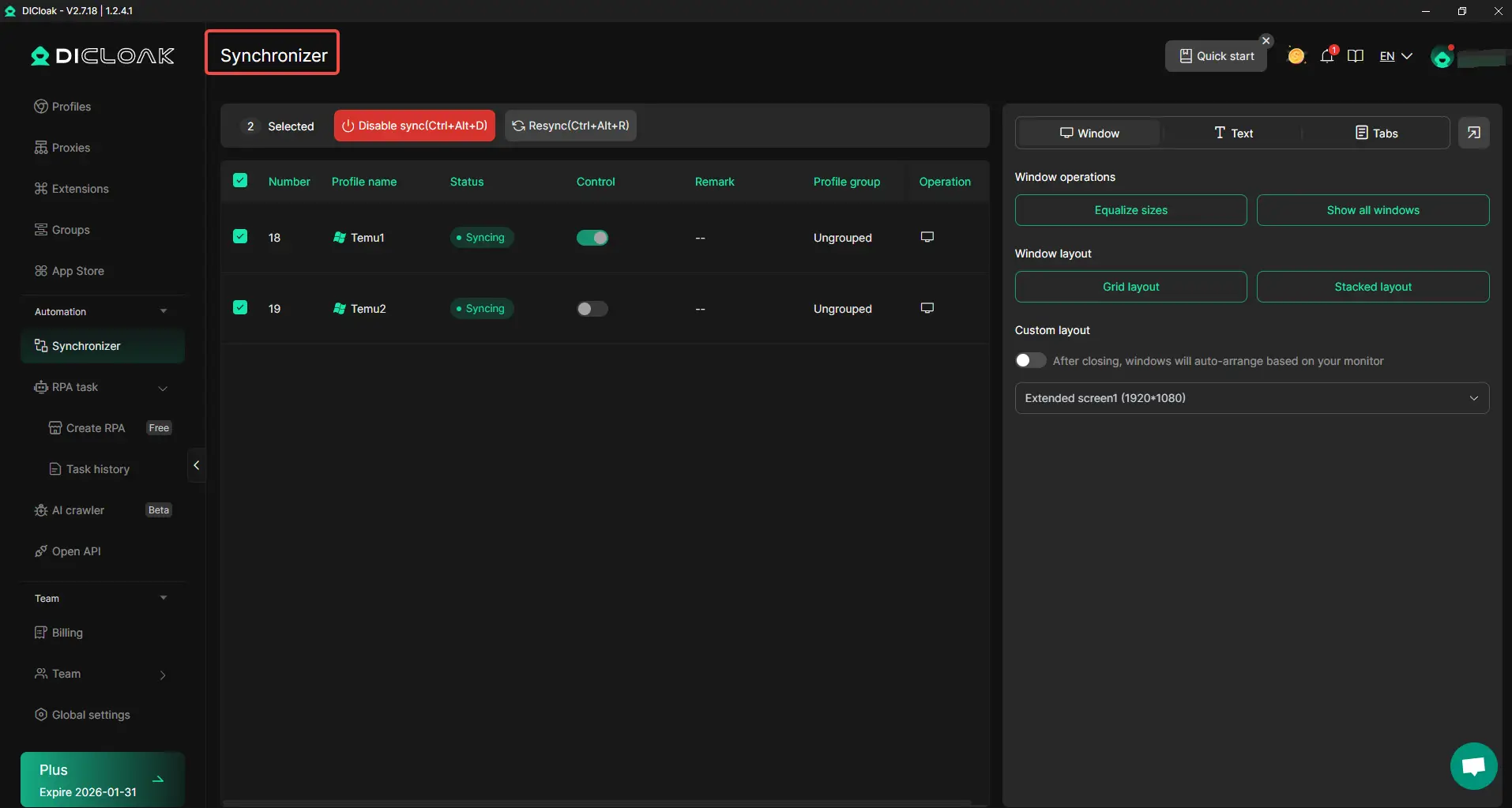
- Automation with Synchronizer: DICloak’s Synchronizer feature helps automate repetitive actions—like logging in, checking orders, or applying coupons—across multiple accounts simultaneously. This saves valuable time and minimizes the risk of human error.
- Secure Multi-Device Access: Users can securely access their browser profiles from different computers. DICloak simulates a consistent and unique browser fingerprint for each session, preventing security alerts that are often triggered by logging in from a new device.
- Virtual Machine Performance: Each DICloak profile functions like a separate virtual machine but is significantly lighter and faster, running at the speed of your own computer.
- AI-Powered Automation: DICloak incorporates AI capabilities to streamline complex tasks like web scraping and automated browsing, further enhancing efficiency for power users.
DICloak vs. Competitors: An Objective Look
To provide a clear picture of why DICloak is our top choice, here is a comparison with two other popular tools in the market: AdsPower and VMLogin.
| Tool |
Highlights |
Drawbacks |
| DICloak |
Spoofs key fingerprint elements including WebGL, canvas, fonts, and geo-location. Secure team collaboration with flexible, role-based permissions. Features an automation Synchronizer, multi-device access, and a user-friendly interface. Plans include a free tier to get started. |
Advanced features may have a learning curve for complete beginners; the full feature set is only unlocked in paid plans. |
| AdsPower |
Supports multi-account management across e‑commerce platforms; offers dual stealth browsers, RPA automation, and team permissions. |
Primarily focused on high‑volume sellers; fingerprint customization limited to around 20 parameters; pricing tiers can be expensive; user reviews mention difficulty configuring proxies. |
| VMLogin |
Provides virtual browser profiles that replace multiple computers; emphasizes separate IPs and fingerprint isolation. |
Less transparent about fingerprint parameters; limited to Windows; documentation is sparse; user interface can be clunky. |
With a clear understanding of why DICloak is a superior choice, let's walk through the exact steps to set it up for your Temu accounts.
Step-by-Step Guide: How to Create Multiple Temu Accounts with DICloak
This section provides a practical, actionable guide to setting up your Temu accounts using DICloak. By following these steps carefully, you can create a separate and isolated digital identity for each account, dramatically minimizing the risk of detection for legitimate business use cases.
Sign Up for DICloak
Visit the official DICloak website and choose a subscription plan that suits your operational needs. For professionals who want to test the platform first, DICloak offers a Free plan that provides a risk-free entry point to its core features.
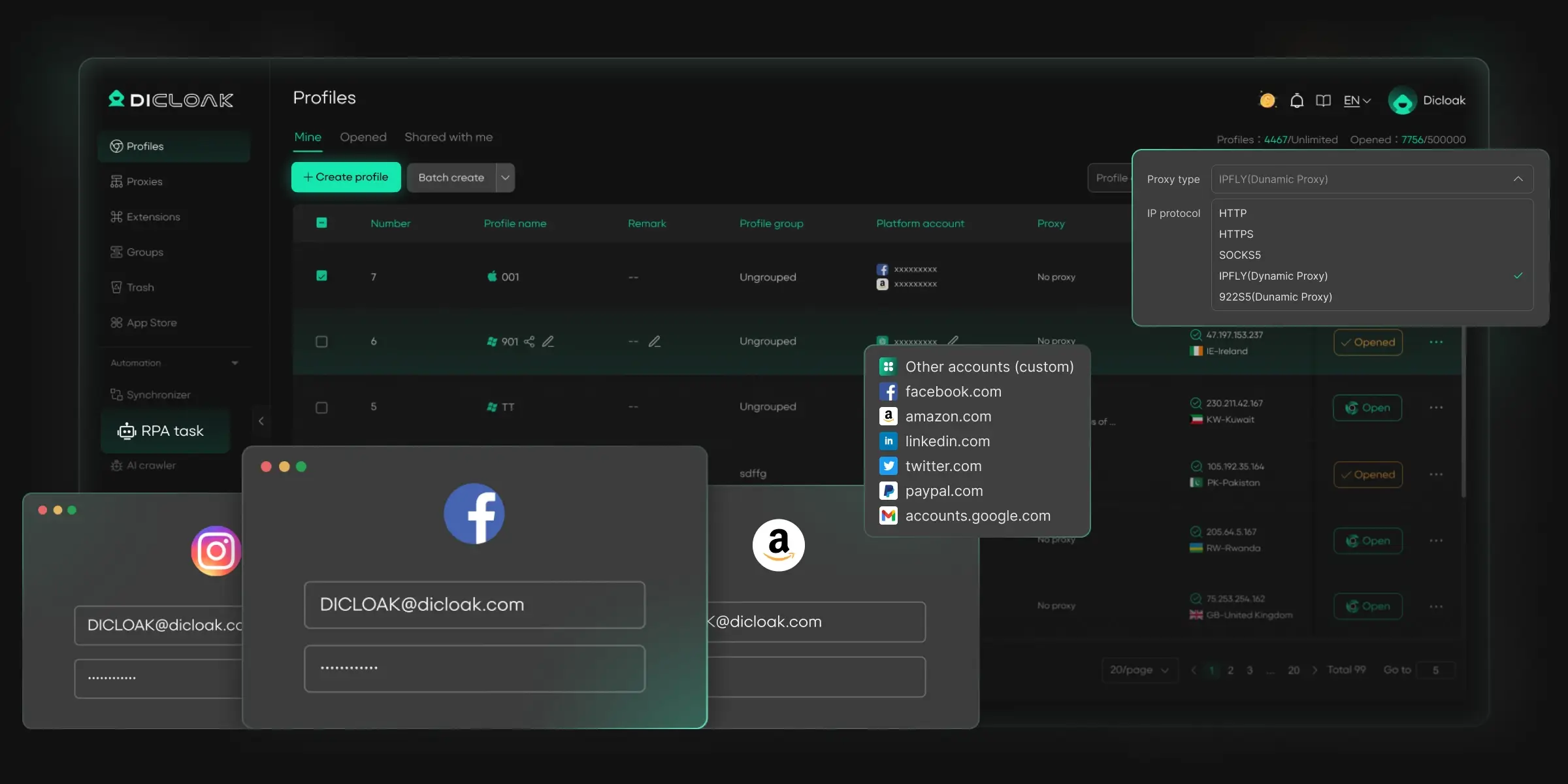
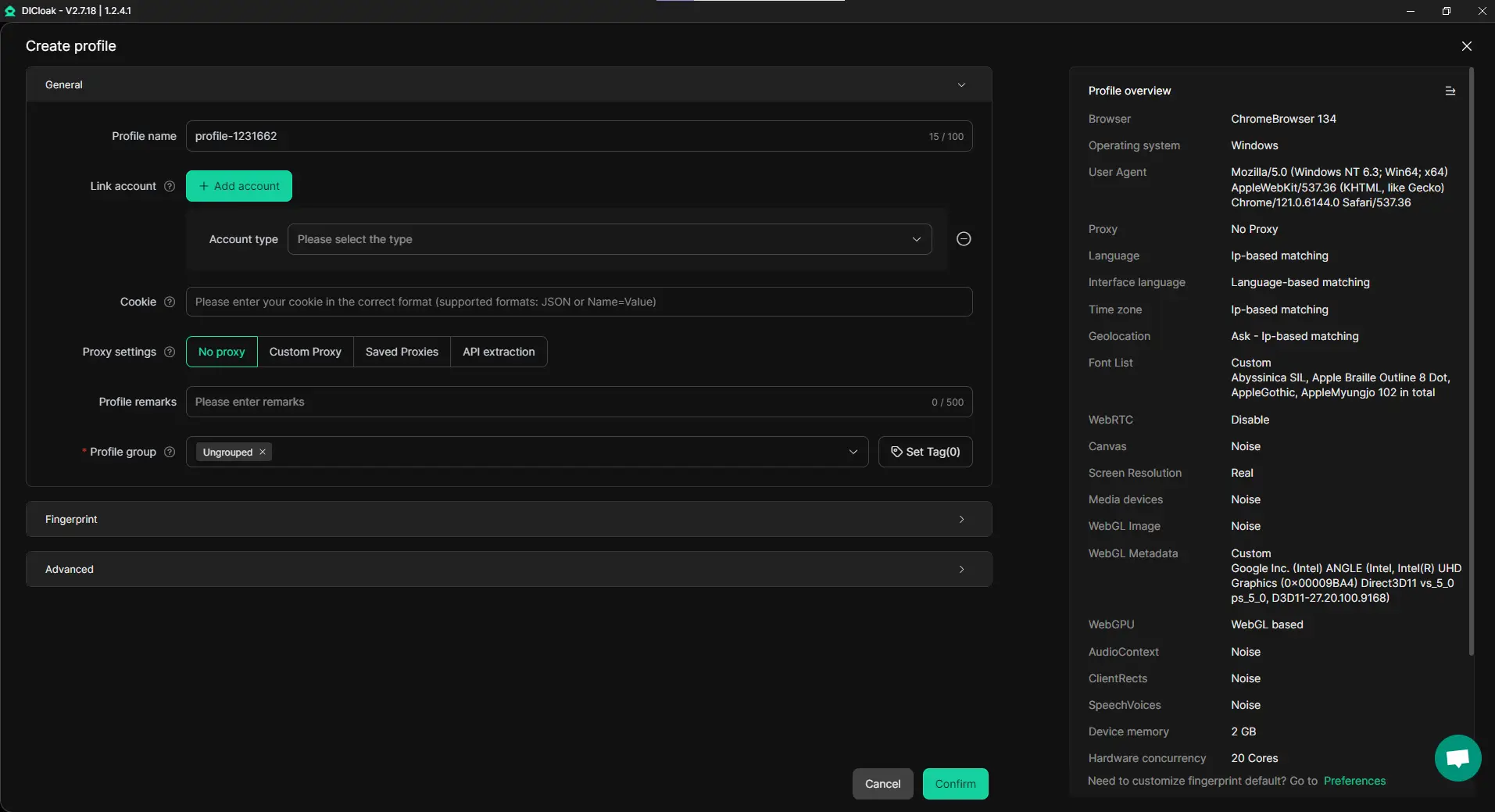
From the DICloak dashboard, create a new browser profile for your first Temu account. The software will automatically generate a unique digital fingerprint, including a distinct operating system, browser version, screen resolution, and more.
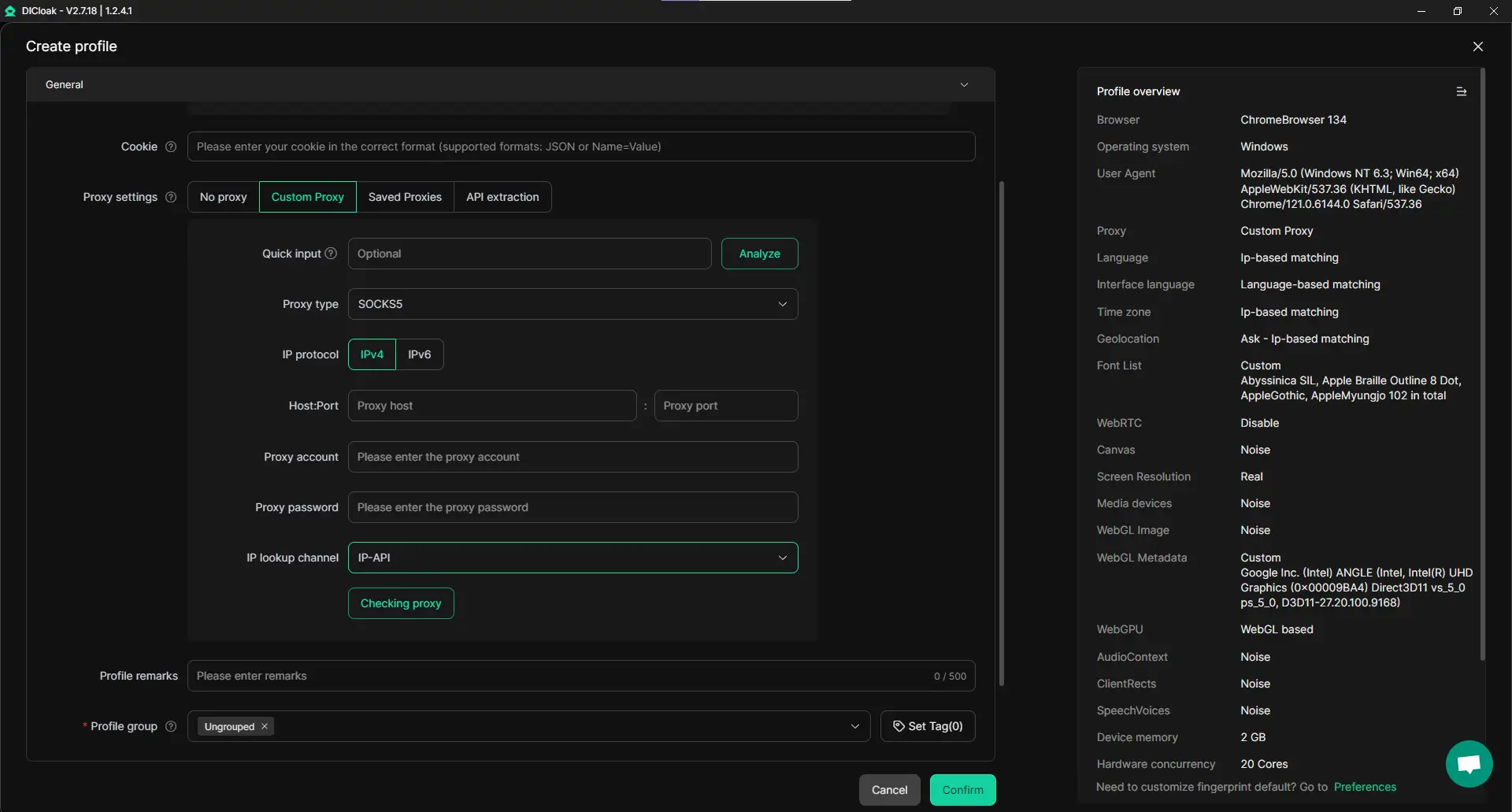
Assign a Unique Proxy for each profile
To ensure complete isolation, you must configure a proxy with a unique IP address for each profile. This step is critical for maintaining privacy and preventing cross-profile detection. When using DICloak, you can fully customize your proxy settings, either by integrating your own proxies or using a recommended provider. Never reuse the same proxy across different profiles to maintain optimal security and fingerprint isolation.
Register a New Temu Account
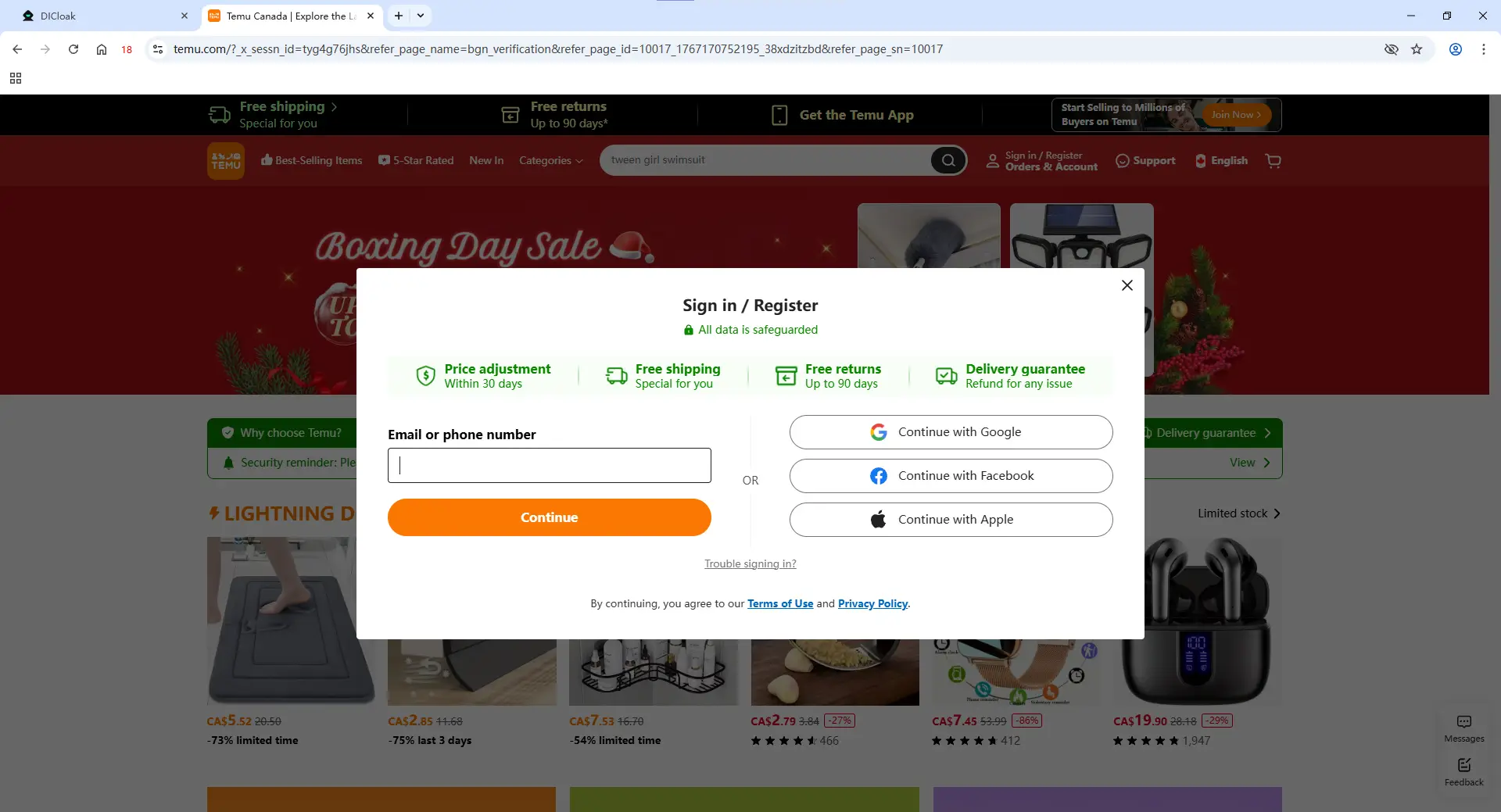
Launch the newly created DICloak profile. It will open a browser window that is completely sandboxed from your main system. Navigate to the Temu website and sign up for a new account. Use unique information for each account, including a different email address and phone number.
Warm Up the Account
To avoid appearing suspicious, do not immediately try to exploit promotions. "Warm up" the account by behaving like a typical new user. Browse different product categories, watch a few product videos, or add items to your cart over a day or two before making your first purchase.
Manage and Automate
Leverage DICloak's Synchronizer to automate repetitive tasks like checking daily deals or applying coupons across multiple profiles simultaneously, ensuring consistency and saving significant operational time. The dashboard allows you to switch between profiles seamlessly.
Setting up DICloak correctly is the first step, but managing your accounts responsibly over the long term is just as important.
A tool like DICloak is the foundation, but disciplined operational security (OpSec) is what guarantees long-term success. Adhere to the following protocols without exception to avoid raising red flags that would trigger a manual review.
Understand the Terms
First and foremost, remember that operating multiple accounts is a direct violation of Temu's Terms of Use. This activity carries inherent risk, and you should only proceed if you have a legitimate operational requirement and are prepared to accept the potential consequences.
Use Unique Information
Each account must be tied to unique personal information. This includes a different email address, phone number, shipping address, and payment method. Using the same credit card or shipping address across accounts is one of the easiest ways for platforms to link them.
Maintain Complete Isolation
Never access different Temu accounts from the same regular browser or on the same device without protection. Always use an antidetect browser like DICloak, and ensure every profile has its own dedicated proxy.
Space Out Your Activities
Avoid creating multiple accounts in a short period. A real user doesn't open five accounts in one hour. Similarly, space out your purchases, referrals, and other platform engagement at realistic, human-like intervals.
Keep Accounts Active
Dormant accounts that only become active during major sales or promotional events can look suspicious. Place occasional small orders or log in to browse periodically to build a natural-looking activity history.
Don’t Abuse Promotions
Using accounts solely to stack new-user coupons or abuse the referral system is a clear red flag. Engage with the platform in a balanced way, mixing promotional purchases with regular shopping activity.
Following these best practices is critical, as one user's experience demonstrates the severe consequences of a single misstep.
A Real-World Warning: The Dangers of Switching Regions on Temu
Learning from the experiences of other users is invaluable. The following story serves as a cautionary tale that highlights the strictness of Temu's system, particularly concerning its affiliate program, and underscores the danger of making seemingly minor changes to your account settings.
One user attempted to create two separate Temu affiliate accounts to target different countries: one for Pakistan and another for the United States. Upon changing the country/region for the second account, their success was short-lived. Temu automatically deleted their original account for Pakistan, along with all of its affiliate links and earned commissions. Only the new U.S.-based account remained.
The user's experience led to a critical conclusion: you can create multiple Temu accounts within the same country, but you cannot have active accounts for different countries linked in this manner. The platform’s affiliate program rules confirm this, stating: “Changing your country or region on Temu may cause disqualification from the Program.”
As a potential workaround, the user suggested using different browsers on a single computer or using both the mobile app and a mobile browser on a single phone.
While well-intentioned, this user's suggested workaround is fundamentally flawed and dangerously incomplete. Using different standard browsers on the same machine does nothing to mask the underlying device fingerprint, which, as we've established, is a primary detection method. This real-world example is the ultimate proof that only a dedicated antidetect browser can provide the comprehensive isolation required for safe multi-account management.
This real-world example underscores many of the common questions and concerns users have, which we will address directly in our FAQ.
Frequently Asked Questions About Creating Multiple Temu Accounts
This section provides clear, direct answers to the most common questions about creating and managing multiple Temu accounts, based on the information covered throughout this guide.
Is it legal to create multiple Temu accounts?
While it is not "illegal" in a criminal sense, it is a direct violation of Temu's Terms of Use, which you agree to when you sign up. The consequences are platform-based and can include account suspension, permanent bans, and the loss of all associated rewards and credits.
How many Temu accounts am I allowed to have?
According to Temu's official rules, each user is allowed to have only one account. Creating more than one account using the same identity, device, or IP address is a policy violation.
Can I use the same credit card on different Temu accounts?
It is strongly advised not to do this. While Temu's policy on this is not public, sharing a payment method is one of the most common and effective ways that online platforms link accounts. This can trigger automated fraud alerts and lead to the suspension of all connected accounts. It is safest to use a unique payment method for each account.
Will a proxy let me create multiple Temu accounts safely?
No, a proxy is not enough. A proxy only masks your IP address, but it leaves your device fingerprint completely exposed. Temu's detection systems can still identify and link your accounts based on this unique fingerprint, making a proxy an incomplete and unreliable solution.
What is the safest way to manage multiple Temu accounts for my business?
The safest and most professional method is to use a high-quality antidetect browser like DICloak. This involves creating a unique, isolated browser profile for each account, assigning a separate and clean proxy (IP address) to each profile, and using unique personal and payment information for every registration. When using DICloak, you can fully customize your proxy settings to ensure each profile is assigned its own unique proxy, further enhancing privacy and security.
Conclusion and Final Recommendations
The allure of Temu's endless discounts and referral bonuses creates a powerful incentive to create multiple accounts, but this approach is caught between high reward and significant risk. Temu's Terms of Use explicitly forbid multi-accounting, and its detection systems are sophisticated enough to identify violators by tracking IP addresses, device fingerprints, and behavioral patterns.
For the average shopper looking to save a few dollars, the risk of getting banned and losing access to the platform is simply not worth the reward. The safest approach is to enjoy the platform as intended with a single account.
However, for legitimate business users—such as e-commerce sellers, digital agencies, and affiliate marketers—managing multiple accounts is often an operational requirement. For these professionals, a disciplined and technologically sound approach is crucial. Simple workarounds like proxies are ineffective and will lead to detection. The only viable solution is a dedicated antidetect browser that provides complete isolation for each account.
Ultimately, for any serious e-commerce professional, relying on unstable workarounds is a direct threat to revenue. Investing in a professional-grade solution like DICloak is the definitive step toward secure, scalable, and resilient multi-account operations on Temu. It provides the necessary infrastructure to manage accounts responsibly and effectively, ensuring business continuity while maximizing operational efficiency.
 Web Proxy Tools
 Free Tools
 Cookie Plugin
 UA Generator
 MAC Address Generator
 IP Generator
 IP Address List
 2FA Code Generator
 World Clock
 Anonymous Check
 WebRTC Leak Test
 UUID Generator
 Free Web Proxy Site
 Proxy Checker
 FB Ad Checker
 AI Web Scraping
 Free SMM Tools
 Twitter Shadowban Checker
 Instagram Name Checker
 UTM Generator
 Username Generator
 AI Hashtag Generator
 LinkedIn Headline Generator
 Social Media Image Resizer