TikTok can make a video grow very fast, but it can also leave a good video with very little reach. That is why many creators want to know how does tiktok algorithm work. In simple terms, TikTok looks at how people react to videos, what the content is about, and whether it matches the viewer’s interests. In this guide, you will learn what affects recommendations, why some videos fail, how trends and engagement shape reach, and what you can do to improve your results in 2026.
What Are the Key Factors That Drive TikTok’s Algorithm?
If you want to understand how does tiktok algorithm works in 2026, start with one simple idea: TikTok watches how people react to videos, what each video is about, and a few basic account signals that help match content to the right viewers. On most feeds, user behavior still matters more than almost anything else. TikTok says recommendations are shaped by user interactions, content information, and user information such as language, location, and device type, though those device and account signals usually carry less weight than direct behavior.
How does user interaction shape content recommendations?
The strongest signal is still what people do, not what they say they like. When someone watches a video to the end, rewatches it, comments, shares it, follows the creator, or keeps watching similar clips, TikTok learns that this topic is a good match. TikTok also shows people why a post appeared in their feed, and those reasons include actions like liking, commenting on, sharing, or watching similar posts, following the creator, and enjoying longer videos. That tells creators something important: a video does not need a huge account to move. It needs a strong response from the right viewers first.
Why does video information matter for visibility?
TikTok also needs to understand what a video is about before it knows who may want it. That is where video information matters. Captions, on-screen text, hashtags, sounds, topic match, and the freshness of the post all help TikTok classify content. TikTok’s own support pages say recommended videos may appear because the post is recent, popular in your country, or similar to content you already engage with. In search, TikTok places even more weight on how well a video matches the search term, along with hashtags and sound.
This is why small metadata choices can change reach. A creator who posts a video with a vague caption like “look at this” gives TikTok very little context. A clearer caption such as “3 easy budget meal ideas for college students” gives the system better clues. The same is true for spoken words and text on the screen. If the clip clearly shows cheap meals, includes that phrase in the caption, and uses a fitting hashtag, TikTok has a better chance of placing it in front of viewers who already watch food budget tips. In other words, visibility is not only about making a good video. It is also about making the topic easy for the platform to read.
How do device and account settings influence the algorithm?
Device and account settings do play a role, but they are usually support signals, not the main engine. TikTok has said factors like language preference, location, country setting, time zone, and device type help optimize recommendations, especially for local relevance and content language, but these settings are generally weighted less than direct engagement signals. So if a user in Spain opens a new account with Spanish language settings, TikTok may show more Spanish content early on. But after that, the feed changes more from watch behavior than from the phone model or account setup.
There is one useful exception. These settings matter more at the beginning, when TikTok knows less about the user. TikTok says new users may first see broadly popular content influenced by location and language settings. That means early setup can shape the first wave of recommendations, even if it becomes less important later. In 2026, TikTok is also expanding more local discovery features, including a Local Feed that can use more accurate location information when users choose to enable it, which may make geographic relevance more important for some content types. For creators, the practical lesson is simple: do not obsess over device myths, but do align your language, topic, and audience signals clearly from the start.
Why Some TikTok Videos Fail to Get Recommended
Many creators think low reach means TikTok is being random. In most cases, that is not true. If you want to understand how does tiktok algorithm works, you also need to understand why some videos stop moving. Usually, the problem comes from weak video quality signals, poor early viewer response, or content limits tied to safety and audience suitability. TikTok says not every post is treated the same in recommendation systems, and some content may be limited or made ineligible for wider discovery.
What common mistakes reduce video visibility?
One common mistake is giving TikTok too little context. A vague caption, unclear topic, weak opening shot, or mismatched hashtag set can make it harder for the system to understand who should see the video. TikTok’s recommendation system uses content information like hashtags, sounds, view data, and publishing country, while search also looks at how well a post matches a user’s query. That means a video with a weak caption like “watch this” often has less chance than a video that clearly says what it offers, such as “3 cheap meal ideas for busy students.”
Another mistake is posting content that feels reused, low effort, or low quality. TikTok has separate guidance showing that low-quality or unoriginal content can be ineligible for recommendation. In real use, this often includes blurry uploads, recycled clips with little added value, or videos that look copied without a fresh angle. A simple example is a creator reposting an old viral clip with no new comment, no edit, and no clear reason to watch again. Even if the topic is popular, the video may not get much reach because it does not give viewers or the platform anything new.
How does low engagement impact recommendations?
Low engagement matters because TikTok reads viewer behavior as a quality test. The platform says user interactions such as likes, shares, comments, full watches, skips, and watch time help shape ranking, and for most users these signals are weighted more heavily than device or account settings. So when a video gets quick swipes, low completion, and very few saves or shares, TikTok gets a strong sign that the post is not satisfying viewers.
A practical example is easy to imagine. Suppose two videos are posted about TikTok growth tips. The first gets 1,000 early impressions, but most viewers leave after two seconds. The second gets only 400 early impressions, but many viewers stay, replay one part, and save it for later. The second video may keep spreading because early engagement is stronger. This is why creators sometimes feel confused when a post with a trendy topic still fails. The topic may be fine, but the viewer response tells TikTok to slow down distribution. TikTok also offers analytics and Promote tools that focus on engagement and visibility, which shows how closely reach and response are connected on the platform.
Why does TikTok restrict certain types of content?
Not every limit comes from poor performance. Some videos are restricted because TikTok tries to keep broad recommendation feeds suitable for a wide audience. TikTok says it may avoid recommending, or may limit the recommendation of, certain categories of content that are not right for everyone, even when that content is not removed from the platform. It also uses content levels and age-based limits, which means some posts may only be shown to adults or may appear less widely in general recommendation spaces.
How to Create Content That Performs Well on TikTok
If you want better reach, you need to make videos that are easy to understand, easy to watch, and easy to enjoy. That is a big part of how does tiktok algorithm work in 2026.
What types of videos does TikTok prioritize?
TikTok tends to push videos that hold attention and satisfy viewers. That usually means videos with a strong first second, a clear idea, and a payoff that gives people a reason to keep watching. TikTok’s own creator guidance says vertical videos perform best, and it also notes that videos longer than five seconds perform better than extremely short clips. That does not mean every long video wins. It means the platform wants content that gives viewers enough reason to stay.
A simple example helps. A creator posts “3 mistakes that kill your TikTok reach” and opens with the line, “Your caption may be the problem.” That kind of video gives viewers a reason to stay because it promises a useful answer. Compare that with a clip that starts slowly, has no clear message, and takes six seconds to get to the point. Even if both videos cover the same topic, the first one usually has a better chance because it creates curiosity right away. On TikTok, content that feels useful, entertaining, emotional, surprising, or highly relatable often performs better because people are more likely to watch longer, rewatch, comment, or send it to a friend. TikTok’s recommendation system uses those interaction signals to decide what deserves more distribution.
How do trending sounds and hashtags boost reach?
Trending sounds and hashtags help TikTok understand where your video fits. They do not guarantee viral reach on their own, but they can improve discoverability when they match the video naturally. TikTok’s Creative Center is built around this idea. It lets users track trending songs, hashtags, creators, and videos by region and time period, which shows that trends are an active part of how content gets discovered and copied across the platform.
The key is relevance. If you use a trending sound that fits the mood of your video, or a hashtag that clearly matches the topic, TikTok gets better context and viewers are more likely to engage. For example, a skincare creator using a popular sound for a “before and after acne routine” video may benefit if the sound is already familiar to the audience and the hashtag set matches the beauty topic. But if that same creator adds random trending hashtags with no connection to the clip, the post may confuse both viewers and the system. TikTok’s tools for trend discovery and hashtag analytics are useful for this reason: they help creators find trends that are already working inside their niche instead of copying whatever is popular in a completely different space.
Why does video length affect performance?
Video length affects performance because it changes how people watch. A very short video may be easy to finish, but it may not give enough value to create strong engagement. A longer video can perform well if it keeps attention, but it can also fail fast if it drags. TikTok has publicly said that watch time matters, and its creator tips also point out that videos longer than five seconds tend to perform better than clips that end almost before the viewer settles in. So the goal is not “make every video long.” The real goal is “make the video as long as it needs to be, but no longer.”
How to Increase Engagement for Better Algorithm Results
Better engagement tells TikTok that people enjoy your content. That can help your videos reach more viewers and perform better over time.
What actions encourage more user interaction?
The best way to get more interaction is to make the next action feel easy. Give viewers a clear reason to comment, save, share, or watch to the end. A strong hook helps first. Then the video should quickly deliver value, surprise, or emotion. TikTok’s recommendation system is shaped by viewer actions such as likes, comments, shares, follows, and watch behavior, so these signals matter far more than small technical details.
A simple example works well here. If a creator posts “3 hidden iPhone tricks” and ends with “Which one did you already know?” more people may comment because the question is easy to answer. A cooking creator can say, “Save this for dinner later,” which can increase saves. A travel creator can ask, “Would you go here or skip it?” which often brings quick opinions. These actions help because they show real viewer interest. TikTok also recommends using creator tools and analytics to learn which posts already get strong audience response, then build more content around those patterns.
How does replying to comments improve visibility?
Replying to comments helps in two ways. First, it keeps the conversation active under the post, which can create more signals around interest and relevance. Second, it gives you new content ideas straight from your audience. If several people ask the same question, that is often a sign that your next video topic is already waiting for you. TikTok encourages creators to engage with viewers through comments and other tools, which makes comment activity part of healthy audience growth rather than just a side task.
This is especially useful when you reply with a new video. For example, if someone comments, “Does this work for small accounts too?” you can turn that into a follow-up post. That follow-up is more likely to connect because it answers a real audience need. Even a short text reply can help by making viewers feel noticed. When people feel that a creator is present and responsive, they are more likely to comment again, and repeated interaction can strengthen future performance.
Why is posting at the right time critical?
Timing matters because early engagement matters. If you post when your audience is active, your video has a better chance to get quick watches, comments, and shares in the first testing stage. That early response can help the post move further. There is no single perfect hour for every account, though. Current cross-platform studies in 2026 show broad patterns, but they also agree that your own audience habits matter most. One recent dataset from Buffer found strong performance on Sunday at 9 a.m. and Monday at 1 p.m., while Hootsuite’s 2025 dataset found weekdays around lunch and weekend afternoons often perform well. These are helpful starting points, not fixed rules.
The smarter approach is to test around the times when your followers are most active and then check your analytics. A fitness account may do well early in the morning when people plan workouts. A comedy page may get better results in the evening when users want quick entertainment. So if you are asking how does tiktok algorithm work in real life, this is one clear answer: strong timing helps strong content get its first push faster. Good posting time will not save a weak video, but it can give a good video a better start.
How TikTok Trends Influence the Algorithm in 2026
Trends help TikTok move content fast. When many users watch, reuse, search, and share the same format, sound, topic, or hashtag, TikTok gets a strong signal that this content is interesting right now. That is why trends can quickly shape reach and discovery.
What makes trends go viral on TikTok?
A trend usually goes viral when three things happen at the same time. First, the format is easy to copy. Second, viewers react fast with strong watch time, shares, and comments. Third, TikTok can clearly group that content through sounds, hashtags, creators, or similar video patterns. TikTok’s recommendation system is built around user interactions and content information, while its Creative Center tracks trending hashtags, songs, creators, and videos by region and industry. That shows how closely trends and discovery are linked on the platform.
A simple example makes this clear. If one short video format starts getting copied across many accounts, and viewers keep watching those videos to the end, TikTok gets repeated proof that people like that style. Then similar videos are more likely to appear in more feeds. TikTok’s Trends tools also let users view analytics for hashtags and songs, including trendline, related videos, audience insights, and regional popularity, which shows that viral growth is not random. It often comes from a visible pattern of rising audience response.
How can creators leverage trends for growth?
Creators grow faster when they use trends with a clear fit, not when they copy everything blindly. TikTok’s Creative Center lets creators track trending songs, hashtags, videos, and creators, then filter by region, industry, timeframe, and breakout status. That makes it easier to find trends that match a niche instead of chasing whatever is biggest overall.
In practice, this means a fitness creator should look for a trend that already works in fitness, motivation, or daily routine content, then adapt it with a personal angle. A beauty creator can use a rising sound and pair it with a quick tutorial. A small business can take a popular format and turn it into a product demo. TikTok also offers Creator Search Insights, which helps creators find trending topics, content gaps, and search demand from followers. That means creators do not need to guess what people want. They can use both trend signals and search signals together.
Why do trends fade quickly, and how to adapt?
Trends fade quickly because TikTok moves on as soon as users get bored or the format becomes too common. When too many similar videos appear, the novelty drops. The trend may still exist, but it stops feeling fresh. TikTok’s trend tools are built around time-based filters and breakout tracking, which suggests that trend value changes fast and needs regular checking.
The best way to adapt is to treat trends as a starting point, not the whole strategy. Use them early, add your own angle, and move on when the audience response slows down. For example, if a sound is rising this week, a creator can post one or two strong videos with it while it still feels new. After that, it is smarter to shift to the next relevant trend or turn audience comments into fresh content. So if you are asking how does tiktok algorithm work when trends rise and fall, the answer is simple: TikTok rewards what feels timely, useful, and engaging now, not what felt exciting two weeks ago.
How to Use TikTok Analytics to Improve Performance
Trends help TikTok move content fast. When many users watch, reuse, search, and share the same format, sound, topic, or hashtag, TikTok gets a strong signal that this content is interesting right now. That is why trends can quickly shape reach and discovery.
What makes trends go viral on TikTok?
A trend usually goes viral when three things happen at the same time. First, the format is easy to copy. Second, viewers react fast with strong watch time, shares, and comments. Third, TikTok can clearly group that content through sounds, hashtags, creators, or similar video patterns. TikTok’s recommendation system is built around user interactions and content information, while its Creative Center tracks trending hashtags, songs, creators, and videos by region and industry. That shows how closely trends and discovery are linked on the platform.
How can creators leverage trends for growth?
Creators grow faster when they use trends with a clear fit, not when they copy everything blindly. TikTok’s Creative Center lets creators track trending songs, hashtags, videos, and creators, then filter by region, industry, timeframe, and breakout status. That makes it easier to find trends that match a niche instead of chasing whatever is biggest overall.
In practice, this means a fitness creator should look for a trend that already works in fitness, motivation, or daily routine content, then adapt it with a personal angle. A beauty creator can use a rising sound and pair it with a quick tutorial. A small business can take a popular format and turn it into a product demo. TikTok also offers Creator Search Insights, which helps creators find trending topics, content gaps, and search demand from followers. That means creators do not need to guess what people want. They can use both trend signals and search signals together.
Why do trends fade quickly, and how to adapt?
Trends fade quickly because TikTok moves on as soon as users get bored or the format becomes too common. When too many similar videos appear, the novelty drops. The trend may still exist, but it stops feeling fresh. TikTok’s trend tools are built around time-based filters and breakout tracking, which suggests that trend value changes fast and needs regular checking.
The best way to adapt is to treat trends as a starting point, not the whole strategy. Use them early, add your own angle, and move on when the audience response slows down. For example, if a sound is rising this week, a creator can post one or two strong videos with it while it still feels new. After that, it is smarter to shift to the next relevant trend or turn audience comments into fresh content. So if you are asking how does tiktok algorithm work when trends rise and fall, the answer is simple: TikTok rewards what feels timely, useful, and engaging now, not what felt exciting two weeks ago.
How to Reset or Retrain Your TikTok Recommendations
Sometimes your feed stops feeling useful. You may see too many random videos, too much of one topic, or content that no longer matches what you like. When that happens, it may be time to reset or retrain your recommendations.
When should you consider resetting your TikTok feed?
You should think about resetting your TikTok feed when your For You page feels clearly off. This can happen after you spend too much time on one topic by accident, share a device with someone else, or go through a short phase of watching content you do not actually want long term. TikTok now offers a built-in “Refresh your For You feed” feature in Settings and privacy under Content preferences, and it says this action cannot be undone. After a refresh, only the For You feed is affected. Your Following feed, profile, inbox, and ads do not change.
How to adjust your activity to influence recommendations?
The easiest way to influence recommendations is to change what you do on the app. TikTok says the For You feed learns from user interactions such as what you like, share, comment on, watch in full, or skip. It also gives users tools to shape the feed, including “Not interested,” topic controls, and feed refresh. That means your activity is not just passive. It is part of the training signal.
What steps help retrain the algorithm effectively?
The most effective way to retrain the algorithm is to combine TikTok’s built-in controls with better viewing habits. First, refresh your For You feed if the recommendations feel badly misaligned. Second, adjust your topic preferences in Content preferences if one category is showing up too often. Third, use “Not interested” on videos you do not want. Fourth, actively engage with the kind of content you want more of by watching longer, liking, commenting, and saving. TikTok says it may take time for topic preferences to fully affect the feed, so this process works best when you stay consistent for several days instead of expecting instant change.
There is also one thing to avoid: forced or spam-like behavior. TikTok warns that users can hit limits for liking, commenting, or following too fast, and it may temporarily restrict accounts in those cases. So retraining your feed does not mean tapping everything as fast as possible. A better method is steady, natural interaction. Think of it as teaching the app your taste again. The clearer and more consistent your signals are, the faster your For You page starts to feel relevant again.
Enhance TikTok Strategy with DICloak Antidetect Browser
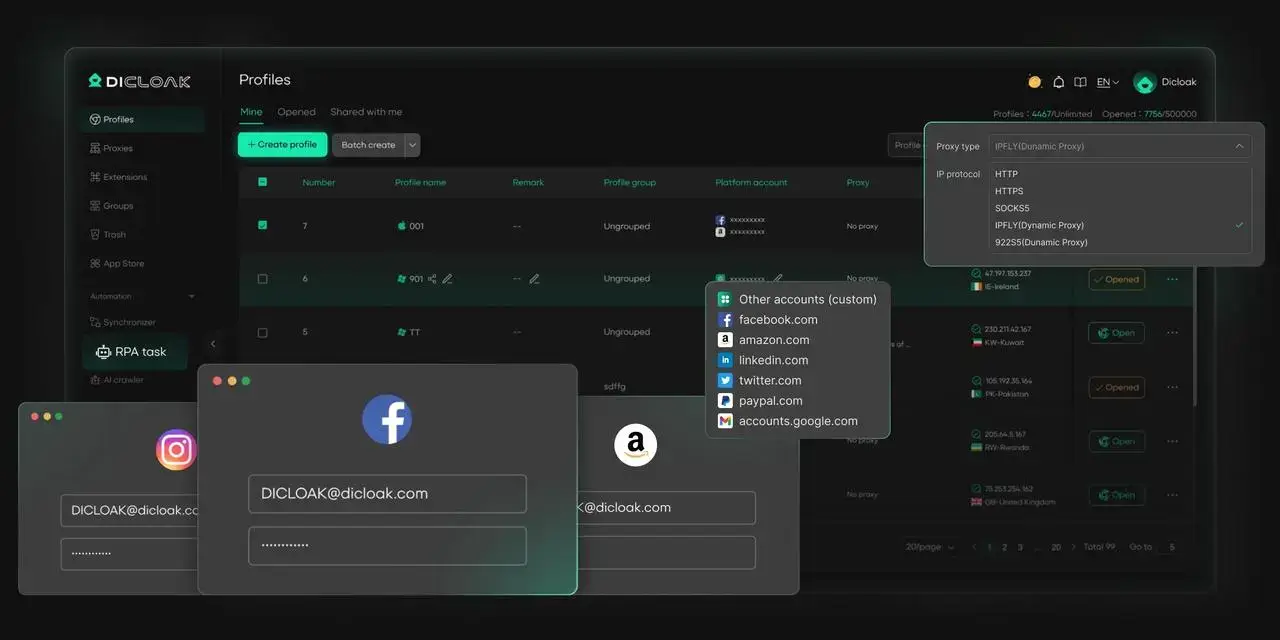
For creators, agencies, or sellers managing more than one account, staying consistent can get messy fast. That is where tools like DICloak become useful. DICloak helps users manage multiple TikTok accounts in separate browser profiles, making it easier to organize posting work, reduce account mix-ups, and keep daily operations more efficient.
Key Features of DICloak for Managing TikTok Accounts
- Secure Each Account with Unique Fingerprints
- Run Multiple Accounts on One Device
- Maintain Natural, Consistent Activity Across Accounts
You can also keep your accounts active and engaging with DICloak’s built-in automation tools. Multi-Window Synchronizer also supports you like, comment, and follow across multiple profiles and platforms simultaneously, mimicking real user behavior for safe social media browsing.
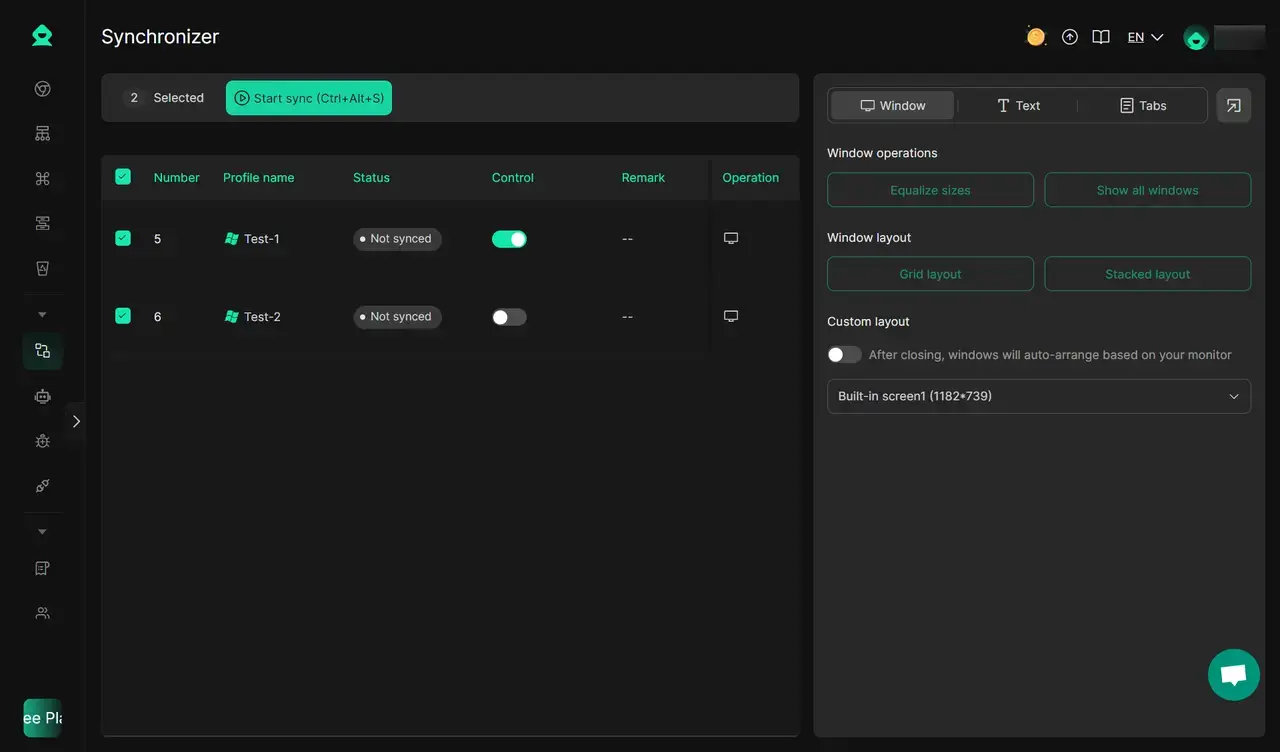
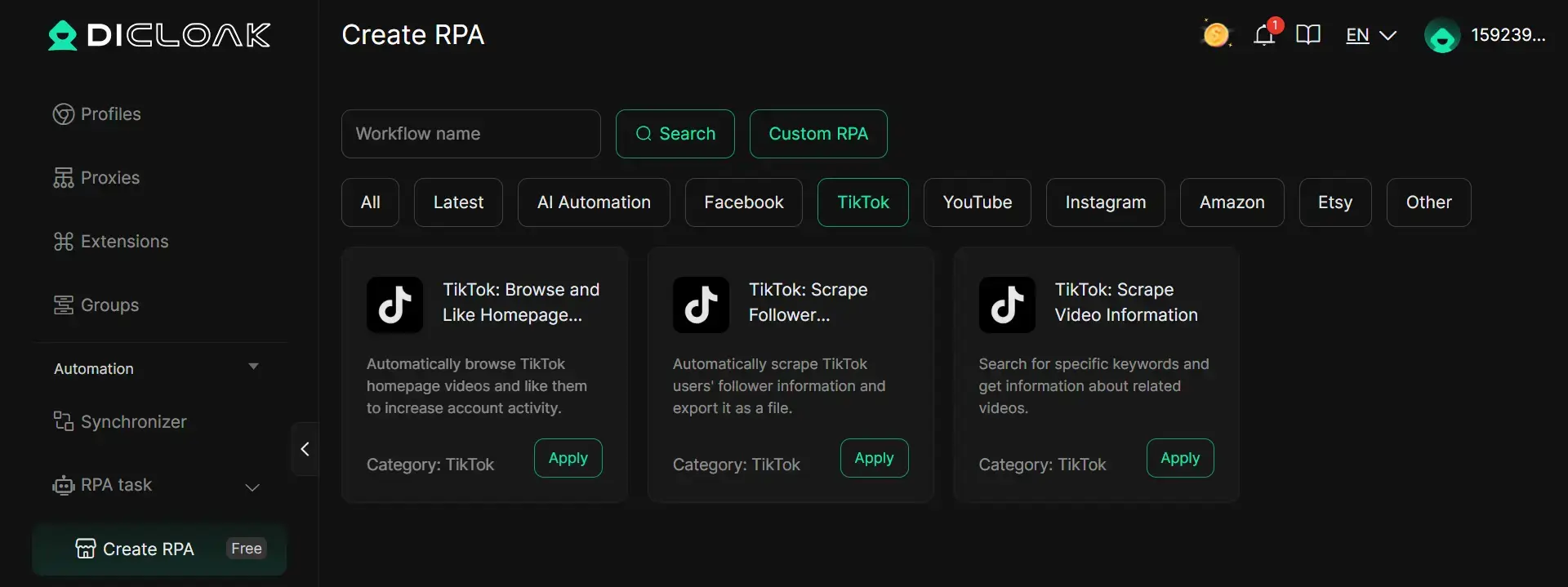
Also, you can try ready-to-use TikTok RPA templates in DICloak to automate tasks such as browsing and liking homepage videos, scraping follower data, and collecting video information.
FAQs About How Does TikTok Algorithm Works
Does TikTok favor new accounts over older ones?
Not really. New accounts may get an early testing phase, but TikTok mainly looks at how viewers react to the content.
How often should I post to stay relevant to the algorithm?
Post consistently. Quality matters more than posting too much.
Can deleting videos hurt my algorithm performance?
Deleting one or two videos usually does not ruin your account. But deleting many posts often can make it harder to review what works and what does not.
Why do some videos go viral while others don’t?
Videos usually go viral when people watch longer, rewatch, share, comment, or save them. Weak early response often leads to low reach.
How does TikTok handle duplicate or reposted content?
TikTok usually gives less reach to duplicate, unoriginal, or reposted content, especially if it adds little new value.
Conclusion
TikTok’s algorithm is not just about luck. It is mostly about viewer response, clear content signals, strong engagement, and smart posting habits. If you understand what TikTok wants to promote, you can create videos that have a better chance to reach the right audience. The best approach is simple: make content people want to watch, use trends carefully, study your results, and keep adjusting as the platform changes.
 Web Proxy Tools
 Free Tools
 Cookie Plugin
 UA Generator
 MAC Address Generator
 IP Generator
 IP Address List
 2FA Code Generator
 World Clock
 Anonymous Check
 WebRTC Leak Test
 UUID Generator
 Free Web Proxy Site
 Proxy Checker
 FB Ad Checker
 AI Web Scraping
 Free SMM Tools
 Twitter Shadowban Checker
 Instagram Name Checker
 UTM Generator
 Username Generator
 AI Hashtag Generator
 LinkedIn Headline Generator
 Social Media Image Resizer