Search is changing fast in 2026. Ranking on Google still matters, but it is no longer the full picture. More users now get answers from AI tools before they click a website. That is why GEO vs SEO has become an important topic for marketers, content teams, and business owners. In this guide, you will learn the key differences between GEO and SEO, where each one works best, what mistakes to avoid, and how to use both together for stronger digital visibility.
Why GEO and SEO Matter for Digital Visibility
In 2026, being visible online means more than ranking on Google. Your content also needs to show up in AI-generated answers. That is why GEO vs SEO matters. SEO helps people find your pages in search results. GEO helps AI tools understand and use your content when answering questions.
How GEO targets AI-generated responses
GEO focuses on helping content show up well in AI-generated responses. That means the content needs to be clear, specific, easy to extract, and easy to trust. For example, if a user asks, “What is the difference between GEO and SEO?” an AI tool is more likely to use a page that gives a direct answer in simple words instead of one filled with vague marketing language.
Why SEO remains critical for search engine rankings
SEO still matters because search engines still decide which pages deserve visibility. If a page is weak, thin, or unclear, it will struggle to rank. A strong SEO page can bring in search traffic and also give AI systems better material to use. That is why SEO is still the basis of digital visibility.
What happens when GEO and SEO strategies conflict
Problems start when teams focus too much on one side. A page written only for SEO may feel stuffed with keywords and hide the real answer. A page written only for AI may become too short or too thin to rank well in search. The better approach is balance. Good content should be easy to rank, easy to read, and easy for AI to understand.
Common Missteps When Choosing Between GEO and SEO
Many teams still treat GEO vs SEO like a choice between old search and new AI search. That is where mistakes start. In 2026, both matter. Search rankings still drive traffic, but AI answers now shape discovery too. Google has guidance for AI features in Search, Bing now reports AI citations in Webmaster Tools, and ChatGPT Search uses web citations in answers. So the real risk is not choosing the wrong side. It is building a strategy that ignores how people now find information.
Why focusing only on SEO can limit AI visibility
A page can rank well and still be weak for AI visibility. This often happens when content is built around keywords first, while the real answer is buried under long intros, filler, or vague copy. AI systems tend to work better with content that is direct, specific, and easy to extract. Google’s guidance for AI search features also points site owners back to clear, helpful content, especially for longer and more specific queries. In simple terms, a page may still do fine in classic search, but lose visibility when users move to AI-generated answers.
How neglecting GEO impacts AI-driven traffic
Ignoring GEO can mean missing traffic that never becomes a normal click in search. If your content is not easy for AI systems to understand, summarize, or cite, your brand may not appear when users ask tools like Copilot or ChatGPT Search for an answer. This is no longer just theory. Microsoft’s new AI Performance report shows when a site is cited in AI-generated answers across Copilot and Bing AI experiences. That means AI visibility is now measurable, and teams that ignore it may miss a growing layer of discovery.
Misunderstanding metrics for GEO vs SEO success
Another common mistake is measuring GEO with SEO metrics only. Rankings, clicks, and organic sessions still matter for SEO, but they do not show the full picture for GEO. In AI discovery, teams may also need to watch citations, cited pages, grounding queries, branded mentions, and how often their content appears as source material inside AI answers. Microsoft’s AI Performance dashboard already includes metrics like total citations and cited pages, which are different from normal search ranking reports. So in GEO vs SEO, success should not be judged by one traffic chart alone. The channels overlap, but the signals are not the same.
How to Decide Between GEO and SEO for Your Business
Choosing between GEO vs SEO is really about choosing your main growth goal. If you want stronger visibility in AI-generated answers, GEO deserves more attention. If you need steady rankings, search traffic, and pages that bring clicks over time, SEO is still the safer base. In most cases, businesses do best when they treat GEO and SEO as connected, not separate. Google’s AI search features still depend on strong source content, Bing now reports AI citations in Webmaster Tools, and ChatGPT Search shows answers with source links.
Which industries benefit most from GEO optimization
GEO can help most in industries where people ask detailed questions before they buy or decide. This includes software, education, finance, healthcare, B2B services, and research-heavy products. In these spaces, users often ask AI tools for comparisons, explanations, and recommendations instead of only typing short keywords into search. For example, a SaaS buyer may ask, “What is the difference between GEO and SEO tools for a small content team?” A clear page with direct answers has a better chance of being cited in an AI response than a page filled with broad sales copy. Since Bing now tracks citations in AI-generated answers, this kind of visibility is no longer hidden.
When SEO is the better choice for your goals
SEO is usually the better first choice when your business depends on steady search demand, local intent, product pages, or high-volume keywords. This is common in e-commerce, local services, travel, home services, and many publisher sites. In these cases, ranking well in search still matters because users often want to browse options, compare pages, and click through to websites before taking action. Google also continues to center helpful, reliable, people-first content in Search, which means strong SEO fundamentals still support long-term visibility even as AI features grow.
How to evaluate the ROI of GEO vs SEO
The simplest way to judge ROI is to match the metric to the channel. For SEO, look at rankings, clicks, organic sessions, leads, and sales from search. For GEO, look at citations, cited pages, branded mentions in AI answers, and the visits or assisted conversions that come after that visibility. Bing’s AI Performance reporting is a useful sign here because it separates AI citation activity from normal search performance. A practical way to start is this: if your business wins from being the source behind answers, GEO may bring strong value; if your business wins when users click category pages, service pages, or product pages, SEO may return value faster.
Risks of Ignoring GEO or SEO in 2026
In 2026, it is risky to ignore either GEO or SEO. Search is changing, but it has not fully changed into one thing. People still click search results, but they also get answers from AI tools without visiting a page first.
How AI algorithms are reshaping digital strategies
AI systems are changing how content gets found and used. Instead of only sending users to a ranked list of links, search tools now summarize, cite, and compare information inside the answer itself. Microsoft’s AI Performance report makes this shift very clear because it tracks cited pages and grounding queries, not just clicks or impressions. That pushes brands to think beyond rankings alone. A page now needs to rank well, answer clearly, and be easy for AI systems to extract and trust. One practical step many content teams already take is running AI-generated drafts through an AI humanizer before publishing, which helps the writing read more naturally to both users and search systems.
Why zero-click searches demand GEO optimization
Zero-click behavior is one big reason GEO matters more now. In a 2024 SparkToro study, 58.5% of U.S. Google searches and 59.7% of EU Google searches ended without a click to the open web. AI Overviews and other built-in answer features can increase that trend by giving users enough information on the results page. When fewer users click through, brands still need a way to stay visible. GEO helps by making content easier to cite, summarize, and surface inside AI-generated answers, even when the user never opens the source page first.
The long-term impact of neglecting SEO fundamentals
At the same time, ignoring SEO fundamentals is a long-term mistake. Google still points site owners back to helpful, reliable, people-first content, and its guidance on AI-generated content says quality matters more than how content is produced. So even if a business wants stronger AI visibility, thin pages, weak structure, slow sites, or low-trust content can still hurt performance. GEO may help content get cited, but SEO is still what helps build strong pages in the first place. Over time, businesses that stop investing in SEO basics may find that they lose both search rankings and AI visibility.
How to Integrate GEO and SEO for Maximum Results
The best results usually come from using GEO and SEO together. SEO helps your pages rank and earn clicks. GEO helps your content get pulled into AI-generated answers. In 2026, both matter because search is now split across links, summaries, and cited answers. Google’s guidance for AI features still points site owners back to helpful, people-first content, while Bing now gives site owners a separate AI Performance report for citations in Copilot and other AI experiences.
Steps to align GEO with existing SEO strategies
Start with your strongest SEO pages. Then make them easier for AI systems to read and reuse. That usually means moving the main answer higher on the page, using plain language, adding clear headings, and keeping facts specific. A page should answer the core question fast, then expand with examples, steps, or comparisons. This keeps the page useful for normal rankings and also makes it easier for AI tools to quote or cite. Google’s AI features guidance and helpful content guidance both support this approach: build content for people first, and make it genuinely useful.
Tools that help optimize both GEO and SEO
A few tools already help with both sides. Google Search Console helps you track search clicks, impressions, CTR, and page performance. Search Console Insights gives a simpler view of what is gaining or losing attention over time. On the GEO side, Bing Webmaster Tools AI Performance now shows total citations, cited pages, and grounding queries, which helps teams see where their content is being used in AI answers. Together, these tools help you compare classic search performance with AI visibility instead of guessing.
Real-world examples of successful dual optimization
A simple example is a SaaS comparison page. If the page ranks for “GEO vs SEO” but opens with a long abstract intro, it may still rank but be weak for AI answers. If the same page starts with a direct definition, follows with a clean comparison, and then expands with examples, it can do both jobs better. Another example is a service FAQ page. A strong version can rank in search for long-tail questions and also give AI systems short, clear answer blocks to cite. This is the kind of dual optimization teams can now measure more clearly, because Google shows search performance while Bing shows AI citation activity.
Metrics That Define Success for GEO and SEO
GEO success is not only about rankings and clicks. SEO success is not only about being mentioned by AI. In 2026, both channels have different signals, so the best way to measure performance is to track each one clearly and then look at how they work together.
How to measure AI citation rates for GEO
For GEO, one of the most useful signals is AI citation activity. Bing Webmaster Tools now shows metrics like cited pages and grounding queries in its AI Performance report. That helps teams see which pages are being used as sources in AI-generated answers and which query patterns are triggering those citations. In simple terms, if your content is being used by AI but not clicked in normal search, this is one of the clearest ways to see that value.
Which SEO metrics still matter in 2026
SEO metrics still matter because traditional search traffic still matters. The core numbers are still clicks, impressions, average CTR, and average position in Google Search Console. These metrics show whether your pages are being seen, whether people want to click, and how well your content is ranking over time. For many businesses, these are still the main indicators of search visibility and traffic growth. Core Web Vitals also still matter because poor page experience can weaken performance over time.
How to track combined GEO and SEO performance
The best way to track GEO and SEO together is to treat them as two layers of visibility. Use Google Search Console and Search Console Insights to watch search traffic, top queries, and content trends. Then use Bing’s AI Performance report to watch citations and grounded query patterns from AI answers. A practical workflow is simple: check whether a page ranks, check whether it gets clicks, and then check whether it is also being cited in AI answers. If one page does all three, that is a strong sign your GEO and SEO strategy is working together.
Is GEO Replacing SEO? Understanding the Future
GEO is not replacing SEO. It is changing what good visibility looks like. In 2026, search is no longer only a list of links. Users also see AI summaries, cited answers, and chat-style results. That means GEO vs SEO is not a fight between old and new. It is about how content can stay visible in both places. Google still tells site owners to focus on helpful content, Bing now tracks AI citations, and ChatGPT Search returns answers with links to web sources.
Why SEO is evolving, not disappearing
SEO still matters because search engines still need strong pages to rank, crawl, and understand. Helpful content, good structure, and clear answers still support visibility. What is changing is the format of that visibility. A page may rank in search, appear in an AI summary, or do both. So SEO is not disappearing. It is expanding into a search environment where content also needs to work well inside AI features.
How GEO complements traditional SEO strategies
GEO works best when it builds on strong SEO, not when it replaces it. SEO helps pages earn rankings and clicks. GEO helps the same pages become easier for AI systems to read, summarize, and cite. For example, a page with a clear answer near the top, strong headings, and specific examples can serve both goals at once. That kind of page is easier to rank and also easier for AI tools to use in generated responses. Bing’s AI Performance report makes this easier to see because it shows which pages are being cited in AI answers.
Predictions for GEO and SEO trends beyond 2026
The clearest trend is convergence. Beyond 2026, more teams will likely stop treating GEO and SEO as separate programs and start measuring them together. Another likely shift is that visibility reports will keep expanding from clicks and rankings into citations, source usage, and assisted discovery in AI answers. That direction is already visible today: Google gives site owners guidance for AI features, Bing tracks AI citations, and ChatGPT Search blends direct answers with source links. Based on those signals, the future looks less like “GEO replacing SEO” and more like “SEO becoming broader, with GEO as part of it.”
As GEO and SEO start to overlap, the work behind them also becomes more complex. Teams are no longer only tracking rankings and keywords. They also need to study how content appears in AI-generated answers, how search results change by location, and how competitors structure pages for both search engines and AI tools. In this kind of workflow, DICloak can help by giving users a cleaner way to separate research tasks, manage browser profiles, and organize SEO and GEO work more efficiently.
Access SEO and GEO Data Safely and Efficiently
Scrape competitor data, analyze keywords, and track rankings without risking bans or triggering anti-bot systems. DICloak’s advanced fingerprint masking and isolated browser profiles help you access global SEO and GEO insights securely, bypassing search engine blocks and CAPTCHAs.
Conduct Competitor Research Anonymously
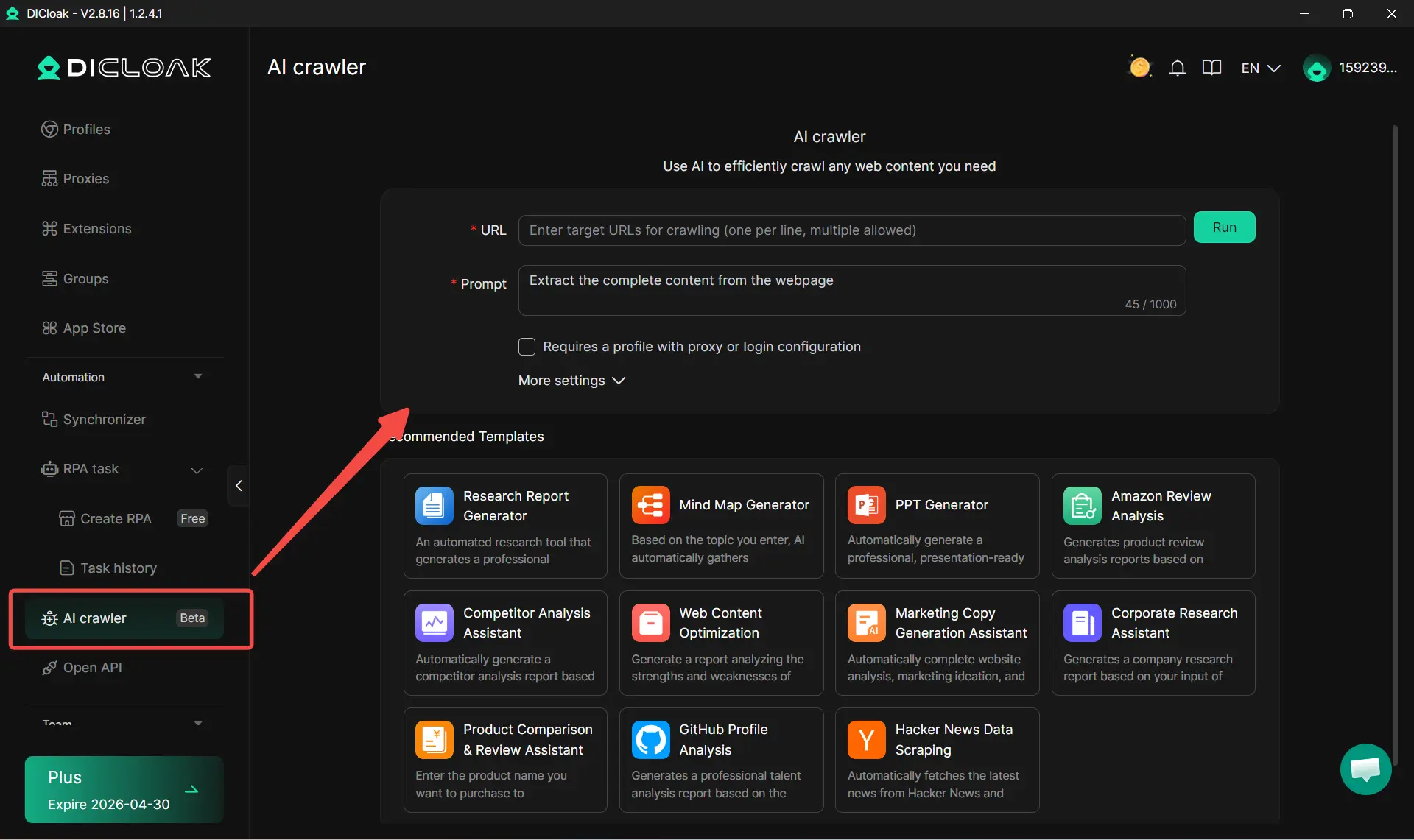
Leverage DICloak to create isolated browser profiles with unique fingerprints so you can use web crawlers to conduct in-depth competitor research—analyzing websites, pricing, marketing strategies, and content updates—without leaving any digital trace, making it ideal for competitive research, affiliate tracking, and optimizing local SEO and GEO strategies.
- Identify Keyword Gaps
- Check Competitor Backlinks
- Audit Content and Product Strategies
Team Collaboration for SEO and GEO Projects
With DICloak, your team can access SEMrush, Ahrefs, SimilarWeb, and other SEO tools from a single dashboard. Track team operation logs in real time, securely share accounts, and assign flexible permissions to keep operations organized and protected.
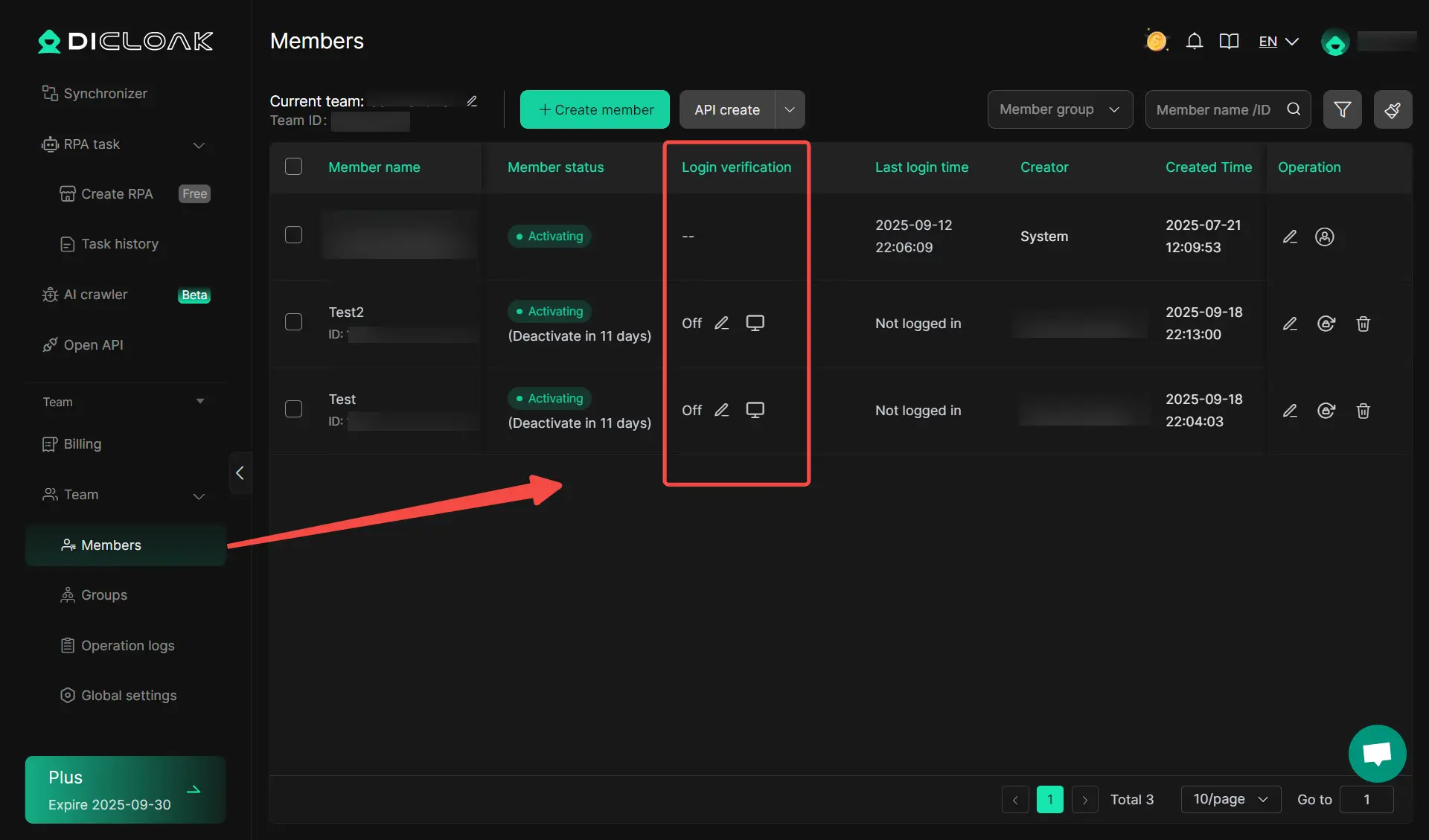
Unlock accurate SEO and GEO insights and boost SERP performance with DICloak.
FAQs About GEO vs SEO
Can I use GEO without implementing SEO?
You can, but it is usually a weak long-term plan. GEO helps content appear in AI-generated answers, but those answers still need strong source pages behind them. Google’s guidance for AI features points site owners back to helpful, reliable content, and Bing’s AI reporting is built around cited pages from the open web. In simple terms, GEO can improve AI visibility, but SEO still helps build the pages that AI systems trust and reuse.
How does GEO impact local search results?
GEO can help local visibility when people ask AI tools local questions in natural language, such as “best family dentist near me open on Saturday.” But it does not replace core local ranking factors. Google still says local results depend mainly on relevance, distance, and prominence. So for local businesses, GEO can support discovery in AI answers, while local SEO still matters for maps, profiles, and normal local rankings.
Is SEO still relevant for small businesses in 2026?
Yes. SEO is still very relevant for small businesses in 2026. Many small businesses rely on local intent, service pages, product pages, and branded searches. Google continues to reward helpful, people-first content, and local visibility still depends on strong business relevance and site quality. GEO is becoming more useful, but small businesses should not treat it as a replacement for SEO basics.
What tools are best for GEO optimization?
There is still no single “perfect GEO tool,” so most teams use a mix. Bing Webmaster Tools is one of the most useful because it now shows AI citation data like cited pages and grounding queries. Google Search Console still matters for classic search performance, and tools that help improve content clarity, structure, and factual completeness are also important because AI systems work better with content that is easy to extract and trust.
How do AI algorithms decide which GEO results to display?
They do not work like a simple keyword rank list. AI systems look for content they can understand, ground, and cite with confidence. Google’s documentation says AI features use content from the web and still depend on its broader quality systems. Bing’s webmaster guidance also points to clear, accessible content as helpful for grounding accuracy and citation quality. That means pages with direct answers, strong structure, and trustworthy information are more likely to perform well in GEO.
Conclusion
GEO and SEO should not be treated like opposites. SEO still helps pages rank, earn clicks, and build long-term traffic. GEO helps content stay visible in AI-generated answers and new search experiences. For most businesses, the best approach is to combine both. When your content is clear, useful, and easy to understand, it has a better chance to perform well in both traditional search and AI-driven discovery.
 Web Proxy Tools
 Free Tools
 Cookie Plugin
 UA Generator
 MAC Address Generator
 IP Generator
 IP Address List
 2FA Code Generator
 World Clock
 Anonymous Check
 WebRTC Leak Test
 UUID Generator
 Free Web Proxy Site
 Proxy Checker
 FB Ad Checker
 AI Web Scraping
 Free SMM Tools
 Twitter Shadowban Checker
 Instagram Name Checker
 UTM Generator
 Username Generator
 AI Hashtag Generator
 LinkedIn Headline Generator
 Social Media Image Resizer