What to look for in the best torrent sites 2026
In 2026, the torrenting landscape is defined by aggressive ISP-level blocking and a proliferation of sophisticated mirror sites. For the average user, the primary risk is no longer just the protocol itself, but the deceptive web interfaces that host malware or tracking scripts. Most searches for legacy platforms like Kickass Torrents now lead to unofficial proxies that vary wildly in safety and stability.
To navigate this environment, you must evaluate trackers using specific Decision Criteria:
- Uploader Reputation: Prioritize sites that utilize a visual verification system, such as colored icons, to distinguish long-term, trusted contributors from new or unverified accounts.
- Library Depth: A site is only as useful as its archive. Check if the site maintains a deep catalog of both trending releases and older, "long-tail" content.
- Ad Strategy and Density: High-quality sites generally limit ads to sidebars. Be wary of platforms that use "aggressive" redirects or hidden click-layers that trigger pop-ups.
- Seeder-to-Leecher Ratios: Reliable sites show active health metrics. High seeder counts are the only way to ensure that your downloads will actually complete at acceptable speeds.
Choosing the best torrent sites 2026 for movies and shows
For video content, the market has bifurcated. Some sites focus on the technical quality and compression of the files, while others prioritize the speed of new releases or the visual ease of browsing.
| Site Name |
Primary Strength |
Best For |
| The Pirate Bay |
Massive, diverse library |
General use and legacy files |
| 1337x |
Organized, clean interface |
Mainstream movies and trending TV |
| YTS |
Quality-to-size optimization |
HD movies on limited storage |
| EZTV |
Frequent TV updates |
Current television episodes |
| TorrentGalaxy |
Visual browsing with posters |
Discovering new releases |
- The Pirate Bay: As a cornerstone of the torrenting world, The Pirate Bay relies on its established community to maintain safety. Users should look for the green or purple skull icons next to uploader names, which signify "Trusted" or "VIP" status, effectively filtering out potential malware.
- 1337x: 1337x is widely respected for its resilience, often operating through various mirrors like .st, .ws, and .eu to bypass regional blocks. Its "Trending" and "Top 100" sections are curated well, making it the most efficient choice for users looking for mainstream cinema and popular series.
- YTS: YTS remains the specialist for high-definition movie torrents that don't require massive amounts of bandwidth or storage. By focusing exclusively on 720p, 1080p, and 4K movie encodes with high efficiency, it serves a specific niche for film enthusiasts with storage constraints.
- EZTV: EZTV is a specialized tracker for television series, known for its extreme timeliness. New episodes of popular shows typically appear on the site within hours of their original airing, making it a reliable daily destination for TV fans despite its aging user interface.
- TorrentGalaxy: TorrentGalaxy offers a modern browsing experience that resembles a streaming service more than a traditional tracker. By utilizing posters and preview images, it allows for visual discovery, supported by an active community of trusted uploaders who keep the "featured" sections fresh.

Which are the best torrent sites 2026 for games and rare files?
While video dominates traffic, the 2026 landscape for software and niche media requires a different set of specialized tools and a higher degree of caution regarding file integrity.
- FitGirl Repacks is the primary resource for PC gaming. The site specializes in "repacks," which are heavily compressed versions of large games that save significant download time and bandwidth. However, users should be aware of the trade-off: these files require a resource-heavy decompression process upon installation, which can take considerable time depending on your hardware.
- LimeTorrents serves as a versatile, beginner-friendly alternative with a broad library of games and new releases. Its most valuable technical feature is the "health bar" located next to each torrent listing, which provides a quick visual indicator of the file's speed and overall reliability before you click.
- For obscure software, rare books, or niche media, TorrentDownloads acts as a deep archive. While it features a higher ad density than some competitors, its search engine is capable of surfacing "dead" or rare files that larger, more mainstream trackers often purge to save space.
- Nyaa is the definitive source for the anime community, hosting an exhaustive library of series, movies, and manga. It remains highly effective due to its strict categorization and active community of seeders for even the most obscure historical releases. For those seeking a 100% legal path, the Internet Archive provides a massive repository of public domain films, music, and software, completely removing the security risks associated with unverified trackers.
Warning signs of fake mirrors and malicious torrents
Security issues on torrent platforms typically arise from the site's interface rather than the protocol. Malicious actors use clone sites to harvest data or install unwanted software.
Red Flag Checklist:
- \ Multiple "Download" buttons of varying sizes that don't match the site's native UI.
- \ Torrents that show thousands of seeders but have zero user comments.
- \ The site forces you to download a specific "codec" or "player" to view content.
- \ Suspicious domain extensions (like .biz or .xyz) that aren't listed on community-verified proxy lists.
To verify a file's safety, always look for the trusted uploader system. Beyond looking for verified icons, you must read the user comments on each torrent. Long-standing members of the community will often flag if a file contains a false positive or if the quality doesn't match the description.
Isolating your browser sessions with DICloak for better privacy
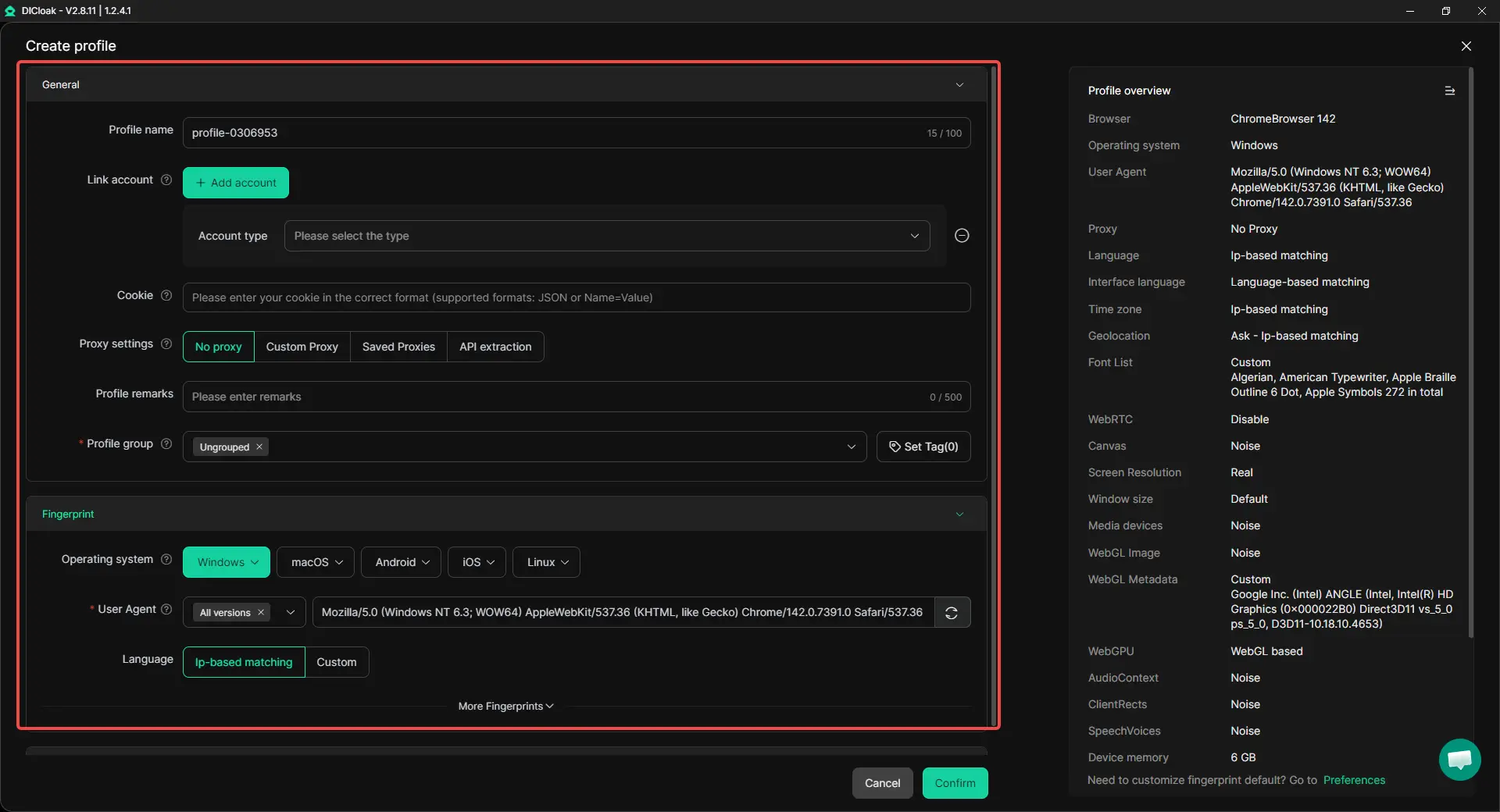
A common privacy concern in 2026 is reducing the chances that different types of browsing activity become associated with the same broader browser profile. Tracking technologies such as cookies and browser fingerprinting can sometimes make separate sessions look more connected than users expect. With DICloak, users can manage different activities in separate browser profiles, which can help create a more segmented workflow.
Keeping browsing activity more separate from personal accounts
With DICloak, users can place different types of browsing activity in isolated browser profiles. Since each profile keeps its own cookies, session data, and fingerprint settings, this setup can help reduce overlap between sessions and make it easier to keep unrelated account activity more clearly separated.
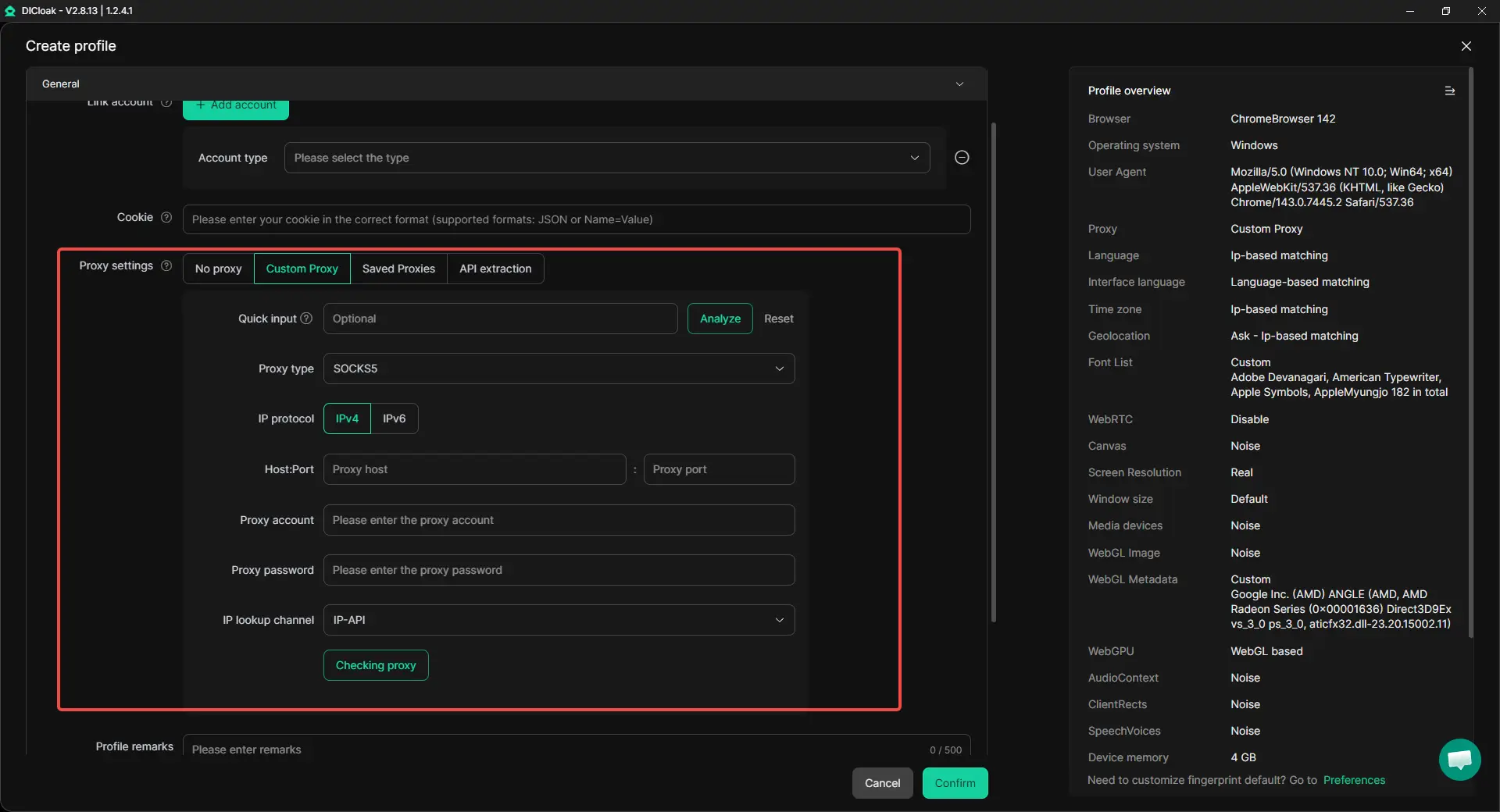
With DICloak, users can assign a custom-configured proxy to a specific browser profile based on their own access or workflow needs. This makes it easier to run different profiles with different network settings while keeping the overall browsing setup more organized.
Realistic steps to take if a site is blocked
If a site fails to load, follow this troubleshooting sequence:
1. Locate community-verified mirrors: Most major trackers maintain several official mirror domains (.st, .io, .me) to stay ahead of ISP blocks.
2. Consult status lists: Community forums often maintain "is it down" lists to confirm if a site is actually offline or just unreachable from your region.
3. Deploy an ad-blocker: Mirror sites are often more ad-heavy than the originals; a robust ad-blocker is your first line of defense against malicious redirects.
4. Verify tracker health: Before starting a download, check the seeder count. If the seeder/leecher ratio is zero, the tracker itself may be blocked, even if the website is visible.
Final verdict on the best torrent sites 2026
The best site for 2026 depends entirely on your specific intent. To simplify the current landscape, we can group the top ten sites into four distinct user personas:
- The Movie Buff: Should stick to YTS for high-quality movie files, 1337x for trending discovery, EZTV for timely television updates, and TorrentGalaxy for a visual interface.
- The Gamer: Will find the best results with FitGirl Repacks for compressed PC titles and LimeTorrents for its useful health-indicator bars on new game releases.
- The Privacy Advocate/Legal Miner: Is best served by the Internet Archive for public domain content or The Pirate Bay when strictly utilizing the trusted uploader system.
- The Niche Collector: Should prioritize Nyaa for anime and manga or TorrentDownloads for obscure software and rare media files.
Regardless of your choice, maintaining digital hygiene through browser isolation and active ad-blocking is the effective way to navigate these sites safely.
Common questions about torrenting in 2026
Are these sites legal?
The BitTorrent protocol is a legal file-sharing technology. However, the legality of using these sites depends on the content you download. Accessing copyrighted material without authorization is illegal in most jurisdictions.
Why do domains keep changing?
Domains change frequently due to legal pressure and ISP-level blocks. Site operators use "mirrors" and "proxies" to migrate their libraries to new domains when the primary address is seized or restricted.
What is the difference between a magnet link and a .torrent file?
A .torrent file is a small piece of metadata you download and open with a client. A magnet link is a direct hyperlink that skips the file-download step, allowing your client to find the content directly from other users.
How do I avoid malware on these sites?
Focus on "trusted uploaders" marked with specific icons (like the TPB skulls) and always read the user comments. Comments are often the first place the community reports corrupted or malicious files.
Why is my download speed slow even on a top site?
Speeds are dictated by "seeders" (users sharing) versus "leechers" (users downloading). If a file has very few seeders, your speed will be slow regardless of your own internet connection or the quality of the site.
 Web Proxy Tools
 Free Tools
 Cookie Plugin
 UA Generator
 MAC Address Generator
 IP Generator
 IP Address List
 2FA Code Generator
 World Clock
 Anonymous Check
 WebRTC Leak Test
 UUID Generator
 Free Web Proxy Site
 Proxy Checker
 FB Ad Checker
 AI Web Scraping
 Free SMM Tools
 Twitter Shadowban Checker
 Instagram Name Checker
 UTM Generator
 Username Generator
 AI Hashtag Generator
 LinkedIn Headline Generator
 Social Media Image Resizer