Comparing platforms side by side gets messy fast, fees, control, and even the way you reach customers work differently on Amazon and Shopify. Sellers weighing Amazon vs Shopify usually hit a wall when they realize the choice isn’t just about where to list products, but how much ownership and risk they’re willing to take on.
Plenty of guides make it sound simple: go where the buyers are, or pick the tool with more features. In practice, the real headache comes from hidden rules, shifting policies, and what happens when you try to scale. One wrong move, like assuming Amazon’s built-in traffic makes up for lower margins, or underestimating the work needed to drive traffic to a Shopify store, can cost weeks of progress.
For sellers, the main decision often comes down to control versus convenience. Amazon puts you in front of millions of shoppers instantly but limits your branding and can change terms overnight. Shopify gives you full control over your storefront, but every click and sale depends on your ability to handle traffic, payments, and support from scratch. Tools and workflow requirements also shift depending on which route you take, especially if you want to run multiple stores or ad accounts.
Here’s where the biggest differences actually show up for new and growing ecommerce sellers.
What Should Sellers Check Before Deciding Between Amazon and Shopify?
The biggest mistake sellers make is picking a platform based on hype or what’s “easier” this month. Before you commit, check how each platform fits your exact business type, your inventory style, and how much control you want over your brand and customers. Skip these checks and you could end up stuck with fees you didn’t plan for, or lose control of your customer list when you need it most.
Business Model Fit: Marketplace vs Independent Store
Amazon’s marketplace model puts your products in front of buyers who are already searching, but you compete head-to-head with other sellers, including Amazon itself. You have to follow Amazon’s rules, and you don’t get to build a direct relationship with your customers. Shopify, on the other hand, gives you your own store. You choose how everything looks and works, set your own policies, and control the buyer experience, but you have to drive all your own traffic. If you aren’t ready to handle your own marketing and support, Shopify’s independence can become a roadblock rather than a win.
Product Type and Inventory Control
Some products work much better on one platform than the other. Physical goods with lots of competitors often sell faster on Amazon. Custom, niche, or branded items tend to do better on Shopify. Inventory is also handled very differently.
- Check if your product is in a high-competition or restricted category on Amazon.
- Confirm whether you need special tools or apps to sync inventory in Shopify.
- Review Amazon’s FBA (Fulfillment by Amazon) fees vs handling your own shipping on Shopify.
Long-Term Brand and Customer Ownership
If you want to build a brand people remember, Shopify gives you more tools to do it. On Amazon, customers often see your store as just another listing. You also don’t get access to full customer data, which limits follow-up marketing.
- Make sure you know who owns the customer list and order history.
- Decide if you need to run loyalty programs or collect emails for remarketing.
- See if you’re okay with Amazon controlling the post-sale relationship (returns, reviews, and follow-up).
Missing these checks is one reason sellers regret switching platforms later. If you skip the deeper questions now, you may find out too late that your business model or product doesn’t fit the platform’s rules, or that your brand can’t grow the way you want. The next section breaks down why sellers often struggle, or even fail, after making the jump.

Why Some Sellers Struggle or Fail After Switching Platforms
Moving between Amazon and Shopify isn’t just a matter of picking a new storefront, sellers often run into issues that stall growth or trigger account problems. The main risks show up when you misjudge how traffic comes in, underestimate operational changes, or overlook platform-specific rules. Here’s what actually causes trouble for sellers who switch.
Traffic and Discoverability Challenges
Shopify stores almost always face a traffic drought at launch. You need to drive every visitor yourself, often through paid ads or partnerships. Amazon brings buyers right to your listings, but you’re fighting for visibility against thousands of similar products, and your margin for error is slim. This gap is where most sellers hit their first wall.
| Platform |
Built-in Traffic |
Paid Ads Needed |
Organic Reach |
Competition Levels |
| Amazon |
Yes |
Sometimes |
Moderate |
High |
| Shopify |
No |
Yes |
Low |
Varies |
Operational Workflow Differences
Switching from Amazon to Shopify, or the other way, forces you to rethink how you run your store. On Amazon, order fulfillment often plugs into FBA (Fulfillment by Amazon), so inventory and shipping are mostly hands-off. Customer service is partly managed by Amazon, and buyers expect quick responses and refunds. Shopify puts all of these responsibilities on you. Sellers who skip this step-over can get slammed by late shipments, missed support requests, or payment disputes. For example, a seller moving from Amazon to Shopify might forget to set up automatic order notifications, leading to delayed shipments and chargebacks. Conversely, jumping from Shopify to Amazon without prepping for stricter listing requirements can mean rejected products or suspended listings. The most common operational failure is treating the new platform like the old one, systems that worked before rarely translate cleanly.
Account and Compliance Risks
- Missed platform rules: Each site has its own banned items, content rules, and listing formats. Ignoring these leads to instant restrictions.
- Overlapping accounts: Running multiple stores or brands without proper separation can trigger bans, especially if payment or contact info overlaps.
- Compliance shortcuts: Sellers who rush setup often skip identity checks or verification steps, causing account suspension or delayed payouts.
Not every mistake costs you the store, but missing even one of these can mean weeks or months lost to appeals and rework. For sellers considering a switch, the next step is to look at where pricing differences and hidden fees can make or break your margins.
How Pricing, Fees, and Hidden Costs Compare in 2026
Sellers looking at Amazon or Shopify usually want to know what they’ll actually pay, not just the headline rates, but the real expenses after a few months live. Here’s a side-by-side look at where your money goes on each platform.
Amazon Fees: Listing, Referral, FBA, and Other Charges
| Fee Type |
Amazon (2026) Example |
Shopify (2026) Example |
| Listing Fee |
$0.99 per item (Individual) or $39.99/mo (Professional) |
$29–$299/mo (Basic to Advanced plans) |
| Referral Fee |
8–15% per sale |
0% (Shopify doesn’t take a cut of sales) |
| Fulfillment/Shipping |
FBA: $3.50+ per unit (varies by size/weight) |
Third-party rates or in-house; varies widely |
Amazon’s referral fees and FBA charges can eat into margins fast, especially on low-cost items. Shopify’s main cost is the monthly plan, but fees stack up if you add paid apps or premium themes.
Shopify Fees: Subscription, Transaction, and App Costs
Shopify’s monthly price is predictable, but payment processing adds 2.4–2.9% per sale unless you use Shopify Payments. Most sellers end up paying for extra apps, those can double your monthly bill if you need advanced features.
Hidden Costs and Scaling Expenses
Both platforms have expenses that sneak up as you grow. On Amazon, storage and return fees rise quickly if you carry inventory. With Shopify, traffic and conversion often depend on paid apps and ad spend, which can balloon as you scale. Ignoring these “hidden” costs is the fastest way to get blindsided during your first busy quarter.
The next step is to break down what actions sellers should take as they start or switch platforms, since your biggest costs often depend on how you set up from day one.

What Workflow Steps Should Sellers Follow to Start or Switch in 2026?
The core steps for sellers launching or switching between Amazon and Shopify look simple on paper, but a missed detail, like using the wrong product data format or skipping a payment check, can stall a store for days. Here’s how to avoid the usual traps.
Setting Up a New Store on Shopify
- Sign up for a Shopify account, use an email you control long-term. Recovery is a hassle if you lose this step.
- Pick a template and design your storefront. Don’t obsess here; a plain layout beats a half-finished “perfect” design that delays your launch.
- Add products with clear titles and images. If you see warning flags about missing variants or pricing, fix them before moving on, Shopify won’t let you sell until these are correct.
- Connect a payment provider and run a test order. Failed test? Double-check bank details and address info; one typo can freeze payouts.
Launching or Migrating to Amazon
- Register for a seller account, have personal/business documents ready, or you’ll get stuck in verification.
- List your products using Amazon’s upload tool. If you migrate, match your SKUs and categories exactly, or listings may be rejected.
- Choose Fulfillment by Amazon (FBA) or handle shipping yourself. For FBA, pack inventory in Amazon-approved boxes only; wrong packaging means returns and delays.
- After listing, check for “inactive” or “suppressed” product status, Amazon hides listings with missing or flagged info.
Running Both Platforms: Hybrid Workflow Tips
- Use inventory sync software to avoid overselling, manual updates almost always lead to stockouts or double-selling.
- Standardize product data (titles, SKUs, descriptions) across both platforms. Mismatched fields cause errors in order syncing.
- Monitor order flows daily. If you spot a delay or mismatch in order status, act quickly, waiting even a few hours can mean missed shipments or angry customers.
- When running Amazon and Shopify together, the hardest part is keeping inventory and orders in sync, manual tracking breaks down fast once you get more than 20 SKUs.
How Sellers Can Manage Multiple Store Accounts More Safely with DICloak
Once sellers start operating more than one store, on Amazon, Shopify, or both, the risk of account mix-ups and accidental cross-linking goes up fast. Handling multiple logins on the same device or browser can create hidden problems, especially as teams grow. For sellers who need to keep each store’s sessions and team access separate, DICloak supports a more controlled workflow at the browser-profile level.
Isolate Each Store Account with Custom Fingerprint Configuration
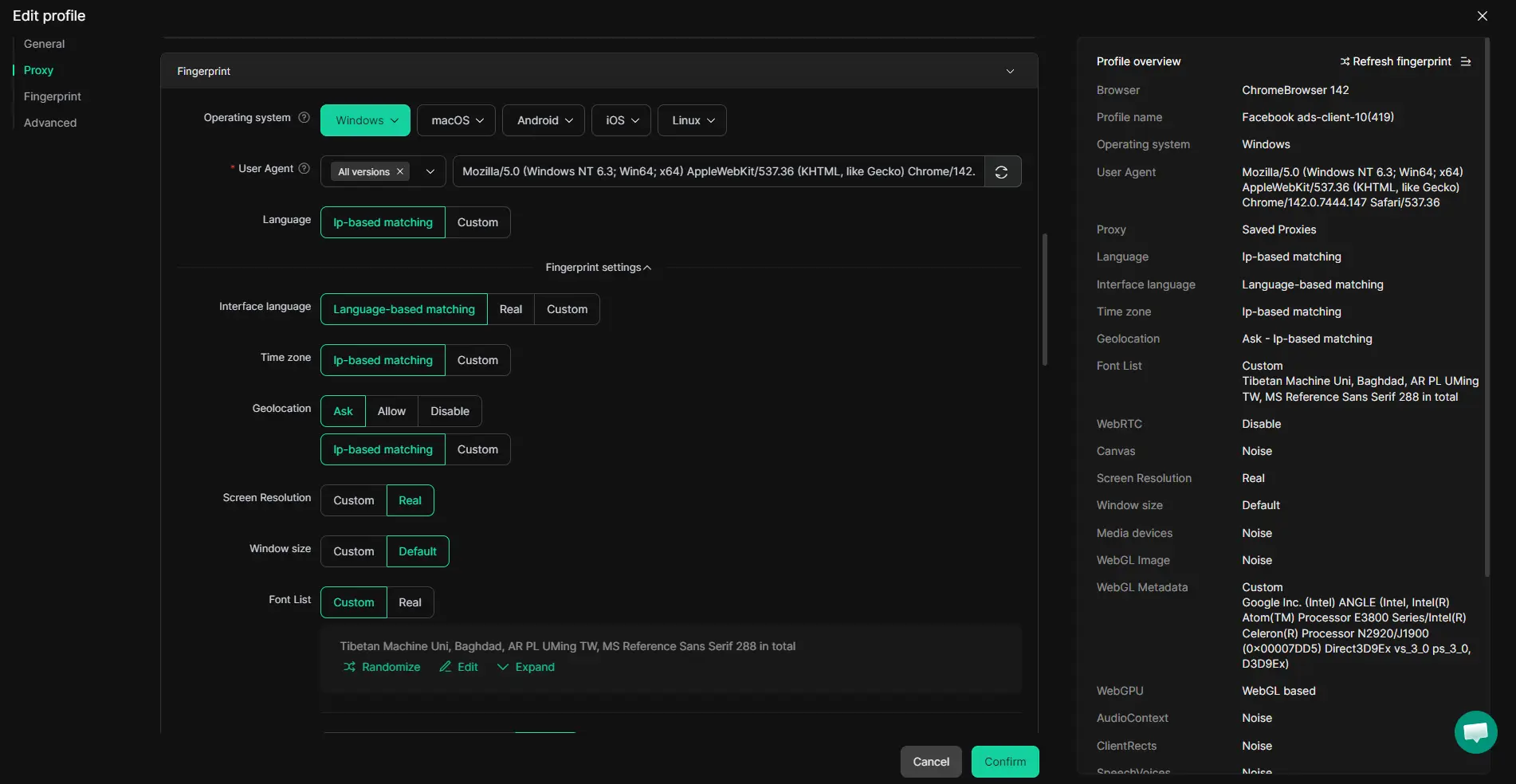
Operators can create a separate browser profile in DICloak for each Amazon or Shopify account, then configure the fingerprint signals that the browser presents. That means every profile can report its own operating system, user agent, time zone, language, and other signals. This setup keeps browser storage and session data from mixing, even when several accounts are opened on one device. The scope here is limited to isolating browser profiles; store listings and sales stay managed on the platform itself.
User-Provided Proxy Configuration for Assigned Profiles
Sellers who want network separation for each store can assign a user-provided proxy to every DICloak profile. Operators enter proxy details, test the connection, and check the exit IP and location before logging in. This way, each store account can operate with its own network path if needed. Operators are responsible for choosing, adding, and managing their own proxies, DICloak does not supply these.

Team Permissions for Assigned Browser Profiles
Admins can set up member groups and assign access to specific browser profiles inside the DICloak workspace. That means only the right team members see or open the profiles linked to assigned store accounts. Limiting field visibility and controlling profile-group access helps avoid accidental logins or edits by the wrong person. These controls only affect what team members can do in DICloak, not permissions on Amazon or Shopify itself.

When sellers start managing both platforms at scale, the hardest part is keeping workflows separate, this is usually where mistakes or unwanted links happen.
When Does Using Both Platforms Make Sense, and What Are the Risks?
Sellers who want to reach more buyers or spread risk sometimes run both Amazon and Shopify stores at the same time. This hybrid model is practical when you need access to Amazon’s huge built-in customer base but also want to build your own brand and control the entire buyer experience through a Shopify site. The decision comes down to whether you can handle the extra work and the risk of mixing two different systems.
Benefits of a Hybrid Selling Model
| Factor |
Amazon Only |
Shopify Only |
Both Platforms (Hybrid) |
| Customer Reach |
Millions of ready shoppers |
Self-driven traffic |
Both, reach plus own-brand traffic |
| Brand Control |
Limited, Amazon’s rules |
Full control |
Partial, Amazon + owned store |
| Platform Risk |
High (Amazon can ban/restrict anytime) |
Lower, but traffic is harder |
Risk spread across two channels |
Running both lets you grab quick sales from Amazon while building a loyal base on Shopify, but you double your workload and risk tripping up on compliance.
Risks and Workflow Challenges
Inventory sync is the most common pain point, overselling can happen if you list the same stock in both places. Linking accounts or using the same brand identity across both can also trigger compliance checks, putting both stores at risk if one gets flagged.
When a Single Platform Is Better
If you only have time or staff to manage one channel, or if your products need heavy customization that Amazon doesn’t allow, sticking to Shopify makes sense. For sellers who rely on high-volume, low-margin items and need instant traffic, Amazon alone is usually the safer bet. Trying both too soon often spreads resources too thin and leads to missed orders or support failures.
Common Mistakes That Trigger Account Restrictions or Loss
Sellers new to Amazon or Shopify often trip up by missing a few key rules, one careless step can lead to a ban, account hold, or even permanent loss of access.
Violating Platform Policies
Both Amazon and Shopify have strict rules, but the traps look different. Listing restricted items on Amazon (like prohibited electronics or unapproved supplements) leads to instant takedowns. On Shopify, ignoring local sales tax or payment rules can get your store frozen. Missing a single compliance update, like failing to update business info when requested, often results in a warning first, then a permanent ban if you ignore it.
Sharing Accounts or Devices Unsafely
- Never log into multiple seller accounts from the same browser profile or device.
- Do not reuse IP addresses across stores.
- Avoid sharing passwords over chat apps.
Neglecting Security and Access Controls
Weak security makes accounts easy targets. Shared logins and missed password changes let attackers in before you notice.
- Set long, unique passwords for every account.
- Remove team members who no longer need access.
- Turn on two-factor authentication for all admin users.
Frequently Asked Questions About Amazon vs Shopify
Is it legal to operate multiple Amazon or Shopify accounts?
Operating multiple accounts is usually restricted. Amazon and Shopify both limit one account per person or business, unless you get permission. Breaking their rules can lead to account suspension. Always check the platform’s terms and your local laws before creating extra accounts. Use unique business information if allowed.
Can I migrate my products from Amazon to Shopify or vice versa?
Product migration between Amazon and Shopify is possible, but you must map product data carefully. Listings, images, and inventory need to match each platform’s format. Compliance with platform policies is crucial. Tools and apps can help, but manual review is often needed to avoid listing errors or policy violations.
How do I avoid getting banned when running multiple store accounts?
To lower your risk, use separate browser profiles and unique proxies for each account. Keep login details private and limit access to trusted team members. Follow all platform rules about listings, payments, and shipping. Avoid linking accounts through shared IPs or personal info, which platforms use to detect violations.
Does Shopify or Amazon offer better SEO and marketing tools?
Shopify gives you full control over SEO settings like page titles, meta descriptions, and URL structure. Amazon offers built-in marketplace traffic, but SEO options are limited to keywords and product descriptions. For branding and marketing flexibility, Shopify is better. For quick access to millions of shoppers, Amazon excels.
Can I use DICloak to manage both Amazon and Shopify accounts?
Yes, DICloak works for both platforms. It lets you manage multiple Amazon and Shopify accounts with profile isolation and team controls. This helps prevent cross-account detection and keeps business operations organized. Always follow platform rules to avoid penalties.
Evaluate your business goals and resources to determine which platform aligns best with your growth strategy, whether you prioritize marketplace reach or brand autonomy. Consider testing each option with a small product batch to gauge performance and user experience before fully committing. Try DICloak For Free
 Web Proxy Tools
 Free Tools
 Cookie Plugin
 UA Generator
 MAC Address Generator
 IP Generator
 IP Address List
 2FA Code Generator
 World Clock
 Anonymous Check
 WebRTC Leak Test
 UUID Generator
 Free Web Proxy Site
 Proxy Checker
 FB Ad Checker
 AI Web Scraping
 Free SMM Tools
 Twitter Shadowban Checker
 Instagram Name Checker
 UTM Generator
 Username Generator
 AI Hashtag Generator
 LinkedIn Headline Generator
 Social Media Image Resizer