More than 10,000 partners have signed up for the zalando affiliate program, but most never see steady payouts. The usual story? Someone spends hours setting up links, only to find their commissions stuck in pending or their accounts flagged for “suspicious activity.” Zalando’s rules around affiliate marketing are strict, and their tracking can cut off income fast if you slip up. Even brands and agencies using the official zalando partner program run into problems: traffic drops, approval bottlenecks, and accounts banned for duplicate activity.
The real pain isn’t just signing up. It's managing multiple Zalando affiliate accounts safely, especially if you want to run campaigns in different countries, test new offers, or scale with a team. Simple mistakes like reusing browser profiles or missing proxy separation can get all your accounts restricted at once. Even routine tasks like updating product links or pulling reports become risky when you're juggling several Zalando affiliate marketing profiles.
This guide cuts through surface-level tips and goes straight to what matters: real risks of Zalando affiliate signup, step-by-step workflow for safer account use, and smarter ways to handle multi-account management, so you keep your commissions flowing and your operations under the radar. Here’s what most affiliates wish they knew before the first click.
What Should You Check Before Applying to the Zalando Affiliate Program?
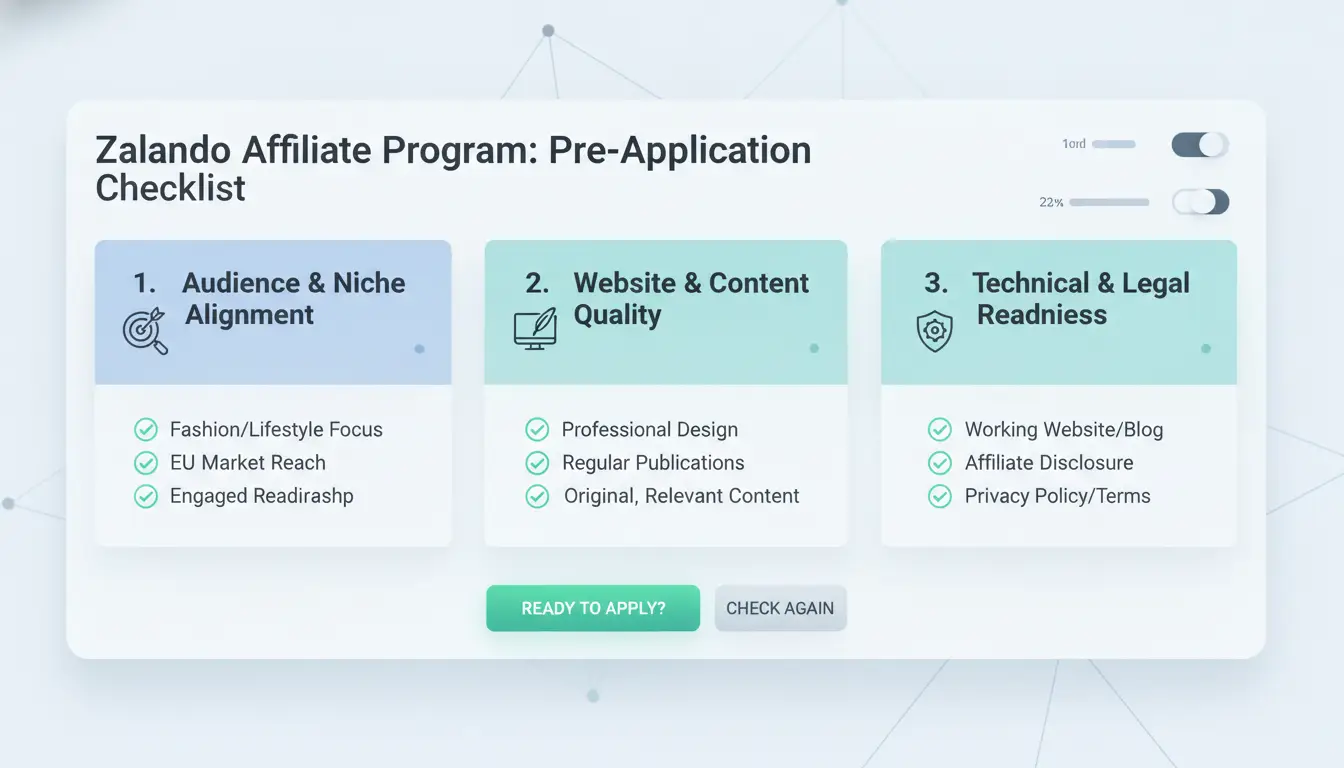
Before you jump into zalando affiliate signup, a quick checklist can save you from wasted effort and sudden bans. Some regions and platforms are cut off right away, while others will pass only after a tighter review. You need to know if your main site, blog, or social handle even qualifies. Missing one detail can mean a silent rejection, with no feedback.
Who Can Join the Zalando Affiliate Program?
Zalando only accepts publishers from approved countries in Europe, Germany, France, the Netherlands, and a few others. If you’re outside these regions, your application won’t be reviewed. You also need an active website or a strong social media channel. A parked domain or a page with no recent posts nearly always gets declined. Paid traffic or spammy “coupon” sites are usually not allowed. Zalando checks for real, engaged visitors, not just numbers. Even if you work with the zalando partner program in one country, you’ll need to meet local rules for each location you target.
What Are the Main Approval Criteria?
Approval for the zalando affiliate program is stricter than casual affiliate networks. Reviewers look for sites with original content, clear info about your audience, and a privacy policy. Thin blogs or sites full of copied offers get rejected fast. Your application should show clear value, why would Zalando want your traffic? Most failed applications fall into one of three buckets: poor-quality content, fake traffic, or missing legal details.
If you run zalando affiliate marketing on multiple accounts or channels, using the same device or browser can trigger “multi-account” bans. Make sure you separate profiles with different browsers and proxies. Tools built for affiliate work can help keep everything apart and reduce the risk of losing all your profiles at once.
290 words
Why Do Many Zalando Affiliate Applications Get Rejected or Delayed?
Getting approved for the Zalando affiliate program looks simple, but most first-time applicants hit the same walls. Zalando is strict, one careless mistake can get your application delayed for weeks or blocked outright. The biggest problems come from not knowing what Zalando actually checks during affiliate signup and how their fraud detection works.
Typical Mistakes New Affiliates Make
Most rejections happen before Zalando’s team even looks at your traffic or content. Submitting incomplete or inconsistent details, like mismatching your website name and your legal business, raises instant flags. Even small typos in your contact info or payment data can trigger an auto-reject.
Low-quality websites are another common issue. If you apply with a site that has little real content, thin product listings, or just copy-pasted catalog info, Zalando’s system sees this as a risk. Sites packed with ads, fake reviews, or pages that don’t load well on mobile will almost always fail the first review. Zalando wants to see evidence you’re running a real, user-friendly site, not just flipping links for quick affiliate marketing commissions.
How Zalando Screens for Fraud and Policy Violations
Zalando uses both automated tools and manual checks to spot risky applications. The system cross-references your registration details with existing data to catch duplicate submissions or fake identities. If you try to join the Zalando partner program with the same company name, address, or even IP address as another affiliate, your application will probably get flagged for manual review.
Red flags include multiple accounts from the same device, sudden changes in website ownership, or traffic sources that look automated. Using the same browser fingerprint across several applications is another common pitfall. To avoid this, use separate browser profiles and proxies for each zalando affiliate signup. Tools like DICloak can help create isolated environments, reducing the risk of account linkage and rejection.
How Does the Zalando Affiliate Program Actually Work?
The Zalando affiliate program lets you earn commissions by sharing special links to Zalando products or pages. As soon as someone clicks your link and makes a purchase, you get paid a percentage of the sale. But to make money, you need to understand exactly how tracking and payouts work, and what can break them.
How Tracking Links and Attribution Work
Zalando gives each affiliate a unique dashboard after signup. Here, you can generate tracking links for any product or campaign. Just copy the link, add it to your blog, social post, or ad, and Zalando does the rest. If a visitor clicks your link and buys within the tracking window, you get credit.
Most Zalando affiliate marketing links set a cookie on the user's browser, usually for 30 days. If the user comes back and buys during that time, you still earn your cut. But if they clear cookies, use a different device, or click another affiliate’s link, you might lose the commission. This is why some affiliates run into issues with missing sales. Tracking is not foolproof, test your own links after joining the Zalando partner program to avoid surprises.
What Is the Commission Structure and Payout Process?
Zalando’s commission rates depend on the product category. Most fashion items pay between 7% and 10%, but electronics or special deals may be lower. Your dashboard shows the exact rate for each campaign.
Payouts only start after you reach the minimum threshold, usually €25 or €50, depending on your payment method. Payments go out monthly, often by bank transfer or PayPal. Always check your country’s rules and fees before you pick a payout option.
| Category |
Typical Rate |
Payout Method |
Threshold |
| Fashion |
7–10% |
Bank/PayPal |
€25–€50 |
| Electronics |
2–5% |
Bank/PayPal |
€25–€50 |
(Source: Zalando Partner Program)
What Steps Should You Follow to Successfully Join and Set Up Your Zalando Affiliate Account?
Joining the Zalando affiliate program takes more than filling out a form. Most affiliates skip key steps, then get stuck waiting for approval or mess up their tracking setup. Here’s a clear walkthrough so you don’t waste time or lose commissions.
Step-by-Step Application Process
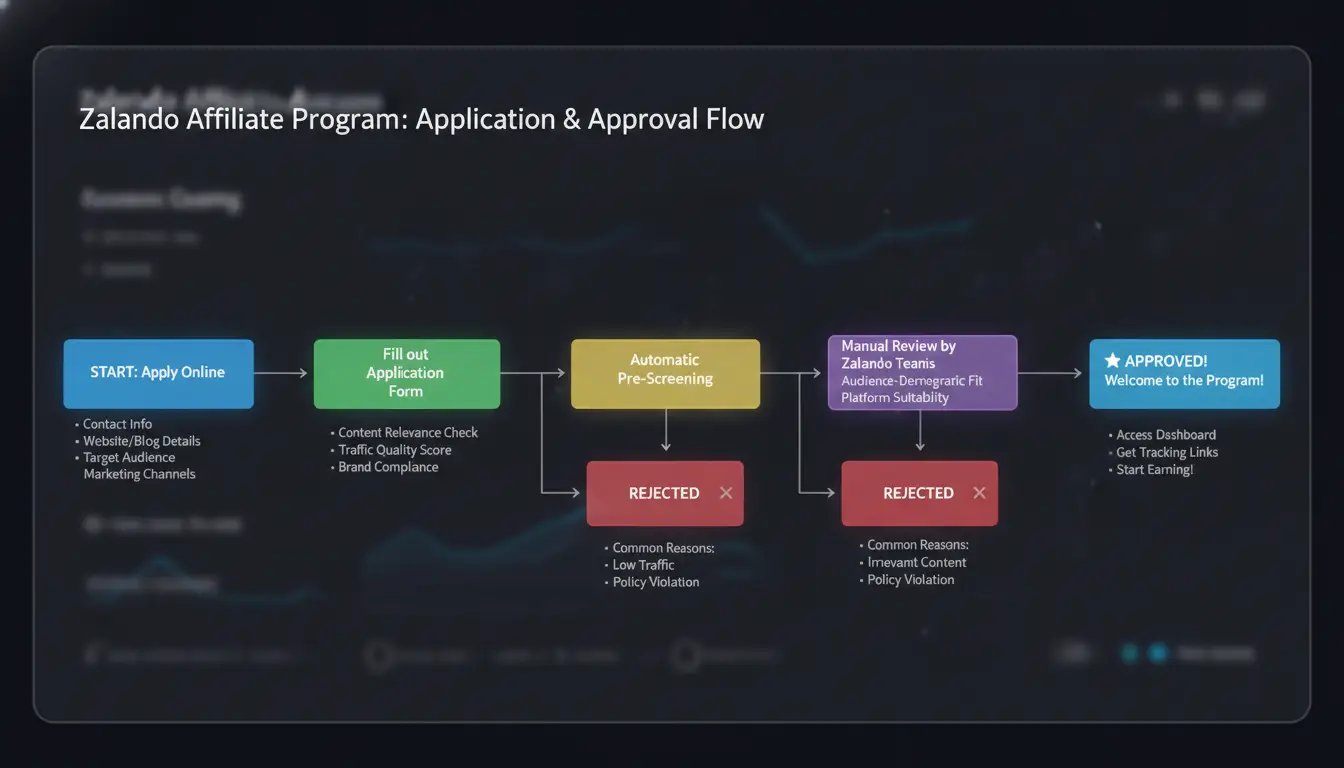
Start at the Zalando Partner Program page. You’ll need basic business info: your website, traffic stats, and a short pitch on how you plan to promote Zalando. If you’re new to affiliate marketing, focus on showing you already run a content site, blog, or social channel.
After you submit, Zalando’s team checks your application for quality and compliance. Most applicants get a reply within 1–2 weeks. If you run more than one site or want to target different countries, apply for each profile separately, don’t share browser profiles or reuse contact details. This is where beginners trip up and risk rejection or later account linking issues.
How to Set Up Tracking and Start Promoting
Once approved, log in to your Zalando affiliate dashboard. The dashboard lets you generate tracking links, pull performance reports, and manage payout details. Before you grab your first Zalando links, double-check your tracking ID, mistakes here can cost you commissions.
Get links for top-selling products or category pages that match your audience. Embed them in your blog, website, or social posts. Real-time stats help you see which links get clicks and which convert. If you’re managing several Zalando affiliate marketing accounts, keep each profile isolated. You can use an antidetect browser like DICloak to separate browser fingerprints and proxies, this step stops cross-account bans.
Missing proper tracking or reusing browser profiles is the fastest way to lose commissions and trigger account restrictions.
Where Do Most Zalando Affiliates Lose Earnings or Get Accounts Restricted?
Working with the zalando affiliate program looks simple at first, but most affiliates end up facing blocked accounts or missing payouts for reasons that don’t show up in basic guides. The biggest risks come from policy violations, tracking errors, or unintentional mistakes with how you manage your profiles. If you’re running multiple zalando affiliate marketing accounts or testing offers across countries, even small slip-ups can wipe out your earnings or get you banned. Here’s what usually triggers problems.
Common Triggers for Account Suspension
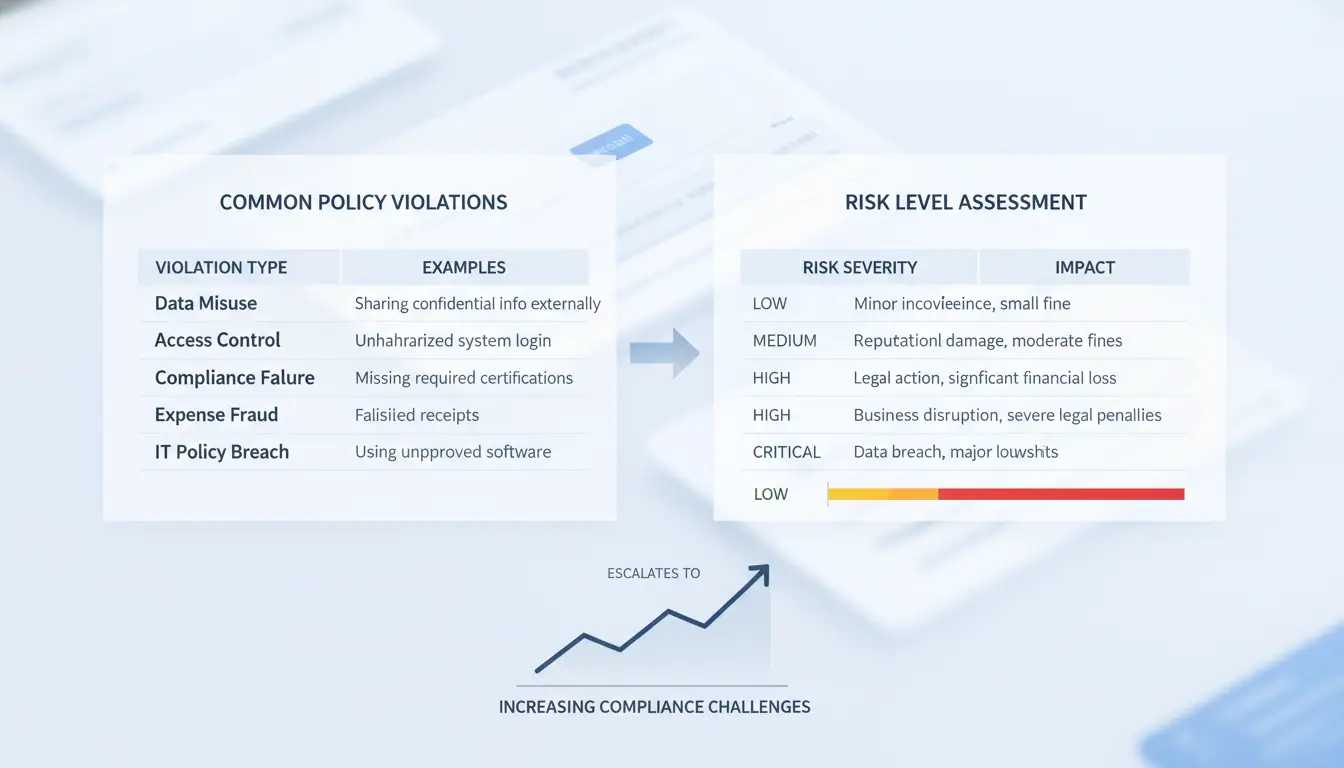
Zalando’s rules are strict about how you drive traffic and promote offers. If you use paid ads that aren’t allowed, post links in places forbidden by the zalando partner program, or send fake clicks, your account can get suspended without warning. Self-referrals, where you try to earn commission by buying through your own affiliate links, are a fast way to lose your account. Even running several zalando affiliate signup profiles from the same device, browser, or IP can raise flags. The most critical insight: multi-account abuse or ignoring Zalando’s traffic rules is the top reason for restrictions.
| Violation Type |
Risk Level |
Typical Outcome |
| Self-referral |
High |
Immediate suspension |
| Fake traffic |
High |
Account ban, loss of payout |
| Unapproved ad placements |
Medium |
Warning or suspension |
| Multi-account from same device |
High |
Restriction, payout freeze |
Source: Zalando Partner Program FAQ
Why Some Affiliates Miss Out on Commissions
Losing earnings isn’t always about a ban. Many affiliates miss commissions because tracking fails, cookies get blocked, or links are broken. If a customer returns a product or fraud is detected, Zalando may reverse the sale, and you lose the payout. Delays also happen if you don’t update your tracking links after changes in the zalando affiliate program. The worst part is, you often don’t find out until after the payout cycle ends. Running multiple profiles? You need proper proxy separation and clean browser profiles, or the system may not credit sales to the right account.
How to Manage Multiple Zalando Affiliate Accounts Safely and Efficiently (with DICloak)
Risks of Multi-Account Affiliate Marketing
Platforms like Zalando quickly detect linked affiliate accounts through IP history, browser fingerprint overlap, and even device patterns. If you run several Zalando affiliate program profiles on the same computer, or reuse logins without proxy separation, their system flags the connection. That’s why bans often hit all your accounts at once. Even using the same browser type or copying cookies makes detection easier. Affiliates who join the Zalando partner program often learn this the hard way.
How DICloak Helps You Run Multiple Accounts Without Linking
You can use DICloak to run each Zalando affiliate marketing profile in its own isolated browser profile. Custom fingerprinting and proxy integration keep accounts separate, so mistakes like shared device history won’t get you banned. DICloak’s team collaboration lets you assign accounts to different staff, track activity, and manage permissions. Bulk profile tools make handling dozens of Zalando affiliate signup workflows practical, not risky.
Best Practices for Scaling Zalando Affiliate Operations
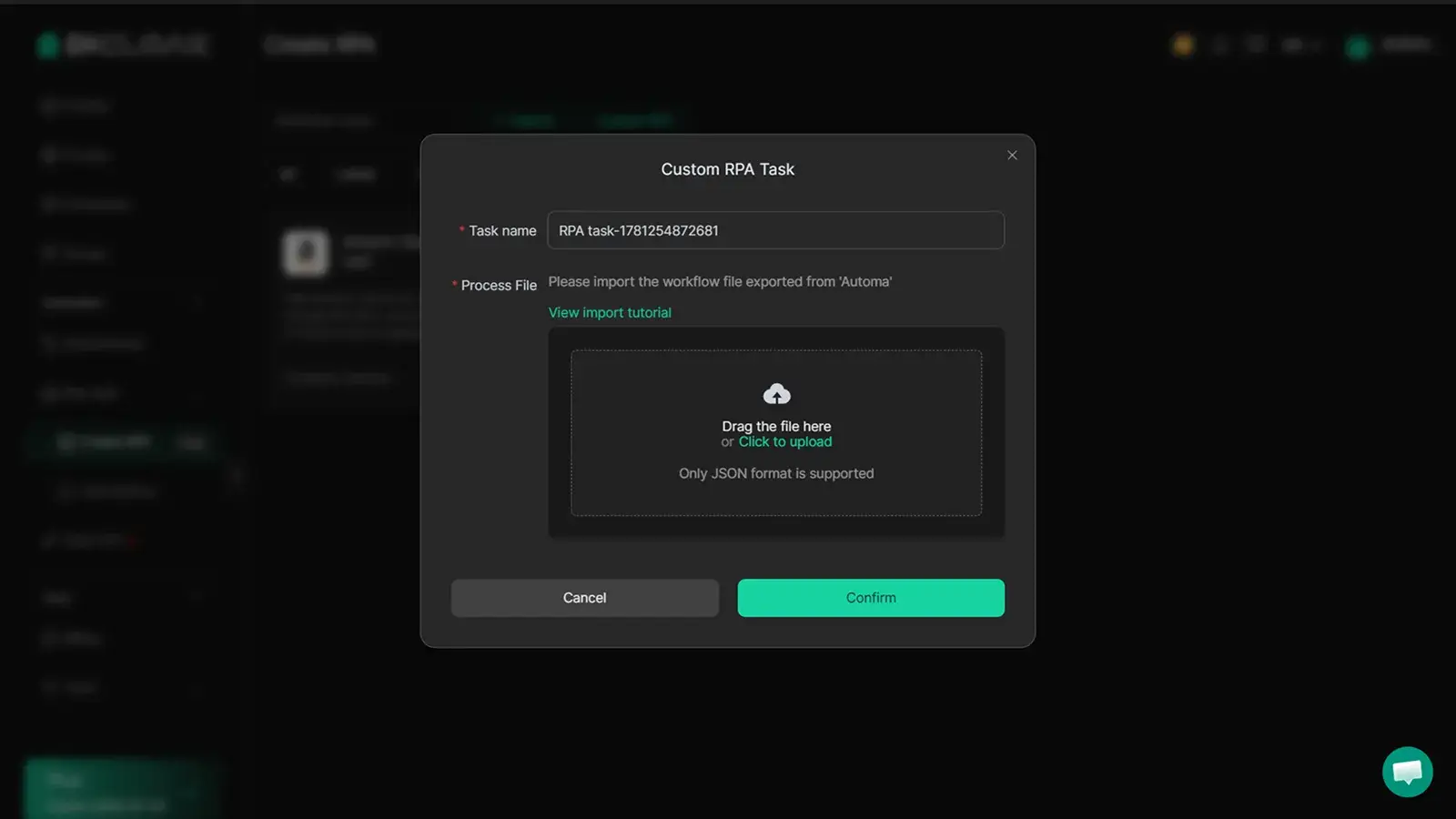
Automate repetitive tasks like link updates or reporting with DICloak’s RPA features. This saves time and reduces manual errors that trigger platform reviews. Isolating every account and automating tasks is what keeps your affiliate business compliant and steady.
How Can You improve Your Zalando Affiliate Earnings Over Time?
Making more from the zalando affiliate program means moving beyond simple link drops. You need clear product picks, better traffic, and tight performance checks to keep your earnings steady, especially when juggling multiple accounts or scaling with the zalando partner program.
Choosing the Right Products and Categories
Picking products with high commissions sounds tempting, but it’s not always the fastest way to grow. For Zalando affiliate marketing, categories like shoes or seasonal jackets often bring higher conversion rates, even if their commission isn’t the top. Tracking Zalando’s promotions or flash sales helps, these windows can double your click-throughs. If you’re running campaigns in different countries, check which categories trend locally. Use Google Trends or Zalando’s own bestsellers page to spot what’s hot. Align your site content with those, so visitors see offers they actually want.
| Category |
Avg. Commission |
Typical Conversion |
Best for... |
| Premium Shoes |
High |
Medium |
Big margins |
| Seasonal Jackets |
Medium |
High |
Fast turnover |
| Accessories |
Low |
Low |
Niche traffic |
Source: Zalando affiliate program docs, Google Trends
Improving Your Traffic Quality and Conversion Rates
Content alone rarely drives enough sales. You need SEO-focused reviews, guides, or style lists that target buying keywords. Match Zalando affiliate signup offers to your audience’s needs, don’t force generic banners. For social media, use paid ads with strict targeting, but always keep campaigns separated by account and proxy. That reduces the risk of mass bans. Platforms like Ahrefs can help find keywords that buyers actually search. Quality beats quantity, one well-timed post can convert better than ten random ones.
Monitoring Performance and Avoiding Common Pitfalls
Missing policy changes or ignoring analytics is how earnings drop off. Set up alerts for Zalando affiliate program rule updates, these can impact how you use links or which countries you target. Use Google Analytics to catch drops or spikes early. If you see unusual patterns, like a sudden drop in clicks, it’s often a sign to review your setup. Staying proactive keeps your commissions safe and future-proof.
When Is It Better to Focus on One Zalando Affiliate Account Instead of Many?
Running several accounts in the zalando affiliate program sounds like a quick way to grow, but the real story is more complicated. Sometimes, sticking with one Zalando affiliate marketing profile gives you more control, fewer headaches, and higher payouts that actually reach your bank. Here’s how to spot those moments, and why the risks multiply fast.
Signs That Multi-Account Strategies May Backfire
Juggling multiple Zalando affiliate accounts means more work than most expect. Each profile needs its own login, browser setup, and proxy. If you slip up, like reusing a device or skipping proper proxy separation, you risk getting all your accounts flagged. Zalando’s compliance checks are strict, and their partner program can suspend accounts if they see odd patterns.
Common issues include:
- Running out of time to update product links across accounts
- Missing key compliance steps, especially during zalando affiliate signup
- Losing payouts when one account gets banned and triggers checks on others
The most critical insight: Every extra account increases both workload and risk, one mistake can wipe out your commissions across the board.
|
Single Account |
Multiple Accounts |
| Compliance Risk |
Low |
High |
| Payout Stability |
Stable |
Unstable |
| Workload |
Manageable |
Complex |
| Ban Cascade |
Rare |
Common |
Source: Zalando Partner Program FAQ
How to Decide the Best Approach for Your Affiliate Business
If you’re just starting with the zalando affiliate program, a single account helps you learn the ropes and build trust with Zalando. You see every payout, fix issues instantly, and avoid the stress of tracking several profiles. For most solo affiliates, one account means sustainable earnings and fewer compliance worries.
Scaling only makes sense if you have a team, strong workflow controls, and tools for safe multi-account management, like using isolated browser profiles and proxies. Otherwise, chasing volume with multiple accounts usually backfires. Steady growth often starts with one well-run account.
Frequently Asked Questions
Is the Zalando affiliate program open to influencers and social media accounts?
Yes, influencers and social media creators can join the Zalando affiliate program, but your account must meet their quality and traffic standards. Not all social channels are accepted. For example, large audiences and high engagement rates help your chances. Approval is not automatic, and Zalando reviews each application based on their program guidelines.
How long does it take to get approved for the Zalando partner program?
Approval times for the Zalando partner program can vary. Most applicants receive a response within a few days to two weeks if their website or social channel meets the Zalando requirements. Make sure your profile and traffic sources are high quality, and check your email regularly for updates from the Zalando team.
Can I use proxies to manage Zalando affiliate accounts safely?
You can use proxies to manage Zalando affiliate accounts. Proxies help keep your logins separate, which may reduce risk. However, Zalando also looks at other linking signals, so only using proxies is not enough. Always follow the Zalando affiliate program policies to keep your account safe and in good standing.
What are the main reasons Zalando withholds or reverses affiliate commissions?
Zalando may withhold or reverse commissions for common reasons. These include if an order is returned, suspicious activity like fraud is detected, invalid traffic such as bots is involved, or there are policy violations. To avoid this, only promote Zalando to real users and follow the rules outlined in the Zalando affiliate marketing guidelines.
Does Zalando support affiliate payouts via PayPal or only bank transfer?
Zalando sometimes supports payouts by PayPal or bank transfer, but the method depends on your region. After you complete your Zalando affiliate signup, check your affiliate dashboard for choices. If you don’t see PayPal or your preferred method, contact Zalando support for updates on available payout options for your country.
The Zalando affiliate program offers a straightforward way for partners to earn commissions by promoting a leading fashion platform, with access to quality resources and reliable support. Anyone looking to monetize their audience in the fashion niche can benefit from joining and leveraging Zalando's trusted brand. Try DICloak For Free
 Web Proxy Tools
 Free Tools
 Cookie Plugin
 UA Generator
 MAC Address Generator
 IP Generator
 IP Address List
 2FA Code Generator
 World Clock
 Anonymous Check
 WebRTC Leak Test
 UUID Generator
 Free Web Proxy Site
 Proxy Checker
 FB Ad Checker
 AI Web Scraping
 Free SMM Tools
 Twitter Shadowban Checker
 Instagram Name Checker
 UTM Generator
 Username Generator
 AI Hashtag Generator
 LinkedIn Headline Generator
 Social Media Image Resizer