Online payments are now part of daily life. People use cards for shopping, subscriptions, software tools, and business expenses. But sharing the same card number again and again can create more risk.
That is why many users are now paying attention to Virtual Credit Cards. They can help protect your real card details, give you more control over spending, and make online payments easier to manage. In this guide, you will learn what Virtual Credit Cards are, how they work, where they are useful, and what limits you should know before using one.
What Is a Virtual Credit Card
A virtual credit card is a digital card number used for online payments. It is linked to your real credit card account, but it shows a different card number at checkout. This helps protect your real card details.
Many people use Virtual Credit Cards when shopping online, starting free trials, or paying for subscriptions. For example, if you sign up for a trial and want better control over future charges, a virtual card can be a safer choice.
Virtual Credit Cards are useful because they add another layer of protection. If a website has a data leak, your real card number is not exposed. Some virtual cards also let you set spending limits or use a card for only one merchant.
How Does Virtual Credit Card Works
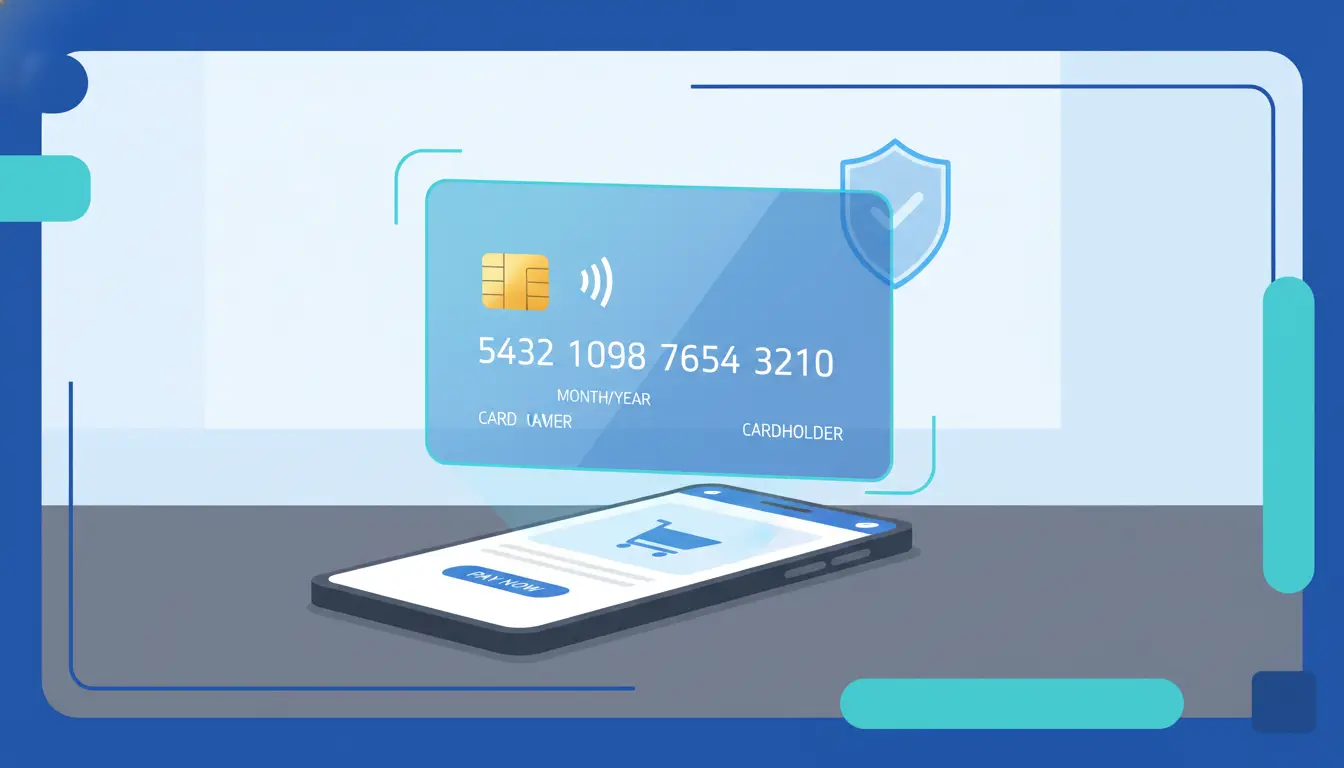
Virtual Credit Cards work by creating a different card number for online payment, while still linking that number to your real credit card account. When you buy something, the merchant sees the virtual number, not your physical card number. The charge still goes through your main account, and you may still earn the same rewards or cash back, depending on your card issuer.
The process is usually simple. First, you open your bank or card app, browser tool, or payment platform. Then you generate a virtual card number. That number often comes with its own expiration date and security code. You enter it at checkout like a normal card. After that, the payment is authorized through the account behind it. Some issuers let you create a card for one merchant, one purchase, or a short time, which gives you more control.
Some Virtual Credit Cards also include controls that a physical card may not have in the same way. For example, business virtual cards can be created instantly and set with spending rules, such as limits by amount, vendor, or purpose. That helps companies track spending more closely and reduce misuse.
How Virtual Credit Cards Differ from Physical Credit Cards
The first difference is the card number itself. A physical credit card has one fixed number printed on the card. Virtual Credit Cards use a different digital number for online payments, which helps keep your real card number private.
The second difference is how they are used. Physical credit cards work well in stores and online. Virtual Credit Cards are mainly made for online shopping, subscriptions, and payments on websites or apps.
The third difference is the level of control. With a physical card, you usually keep using the same card number until the card expires or is replaced. With Virtual Credit Cards, some issuers let you create, lock, delete, or replace a card number more easily.
Another difference is the safety value in online payments. If a merchant stores your physical card number and later has a data leak, your real card details may be exposed. With Virtual Credit Cards, the merchant only sees the virtual number, not your main one.
There is also a difference in convenience for certain situations. A physical card is better for face-to-face payments or places that need the actual card. Virtual Credit Cards are better when you want extra protection and better control over online spending.
Top Benefits of Using a Virtual Credit Card
Virtual Credit Cards are popular because they solve a very simple problem. Many people want to pay online without giving every website their real card number. That is where these cards help most.
Enhanced Security for Online Transactions
The biggest benefit of Virtual Credit Cards is better protection for online payments. Instead of showing your real card number at checkout, they use a different digital number. That means the seller does not see your main card details. Capital One says virtual card numbers can help keep your account more secure when you shop online, and some can even be locked to one store only.
This matters in real life. For example, if you buy from a small online shop for the first time, you may not know how well that site protects payment data. Using a virtual card adds distance between that store and your real account. That extra layer can lower the damage if the merchant later has a data leak.
Simplified Budgeting and Spending Controls
Another strong benefit is control. Some Virtual Credit Cards let users set rules for how, where, and how long a card can be used. Mastercard says virtual cards can include controls on budget, time period, and merchant use.
This can make spending easier to manage. A company can give an employee a virtual card for travel or one client dinner, with a set limit. A regular user can also use the same idea in a simpler way by separating payments for subscriptions, ads, or trial offers. It is a practical tool for keeping spending organized instead of mixing everything on one card number.
Flexibility for Temporary or One-Time Use
Virtual Credit Cards also stand out because they are flexible. Depending on the issuer, a virtual card may be made for one merchant, one purchase, or a short-term need. Capital One notes that some virtual cards are good for use at one store only, while American Express says its virtual card number can be used for one-time online or in-app purchases in supported settings.
This is helpful in everyday situations. For example, if you want to start a free trial but do not want to keep your main card exposed, a virtual card can be a safer option. It is also useful when your physical card has not arrived yet. Capital One and American Express both say eligible users may be able to start spending before the physical card arrives.
For many users, the value of Virtual Credit Cards is simple. They offer more security, more control, and more flexibility for online spending. That is why they have become a useful payment tool in 2026.
Common Use Cases for Virtual Credit Cards
Virtual Credit Cards are most useful when people want more safety and more control. In daily life, the two most common use cases are personal online payments and business spending.
Online Shopping and Subscription Services
Many people use Virtual Credit Cards for online shopping because the store does not see their real card number. Capital One says virtual card numbers let users shop online without sharing their actual card number, which adds another layer of protection.
They are also helpful for subscriptions and free trials. For example, if you sign up for a video app, a meal plan, or an AI tool, a virtual card can help reduce the risk of exposing your main card details on another website. Capital One specifically lists subscription services, regular online retailers, and one-time purchases on unfamiliar sites as common uses.
Business Expense Management
Businesses also use Virtual Credit Cards to manage employee and company spending. Mastercard says virtual cards give businesses more security, control, and convenience, while Stripe highlights expense management as a key business use case.
This works well for travel, software payments, vendor invoices, or team purchases. A company can create a virtual card for one employee, one trip, or one supplier, then set limits by amount, time period, or merchant type. That makes it easier to track spending and reduce misuse.
How to Get a Virtual Credit Card
Getting a virtual credit card is usually not hard, but the exact path depends on the provider. Some Virtual Credit Cards come from a bank or credit card issuer. Others come from business payment platforms or card tools that connect to your funding source. In most cases, the process starts with an eligible account, identity checks, and access through an app, website, or browser checkout flow.
Steps to Apply for a Virtual Credit Card
For many users, the first step is to open or already have an eligible credit card account. Then you sign in to your issuer’s app or website and look for the virtual card feature. Capital One says eligible cardholders can access their virtual card details in the mobile app or website, while American Express says some approved applicants can get an instant card number right after approval.
After that, you generate or enroll in the virtual card number. For example, Capital One says users may need to verify identity first and then can create and manage virtual cards, including store-specific ones. American Express says users can enroll an eligible card for a virtual card number through Google Chrome or their Google Account flow.
Once the card is ready, you use it like a normal payment card online. You enter the virtual card number, expiration date, and security code at checkout. The payment still routes to the real account behind it, but the merchant does not see your physical card number.
Requirements and Eligibility Criteria
The main requirement is that you usually need an eligible account. That often means a credit card that is open, active, and in good standing with the issuer. American Express says an eligible card is a valid U.S. credit card issued by its U.S. banking subsidiary and in good standing, though some card types are excluded.
You may also need to complete identity checks before using Virtual Credit Cards. Some issuers ask users to sign in, confirm account details, or verify identity before they can view or create a virtual card. In practice, this means not every cardholder gets the feature automatically in the same way.
For business users, eligibility can look a little different. A company may need a business card account or payment platform that supports virtual cards for employee or vendor spending. Mastercard and American Express both note that business virtual cards are tied to the main business account and can be created with built-in controls.
Setting Up Spending Limits and Expiration Dates
One reason many people like Virtual Credit Cards is the extra control. Some providers let you set a spending cap, lock the card to one merchant, or decide how long the card stays active. Mastercard says virtual cards can be set with limits on budget, time period, and where the card can be used.
This is useful in real life. Say you want to pay for one software tool that bills monthly. A provider like Privacy lets users set maximum spend limits, lock a card to one merchant, and pause or close the card later. That can help prevent surprise charges or overbilling.
Some Virtual Credit Cards also support short-term use. Capital One says certain store-specific virtual cards can be limited to a single use or set to auto-lock on a chosen date. That makes them useful for free trials, one-time purchases, or websites you do not fully trust yet.
Risks and Limitations of Virtual Credit Cards
Virtual Credit Cards are useful, but they are not perfect. They can improve online safety and control, but they can also create small problems if you do not understand how they work. That is why it helps to know the limits before you rely on them for every payment.
Potential Challenges with Merchant Acceptance
One common issue is that some merchants may not accept virtual card numbers. Capital One says a transaction can fail because of merchant policy, even when the card itself is valid.
This usually shows up during online checkout. For example, a hotel, rental service, or another business that wants the original card later may reject a virtual number. In simple terms, Virtual Credit Cards work well for many online purchases, but not every seller handles them the same way.
Understanding Expiration and Renewal Policies
Another limitation is that virtual cards can expire on their own schedule. Some providers tie the virtual card to the main credit card account, while others let users set an “active until” date or a shorter use period. American Express explains that the “active until” date is different from the real expiration date of the virtual card.
This matters for subscriptions and repeat billing. If a virtual card expires, pauses, or closes before the next charge, the payment may fail. For example, a software subscription may stop working if the stored virtual card is no longer active, even if your main account is still open.
Managing Multiple Virtual Cards
Using many Virtual Credit Cards can also become hard to manage. It sounds simple at first, but it gets messy when you forget which card was used for which app, store, or team expense. Privacy and American Express both show that virtual cards often come with controls like spending limits, merchant locks, reset schedules, or close dates, which means there is more to track.
A real example is a user who creates separate cards for ads, software tools, and free trials. That setup gives better control, but it also increases the chance of confusion if one card is paused, one expires, and another has a low spending limit. So while Virtual Credit Cards can help with organization, they also require good tracking habits.
Virtual Credit Cards and Online Security
Virtual Credit Cards can make online payments safer, but they work best when users also follow good security habits. They help by hiding your real card number from merchants, which adds one more layer between your account and a risky checkout page.
How Virtual Cards Protect Against Fraud
The main security benefit is simple. Virtual Credit Cards use a different card number for online purchases, so the store does not get your real card number. Capital One says this helps protect your account from potential fraud when you shop online.
Some virtual cards also add tighter controls. For example, certain virtual card numbers can be tied to one store only, which makes them less useful if the number is stolen and used somewhere else. Mastercard also notes that tokenization replaces the card number with a unique token to protect sensitive payment data.
A simple example is buying from a new online store. If that store later has a data breach, the exposed number may be your virtual card, not your physical card. That does not remove all risk, but it can reduce the damage and make fraud easier to contain.
Best Practices for Secure Usage
Virtual Credit Cards are safer when used with a few good habits. Use them for unfamiliar websites, subscriptions, and free trials instead of using your main card number everywhere. It also helps to lock or delete cards you no longer need when your provider allows it.
It is also smart to watch your account after each purchase. Capital One says tools like purchase notifications, card lock, and fraud alerts can help users spot suspicious activity faster. In real life, this means you should not treat Virtual Credit Cards as a “set it and forget it” tool. You still need to review charges and act quickly if something looks wrong.
Another good habit is to keep the rest of your account secure. A virtual card protects the payment number, but it does not replace strong passwords, two-factor authentication, and safe browsing. Mastercard says payment security relies on multiple layers, not one single fix.
Integrating Virtual Cards with Password Managers
Some users go one step further by pairing Virtual Credit Cards with a password manager. This can make checkout easier and safer because the password manager can store and autofill payment details instead of leaving users to copy card numbers by hand. 1Password’s official integration with Privacy says users can create, use, save, and autofill Privacy virtual cards in the browser extension.
This is useful when you manage many accounts, subscriptions, or one-time purchases. For example, if you create a separate virtual card for a design tool, an AI app, and a streaming service, a password manager can help you remember which card belongs to which merchant. That lowers the chance of confusion and makes it easier to track spending.
Choosing the Right Virtual Credit Card Provider
Not all Virtual Credit Card providers are the same. Some are built for personal online shopping. Others are made for business payments, team expenses, or vendor control. So the best provider depends on how you plan to use Virtual Credit Cards in real life, not just on the brand name.
Features to Look for in a Provider
First, look at control features. A strong provider should let you do more than just create a card number. Good Virtual Credit Cards often include spending limits, merchant locks, date limits, or the ability to issue cards instantly. These features matter because they help users reduce fraud risk and manage payments more clearly.
Next, check how easy the card is to access and manage. Some providers let users create and manage Virtual Credit Cards in a mobile app, on a website, through a browser extension, or at checkout in Chrome. That can make a big difference if you use virtual cards often for subscriptions, online shopping, or business expenses.
It also helps to check eligibility and limits before you choose. Some issuers do not offer Virtual Credit Cards on every card product, and some users may need enrollment, identity verification, or a waiting period before access is available. A provider may look good on paper, but it is less useful if the feature is not easy for you to activate.
Evaluating Customer Support and Accessibility
Customer support matters more than many users expect. If a virtual card fails during checkout, expires too soon, or gets declined by a merchant, you need clear help fast. A better provider is one that explains common problems clearly and gives users a direct way to manage or troubleshoot their Virtual Credit Cards.
Accessibility is also important. Some providers only support certain browsers, some rely heavily on web access, and some do not offer the same features across all cards or devices. That means a provider should not only be secure, but also easy to use in your normal payment flow.
A simple way to choose is to match the provider to your use case. If you mainly shop online, easy card creation and browser support may matter most. If you run a business, you may care more about spending controls, instant issuance, and payment tracking. The right Virtual Credit Card provider is the one that fits your daily needs with the least friction.
How DICloak Can Support Safer Virtual Credit Card Payment
Virtual Credit Cards help protect payment details, but they do not solve every operational problem by themselves. Teams still need a clean way to manage logins, payment portals, subscriptions, and account access. That is where DICloak can fit into the workflow. DICloak provides isolated browser profiles, proxy setup support, team permission controls, and profile sharing features, which can help teams keep payment-related work more organized and separated.
Managing Payment Accounts in Isolated Browser Profiles
If one team handles many vendor accounts, ad platforms, or software subscriptions, it is easy for cookies, sessions, and saved logins to get mixed up. DICloak lets users create separate browser profiles for different accounts, with isolated cookies and local storage in each profile. This can make it easier to keep one payment workflow separate from another when teams use Virtual Credit Cards for different services or budgets.
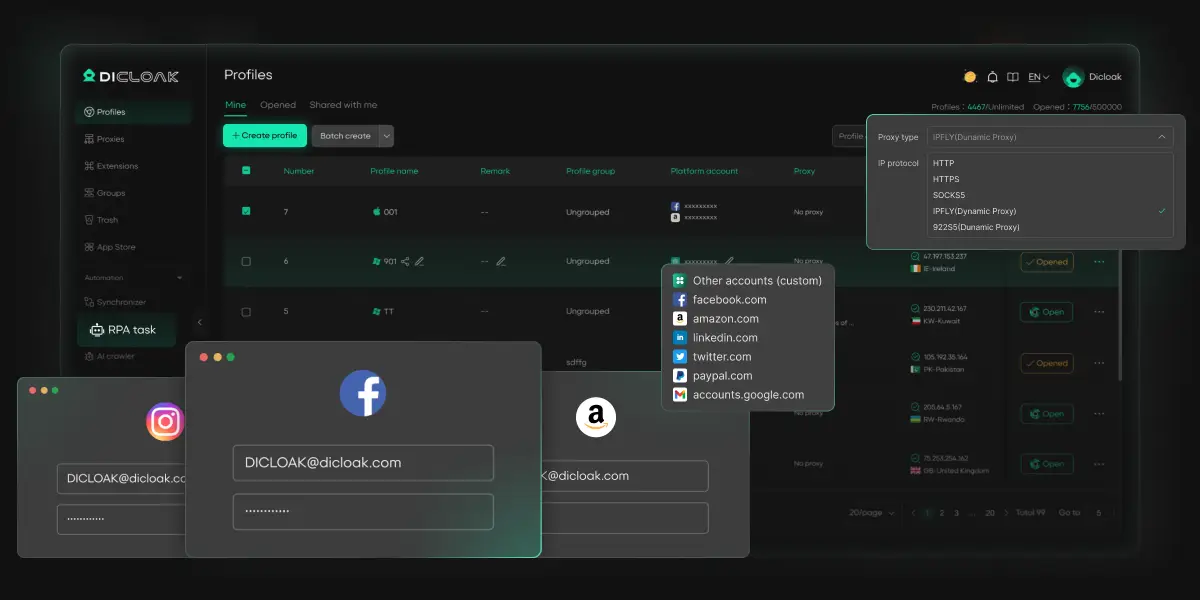
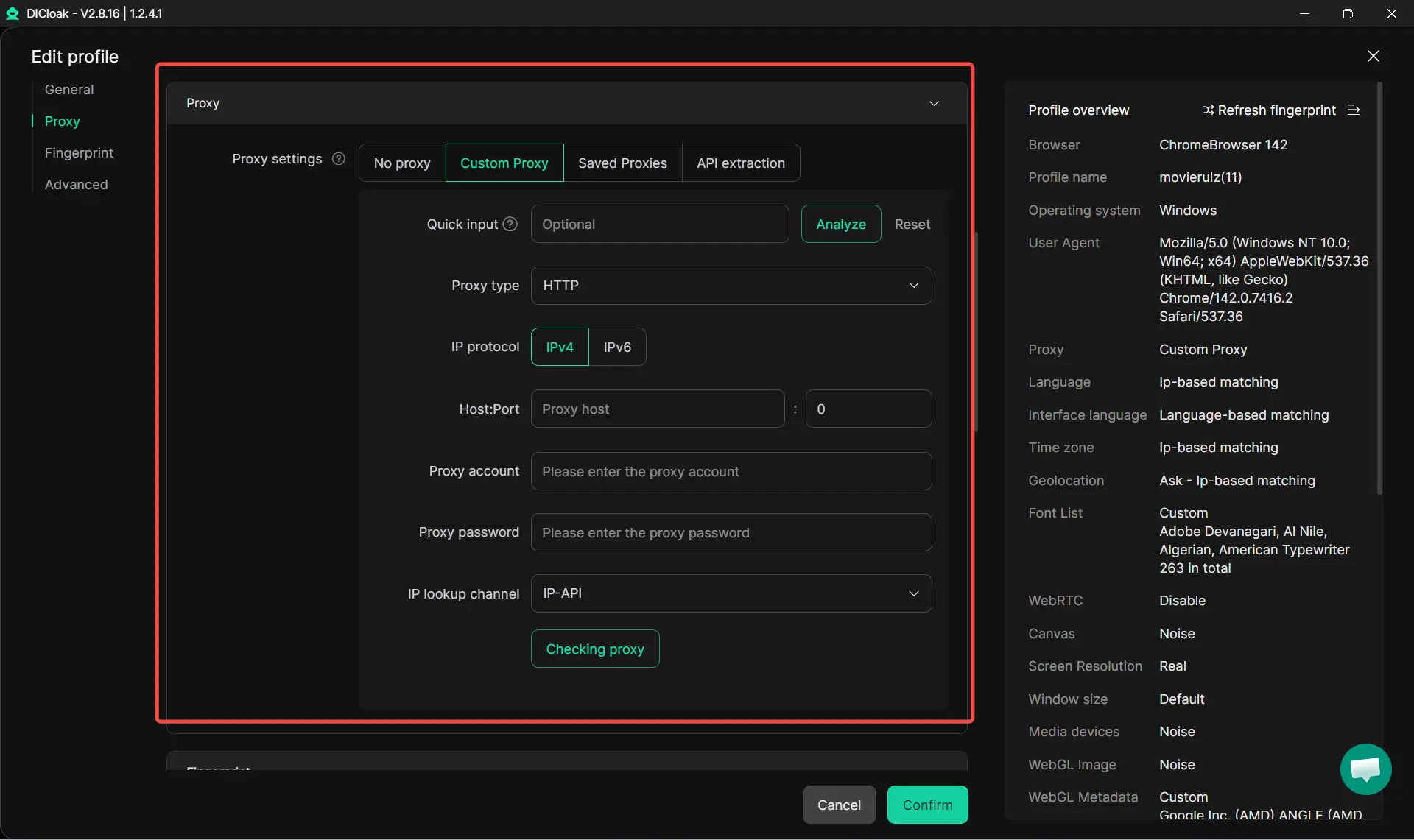
For users who want stronger online privacy, Virtual Credit Cards can be paired with cleaner account environments. DICloak supports user-configured proxies for separate browser profiles, which may help reduce overlap between accounts and make billing workflows easier to manage. DICloak itself is not a proxy provider, so users need to add their own purchased proxies.
Frequently Asked Questions About Virtual Credit Card
Can I Use a Virtual Credit Card for Recurring Payments?
Yes, in many cases you can. But if the virtual card is locked, deleted, or expires, the next recurring charge may fail.
How Long Does a Virtual Credit Card Number Last?
It depends on the provider. Some last as long as the account stays active, while others may have their own active period or expiration settings.
Are Virtual Credit Cards Accepted Everywhere?
No, not everywhere. They work for many online purchases, but some merchants may not accept them.
Can I Get a Virtual Credit Card Without a Physical Card?
Sometimes, yes. Some issuers let eligible users spend with a virtual card before the physical card arrives, but access depends on the issuer and account status.
Conclusion
Virtual Credit Cards give users a simple way to make online payments safer and easier to control. They can help with online shopping, subscriptions, business expenses, and one-time purchases, especially when you do not want to expose your real card number.
At the same time, they are not perfect for every situation. Merchant acceptance, card expiration rules, and account management still matter. The best way to use Virtual Credit Cards is to understand both their benefits and their limits, then choose a provider that fits your needs.
 Web Proxy Tools
 Free Tools
 Cookie Plugin
 UA Generator
 MAC Address Generator
 IP Generator
 IP Address List
 2FA Code Generator
 World Clock
 Anonymous Check
 WebRTC Leak Test
 UUID Generator
 Free Web Proxy Site
 Proxy Checker
 FB Ad Checker
 AI Web Scraping
 Free SMM Tools
 Twitter Shadowban Checker
 Instagram Name Checker
 UTM Generator
 Username Generator
 AI Hashtag Generator
 LinkedIn Headline Generator
 Social Media Image Resizer