Selling on Depop looks simple at first. You create a shop, list an item, wait for a buyer, and ship the order. But once money starts moving through the account, identity checks, payment details, account security, and seller history become much more important.
This is where the term Verified Depop Accounts for Sale often appears in reseller searches. In this guide, the phrase does not mean Depop accounts that are being bought or sold. It refers to Depop seller accounts that have completed the verification needed to sell products, receive payments, and operate a resale business more smoothly.
This distinction matters because Depop does not treat account verification as one simple badge. Payment verification, identity checks, account security, and Depop's public verification tick can all mean different things. Resellers need to understand these differences before they build a business around one or more Depop shops.

What Are Verified Depop Accounts for Sale and Why Do Resellers Need Them?
For a casual seller, verification may feel like a small setup step. For a reseller handling dozens or hundreds of listings, it becomes part of the business infrastructure. A problem with identity information, payment setup, or account access can affect not only one listing but the whole shop.
That is why professional sellers often care about having a properly verified Depop account before they increase inventory or sales volume. The goal is not simply to get a badge. It is to make sure the seller account is ready to handle real marketplace transactions.
How Depop Works as a Fashion Resale Marketplace
Depop is a peer-to-peer fashion marketplace built around secondhand clothing, vintage fashion, streetwear, accessories, designer items, and other style-focused products. Sellers create their own shops and upload product photos, descriptions, prices, and shipping information. Buyers can then browse listings, follow sellers, leave reviews, and purchase products through the platform.
This structure makes Depop especially attractive to fashion resellers. A vintage seller may source jackets from thrift stores and sell them individually. Another reseller may focus on Y2K clothing, sneakers, designer accessories, or sportswear. Instead of needing a full ecommerce website from day one, they can use an existing marketplace with buyers already looking for secondhand fashion.
However, selling regularly is different from occasionally clearing out a closet. A reseller may need to upload many listings, track payments, answer customer questions, manage shipping, and maintain a good rating. A properly set up and verified seller account becomes more important as the business grows.
What Is a Verified Depop Seller Account?
There is no single Depop account type officially called a “Verified Depop Account for Sale.” The phrase is commonly used to describe a seller account that has completed the checks needed for normal selling and payment activity. Depending on the seller and country, this can include personal details, payment information, bank details, and identity verification.
This should not be confused with Depop's public verification tick. Depop may give a visible verification badge to certain Top Sellers, brands, celebrities, and public figures. A normal reseller can therefore have a fully working seller account without having a public verification tick on the profile.
For example, a reseller may have completed the required identity checks, connected a valid bank account, sold 50 items, and successfully received payouts. That account can be fully set up for selling even if there is no blue verification mark next to the username. From a business point of view, payment and identity verification are usually more important than the visual badge.
Why Resellers Search for Verified Depop Accounts for Sale
Resellers usually search this keyword because they want fewer problems when selling. They may be preparing to launch a new Depop shop, increase their product volume, or move part of an existing resale business onto the platform. Before investing time in hundreds of listings, they want to know that the account can receive payments and complete transactions correctly.
Imagine a vintage reseller with 150 items ready to list. Uploading all of those products before completing payment and identity setup could create unnecessary problems later. If Depop asks for more information when sales start coming in, payouts or account activity may be affected until the requested information is provided.
Verification therefore works best as part of the shop setup process. A reseller should make sure personal or business information is accurate before scaling the store. This creates a stronger base for future sales and makes payment problems easier to handle if Depop requests more information later.
Key Benefits of Verified Depop Accounts for Resellers
A verified seller account does not guarantee higher sales. Product demand, pricing, photos, descriptions, customer service, and shipping still play major roles. Verification mainly helps create a more complete and stable setup for marketplace transactions.
For serious resellers, that setup has practical value. It can reduce problems with payments, make account information easier to manage, and give the seller a better foundation for building long-term shop credibility.

Build Buyer Trust and Shop Credibility
Buyers usually look for signs that a seller is reliable before making a purchase. Reviews, previous sales, clear product photos, accurate descriptions, shipping history, and seller activity can all influence the decision. A strong shop does not depend on one trust signal alone.
Verification supports this process because it forms part of a complete seller setup. However, sellers should remember that most buyers cannot see every identity or payment check completed behind the account. Public trust is usually built more directly through good transactions and positive reviews.
For example, consider two sellers offering the same vintage Nike jacket for $80. One shop has clear photos, 60 completed sales, detailed descriptions, fast replies, and many positive reviews. The second shop has poor photos and almost no shop history. Even if both accounts have completed payment verification, the first shop is likely to look more credible because buyers can see proof of good past transactions.
This is why verification should be treated as a foundation rather than a marketing shortcut. It helps the account function correctly, while good selling behavior builds the reputation that customers actually see.
Complete Payment and Identity Setup Before Scaling Sales
One major benefit of completing verification early is that resellers can deal with payment requirements before sales volume increases. Depop Payments is used for seller payments in supported markets, and sellers may need to provide identity or financial information before they can receive payouts normally.
For a small seller with three listings, a verification delay may only be inconvenient. For a reseller shipping 20 orders a week, the same issue can affect cash flow. Inventory may already have been purchased, shipping costs may need to be paid, and more orders may still be coming in.
A better approach is to complete the requested setup before treating Depop as a major sales channel. Make sure the legal name, bank information, identity information, and other required details are correct. If Depop later asks for additional information, the reseller will already have a more consistent account record.
Make Resale Business Growth Easier to Manage
A verified and properly configured account also makes it easier to build repeatable selling processes. Once the payment side is working, the reseller can spend more time on sourcing, product photography, listings, pricing, shipping, and customer service.
Consider a reseller who adds 20 new vintage items every week. Instead of worrying about unfinished account setup each time sales increase, the seller can focus on which products perform well. They can compare categories, track sell-through rates, improve photos, and adjust prices based on demand.
This becomes even more important for teams. One person may source inventory while another prepares listings and another handles customer messages. The larger the workflow becomes, the more important it is to keep the main seller account, payment information, and business identity organized.
Resellers should still follow Depop's rules when expanding. Depop's current terms generally do not allow users to create multiple accounts without approval. A business that needs a more complex shop structure should therefore check the platform's current requirements rather than simply opening many accounts for different niches.
Hidden Risks That Can Affect Verified Depop Seller Accounts
Verification does not make a Depop account immune to suspension or review. Depop still looks at how the account is used, what products are listed, how buyers are treated, and whether activity follows platform rules.
Some sellers misunderstand verification as permanent approval. In reality, an account can be verified today and still face problems later if important information changes or the account begins showing risky activity. Resellers should understand these risks before they increase sales volume.
Breaking Depop Rules Can Still Lead to Account Restrictions
A verified account must still follow Depop's Terms of Service and marketplace policies. Verification does not give a seller permission to list prohibited products, mislead buyers, move transactions outside Depop, or ignore other platform rules.
For example, a seller may successfully complete identity verification and receive payouts for months. If the shop later starts listing counterfeit designer products, the account can still face enforcement. The fact that the seller passed earlier checks does not protect those listings.
The same principle applies to account structure. Depop's current terms state that users should not create more than one account unless Depop agrees otherwise. Resellers who want different stores for different product categories should confirm whether their planned setup is permitted before building the business around several accounts.
Long-term sellers should therefore treat verification and policy compliance as two separate requirements. Verification proves certain account information. Compliance determines whether the account continues to operate under Depop's rules.
Phishing, Account Theft and Recovery Problems
A working reseller account can become valuable over time. It may contain sales records, buyer messages, payout information, saved listings, reviews, and an established shop reputation. That value also makes the account a target for phishing and account theft.
A common risk starts with a fake message. Someone may pretend to be a buyer, Depop employee, or payment service and ask the seller to click a link. The link can lead to a fake login page designed to collect the seller's password or other account information.
For a reseller with hundreds of active listings, losing access can be much more serious than losing a casual personal account. Current orders may still need to be shipped. Customers may be waiting for replies, while payouts or listings may also be affected.
Sellers should therefore protect the email account connected to Depop, use strong login security, and avoid sharing sensitive login or verification information. Recovery information should also remain current. A verified account is only useful when the real seller can still control it.
Device, Browser and IP Changes Can Trigger Security Checks
Depop collects technical information about how people access its service. This can include IP addresses, device information, operating system details, browser information, and browser fingerprints. Platforms use this kind of data for security, fraud detection, and account protection.
This does not mean that every new device or network will cause a suspension. Real users change phones, travel, switch networks, and use different computers. However, several large changes happening at the same time can look different from the account's normal activity.
For example, imagine a reseller who normally runs a shop from one city and one laptop. The account suddenly begins logging in from very different locations, devices, and network environments while the shop activity also changes sharply. That pattern may lead to additional security checks.
Resellers should therefore focus on consistent and legitimate account use rather than trying to hide technical information. If a team manages the shop, access should follow Depop's current rules and the business should maintain clear internal control over who uses the account.
Poor Reviews and Previous Violations Can Hurt a Verified Shop
Verification does not erase seller history. Buyers can still see reviews, ratings, previous transactions, and other public signs of shop quality. A verified seller that repeatedly gives customers a bad experience can still damage its reputation.
Suppose a shop has completed 300 sales but many recent reviews complain about slow shipping and inaccurate product descriptions. That shop may look established at first, yet new buyers can quickly see the pattern. A high number of sales alone does not mean the shop has strong buyer trust.
Policy history can matter as well. Depop can take different actions depending on the type and severity of rule violations. Repeated problems may receive stronger enforcement than a single minor issue.
For this reason, resellers should monitor account health as carefully as they monitor revenue. Reviews, disputes, refunds, removed listings, and policy warnings can all show whether the shop is becoming harder to manage.
What to Check Before Using a Verified Depop Account for Sales
Before a reseller begins uploading large amounts of inventory, it is worth checking whether the account is truly ready for selling. A profile that can log in successfully is not necessarily fully prepared for regular marketplace transactions.
Before scaling the shop, check four basic areas:
- Verification status: Confirm which identity, payment, or business checks have already been completed.
- Payment readiness: Make sure payouts can be received normally and the payment details are accurate.
- Account health: Review recent sales, ratings, disputes, refunds, and any policy issues.
- Account control: Make sure the real seller or business controls the email, payment details, and recovery information.
These checks give a much clearer picture of account readiness than a verification symbol alone. They also help identify small problems before the shop has hundreds of listings or active orders.
Confirm What Type of Depop Verification Has Been Completed
Start by understanding what verified actually means for the account. Email confirmation, identity verification, payment setup, business verification, and a public verification tick are not the same thing.
A reseller mainly needs to know whether the account has completed the requirements connected to selling and receiving money. If Depop asks for identity information or payment details, those records should belong to the real person or business operating the shop.
Do not assume that a public verification badge answers these questions. A Top Seller badge is connected to seller performance and Depop's verification program, while payment verification exists for a different purpose.
Clear definitions prevent confusion later. Instead of asking, "Is this account verified?" a better internal question is, "Which parts of the seller setup have been completed, and which parts could Depop still ask us to verify?"
Review Account History, Sales Records and Policy Issues
A reseller should also review the health of the shop before expanding it. Look at recent reviews, order disputes, refunds, removed listings, and customer complaints. These signals can show problems that basic account verification does not reveal.
Sales numbers alone can be misleading. A shop with 500 completed transactions may look strong, but a recent pattern of low ratings can show that shipping or product quality is getting worse. Another shop with only 80 sales may have better reviews and a more consistent operating process.
Product history matters too. If the shop has been selling vintage clothing for months, suddenly moving into a completely different category may require changes in sourcing, pricing, customer expectations, and listing strategy. Resellers should understand the existing shop performance before scaling inventory.
A regular account review can help catch problems early. It is much easier to improve shipping times after two complaints than after twenty.
Keep Email, Payment and Recovery Information Accurate
A reseller account should use information that the actual seller or business controls. That includes the connected email address, bank information, identity details, and available recovery methods.
This becomes especially important when the shop begins generating meaningful revenue. If the business cannot access the email attached to the account, a password reset or security check can become much harder to solve. The same problem can happen when old payment details remain connected to the shop.
Business information should also stay consistent. If the seller changes its legal business structure, bank account, or other important details, the account information may need to be updated. Depop or its payment partners may request further verification after certain changes.
The safest setup is simple. The person or company operating the shop should also control the identity, payment, and recovery information connected to it.
Watch for Fake “Verified Depop Account” Services and Misleading Claims
The keyword Verified Depop Accounts for Sale can also attract services that use confusing language. Some may claim to provide "100% verified accounts," "permanently verified shops," or accounts that will "never need verification again." Sellers should be careful with these promises.
No outside service can guarantee that Depop will never request more information. Marketplace platforms can update security checks, request identity documents, review payment information, or investigate unusual account activity when needed.
Another warning sign is a service that treats verification as a way to bypass Depop's normal rules. Real verification is meant to connect marketplace activity with legitimate seller information. It should not be used to hide who controls a shop or avoid platform requirements.
For resellers, the better goal is not to find a supposedly "untouchable" account. It is to create a seller setup that can pass normal checks because the information is real, current, and controlled by the actual business.
Final Thoughts on Verified Depop Accounts for Sale
For resellers, Verified Depop Accounts for Sale should mean accounts that are properly prepared to sell products on Depop, not Depop accounts being bought and sold as products themselves. That difference is important for both SEO meaning and real-world account management.
Verification can help create a stronger base for a resale business. It supports payment setup, identity checks, account security, and more reliable marketplace operations. But verification alone does not create a successful shop. Sellers still need good inventory, accurate listings, fair prices, fast shipping, strong customer service, and consistent compliance with Depop's rules.
The best time to think about verification is before the shop becomes difficult to manage. Complete the required setup, keep account information accurate, protect account access, and watch the shop's reviews and policy history as sales grow. That gives a reseller a much stronger foundation than treating verification as a simple badge or shortcut.
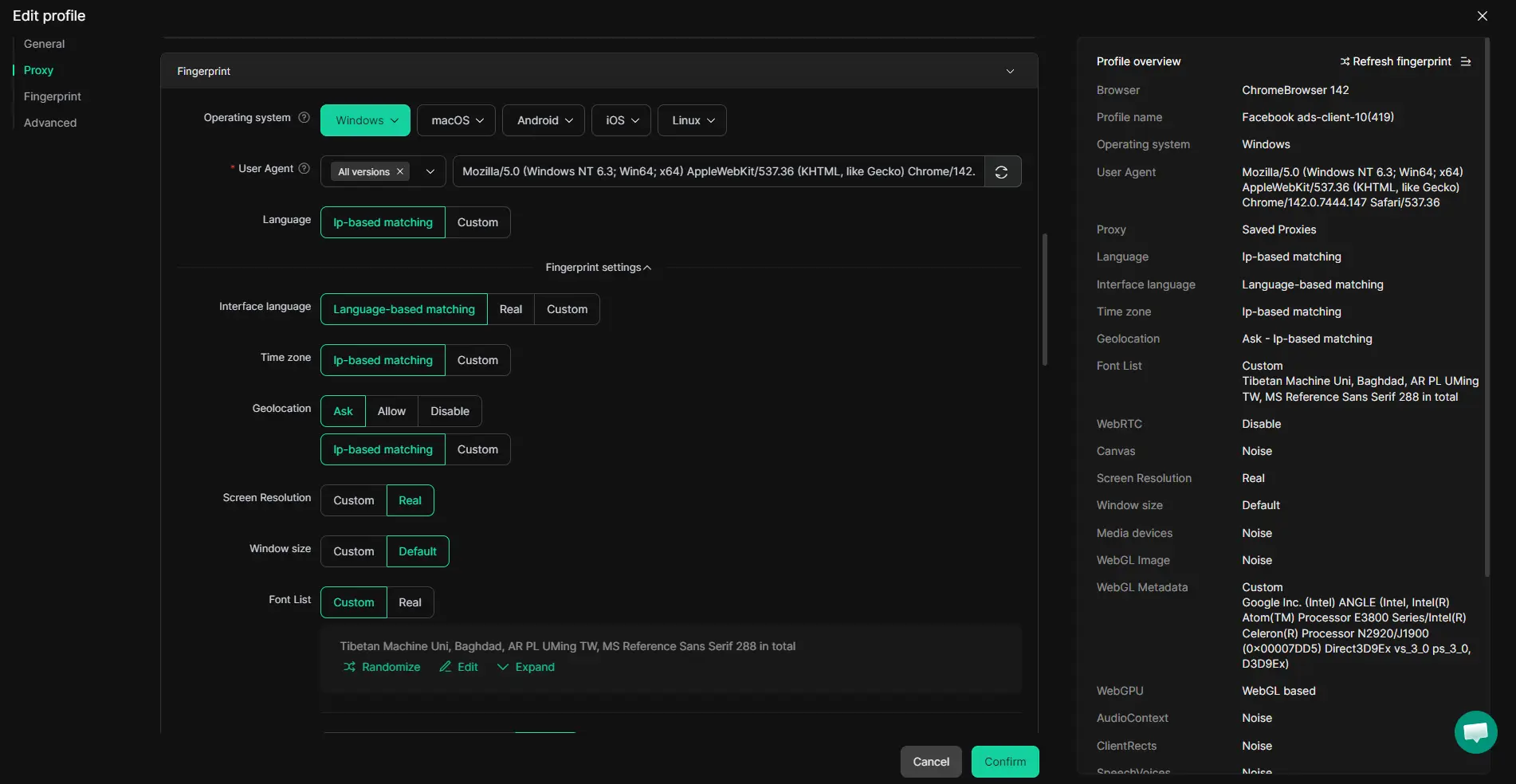
Isolated Browser Profiles & Custom Fingerprint Settings for Verified Depop Accounts
DICloak lets you create independent browser profiles with fully customizable fingerprints. Each profile has unique browser, OS, timezone and WebRTC settings, preventing Depop from linking multiple verified Depop accounts together. Pair each profile with dedicated proxies to maintain clean identities for your Depop shop operations.
Synchronizer for Batch Operations Across Multiple Verified Depop Accounts
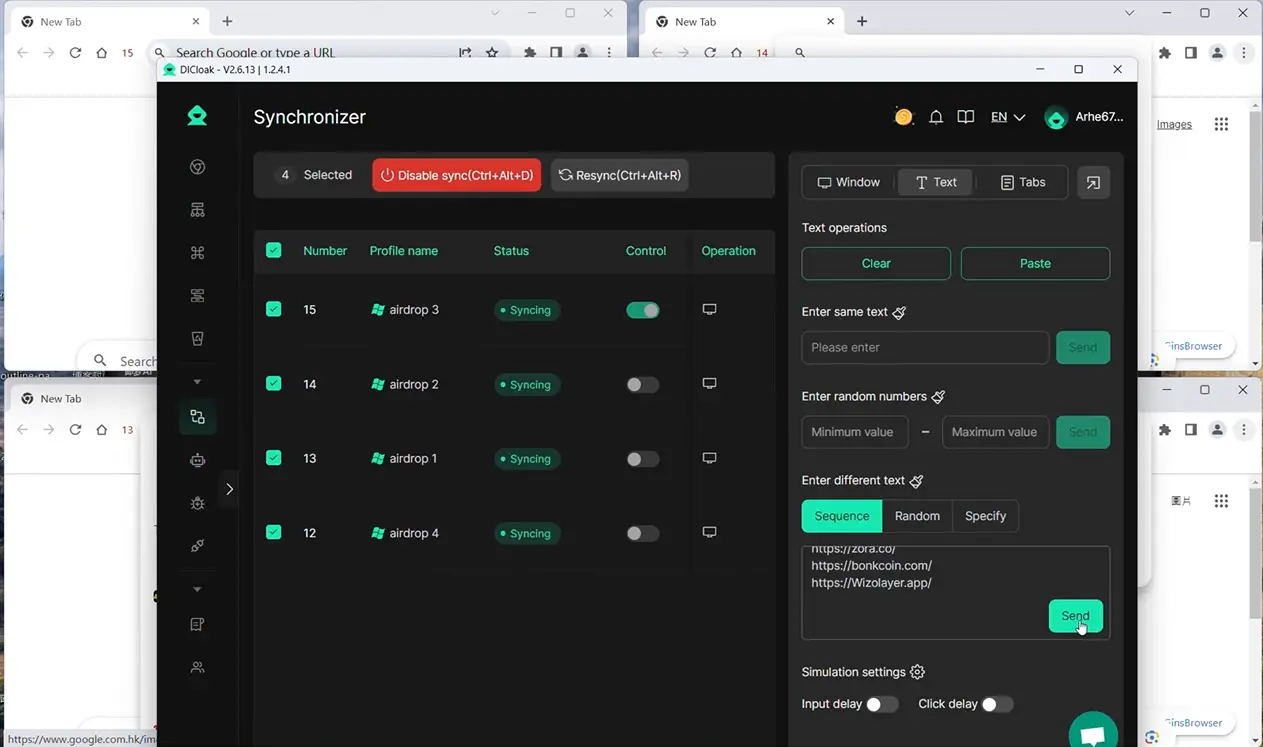
Use DICloak’s Synchronizer tool to send URLs, text inputs and simulate clicks across all selected verified Depop account profiles at the same time. You can bulk open Depop pages, input listing content, and mimic human browsing behavior with adjustable input and click delays, saving massive time when running multiple Depop stores.
Team Collaboration & Batch Profile Management for Verified Depop Accounts
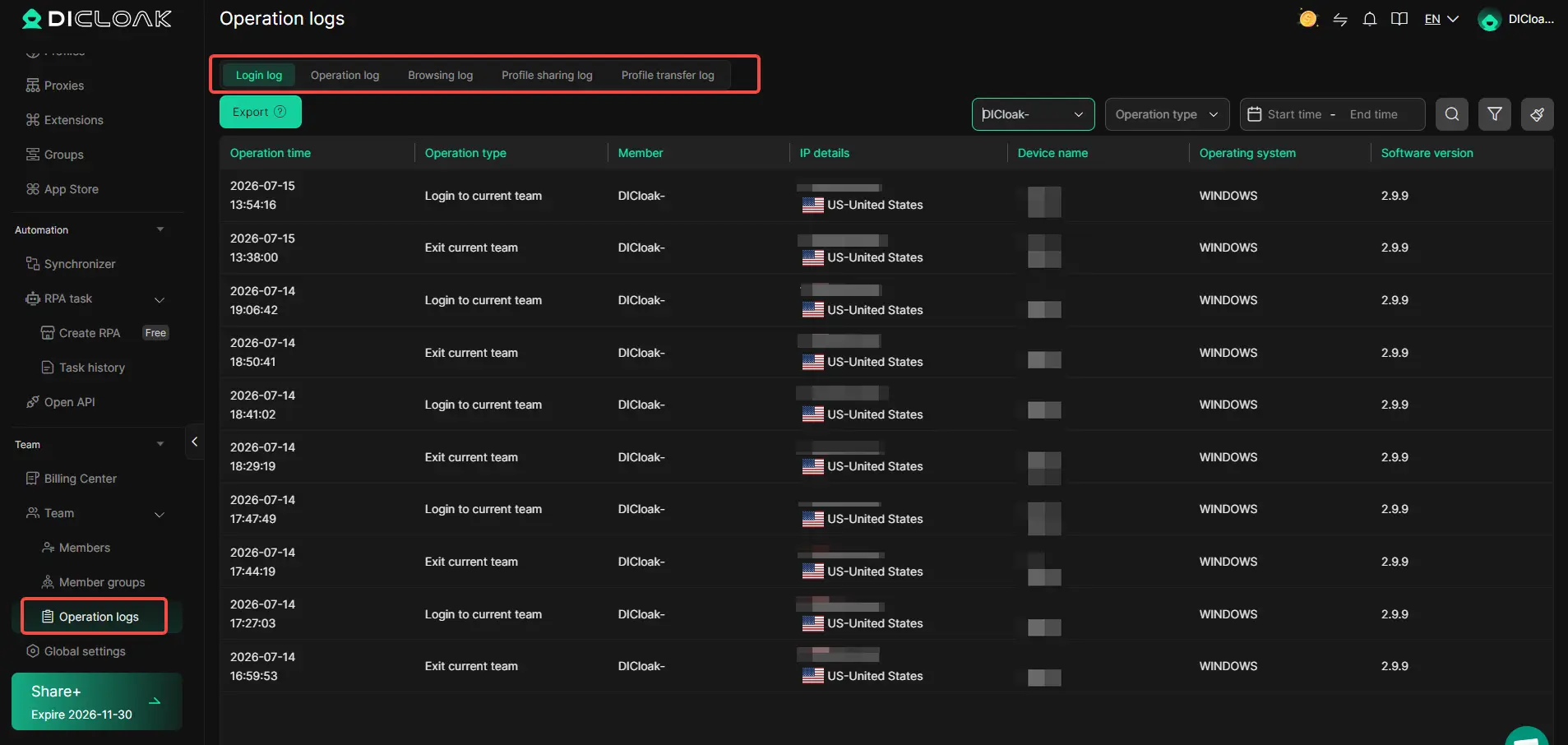
DICloak supports bulk selection, group management and profile sharing/transfer for verified Depop accounts. You can assign team member permissions, batch open or close Depop profiles, export operation logs, and separate access rights so your team can safely manage multiple verified Depop accounts without cross-account contamination.
FAQs About Verified Depop Accounts for Sale
What does Verified Depop Accounts for Sale mean?
Verified Depop Accounts for Sale refers to Depop seller accounts that are verified and ready to sell products. It does not mean Depop accounts that are being sold to other users.
Do Verified Depop Accounts for Sale always have a verification badge?
No. A seller can complete identity and payment verification without having a public verification badge. The visible badge is mainly used for certain Top Sellers, brands, and notable accounts.
Can Verified Depop Accounts for Sale help resellers get more sales?
They can help create a more complete setup for selling and receiving payments, but they do not guarantee higher sales. Product quality, pricing, reviews, photos, and customer service still matter most.
Can Verified Depop Accounts for Sale still be suspended?
Yes. A verified account must still follow Depop's rules. Policy violations, suspicious activity, or prohibited listings can still lead to restrictions or suspension.
What should resellers check when using Verified Depop Accounts for Sale?
Check identity details, payment information, bank details, email access, and recovery information. Resellers should also review ratings, disputes, refunds, and policy issues before scaling the shop.
 Web Proxy Tools
 Free Tools
 Cookie Plugin
 UA Generator
 MAC Address Generator
 IP Generator
 IP Address List
 2FA Code Generator
 World Clock
 Anonymous Check
 WebRTC Leak Test
 UUID Generator
 Free Web Proxy Site
 Proxy Checker
 FB Ad Checker
 AI Web Scraping
 Free SMM Tools
 Twitter Shadowban Checker
 Instagram Name Checker
 UTM Generator
 Username Generator
 AI Hashtag Generator
 LinkedIn Headline Generator
 Social Media Image Resizer