Ticket scalpers have become a major force in the ticketing industry, exploiting high-demand events to resell tickets at inflated prices. While some see scalping as a profitable business, it raises significant concerns for both fans and event organizers. In this article, we will explore how ticket scalpers operate, the tactics they use, and their impact on the market. We’ll also discuss the legal and ethical issues surrounding ticket scalping and offer best practices for those looking to navigate this complex field. Whether you're a buyer, seller, or industry player, understanding these dynamics is crucial to making smarter, fairer choices in the world of ticket sales.
What Are Ticket Scalpers?
Ticket scalpers are individuals who buy tickets to events and resell them at a higher price. They often use bots to purchase large quantities of tickets quickly. Scalpers then sell these scalpers tickets for a profit, especially for popular events like concerts and sports games. This practice makes it difficult for regular fans to get tickets at face value.
Ticket scalping dates back to the 1800s, starting with railway tickets. Over time, it spread to concerts and sports events. In the 1960s and 1970s, rock concerts became hotspots for scalping. Today, scalpers mostly use online bots to grab tickets in bulk. Laws like the Better Online Ticket Sales Act try to reduce scalping, but the problem remains prevalent.
How Ticket Scalpers Work?
After we learn what ticket scalpers are and how they impact fans, it helps to know how ticket scalpers actually work. Ticket scalpers use different tactics to buy tickets fast and in large amounts. Many of these methods make it hard for everyday fans to get tickets at fair prices.
Automated Bots and Their Role
One big tool for modern ticket scalping is software called bots. Bots are programs that can act like real people online, but much faster. These bots watch ticket sites and refresh pages again and again. Once tickets go on sale, bots fill in forms and check out before humans can finish typing. Some reports show that bots make up a large part of the traffic to ticket sale pages, grabbing tickets before most real buyers can even log in. This means ticket scalpers often have a big stock of tickets right after a sale starts.
Exploiting Pre‑Sale Opportunities
Often, ticket sellers offer pre‑sale access before public sales. Pre‑sales are meant for fan clubs, credit card holders, or newsletter subscribers. Ticket scalpers try to join these early sales to get tickets ahead of others. Scalpers may sign up for many fan clubs or use leaked codes from forums. Once they get early access, they buy large blocks of tickets. Then they resell them at much higher prices. Because this happens before the general public even sees the sale, real fans have no chance to compete.
Bulk Purchases and Multiple Accounts
Scalpers also use multiple accounts to buy tickets in bulk. Ticket sites usually limit how many tickets one person can buy. But scalpers create many accounts so they can buy more than normal limits allow. They may use fake emails and phone numbers to create these accounts. Then they use bots to log in all accounts at the same time. This lets scalpers collect more tickets than regular buyers. Once they have many tickets, they list them on resale sites for a big profit.
Insider Connections in the Industry
Some scalpers get help from people inside the ticket business. These can be ticket brokers, promoters, venue staff, or even agents. They may get early access, seat holds, or codes that are not public. This inside help lets scalpers buy premium tickets before normal fans know about them. For example, some scalpers form deals with sponsors or team executives to get large blocks of seats. Then scalpers resell these sought‑after seats at high prices online or offline.

Psychological Tactics Used by Ticket Scalpers
After we learned how ticket scalpers work and the tools they use, it’s important to understand the psychological tactics behind their success. Scalpers are not just using bots and networks — they also play on strong human feelings. These feelings make buyers act fast or pay more than they planned. Understanding these tactics can help real fans avoid traps and make smarter choices when buying tickets.
The Fear of Missing Out (FOMO)
FOMO is one of the strongest tactics ticket scalpers use. They create a sense of urgency by making buyers believe tickets are running out fast. Phrases like “Limited tickets left!” or “Almost sold out!” push fans to buy quickly, often at high prices, out of fear they might miss out. For example, a hot concert may see scalpers selling tickets with labels like “Last chance” to make buyers act fast.
Creating Urgency and Time Pressure
Scalpers often use time pressure to drive sales. Words like “Limited time offer” or countdown clocks make fans feel they need to act quickly. For instance, showing that “10 people are viewing this ticket” can make buyers fear they’ll miss out, leading them to buy at inflated prices.
Price Manipulation Strategies
Price manipulation is another common tactic. Scalpers use price anchoring by listing high prices first, making a later lower price seem like a good deal. For example, a $500 ticket marked down to $450 might appear as a bargain, even though it’s still much higher than the original price.
The Broader Ecosystem of Ticket Scalping
After we learned about the psychology behind ticket scalpers and how they influence buyers, it’s important to look at the bigger system around the resale market. Ticket scalping doesn’t happen in a vacuum. Big companies, artists, promoters, and resale platforms all play roles that shape how tickets are bought and resold. These forces affect fans, prices, and even how events are planned.
Corporate Involvement in Resale Markets
Big companies, like StubHub and Vivid Seats, play a major role in ticket resale. These platforms often work with sports teams and artists to sell tickets, but they also allow ticket scalpers to list tickets at high prices. While they provide convenience, they can also benefit from inflated prices. For example, Ticketmaster has faced lawsuits for enabling scalpers to profit off inflated ticket prices.
Artist and Promoter Perspectives
Artists and promoters are concerned about ticket scalping because it prevents fans from getting tickets at fair prices. Some, like Taylor Swift’s team, use systems like "Verified Fan" to give real fans early access to tickets. This reduces scalper activity and ensures loyal fans get tickets at reasonable prices.
The Role of Resale Platforms
Resale platforms are central to the scalping ecosystem. While some work with event organizers to limit price manipulation, others allow scalpers to set prices freely, leading to inflated costs. Platforms like CashorTrade aim to give fans fair access by promoting fan-to-fan exchanges at lower prices.
These players — companies, artists, promoters, and platforms — all influence how ticket scalping works and affect ticket prices for fans.
How Ticket Scalpers Operate Online?
After we looked at the big system around ticket scalping, it helps to see exactly how ticket scalpers work online. In the digital world, scalpers use tools and tricks to get tickets before regular fans. These online actions make it harder for real buyers to get fair‑priced tickets and help scalpers profit from high demand events. Tools like DICloak can be used to mask browser fingerprints and create multiple accounts, helping scalpers avoid detection and maximize profits.
1. Target High‑Demand Events
Ticket scalpers focus on high-demand events like concerts, major sports games, or festivals. These events sell out fast, which means scalpers can resell tickets at much higher prices. For example, a hot concert like Taylor Swift’s or a major sports event like the Super Bowl is a prime target for scalpers looking to make big profits. The greater the demand, the higher the price scalpers can charge later.
2. Use Bots and Automation
Scalpers often use bots to buy tickets quickly before regular buyers can get them. These bots are automated programs that can fill out forms and complete purchases in seconds, far faster than any human could. Scalpers use these tools to grab as many tickets as possible, often leaving real fans without a chance. Tools like DICloak can also help mask activity, making it harder for ticket sites to track and block scalpers.
3. Leverage Multiple Accounts
To avoid limits on the number of tickets a single person can buy, scalpers use multiple accounts. They may create fake identities and use different devices or IP addresses to bypass restrictions. Some scalpers also use tools to mask their browser fingerprints, making it harder for ticket sites to detect and block them. By creating many accounts, they can increase their chances of purchasing large quantities of tickets.
4. List Tickets on Reputable Platforms
After purchasing tickets, scalpers often list them on trusted resale platforms like StubHub, eBay, or SeatGeek. These sites are popular and trusted by buyers, which makes it easier for scalpers to resell tickets at a higher price. While these platforms help buyers feel secure, they also provide an easy way for scalpers to profit from their tickets. Buyers may not realize they are paying much more than the original ticket price.
5. Stay Anonymous
Scalpers often take steps to remain anonymous online. By using proxies and tools that hide their location or device information, they can avoid being detected by ticket platforms. Using tools like DICloak helps mask browser fingerprints and prevents scalpers from being flagged, allowing them to continue their activities without drawing attention.
6. Monitor Price Trends
Smart scalpers keep an eye on ticket prices after they’ve been purchased. They track price changes on resale platforms and adjust their listings accordingly. If prices rise, they increase their ticket prices to match the demand. If prices fall, they may lower their own prices to ensure quicker sales. By constantly monitoring market trends, scalpers can make sure they’re always getting the best possible price for their tickets.
By using these tactics, ticket scalpers can stay ahead in the market and continue to profit, while real fans are left with higher prices and fewer opportunities to buy at fair rates. Understanding these methods, along with tools like DICloak, helps buyers recognize unfair practices and make smarter decisions.
Legal and Ethical Considerations Surrounding Ticket Scalpers
Current Legislative Efforts Against Scalping
Laws like the Better Online Ticket Sales (BOTS) Act aim to stop ticket scalping. This law makes it illegal to use bots to buy tickets in bulk. The FTC can fine scalpers caught using these bots. Some states, like New York, also have laws to limit ticket resale prices, protecting fans from inflated costs.
Consumer Protection Measures
Consumer protection laws require clear ticket pricing, including fees, to help buyers avoid surprises. Some laws also ensure that tickets sold on resale platforms are valid and refundable if canceled or fake. These protections make it safer for fans to buy tickets online.
Ethical Implications of Scalping Practices
Even when legal, ticket scalping is often seen as unfair. Scalpers use bots to snatch up tickets and resell them at much higher prices, leaving real fans without access to affordable tickets. Many argue this practice hurts the entertainment community and limits fairness, sparking calls for ethical ticketing that prioritizes fans over profits.
The Risks of Working as a Scalper
Ticket scalping may seem profitable, but it carries significant risks, including legal penalties, financial losses, and reputational damage.
- Legal Penalties and Fines
Scalpers can face legal trouble, especially if they use bots to buy tickets. Laws like the BOTS Act in the U.S. make using automated software to purchase tickets illegal, leading to hefty fines and legal actions. In some regions, scalpers can face fines up to 50 times the ticket price.
- Criminal Charges and Enforcement Actions
Scalping can result in criminal charges in some countries, especially when fraud is involved. Police crackdowns on professional scalpers using bots or insider information can lead to arrests and legal consequences.
- Financial Losses and Business Risks
Scalpers may face financial loss if laws change or their accounts get banned. Investments in bots or fake accounts can be wasted if they are no longer able to resell tickets, making scalping a risky business.
Scalpers can suffer damage to their reputation, as their actions may be seen as unethical. This can make it difficult to build trust in personal and professional relationships.
Scalpers are also at risk of being scammed by fraudulent buyers. Stolen payment methods and chargebacks can lead to financial losses.
Best Practices for Ticket Scalpers
If you choose to engage in ticket scalping, here are some best practices to help you stay legal and avoid trouble.
- Follow Local Laws and Platform Rules: Ensure you understand the resale laws in your region. Different states and countries have specific rules about markup prices and licensing. Stay compliant to avoid fines or legal action.
- Use Reputable Resale Platforms: Sell on trusted sites like StubHub and SeatGeek to protect yourself and buyers. These platforms verify tickets before payments, reducing the risk of fraud.
- Be Honest About Your Tickets: Provide accurate details for your tickets, including price and seat location. Misleading listings can lead to disputes and platform bans.
- Price Tickets Fairly: Avoid excessive markups, as it can slow sales and attract complaints. Price tickets within reason to maintain a good reputation and avoid legal trouble. (xtix.ai)
- Stay Anonymous and Protect Your Accounts: Use tools like DICloak to mask browser fingerprints and keep your identity safe when managing multiple accounts for ticket sales.
- Avoid Bots and Fraudulent Tactics: Using bots to buy tickets in bulk is illegal and can lead to account bans. Stick to manual purchasing and respect platform rules.
- Keep Learning and Adapt: Stay informed about changes in laws, platform policies, and trends to adjust your ticket resale strategies responsibly.
Why choose DICloak Antidetect Browsers for your business?
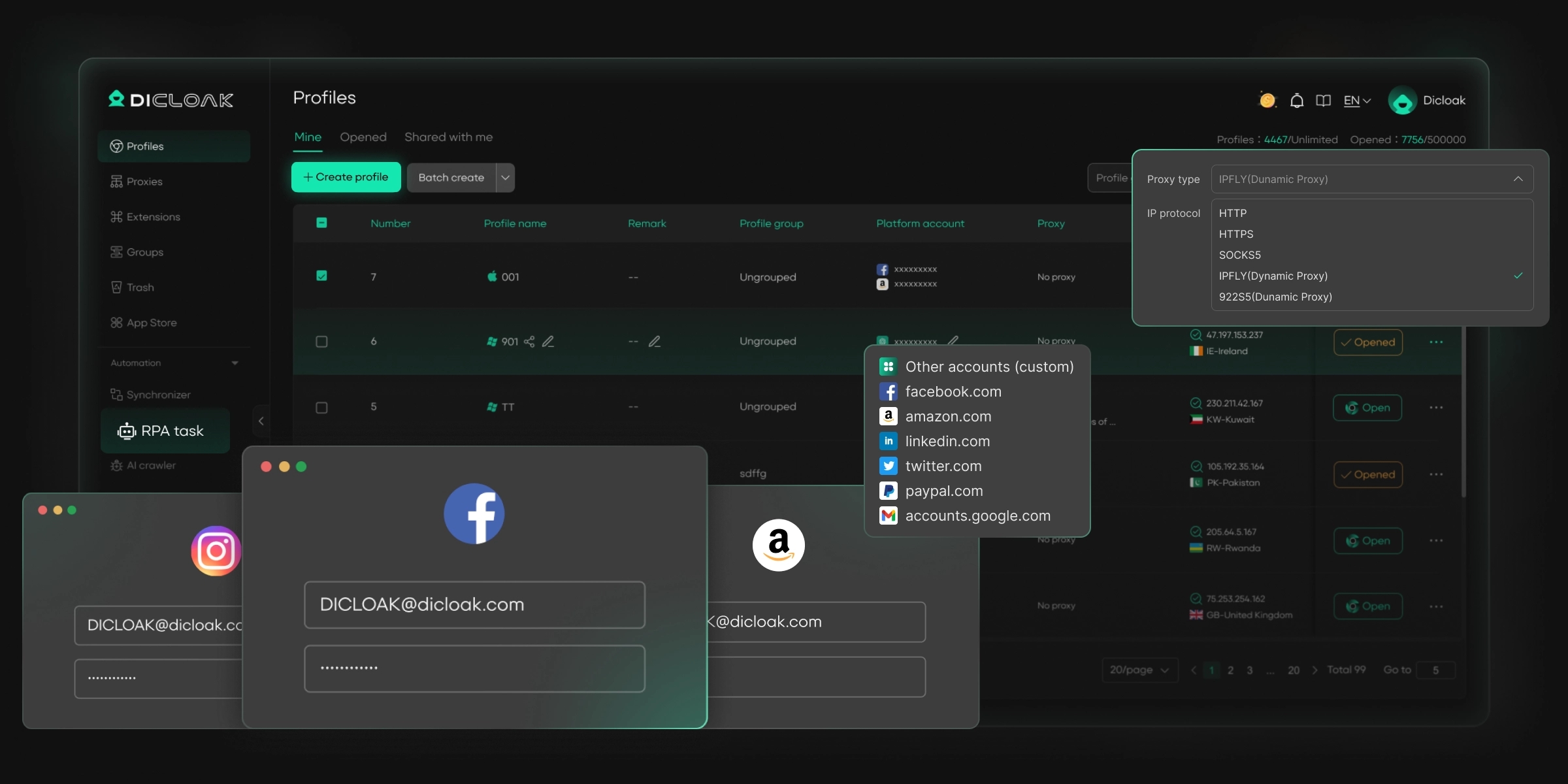
⚡The DICloak Antidetect Browser has become a global favorite for its unparalleled ability to efficiently and securely manage multiple accounts. Designed for professionals in social media management, affiliate marketing, traffic arbitrage, e-commerce, account farming, airdrops, and more, DICloak offers powerful features like RPA automation, bulk operations, and synchronizer. Additionally, it allows you to customize fingerprints and integrate proxies for each profile, ensuring top-level security and operational efficiency. It’s the ultimate tool for seamless, secure, and scalable operations.
What Makes DICloak Stand Out?
✅ Manage 1,000+ Accounts on One Device: Stop wasting money on extra hardware! DICloak allows you to manage multiple accounts on a single device, cutting costs and boosting efficiency.
✅ Guaranteed Account Safety, No Ban Risks: Every account gets its own isolated browser profile with custom fingerprints and IPs, drastically reducing the risk of bans. Your accounts, your control!
✅ Flexible Proxy Configuration for Maximum Performance: Seamlessly integrate with all major proxy protocols (HTTP/HTTPS, SOCKS5) and manage your proxy pool with bulk operations. No more struggling with IP management—DICloak has you covered.
✅ Streamlined Team Collaboration for Better Results: Easily manage your team with advanced tools like profile sharing, permission settings, data isolation, and operation logs. Your team works smarter, not harder.
✅ Automate the Grind with RPA: DICloak's built-in RPA saves you hours of manual work. Automate repetitive tasks, streamline workflows, and focus on what really matters—growing your business.
✅ Powerful Bulk Tools to Scale Your Operations: Create, import, and launch multiple browser profiles in one click. DICloak makes scaling your business as easy as it gets.
✅ Compatible with All Major Operating Systems: Based on the Chrome core, DICloak supports simulating Windows, Mac, iOS, Android, and Linux operating systems. No matter what platform you need, DICloak has you covered.
🔗 Ready to Get Started?
Visit the DICloak website to explore more details and choose the plan that’s right for you. Start for free today and experience the power of secure, efficient, and scalable multi-account management!
Conclusion
In conclusion, ticket scalpers play a significant role in the ticketing market, often using sophisticated methods like bots, multiple accounts, and psychological tactics to profit from high-demand events. While ticket scalping is not always illegal, it brings about various risks, including legal consequences, market instability, and ethical concerns. Fans are often the biggest losers, facing inflated prices and limited access to tickets.
To navigate this market safely, ticket scalpers must follow local laws, use reputable platforms, and employ ethical practices. Additionally, tools like DICloak Antidetect Browsers can help scalpers remain anonymous and avoid detection, ensuring smoother operations without risking account bans.
By understanding these dynamics, all parties — from scalpers to fans — can make more informed decisions in the complex world of ticket scalping.
FAQs About Ticket Scalpers
What are ticket scalpers, and how do they make money?
Ticket scalpers are individuals or groups who buy tickets to high-demand events and resell them at a higher price for profit. They typically target concerts, sports games, and other events that sell out quickly, using tactics like automated bots or multiple accounts to acquire tickets before the general public. The goal is to capitalize on the high demand and sell the tickets for a much higher price.
How do ticket scalpers use bots to secure tickets?
Ticket scalpers often use automated software, known as bots, to quickly purchase tickets before they sell out. These bots can refresh ticket pages, fill in payment details, and complete transactions in a matter of seconds, allowing scalpers to buy large quantities of tickets at once. Bots give scalpers an advantage over regular buyers who don't have the same tools.
Is ticket scalping illegal?
Ticket scalping is not always illegal, but it is heavily regulated in many places. Some regions have laws like the BOTS Act in the U.S., which makes it illegal to use bots to buy tickets for resale. Other areas impose restrictions on how much a ticket can be marked up for resale. While ticket scalpers may operate legally in some markets, their actions can still be considered unethical, especially if they harm fans' ability to purchase tickets at fair prices.
How does ticket scalping impact fans and the market?
Ticket scalping can make it difficult for genuine fans to get tickets at reasonable prices. By reselling tickets at inflated prices, scalpers create artificial scarcity, making events more expensive and less accessible. This leads to frustration for fans and reduces the overall experience of attending live events. In some cases, ticket scalpers contribute to market instability by driving prices up, making tickets unaffordable for many people.
Why should ticket scalpers consider using tools like DICloak?
Ticket scalpers can face risks when managing multiple accounts or trying to hide their activities. Tools like DICloak help ticket scalpers protect their identity by masking their browser fingerprints and managing several accounts without being detected. DICloak's antidetect features ensure anonymity and help prevent account bans, allowing scalpers to operate without being flagged by ticket platforms.
 Web Proxy Tools
 Free Tools
 Cookie Plugin
 UA Generator
 MAC Address Generator
 IP Generator
 IP Address List
 2FA Code Generator
 World Clock
 Anonymous Check
 WebRTC Leak Test
 UUID Generator
 Free Web Proxy Site
 Proxy Checker
 FB Ad Checker
 AI Web Scraping
 Free SMM Tools
 Twitter Shadowban Checker
 Instagram Name Checker
 UTM Generator
 Username Generator
 AI Hashtag Generator
 LinkedIn Headline Generator
 Social Media Image Resizer