You post three videos in two days, views stall at 20–50, and For You traffic almost disappears while your followers stay active. That pattern is why people search TikTok shadowbanned in panic. The hard truth is that not every reach drop is a shadowban. Some drops come from normal ranking shifts, while others come from content eligibility limits tied to the For You recommendation system or the TikTok Community Guidelines.
Most creators lose time by guessing. They delete posts, repost too fast, or change everything at once, then they still do not know what worked. A cleaner approach is to run checks in order: account status signals, traffic source changes, content-level restrictions, and posting pattern risks. TikTok also documents violation and restriction paths in its Help Center, so you can map symptoms to likely causes instead of guessing.
You will leave with a practical checklist to confirm if reach limits are real, a recovery plan for the next 7 days, and a prevention routine that keeps future posts eligible for distribution. Start with diagnosis, because the fix only works when the cause is right.
Am I Actually TikTok Shadowbanned or Just Seeing a Normal Reach Drop?
If you think you are tiktok shadowbanned, do not change everything at once. A normal reach dip can look scary, but a real restriction leaves a clearer pattern across traffic sources and posts.
What behavior signals a real shadowbanned on TikTok pattern
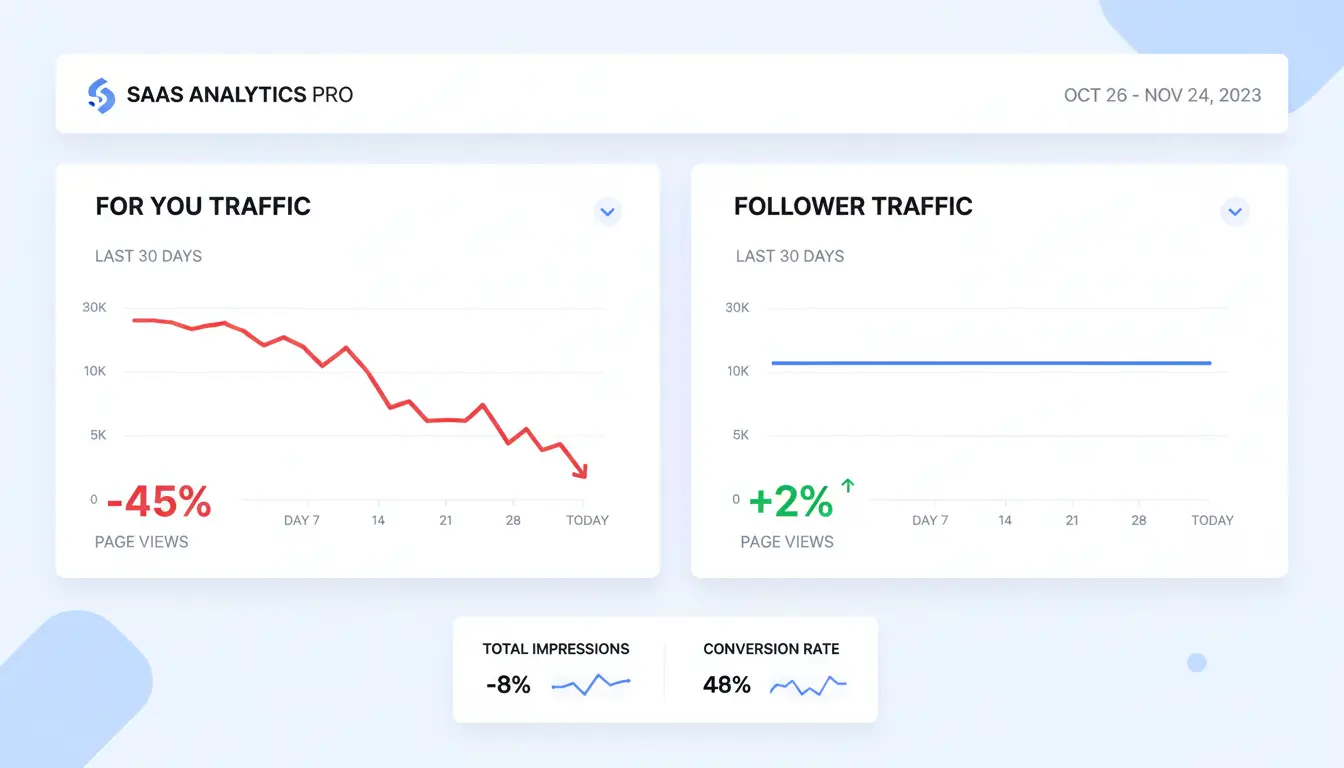 A real shadowban pattern usually hits discoverability, not your core followers. You may still get views from followers, profile visits, and DMs, while For You traffic drops across several recent posts at the same time.
| Signal |
Normal volatility |
Possible shadowban pattern |
| For You traffic |
Up and down by post |
Drops across multiple recent posts |
| Follower traffic |
Moves with content quality |
Stays more stable than For You traffic |
| Hashtag/search visibility |
Some posts rank, some do not |
New posts stop appearing in hashtag/search pages |
| Account warnings |
None |
Possible violations in account status |
Table references: TikTok recommendation system, TikTok Community Guidelines
Which metrics to check before calling it a TikTok shadowban
Use a 7-day baseline and a 30-day baseline for views, watch time, and traffic source mix. Compare recent posts with your own past, not with another creator. Then check if your post appears under its hashtag and if exact caption phrases return your video in search. Review restriction clues in content violations and bans.
Fast 24-hour TikTok shadowban self-check
Post one clean test video in your normal niche. Use original footage, neutral caption text, and simple hashtags. Do not delete or repost during the test window.
After 24 hours, check three points:
- For You traffic returns at least partially
- Hashtag/search indexing works
- New post performance stops collapsing vs your last few uploads
If all three fail again, treat it as persistent suppression and start a focused recovery plan.
Why Accounts Get Shadowbanned on TikTok: The Triggers That Matter Most
If your views drop hard and stay low, your account may look tiktok shadowbanned. The pattern usually comes from policy signals, spam-like behavior, or account-health flags.
TikTok shadowban triggers from content and policy signals
Shadowban-like TikTok limits from borderline guideline issues
Posts can stay live but still lose distribution if they sit near policy lines: risky claims, unsafe stunts, sexual cues, or misleading before/after edits. TikTok explains this in its Community Guidelines and Content Violations and Bans page.
TikTok reach limits from reused or repetitive posts
Reposting near-duplicate clips, using the same hook every day, or stitching low-change edits can lower recommendation eligibility. Watermarked reposts and copied voiceovers also hurt reach.
TikTok shadowbanned behavior patterns that look like spam
Fast action bursts that trigger moderation filters
New or inactive accounts that suddenly follow, comment, and like at high speed can trip automated checks. The same risk appears when a team runs one account with no posting rhythm.
Copy-paste engagement tactics and repeated captions
Repeated comment templates (“DM me now”, “check bio”) and forced-engagement prompts can look inauthentic. If behavior looks automated, distribution usually drops before a full penalty appears.
TikTok shadowban causes tied to technical and account health
Login and device anomalies linked to TikTok visibility drops
Frequent device swaps, unstable IP geography, and rapid login changes can look like account compromise.
Copyright and warning history that suppresses reach
Repeated audio claims or unresolved warnings stack risk over time. Check your status in TikTok Account Check.
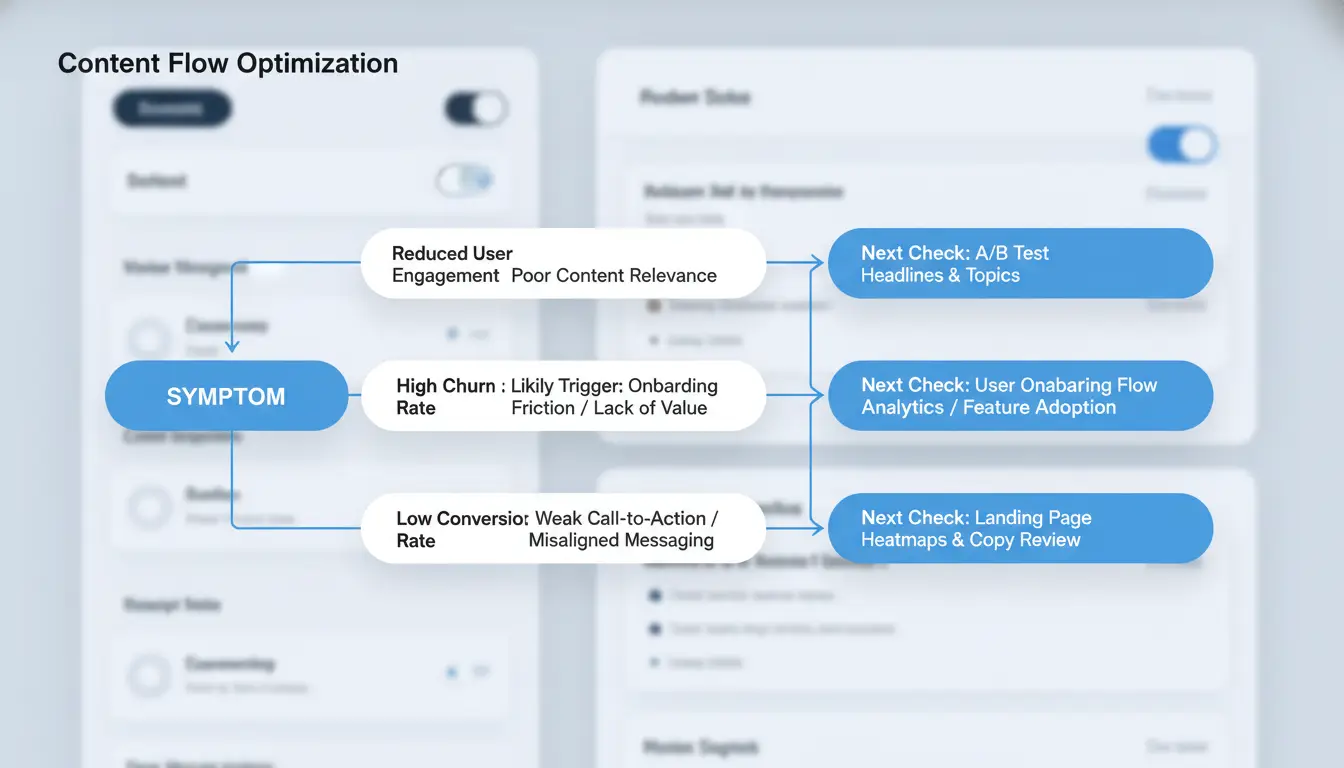
| Symptom |
Most likely trigger |
| Sudden For You drop, followers still see posts |
Borderline policy or low originality |
| Reach drops after burst activity |
Spam-like follow/comment patterns |
| Random dips after login changes |
Device/IP/login anomaly |
How to Fix a TikTok Shadowban Step by Step (First 7 Days)
If your account looks tiktok shadowbanned, do not post more to “test” reach every few hours. That usually adds noise and hides the real cause.
Day 1-2: TikTok shadowban recovery cleanup
Open your account warnings and recent post analytics. Match warning text with TikTok content violations and bans and Community Guidelines.
- Archive posts with reused clips, disputed audio, or hard policy edges.
- Remove links in bio or captions that point to blocked pages.
- Stop engagement pods, mass follow/unfollow, and any auto-like or auto-comment tools.
- Keep login behavior stable: same device, same region profile, same normal usage hours.
Change one risk area at a time, then wait 24 hours before the next change.
Day 3-5: TikTok shadowbanned posting pattern reset
Now rebuild trust signals with clean posts.
- Post 1 original video per day, 15 to 35 seconds, with clear topic focus.
- Use your own voiceover or licensed audio from TikTok Commercial Music Library.
- Keep hashtags tight: 3 to 5 tags, all directly related to the clip.
- Reply to comments in normal bursts, not in a 2-minute spam block.
- Do not delete and repost the same video if early views are low.
Day 6-7: Check TikTok shadowban status and pick next action
Use test posts to compare current distribution against your pre-drop baseline.
| Checkpoint |
Pre-drop baseline |
Day 6-7 test |
Action |
| For You traffic share (2 hours) |
Your normal range |
Near normal |
Continue current pattern |
| Non-follower reach |
Your normal range |
Still low |
Tighten topic and hook |
| Post flagged/limited notice |
None |
Present |
Appeal in-app support |
If two test posts still have near-zero For You traffic and no clear policy trigger, file a support ticket through TikTok Support.
How Long Does TikTok Shadowbanned Status Last and What Changes the Timeline?
If your account seems tiktok shadowbanned, recovery usually lands in one of three windows: 24-72 hours, 7-14 days, or 30+ days. The range depends on what triggered the limit and how often it happened. TikTok’s content violations and bans guide and Community Guidelines set the rule logic behind these timelines.
TikTok shadowban duration ranges and timeline drivers
| Pattern |
Common recovery window |
What often drives it |
| Light distribution throttle |
24-72 hours |
Borderline post, then no repeat |
| Standard visibility restriction |
7-14 days |
Repeated low-quality or risky edits |
| Prolonged TikTok reach suppression |
30+ days |
Repeated violations or aggressive repost testing |
Most delays come from repeated tests during restriction, not from one bad upload.
TikTok shadowban recovery signals that show reach is returning
Watch three signs across at least 3 new compliant posts: For You impressions rise, search/hashtag indexing returns, and views no longer stop at low early counts. Check your account notices in TikTok’s Account status flow while these signals return.
TikTok shadowbanned status: when waiting hurts and when to adjust
If 7 days pass with flat For You traffic, change your content mix and slow posting cadence. Keep one variable per post cycle: hook style, edit pace, or topic angle. Do not delete and repost the same clip in bursts. That pattern often extends restriction time.
What Usually Makes a TikTok Shadowban Worse? Common Mistakes and Myths
If you think you are tiktok shadowbanned, bad recovery moves can keep distribution limits active longer. TikTok already explains restriction paths in its Help Center and rule boundaries in its Community Guidelines.
| Harmful tactic after reach drop |
Safer move |
| Delete and repost the same clip repeatedly |
Edit hook, caption, and cover; post a fresh version later |
| Post 4–6 times in one day to “force” recovery |
Keep a steady schedule and watch retention per post |
| Copy-paste comments and stack unrelated hashtags |
Use niche tags and real replies tied to the video topic |
Myth: TikTok shadowbanned accounts recover by repost loops
Reposting the same file can look like low-value duplication. That can hurt trust signals again. Change one variable at a time so you can see what helped: stronger opening 2 seconds, clearer caption, or tighter cut.
Myth: TikTok reach suppression ends faster with heavy posting
Overposting during a restriction window can drag down average watch time and completion rate. That sends another weak signal to recommendation systems described in TikTok’s For You feed ranking overview. Controlled publishing gives each post room to gather clean engagement.
TikTok visibility drop mistakes in comments, hashtags, and trends
Spam-like comment templates and broad hashtag piles can look forced. Trend hijacking also backfires when the video topic and trend sound do not match. Keep hashtags close to your niche, and write comment replies that add context, not filler.
How to Reduce Repeated Flags When Managing Multiple TikTok Accounts
Why teams get repeated tiktok shadowbanned signals
Agencies often think they are tiktok shadowbanned when reach drops across several accounts at once. The pattern usually starts with shared devices, reused sessions, and similar posting behavior from different team members. TikTok can connect these signals, then limit distribution or trigger extra checks based on content violations and bans rules and the Community Guidelines. The safer move is account isolation, not faster reposting.
Using DICloak to reduce TikTok shadowban linkage risk
Tools like DICloak let you map each TikTok account to its own browser profile, with a separate fingerprint and dedicated proxy. You can keep cookies, login sessions, and local environments fully split, so one account’s risk signal is less likely to spread to another.
You can use a simple setup rule: one TikTok account, one DICloak profile, one proxy endpoint, one owner. That rule removes the common “mixed session” mistake teams make under deadline pressure.
| Team setup |
Cross-account risk |
| Shared browser + shared proxy |
High linkage risk |
| Isolated profile + dedicated proxy per account |
Lower linkage risk |
| Random manual switching between accounts |
Session mix-ups and repeat flags |
| Fixed profile ownership in DICloak |
Cleaner accountability |
Team controls for safer scale after a tiktok shadowbanned scare
Tools like DICloak let you set role permissions, profile sharing rules, and operation logs. This keeps interns from changing recovery email or proxy settings by accident. You can use batch actions and RPA for internal repeat steps, like profile checks or login status checks, while keeping public posting and engagement fully human.
How to Prevent Getting Shadowbanned on TikTok Again
If your notes keep saying “tiktok shadowbanned” after random posts, stop guessing and run the same system every time.
Prevent TikTok shadow ban with a pre-publish checklist
Check each draft before you post: policy risk, reuse risk, audio rights, and caption wording. Use TikTok Community Guidelines as your pass/fail sheet. If a clip covers sensitive topics, remove trigger words in on-screen text and captions, and add neutral context. For music, confirm usage rights in TikTok’s copyright policy. Save this checklist in notes so every post gets the same review.
Avoid shadowbanned on TikTok patterns with a steady cadence
Keep a fixed schedule you can maintain. Do not post in bursts, then disappear. Pattern spikes often confuse your own testing and can hurt distribution. Use formats your audience already watches to completion. Open with a clear hook in 2 seconds, then deliver one idea per video. If reach drops, do not delete and repost fast. Wait, adjust one variable, then test again on the next slot.
Monitor TikTok shadowbanned risk monthly, not only during crashes
Review account health every 30 days in TikTok Help Center enforcement guidance and your analytics. Track three alerts: warning history, For You traffic share, and post-level outliers. Set an early alert rule: if 3 posts in a row underperform from For You traffic, pause posting for 48 hours and run the checklist again.
When Should You Appeal to TikTok Support, Rebrand Content, or Start Fresh?
If you feel tiktok shadowbanned after cleanup steps, decide by time and evidence, not mood.
Signs your TikTok shadow ban needs a support appeal
Appeal when 3–5 compliant test posts over 7 days still get weak For You traffic, while follower traffic stays steady. Build an evidence pack: post dates, views at 1h and 24h, any violation notices, and removed-risk actions (caption edits, audio swaps, hashtag cleanup). Submit through TikTok Report a Problem.
TikTok shadowbanned vs content mismatch: when to rebrand
If distribution looks normal but watch time and shares stay low, you likely have a content fit issue, not moderation suppression. Change one variable at a time: hook style, niche angle, or audience pain point. Run two 5-post test batches across 10 days. Keep the direction with better completion and saves.
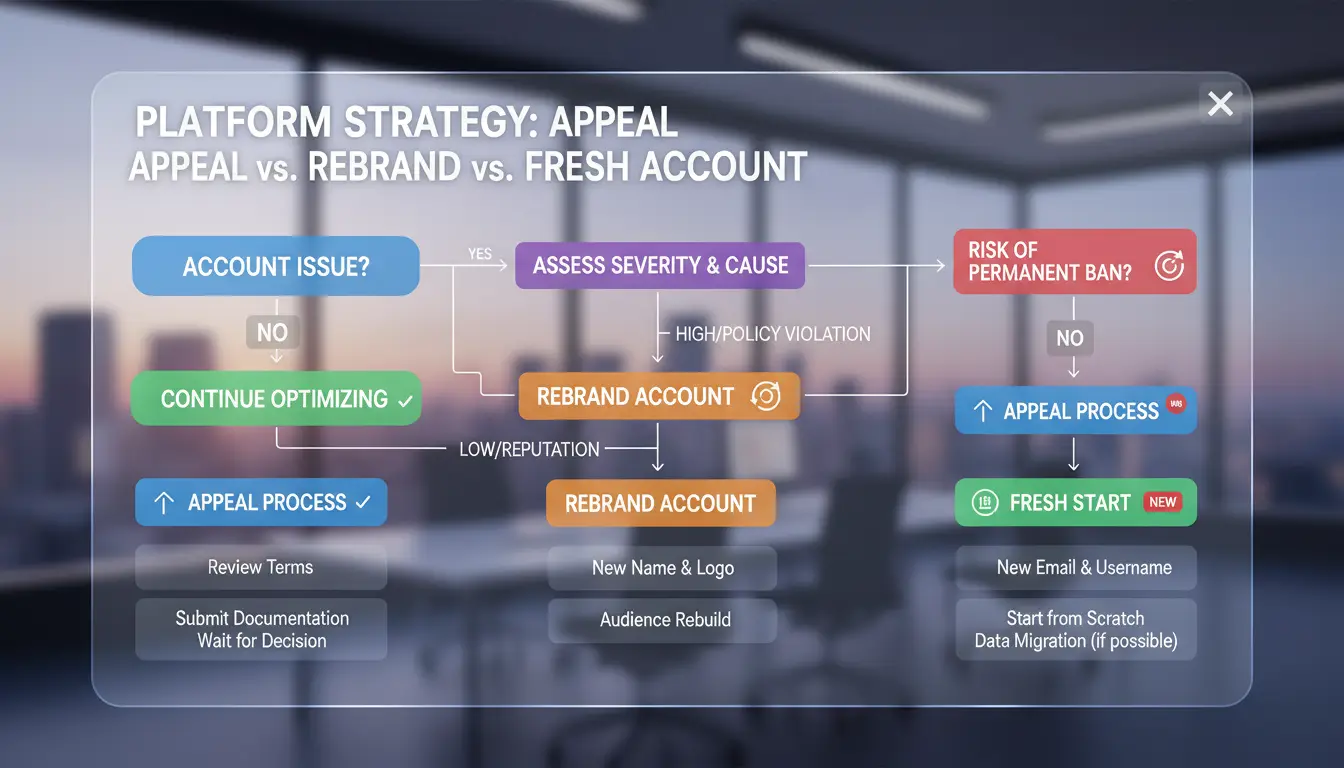
TikTok shadowban reset vs continued recovery
| Path |
Trigger |
Next 30-day move |
| Appeal |
Persistent suppression and no new violations |
Send ticket with evidence; avoid risky edits |
| Rebrand |
Reach is stable, engagement is weak |
Keep account; pivot niche/format with controlled tests |
| Start fresh |
Repeated limits plus low brand value |
Open new account; post only proven formats |
Frequently Asked Questions
Can a new account become tiktok shadowbanned after only a few posts?
Yes. A new profile can look tiktok shadowbanned fast if early posts trigger spam or policy checks. Week one should be low risk: complete your profile, post 1–2 original videos per day, avoid mass following, and do not copy captions or hashtags across every post. Keep clips clean, clear, and on one topic. Warm up engagement by replying to comments instead of pushing aggressive calls to follow or “watch till end” spam lines.
Does changing phones or logging in from many locations make me look shadowbanned on TikTok?
It can. Rapid device switches and IP jumps can look like account sharing, automation, or takeover risk. That pattern can reduce reach and make you feel tiktok shadowbanned. Use one main phone, one stable network, and log in from new places only when needed. If you travel, keep activity normal for a few days: no posting bursts, no follow/unfollow waves, and no big edits to bio, links, and username on the same day.
If I am tiktok shadowbanned on TikTok, should I stop posting completely?
Do a short reset, not a long disappearance. Pause 48–72 hours to clean up risky posts, remove questionable hashtags, and review any warnings in Account Status. Then restart with controlled test posts: one high-quality video every 24 hours for 5–7 days. Track basic signals like search views, For You impressions, and average watch time. If those improve, keep a steady schedule. Going silent for weeks often slows recovery because the system gets less fresh behavior data.
Can copyright-safe music still leave my TikTok account looking shadowbanned?
Yes. A track can be available in the app but still create problems if your usage rights, account type, or region permissions do not match. Example: a sound allowed for personal creators may be restricted for business use in some countries. That mismatch can mute reach or limit distribution. Check the sound page, your account category, and post region. For branded posts, use the Commercial Music Library or fully licensed audio, and keep proof of rights if needed.
Is being tiktok shadowbanned permanent?
Usually no. Most tiktok shadowbanned cases improve after compliance fixes and steady posting. Remove content that may break rules, stop spam-like actions, and focus on original videos with strong first 2–3 seconds. Watch trends over 2–4 weeks, not one post. Recovery is often gradual: search views return first, then For You traffic becomes more stable. Stay consistent, avoid panic edits, and keep engagement real. Accounts that follow policy and post quality content usually regain normal reach.
Getting shadowbanned on TikTok is usually a signal to audit your content strategy, posting behavior, and compliance with platform guidelines rather than a permanent penalty. The most reliable path to recovery is to remove questionable posts, post consistently with original high-retention content, and track analytics to confirm your reach is improving over time. For a practical recovery checklist, see
 Web Proxy Tools
 Free Tools
 Cookie Plugin
 UA Generator
 MAC Address Generator
 IP Generator
 IP Address List
 2FA Code Generator
 World Clock
 Anonymous Check
 WebRTC Leak Test
 UUID Generator
 Free Web Proxy Site
 Proxy Checker
 FB Ad Checker
 AI Web Scraping
 Free SMM Tools
 Twitter Shadowban Checker
 Instagram Name Checker
 UTM Generator
 Username Generator
 AI Hashtag Generator
 LinkedIn Headline Generator
 Social Media Image Resizer