Distributed teams used to buy privacy and access tools one problem at a time.
A VPN handled traffic. An antidetect browser separated browser profiles. An identity provider controlled logins. Then came proxy subscriptions, shared-password tools, device checks, and audit products. Each solved a real problem, but the combined stack created another one: too many contracts, consoles, policies, and failure points.
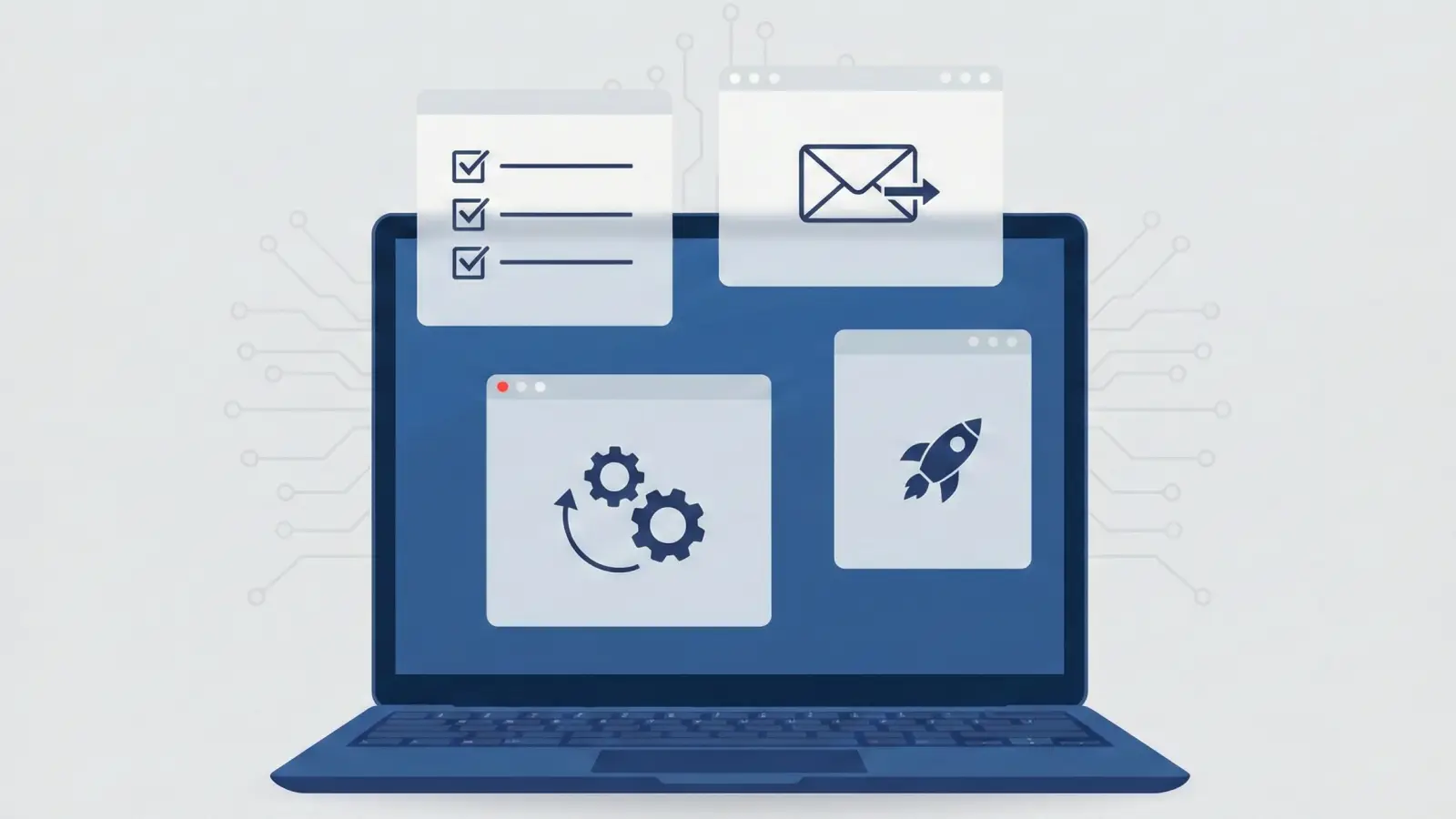
The emerging model treats browser isolation, secure routing, and identity control as one operational layer. The appeal is not simply a lower software bill. IT managers want fewer gaps between the person signing in, the browser profile being used, and the network location reaching a platform.
Three Products Became One Workflow
The layers still perform different jobs.
An antidetect browser creates isolated profiles with separate cookies, storage, and browser fingerprints. A VPN or proxy changes how traffic reaches the internet. Identity controls determine who can open a profile, which resources they can reach, and what happens when they leave the company.
Problems appear when those systems do not share context. A contractor may lose access to the identity provider but retain a browser profile. A proxy may be replaced without updating the profile assigned to it. Network and browser activity logs may sit in different consoles with no reliable way to connect them.
Gartner’s 2026 vendor-consolidation analysis argues that fragmented IT portfolios create integration debt and third-party risk. Its cybersecurity consolidation framework also warns that overlapping tools create complexity and blind spots.
That logic is reaching smaller distributed operations. Marketing teams, ecommerce operators, researchers, support groups, and QA teams often need consistent browser profiles across countries and devices. They do not want to maintain a miniature enterprise-security program to get them.
DICloak combines independent browser profiles, proxy configuration, encrypted session data, team roles, two-factor authentication, device management, and operation logs. Multilogin says its plans include residential proxy traffic, removing a separate provider and configuration step. GoLogin also places browser identity, built-in proxies, profile sharing, and team access inside one product.
This is product convergence before it becomes a formal category.
The Real Saving Is Administrative Work
Software buyers often compare subscriptions and miss the labor around them.
Every additional vendor introduces another renewal, billing owner, support queue, permission model, data-retention policy, and offboarding process. A cheaper tool can still cost more if IT spends hours reconciling users and investigating inconsistent settings.
Cloudflare describes the same problem at enterprise scale. Its 2026 Cloudflare One updates present networking, identity-aware access, browser controls, and data protection as one system instead of a chain of separate services. Customers can begin by replacing maintenance-heavy VPN access, then expand into DNS filtering, application access, and data controls.
Tailscale provides another signal. The company reported 5,000 paying teams and more than 10 million connected devices, with over half of those customers added during the prior year. Its Mercury case study shows the administrative problem clearly: the fintech company replaced a traditional VPN that could not scale granular access as its workforce grew from 240 to more than 1,000 people.
The common purchase is not “privacy” in the abstract. It is controlled access for people working from different locations and devices across accounts that cannot be treated as interchangeable.
When that workflow needs custom integrations, policy design, or migration support, the shortlist should favor firms known for their technical expertise. Joining browser, network, and identity controls badly can create a cleaner invoice while leaving the same gaps underneath.
Consolidation Can Also Hide Risk
One platform is easier to operate, but it concentrates trust.
If the vendor manages browser profiles, routing, credentials, and permissions, an outage or account compromise has a wider effect. Buyers need to know where session data is stored, how encryption is handled, whether audit logs can be exported, and how quickly access can be revoked.
Antidetect tools deserve particular scrutiny because features that support legitimate account separation, regional testing, and privacy research can also be abused to evade platform rules. A business deployment should have a documented use policy, named owners, least-privilege permissions, and a review process for new profiles.
The bundle should be judged on controls, not feature count.
A procurement review should ask:
- Can the platform enforce SSO or strong two-factor authentication?
- Are roles granular enough to separate users from administrators?
- Can browser profiles and network routes be revoked together?
- Are logs exportable to the company’s monitoring system?
- Does the vendor explain data retention and incident response?
- Can the business export its data and configurations?
A product that combines three weak layers is not a privacy stack. It is one large point of failure.
One Line Item Needs One Owner
The consolidated model works best when one internal team owns the workflow.
For smaller companies, that may be an IT lead working with security and operations. Larger groups may split policy ownership from daily profile administration. Procurement should avoid the old pattern where marketing buys the browser, IT buys the VPN, and security discovers both after an incident.
Start by mapping users, profiles, locations, applications, and permissions. Pilot the stack with one team, test offboarding, simulate a lost device, and confirm that the logs tell a complete story.
The move toward bundled privacy tools reflects a simple truth: distributed work turned browser identity, network access, and account permissions into one connected problem.
Buyers increasingly want one product owner, one policy layer, and one renewal conversation to match it. The winning bundle will not be the one that hides the most signals. It will be the one IT can understand, govern, and shut down cleanly when something goes wrong.
 Web Proxy Tools
 Free Tools
 Cookie Plugin
 UA Generator
 MAC Address Generator
 IP Generator
 IP Address List
 2FA Code Generator
 World Clock
 Anonymous Check
 WebRTC Leak Test
 UUID Generator
 Free Web Proxy Site
 Proxy Checker
 FB Ad Checker
 AI Web Scraping
 Free SMM Tools
 Twitter Shadowban Checker
 Instagram Name Checker