Affiliate payouts can swing wildly between platforms. For example, a single ClickBank launch in 2025 netted one marketer $24,000 in commissions, while a JVZoo campaign for a similar offer paid out less than $4,000, mainly because JVZoo lets vendors set their own rates, and ClickBank sticks to fixed structures. That kind of gap forces marketers to dig deeper into the real jvzoo vs clickbank differences before picking a platform.
Most guides lump both under “top affiliate networks,” but the day-to-day pain points, like delayed payments, manual product approvals, or refund rates, can make or break your workflow. You’ll notice that JVZoo’s instant payout feature appeals to risk-takers, while ClickBank’s refund protection gives vendors more control. The real divide in any jvzoo vs clickbank comparison isn’t just about commissions. It’s about how each handles fraud, account stability, and support for high-traffic launches. That’s why marketers on Warrior Forum and Affilorama keep asking which platform is safer for scaling campaigns.
So, if you’re tired of vague lists and want concrete answers, this guide breaks down clickbank vs jvzoo with real scenarios, payout tables, and practical risk checks. The next section shows which account setup steps matter most for avoiding hidden traps.
What Should You Check First Before Choosing JVZoo or ClickBank?
Anyone comparing JVZoo vs ClickBank should focus on account setup details, not just commission claims. The real differences show up when your product hits the approval queue, payout day, or faces refund disputes. If you ignore these, you risk getting stuck with a locked account or a payout you can’t access. Here’s what you need to check before you pick a platform.
Which Product Types Are Allowed (and Which Get Rejected)?
Not every product passes both platforms’ filters. JVZoo is more lenient with digital info products, software, and plugins, but blocks physical goods. ClickBank lets you list digital, physical, and hybrid offers, but flags anything in restricted niches like adult, gambling, or “make money fast.” Both have strict compliance checks, especially for health, supplements, and financial claims.
If you’re launching a SaaS, JVZoo works better. For supplements or physical books, ClickBank is the safer bet. But in a jvzoo vs clickbank comparison, the deal-breaker is niche compliance. Many vendors get rejected for missing proof of claims or failing FTC rules. Always check the ClickBank Allowed and Restricted Products and JVZoo Compliance Guidelines before applying.
| Platform |
Digital Only? |
Physical Allowed? |
High-Risk Niche Policy |
| JVZoo |
Yes |
No |
Strict |
| ClickBank |
Yes |
Yes |
Very Strict |
How Do Payouts and Payment Methods Compare?
Payouts are where JVZoo and ClickBank differences get real. JVZoo offers instant PayPal payments, if you pass their seller trust checks. ClickBank batches payouts weekly or biweekly, with a $10 minimum for direct deposit, $50 for checks, and supports wire transfer. Crypto isn’t an option on either platform.
For affiliates, JVZoo’s instant payout is tempting, but many face delays if their account is new or flagged. ClickBank is slower, but more predictable. If you need fast cashflow, JVZoo can work, as long as you have a verified PayPal. For larger launches, ClickBank’s refund protection and stable payout schedule matter more.
| Platform |
Instant Payouts |
PayPal |
Bank Transfer |
Crypto |
Minimum Threshold |
| JVZoo |
Yes (sometimes) |
Yes |
No |
No |
Varies |
| ClickBank |
No |
No |
Yes |
No |
$10–$50 |
Missing these payout or product fit checks is the fastest way to lose time or money, always review them before signing up.
Why Do Affiliates and Vendors Choose One Platform Over the Other?
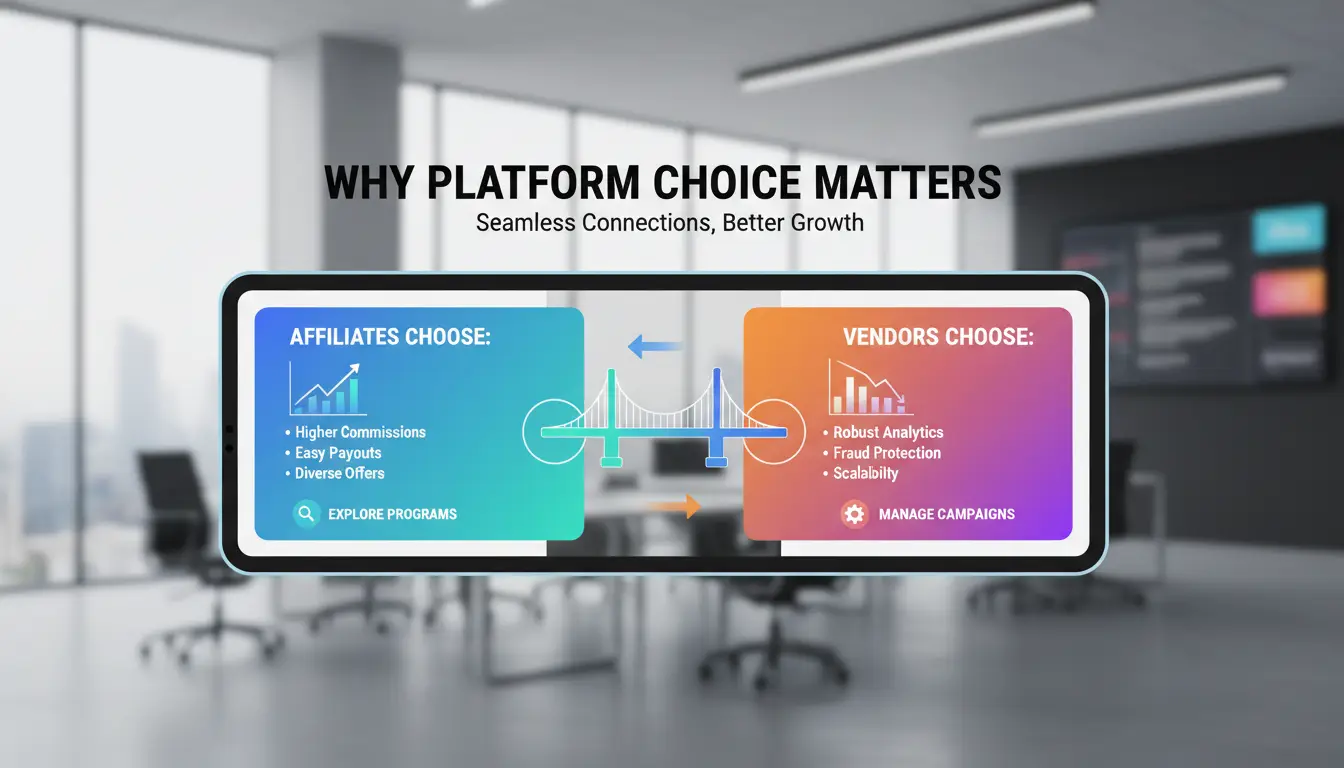
Choosing between JVZoo and ClickBank is rarely about brand loyalty. Affiliates and vendors weigh real differences in how fast they get paid, what they can sell, and how much help they’ll get when problems hit. The main jvzoo vs clickbank question comes down to which platform actually fits your workflow and risk level.
What Makes JVZoo Attractive for Digital Marketers?
Instant commissions set JVZoo apart. With PayPal integration, affiliates often get paid seconds after a sale, this speed matters for marketers who funnel profits straight into new campaigns. Vendors who launch software or info products in the IM (internet marketing) space also find JVZoo’s marketplace more targeted. The platform rarely requires manual affiliate approvals, so launches can scale fast. Compared with ClickBank, JVZoo’s dashboard is built for quick tweaks and real-time tracking. The catch: fast payouts mean more risk if you’re not careful with refund rates or fraud checks.
| Feature |
JVZoo |
ClickBank |
| Payout Speed |
Instant (with PayPal) |
Weekly (bank transfer) |
| Product Focus |
IM/software |
Broad (health, biz) |
| Affiliate Approval |
Often auto-approve |
Manual for some offers |
Table: JVZoo vs ClickBank core features (JVZoo, ClickBank) 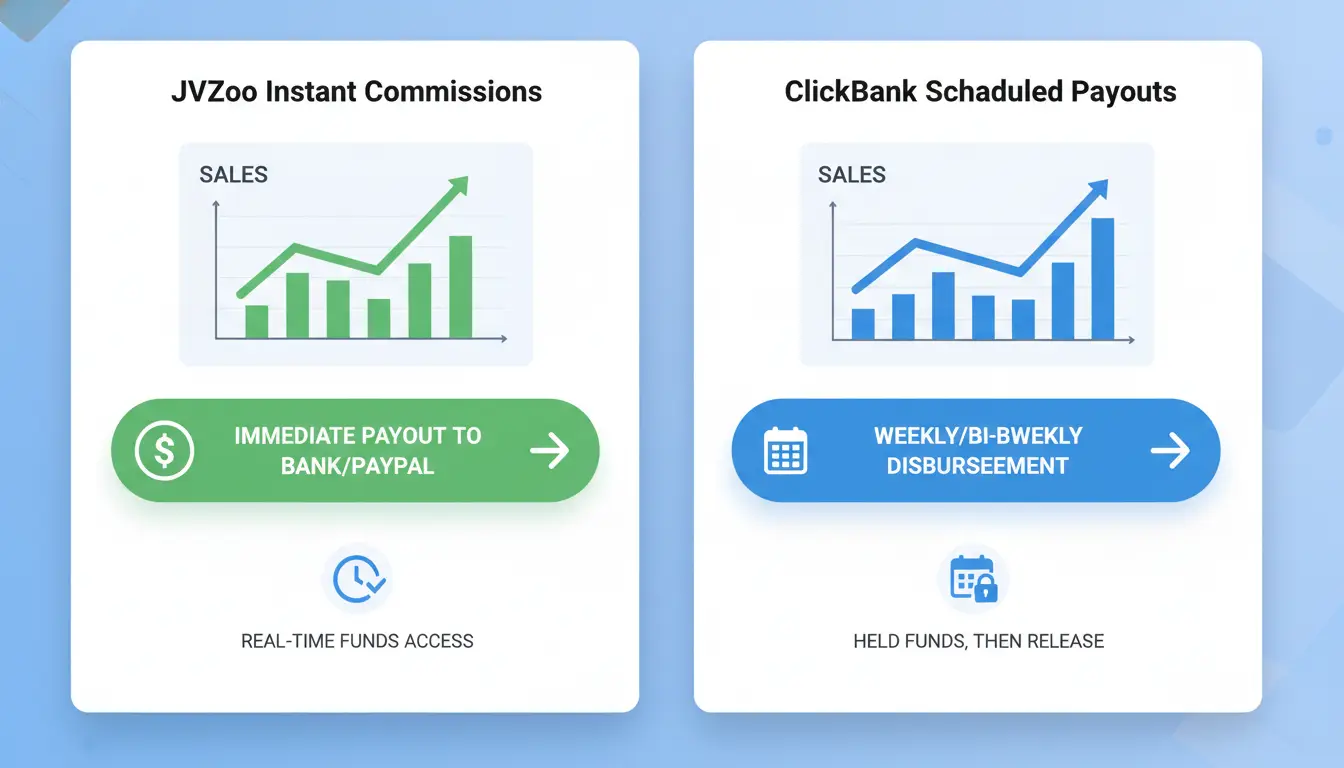
Why Do Some Prefer ClickBank’s Marketplace?
ClickBank’s marketplace is bigger and less niche-focused. Affiliates get access to thousands of offers in health, fitness, finance, and more, not just IM tools. For new affiliates, ClickBank’s approval process is simpler, most offers are open without extra checks. Vendors with physical or recurring products often lean toward ClickBank for its built-in tax handling and global reach. In any clickbank vs jvzoo comparison, ClickBank stands out for its refund support and reputation for stability, which matters for longer-term projects.
When Does Platform Support or Community Make a Difference?
Problems can stall earnings fast. JVZoo’s helpdesk is known for quick replies, but complex disputes may take longer. ClickBank’s support team is more structured, especially for refund or chargeback issues. Both platforms have active user forums: JVZoo’s Facebook group and ClickBank’s community are filled with workflow tips and launch stories. For many, the real tie-breaker is how fast you can get answers when your launch hits a snag, support speed trumps features in a pinch.
How Do Approval, Compliance, and Account Risks Differ Between JVZoo and ClickBank?
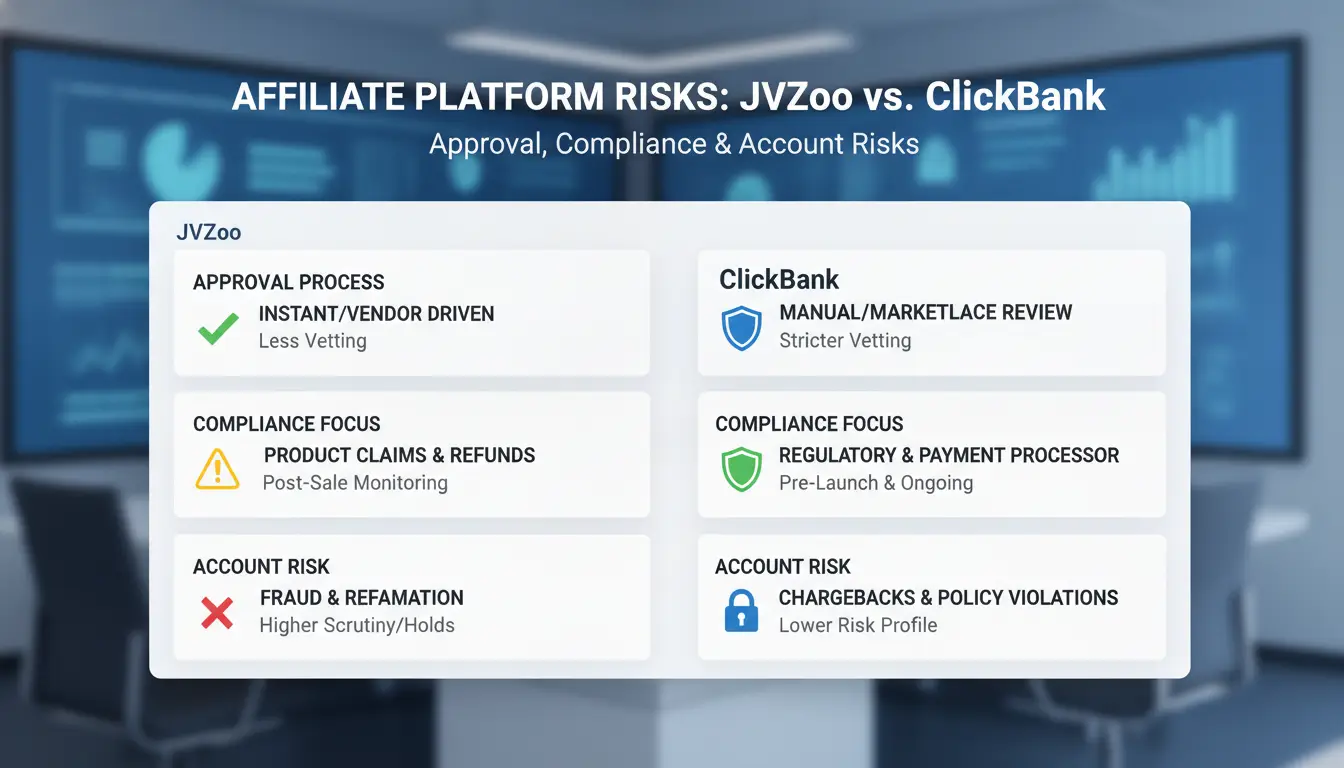
When you compare jvzoo vs clickbank, the big differences show up in how each treats new vendors, affiliate approvals, and account risk checks. Both platforms screen sellers and affiliates, but the approval process and what triggers bans or holds are not the same. Knowing these distinctions can save you from weeks of lost commissions or surprise suspensions.
What’s the Affiliate and Vendor Approval Process Like?
JVZoo lets most affiliates join instantly. Vendors usually get approved after a quick review of their sales page. Common rejection reasons on JVZoo include missing legal disclosures or overhyped claims. ClickBank uses stricter manual checks for vendors. Affiliates can join, but some products require manual approval. If your product doesn’t comply with ClickBank’s guidelines, expect delays or outright rejection.
| Platform |
Vendor Approval |
Affiliate Approval |
Common Rejection Reasons |
| JVZoo |
Fast, semi-automatic |
Instant for most |
Missing legal, hype claims |
| ClickBank |
Manual, slower |
Mixed (auto/manual) |
Content violations, refunds |
Which Platform Is Stricter on Compliance and Refunds?
ClickBank is known for tight refund policies. Vendors must honor a 60-day refund window. Too many refunds or chargebacks can freeze your payouts. Advertising needs to follow strict rules, no misleading health or income claims. JVZoo is more flexible but warns vendors for high refund rates. If your offer triggers lots of complaints, JVZoo may suspend your product. In a jvzoo vs clickbank comparison, ClickBank’s compliance checks are tougher, especially for health and financial niches.
What Triggers Account Suspensions or Holds?
Fraud detection is a major factor. JVZoo uses automated tools to spot suspicious logins or sales spikes. Sudden traffic from risky sources or fake buyer activity can suspend your account. ClickBank flags accounts for high refund rates, suspicious payment patterns, or breaking content rules. If you face a ban, appeals are possible but can take weeks. The most common reasons for holds are poor compliance, chargebacks, or affiliate fraud, especially during big launches. Missing a single compliance step can freeze your funds or get your account banned.
For more detailed vendor risk stories, check Affilorama’s forum and Warrior Forum, where sellers share real problems with jvzoo and clickbank differences.
What Are the Real Costs, Fees, and Payout Delays You Should Expect?
How Do Listing and Transaction Fees Add Up?
When comparing JVZoo vs ClickBank, fee structures hit you at different points. ClickBank takes a one-time $49.95 setup fee and a $1.00 per sale charge. JVZoo skips setup fees but takes 5% of each sale. Both platforms pass along payment processor fees, and PayPal or Stripe can add 2.9% plus 30¢ per transaction. Refunds and chargebacks eat into your margins even more. ClickBank charges $1 per refund, and both platforms may freeze funds if you get too many complaints.
| Platform |
Setup Fee |
Per Sale Fee |
Platform Cut |
Refund/Chargeback Fee |
| ClickBank |
$49.95 |
$1.00 |
7.5% + $1 |
$1 per refund, $20 chargeback |
| JVZoo |
$0 |
Payment processor |
5% |
Processor fee, payout may be held |
Source: ClickBank support and JVZoo documentation
When Will You Actually Get Paid?
ClickBank pays weekly or bi-weekly, but you must hit a $10 threshold and may face a five-week hold for new accounts. JVZoo offers instant payouts if PayPal approves you, but most new sellers get delayed payments until they build a track record. Compliance checks or high refund rates can freeze funds on both sides. The catch: your cash flow depends on both your account history and how each platform flags risk.
Where Do New Users Most Often Make Mistakes (and How to Avoid Them)?
Jumping into JVZoo or ClickBank seems simple at first. But the real trouble for beginners in any jvzoo vs clickbank comparison comes from missing small details that turn into big losses. Below are the most common ways new users get tripped up, plus what you can do to avoid expensive mistakes.
Why Do Some Affiliates Get Denied or Lose Commissions?
The fastest way to lose commissions on both platforms is ignoring product rules. Every vendor sets their own terms, sometimes banning certain traffic sources, like solo ads or incentivized clicks. On ClickBank, failing to check the allowed promotion methods leads to instant denial from top offers. JVZoo is stricter with instant bans for "black hat" traffic. Too many affiliates skip the fine print and blast email lists, only to find their payouts reversed.
Promoting with banned traffic, or not using approved landing pages, triggers audits. On ClickBank’s official help site, you’ll find a list of restricted marketing practices. JVZoo’s affiliate agreement is even more specific about what gets you banned. The biggest mistake is thinking what worked on one platform will go unnoticed on the other.
How Can Vendors Accidentally Violate Platform Policies?
It’s easy to slip up as a vendor, especially when writing product copy. ClickBank and JVZoo both flag misleading claims, “guaranteed results” or fake testimonials are common red flags. On ClickBank, refund handling is strict: if you dodge refunds or delay them, your account risks suspension. JVZoo allows instant payouts, but misuse (like not honoring refund requests) gets your balance frozen.
Check the platform’s policy pages before launching. Many vendors overlook these, then get caught in compliance sweeps during big launches.
What Workflow Mistakes Lead to Account Linking or Security Issues?
Using the same IP address or browser for multiple accounts is risky. Both platforms watch for this to stop fraud. A single login from a flagged IP can link your affiliate and vendor accounts, triggering holds or bans, especially during high-traffic launches.
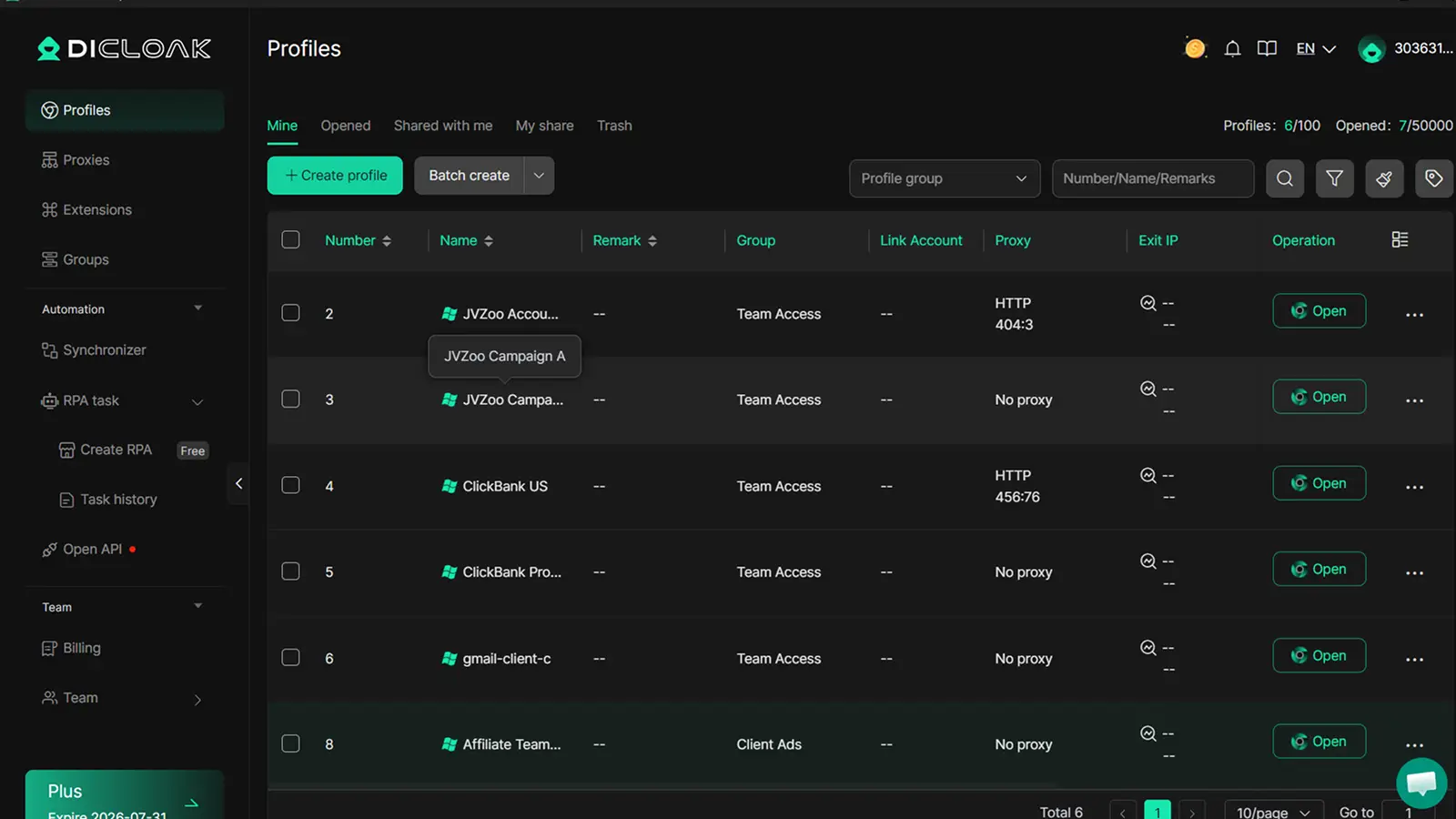
Failing to isolate browser profiles is another pitfall. Using separate browser profiles, proxies, or tools like DICloak helps keep each account separate and reduces cross-linking risk. Skipping this step is where most new users end up locked out or under review.
How Can Affiliate Marketers Manage Multiple JVZoo and ClickBank Accounts More Safely?
What Are the Risks of Running Multiple Accounts?
Affiliate marketers often run into trouble when managing several JVZoo or ClickBank accounts. Both platforms use strong anti-fraud systems to catch duplicate accounts, especially when they spot the same device, IP address, or browser fingerprint. Overlapping logins, even by accident, can get all your accounts flagged or banned. It’s a common pain point in any jvzoo vs clickbank comparison, since both platforms watch for patterns that link multiple accounts together.
How Does DICloak Help Affiliate Marketers Stay Safe?
You can use DICloak to separate each JVZoo or ClickBank account into its own private browser profile, with a unique fingerprint and proxy. This breaks the trail that platforms use to connect your accounts. Tools like DICloak let you automate logins, bulk-check stats, and set up profiles for each campaign, so you avoid switching browsers or devices. If you run a team, DICloak’s collaboration features allow you to share access without leaking fingerprints or passwords. Keeping browser profiles isolated is the single biggest step to avoid hidden links that trigger bans.
When Should You Use Automation or Team Collaboration Features?
Scaling up means more logins, more campaigns, and more risk. DICloak’s automation helps you schedule posts or check stats without logging in by hand, lowering mistakes. For agencies, its team controls make sure only the right people access each account. In any clickbank vs jvzoo setup, secure account separation and workflow automation save real headaches.
When Is JVZoo a Better Fit Than ClickBank (and Vice Versa)?
Choosing JVZoo vs ClickBank comes down to your product type, launch style, and payout needs. Each platform attracts a different crowd and shapes how you run offers. If you want to avoid mismatches, start by zeroing in on what each platform actually rewards.
Who Should Choose JVZoo?
JVZoo is built for fast-moving digital marketers, especially those selling software, plugins, or internet marketing (IM) tools. If you run live launches, care about instant affiliate payments, or want to tap into a network heavy on IM and SaaS, JVZoo usually wins. Direct deposits after each sale let affiliates and vendors move funds quickly, which is rare elsewhere. On the flip side, JVZoo’s strict rules on refunds and compliance can trip up new sellers, if your customer support is slow or you sell outside the IM/software niche, expect more hurdles.
| Scenario |
JVZoo Strength |
ClickBank Strength |
| Software/Plugin Sales |
Yes |
No |
| Instant Affiliate Payouts |
Yes |
No |
| Broad Niche (Health, Fitness) |
No |
Yes |
| Easy Setup for Beginners |
No |
Yes |
Table: JVZoo vs ClickBank fit by scenario (source, source)
Who Should Choose ClickBank?
ClickBank is the safer choice for broad niches, think health, fitness, personal finance, or self-help. It’s friendlier to beginners, with less technical setup and fewer compliance hoops. ClickBank shields sellers with a more managed refund system and offers a huge affiliate pool. If you want less risk of sudden account bans or you’re launching info products, ClickBank’s support and built-in protections help. But for those who need instant payouts or focus on software, ClickBank can feel slow and less flexible.
What About Using Both Platforms Together?
Some vendors list on both to double reach, but it’s not as simple as copy-paste. Managing jvzoo and clickbank differences, like payout cycles, compliance, and affiliate management, can get messy. If you run parallel offers, track each account’s refund policies and promo rules carefully. Cross-platform mistakes (like using the same bonus method when it’s banned on one) can lead to lost accounts or blacklisting. For most, sticking to one platform that matches your model is safer than juggling both.
What’s Changing in Affiliate Marketing on JVZoo and ClickBank in 2024?
Which New Rules or Features Should You Watch For?
Marketers tracking the jvzoo vs clickbank debate have seen some big shifts this year. JVZoo tightened its compliance rules, new sellers face stricter product approval and more frequent account reviews. ClickBank updated its payout structure, now holding funds longer for new vendors and requiring more sales history before offering weekly payments. Both platforms are pushing more low-ticket and recurring billing offers, especially in software and online education. These changes matter if you rely on fast launches or high-ticket funnels.
| Feature |
JVZoo (2024) |
ClickBank (2024) |
| Payout for new vendors |
Delayed until approval |
2-week hold for new vendors |
| Product approval |
Stricter, more manual review |
Automated with manual checks |
Source: JVZoo, ClickBank
How Are Affiliate Strategies Evolving?
Clickbank vs jvzoo isn’t just about rules, traffic is shifting fast. Paid ads are riskier with higher bans, so more affiliates use email lists and private groups. Automation tools now handle bulk link rotation and compliance checks. Account security is tighter; two-factor login is standard on both. Staying ahead means adapting to rule changes and diversifying traffic, not chasing loopholes.
Frequently Asked Questions
Is it allowed to have accounts on both JVZoo and ClickBank?
Yes, you can have accounts on both JVZoo and ClickBank. However, you must follow each platform’s rules and avoid linking accounts in ways that trigger fraud detection. For example, never use the same payment details or IP addresses across accounts. This ensures you stay safe when managing multiple accounts in the jvzoo vs clickbank comparison.
Which platform pays affiliates faster: JVZoo or ClickBank?
JVZoo often pays affiliates instantly through PayPal, especially when you reach trusted status. ClickBank uses a standard payout schedule, usually weekly or bi-weekly. In the clickbank vs jvzoo debate, JVZoo’s instant payments can be a big advantage for affiliates wanting faster access to their earnings.
Can I promote the same product on both JVZoo and ClickBank?
Sometimes you can promote the same product on both platforms, but you must check each platform’s rules and vendor agreements. Some vendors list products on both sites, but promoting on both without permission can lead to conflicts or bans. Always review the jvzoo and clickbank differences in product policies before promoting.
What are the main risks of getting banned on JVZoo or ClickBank?
Major risks include breaking compliance rules, using banned traffic sources like spam or incentivized clicks, or triggering fraud detection by linking accounts. For example, using the same IP or payment info on multiple accounts can get you banned. Each platform in the jvzoo vs clickbank comparison has strict rules to protect users.
How do I manage multiple affiliate accounts without getting flagged?
To manage multiple accounts safely, use isolated browser profiles, proxies, and tools like DICloak. These help separate accounts and prevent detection. Never share login details or mix payment information across accounts. Following these steps is important for affiliates working with both JVZoo and ClickBank.
Both JVZoo and ClickBank offer unique strengths for affiliate marketers and product creators, with JVZoo excelling in digital software and instant commissions, while ClickBank stands out for its vast product variety and user-friendly interface. The right choice depends on your niche, business model, and preferred features, so carefully consider what aligns best with your goals. Try DICloak For Free
 Web Proxy Tools
 Free Tools
 Cookie Plugin
 UA Generator
 MAC Address Generator
 IP Generator
 IP Address List
 2FA Code Generator
 World Clock
 Anonymous Check
 WebRTC Leak Test
 UUID Generator
 Free Web Proxy Site
 Proxy Checker
 FB Ad Checker
 AI Web Scraping
 Free SMM Tools
 Twitter Shadowban Checker
 Instagram Name Checker
 UTM Generator
 Username Generator
 AI Hashtag Generator
 LinkedIn Headline Generator
 Social Media Image Resizer