Many people search how to make money on amazon reviews because they want a simple way to earn online. But in 2026, the truth is more complex. Amazon does not usually pay people just for posting customer reviews. Real income often comes from review content, affiliate links, and trusted product recommendations. This article explains what works, what does not, and how to build review-based income the right way.
Can You Really Make Money Reviewing Products on Amazon?
Many people search how to make money on amazon reviews because they think Amazon pays for customer reviews. In reality, most people do not earn money from posting reviews on Amazon product pages. In 2026, the real income usually comes from review content that drives sales, such as blogs, videos, or social posts with affiliate links.
Why Some People Succeed While Others Fail
People who do well usually treat product reviews like a real content business. For example, a creator may test kitchen tools, post a short video about what worked and what did not, add an Amazon affiliate link, and earn when viewers buy. Amazon says creators can earn commissions from qualifying purchases, and even earn onsite when Amazon features their content on the platform. People who fail often skip this part. They write a few short opinions on Amazon itself and expect direct payment. That usually leads nowhere because Amazon is not set up like a paid review marketplace for regular shoppers.
Common Misconceptions About Amazon Review Earnings
One common myth is that Amazon pays anyone for leaving customer reviews. Another is that free products always mean easy income. Amazon Vine does let selected reviewers receive products, but Amazon says Vine Voices are not paid to participate and are expected to leave honest, unbiased reviews. So yes, you may get a product, but that is very different from building income. A better way to think about how to make money on amazon reviews is this: you earn from content that helps people decide what to buy, such as a blog, YouTube channel, TikTok page, or Amazon storefront.
How Amazon’s Policies Impact Your Earning Potential
Amazon’s rules shape everything here. Its review guidelines say you cannot take free products or payment directly from sellers in exchange for reviews, except through official programs like Vine. Amazon also requires affiliate disclosures, including clear labels such as “#ad” or “#CommissionsEarned,” and the statement “As an Amazon Associate I earn from qualifying purchases.” The FTC also says businesses can face penalties for deceptive review practices, and its consumer review rule has been in effect since October 21, 2024. That means your earning potential is higher when your method is honest, disclosed, and built around useful content rather than paid review deals that can get removed or shut down.
Best Ways to Earn Money Through Amazon Reviews
If you are searching how to make money on amazon reviews, the safest answer is this: do not expect Amazon to pay you just for posting normal customer reviews. In 2026, most real income comes from content built around product reviews, such as affiliate posts, short videos, storefront content, or review blogs that help people decide what to buy. Amazon allows creators to earn from qualifying purchases through its Associates and Influencer programs, but it does not allow paid or biased customer reviews.
How Amazon Vine Works for Reviewers
Amazon Vine is the most well-known review program on Amazon, but many people misunderstand it. Vine invites selected reviewers, called Vine Voices, to receive products for free and write honest reviews. Amazon says Vine Voices are not paid to join the program. That means Vine may help you get free items and build trust as a reviewer, but it is not a direct income stream. For example, a person in Vine may review a new kitchen tool without paying for it, but they do not get cash from Amazon for writing that review.
Using Third-Party Platforms to Monetize Reviews
Some people make money by writing product review content outside Amazon. This usually happens through a blog, niche website, YouTube channel, or product comparison page with Amazon affiliate links. In that setup, the review itself helps drive traffic, and the money comes when a reader clicks the link and buys. Amazon says Associates earn commission from qualifying purchases, not from the act of reviewing alone. This is why some creators succeed: they turn reviews into useful buying guides instead of treating Amazon’s review section like a paid job board.
Can You Earn by Promoting Products on Social Media?
Yes, this is one of the clearest ways to earn. Amazon’s Influencer Program allows eligible social media creators to recommend products and earn commission income. Amazon also says some creators can earn onsite commissions when Amazon displays their videos, idea lists, or other content on Amazon and shoppers make qualifying purchases. For example, a creator can post a short TikTok-style product demo, send viewers to an Amazon storefront, and earn from sales if the content is clear, honest, and properly disclosed. That is a much more realistic answer to how to make money on amazon reviews than trying to get paid for customer reviews on product pages.
How to Get Started Writing Amazon Reviews
If you want to learn how to make money on amazon reviews, start with the right expectation. Amazon does not usually pay people for posting regular customer reviews. In most cases, the money comes later, when your review content helps drive sales through affiliate links, social media content, or product videos. Amazon’s Associates Program pays for qualifying purchases, not for the act of writing a review itself.
What You Need to Know Before Signing Up for Amazon Vine
Before you think about Amazon Vine, know this first: Vine is invite-only. Amazon says it selects trusted reviewers to become Vine Voices, and Vine Voices are not paid to join the program. They may receive free products, but they are expected to give honest and unbiased opinions. So if your goal is direct cash income, Vine is not the main answer to how to make money on amazon reviews. It can help you build review experience, but it is not a normal paid review job.
How to Choose Products That Maximize Your Earnings
If you want better results, choose products that are useful, easy to explain, and often searched by shoppers. For example, a simple desk lamp, blender, or phone holder is often easier to review than a complex tool because people want clear answers: Is it worth the price? Is it easy to use? Does it last? The real earnings usually come when that review content leads to qualifying purchases through your affiliate link. That is why many creators focus on products they can test clearly and explain in a helpful way.
Steps to Write Reviews That Stand Out
Strong reviews are specific. Do not just say a product is good or bad. Say what happened when you used it. For example, instead of writing “This speaker is great,” say “I used it in a small bedroom, and the sound stayed clear at half volume, but the bass felt weak outdoors.” That kind of detail helps readers trust you. It also fits Amazon’s rule that reviews should be honest and not misleading. If you later turn that skill into blog posts, videos, or social content, you have a much stronger base for building income around product reviews.
Risks and Challenges of Making Money on Amazon Reviews
If you are learning how to make money on amazon reviews, you also need to understand the risks. Many people see quick-money videos online and think they can get paid for posting product reviews on Amazon. That idea is risky. Amazon has a strict anti-manipulation policy. It says false, misleading, or inauthentic reviews are not allowed. The FTC also has a rule against fake reviews and deceptive testimonials, and that rule took effect on October 21, 2024.
Why Fake Reviews Can Get You Banned
Fake reviews can hurt both your account and your long-term income. Amazon says reviews cannot be influenced by compensation, refunds, free products outside approved programs, or any deal tied to changing, removing, or posting a review. So if a seller offers money, a gift card, or a “free item for a 5-star review,” that can put you at risk. Even if it seems small, Amazon may remove the review, limit account activity, or take stronger action if it sees manipulation.
How to Avoid Common Pitfalls in Review Writing
A safer path is to stop thinking of Amazon reviews as a paid review job. Instead, think of them as part of a content business. For example, a creator can test a blender, write an honest blog post, make a short video, and share an affiliate link. Amazon says Associates earn commission income when people use those links and make qualifying purchases. That is very different from being paid to leaving a review on the product page. To stay safe, write only from real use, avoid copy-paste language, do not promise star ratings, and clearly disclose affiliate links when you use them.
Legal and Ethical Issues to Watch Out For
The legal side matters too. The FTC’s fake review rule allows penalties for knowing violations, which means fake review schemes are not just a platform problem anymore. The ethical side matters just as much. If readers feel misled, they will stop trusting your content, and trust is what makes review-based income work in the first place. So when people ask how to make money on amazon reviews, the honest answer is this: the best earning potential comes from truthful review content, proper disclosure, and useful advice, not from shortcuts that can get you banned.
Tools and Strategies to Boost Your Amazon Review Income
If you want to understand how to make money on amazon reviews, you need more than product opinions. You need content that people can find and trust.
Using SEO to Make Your Reviews More Visible
SEO helps your review content get found before someone is ready to buy. Google says good content should be helpful, reliable, and written for people first. It also says creators should use the words real people search for in key places like the title, heading, and page text. That means a weak title like “My Thoughts on This Blender” may do worse than a clearer one like “Is This Blender Worth It for Smoothies?” A better review page also answers simple buyer questions, such as who the product is for, what problem it solves, and what the downsides are. This is how a small site can compete: not by sounding smart, but by being useful.
Strategies for Building Credibility as a Reviewer
Trust is what turns clicks into income. Readers can tell when a review is based on real use and when it sounds copied. A credible reviewer shows small details that only a real user would notice, like battery life after a week, weak packaging, or why a cheaper option may be enough. Amazon also requires affiliate disclosures, and it says you should clearly identify yourself as an Amazon Associate when sharing affiliate links. That may seem minor, but it helps readers trust you. A simple example is better than hype: instead of saying “best speaker ever,” say “good for a desk, but not strong enough for a large room.” That kind of honest detail helps people come back, and repeat trust is a big part of how to make money on amazon reviews over time.
How to Scale Your Amazon Review Earnings
If you want to grow your income, think bigger than single reviews. The people who scale usually build a content system, not just random posts. Amazon’s Associates Program allows creators to earn from qualifying purchases, and the Influencer Program can also create extra income through storefront content and onsite commissions.
How to Turn Reviewing into a Full-Time Income
To make this a full-time business, you need steady traffic, clear buyer-focused content, and enough published reviews to build momentum. One review may make very little. But a library of useful reviews, comparison posts, and product videos can keep bringing clicks month after month. Amazon also notes that new Associates need qualifying sales during the review period, which shows that real income depends on real traffic and real conversions, not just signing up.
Ways to Diversify Your Income Streams Beyond Reviews
Relying on one type of content is risky. A smarter move is to turn one product test into several assets. For example, you can publish a blog review, make a short video, post a comparison chart, and add the product to your Amazon storefront. That way, one product can earn from search traffic, social traffic, and Amazon itself. Amazon says influencers may earn from purchases through their storefront and from onsite content shown on Amazon.
When to Consider Expanding to Other Platforms
You should expand when your reviews start working well in one place and you can repeat the process elsewhere. A good sign is when you already know how to answer buyer questions clearly and your content gets steady clicks. Google recommends creating helpful, reliable, people-first content and using the words people actually search for in important page areas. That means a good Amazon-focused review can often be adapted into a YouTube video, a niche blog post, a TikTok clip, or an email roundup. This is one of the most practical ways to grow how to make money on amazon reviews without depending on one platform alone.
Why Some Amazon Review Methods Don’t Work
Many people search how to make money on amazon reviews and expect fast results. That is where many problems start. Some methods fail because they break Amazon’s rules. Others fail because the products are too hard to rank, too cheap to pay well, or pushed by fake “review job” platforms that promise easy money. Amazon bans review manipulation, and the FTC now allows civil penalties for knowing fake review violations.
Common Scams to Avoid in the Review Industry
A common scam is the “get paid for 5-star reviews” offer. It may come through email, Telegram, WhatsApp, or a third-party site. The pitch is simple: buy a product, leave a positive review, then get refunded plus a fee. Amazon says reviews cannot be created, edited, or removed in exchange for cash, discounts, refunds, free products, or gift cards. The FTC also says businesses cannot buy or sell fake or misleading reviews. That means these deals are not a smart shortcut. They are a real risk.
Why Certain Products Are Harder to Monetize
Not every product is worth reviewing for income. Low-priced items often pay very small commissions, so even strong traffic may not earn much. Some categories are also crowded, which makes it harder for a new reviewer to rank in Google or stand out on social platforms. In simple terms, a $12 cable is much harder to turn into meaningful income than a product people research carefully, compare, and buy with more intent. Amazon’s Associates program is built around earning from qualifying purchases, so product choice matters a lot.
How to Spot Unrealistic Promises from Third-Party Platforms
Be careful when a platform promises “guaranteed daily income,” “instant approval,” or “easy money just for posting Amazon reviews.” Amazon’s real monetization system is different. It says creators, publishers, and bloggers earn through affiliate traffic and qualifying purchases, not through a public paid-review job board. A safer rule is this: if a platform asks for fake sentiment, hidden disclosure, or seller-funded review swaps, walk away. Real review income takes content, trust, and time. That is the more honest answer to how to make money on amazon reviews.
How DICloak Can Help Boost Your Amazon Review Income
By creating multiple browser profiles with unique fingerprints, DICloak lets you manage different online accounts on Amazon without raising suspicion. Each profile operates independently, keeping your operations smooth and organized while reducing the risk of bans.
- Operate Multiple Accounts Safely from a Single Device
- Maintain Unique Fingerprints for Each Account
- Reduce Risk of Platform Detection and Account Bans
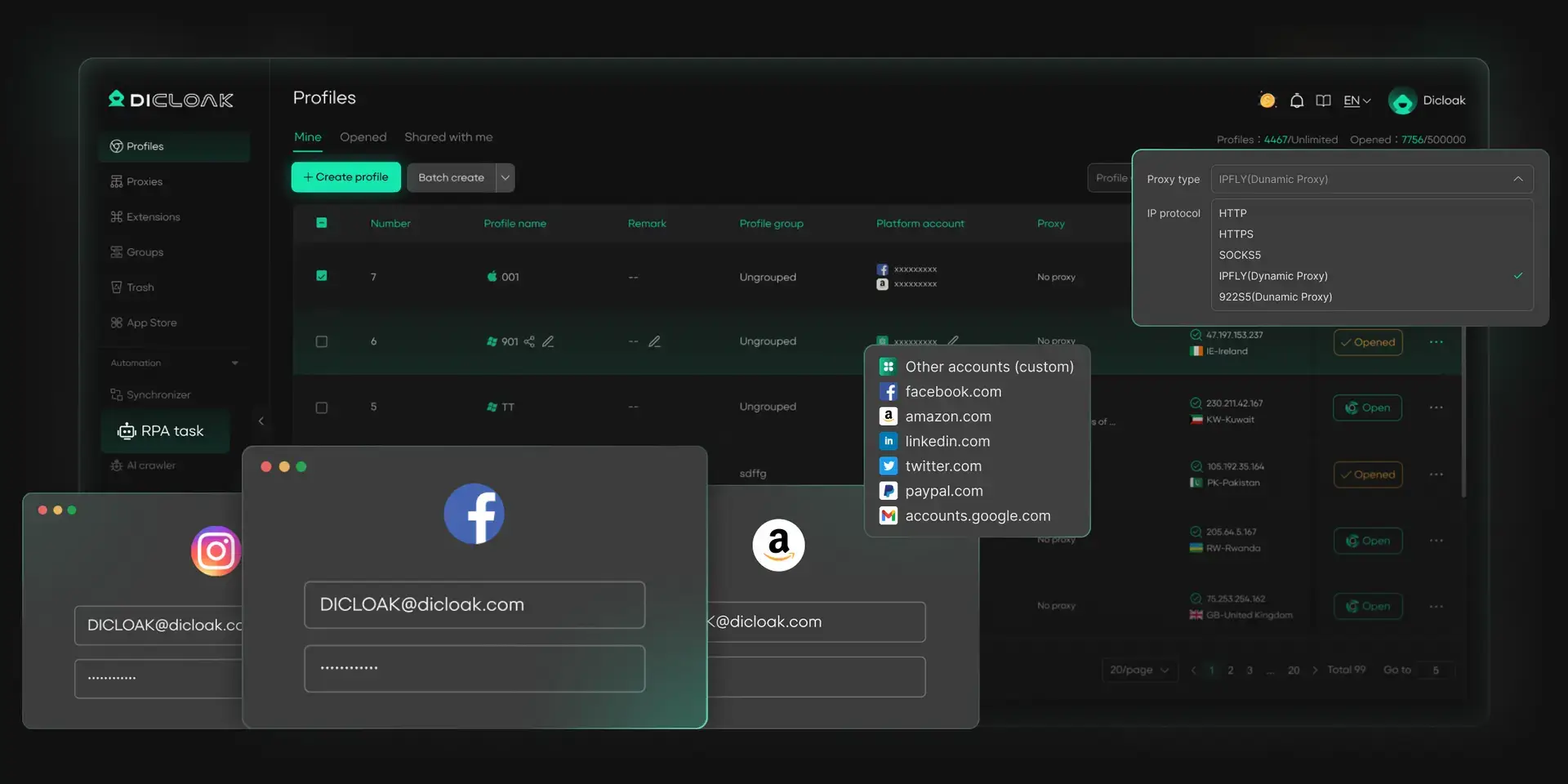
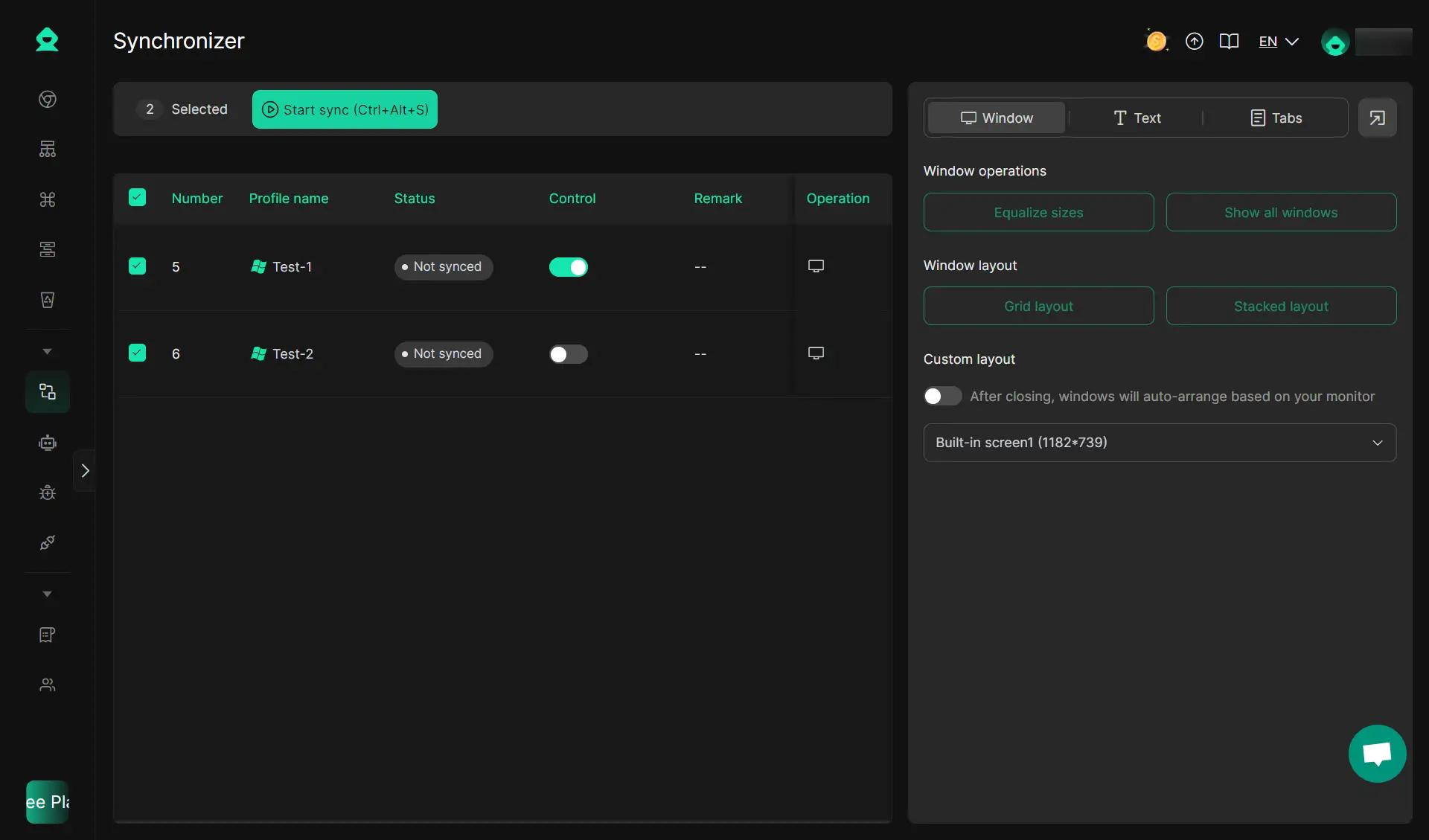
Boost Efficiency with Powerful Automation Tools DICloak’s RPA and Multi-Window Synchronizer streamline repetitive tasks and simulate real user behavior with customizable speeds and random delays. Whether posting content, performing bulk actions, or managing multiple processes at once, these automation tools keep your accounts active and compliant while freeing you from tedious manual work.
- Automate Repetitive Tasks Across Accounts
- Save Time and Reduce Manual Effort
- Keep Accounts Active and Compliant
Maximize Earnings Across Platforms Bulk account management and automated tasks allow you to expand your reach, and optimize revenue streams across platforms. DICloak turns each browser profile into a real, independent user, enabling efficient scaling of your online money-making activities.
- Increase Revenue Across Accounts
- Boost Engagement Automatically
- Scale Operations Safely
Start earning online smarter and safer—manage multiple accounts effortlessly with DICloak today!
FAQs About Making Money on Amazon Reviews
Can You Make Money Without Joining Amazon Vine?
Yes. Most people earn through blogs, videos, or social content with Amazon affiliate links, not through Vine.
How Much Can You Realistically Earn Per Month?
It depends on your traffic, product type, and conversion rate. Beginners may earn very little at first, while experienced creators can earn much more over time.
Are There Any Upfront Costs to Start Reviewing?
Usually, yes, but they can be low. You may need products to review, a blog, or simple video tools. Time is the biggest cost.
What Happens If Your Review Gets Rejected?
Amazon may remove or reject a review if it breaks policy. This can happen if the review looks promotional, misleading, or against its rules.
Is It Legal to Get Paid for Amazon Reviews?
No, not in the way many people think. Getting paid directly for positive Amazon reviews is risky and can break platform rules. A safer way is to earn through affiliate links and honest content.
Conclusion
Making money from Amazon-related reviews is possible, but not in the way many people expect. The safest path is to create honest content that helps people buy with confidence. Over time, strong reviews, clear trust, and smart traffic sources can turn simple product content into real income. If you want long-term results, focus on value first and treat reviews like a real content business.
 Web Proxy Tools
 Free Tools
 Cookie Plugin
 UA Generator
 MAC Address Generator
 IP Generator
 IP Address List
 2FA Code Generator
 World Clock
 Anonymous Check
 WebRTC Leak Test
 UUID Generator
 Free Web Proxy Site
 Proxy Checker
 FB Ad Checker
 AI Web Scraping
 Free SMM Tools
 Twitter Shadowban Checker
 Instagram Name Checker
 UTM Generator
 Username Generator
 AI Hashtag Generator
 LinkedIn Headline Generator
 Social Media Image Resizer