Is getting early access actually possible?
Securing a spot at the front of the line is possible, but it takes more than just luck. If you have ever stared at the "Blue Ring of Death" loading screen or felt the heartbreak of a "Verified Fan" rejection, you know the struggle. Most fans wait until the general sale, only to find themselves "1001st in line" while the best seats disappear.
The clearest sign that you are missing out is seeing "locked" icons on the stadium map. These seats are reserved for those who did the work to secure an early password. This competition is a major hurdle for everyone from casual fans to professional ticket hunters. However, by understanding how the system works behind the scenes, you can stop being a spectator and start securing your spot.
Finding Ticketmaster presale codes: The most reliable sources
When you are hunting down codes, you need to know which sources are official and which are just helpful shortcuts. Here are the four primary ways to get your hands on those passwords:
- Artist and Venue Mailing Lists: This is the most "official" way. Artists and venues want to reward their biggest fans. Sign up for their newsletters at least a week before a tour is even announced.
- Social Media: Follow performers and venues on X (Twitter), Instagram, and Facebook. They often post "generic" codes—like the name of the tour or the city—right before the sale starts.
- Credit Card Perks: High-tier credit cards often have partnerships with Ticketmaster. Check your bank’s rewards portal for "Preferred Access" or "Early Entry" benefits.
- Specialized Aggregator Websites: Sites like Ticket Crusader or TMpresale act as "unofficial" hubs. They collect codes from various sources and put them in one place for the public.
Why searching for how to get presale codes from Ticketmaster leads to common mistakes
When you are learning how to get presale codes from Ticketmaster, it is easy to fall into a few common traps. The biggest mistake is assuming a code "guarantees" you a ticket. A code is just a key to the door; you still have to race everyone else inside.
Another mistake is forgetting to verify your account details. If Ticketmaster asks to verify your phone number or email while you have tickets in your cart, you will likely lose them. Most importantly, avoid the "Bot Detection" trap. If you refresh your browser too fast or open ten different tabs, Ticketmaster’s security will flag your "click pattern" as suspicious. This can lead to an instant ban before you even see a seat map.
Signs that your account is restricted during a presale
It is frustrating when you can't get tickets, but you need to know if the show is sold out or if Ticketmaster has put a "trust score" on your account. Ticketmaster uses something called profile ranking. This is an internal score that determines how much they trust you are a real human.
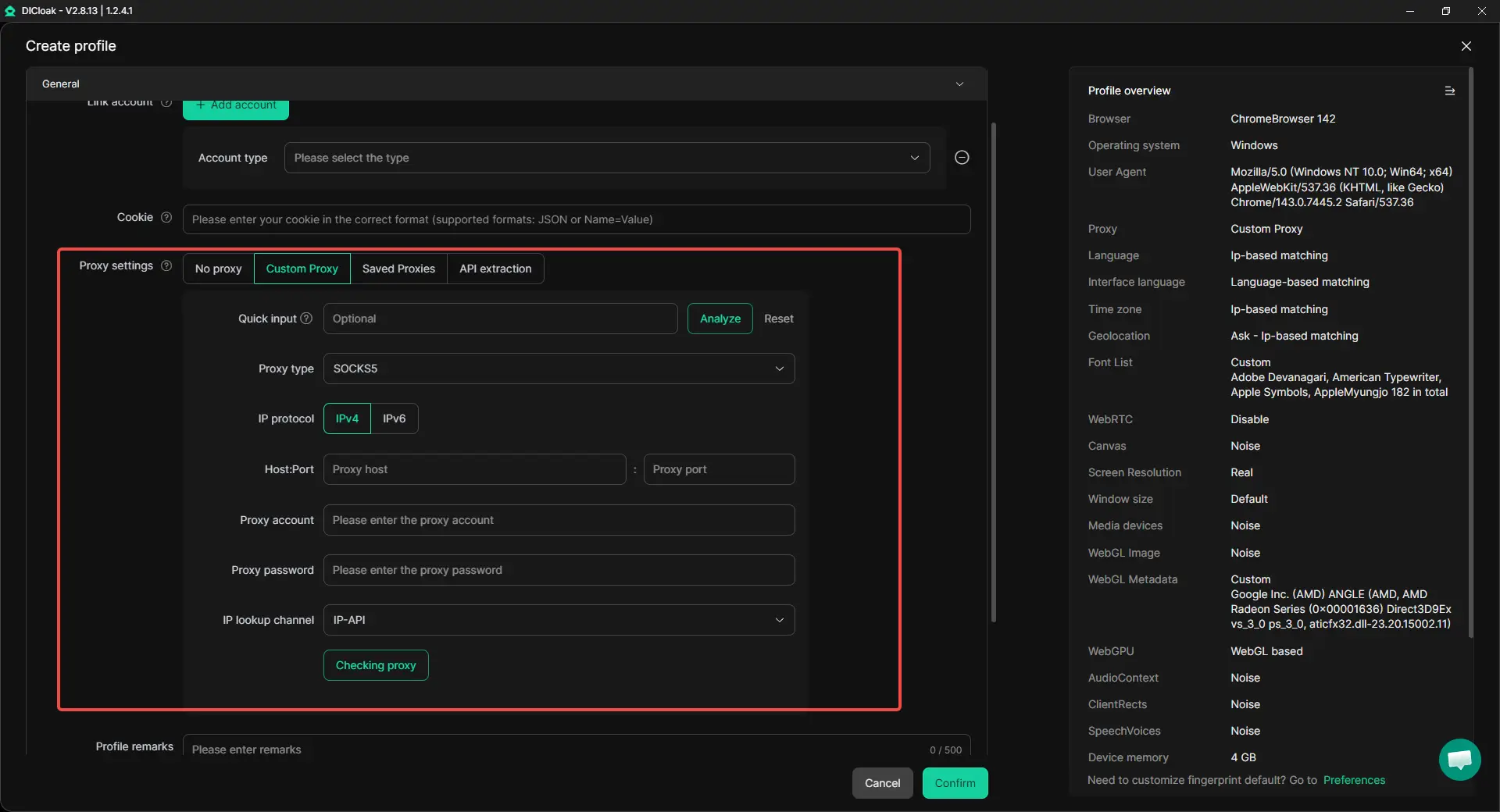
They also look at your browser fingerprint. Think of this as a digital ID card that shows your screen size, your fonts, and your specific settings. If your fingerprint looks weird, you might get "strong signs" of a restriction, such as consistent "403 Forbidden" errors or being kicked out of the virtual waiting room. "Weak signals," like slow loading times, usually just mean the site is busy. To stay safe, always make sure your browser cookies are fresh and you are using a clean, reliable internet connection.
Using specialized tools to manage Ticketmaster presale codes and accounts
To increase your odds for the biggest stadium tours, you might need to manage more than one account. However, doing this on a standard browser is a quick way to get banned. You need a way to look like multiple different people at once.
Expert ticket seekers use tools that mimic real-human behavior. This includes natural scrolling patterns and realistic browsing histories. By creating these unique digital profiles, you can enter the queue multiple times without Ticketmaster linking the accounts together. This bypasses the security systems that look for "bot-like" behavior.
Scaling your strategy with DICloak
For serious ticket seekers, DICloak serves as a professional extension to your workflow. It allows you to run a multi-account strategy without the risk of a total shutout.
Reducing the risk of account bans through browser separation
When you run multiple accounts, DICloak keeps every profile in an "isolated sandbox." This means the data from one account never touches another. If one of your profiles accidentally triggers a "403 Forbidden" error, the others stay completely safe and active. One mistake won't ruin your entire chances for the night.
Avoiding detection with custom proxy setting
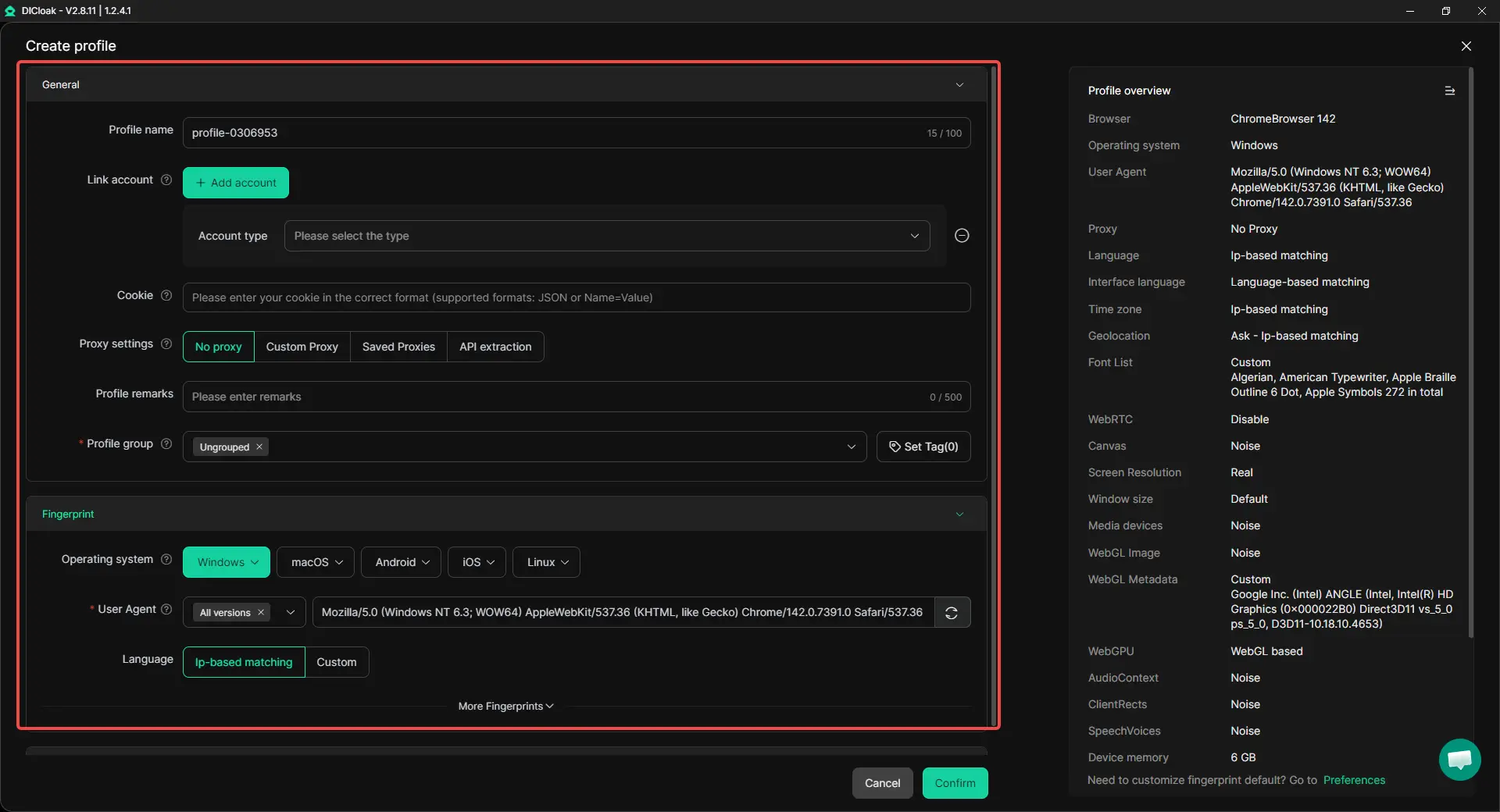
Ticketmaster is very good at spotting VPNs. Most VPNs look like "suspicious data centers" to their security team. With DICloak, users can manually configure their own residential proxies instead. These look like a standard home Wi-Fi connection from a real neighborhood. This makes your various accounts look like different people across the city rather than one person in a basement.
Streamlining the queue process with Synchronizer
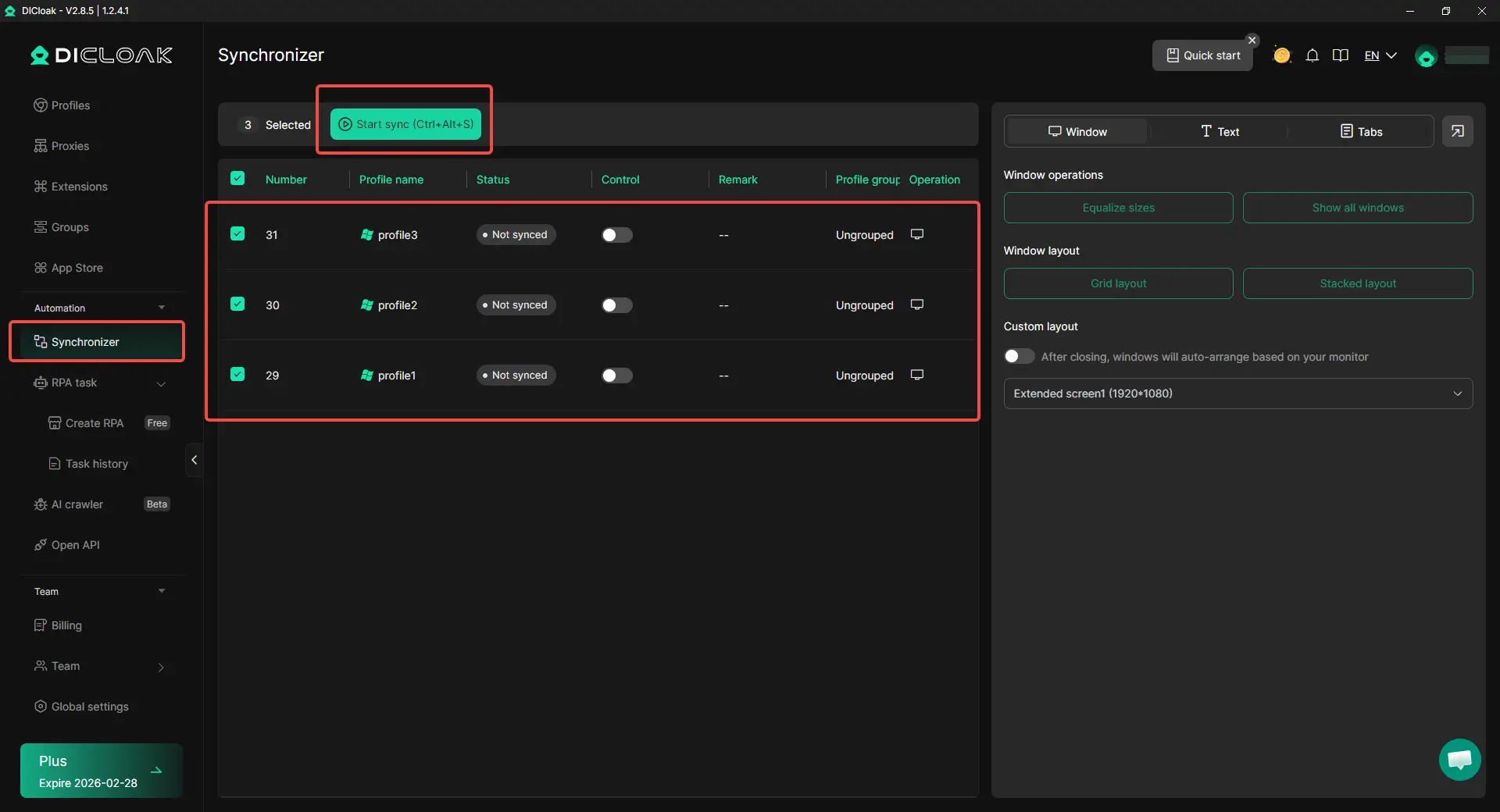
Timing is everything. With DICloak's ynchronizer tool, you can control multiple browser windows at once. Instead of clicking "Join Queue" manually on five different screens, you can do it across every account at the exact same millisecond. This gives you the best possible chance to get a low number in line.
Realistic ways to use Ticketmaster presale codes for high-demand shows
Once you have secured your code, you need a plan for the actual drop. Verify your Ticketmaster account at least 24 hours before the sale. Ensure your credit card and billing address are pre-filled so you don't waste time typing during the checkout rush.
If you don't get tickets immediately, don't panic. Watch for production holds. These are extra tickets released once the stage is set up and the venue knows exactly how much space is left. Sometimes the best seats in the house are released just days before the show. For future events, stay ahead by joining fan clubs early and keeping your technical setup ready to go.
Conclusion
Success in a major ticket drop comes down to two things: hunting down the right code and having the technical strategy to stay in the queue. By using official mailing lists and protecting your digital profiles with isolated browsers, you can beat the rush and avoid the frustration of a ban. While no one can promise a ticket for every show, these expert steps will put you much further ahead than the rest of the crowd.
FAQ about Ticketmaster presale codes
Do presale codes guarantee a ticket?
No. A code only gives you the chance to buy tickets before the general public. You are still competing with thousands of other people who also have the code.
Can I use the same code on two different accounts?
It depends. "Unique" or "Verified Fan" codes are usually tied to one specific email address. Generic codes (like a radio station code) can often be used on different accounts, but using them from the same IP address might trigger bot detection.
Why didn't I receive my fan club code?
You may have signed up too late. Most fan clubs finalize their lists at least a week before the concert is announced. Also, always check your spam or "Promotions" folder in your email.
Are there "generic" codes that work for everyone?
Yes. Promoters or venues often use easy-to-guess codes like the name of the venue or the year of the tour. These are frequently shared on social media or aggregator sites.
Does using a VPN help with Ticketmaster queues?
No. Ticketmaster often blocks standard VPNs because they look like bot traffic. It is much better to use residential proxies, which look like a normal home internet connection.
How many tickets can I usually buy with one code?
Most presales have a limit of 4 to 6 tickets. This is designed to stop scalpers and give more individual fans a chance to attend the show.
 Web Proxy Tools
 Free Tools
 Cookie Plugin
 UA Generator
 MAC Address Generator
 IP Generator
 IP Address List
 2FA Code Generator
 World Clock
 Anonymous Check
 WebRTC Leak Test
 UUID Generator
 Free Web Proxy Site
 Proxy Checker
 FB Ad Checker
 AI Web Scraping
 Free SMM Tools
 Twitter Shadowban Checker
 Instagram Name Checker
 UTM Generator
 Username Generator
 AI Hashtag Generator
 LinkedIn Headline Generator
 Social Media Image Resizer