Getting tickets for a big event is not easy now. Many popular shows sell fast, sometimes before the public sale even starts. That is why many fans try to get a presale ticket code for Ticketmaster first. It can give you earlier access and a better chance to buy tickets before the rush gets worse. In this guide, we will explain what these codes are, where to find them, how to use them, and what to do when problems come up.
A Ticketmaster presale code is a special access code that lets fans try to buy tickets before the general public sale begins. Ticketmaster says presales give fans an earlier chance to enter a sale, and some of these presales require a code to unlock available tickets on the event page.
A presale ticket code for Ticketmaster can come from different places. Ticketmaster lists common sources such as artist presales, Ticketmaster presales, Live Nation presales, album pre-order offers, fan clubs, and cardholder promotions like Citi, Chase, or Cash App. That means the code is usually tied to a real fan signup, membership, or customer benefit, not just a random word shared online.
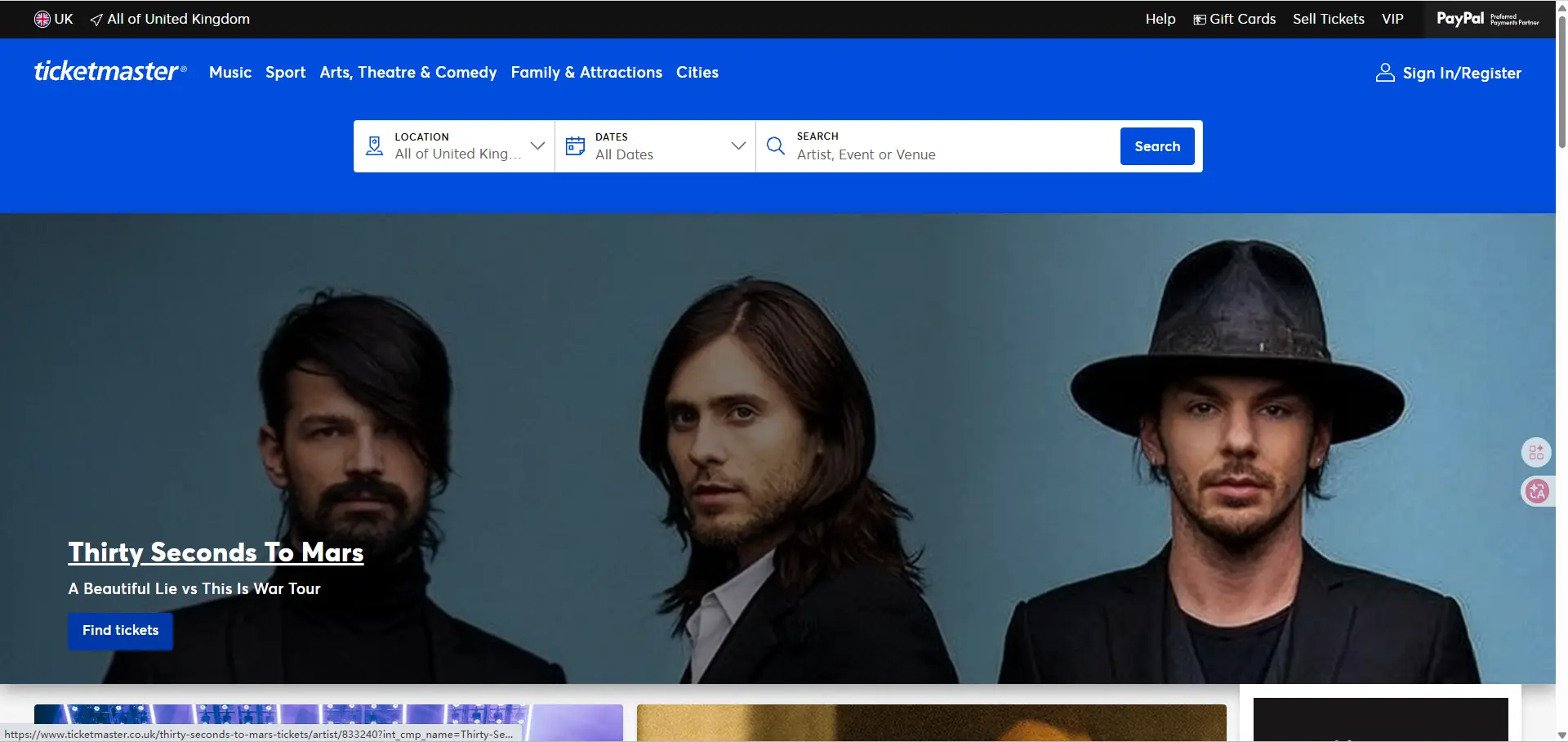
Why Do You Need a Presale Ticket Code for Ticketmaster?
If you want a better shot at popular tickets, a presale ticket code for Ticketmaster can matter a lot. It gives you a chance to enter a sale before the public onsale starts. That does not promise tickets, but it can give you more options and more time to act. Ticketmaster says presales often require a special code, and access usually opens before general sales begin.
How presale codes give early access to tickets
A presale ticket code for Ticketmaster works like a key. On many event pages, fans enter the code to unlock seats before the main sale opens. Ticketmaster explains that buyers may need to join a queue first, then enter the code to view available seats on the map. Ticketmaster also notes that a presale code helps you access the sale, but it does not guarantee that tickets will still be there when it is your turn.
This early window can make a real difference for high-demand shows. For example, if a major pop artist opens artist presale on Tuesday and the public sale starts on Friday, fans with early access may see more seat choices, better price tiers, or standard tickets before heavy traffic pushes buyers toward fewer options. That is why many fans do not wait until the last step. They sign up early, watch their email, and get ready before the sale opens. Ticketmaster says artist presale reminders are often sent the day before, and it recommends joining the waiting room 15 minutes before the sale starts.
Events that commonly offer presale codes
Not every event uses the same system, but presale codes are common for major concerts, arena tours, festival dates, comedy shows, and some sports or special events. Ticketmaster lists several common presale types, including artist presales, fan club presales, sponsor presales, and other offer-code sales. It also says some fan club presales provide a unique code through the artist’s official fan club.
A good example is Live Nation. Live Nation says its free All Access membership can unlock access to 20,000 Live Nation Presales, which shows how common early-access sales have become for live events in the U.S.
Risks of waiting for general ticket sales
Waiting for the general sale may sound easier, but it often comes with more pressure. By the time public sales open, part of the inventory may already be gone from earlier sales. Ticketmaster also notes that ticket availability can differ between presales, and general sale buyers enter after those earlier windows have already happened.
In real terms, that can mean three problems. First, the best seats may be taken early. Second, lower-priced standard tickets may disappear fast. Third, you may end up with fewer choices and a much more crowded queue. For a big tour stop in a major city, that can turn a simple ticket buy into a stressful rush. So even though a presale ticket code for Ticketmaster does not guarantee success, it often gives fans a smarter starting point than waiting for the public onsale.
Where Can You Find Presale Ticket Codes for Ticketmaster?
A presale ticket code for Ticketmaster usually does not appear by accident. Most of the time, you get it by joining the right channel before tickets go live. The most common sources are artist sign-up pages, email lists, cardholder offers, and official event updates. Ticketmaster’s help pages say presale and offer codes often come from the artist, team, venue, or event organizer, depending on the type of sale.
Signing up for artist fan clubs and newsletters
One of the best ways to get a presale ticket code for Ticketmaster is to sign up through the artist’s official presale page, fan club, or newsletter. Ticketmaster says fans should visit the artist’s presale sign-up page, and if that page is hard to find, check the artist page on Ticketmaster or the artist’s social media. It also says email reminders are often sent before the presale begins.
This matters most for big tours. In many cases, artists reward early fans first. A real example came from a 2026 Foo Fighters show in Bridgeport. The band’s fan presale opened first with a shared code, before other presales and before the public onsale. That kind of setup is common for major concerts, so joining official artist channels early can give you a real advantage.
Credit card promotions offering presale access
Another common path is through credit card promotions. Ticketmaster has official cardmember programs tied to some events. For example, Ticketmaster says eligible Citi cardmembers can unlock Citi Cardmember Presale tickets by linking their Citi account to their Ticketmaster account, and no extra code is needed after that step.
In practice, this means some fans get access simply because they hold the right card and prepare their account early. For other events, card-based presales may still use a card-linked passcode or require the matching card at checkout. So if you often buy concert tickets, it is smart to check whether your card issuer offers entertainment perks before sale day.
Social media platforms as a source for presale codes
Social media is also a useful place to find updates about a presale ticket code for Ticketmaster, but it works best as a support channel, not your only source. Ticketmaster says that if you cannot find an artist presale page, you should check the artist’s social media. Live Nation says the same for artist presales on its platform.
That does not always mean the code will be posted openly. More often, social media tells you where to sign up, when the window closes, or when the sale starts. Live Nation also says that for its own presales on other ticketing sites, codes can be found on the Live Nation show page or in the Live Nation app at the time of presale. So social media is helpful because it points you to the official source fast, which is often exactly what you need when time is short.
How to Use a Presale Ticket Code on Ticketmaster
Getting a presale ticket code for Ticketmaster is only the first step. You also need to use it the right way once the sale opens. If you move too slowly, enter the wrong code, or click the wrong ticket type, you can lose time fast. The good news is that the process is usually simple once you know where the code goes and what to expect in the queue. Ticketmaster says fans normally enter a special code on the event page to unlock available tickets, but the code does not guarantee tickets will still be there when it is your turn.
Step-by-step guide to entering your presale code
First, sign in to your Ticketmaster account before the sale starts. Then open the event page. For some presales, you can go straight from Ticketmaster. For others, you may need to use the link sent to you in email or text. After that, join the waiting room if one is available. When the sale begins, Ticketmaster will place you in the queue, and once it is your turn, you can shop for tickets.
When you reach the ticket page, look for the Unlock button near the filters or ticket search area. On interactive seat maps, you may also need to choose the matching offer under Ticket Type before entering the code. Then pick your seats and continue to checkout.
A simple example helps. Say an artist presale starts at 10:00 a.m. A smart buyer signs early, opens the event page by about 9:45, joins the waiting room, and keeps the code ready to paste. That gives less room for mistakes once the queue starts moving. Ticketmaster even recommends joining the waiting room 15 minutes before the sale begins for eligible events.
Common mistakes when applying presale codes
One common mistake is typing the code wrong. Ticketmaster says some fan club presale codes are case sensitive, so even one wrong letter can stop the code from working. Another mistake is trying to use a code on resale tickets. Ticketmaster says offer passcodes, discount codes, and promo codes cannot be applied to resale purchases.
Another problem is not meeting the offer rules. Some presales have extra requirements. For example, certain artist presales are tied to your Ticketmaster account instead of a typed code, while some Citi offers may require either a linked Citi account or the first six digits of an eligible Citi card number. So if you are using the wrong account, the wrong card, or the wrong sale link, the offer may not unlock even though you think you have the right presale ticket code for Ticketmaster.
What to do if your presale code isn’t working
Start with the basics. Ticketmaster says to enter the code exactly as shown, make sure you have not gone over the ticket limit, and confirm that you met the presale requirements. If it is a fan club code, Ticketmaster says to contact the fan club directly if the code shows as incorrect.
If the code still will not work, double-check that you are on the correct event date and the correct presale. Then refresh carefully and try again. If the problem looks more like a site or app issue, Ticketmaster says users can try clearing the app cache, reinstalling the app, or using the mobile site instead of the app. These steps will not fix every problem, but they can help when the code is valid and the page is the real issue.
So, the best way to use a presale ticket code for Ticketmaster is to prepare early, enter the code in the right place, and make sure the offer rules match your account. That small setup work can save a lot of stress once the sale starts.
What Types of Presale Codes Are Available on Ticketmaster?
Not every presale works the same way. A presale ticket code for Ticketmaster can come from different sources, and each type follows its own rules. Some codes are meant for artist fans. Some are for sponsor customers. Others are tied to special music releases. Ticketmaster says presales may include artist presales, fan clubs, sponsor presales, and other sales with codes before the general public onsale begins.
Artist presale codes and fan club exclusives
Artist presales are one of the most common types. These usually go to fans who signed up through the artist’s official page, mailing list, or presale registration form. Ticketmaster says artist presales may require fans to sign in, register by a deadline, and then wait for an email with instructions or access details. Fan club presales work in a similar way, but they are often limited to official members and may use a unique code from the fan club itself.
This type matters most for big tours. If an artist announces a new arena run, fan club members or registered fans often get the first chance to buy. In simple terms, this means the most loyal fans may shop before the wider public even enters the sale. That is why joining the artist’s official channels early can be so important.
Promoter and sponsor presale codes
Promoter and sponsor presales are also very common on Ticketmaster. Ticketmaster event help pages say some tours offer sponsor presales only for a sponsor’s customers, while Live Nation explains that its own presale is a separate early-access sale that often happens a few days before the public onsale. In practice, this can include brands, venues, radio partners, or credit card companies.
A good example is a cardholder presale. Ticketmaster says some Chase offers let eligible cardholders unlock the sale by entering the first six digits of their Chase card number and then paying with that card at checkout. So in this case, the “code” is not something random from the internet. It is tied to your customer status with the sponsor.
Presale codes tied to album pre-orders
Some presales are linked to album pre-orders. Ticketmaster says that sometimes tours offer a presale code to fans who have pre-ordered the artist’s new album. This type is often used when an artist wants to reward early support for a new release while also building excitement for the tour.
A simple example would be a fan who pre-orders a new album from the artist’s official store before a deadline and then receives a code before ticket sales begin. Even though the exact steps can vary by tour, the main idea stays the same: buying early access to the music can unlock early access to the tickets. For readers trying to get a presale ticket code for Ticketmaster, this is one of the easiest types to miss, because the offer may only appear for a short time during the album launch period.
Why Didn’t You Receive Your Presale Code?
It can be frustrating when you planned ahead but still did not get your presale ticket code for Ticketmaster. In many cases, the problem is not random. It usually comes down to timing, sign-up rules, or the type of presale you joined. Ticketmaster says some artist presales send the access email the day before the sale, and some presales do not use a code at all because access is tied to your account.
Reasons your presale email might be delayed
One common reason is simple timing. Ticketmaster says artist presale reminders are often sent the day before the sale, with SMS reminders for U.S. and Canada numbers up to an hour before tickets go on sale. So if you checked too early, the message may not have been sent yet.
Another reason is that you may have expected a code when that presale did not actually use one. Ticketmaster says some artist presales are linked to your Ticketmaster account, which means you enter through the correct link after signing up, instead of typing a code by hand.
A third issue is missing a requirement. Ticketmaster says you must sign up by the deadline and meet the listed conditions. If you joined late, used the wrong account, or did not complete the sign-up process, you may not receive the email at all.
How to check if you’re eligible for a presale code
Start by checking the event’s presale rules carefully. Ticketmaster says artist presales are open to fans who sign up in advance, but once the sign-up window closes, you cannot join that presale later. It also says you should make sure you saw the confirmation page after signing up.
Next, check what kind of presale you are trying to enter. Ticketmaster says some offers come from fan clubs, and those may give you a unique code before the sale starts. Other offers, like some Citi presales, may require a linked eligible card or the first six digits of the card number instead of a regular code.
A simple example is helpful here. If you signed up for an artist presale with one email but later tried to shop while logged into a different Ticketmaster account, access may fail even though you think you registered correctly. That is because some presales are tied to the original account, not just to a message in your inbox.
Steps to recover or request a missing presale code
First, confirm that you signed up before the deadline and met all rules. Ticketmaster says that if you signed up properly and qualified, you should receive an email with instructions. If the presale is account-based, look for the access link, not only for a code.
If the presale is a fan club offer, Ticketmaster says you may need to contact the artist’s fan club or Fan Support, especially if you never received your activation email or if your member access is not active yet. Ticketmaster notes that some fan club activation emails can take 7 to 10 business days unless stated otherwise.
If you are close to sale time, check your inbox, spam, promotions folder, and the official event page again. Then sign in to the same Ticketmaster account you used when registering. This is the safest way to avoid missing a valid presale ticket code for Ticketmaster or missing an account-linked presale that never needed a code in the first place.
Tips for Securing Tickets During a Presale
Getting a presale ticket code for Ticketmaster helps, but speed and timing still matter. Even with valid access, tickets can disappear fast during a busy sale. The best approach is simple: prepare your account early, enter the waiting room on time, and move through checkout without extra clicks. Ticketmaster says fans should sign in before the sale, make sure payment details are up to date, and enter the waiting room before the sale begins.
Best practices for faster checkout on Ticketmaster
Before the presale starts, sign in to your Ticketmaster account and make sure your payment and billing details are ready. Keep your presale code open in a note so you can paste it quickly. Ticketmaster says waiting rooms usually open 15 to 30 minutes before the sale, and joining after the sale starts can put you at the back of the line.
A simple example is a fan joining an artist presale at 9:45 a.m. for a 10:00 a.m. onsale, already signed in, with card details saved and the code ready. That setup cuts down wasted time when the queue moves fast. Once it is your turn, choose tickets quickly and head straight to checkout instead of spending too long comparing sections. Ticketmaster says tickets are first come, first served, and not guaranteed even after you enter the queue.
How to avoid losing tickets due to time limits
One of the easiest ways to lose tickets is to wait too long in checkout. Ticketmaster says the timer at the top of the checkout pages shows how long you have to finish the purchase before the tickets are released for other buyers. That time can change based on demand and the event.
So when you reach checkout, move with purpose. Have your card nearby, know how many tickets you want, and do not stop to compare other listings unless you are ready to give up the ones already in your cart. On mobile, keep the screen active. Ticketmaster has also warned that if your screen dims in the waiting room, your session can pause.
Using multiple devices to increase your chances
Many buyers think using several devices will always help, but this can backfire. Ticketmaster’s own guidance says to use one browser or device when joining the sale. It also warns against refreshing too much, because the system may think you are a bot and temporarily block you.
The safer strategy is not “more devices at any cost.” It is using one stable setup, joining on time, and avoiding actions that create errors. If the event has multiple dates, Ticketmaster says you may be able to join multiple queues using the same device or account, which is a better option than creating messy duplicate attempts on one date.
Common Issues with Presale Codes and How to Resolve Them
Even if you have a presale ticket code for Ticketmaster, things can still go wrong fast. A code may show as invalid. Payment may fail at checkout. Or tickets may be gone before you finish. These problems are common during busy presales, especially for popular tours. The good news is that most of them have a simple cause, and in many cases, there is a clear fix.
Why your presale code might show as invalid
One common reason is that the code was entered incorrectly. Ticketmaster says fan club presale codes can be case sensitive, so even a small typing mistake can trigger an error. It also says you should enter the code exactly as shown, make sure it has not expired, and confirm that you have not gone over the ticket limit.
Another issue is that some fans try to use the right code in the wrong way. Ticketmaster explains that passcodes and discount codes are entered before viewing tickets, while promo codes are entered later at checkout. That means a valid code may still fail if you place it in the wrong step. In some presales, you also must meet extra conditions, such as using a linked account or an eligible payment card.
Troubleshooting payment errors during presales
Payment problems are also common during high-traffic sales. Ticketmaster lists several possible causes, including a declined transaction, an invalid CVV, an incorrect expiration date, or a general processing error. In simple terms, that means even if you reached checkout, the purchase can still fail because of card details or bank approval issues.
There is another detail many buyers miss. Ticketmaster says some special presales require a specific card, and in those cases PayPal may not be offered. For example, certain Citi Cardmember sales require an eligible Citi card to unlock and complete the purchase. So if your presale ticket code for Ticketmaster is tied to a cardholder offer, try using the matching card and make sure its details are saved before the sale starts.
What to do if tickets sell out during presale
Sometimes the problem is not your code or your payment. The tickets are simply gone. Ticketmaster says a code does not guarantee a ticket, and tickets may already be sold out by the time you get through the queue. This is one of the hardest parts of presales, especially for major artists and small venue dates.
If that happens, do not assume the event is over for good. More ticket inventory can appear later in another presale, the general sale, or official resale. Ticketmaster’s Face Value Exchange also lets fans resell tickets to other fans at face value for eligible events. So the smart move is to keep checking the event page, look for later sale windows, and watch for official resale options instead of rushing to random third-party sellers.
How DICloak Antidetect Browser Can Simplify Presale Access
For digital marketers, resellers, and power users managing many browser profiles, cards, and email addresses across ticketing platforms, organization is everything. This is where DICloak fits into legitimate live entertainment events workflows, and different use cases are covered across DICloak’s pricing and subscription plans.
Maximum Ticket Success
Efficiently manage multiple ticketing accounts with DICloak’s isolated browser profiles, ensuring smooth transitions between accounts without detection. Each profile operates independently, maximizing opportunities to join virtual queues and secure the best seats.
- Operate Multiple Ticket Buyer Profiles from a Single Device
- Join More Queues to Maximize Ticket Haul
- Secure Prime Seating with Ease
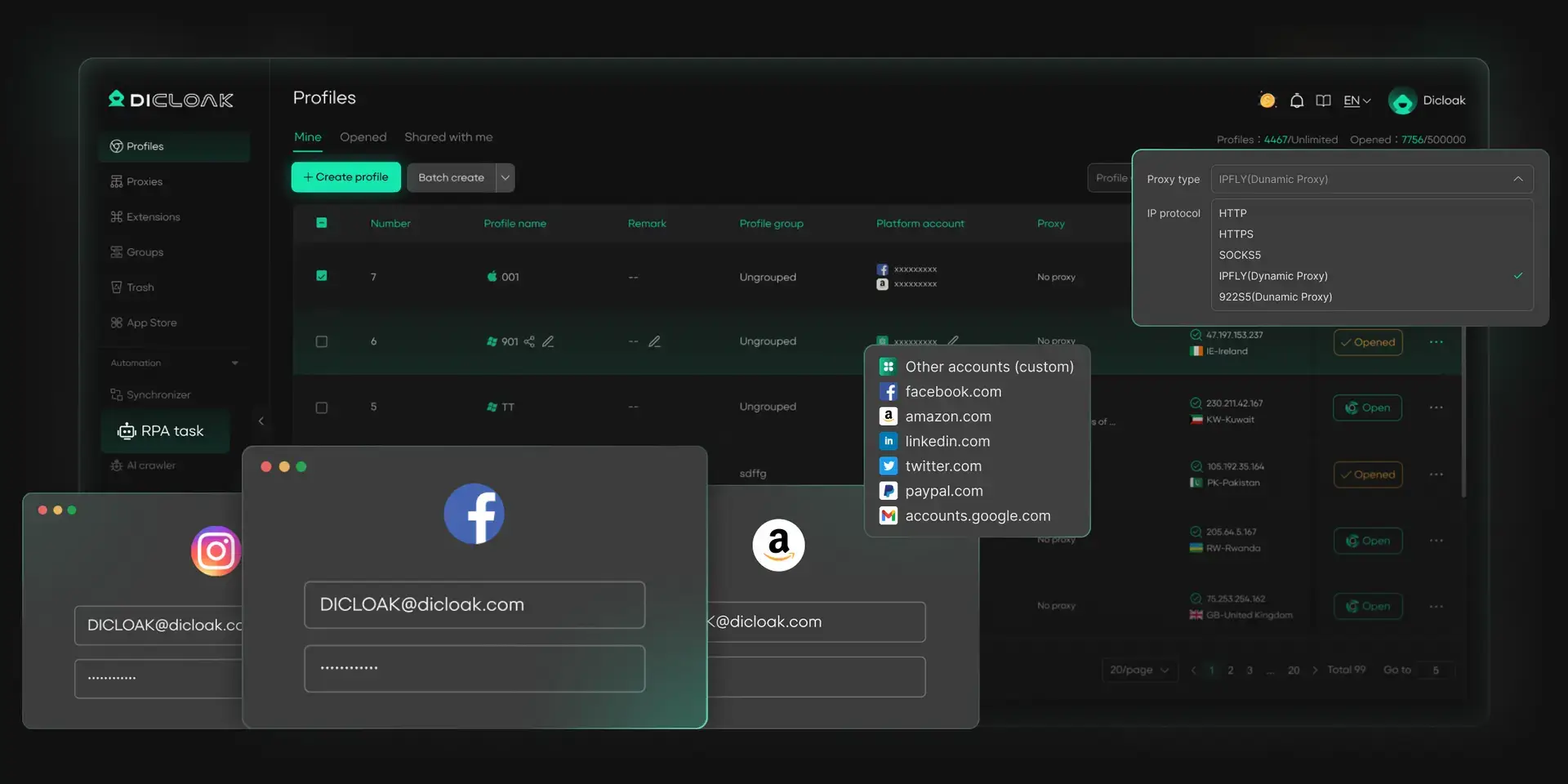
Avoid Platform Detection
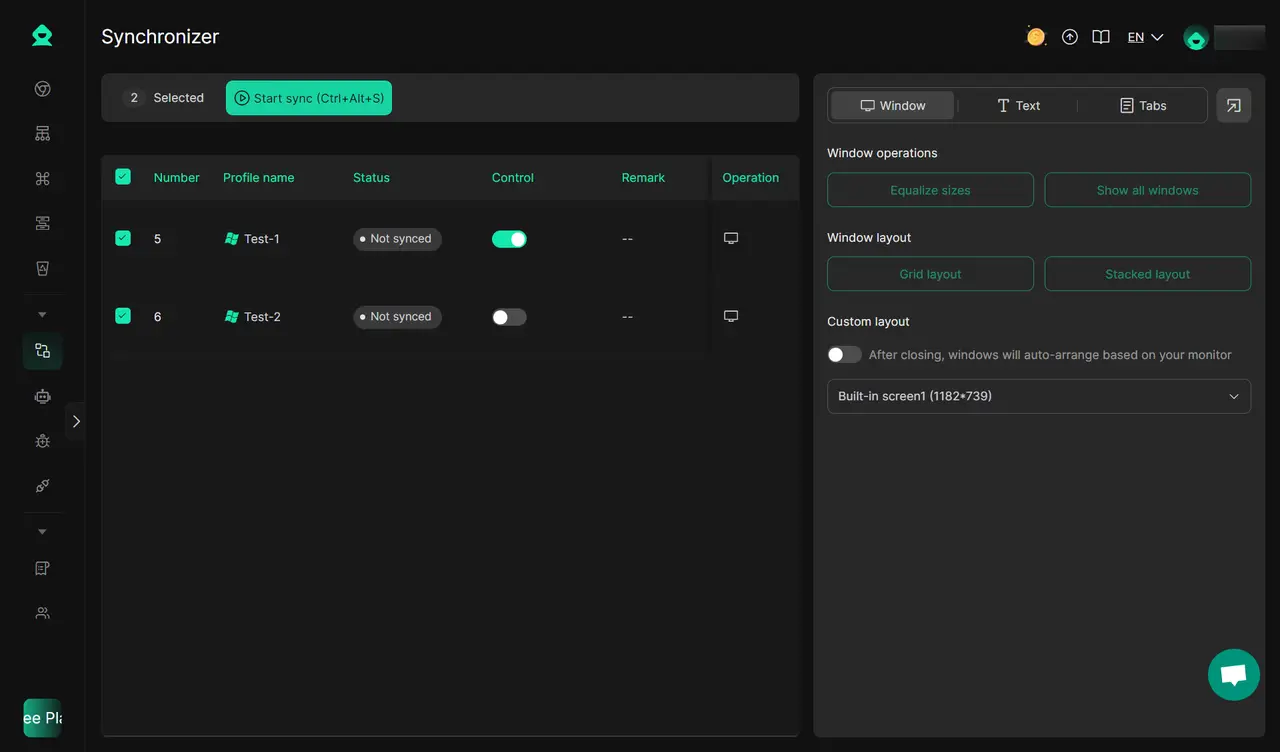
Ticketing platforms like Ticketmaster and AXS actively monitor account activity to detect scalping. Repeated logins, identical fingerprints, and shared IP addresses can quickly lead to bans or suspensions. DICloak solves this by creating isolated profiles with unique digital fingerprints. With DICloak’s Multi-Window Synchronizer, each profile can simulate real user behavior through delayed clicks, effectively preventing detection while bypassing verification steps.
- Unique Browser Fingerprints for Every Account
- Isolated Profiles Prevent Cross-Contamination
- Human-Like Behavior to Bypass Platform Restrictions
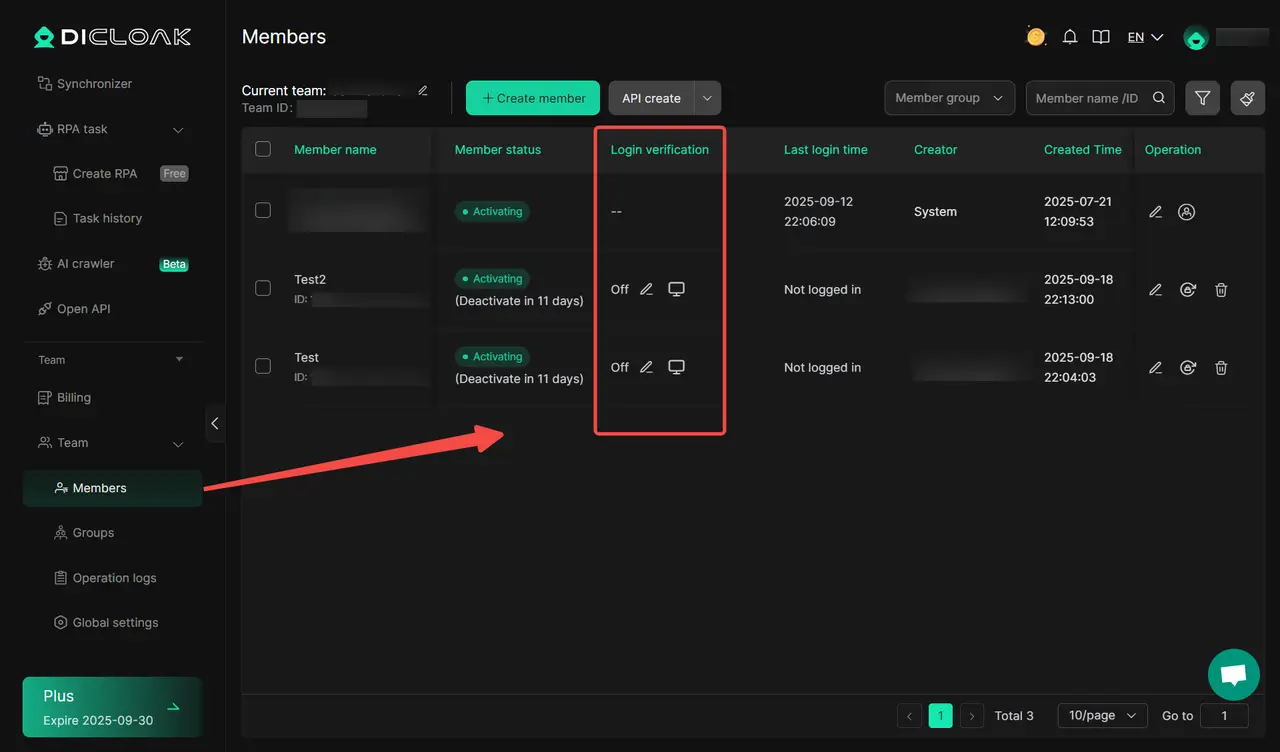
Seamless Team Collaboration
Coordinate ticket purchases with your team safely and effectively. DICloak allows multi-user operations with shared profiles, permission controls, and real-time action logs, enabling seamless teamwork without compromising security or speed.
- Advanced Permission Management for Teams
- Real-Time Monitoring of Team Actions
- Collaborate Securely Across Multiple Accounts
Dominate Ticket Scalping with DICloak—manage multiple accounts, stay undetected, and secure the best seats effortlessly.
FAQ About Presale Codes for Ticketmaster
Can I use a presale code more than once?
Sometimes yes, but only within the event’s rules. Ticketmaster says each event can have a ticket limit, and that limit is checked with every transaction. It also says if your presale code is not working, you should make sure you have not exceeded the ticket limit. So the real answer is not “unlimited reuse.” It is “only as far as the event allows.”
Are presale tickets cheaper than general tickets?
Not always. Presale usually means earlier access, not lower prices. Ticketmaster explains that ticket prices are set by the event organizer and shown up front with required fees. In real life, some presale tickets may feel like a better deal because more standard inventory is still available early, but Ticketmaster does not say presale tickets are automatically cheaper than general sale tickets.
Do presale codes guarantee I’ll get tickets?
No. Ticketmaster is very clear on this point: presale codes help you access the sale, but they do not guarantee tickets. A popular event can still sell out before your turn in the queue, even if your code is valid. That is why early access helps, but it never promises success.
Can I share my presale code with someone else?
Usually, that is risky and often a bad idea. Ticketmaster says some fan club presales use a unique code, and some presales are tied to your Ticketmaster account instead of a shareable code. It also notes that fan club codes come from the fan club, not from Ticketmaster. In practice, this means a code may be personal, limited, or linked to the original member’s access.
How do I know if a presale code is legitimate?
The safest rule is simple: only trust official sources. Ticketmaster says presale and offer codes usually come from the artist, team, fan club, venue, organizer, or sponsor. If it is an artist presale, the code or access instructions may come by email the night before the sale. If it is a fan club code, Ticketmaster says to contact the fan club directly if there is a problem. So if a code comes from a random post, comment, or unknown seller, you should be careful.
Conclusion
A presale ticket code for Ticketmaster can make the ticket-buying process easier, but it is only one part of the process. You still need to sign up early, follow the right steps, and be ready when the sale begins. If you understand where presale codes come from, how they work, and how to avoid common mistakes, you will have a much better chance of getting the tickets you want with less stress.
 Web Proxy Tools
 Free Tools
 Cookie Plugin
 UA Generator
 MAC Address Generator
 IP Generator
 IP Address List
 2FA Code Generator
 World Clock
 Anonymous Check
 WebRTC Leak Test
 UUID Generator
 Free Web Proxy Site
 Proxy Checker
 FB Ad Checker
 AI Web Scraping
 Free SMM Tools
 Twitter Shadowban Checker
 Instagram Name Checker
 UTM Generator
 Username Generator
 AI Hashtag Generator
 LinkedIn Headline Generator
 Social Media Image Resizer