How much does Facebook pay for views? This is one of the most common questions creators ask when they start posting videos. Some people earn a few dollars. Others turn Facebook views into a steady income. The difference is not luck. It is understanding how Facebook monetization really works.
Facebook does not pay a fixed amount per view. Earnings change based on where your audience lives, how long they watch, and how ads are shown on your content. A video with fewer views can sometimes earn more than a viral one. This confuses many creators and leads to false expectations.
In this guide, you will learn how Facebook calculates earnings, what counts as a real view, and what factors truly affect payouts. You will also discover practical ways to increase revenue and scale safely without risking your accounts. If you want clear answers and realistic expectations, this breakdown will help you understand how much Facebook pays for views and how to earn more over time.
How Much Does Facebook Pay for Views?
Facebook does not pay a fixed amount for each view. That is why the question of how much does Facebook pay for views does not have one clear number. Facebook uses several monetization tools, and each one has its own rules. Your earnings depend on how your content performs, how long people watch, and whether ads can run on your videos.
In simple terms, views alone do not create income. Only eligible and monetized views matter. Below is a clear breakdown of how payouts usually work.
Earnings Breakdown: Payment per 1,000 Views
Creators often measure earnings using CPM, which means payment per 1,000 monetized views. On Facebook, CPM is commonly reported between $2 and $10, depending on content quality, audience behavior, ad demand, and season.
For example, a video that keeps viewers watching longer usually earns more than a video people scroll past quickly. Content in advertiser-friendly niches also tends to generate higher CPM.
Not every view counts. To be monetized, viewers often need to watch at least 30 seconds of an eligible video. The video must also meet Facebook’s monetization rules. This explains why two videos with the same number of views can earn very different amounts.
Earnings for 1 Million Views: What to Expect
So, how much does Facebook pay for views when a video reaches 1 million views? In many real creator reports, long-form videos with in-stream ads earn roughly $2,000 to $5,000 at that level.
Here is a simple example. If a video reaches 1 million views and about 70% of those views are monetized, with a CPM around $4, total earnings may be close to $2,800. If ad demand is strong, earnings can go higher. If engagement drops, earnings can fall.
This shows why watch time and content structure matter more than raw view count.
In-Stream Ads vs. Reels: Comparing Earnings Potential
In-stream ads are one of the most reliable ways to earn on Facebook. These ads appear before, during, or after longer videos. Videos must be at least one minute long, but Facebook recommends three minutes or more for better ad placement. Creators receive 55% of ad revenue, while Facebook keeps 45%. This format works well for tutorials, reviews, and story-based content.
Reels follow a different system. Some creators are invited to the Reels Play Bonus Program, where payouts depend on performance. Many creators report earnings around $0.01 to $0.02 per view, and strong performance can lead to high monthly payouts when bonus targets are reached.
Reels can also earn through overlay ads, which place ads directly on the video. These earnings vary and depend heavily on engagement and eligibility.
In practice, longer videos often earn more per view, while Reels depend on volume and consistency. Both formats can be profitable, but they reward different content strategies.
What “Views” Really Mean When Calculating How Much Does Facebook Pay for Views?
In the last section, we explained that Facebook does not pay for every view. To understand how much does Facebook pay for views, you must know what a “view” actually means.
On Facebook, a basic view is counted after about 3 seconds of playback. This can happen through autoplay, even with no sound. These views increase your total count, but they do not guarantee any earnings.
To earn money, Facebook looks at monetized views. In most cases, this means the video is at least one minute long, and the viewer watches at least 30 seconds or reaches the in-stream ad point. Only then can ads appear and generate revenue.
Reels are different. A view is often counted after about one second. This helps views grow fast, but earnings only happen if you are in a bonus program or if overlay ads are active. Otherwise, Reels views may bring reach but no direct income.
Here is a simple example. A video with 5,000 engaged views that meet monetization rules can earn more than a video with 50,000 quick scroll views.
That is why, when asking how much does Facebook pay for views, the real answer depends on which views are actually monetized, not just how many views you see on the screen.
Key Factors Influencing How Much Does Facebook Pay for Views
Once your views become monetized, the next question is why payouts still change so much. This is where many creators feel confused. The truth is simple: even when ads run, Facebook does not pay everyone the same. Several key factors shape how much does Facebook pay for views in real situations.
Audience Location
Where your viewers come from matters. Advertisers do not value all audiences equally. Some regions have stronger buying power and higher ad competition. Others have lower demand.
For example, two creators upload the same video style with similar watch time. One reaches viewers in higher-value ad regions. The other reaches viewers where ad budgets are smaller. Even with similar views, the first creator often earns more. This difference comes from advertiser demand, not creator skill.
Content Quality and Topic
Facebook does not treat all content the same. Content that looks clear, useful, and brand-safe usually attracts better ads. Topics that align with advertiser goals also matter.
For example, a clear tutorial or educational video often earns more than a random clip with no message. Both may get views, but advertisers prefer content that feels stable and trustworthy. This is why content quality affects how much does Facebook pay for views, even when view counts look similar.
Viewer Engagement and Watch Time
Engagement is one of the strongest signals. Likes, comments, shares, and long watch time all tell Facebook that people care about your video. This leads to better distribution and more chances for ads.
A simple comparison shows this clearly. Video A gets fewer views, but people watch most of it. Video B gets more views, but viewers leave after a few seconds. In many cases, Video A earns more because more views turn into monetized views.
Timing and Seasonal Demand
Ad demand changes during the year. During high-spending periods, advertisers compete more for attention. This often pushes CPM higher. During slower periods, payouts may drop, even if your content quality stays the same.
For example, a video posted during a high-demand season may earn more than the same video posted earlier in the year. This does not mean your content improved or declined. It means the ad market changed.
When all these factors come together, the answer to how much does Facebook pay for views becomes clearer. Facebook does not just count views. It measures who watches, how they behave, what the content is about, and when it is published. Understanding this helps creators make smarter content choices and more realistic income expectations.
Eligibility Requirements That Affect How Much Does Facebook Pay for Views
In the previous section, we saw that many factors affect earnings. But none of them matter if your Page is not eligible. This is why how much does Facebook pay for views only becomes meaningful after your Page qualifies for monetization.
Page and Follower Requirements
For in-stream ads, a Facebook Page usually needs at least 10,000 followers. This shows that the Page has a real and stable audience. Reels monetization works differently and is often invitation-based, but having more active followers still improves your chances.
A Page may get strong views before reaching this level, but those views cannot earn from ads until the follower requirement is met.
Watch Time and Engagement Benchmarks
Facebook also looks at watch time. A common requirement is 600,000 total minutes watched in the past 60 days across your videos. You also need at least five active video uploads. This setup rewards pages that post regularly, not pages that rely on one viral post.
Once these benchmarks are met, views can begin to turn into real ad revenue, and how much does Facebook pay for views becomes tied to performance instead of access.
Content and Policy Compliance
Meeting the numbers is not enough. Your content must follow Facebook’s monetization and community rules. Pages that post reused or low-effort content may lose monetization, even if their views stay high.
Many creators see views but no income because their content does not meet these standards. Eligibility is the gate. Without it, views stay views. With it, views can become earnings.
Proven Tips to Increase Earnings and Improve How Much Does Facebook Pay for Views
Once your Page meets monetization rules, the real work begins. At this stage, how much does Facebook pay for views depends on how well your content performs. Posting more videos alone is not enough. You need better engagement and stronger watch time to turn views into income.
Hook Viewers in the First Three Seconds
The first three seconds decide everything. If viewers scroll away fast, those views will not become monetized. Facebook favors videos that stop the scroll.
Start with motion, a clear promise, or a strong opening line. Show the result first, or ask a direct question. When viewers stay longer, ads are more likely to appear, which directly improves earnings.
Use Captions and Attractive Thumbnails
Many people watch videos with the sound off. Captions help them understand your message and stay longer. This improves watch time and engagement.
Thumbnails also matter. A clean image with clear text helps your video stand out in the feed. More clicks and longer views often lead to better monetization results.
Publish Consistently and Choose Smart Timing
Consistency builds trust with both viewers and the algorithm. Pages that post on a steady schedule often earn more over time than pages that post randomly.
Timing also affects early engagement. When your audience is active, your video gets stronger signals at launch. This can lead to wider reach and more monetized views. Use your own performance data to test and adjust posting times.
Use Creator Studio to Improve Your Content
Creator Studio shows what really works. You can see watch time, audience drop-off points, and engagement trends. These insights help you improve future videos.
If viewers leave early, adjust your opening. If a topic keeps people watching longer, create more content like it. Small data-based changes can raise engagement and steadily improve how much does Facebook pay for views over time.
Other Ways to Earn on Facebook Beyond How Much Does Facebook Pay for Views
Views and ads are only one part of earning money on Facebook. Even if you understand how much does Facebook pay for views, relying only on ad income can feel unstable. This is why many creators use extra tools to build more reliable revenue alongside video views.
Fans and Subscriptions
Facebook allows fans to support creators through paid subscriptions. Fans pay a small monthly fee to access exclusive posts, videos, or special perks. This creates predictable income that does not depend on ad performance.
Subscriptions work best when you have loyal followers who enjoy deeper access. On desktop, creators can keep the full subscription amount. On mobile, platform fees may apply. Even with average view counts, subscriptions can raise your total earnings beyond what views alone provide.
Facebook Stars and Fan Support
Facebook Stars act like tips. Viewers buy Stars and send them during videos or live streams. Each star has a small cash value, but they add up quickly with active fans.
Creators who go live often and interact with viewers tend to earn more from Stars. This income is not tied to view thresholds, so it can support creators even when ad revenue is slow. Over time, Stars can noticeably increase the real value behind how much does Facebook pay for views.
Paid Events and Exclusive Content
Creators can also charge for access to special content. Facebook supports paid online events, private live sessions, and premium workshops. This turns your knowledge or skills into direct income.
A creator might host a paid class, a private livestream, or a limited Q&A session. Even with a small audience, these events can generate solid returns because viewers are paying for direct value, not just watching ads.
Brand Partnerships and Sponsored Content
Brand partnerships are another major income source. Brands pay creators to promote products or services in videos or posts. Facebook offers branded content tools to keep these deals transparent and policy-compliant.
Sponsored content often pays more than ad revenue alone, especially when your audience is focused and engaged. This income comes from brands directly, not from Facebook’s ad system.
Affiliate Marketing and Product Sales
Affiliate links let creators earn commissions by recommending products. When viewers buy through your link, you earn a share of the sale. This works well when your content already builds trust around a topic.
Creators can also sell their own products through posts or Facebook Shops. Digital items, services, or physical products can all be promoted directly to your audience.
When creators combine ads, fan support, subscriptions, partnerships, and sales, income becomes more stable. At that point, how much does Facebook pay for views is no longer the only question. Views become just one part of a stronger and more flexible creator business.
Using DICloak to Support Facebook Monetization at Scale
As creators and marketers explore how much does Facebook pay for views, many quickly learn that stable income often comes from running multiple Pages, testing different content angles, or managing accounts for clients. Doing this safely requires more than a standard browser setup.
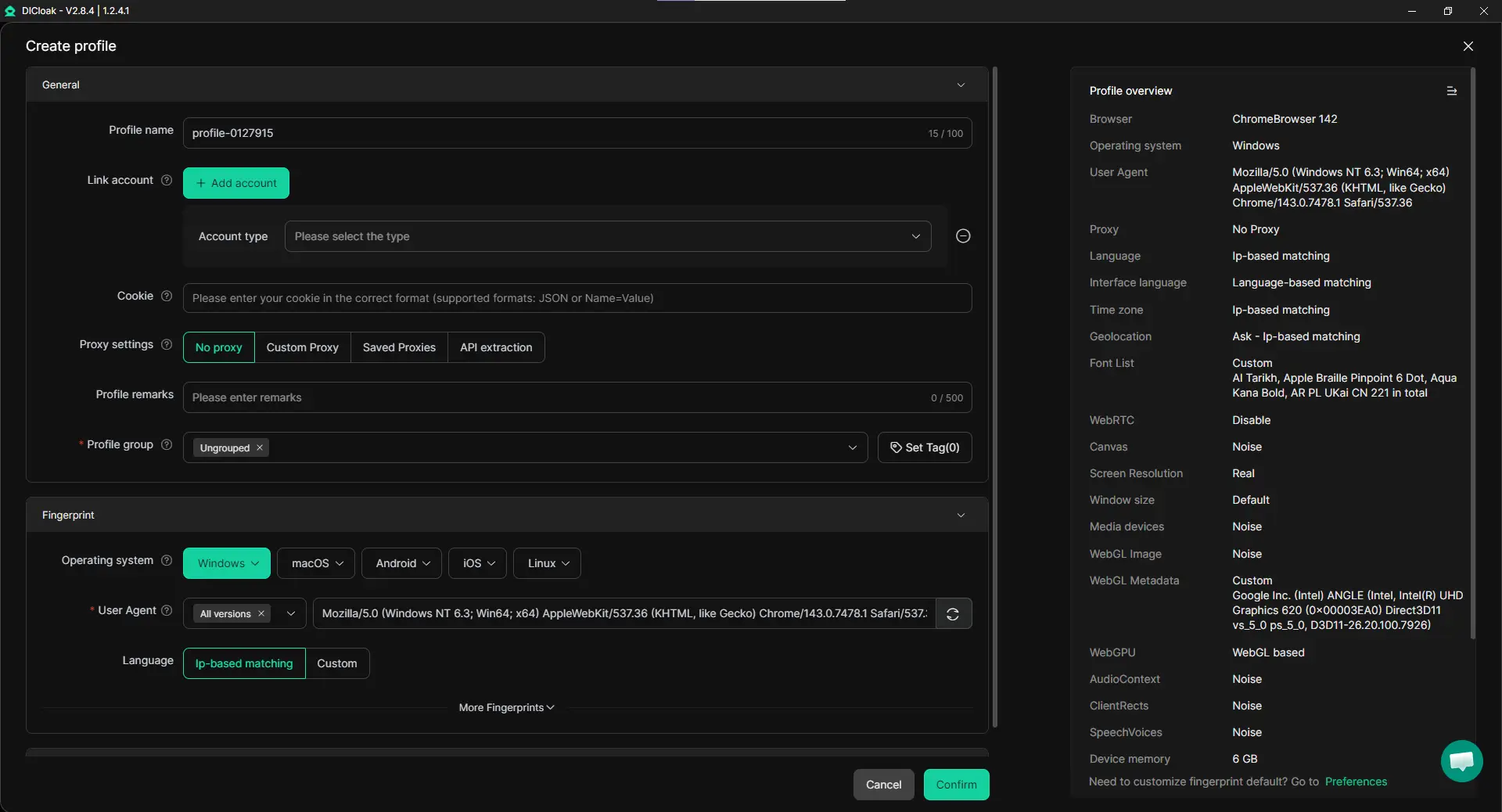
Manage multiple Facebook accounts safely
When operating several pages or ad-ready profiles, keeping accounts isolated is critical. With DICloak, each Facebook account runs in a separate browser profile with its own unique fingerprint. Users can also assign and customize proxies for each profile, keeping every account connected through a dedicated IP and location. This setup allows creators and marketing teams to manage multiple Facebook Pages on one device without account conflicts, reducing the risk of bans or unexpected restrictions while scaling monetized content.
Maintain natural and consistent engagement
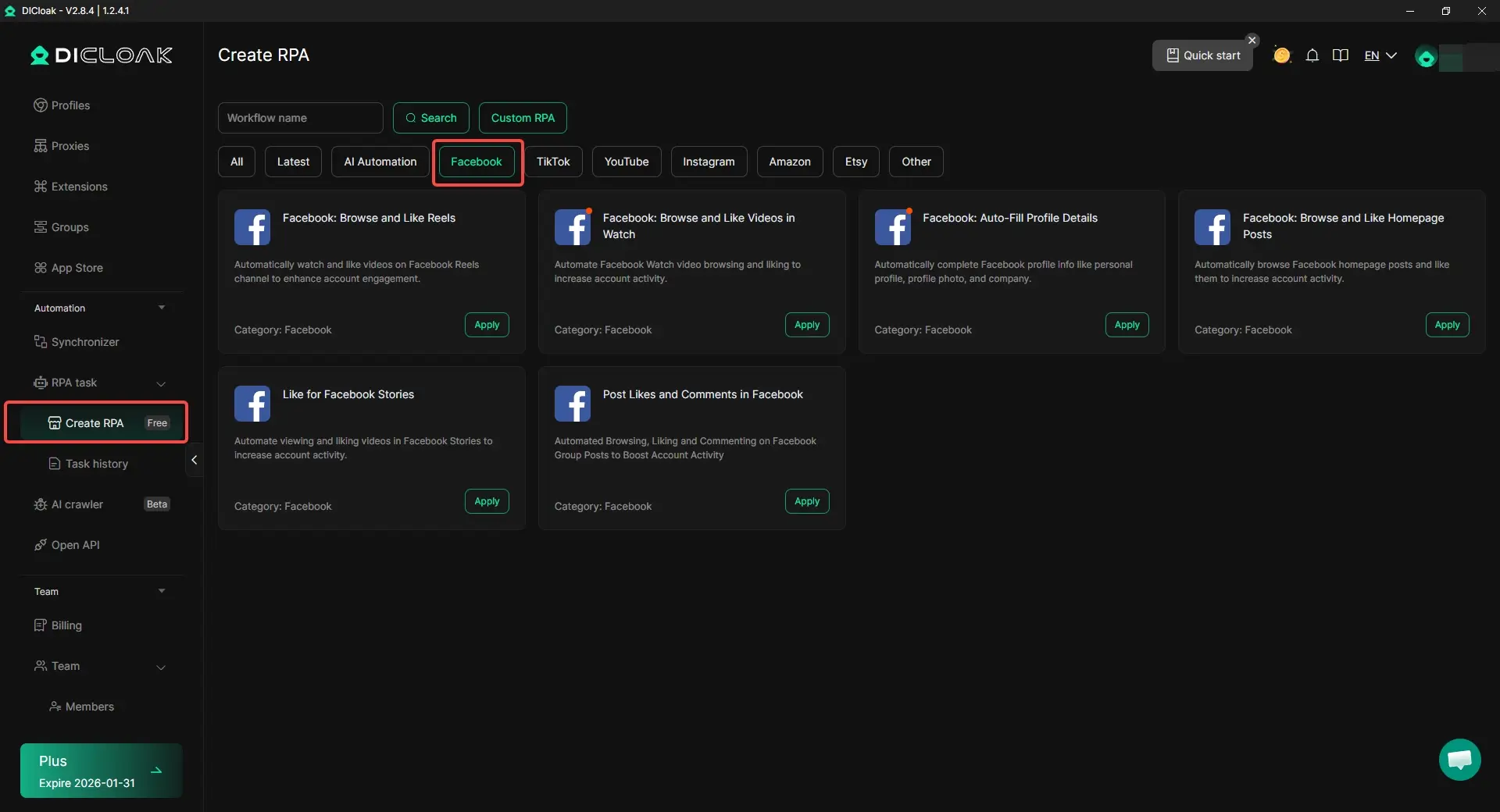
Watching time and engagement directly affect monetized views. Using DICloak’s built-in RPA automation tools, routine actions like liking posts, commenting, or following can be handled in a more natural, human-like way. The synchronizer also makes it easier to engage across several Pages at the same time, helping accounts stay active without creating abnormal behavior patterns.
DICloak Video Stream Spoofing: Solve Video Selfie Verification Instantly
Managing multiple Facebook accounts often means dealing with frequent selfie video verifications, which can disrupt workflows and cause delays. These checks are essential for security but can be time-consuming and inconvenient.
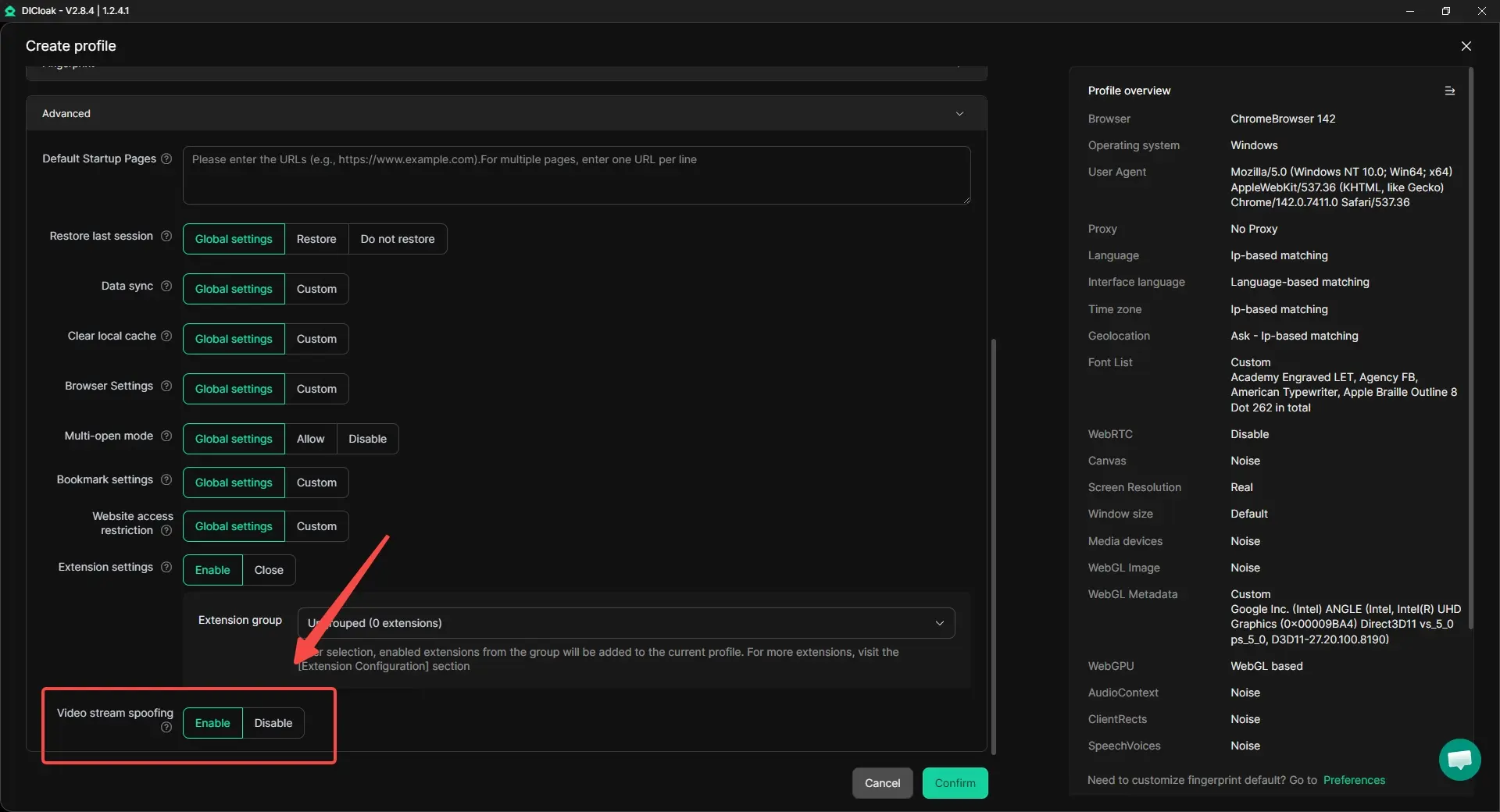
DICloak’s Video Stream Spoofing solves this by allowing users to upload a pre-recorded MP4 video that meets Facebook’s verification requirements. Instead of recording a live video each time, DICloak streams the pre-recorded video as a live selfie, bypassing repetitive checks.
This feature can be enabled in Advanced Profile Settings within DICloak. It ensures consistent device fingerprints, allowing marketers and teams to manage multiple accounts smoothly and scale monetized content without interruptions.
Reduce operational risk while scaling revenue
As view counts grow, so does the risk of account issues. A clean, isolated browsing environment allows creators to focus on improving content quality and engagement, rather than worrying about technical limitations. This makes it easier to grow multiple income streams and better understand how much does Facebook pay for views in real, scalable conditions.
Conclusion
Understanding how much does Facebook pay for views requires more than counting views. Earnings change based on audience location, watch time, engagement, and the type of monetization used. In-stream ads and Reels do not pay the same, and not all views are monetized.
Facebook rewards content that keeps people watching and interacting. Meeting monetization rules is also critical, since views only generate revenue when a page stays eligible and compliant. Simple improvements like stronger hooks and consistent posting can make a real difference.
For creators working at scale, maintaining stable and separate environments is important. Tools like DICloak help reduce risk and support long-term monetization growth. In the end, real earnings come from quality content, smart strategy, and consistent execution—not views alone.
Frequently Asked Questions about How Much Does Facebook Pay for Views
How much does Facebook pay for views per 1,000 views?
Facebook does not have a fixed rate, but creators usually earn between a few cents and several dollars per 1,000 views. The exact amount depends on factors like audience location, ad demand, and engagement quality.
How much does Facebook pay for 1 million views?
Earnings for 1 million views can range widely, from a few hundred dollars to several thousand dollars. This depends on whether the views are monetized, the type of content, and how much Facebook pays for views in your target region.
How much does Facebook pay for views on Reels compared to in-stream ads?
Facebook generally pays differently for Reels and in-stream ads. In-stream ads often provide more stable payouts, while Reels earnings vary based on bonuses, ad testing programs, and overall performance.
Why does how much Facebook pays for views change over time?
How much Facebook pays for views can change due to ad market demand, seasonal trends, advertiser budgets, and updates to Facebook’s monetization policies or algorithms.
How can creators increase how much Facebook pays for views?
Creators can increase how much Facebook pays for views by targeting high-value audiences, improving watch time, boosting engagement, and staying eligible for monetization while scaling content safely.
 Web Proxy Tools
 Free Tools
 Cookie Plugin
 UA Generator
 MAC Address Generator
 IP Generator
 IP Address List
 2FA Code Generator
 World Clock
 Anonymous Check
 WebRTC Leak Test
 UUID Generator
 Free Web Proxy Site
 Proxy Checker
 FB Ad Checker
 AI Web Scraping
 Free SMM Tools
 Twitter Shadowban Checker
 Instagram Name Checker
 UTM Generator
 Username Generator
 AI Hashtag Generator
 LinkedIn Headline Generator
 Social Media Image Resizer