What to expect from data input jobs from home
The current landscape of remote data entry is characterized by a low barrier to entry, making it an accessible starting point for those new to the digital economy. While the requirements are straightforward, typically a high school education and a reliable computer, success requires a professional focus. This is not "passive income"; it is active work that rewards accuracy and speed.
The pay for these roles reflects the complexity of the tasks. According to the U.S. Bureau of Labor Statistics, the mean hourly wage for data entry keyers is $18.26. For beginners, it is important to understand the typical progression from entry-level rates to top-tier compensation:
| Pay Category |
Hourly Rate |
| Entry-Level Median Pay |
$17.40 |
| Mean Hourly Wage |
$18.26 |
| Top Earner Potential |
$24.76 |
Most roles involve transferring text, numeric codes, or order numbers from primary sources into digital systems. Simple tasks, such as basic data transfer, offer lower rates but provide a high volume of work. Specialized tasks, such as data extraction, web scraping, and audio/video transcription, command higher pay but are generally reserved for workers with a proven track record of meticulous delivery.
Identifying legitimate data input jobs from home vs. scams
Because the barrier to entry is low, the data entry industry is frequently targeted by scammers. As a technical advocate, I cannot stress this enough: your security is your own responsibility. Protecting your digital identity is as important as finding the job itself.
Red Flags to Watch For
- Pay-to-Play: Any request for "training fees," "onboarding fees," or "administrative costs" is an immediate red flag.
- Unreasonable Wages: Be skeptical of offers promising $50/hour for simple data entry. If it sounds too good to be true, it is.
- Premature Financial Requests: Job posters asking for sensitive banking information or personal ID data before a formal contract is signed.
- Fake Checks: Scammers may send a check to "buy equipment" and ask you to wire back the "surplus." This is a classic fraud tactic.
Safe Practices Checklist
- Research the Employer: Verify that the company has a legitimate web presence and a detailed, professional job description.
- Consult Reputation Aggregators: Check Glassdoor and Trustpilot to read reviews from other remote workers.
- Verify the Process: Legitimate companies never charge you to work for them.
- Use Professional Platforms: Stick to verified job boards and managed service providers rather than random social media advertisements.

Comparing the best platforms for data input jobs from home
Success in remote work depends on choosing a platform that matches your career goals. We categorize these into two main types:
High-Volume Marketplaces for Freelance Portfolios
- Upwork: A bidding platform where you apply for specific projects. It is highly competitive but excellent for those who want to build a long-term freelance business.
- Fiverr: A marketplace where you create a profile and "package" your data entry services (e.g., "I will clean 500 rows of Excel data for $20").
- Freelancer: Similar to Upwork, allowing you to bid on tasks and contact multiple clients simultaneously.
Who they fit best: Individuals who want to set their own rates, build a public portfolio, and manage their own client relationships.
Managed Service Providers for Consistent Task Flow
- Axion Data Services: A provider that hires specialists for consistent work. They require at least three years of experience, a typing speed of 50 wpm, and a criminal background check.
- DataPlus: A firm that hires contract clerks. They require a computer, fast internet, and a background check.
- Clickworker: A micro-tasking site where users pass assessments to access work. Pay is per task, and higher performance leads to more opportunities.
Who they fit best: Workers who prefer a structured queue of tasks and don't want to spend their time bidding or marketing themselves.
Essential skills for landing remote data entry roles
To move beyond entry-level pay, you must treat data entry as a craft. Mastering these core competencies is the essential stepping stone to more lucrative technical roles like Data Analyst or Virtual Assistant.
- Fast and Accurate Typing: Speed is useless without accuracy. Aim for at least 50 wpm with 98% accuracy.
- Microsoft Office/Google Workspace Proficiency: You must be comfortable with VLOOKUPs, pivot tables, and document formatting.
- Attention to Detail: In this industry, meticulousness is currency. Accuracy leads to "trusted status" on most platforms, granting you access to higher-paying work.
- Communication and Research: The ability to follow complex instructions and resolve data ambiguities independently.
While a degree is an "added advantage," the primary requirement is usually a high school education combined with strong English and math skills.
Using DICloak to manage professional data entry workflows
Professional data entry often involves managing multiple client accounts or navigating platforms with strict regional restrictions. Using a specialized tool like DICloak is not just about efficiency; it is about risk mitigation and protecting your digital reputation.
Maintaining separate browser profiles for different clients
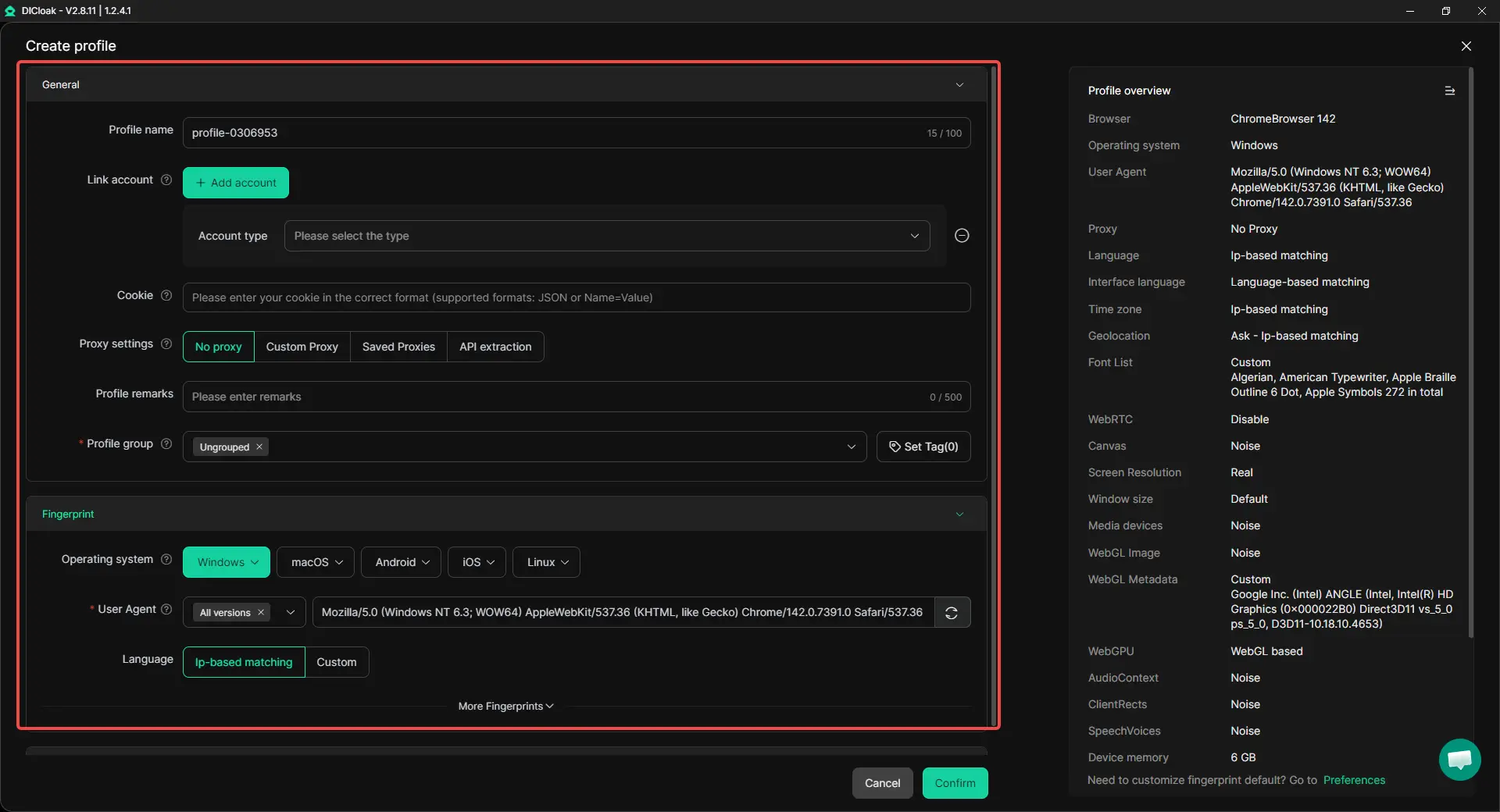
DICloak allows you to create multiple profiles, each with a unique digital fingerprint. This reduces the risk of "account cross-contamination," keeping that a technical issue or a flag on one client's platform does not lead to a shadowban across your entire work portfolio. Beginners can start managing their digital footprint immediately with DICloak’s free tier, which includes 5 profiles.
Configuring custom proxy settings for secure access
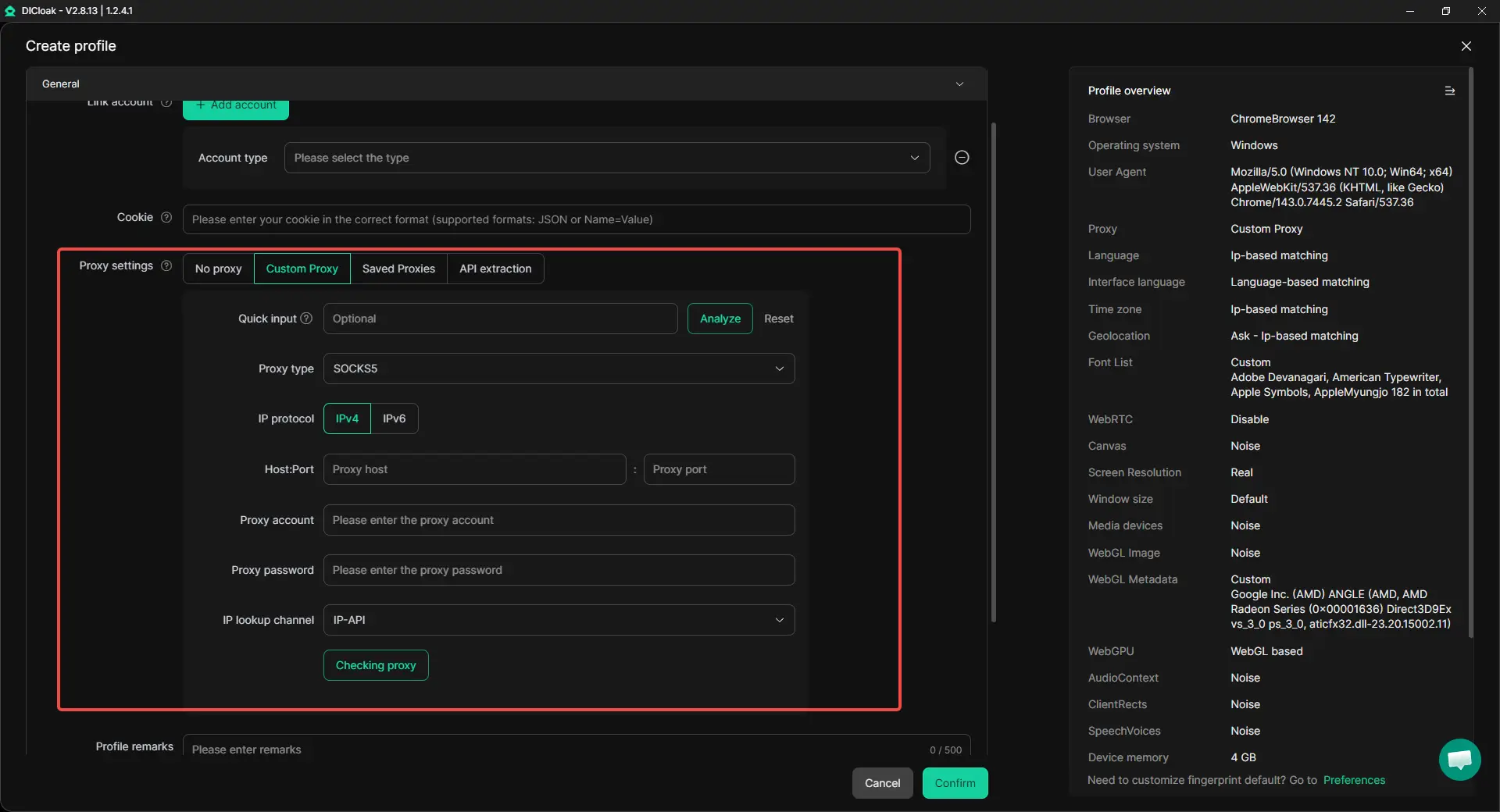
Many platforms use geoblocking to limit access to specific regions. DICloak allows you to configure custom proxies. Platforms often detect and ban VPN traffic protocols, but a high-quality proxy within a DICloak profile mimics a real resident’s digital identity, allowing you to bypass regional IP requirements safely.
Improving efficiency with the built-in Synchronizer
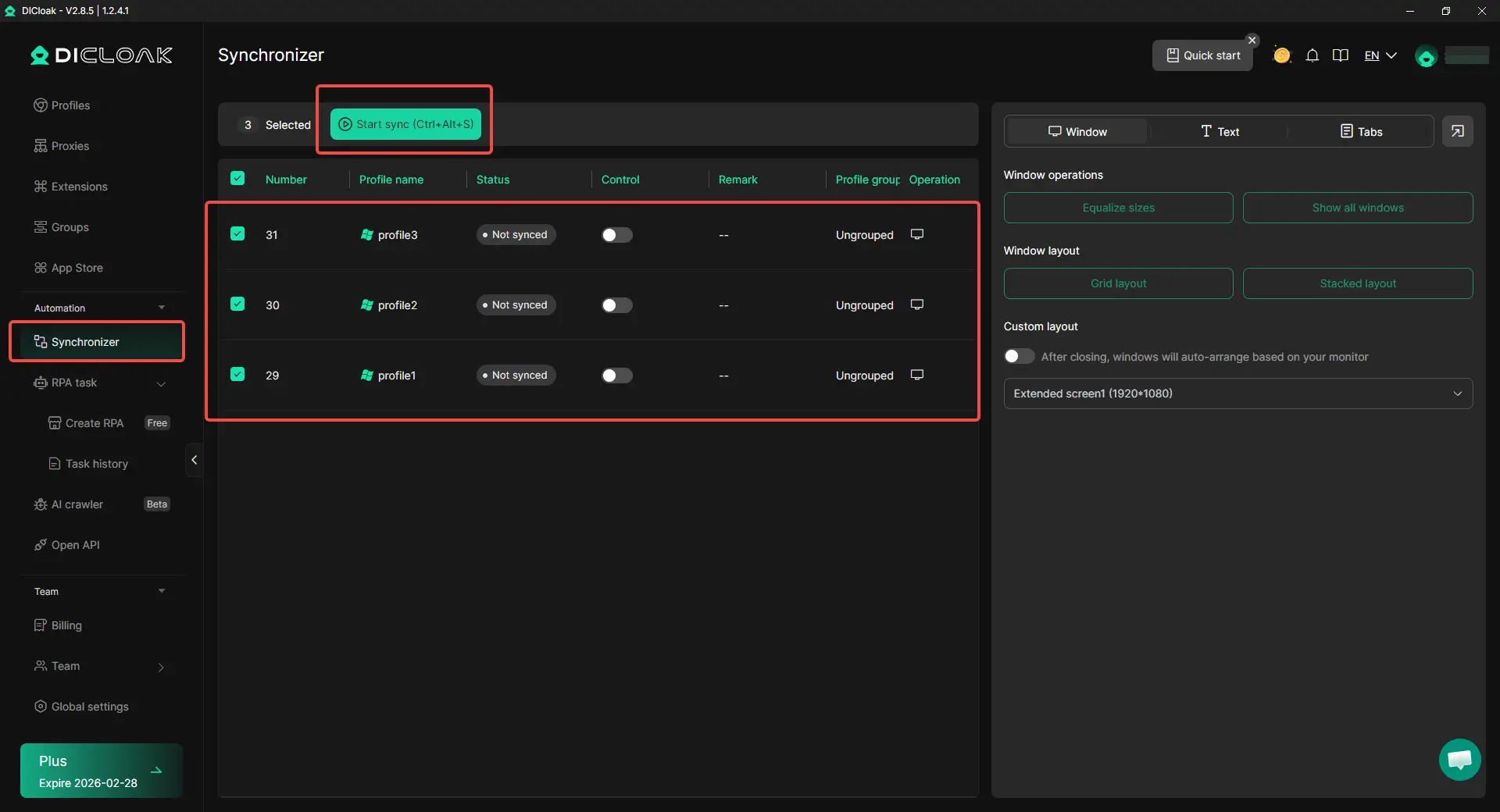
For high-volume workers, the DICloak Synchronizer is a great tool. It allows you to perform "mirroring" actions—typing or clicking in one main window and having those actions replicated across multiple browser windows simultaneously. This allows you to scale your output and manage repetitive tasks across different profiles at a speed that is impossible with a standard browser.
Common mistakes when starting data input jobs from home
One of the most frequent errors is assuming "simple" work equals "low effort." Data entry is repetitive and requires sustained focus to maintain the accuracy rates required for pay.
A major pitfall to avoid is the "Remotasks trap." While the site is a legitimate company, it is known for having extremely high evaluation criteria. If your work does not meet their specific standards, it may be rejected entirely, meaning you could work for hours and receive $0. Furthermore, they often cap earnings at approximately $500 per month.
Finally, do not make the mistake of relying on a single platform. Diversifying your presence across multiple sites ensures a steady stream of income even if one platform experiences a shortage of work.
Conclusion
Success in remote data entry comes from a combination of meticulousness and tactical platform choice. By honing your typing speed and mastering basic office software, you can establish a reliable income stream. Use professional tools to manage your digital presence, stay vigilant against scams, and remember that consistent, high-quality work is the fastest path to specialized, higher-paying roles.
FAQ
Do I need a degree for data entry?
No. A high school education is usually the baseline requirement. While an undergraduate or advanced degree is an "added advantage," your practical skills and accuracy are more important to employers.
How much can I realistically earn per year?
Based on U.S. Bureau of Labor Statistics data, the mean annual wage for data entry keyers is approximately $37,970.
Why are some job sites blocked in my country?
Companies often use geoblocking due to complex regional legal landscapes or as a strategic measure to prevent platform abuse and ensure a certain level of work quality.
Is Remotasks a scam?
It is not a scam, but it is highly controversial. Due to its "high evaluation criteria," users often find their work rejected without pay, and the platform typically caps earnings at $500 per month.
What equipment do I need to start?
You will need a reliable laptop or PC (Windows or Mac), a stable high-speed internet connection, and occasionally a mobile device (iOS or Android) for two-factor authentication or mobile-specific tasks.
How do I know if a "training fee" is a scam?
It is always a scam. Legitimate employers provide training as part of the onboarding process and will never ask a candidate to pay for the privilege of being hired.
 Web Proxy Tools
 Free Tools
 Cookie Plugin
 UA Generator
 MAC Address Generator
 IP Generator
 IP Address List
 2FA Code Generator
 World Clock
 Anonymous Check
 WebRTC Leak Test
 UUID Generator
 Free Web Proxy Site
 Proxy Checker
 FB Ad Checker
 AI Web Scraping
 Free SMM Tools
 Twitter Shadowban Checker
 Instagram Name Checker
 UTM Generator
 Username Generator
 AI Hashtag Generator
 LinkedIn Headline Generator
 Social Media Image Resizer