We’ve all been there—trying to find someone, whether it’s an old friend, a business contact, or even a lost relative. With the vast amount of information available online today, tracking down people has become much easier. But while fast people search tools can help you find details quickly, it’s important to know exactly how they work and when it’s appropriate to use them. In this guide, we’ll break down how fast people searches function, what they can be used for, and the best ways to make the most of these tools.
Understanding Fast People Search
What is Fast People Search?
Fast People Search is an online tool that helps people find personal information about others quickly. It collects data from public records and other online sources. This service is often used to locate someone's contact information, address, or other personal details. For example, if you lost touch with an old friend and want to reconnect, a fast people search could help you find their current phone number or address.
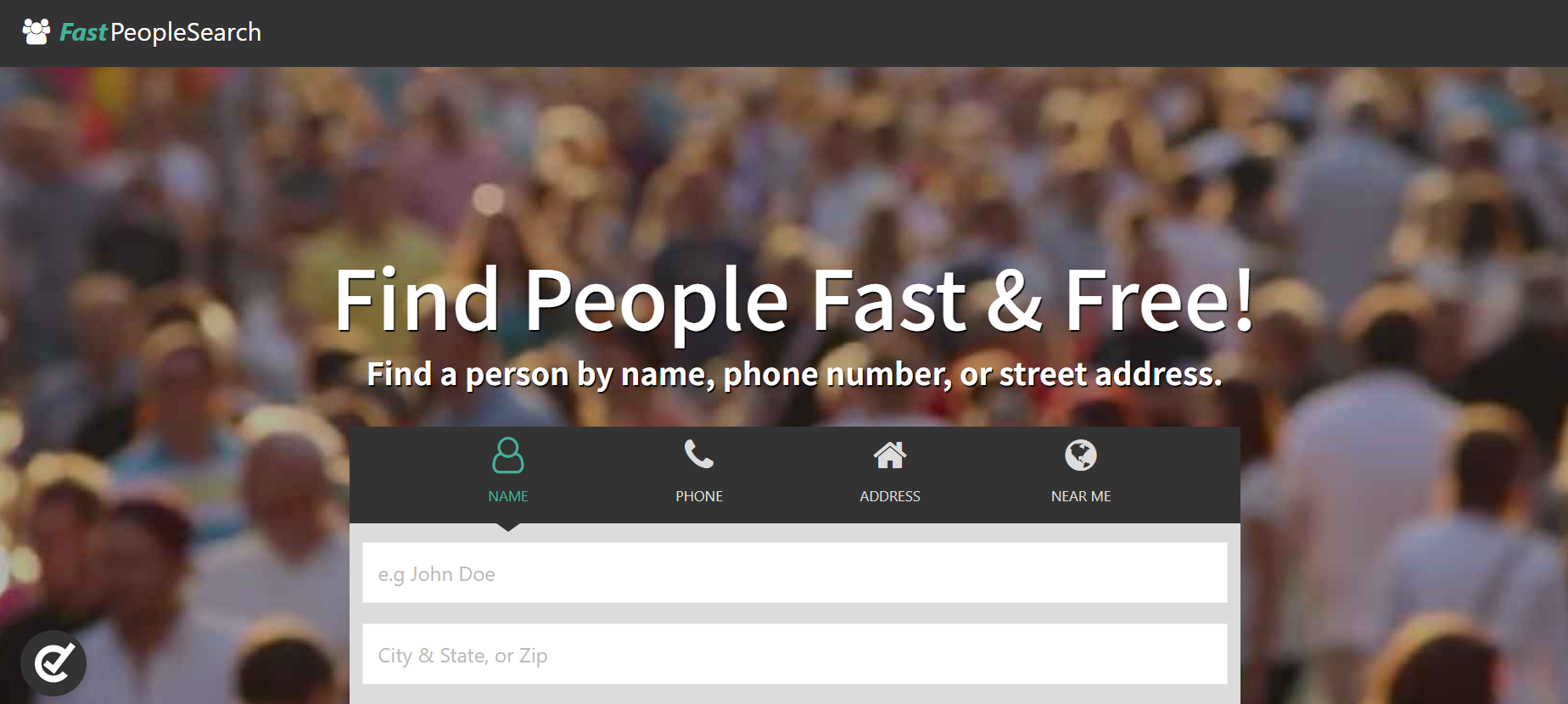
How Does Fast People Search Work?
Fast People Search works by gathering publicly available information from various databases. These might include government records, social media profiles, and online directories. When you enter a person's name, location, or other identifying information, the tool scans these sources and compiles the most relevant data. It's similar to searching through a phone book, but much faster and more comprehensive. A common use case is when a person searches for an old classmate or colleague they haven’t seen in years.
Common Use Cases for Fast People Search
Fast People Search can be helpful in many situations. For instance, businesses use it to verify potential employees' backgrounds. A person might use it to reconnect with an old friend or long-lost relative. It's also helpful for finding contact information when trying to locate someone for personal or legal reasons. However, it's important to use this tool responsibly and consider privacy concerns, as it can reveal sensitive information about individuals.
Privacy Concerns and Data Security
While fast people search tools like FastPeopleSearch can be incredibly helpful, they also raise serious privacy and data security concerns. These services collect a vast amount of personal information that is often publicly accessible, but not always intended to be shared. Understanding why your data is available and what types of information may be exposed is crucial for protecting your privacy.
Why Does Fast People Search Have Your Information?
FastPeopleSearch gathers data from a variety of publicly accessible sources, but many users are unaware of just how much personal information is out there. The tool typically collects details from public records, online databases, social media profiles, and more. Public records, like property deeds or voter registration lists, often contain personal data. If you’ve ever shared information online, even through social media or public directories, it could end up being part of a fast people search result.
Where FastPeopleSearch Gets Their Data
FastPeopleSearch collects its information from multiple sources, many of which are publicly available. The main sources include:
- Public Records Databases: These include government and legal documents such as property deeds, voter registration records, civil and criminal court filings, marriage and divorce certificates, and business licenses. These records are typically accessible through local, state, or federal agencies.
- Web Crawlers: Programs that scan the internet for publicly available data about individuals. These crawlers may pull information from websites, blogs, news articles, and public directories.
- Marketing and Commercial Databases: FastPeopleSearch also licenses data from third-party providers in the data-broker industry. These providers collect and sell data from a variety of sources, often combining personal information into detailed profiles.
- Other Online Sources: Information from social media profiles, professional networking sites, and other publicly accessible content across the web is also included. If you’ve posted information about yourself online, it may be collected and listed.
This mix of public, licensed, and web-scraped data makes fast people search tools like FastPeopleSearch powerful but also a potential risk for privacy violations.
Types of Personal Information Exposed by Fast People Search

FastPeopleSearch compiles a wide range of personal data, which may include:
- Personal Identifiers: Full names, aliases, IP address, date of birth, and estimated age. It also lists current and previous addresses, mobile phone numbers, and email addresses.
- Relationship Data: Information about your relatives, household members, and associates, including people who have lived at the same address or are listed as possible family members or roommates.
- Property Information: Records of real estate ownership, property values, square footage, past sales, and rental properties tied to your name.
- Device and Digital Data: Information such as your Media Access Control (MAC) address, cookie identifiers, and user settings, including details from your mobile carrier or advertising profiles.
For instance, if your property records are available through public databases, FastPeopleSearch can link them to your name and address, making your real estate transactions visible to others.
Legal and Ethical Considerations of Using Fast People Search
While the information provided by FastPeopleSearch is often legally available through public records, it’s important to consider the ethical implications of using it. Just because something is public doesn’t mean it should be used freely. Misusing this data—whether for harassment, identity theft, or stalking—can have serious legal consequences. Laws such as the Fair Credit Reporting Act (FCRA) govern how personal data can be used, ensuring that sensitive information is handled responsibly.
FastPeopleSearch and similar sites may also not fully disclose all the data sources they rely on. These sites often pull information from public records, web crawlers that scan the internet for data, commercial databases licensed from data brokers, and social media platforms. The lack of transparency about where the data comes from can add to the risks of using these tools irresponsibly.
The Importance of Data Security in People Searches
Given the extensive personal data collected by fast people search tools, maintaining data security is crucial. When using such services, be cautious about where and how your information is stored and shared. Many of these sites ask for extra personal details in exchange for search results, which can be a red flag for potential scams.
To safeguard your privacy, consider adjusting the privacy settings on your social media profiles, opting out of public directories, and regularly monitoring your online presence. Additionally, if you're worried about your own personal data being exposed through people search sites, taking steps to limit the amount of information available online can help reduce your risk.
Why You Should Remove Your Information from Fast People Search
While FastPeopleSearch can be a helpful tool for locating others, it can also put your personal information at risk. If you have ever used the service or found your details listed, you might want to consider removing them. Let’s explore the reasons why.
Privacy Risks
Removing your personal information from FastPeopleSearch is essential for several reasons:
- Identity Theft: Exposure of your personal details, like your name, address, and phone number, can make it easier for criminals to steal your identity.
- Stalking or Harassment: If your home address and contact information are publicly available, they could be used by strangers for stalking or harassment.
- Relationship Data Exposure: Information about your family members or roommates can also be found, which could increase the risk of unwanted attention.
Long-Term Impact on Digital Privacy
Leaving your information on FastPeopleSearch can have lasting effects on your digital privacy. Your data could stay online for years, leaving a digital trail that’s hard to erase. As time goes on, the risk increases that your personal details may be misused in ways you never intended, such as scams, fraud, or even impersonation. This persistent presence could affect both your security and your online reputation.
How to Remove Yourself from Fast People Search
If you’ve decided to remove your information from FastPeopleSearch, the process is straightforward but important for maintaining your privacy. Here’s a step-by-step guide to help you through it.
Step-by-Step Guide
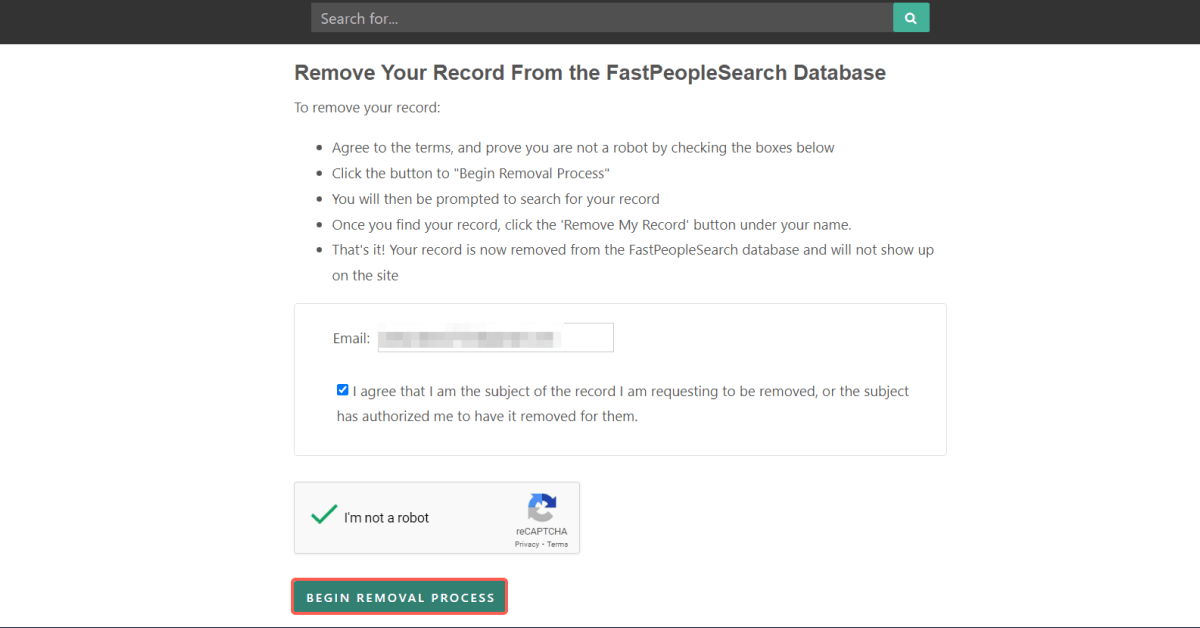
- Visit the Opt-Out Page: Start by going to the FastPeopleSearch website and navigating to the "Opt-Out" section.
- Enter Your Information: You will be asked to provide details such as your full name, location, and other identifying information to locate your profile.
- Verify Your Identity: FastPeopleSearch may require you to confirm your identity by completing a CAPTCHA or by verifying the details you've provided.
- Request Removal: Once your profile appears, select the option to remove it from the site. You’ll need to confirm your request.
- Wait for Confirmation: After submitting, you should receive a confirmation email or notification that your request has been processed.
What Happens After Removing
Once your information is removed, it should no longer be visible on FastPeopleSearch. However, it’s important to note that the site may not update immediately, and you might need to check back periodically to ensure your data remains removed.
How Long Does the Removal Process Take?
The removal process typically takes anywhere from a few hours to several days. FastPeopleSearch usually processes requests within a week, but it can depend on their workload. Once your data is removed, you should see it disappear from the search results.
Contacting Customer Support
If you encounter any issues with the removal process, you can contact FastPeopleSearch’s customer support. They can assist with troubleshooting any problems you face or clarify the status of your removal request. Reach out through their contact form or email support.
What to Do if Your Information Reappears?
Sometimes, after your information is removed, it may reappear on FastPeopleSearch after a few weeks or months. Here’s what you can do if this happens:
- Periodically Request Removal: Continue to monitor the site and request removal again if your information reappears. Repeated requests may be necessary to maintain privacy.
- Limit Your Online Data Exposure: Be mindful of the information you share online. Adjust privacy settings on social media accounts and remove any publicly available data that could end up in people search sites.
- Use Privacy Tools for Continuous Protection: Consider using online privacy tools or services that help protect your personal data. These tools can notify you if your information is listed on people search sites and assist with removal.
To further protect your personal information and account security, using an antidetect browser is a best practice. These browsers help mask your real identity, preventing websites and services from tracking your device and online activity. This is especially useful for maintaining privacy and avoiding unwanted exposure of your data across various platforms, including fast people search sites.
Why choose DICloak Antidetect Browsers for your business?
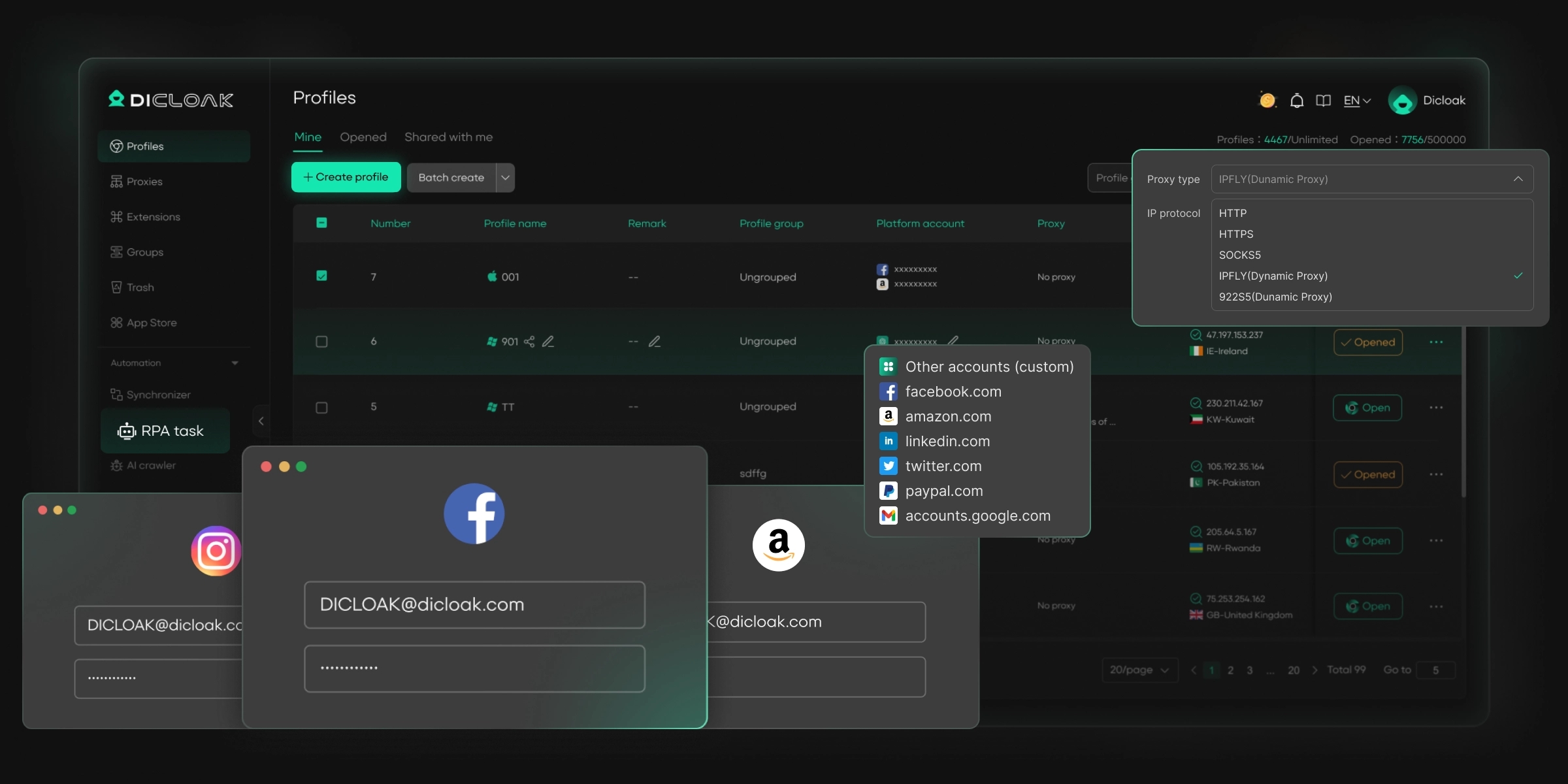
⚡The DICloak Antidetect Browser has become a global favorite for its unparalleled ability to efficiently and securely manage multiple accounts. Designed for professionals in social media management, and more, DICloak offers powerful features like RPA automation, bulk operations, and a synchronizer. Additionally, it allows you to customize fingerprints and integrate proxies for each profile, ensuring top-level security and operational efficiency. It’s the ultimate tool for seamless, secure, and scalable operations.
What Makes DICloak Stand Out?
✅ Manage 1,000+ Accounts on One Device: Stop wasting money on extra hardware! DICloak allows you to manage multiple accounts on a single device, cutting costs and boosting efficiency.
✅ Guaranteed Account Safety, No Ban Risks: Every account gets its own isolated browser profile with custom fingerprints and IPs, drastically reducing the risk of bans. Your accounts, your control!
✅ Flexible Proxy Configuration for Maximum Performance: Seamlessly integrate with all major proxy protocols (HTTP/HTTPS, SOCKS5) and manage your proxy pool with bulk operations. No more struggling with IP management—DICloak has you covered.
✅ Streamlined Team Collaboration for Better Results: Easily manage your team with advanced tools like profile sharing, permission settings, data isolation, and operation logs. Your team works smarter, not harder.
✅ Automate the Grind with RPA: DICloak's built-in RPA saves you hours of manual work. Automate repetitive tasks, streamline workflows, and focus on what really matters—growing your business.
✅ Powerful Bulk Tools to Scale Your Operations: Create, import, and launch multiple browser profiles in one click. DICloak makes scaling your business as easy as it gets.
✅ Compatible with All Major Operating Systems: Based on the Chrome core, DICloak supports simulating Windows, Mac, iOS, Android, and Linux operating systems. No matter what platform you need, DICloak has you covered.
🔗 Ready to Get Started?
Visit the DICloak website to explore more details and choose the plan that’s right for you. Start for free today and experience the power of secure, efficient, and scalable multi-account management!
FAQs
1.Is Fast People Search Legal?
Yes, FastPeopleSearch is legal. It pulls information from public records and other online sources that are accessible by law. However, how the data is used can raise privacy concerns, so it’s important to follow ethical guidelines.
2.Why Does My Info Keep Showing Up on FastPeopleSearch?
Your information may reappear due to updates to their databases or because other public records sites share your data. Regularly checking and opting out can help, but it may take repeated efforts.
3.Can I Remove My Family Members' Info Too?
Yes, you can request the removal of information about family members, but you’ll need their consent or personal details to do so. Removing others' data may require separate removal requests for each person.
Conclusion
Fast People Search is a legal tool that aggregates public records to help locate individuals. While useful, it exposes sensitive information that can lead to privacy risks, such as identity theft and harassment. To protect your privacy, regularly check your profile and opt-out if needed, as data can reappear. By being proactive and responsibly managing your digital footprint, you can safeguard your personal information and use FastPeopleSearch ethically.
 Web Proxy Tools
 Free Tools
 Cookie Plugin
 UA Generator
 MAC Address Generator
 IP Generator
 IP Address List
 2FA Code Generator
 World Clock
 Anonymous Check
 WebRTC Leak Test
 UUID Generator
 Free Web Proxy Site
 Proxy Checker
 FB Ad Checker
 AI Web Scraping
 Free SMM Tools
 Twitter Shadowban Checker
 Instagram Name Checker
 UTM Generator
 Username Generator
 AI Hashtag Generator
 LinkedIn Headline Generator
 Social Media Image Resizer