Many people buy Facebook comments because they want their posts to look more active and more trusted. But in 2026, this is not just about adding numbers. The real challenge is making sure the comments look natural, fit the content, and support real engagement instead of creating new risk. This article explains how to buy Facebook comments more carefully, what mistakes to avoid, and how to use them in a smarter and safer way.
Why Do People Buy Facebook Comments?
People buy Facebook comments because active posts often look more trusted than empty ones. A few relevant comments can make a post feel more natural and help start early interaction. But this only works when the comments fit the post and look real.
How Comments Impact Post Visibility and Engagement
Comments matter because they can show that people are paying attention. Facebook has long said it wants to show more posts that create meaningful interaction and discussion. In simple words, posts that get real replies and real conversation may look more valuable than posts with no response at all.
That does not mean every comment helps. A short thread with relevant questions or honest opinions is very different from a group of random comments like “nice,” “wow,” or repeated emojis. Facebook also says it reduces the reach of coordinated fake engagement and removes fake accounts or Pages used to inflate popularity.
A simple example makes this easier to see. Think about two posts selling the same product. One post has many short, empty comments that do not match the topic. The other has fewer comments, but people ask about price, shipping, or product details, and the seller replies. The second post usually looks more useful and more trustworthy to a real buyer.

Common Scenarios Where Buying Comments Helps
The most common case is a new page that still looks empty. A business may post good content, but if nobody comments, the page can feel inactive. In that situation, some people buy Facebook comments because they want the post to look less ignored at the start.
This also happens with product launches, event promotion, and service ads. For example, a small online store may want early comments like “Do you ship to California?” or “Is this size true to fit?” These questions look natural because real buyers often ask them. They can also help later visitors understand the offer faster without reading a long caption.
Another common case is ad testing. Some sellers believe a post with a little discussion looks warmer and less risky than a post with zero response. That idea is understandable. But if the comments appear too fast, sound fake, or clearly do not fit the post, they can do more harm than good.
Misconceptions About Buying Facebook Comments
One common mistake is thinking that buying Facebook comments will automatically grow a page. It will not. Comments can make a post look more active, but they cannot fix weak content, poor targeting, or a bad offer. If the post does not interest real people, extra comments will not create lasting results.
Another mistake is thinking that any comment is helpful. That is not true either. Facebook says it does not allow fake accounts or behavior that artificially boosts popularity. The platform also pays closer attention to spammy and coordinated engagement.
What Are the Risks of Buying Facebook Comments?
Buying Facebook comments may look like a fast way to make a post feel active, but it comes with real risk. The main problem is not the number of comments. The problem is whether those comments look natural, fit the post, and come from real-looking activity. Facebook has said it reduces spammy content, fake engagement, and behavior that tries to game reach or popularity.
Can Buying Comments Get Your Account Flagged?
Yes, it can. Not every paid comment leads to a penalty, but low-quality or coordinated comment activity can raise red flags.
How to Spot Low-Quality or Fake Comments
Low-quality Facebook comments are usually easy to spot once you know what to look for. They are often too short, too vague, or too generic. Comments like “nice pic,” “wow amazing,” or random emoji strings may look harmless, but when many of them appear together, they can feel unnatural. This is even more obvious when several comments use the same sentence shape, the same wording, or accounts with empty profiles.
Another warning sign is poor fit. If the post is about a parenting webinar but the comments say things like “great sneakers” or “love this crypto tip,” the mismatch is obvious. Real users notice this quickly. So does the platform. A good comment should sound like something a real viewer would actually say after seeing that exact post. If it looks copied, random, or recycled, it stops helping and starts hurting.
What Happens If Comments Don’t Match Your Content?
When comments do not match the content, the first thing that breaks is trust. Real users may feel that the post is staged. That matters because people often judge a page in seconds. If the comments feel fake, the page can look less credible, not more credible.
There is also a platform risk. If Facebook sees a pattern of irrelevant or manipulative activity, that can reduce visibility instead of improving it.
How to Choose a Reliable Service for Buying Facebook Comments
Choosing a service is where many people make their biggest mistake. The real risk is not only losing money. It is buying comments that look fake, arrive in a strange pattern, or make your post feel less trustworthy. A safer choice usually means slower delivery, better comment fit, and more control over quality. That matters even more now because fake engagement and deceptive endorsements face more scrutiny than before.
Key Features to Look for in a Service Provider
A reliable provider should focus on relevance, pacing, and customization. That means the comments should match your post topic, sound like something a real person would say, and appear at a believable speed. For example, if you post a new skincare product, useful comments would ask about skin type, ingredients, shipping, or results. They should not look copied from another niche or show up all at once in a few minutes.
It also helps when the provider lets you review samples before ordering. A small test order is much safer than buying a large package right away. If the seller cannot show sample comment quality, explain how delivery works, or let you control timing and tone, that is a weak sign. Services that push only big numbers often care more about volume than believability. In practice, a smaller batch of comments that actually fit the post is usually the safer choice. Deceptive review and endorsement practices now carry more legal and reputational risk, so “cheap and fast” is often the opposite of “safe.”
How to Verify the Authenticity of Comments Offered
The easiest way to verify comment quality is to check whether the comments feel native to the post. Read them like a normal user, not like a buyer. Do they ask a reasonable question? Do they sound specific? Do they react to what is actually in the image, video, or caption? If yes, that is a better sign. If they are vague, repeated, or work on any random post, they are probably low quality.
You can also ask for recent examples from the same niche. A good provider should be able to show comments for product posts, event posts, or service posts that look different from each other. That matters because real engagement is not one-size-fits-all. A comment under a fitness offer should not sound like a comment under a baby product ad. Another smart step is to test a few comments first and watch how they land. If they feel natural next to your content, the service may be usable. If they look stiff or out of place, stop there. Authenticity is less about “real-sounding words” alone and more about context, timing, and fit.
Red Flags to Avoid When Selecting a Provider
The biggest red flag is a promise that sounds too easy. “Instant 1,000 comments,” “100% real users guaranteed,” or “works for every niche” are all warning signs. Real-looking engagement is never that uniform. Another bad sign is recycled wording. If sample comments are full of “nice post,” “great share,” or random emoji strings, they are not likely to help much. The same is true when the seller refuses small test orders or avoids basic questions about delivery pattern and comment style.
Poor account quality is another problem. If comments seem to come from empty profiles, unrelated regions, or accounts with strange names and no normal activity, the risk goes up fast. The comments may still raise the number on the post, but they can also make the post look staged. That hurts trust with real readers. It can also create a pattern that looks more artificial than helpful. A good rule is simple: if the service cares more about comment count than comment fit, walk away. That is usually where money gets wasted and problems start.
Step-by-Step Guide to Buying Facebook Comments
If you still plan to buy Facebook comments, the safest approach is to move slowly and check quality at every step. The biggest mistake is rushing into a large order just to make a post look busy. That can create a comment pattern that feels forced, and forced engagement is more likely to lose visibility than help it. On top of that, fake or misleading testimonials now face stronger legal risk in the U.S., especially when they create a false picture of real customer opinion.
Step 1: Decide What Kind of Comments You Actually Need
Start with the post itself. Ask a simple question: what would a real person naturally say under this content? A product post needs different comments than an event post, a service ad, or a giveaway. For example, under a skincare post, natural comments might ask about ingredients, shipping time, or skin type. Under a webinar post, people may ask whether replay is included or whether beginners can join.
Step 2: Test the Provider With a Small Order First
Never begin with a large package. A test order helps you see the provider’s real quality before you risk more money or more exposure. Start small. Watch how the comments appear, how fast they arrive, and whether they sound like they belong under your post.
Step 3: Check Whether the Comments Sound Like Real Viewers
Before you accept any order, read the comments one by one. Do not look at them like a buyer. Look at them like a normal Facebook user. Ask yourself: would this comment make sense if I saw it naturally on this post?
Step 4: Keep Delivery Slow and Natural
Timing matters almost as much as wording. If a quiet page gets dozens of comments in a few minutes, the activity can look unnatural. A slower pattern usually feels more believable. That is why it is better to spread comments out instead of forcing a sudden spike.
Step 5: Avoid Turning Comments Into Fake Customer Reviews
This step is easy to miss, but it matters a lot. There is a difference between starting light discussion and creating fake proof that real customers loved your product. In the U.S., deceptive reviews and testimonials face much more direct legal pressure now. That includes fake or false testimonials, reviews from people with no real experience, and paid positive sentiment presented as if it were honest customer feedback.
Step 6: Watch the Post After Delivery
Once the comments are live, do not walk away. Check how the post looks as a whole. Do the comments blend in, or do they stand out for the wrong reason? Do real users start replying, or does the thread still feel artificial?
Step 7: Use Comments as Support, Not as the Whole Strategy
Even the best-looking comments cannot save a weak post. If your image is poor, your offer is unclear, or your caption does not connect with the audience, bought comments will not fix the deeper problem. At most, they may reduce the “empty post” effect for a short time.
How to Use Bought Facebook Comments Strategically
Bought Facebook comments work better when they support real interaction, not replace it. The safer approach is to use them lightly, place them into a normal posting rhythm, and turn them into real conversation through follow-up replies.
Combining Bought Comments with Organic Engagement
Use bought comments only as a small starting push. Do not let them carry the whole post. A better way is to post content that already has value, then add a few relevant comments that make the thread feel less empty. After that, let real likes, replies, and shares do the bigger job. This keeps the post looking more natural and lowers the chance of forced engagement patterns.
Timing Your Posts for Better Results
Place comments into a time window when your audience is more likely to be active. This makes the activity look more believable and gives real users a better chance to join the discussion. For example, if your page usually gets more attention in the evening, it makes more sense to post and add early comments then instead of pushing activity at a quiet hour.
Responding to Comments to Build Authentic Interaction
Reply to comments quickly and naturally so the thread does not look staged. If someone asks about price, shipping, or product details, answer clearly and keep the conversation moving. This is often the most useful step, because even a small number of comments can look more real when the page owner joins in and turns them into actual interaction.
Comparing Different Types of Facebook Comments You Can Buy
Not all Facebook comments work the same way. Some are broad and generic. Some are written to fit the post. Some are only emojis. The difference matters because comments that feel natural are far less risky than comments that look copied, forced, or unrelated. That matters even more now because coordinated fake engagement can lose visibility, and fake testimonials can create legal risk too.
Standard Comments vs. Custom Comments
Standard comments are usually short, generic lines like “nice post” or “love this.” They are easy to deliver, but they often look weak because they can fit almost any post.
Custom comments are written for the actual content, so they feel more believable. A comment like “Do you have this in blue?” fits a product post much better than “awesome update.”
In most cases, custom comments are the safer option because they help the thread look more natural and less repetitive.
Targeted Comments Based on Demographics
Targeted comments are meant to sound like they come from a specific type of audience, such as local buyers, parents, students, or beauty shoppers. This can work better than random comments because the wording can match how that audience actually talks. For example, a local service ad may look more natural with comments about booking, timing, or area coverage than with broad praise. But this only helps if the language fits the post honestly. If the comments pretend to be real customer experiences when they are not, the risk goes up fast.
Emoji Comments and Their Effectiveness
Emoji comments are the weakest option in most cases. One or two can look normal under a casual post, but a thread full of fire emojis, hearts, or clap symbols does not add much value. It does not answer questions, build trust, or help the post feel useful. Worse, a cluster of emoji-only comments can make the activity look low-quality or automated. They may add count, but they rarely add credibility.
Mistakes to Avoid When Buying Facebook Comments
The biggest mistakes usually come from trying to make a post look active too fast. When the comment pattern feels unnatural, the result often looks less trustworthy, not more trustworthy. That is why comment volume, comment quality, and overall content fit all matter at the same time.
Overloading Posts with Too Many Comments
Adding too many comments too fast is one of the easiest ways to make a post look staged. A quiet page that suddenly gets dozens of comments in a short time can create an unnatural pattern, especially when the rest of the engagement is still weak. A smaller number of comments spread out more naturally is usually safer than forcing a heavy burst that makes the post feel manipulated.
Ignoring Comment Quality and Relevance
Low-quality comments can hurt more than they help. Generic lines like “nice post,” repeated praise, or random emojis do not add much value, and comments that do not match the topic can make the whole thread feel fake. This becomes even riskier when comments start to sound like fake buyer opinions or invented testimonials rather than normal discussion.
Relying Solely on Bought Comments for Growth
Bought comments should never be the whole growth plan. They may make a post look less empty at the start, but they cannot fix weak creative, poor targeting, or an offer that people do not care about. Real growth still depends on useful content, believable interaction, and real audience response. Without those pieces, paid comments usually become a surface-level boost that fades fast.
Enhance Comment Strategies with DICloak Antidetect Browser
When people manage Facebook comment work at a larger scale, the real challenge is not only getting comments posted. It is keeping each profile stable, keeping account activity separated, and making daily work easier to control. A cleaner setup can help people handle this process with less confusion and less cross-account risk.
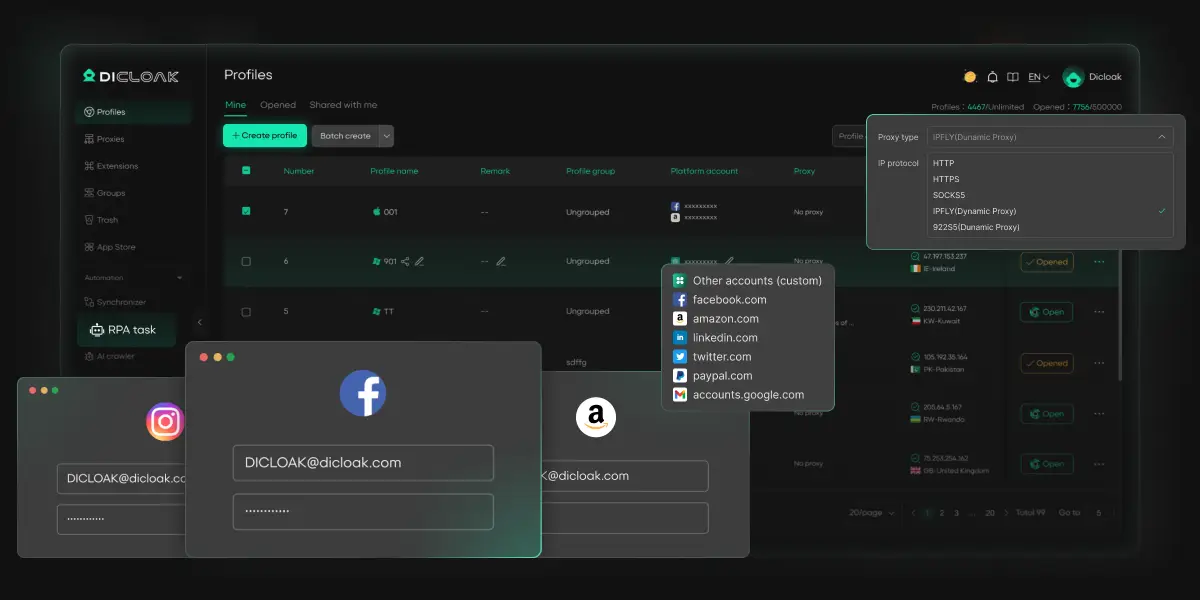
Manage Multiple Facebook Accounts Safely
People who work with more than one Facebook account need to keep each profile separate and consistent over time. That matters because mixed logins, shared sessions, and messy switching can make account activity look unstable. A more careful setup lets a person assign each account to its own profile, so daily actions stay more organized and easier to manage.
Automate Commenting for Consistent Engagement
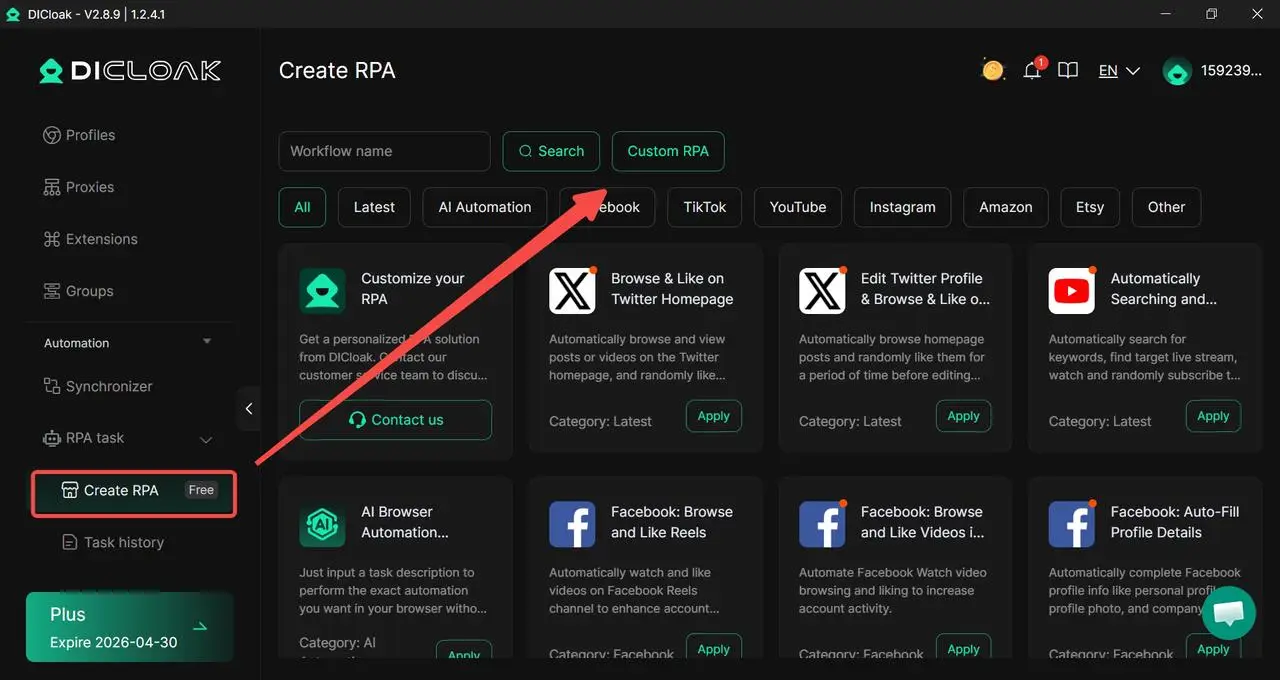
People can also use RPA automation more carefully when they want comment activity to follow a steadier rhythm. Instead of posting everything at once, they can space actions out, match them to a posting schedule, and keep the pattern closer to normal use. This kind of setup is not about pushing more comments. It is about helping people keep comment work more consistent and less chaotic.
Use AI Tools to Craft Relevant Comment Ideas
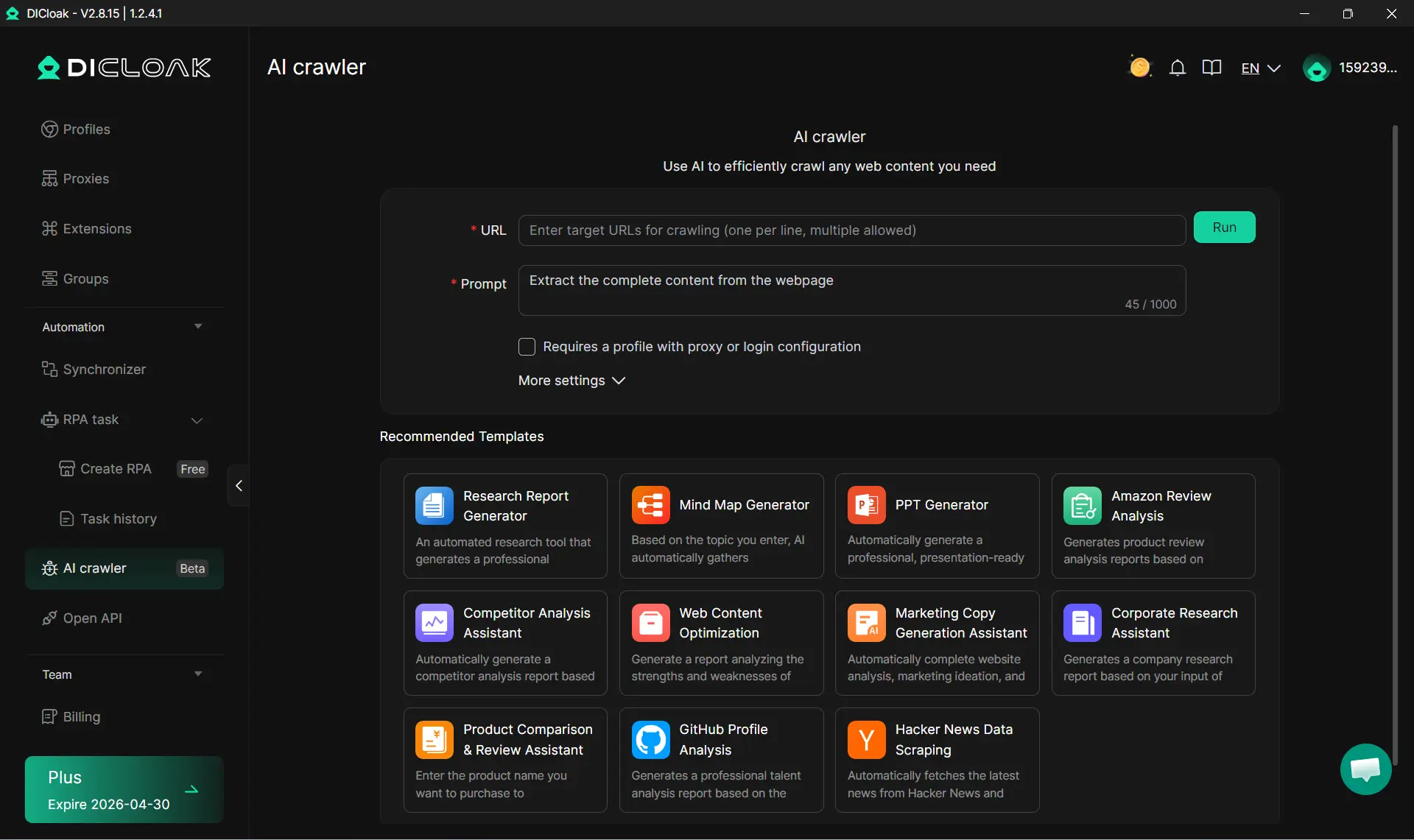
People can use AI crawler to brainstorm comment ideas that better match the post topic, tone, and audience. This helps avoid weak comments that feel generic or out of place. For example, instead of posting broad lines like “nice post,” a person can prepare comments that ask about shipping, product details, timing, or other points that fit the content more naturally.
FAQs About Buying Facebook Comments
Is It Legal to Buy Facebook Comments?
It depends on what kind of comments you are buying and how they are used. Buying simple discussion-style comments is not the same as using fake customer praise or false testimonials. In the U.S., fake or false testimonials and reviews now face much stronger enforcement risk under the FTC’s Consumer Reviews and Testimonials Rule, which took effect on October 21, 2024. The bigger danger starts when comments create a false impression of real customer experience, product results, or public approval.
How Long Does It Take to Receive Comments?
There is no fixed timeline because delivery depends on the provider, the order size, and how the seller spaces the comments out. Some services offer very fast delivery, but that is not always a good thing. If many comments appear at once on a quiet post, the pattern can look forced. In practice, slower delivery is often safer because it looks closer to normal user behavior and creates less risk than a sudden spike.
Can I Distribute Comments Across Multiple Posts?
Some providers allow that, but spreading comments across several posts only helps when each comment still fits the exact content it appears under. Reusing the same style, wording, or praise pattern across multiple posts can make the activity look recycled. A better approach is to match each batch to the specific post, so the thread still feels natural to real readers. If the same comment logic is copied everywhere, trust usually drops fast.
Will My Followers Know I Bought Comments?
They may not know for sure, but many people can sense when comments feel off. The biggest warning signs are generic wording, random emojis, comments that do not match the post, or praise that sounds too polished for a normal thread. Followers do not need proof to lose trust. If the comments look staged, that feeling alone can damage credibility. That is why relevance and tone matter much more than raw comment count.
What Happens If the Comments Are Removed?
If comments are removed, the post usually loses whatever social proof those comments were adding. In a worse case, repeated fake-looking activity can also reduce visibility or create account-level risk over time. That is one reason low-quality comment services are often a poor deal even when they look cheap at first. You are not just paying for comments. You are also taking the risk that the comments disappear, stop helping, or create a trust problem later.
Conclusion
Buying Facebook comments can help a post feel less empty, but it is never a full growth strategy on its own. The safer path is to focus on relevance, timing, and real interaction, while avoiding fake-looking or mismatched comments. When people use comments carefully and combine them with better content, better replies, and a more stable profile setup, the result is more natural and more sustainable over time.
 Web Proxy Tools
 Free Tools
 Cookie Plugin
 UA Generator
 MAC Address Generator
 IP Generator
 IP Address List
 2FA Code Generator
 World Clock
 Anonymous Check
 WebRTC Leak Test
 UUID Generator
 Free Web Proxy Site
 Proxy Checker
 FB Ad Checker
 AI Web Scraping
 Free SMM Tools
 Twitter Shadowban Checker
 Instagram Name Checker
 UTM Generator
 Username Generator
 AI Hashtag Generator
 LinkedIn Headline Generator
 Social Media Image Resizer