You can create content all day long, but if it doesn’t reach the people who need it, you’re wasting time.
Most content strategies fail because they focus on what companies want to say instead of what their audience actually wants to hear.
The truth is, reaching the right audience requires more than posting regularly and hoping for the best. You need to know who you’re talking to, where they spend their time, and what problems keep them up at night. You also need to understand how they search for solutions and what makes them trust one source over another.
This article breaks down five practical ways to build a content strategy that connects with your ideal audience. You can start using these tactics today to make sure your content lands in front of people who’ll actually engage with it.
1.Focus on Education Before Promotion
People pay attention when content answers questions they already have. When they find reliable guidance, they trust the source
That trust shapes buying decisions, which shows up in the numbers. Consumers are 131% more likely to buy from a brand right after reading educational content. This is a strong reminder that helpful information builds momentum with the right audience.
To do this well:
- Focus every piece on a specific problem your readers face.
- Break the solution into steps they can follow without needing extra context.
- Use clean structure, clear language, and direct explanations.
- Keep the tone steady and informative.
- Make sure your advice holds up without a sales pitch.
- Tools and services can appear inside the content, but only when they support the teaching.
- Publish with consistency so readers know what to expect each time they return.
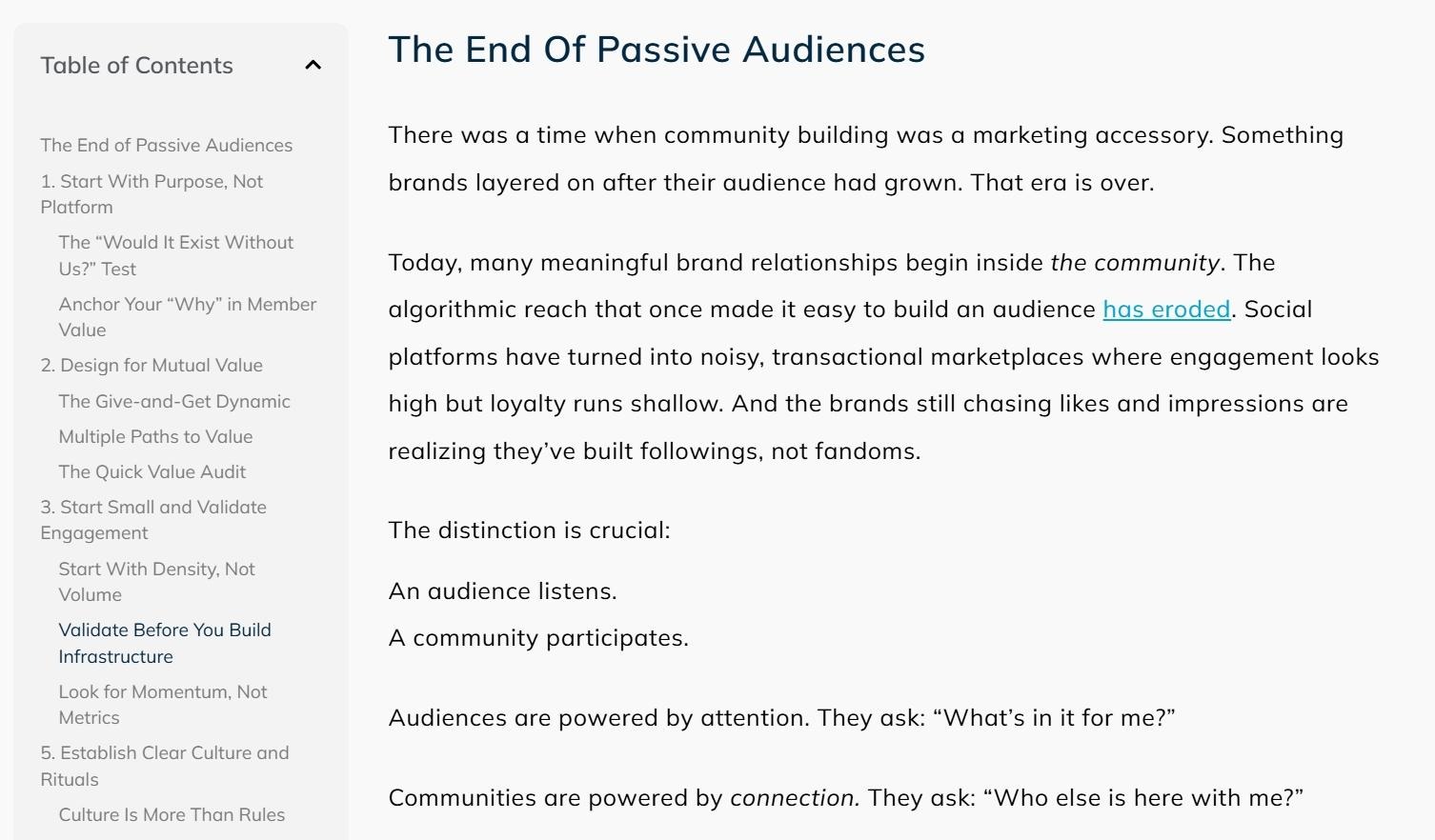
An example of this method comes from Unita, a platform that helps people find online communities for entrepreneurs and business professionals. Their article “Community Building Best Practices Every Brand Should Know” shows how helpful content can guide readers through a topic without shifting into promotion.
They explain the principles behind community building, walk through each step with care, and offer enough detail for readers to act on the advice the same day. The team stays on the subject, keeps the explanations tight, and gives readers a strong sense of direction.
The piece stands on its own as a dependable resource, which strengthens trust in their expertise and sets the tone for a long-term relationship with the audience.
2.Build a Cohesive Visual Identity for Your Blog
Readers move through content faster when the layout, colors, and structure feel familiar. A steady visual identity builds that familiarity and helps people recognize your work anywhere it appears. It also supports measurable growth.
Brands that maintain a consistent visual identity can boost their revenue by 10–20%. That increase comes from clearer recognition, smoother user experience, and stronger brand recall.
When readers know what to expect, they stay engaged and trust the information you publish.
To do this well:
- Create simple design rules for your blog. Define the color palette, typography, spacing, and layout patterns you’ll use in every post.
- Build repeatable templates that keep your headers, subheads, image placements, and formatting in the same rhythm across the site.
- Produce visuals that match your rules so each article looks like part of a larger system.
- Keep your graphics clear and functional, and update your standards as your brand evolves.
- Consistency works best when it’s easy to maintain, so choosing manageable guidelines helps you keep the system running without slowing your publishing process.
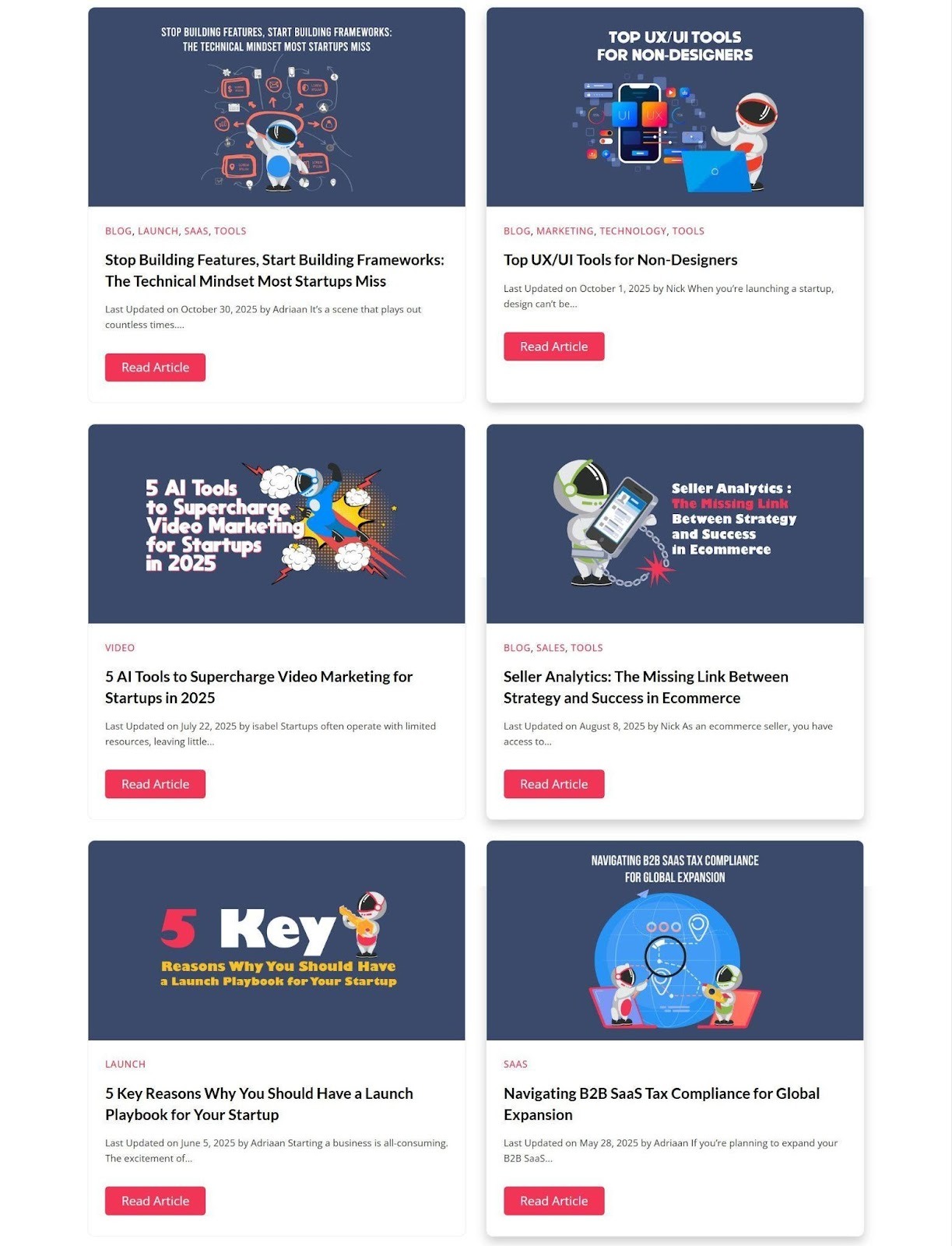
Startup Resources, a repository of tools for early-stage founders, follows this approach well. Their blog uses custom visuals for each article, all built around one unified illustration style.
Every post features an illustration of their recognizable small astronaut, which strengthens recognition and supports the overall structure. The visuals match the rest of their design rules, reinforce the topic of each post, and guide the reader through the material without confusion.
This steady visual system makes the blog feel organized, dependable, and simple to navigate.
3.Develop Content for Specific Audience Segments
People respond when content speaks directly to their needs, goals, and concerns. When you address specific buyer pain points, you remove friction and give readers a clear path forward.
This approach has a measurable impact. Addressing specific buyer concerns and pain points can boost conversion rates by up to 80%. The increase comes from relevance. Readers see that the content understands their situation, and they feel more confident in the guidance.
To do this well:
- Sort your audience into groups based on their challenges, roles, or stages of experience.
- Build content that answers the questions each group asks most.
- Keep the tone aligned with what they value and match the depth of detail to their expertise.
- Use direct explanations, focused steps, and straightforward outcomes.
- Avoid vague statements and speak to real scenarios they recognize.
- Review search trends and customer insights so you publish content that reflects how these groups actually look for information. Each piece should feel like it was written with one clear reader in mind.
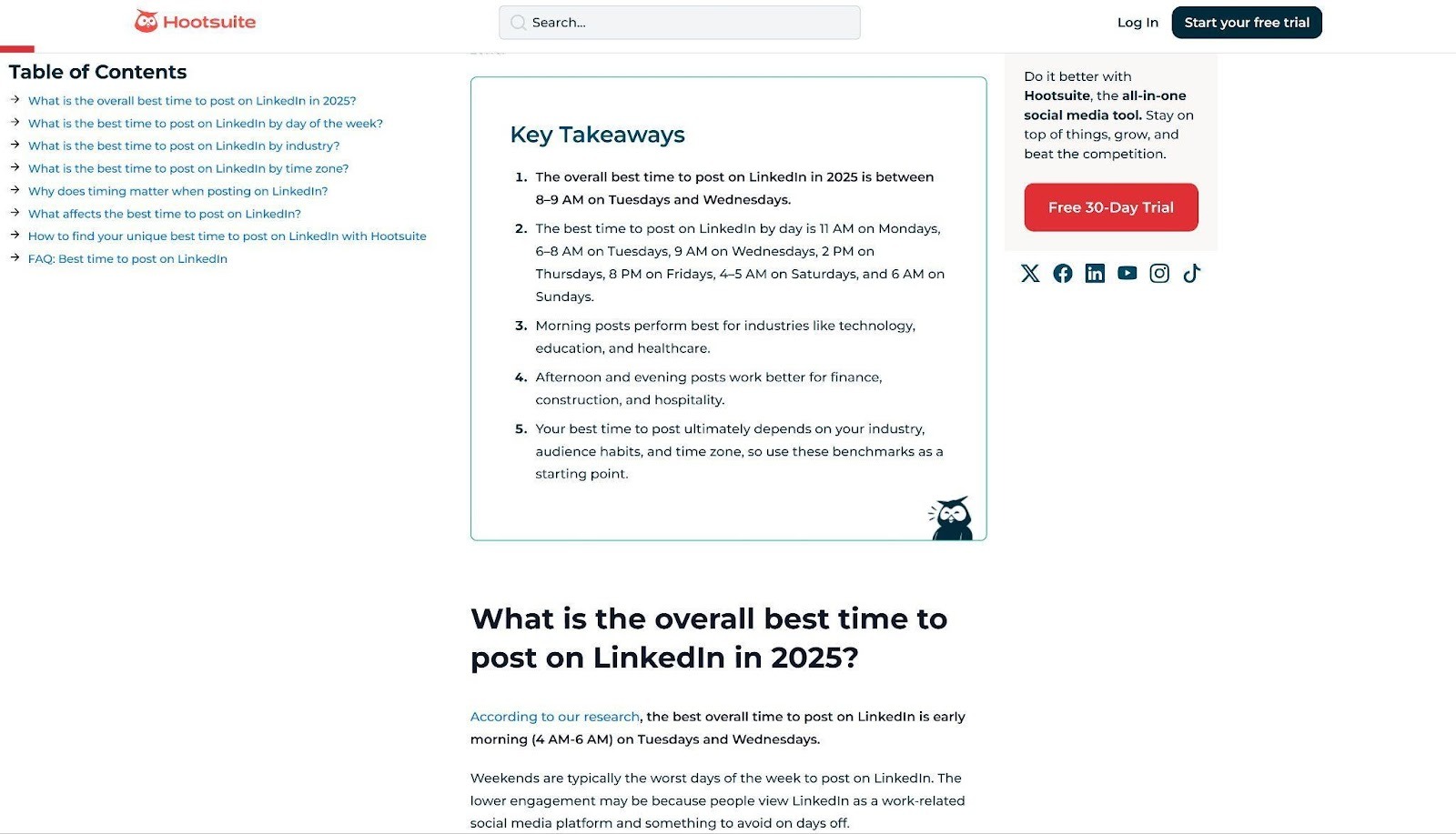
Hootsuite, a social media marketing and management platform, follows this method with strong results. Their article “The best time to post on LinkedIn” targets people who want to increase visibility and engagement on that platform.
The piece includes clear steps, specific data, and simple guidance tailored to LinkedIn users. They also show how their tools support these goals without drifting into heavy promotion. The article stays focused, practical, and relevant to one audience segment.
This clarity builds trust and helps readers connect the solution to their own workflow, which strengthens the impact of the content.
Source: blog.hootsuite.com
4.Publish Original Research and Industry Data
People rely on trustworthy data when they make decisions, and they remember the brands that provide it. Building industry knowledge helps you stand out because you’re guiding the conversation.
Strong research attracts readers who want reliable information, and it builds long-term authority. When your brand becomes a source others cite, you reach audiences far beyond your usual channels.
This influence grows your visibility and helps you connect with people who value evidence-based guidance.
To do this well:
- Collect data from your own platform, running surveys, or analyzing public trends.
- Start with one core question your audience cares about.
- Structure your findings so readers can understand the results without needing extra interpretation.
- Use clean charts, direct explanations, and clear takeaways.
- Keep the presentation simple and consistent.
- Update your research on a regular schedule so your work stays relevant and credible.
- Promote it through channels your audience already uses, and make it easy for others to reference your findings.
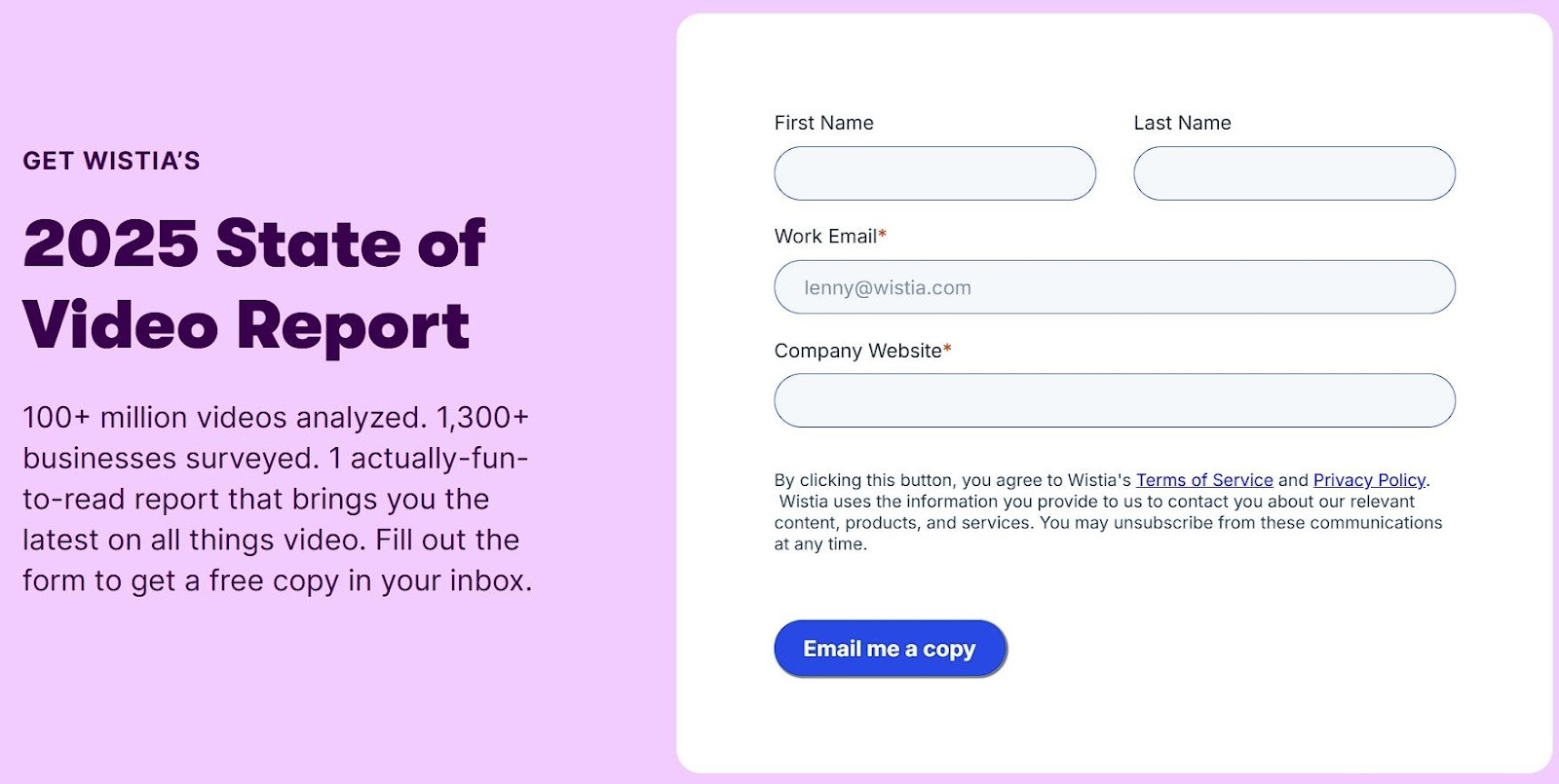
Wistia, a video marketing platform for businesses, demonstrates this with their annual “State of Video Report.” They analyze more than 100 million videos and survey over 1,300 businesses to identify real patterns in video marketing performance.
The report highlights engagement trends, preferred platforms, effective video lengths, and practical production habits. They present the findings in a simple, accessible format that anyone can download. The industry often cites this report because it offers dependable insights backed by large-scale data.
This positions Wistia as a leading voice in video marketing and attracts readers who want guidance from a company that understands the field in detail.
5.Use SEO to Attract Ready-to-Act Visitors
Search engines bring in people who are looking for solutions, not casual browsers. When your content meets their intent, you earn qualified traffic that turns into real opportunities.
Leads generated through SEO have an impressive 15% close rate, which shows how effective this approach is for attracting readers who are ready to take action.
Strong optimization also helps your content appear in generative search tools, giving it more visibility across new discovery channels.
To do this well:
- Study the questions your ideal readers ask.
- Build articles around those topics with direct explanations, clear structure, and steady depth.
- Place keywords where they matter most, including the title, early sentences, subheads, and meta information.
- Use internal links to guide readers through related topics and support the overall structure of your site.
- Keep your paragraphs focused, maintain a readable pace, and answer the core question early in the article.
- Review your content regularly so it stays relevant and aligned with search behavior. Consistent maintenance helps your pages stay competitive as algorithms change.
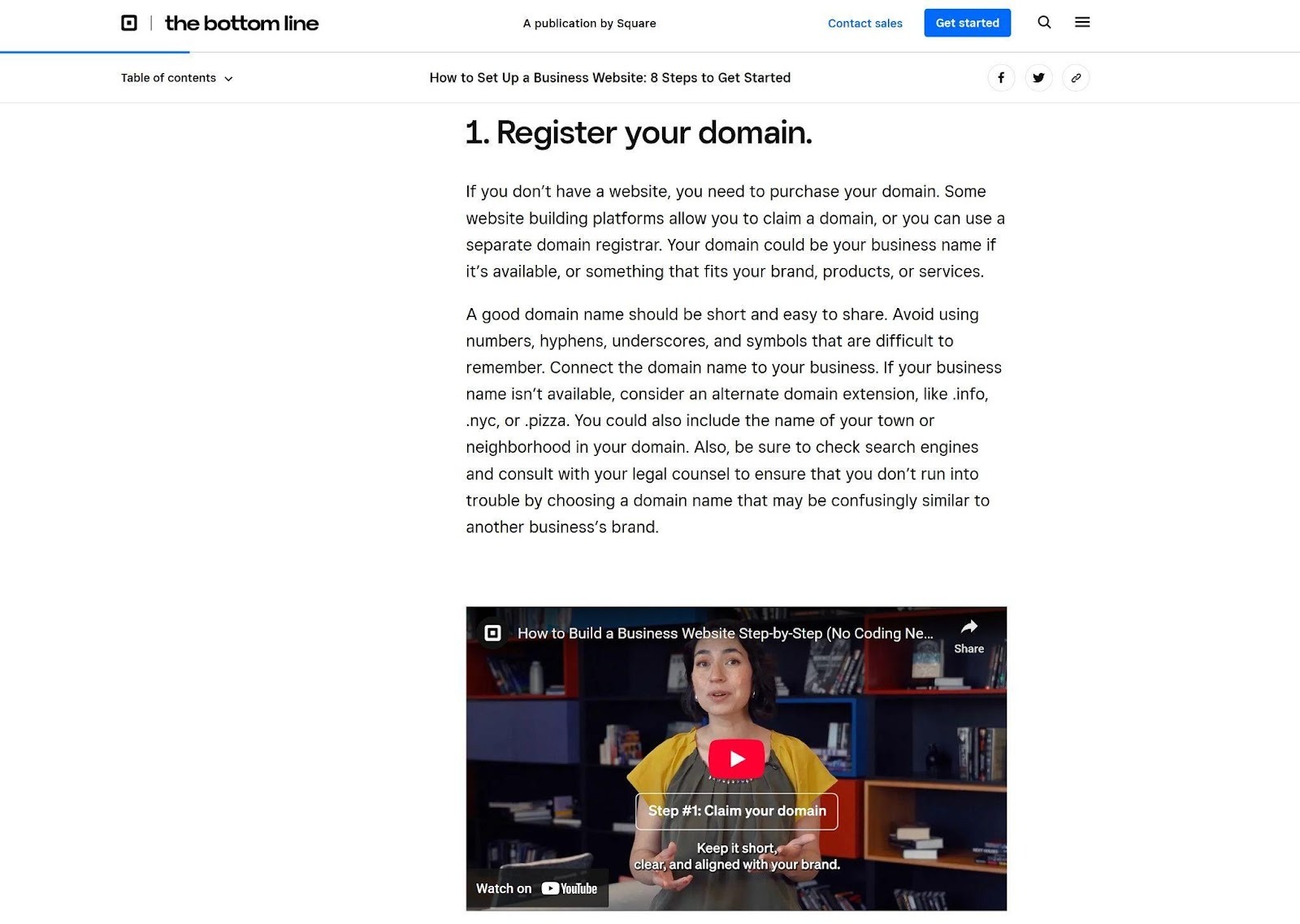
Square, a payment processing and business management platform, applies these practices with precision. Their article “How to Set Up a Business Website: 8 Steps to Get Started” follows every major SEO best practice.
They use a clear headline, strong keyword placement, structured subheads, optimized meta details, and internal links that guide readers through related resources. The writing stays direct and useful, matching the intent behind common search terms.
Because of this, the article appears at the top of Google’s results for the topic. It reaches people who want guidance right away and shows how thoughtful optimization can bring in qualified readers who are ready to learn more.
Final Thoughts
A steady content strategy grows from consistent structure, clear purpose, and practical execution.
When you focus on helpful information, visual alignment, segmented content, industry research, and strong SEO, you give readers a clear path to follow.
This framework adapts as your brand evolves, so you can keep improving your reach without overcomplicating your process.
 Web Proxy Tools
 Free Tools
 Cookie Plugin
 UA Generator
 MAC Address Generator
 IP Generator
 IP Address List
 2FA Code Generator
 World Clock
 Anonymous Check
 WebRTC Leak Test
 UUID Generator
 Free Web Proxy Site
 Proxy Checker
 FB Ad Checker
 AI Web Scraping
 Free SMM Tools
 Twitter Shadowban Checker
 Instagram Name Checker
 UTM Generator
 Username Generator
 AI Hashtag Generator
 LinkedIn Headline Generator
 Social Media Image Resizer