Have you ever tried to access a website only to be blocked or restricted because of your location or repeated requests? This is where a backconnect proxy service can make a huge difference. Unlike regular proxies, backconnect proxies rotate IP addresses automatically, letting you browse safely, collect data, and manage multiple accounts without getting flagged.
From web scraping and SEO research to social media automation and bypassing geo-restrictions, a backconnect proxy service helps you work smarter, not harder. In this guide, we’ll break down how these proxies work, the different types available, and how to use them effectively — so you can stay ahead online while keeping your tasks secure and efficient.
What is a Backconnect Proxy Service?
A backconnect proxy service is a tool that helps you use many different internet IP addresses through one connection. It does this by routing your internet traffic through a large pool of proxy addresses. These addresses are switched often so your activity looks like it comes from many different places, not just one. This makes you harder to track online and helps you avoid blocks from websites.
Imagine you want to check prices on 1,000 stores online. If you use your own IP address, many sites may block you for looking like a bot. But with a backconnect proxy, each request can use a new IP address from a big group of addresses. This helps you stay connected longer without being stopped.
A common type of backconnect proxy is backconnect residential proxies. These use IPs that come from real homes and devices, not data centers. Because the IPs look like real users, websites are less likely to block them.
People often ask where they can backconnect proxy buy plans. Many services sell these as plans with different sizes of IP pools and features for rotation, control, and security. This makes it easy for businesses to choose the right service for their needs.
How Backconnect Proxies Differ from Traditional Proxies
A traditional proxy usually uses one static IP address per user. This means every request goes through the same IP. For small tasks like hiding your location, this can work. But if you make many requests, websites can detect the single IP and block it.
In contrast, a backconnect proxy automatically rotates through many IP addresses. You do not have to change them manually. The system does it for you. Because of this rotation, each request looks like it comes from a different user. That makes it much harder for sites to block or flag your traffic.
For example, imagine two people both want to scrape data from a website:
- Person A uses a normal proxy with one IP. After a few dozen requests, the website may flag and block that IP.
- Person B uses a backconnect proxy service with a big pool of IPs. The website sees requests coming from many different addresses. It rarely blocks the user.
This automatic rotation is what makes backconnect proxies more powerful for heavy tasks. It also makes backconnect residential proxies especially useful when you need to look like many different real users while browsing or collecting data across the web.
In short, while traditional proxies are simple and static, backconnect proxies are dynamic, scalable, and designed for tasks where avoiding detection is key.
Types of Backconnect Proxies
After understanding what a backconnect proxy service is, let’s look at its main types. Each type works differently and fits different tasks.
- Residential Backconnect Proxies
These use IPs from real homes. Sites see them as normal users, so blocks are rare. For example, a team checking prices on multiple online stores can scrape data safely using backconnect residential proxies. Many people choose these when they backconnect proxy buy plans for heavy data tasks.
- Datacenter Backconnect Proxies
These come from servers, not homes. They are fast and cheap but easier to detect. A startup scanning public websites might use datacenter proxies for speed and cost. They work well when sites are not strict about proxy traffic.
- Mobile Backconnect Proxies
These use 4G or 5G IPs. Traffic looks like it comes from real phones. Social media tests or mobile app checks often use them. They are slower and cost more but avoid blocks in mobile-heavy websites.
- Centralized Server-Based Proxies
These rotate IPs through one central server. Teams testing websites can use them for easy setup and automatic IP changes. They are simple to manage while still giving rotation benefits.
Each type of backconnect proxy has its use. Residential proxies are best for anonymity, datacenter proxies for speed, mobile proxies for phone simulation, and server-based proxies for easy setup.
How Does a Backconnect Proxy Service Work?
Now that we know the main types of backconnect proxies, let’s look at how a backconnect proxy service actually works. This section explains the key technical ideas behind IP rotation and how these services help keep your real identity hidden online. It connects smoothly from the previous section and helps you see why backconnect proxies are useful for many real tasks.
Technical Overview of IP Rotation
At the heart of a backconnect proxy service is IP rotation. A backconnect proxy does not give you just one IP address. Instead, it connects you to a server that automatically gives you a new IP from a large pool. The pool can have thousands or even millions of IPs. Each time you make a web request, the service may assign a different IP.
Here is a simple example:
You run a tool to collect prices from many web pages. If you use only your real IP, the site may block you after a few requests. But if you use backconnect proxies, each request can come from a different IP. The website thinks many people from different places are visiting it, so it is less likely to block your access.
Some services rotate the IP with every request. Others rotate after a short time or after a group of requests. Both methods help reduce the risk of detection and blocking. This rotation makes backconnect proxies especially useful when you run many tasks in parallel.
For example, many companies that backconnect proxy buy plans choose this method when they need to scrape large datasets or check product details on many pages at once. The automatic rotation means they don’t have to manage dozens of IPs by hand.
Connection Management and Anonymity
A backconnect proxy works as a gateway between your device and the target website. When you send a request, the backconnect server selects an IP for you. The website never sees your real address. Instead, it sees the proxy IP as the source of the request. This keeps your real identity hidden.
This system also helps protect you from IP blocking. Because requests come from many different proxy IPs, no single IP gets overused. Sites are less likely to flag or block your traffic. In contrast, a normal proxy uses the same IP every time, making it easier for websites to notice repeated traffic from one place.
A real case is a company using backconnect residential proxies to monitor search results around the world. With each request rotating through residential IPs, the company can collect data from many countries without triggering anti‑bot systems. This kind of setup gives strong anonymity and avoids CAPTCHA challenges or blocks.
Another point is that some backconnect services can keep a session sticky for a while. This means they give you the same IP for a few minutes or until your task finishes. Sticky sessions help for tasks where you need to stay logged in, like managing multiple social accounts, but still want some rotation over time.
In short, a backconnect proxy service works by handing out different IPs at scale, managing your connections for you, and hiding your true IP address. This technical setup makes backconnect proxies more powerful and flexible than regular proxies for many online tasks, from scraping to market research.
Applications and Use Cases of Backconnect Proxy Service
After learning how a backconnect proxy service works, let’s see its main uses. These examples show why businesses and individuals choose backconnect proxies and backconnect residential proxies.
- Web Scraping and Data Collection
Backconnect proxies help collect data from many websites without being blocked. For example, a travel startup uses backconnect proxy buy plans to gather hotel prices from multiple sites. Each request uses a different IP, so scraping works smoothly.
- Market Research and Competitive Analysis
Companies use backconnect proxies to track competitors’ prices and product info. Residential proxies make the traffic look like real users. This way, sites rarely block requests.
- Social Media Management and Automation
Managing multiple social accounts from one IP can trigger limits. Backconnect proxies make actions appear from many places, reducing account restrictions.
- Bypassing Geo-Restrictions
Backconnect proxies let you access content from specific countries. For instance, a tester can use U.S. IPs to see streaming content restricted to the U.S.
SEO teams check search results in different regions. Backconnect proxies rotate IPs to avoid blocks, helping monitor rankings and adapt strategies efficiently.
Advantages and Disadvantages of Using Backconnect Proxy Service
After exploring the common uses of a backconnect proxy service, it’s important to look at the pros and cons. Every tool has strengths and limits. By knowing both, you can decide whether backconnect proxies are right for your project when you backconnect proxy buy a plan.
Pros of Backconnect Proxies
- Strong Anonymity and Fewer Blocks
Backconnect proxies rotate IPs often. This makes your requests look like they come from many users. Websites find it hard to link all activity to one source. This reduces the chance of getting blocked. For example, a price scraping script using rotating IPs can run longer because hosts don’t flag repeat traffic.
If you need to collect a lot of data or check many pages, static proxies often fail. Backconnect proxies help you spread requests across many IPs. A data team that needs thousands of pages per day can keep their scraping steady without hitting rate limits.
- Better Access with Residential IPs
Many users choose backconnect residential proxies because websites trust these IPs more than datacenter ones. This means you can access more sites even if those sites have strong anti‑bot systems. It’s especially useful for market research and competitive analysis.
Backconnect services often handle IP rotation for you. You don’t have to maintain long lists of proxies. Once you set up the single endpoint, the system does the rest. This saves time and reduces complexity for teams with limited proxy experience.
Cons and Potential Challenges
Backconnect proxies cost more than regular proxies. Good services need large IP pools, tools, and support, which raises prices. Small teams or hobby users may find these costs harder to justify, especially when using backconnect residential proxies.
Because traffic is routed through many nodes and IPs, connections can be slower than with single static proxies. Tasks that need real‑time speed, like gaming or live video streaming, might not work well through rotating proxies.
Even though many providers make it easier, some backconnect proxy setups may still require extra configuration. Users may need to adjust session settings or monitor IP use to avoid routing issues. This can be harder for beginners.
- Mixed Quality of IP Pools
Not all backconnect providers are equal. Some cheaper services advertise large IP pools but deliver low‑quality or reused IPs. This can lead to unexpected blocks or failed requests. That’s why it’s important to research providers before you backconnect proxy buy a service.
How to Choose the Right Backconnect Proxy Service
Now that you know the advantages and disadvantages of backconnect proxies, it’s time to pick the right service. Choosing well can save you money and frustration when you backconnect proxy buy a plan. Below, we walk through the key things to look for and some reliable providers you might consider.
Key Factors to Consider
When you choose a backconnect proxy service, these four factors matter most:
✔ Reliability and Uptime
You want a service that stays online. If the proxy often goes down, your tasks fail. Good providers promise high uptime — often over 99%. This means your connections stay steady, and your tools don’t stop in the middle of work.
✔ Speed and Performance
Faster proxies make your tasks finish sooner. Some proxy services use bigger networks and better servers to deliver speed. Keep in mind that backconnect residential proxies can be slower than datacenter ones because they route through real home IPs.
✔ Geographical Coverage
The more countries a service covers, the better your chances to access global content. If you need to test ads or SEO in many regions, choose a provider with proxy IPs around the world.
✔ Scalability and Flexibility
Your needs may grow over time, so choose a service that scales with you. Look for different plans, flexible data limits, and options to change rotation settings. This makes your backconnect proxy buy choice future‑proof.
Recommended Providers
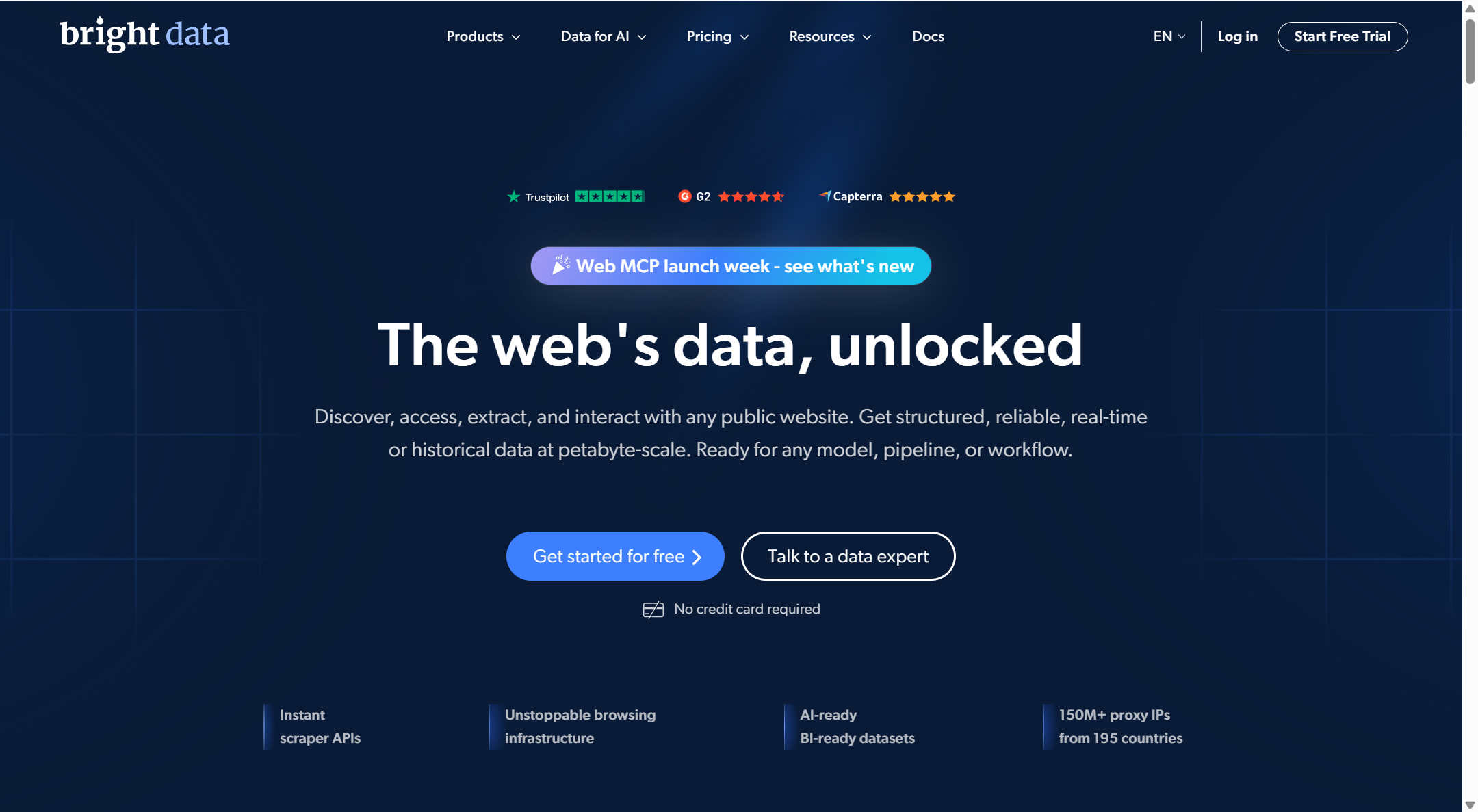
Here are some reliable backconnect proxy services across different needs. These providers are known in the industry and often recommended for quality, coverage, and features:
- Large global network with tens of millions of IPs.
- Great for heavy tasks like large‑scale scraping and geo‑targeting.
- Offers strong rotation and session control.
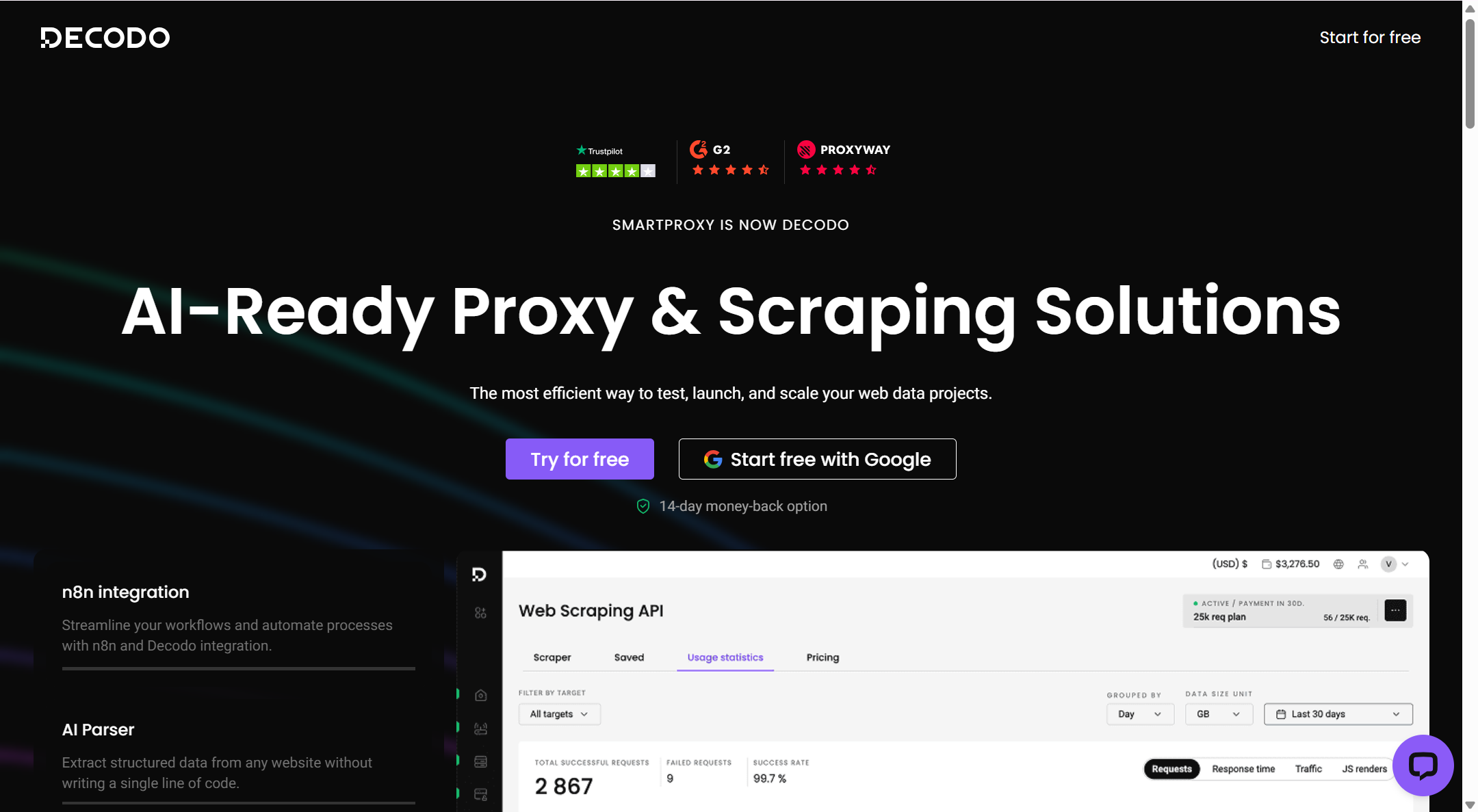
📌 Decodo (formerly Smartproxy)
- Strong value with many IPs and global locations.
- Good balance of price and performance.
- Sticky sessions available for longer tasks.
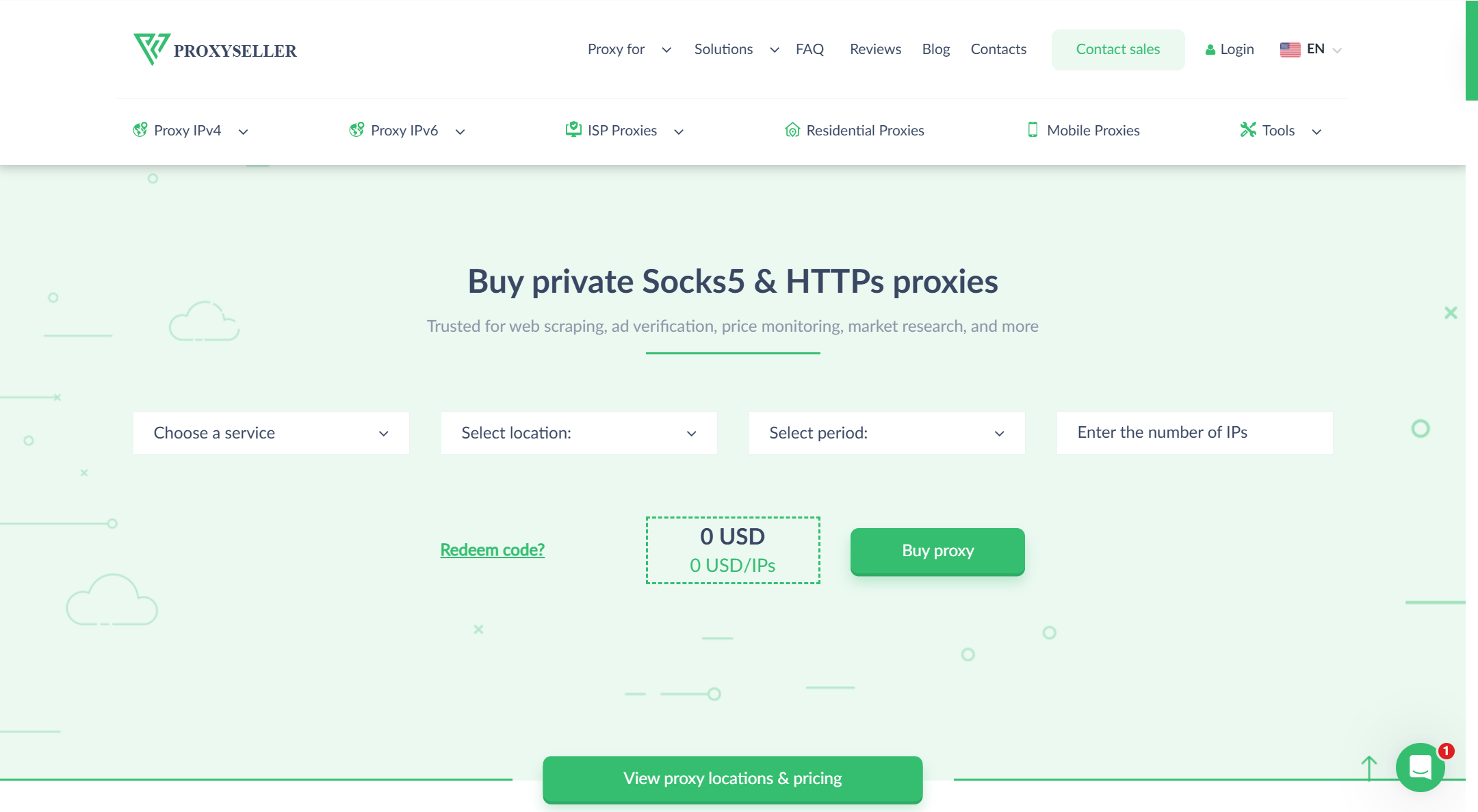
- More affordable option for those on a budget.
- Good pool of residential IPs with automatic rotation.
- Ideal for small to medium projects.
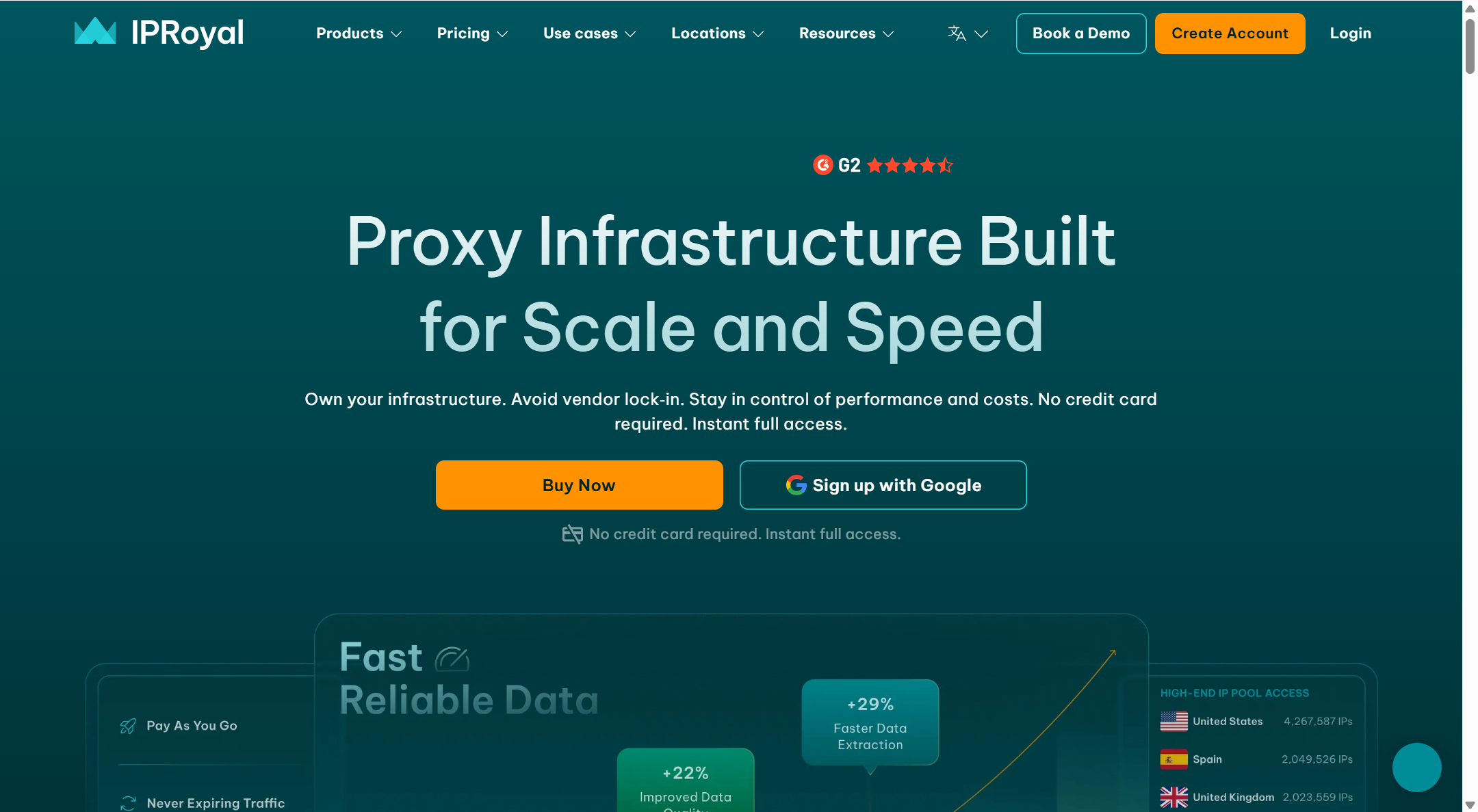
- Offers flexible plans and pay‑as‑you‑go options.
- High uptime and easy dashboard control.
- Good choice for both beginners and advanced users.
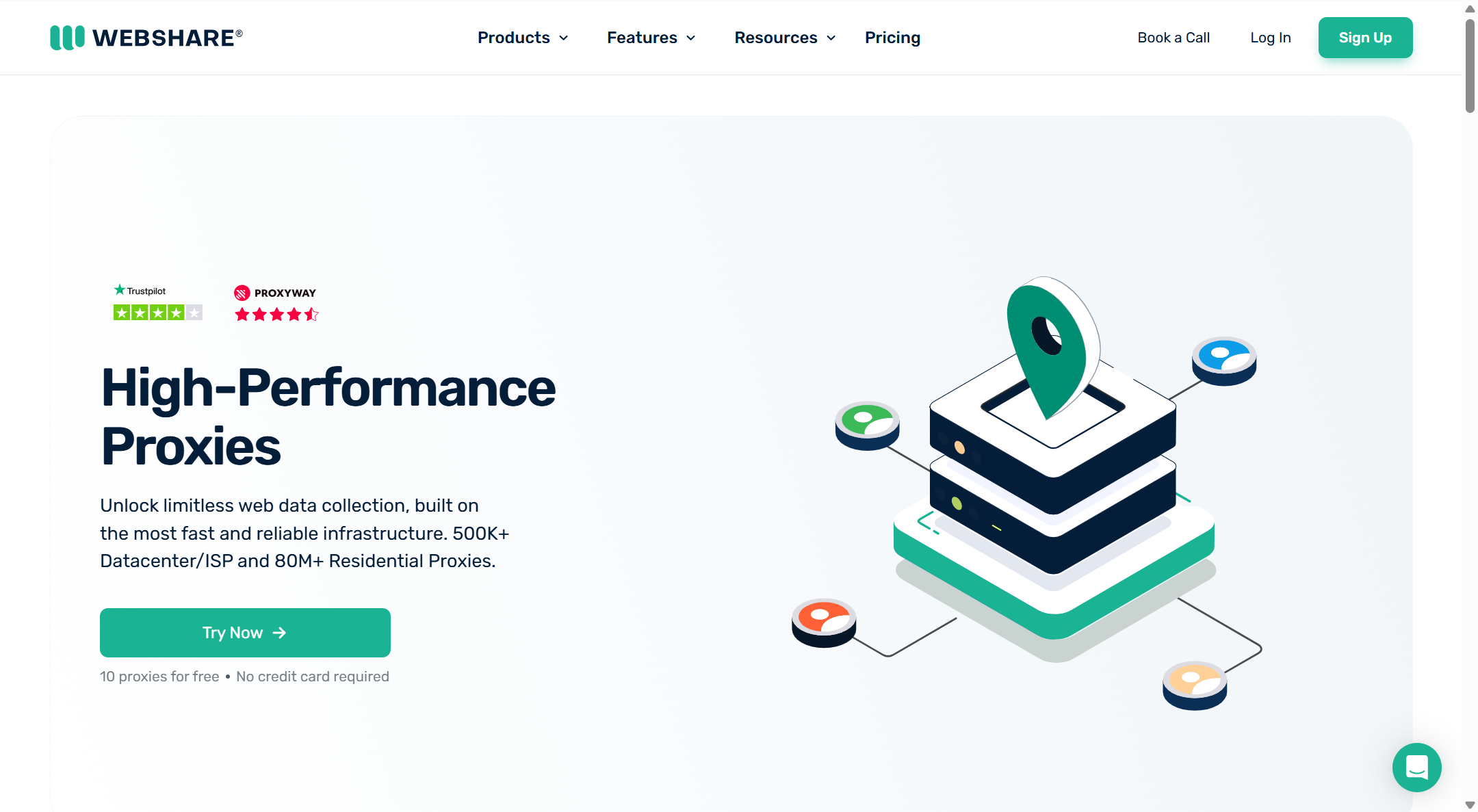
- Supports both datacenter and residential backconnect proxies.
- Easy setup and global coverage.
- Offers competitive pricing per GB.
Tips Before You Buy
✔ Test with a small plan first. Start with a low‑cost tier to check speed and uptime. ✔ Check reviews from real users. Learn from others who have already tested the service. ✔ Avoid too‑cheap offers. Extremely low prices can signal low‑quality IPs or poor support.
Best Practices for Using Backconnect Proxy Service
After you learn how to choose a backconnect proxy service, it’s important to know how to use it well. Good practices help you get better results from backconnect proxies and backconnect residential proxies when you backconnect proxy buy a plan. You can also combine backconnect proxies with tools like DICloak to manage multiple profiles and tasks more efficiently.
Optimizing IP Rotation Strategies
A key part of using a backconnect proxy is IP rotation. This means changing the IP often so requests look like they come from different users. Good rotation keeps websites from blocking you.
One best practice is to match IP rotation with your task speed. If you make too many requests with the same IP, sites may block you. If you rotate with every request, you reduce risk. For example, a web scraping script can be set to switch IP every few seconds to match the target site’s limits. This makes scraping smoother and reduces detection chances.
Another tip is to monitor proxy health and replace slow or blocked IPs. A backconnect proxy service usually gives a big IP pool, but not every IP is always good. Checking IP success rates helps you keep performance high. Tools like DICloak can help manage multiple profiles at once, ensuring each task uses a clean IP and profile.
Ensuring Compliance with Legal Standards
Using backconnect proxies responsibly matters. Proxies are legal tools, but how you use them must follow laws and site rules. Dumping huge requests without permission can violate terms or local rules.
Always read the target site’s terms of service before you scrape or collect data. Some sites clearly forbid automated access. For example, a business scraping product prices should check if that site allows automated data collection. Ignoring rules can lead to IP bans or legal issues.
Also, choose a provider that cares about compliance. Some proxy services check users for risky or illegal activity and may suspend accounts that show malicious behavior. Combining this with DICloak helps you maintain isolated browser profiles and avoid accidental cross‑tracking between accounts.
Monitoring Performance and Adjustments
It’s smart to watch how your proxies perform over time. Good monitoring helps you spot issues early and adjust your plan.
For instance, you can track success rate, speed, and errors. If many requests fail, you might need to reduce request speed or rotate IPs more often. Some teams keep logs that show which IPs fail most. They remove those IPs from rotation to make the system more reliable.
Another practice is to adjust settings based on task type. An SEO checking tool might need slower rotation to maintain sessions, while a web scraper may need fast rotation to avoid blocks. Using DICloak alongside a backconnect proxy service allows you to manage multiple tasks or accounts safely in isolated browser profiles. This makes your proxy usage more organized and reduces the risk of account restrictions.
In short, good practices help you make the most of a backconnect proxy service. Set smart IP rotation, follow legal and site guidelines, monitor performance regularly, and combine your proxy use with DICloak to manage multiple profiles efficiently. This ensures your tasks — scraping data, testing SEO, or managing multiple social accounts — run stable, safe, and efficiently.
Why Choose DICloak Antidetect Browser for Your Business?
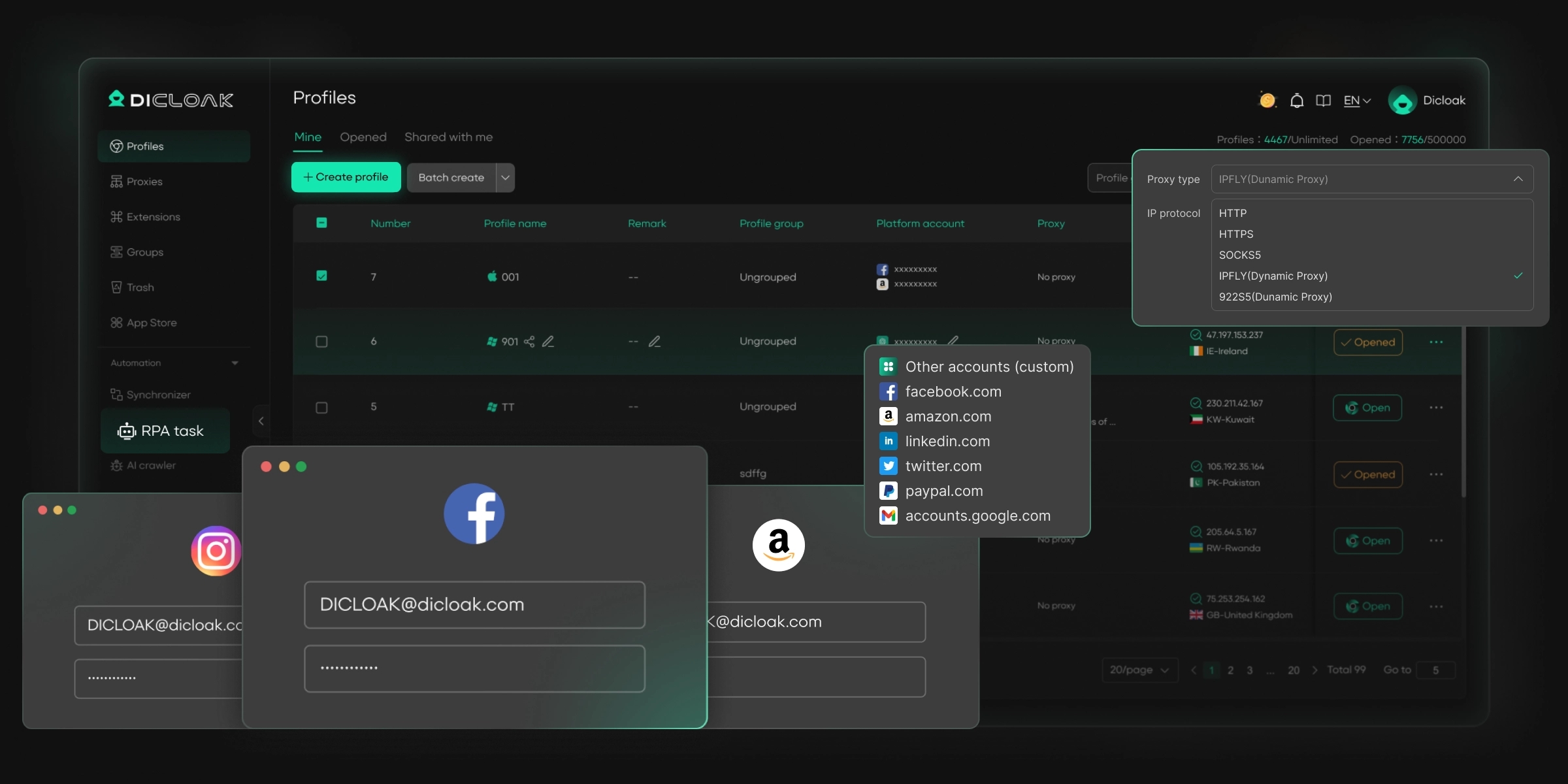
⚡The DICloak Antidetect Browser has become a global favorite for its unparalleled ability to efficiently and securely manage multiple accounts. Designed for professionals in social media management, affiliate marketing, traffic arbitrage, e-commerce, account farming, airdrops, and more, DICloak offers powerful features like RPA automation, bulk operations, and synchronizer. Additionally, it allows you to customize fingerprints and integrate proxies for each profile, ensuring top-level security and operational efficiency. It’s the ultimate tool for seamless, secure, and scalable operations.
What Makes DICloak Stand Out?
✅ Manage 1,000+ Accounts on One Device: Stop wasting money on extra hardware! DICloak allows you to manage multiple accounts on a single device, cutting costs and boosting efficiency.
✅ Guaranteed Account Safety, No Ban Risks: Every account gets its own isolated browser profile with custom fingerprints and IPs, drastically reducing the risk of bans. Your accounts, your control!
✅ Flexible Proxy Configuration for Maximum Performance: Seamlessly integrate with all major proxy protocols (HTTP/HTTPS, SOCKS5) and manage your proxy pool with bulk operations. No more struggling with IP management—DICloak has you covered.
✅ Streamlined Team Collaboration for Better Results: Easily manage your team with advanced tools like profile sharing, permission settings, data isolation, and operation logs. Your team works smarter, not harder.
✅ Automate the Grind with RPA: DICloak's built-in RPA saves you hours of manual work. Automate repetitive tasks, streamline workflows, and focus on what really matters—growing your business.
✅ Powerful Bulk Tools to Scale Your Operations: Create, import, and launch multiple browser profiles in one click. DICloak makes scaling your business as easy as it gets.
✅ Compatible with All Major Operating Systems: Based on the Chrome core, DICloak supports simulating Windows, Mac, iOS, Android, and Linux operating systems. No matter what platform you need, DICloak has you covered.
🔗 Ready to Get Started?
Visit the DICloak website to explore more details and choose the plan that’s right for you. Start for free today and experience the power of secure, efficient, and scalable multi-account management!
Frequently Asked Questions (FAQs) about Backconnect Proxy Service
FAQ 1: What is a backconnect proxy service and how does it work?
A backconnect proxy service is a type of proxy that rotates IP addresses automatically. It helps users remain anonymous online and avoid blocks. Each request can come from a different IP, which is useful for web scraping, SEO, and market research.
FAQ 2: Are backconnect proxy services legal to use?
Yes, backconnect proxy services are legal in most countries. However, how you use them matters. Using proxies to bypass laws or violate website terms can be illegal. Always follow local regulations and site rules when using a backconnect proxy service.
FAQ 3: How do backconnect proxy services differ from regular proxies?
Unlike static proxies, a backconnect proxy service automatically rotates IPs from a large pool. This reduces the chance of being blocked and improves anonymity. Traditional proxies usually use one fixed IP, which can be easier to detect.
FAQ 4: Can I use a backconnect proxy service for social media management?
Yes, a backconnect proxy service is ideal for managing multiple social accounts. It helps distribute requests across many IPs, preventing account restrictions. Combined with tools like DICloak, it allows safe automation and multiple profile management.
FAQ 5: How do I choose the best backconnect proxy service?
When selecting a backconnect proxy service, consider reliability, uptime, speed, geographical coverage, and scalability. Test small plans first and check if the service supports residential IPs. This ensures stable performance for scraping, SEO, or automation tasks.
Conclusion and Recommendations
In conclusion, a backconnect proxy service is a powerful tool for anonymity, web scraping, SEO, and social media management. It provides rotating IPs, better access to websites, and improved task efficiency compared to traditional proxies.
When choosing a backconnect proxy service, consider reliability, speed, coverage, and scalability. Combine it with tools like DICloak to manage multiple profiles safely and efficiently.
Using these best practices ensures that your backconnect proxy service experience is secure, stable, and effective for all your online tasks.
 Web Proxy Tools
 Free Tools
 Cookie Plugin
 UA Generator
 MAC Address Generator
 IP Generator
 IP Address List
 2FA Code Generator
 World Clock
 Anonymous Check
 WebRTC Leak Test
 UUID Generator
 Free Web Proxy Site
 Proxy Checker
 FB Ad Checker
 AI Web Scraping
 Free SMM Tools
 Twitter Shadowban Checker
 Instagram Name Checker
 UTM Generator
 Username Generator
 AI Hashtag Generator
 LinkedIn Headline Generator
 Social Media Image Resizer