As of 2026, the Russian internet landscape remains a unique and powerful market shaped by local platforms and user behavior. The recent 60% growth in business adoption of Yandex Browser for organizations, now used by 17,400 Russian companies, highlights the deep integration of local digital platforms closely tied to Russian Search Engines. To succeed in this environment, marketers must look beyond global giants and gain a deep understanding of Russian Search Engines and the tools Russian users actively prefer. This article explores the top Russian Search Engines, breaks down their key features, and provides a comprehensive guide to achieving SEO and SEM success across Russian Search Engines in this dynamic and highly localized market.
Why Russian Search Engines is Crucial for Marketers?
A one-size-fits-all digital marketing strategy focused solely on Google will not deliver results in Russia. Local platforms like Yandex are deeply embedded in the daily lives of Russian users, offering a wide range of integrated services beyond simple search. Understanding the nuances of this ecosystem is essential for creating effective campaigns that resonate with the local audience and drive meaningful engagement. To capitalize on this, marketers must first understand the key players shaping the digital landscape.
A Deep Dive into the Top Russian Search Engines of 2026
We will now review the most popular Russian search engines and their unique characteristics that set them apart in the market.
Yandex.ru: The Undisputed Leader Among Russian Search Engines
Yandex is the leading search engine in Russia, commanding an impressive 64% market share, making it the non-negotiable starting point for any organic or paid search strategy targeting a Russian audience. It is designed with a deep understanding of the Russian language and user behavior, offering a robust suite of features.
- Enhanced Security & Privacy: Yandex prioritizes user safety with active security technology that detects and blocks malicious websites. It provides secure Wi-Fi encryption on public networks, DNS encryption to protect against tracking, and dedicated financial protection for banking transactions and passwords.
- Seamless User Experience: The platform offers smart URL correction that automatically fixes mistyped queries from a Russian keyboard layout. Its unique new tab screen features interactive widgets for quick access to popular services, and a built-in keyboard layout changer in the search bar allows for effortless language switching.
- Extensions & Compatibility: Yandex supports Chrome extensions, giving users the flexibility to customize their browsing experience with a wide range of familiar tools.
Google.ru: The Global Giant's Russian Presence
Google.ru is the Russian version of the global search leader and the second-most-popular search engine in the country. It delivers high-quality results and a suite of powerful, integrated tools.
- Superior Search & Result Quality: Google utilizes semantic search powered by neural networks to deliver highly accurate, context-aware results. Its massive index of billions of pages ensures comprehensive information, while personalized results are tailored based on user region, history, and device. It also supports versatile search options, including phrase, image, and voice search.
- Integrated Tools & Services: Google offers a wide range of services, including Google Shopping for product searches, Google Scholar for academic research, and Google Assistant for managing tasks and finding information quickly.
- Advanced Technology & Performance: The use of AMP (Accelerated Mobile Pages) technology ensures that web pages load faster, significantly improving the user experience, especially on mobile devices.
Mail.ru: The All-in-One Digital Hub
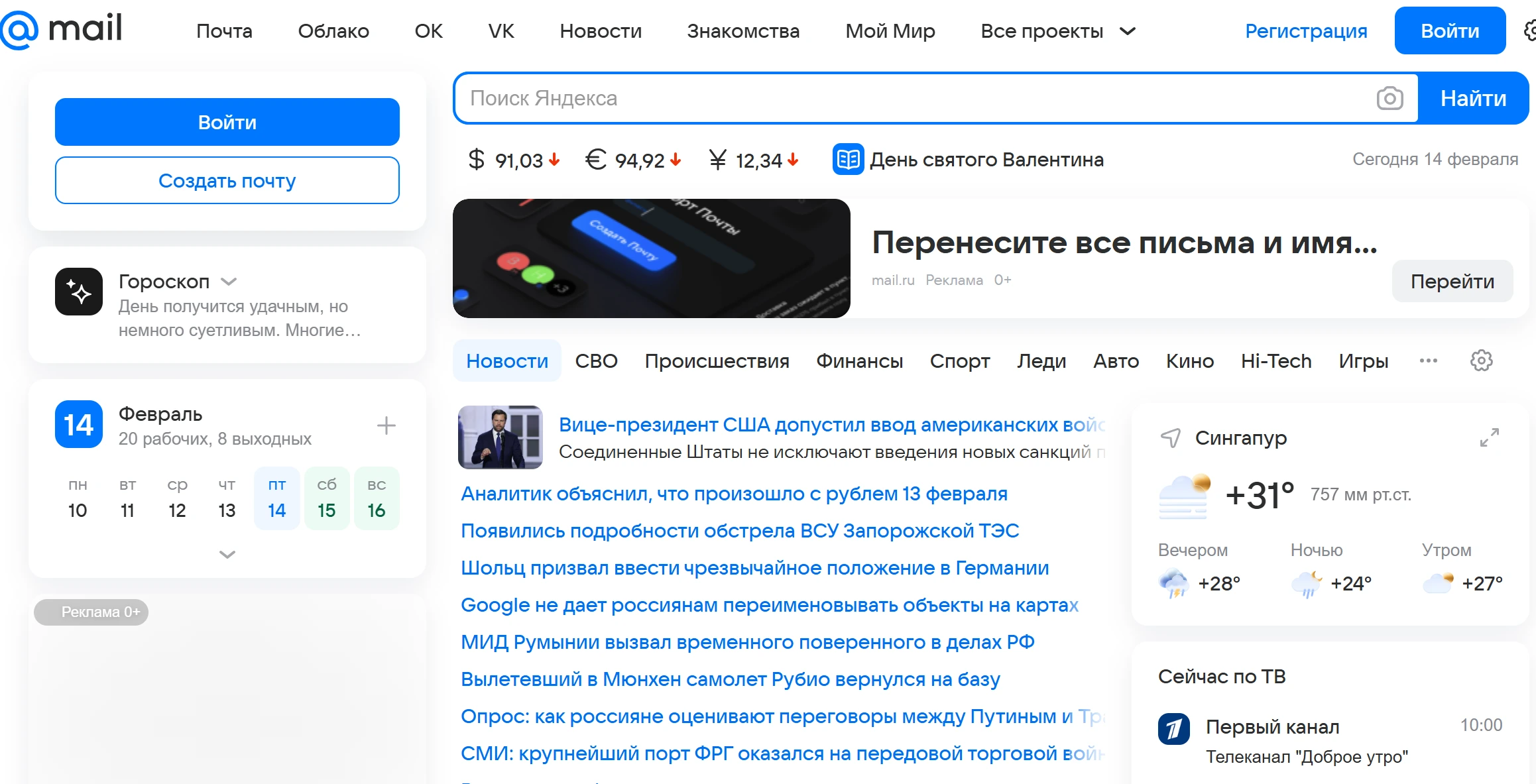
Launched in 1998 as an email service, Mail.ru has evolved into a major digital platform and a cornerstone of the Russian internet.
- Comprehensive Service Platform: Mail.ru serves as an all-in-one hub offering email, news, social media, online games, and a search engine. This integrated approach provides users with a convenient, centralized location for their daily digital activities.
- Focus on Russian-Speaking Audiences: The platform is highly optimized for the Russian language and local content. It prioritizes Russian news, regional events, and culturally relevant information, making it a go-to resource for its target audience.
- Strategic Integrations: While Mail.ru uses its own search algorithms, it also collaborates with Yandex to enhance its search results, providing users with a more accurate and comprehensive experience.
Rambler.ru: A Veteran Portal Among Russian Search Engines
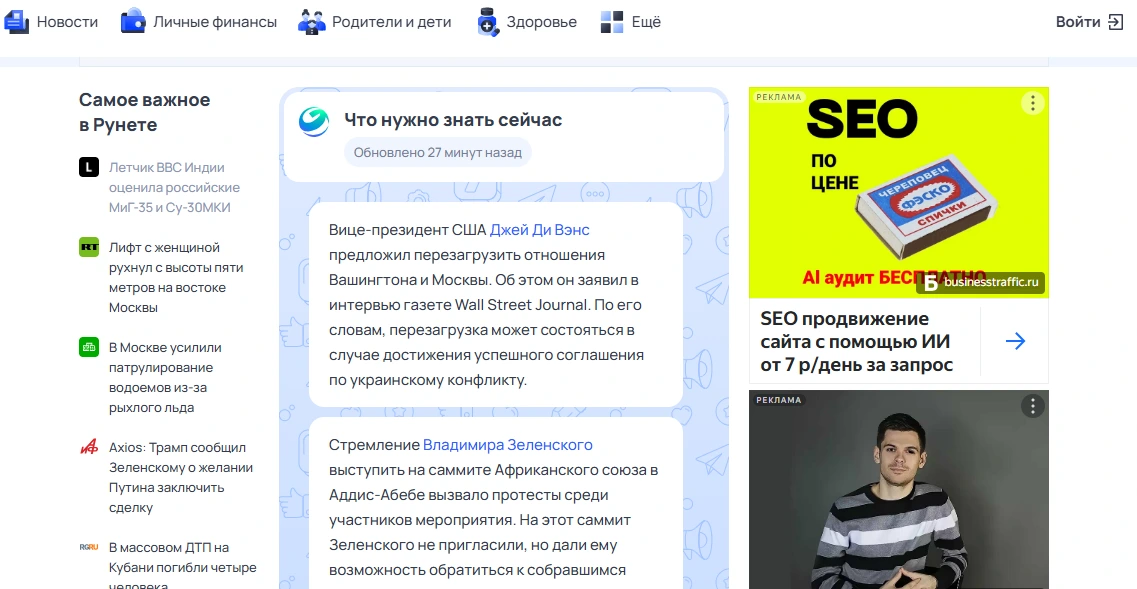
As one of Russia's original internet portals, Rambler was launched in 1996 and remains a key player in the market, offering a comprehensive media experience.
- Advanced Search Functionality: Rambler features a sophisticated association system that helps users find relevant information even with vague or unclear search queries, enhancing search accuracy.
- Reliable Email Service: The platform's long-standing email service is known for its stability and user-friendly interface, making it a trusted choice for many Russian-speaking users.
- Integration with Social Services: Rambler enhances its search results by incorporating social signals like likes, shares, and blog discussions from popular social media platforms, making its results more relevant.
Webalta.ru: The Personalized Dashboard Experience
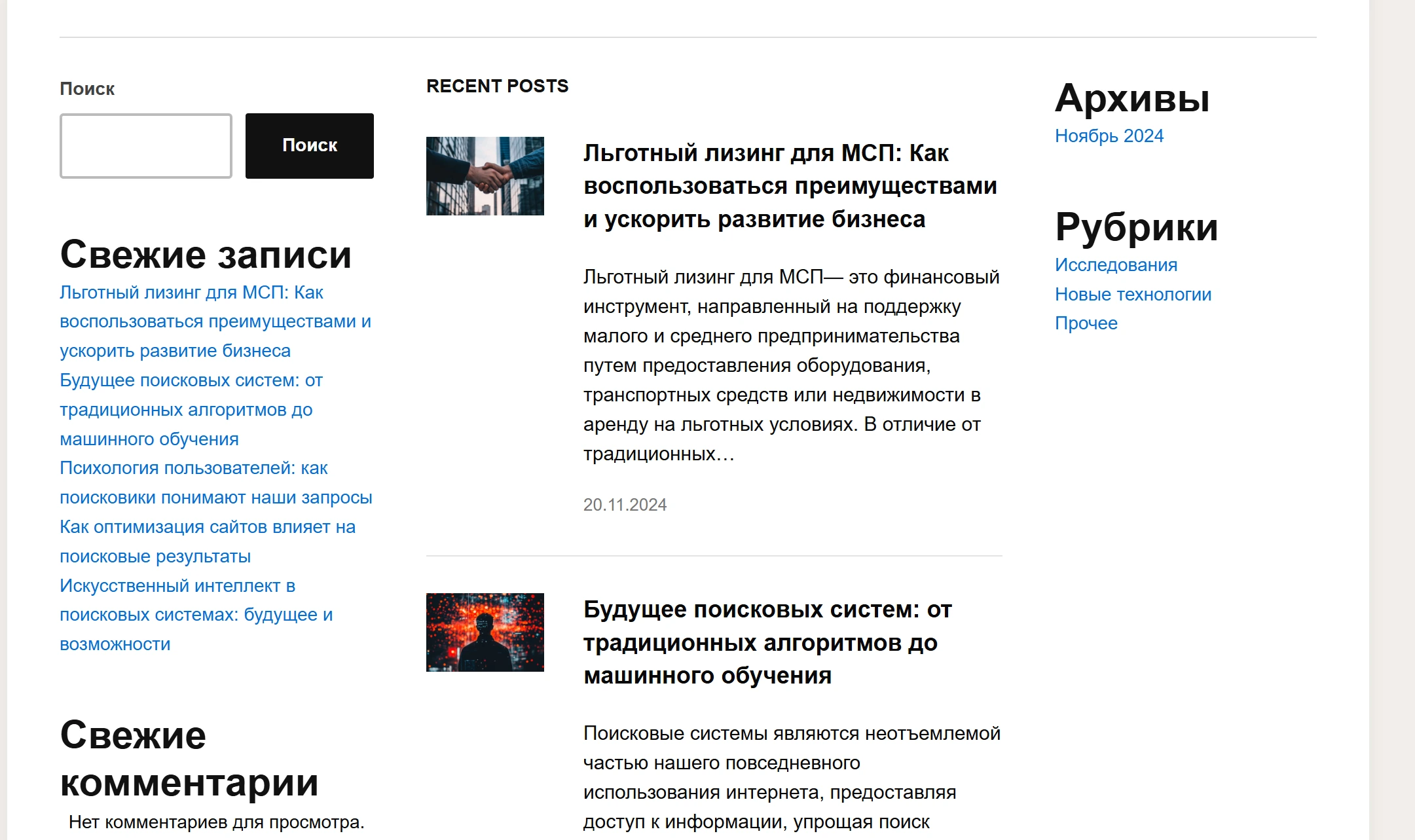
Webalta is a Russian search engine recognized for its customizable homepage that allows users to create a personalized dashboard.
- Personalized Homepage: Users can tailor their homepage to display essential services like news, weather, and traffic updates in one place for a streamlined experience.
- Built-in Tools and Services: The platform integrates email services, social network links, and online shopping search, allowing users to navigate between different web services efficiently.
- Simplified User Experience: Webalta is designed to reduce information overload by bringing various online tools together in a single, unified interface.
Ru.yahoo.com: A Familiar Name with Local Flavor
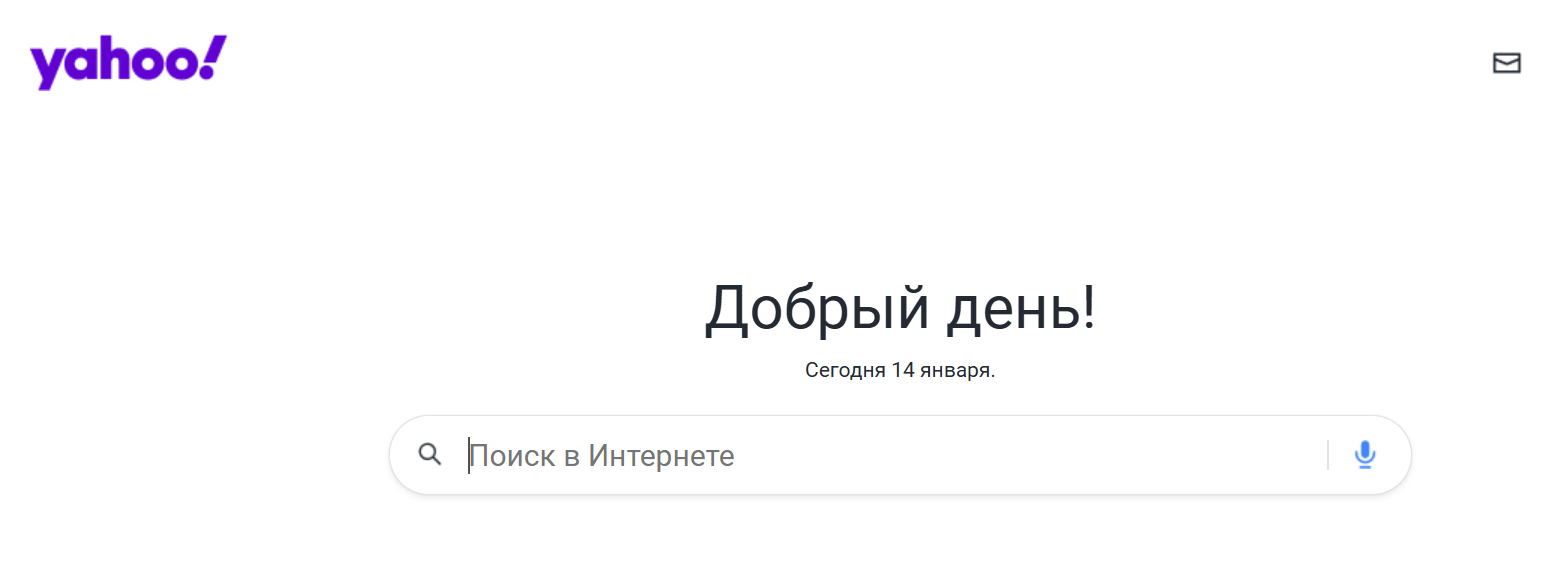
Powered by Bing, Yahoo is the third-largest search engine globally and maintains a localized presence in Russia.
- Localized Content: Yahoo Russia provides specialized categories for Russian news and forums. However, its reliance on Bing's algorithm means it lacks some of the innovative, independent features of its competitors.
- Convenient Media Integration: The platform integrates Yahoo Images, Videos, and Mail, allowing users to access different media and tools in one place.
- Privacy Risks and Advertising: Yahoo's platform lacks strong, prominent security features. The combination of intrusive advertising and potential data sharing raises privacy concerns for users.
How to Achieve SEO and SEM Success on Russian Search Engines?
To gain visibility in the Russian market, it's crucial to use an integrated strategy that combines Search Engine Optimization (SEO) for organic rankings with Search Engine Marketing (SEM) for paid advertising. The following steps provide a roadmap for success.
Step 1: Define Your Goals, KPIs, and Target Audience
Begin by setting clear goals, such as boosting website traffic or generating leads. Track key performance indicators (KPIs) like organic traffic, conversion rates, and ROI to measure success. Most importantly, develop a deep understanding of your Russian target audience, including their demographics, challenges, and search habits, to create strategies that connect with them effectively.
Step 2: Conduct Effective Russian Keyword Research
Keyword research is the foundation of successful SEO and SEM. Use Yandex Wordstat to analyze search volumes for Russian keywords and Google Trends to identify regional search patterns. Tools like SEMrush and Ahrefs can provide competitor insights, helping you refine your keyword list and target the most valuable terms.
Step 3: Develop a Localized Content Strategy
Content is vital for both SEO and SEM. Create high-quality, relevant content—such as blog posts, videos, or infographics—that addresses the specific needs of a Russian-speaking audience. Use a content calendar to plan topics, incorporate target keywords, and maintain a consistent publishing schedule to build authority and engagement.
Step 4: Optimize Your Website for Russian Search Engines
On-page optimization is critical for improving search rankings. Optimize meta tags and descriptions with relevant Russian keywords, create valuable content that avoids keyword stuffing, and ensure your website is fast and mobile-responsive. Use tools like Yandex Webmaster to monitor your site's performance and identify areas for improvement.
Step 5: Master Off-Page Optimization and Link Building
Off-page optimization builds your site's credibility with search engines. Focus on earning high-quality backlinks from trusted Russian sources, such as news sites and blogs with .ru or .рф (.рф, the Cyrillic-script domain for Russia) domains. Additionally, maintain an active presence on popular Russian social platforms like VK, OK, and Telegram to boost brand visibility and drive traffic.
Step 6: Monitor, Analyze, and Adjust Your Strategy
Continuous monitoring is essential for long-term success. Use tools like Google Analytics and Google Search Console to track your KPIs, including website traffic, keyword rankings, and conversion rates. Analyze this data regularly to evaluate performance and make data-driven adjustments to your SEO and SEM strategies.
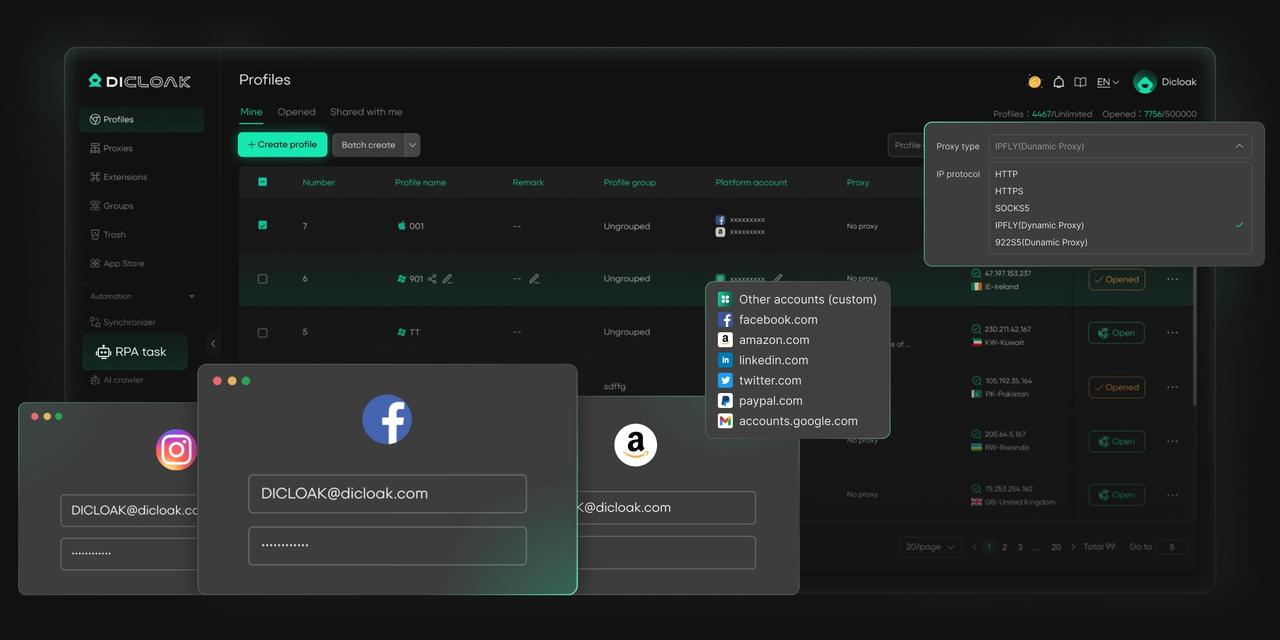
For marketers looking to maximize their SEO and SEM efforts in Russia, DICloak antidetect browser offers a powerful solution for managing digital footprints and protecting privacy.
DICloak's antidetect feature allows you to securely manage multiple Yandex or Google accounts by masking your digital footprint for each profile. Through advanced browser fingerprinting technology, DICloak isolates each profile—preventing cross-account connections and lowering the risk of bans or penalties. This isolation is essential for maintaining SEO and SEM integrity, as it stops platform algorithms from detecting unusual activity or connecting accounts, ensuring your campaigns run without disruption.
Protecting Your SEM Campaigns and Ad Accounts
DICloak provides SEM specialists with powerful tools to monitor ad displays across regions. The platform enables management of multiple ad accounts while maintaining their independence. If one account gets banned, others remain unaffected, safeguarding your overall campaign.
Ensuring Enhanced Privacy and Security for Your Marketing Efforts
With growing privacy concerns, DICloak provides enhanced security for your SEO and SEM campaigns by minimizing data exposure risks. The platform's advanced anti-fingerprinting technology shields your browser and device from website tracking, allowing you to focus confidently on expanding your digital marketing efforts.
Frequently Asked Questions about Russian Search Engines
What is the most popular search engine in Russia in 2026?
Yandex is the most popular option among Russian Search Engines, holding a dominant market share of 64%. As one of the leading Russian Search Engines, it is highly tailored to the Russian language, regional intent, and local user preferences.
Is Google used in Russia?
Yes, Google.ru is the second-most-popular platform among Russian Search Engines. While it is a global product, it still plays an important role within the broader Russian Search Engines ecosystem by offering familiar tools and high-quality search results.
Why is Yandex so popular in Russia?
Yandex dominates Russian Search Engines because of its deep understanding of the Russian language, advanced localization algorithms, enhanced security and privacy features, and a seamless ecosystem of services specifically designed for users of Russian Search Engines.
Do I need a different SEO strategy for Russian search engines?
Yes. Optimizing for Russian Search Engines requires a localized SEO approach. This includes keyword research using tools like Yandex Wordstat, building backlinks from trusted Russian domains (.ru or .рф), adapting content to local intent, and engaging on Russian social platforms such as VK and OK that strongly influence Russian Search Engines rankings.
How can an antidetect browser like DICloak help with my Russian marketing campaigns?
DICloak helps by allowing you to securely manage multiple Yandex or Google accounts without risking bans, monitor search engine results accurately across different Russian regions, protect your ad accounts, and enhance the overall privacy and security of your marketing efforts.
Conclusion
Russian Search Engines, especially Yandex, have built a powerful digital ecosystem with specialized features designed specifically for local users. Understanding how Russian Search Engines operate and differ from global platforms is essential for any digital marketer aiming to succeed in Russia. True success comes from combining deep local market knowledge with advanced technology. For marketers serious about scaling campaigns within Russian Search Engines, integrating a tool like DICloak is no longer optional—it is the cornerstone of a secure, scalable, and sustainable Russian market strategy.
 Web Proxy Tools
 Free Tools
 Cookie Plugin
 UA Generator
 MAC Address Generator
 IP Generator
 IP Address List
 2FA Code Generator
 World Clock
 Anonymous Check
 WebRTC Leak Test
 UUID Generator
 Free Web Proxy Site
 Proxy Checker
 FB Ad Checker
 AI Web Scraping
 Free SMM Tools
 Twitter Shadowban Checker
 Instagram Name Checker
 UTM Generator
 Username Generator
 AI Hashtag Generator
 LinkedIn Headline Generator
 Social Media Image Resizer