Crunchbase is a widely used service for startup intelligence and funding details. However, it has its flaws. Limited data exports, steep subscription costs, and shallow information outside North America often compel users to seek superior tools, or platforms enabling them to leverage that intelligence—like handling numerous outreach profiles or executing secure prospecting efforts.
In this guide, we’ve gathered the top substitutes for Crunchbase. Some feature more comprehensive data, others emphasize CRM integration, and a few grant you the capability to act on that data securely and at volume.
Regardless of whether you’re in sales, analysis, or lead generation, you'll find a suitable option below.
What is Crunchbase?
Crunchbase is a business data resource that monitors firms, financiers, investment rounds, and industry movements. It's primarily utilized by entrepreneurs, investors, and sales personnel to source startup facts, review funding histories, and spot growth indicators.
The service lists millions of businesses and financiers globally. You can filter by sector, investment phase, geography, and more. Many leverage it to compile prospect lists, examine rivals, or observe investor activity.
Crunchbase provides a free tier with restricted entry. Paid memberships unlock advanced sorting, data extraction, and CRM connections such as Salesforce and HubSpot.
Essentially, if your goal is to investigate startups or pinpoint potential investors, Crunchbase stands as one of the most frequented instruments available.
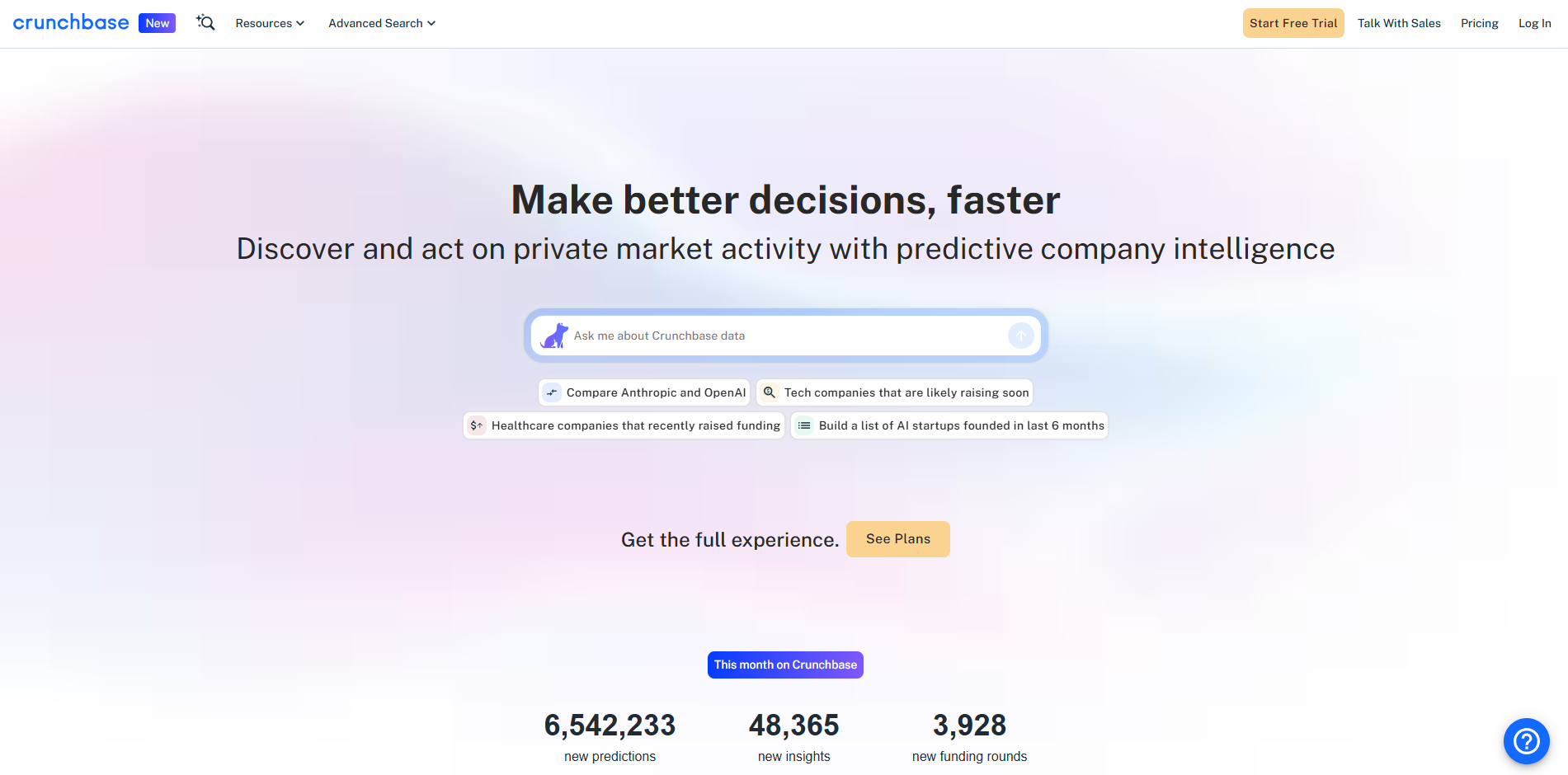
Why Consider Crunchbase Alternatives
While Crunchbase is helpful, it doesn’t cover every aspect. Its data can be thin, particularly outside the US, and essential capabilities like exports or contact specifics are restricted behind paywalls. If you are working within a budget, require better prospect tracking, or need tools tailored to your locale or process, it makes sense to explore other options. A strong substitute can conserve your resources, offer deeper insights, or align better with your operations—without the extra expense.
Top Crunchbase Replacements
Crunchbase is popular, but it isn't always the ideal solution. Many teams seek platforms offering greater adaptability, better data access, or features that align with their specific workflows. Let's examine the leading options to replace Crunchbase:
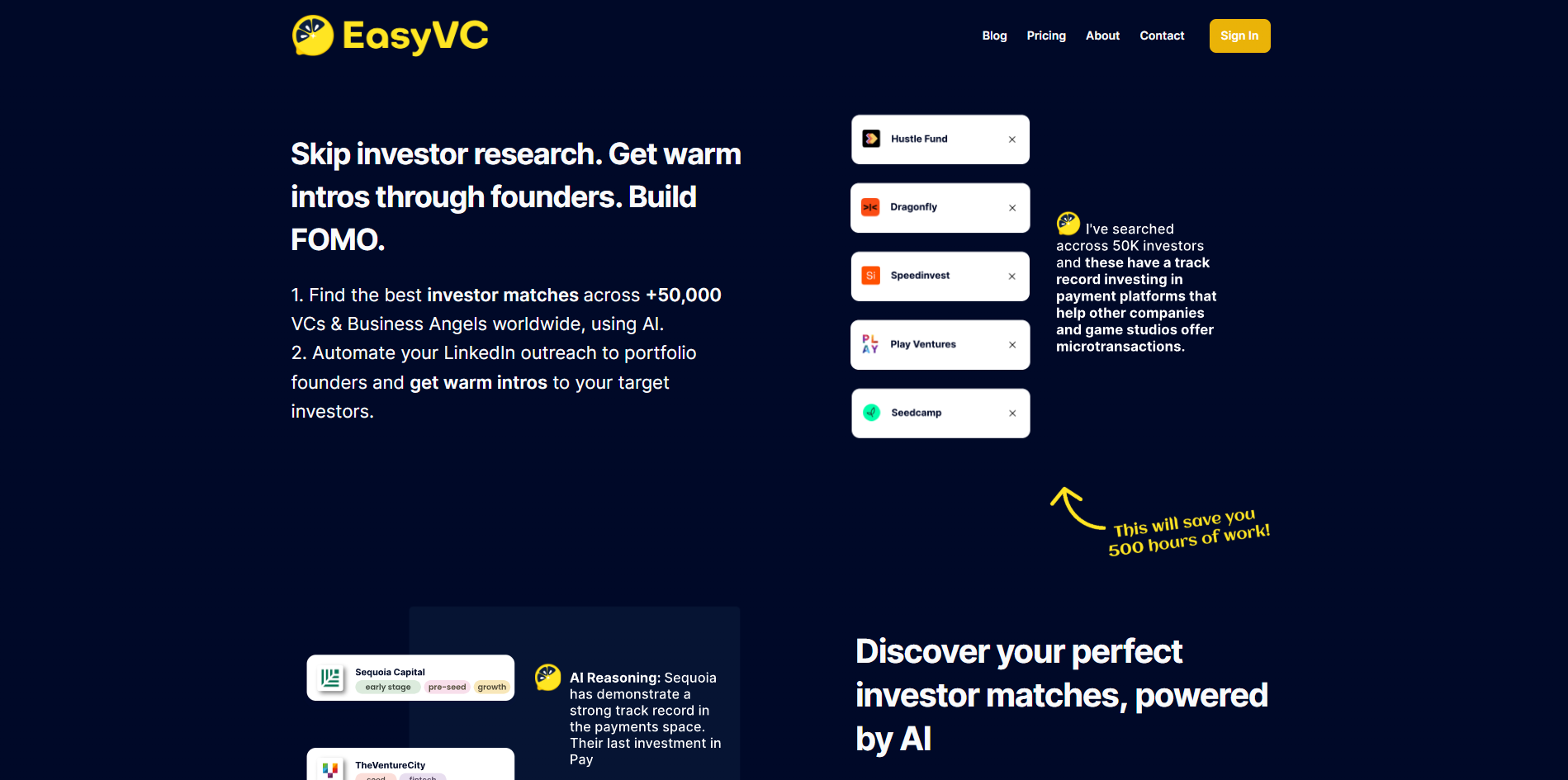
Easy VC – AI-Driven Investor Locator
If you are weary of manually researching investors, Easy VC delivers a quicker path to finding the right match. It's an AI-powered directory featuring over 50,000 venture capitalists and angel investors, complete with data points like investment focus, typical investment size, and confirmed email addresses.
Its utility stems from being more than static lists. You can search by investor name, stage, sector, or investment amount—then initiate warm introduction sequences via LinkedIn using their browser add-on, and it even reveals the LinkedIn profiles of company founders in their portfolios.
For capital-raising efforts, Easy VC significantly simplifies your outreach. It allows you to monitor views on your pitch deck, receive alerts when investors read it, and secure confidential material with features like screenshot blocking and watermarks. This ensures you spend less effort on uninterested parties and focus on those showing interest.
The cost starts at $0. A complimentary plan is provided (donations appreciated), or you can upgrade to $119 monthly, or $89 monthly with annual billing.
Ideal for: Seed-stage founders, independent operators, or small groups seeking a direct, AI-assisted method to locate and contact investors, without the cost of enterprise solutions.
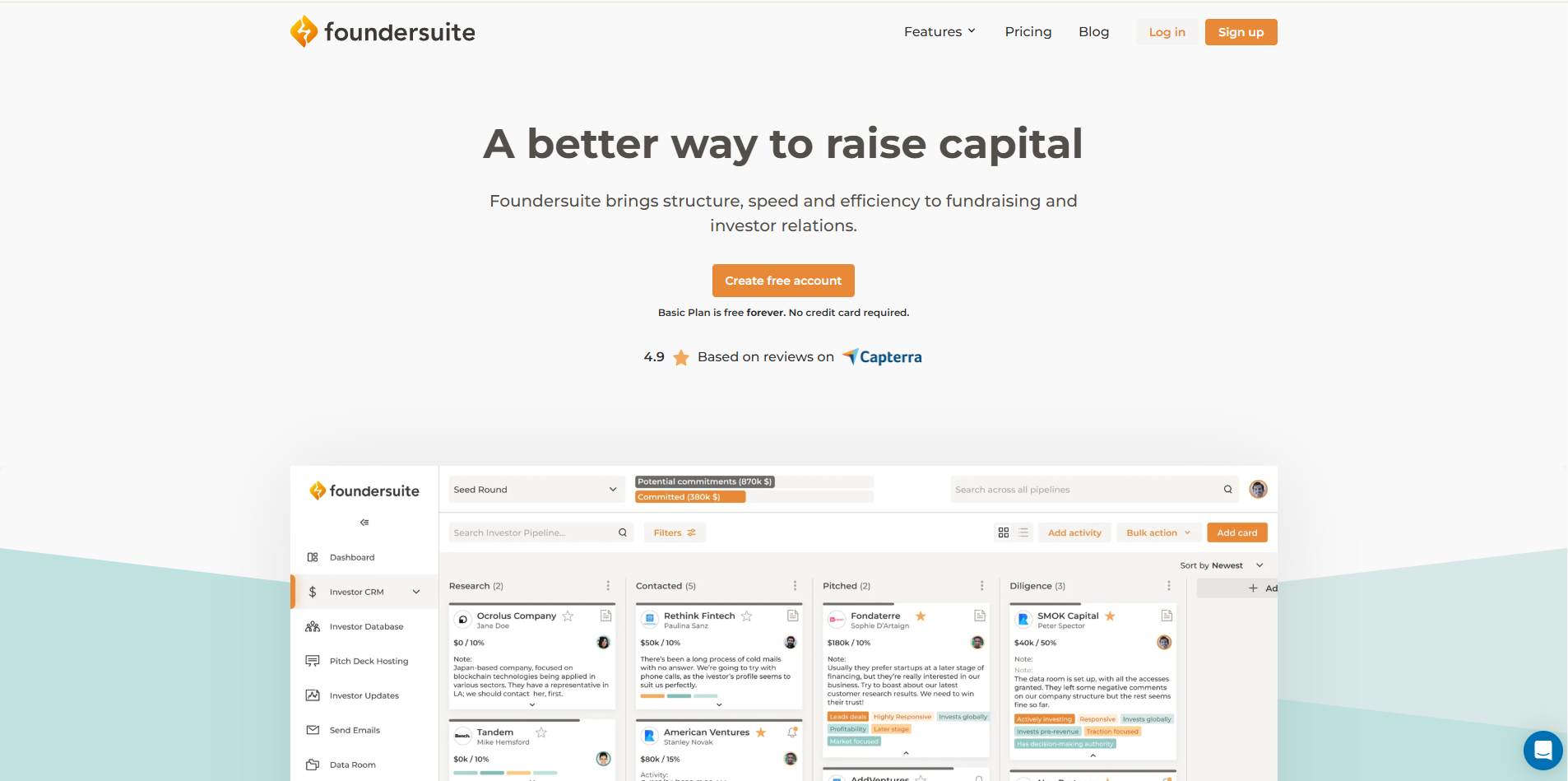
Foundersuite – Competitor to Crunchbase featuring Investor CRM
Foundersuite is engineered for a singular purpose: managing your fundraising from inception to closure. It integrates a CRM, email utilities, and a directory of over 250,000 financiers, all centralized.
You can structure your investor pipeline using Kanban-style boards, dispatch bulk personalized emails, and log every introduction, discussion, or follow-up. It also supplies templates for investor updates and a streamlined data room for secure document sharing.
It’s not flawless. The investor information is heavily weighted towards US-based firms, and it lacks deep financial metrics or sophisticated analysis. Moreover, the user interface feels somewhat dated.
Nevertheless, for founders prioritizing organization during a funding round, it remains a sensible choice.
Pricing begins at $44 monthly, with a free option available for minor outreach tasks.
Best for: Early-stage startups focused on fundraising who need a straightforward CRM for managing investor communications and updates.
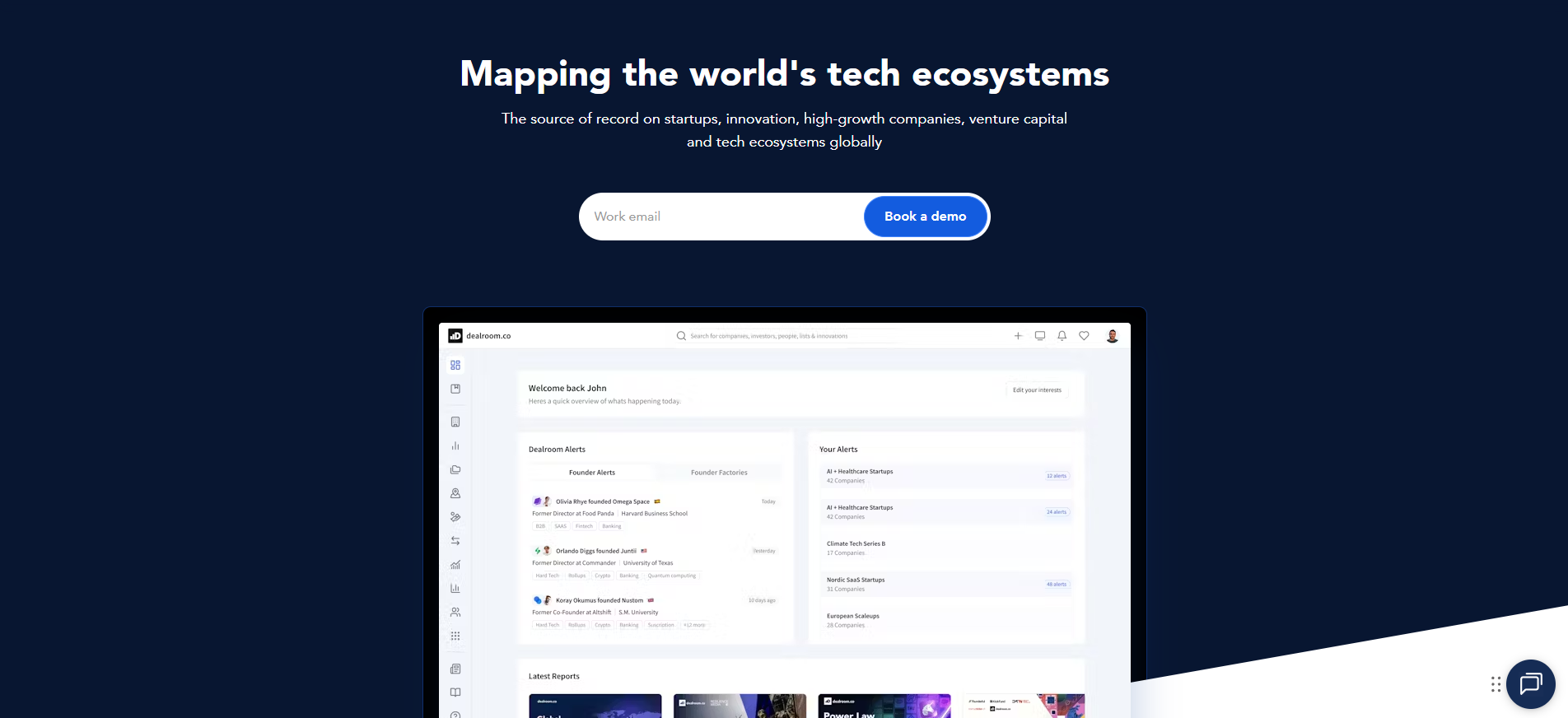
Dealroom – Market Intelligence Concentrated on Europe
If your focus is the European technology landscape, Dealroom is among the most data-rich platforms available. It is relied upon by governing bodies, incubators, and corporations to map emerging companies, track investments, and compare tech ecosystems across the EU.
You gain entry to over 2 million firms and 200,000 investors, equipped with features like heatmaps, valuation monitoring, and talent metrics. Public city profiles (like Amsterdam and Berlin) offer hyper-local insights, while the API and BI exports support deeper research.
The drawback? Data for the US and Asia is restricted unless you subscribe to a premium package, and precise pricing details are only shared after speaking with sales.
Best for: Teams concentrating on European startups, ecosystem analysis, or investment data at the city level.
Cost: A free community plan exists. Paid tiers commence around €6,000 annually for professional access.
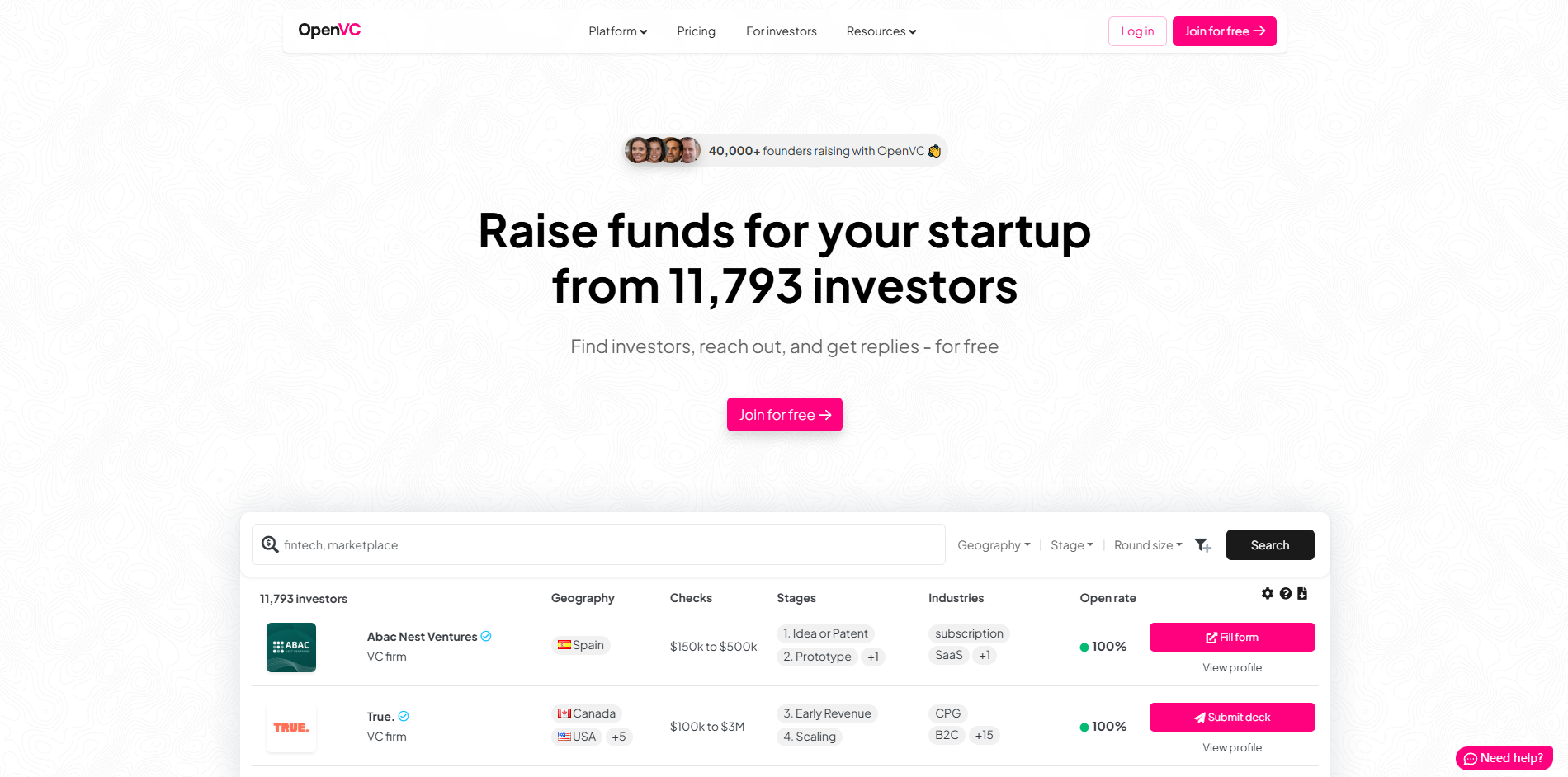
OpenVC – No-Cost, Community-Sourced Investor Roster
OpenVC serves as a completely free, founder-friendly substitute for Crunchbase. It provides access to over 9,000 investors, each detailed with investment stage, typical check size, location, and contact methods.
Its standout feature is the “Send your deck” process: a standardized submission form that bypasses cold emails, sending your proposal directly to VCs who have opted in. You can also monitor submissions, request endorsements, and use a public API (currently in testing).
It is straightforward and open, though not without limitations. The data quality depends on community contributions, and it lacks an integrated CRM or data enrichment features.
Best for: Early-stage founders seeking a cost-free and direct method to approach investors.
Cost: Entirely free for both entrepreneurs and investors.
Tracxn – AI-Informed Startup Signals Across 300+ Sectors
Tracxn assists you in discovering emerging startups using AI combined with human expert analysis. Representing over 1.4 million companies, it monitors developing trends, niche markets, and sector vitality—making it a preferred tool for corporate innovation departments and VCs.
You receive access to sector performance reports, market visualizations, browser extensions, and real-time Slack notifications. If you require deeper understanding, you can even schedule sessions with platform analysts.
However, the service concentrates heavily on data from Asia and India, and it does not include a CRM or workflow management tools natively.
Best for: Research teams or large organizations scouting emerging companies in specific niches or new sectors.
Cost: Bespoke packages start at around $8,000 per year.

PitchBook – In-Depth Financial Data for Private and Public Markets
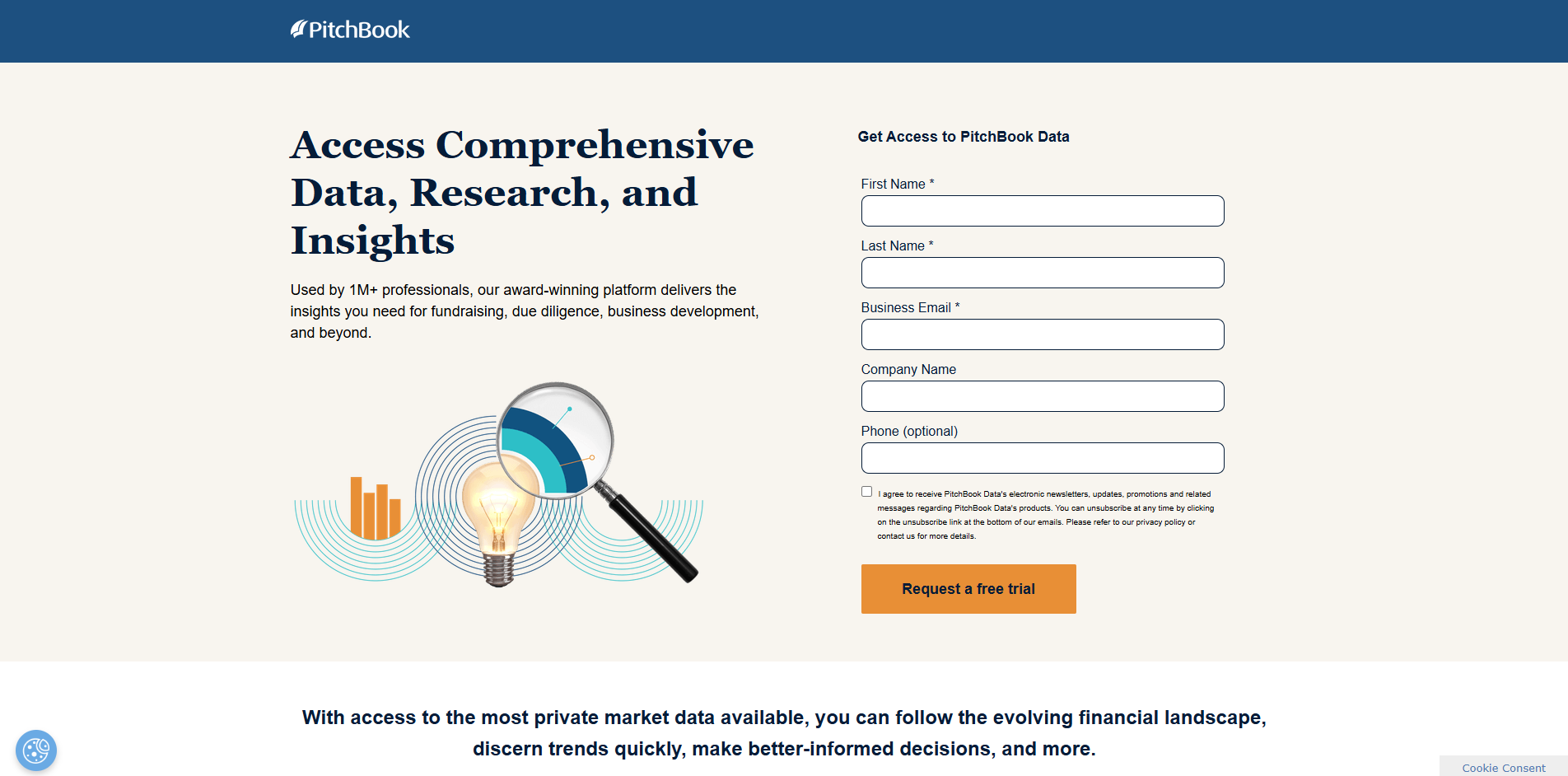
PitchBook is designed for serious due diligence. It offers granular data on 3.5 million companies and almost 2 million transactions, covering everything from private equity and venture funding to fund performance and ownership structures.
Its strength lies in validated analyst research, alongside utilities like an Excel connector and Salesforce integration. You can import financial figures, valuations, and peer comparisons directly into your work, and even pose technical questions to PitchBook’s analyst team.
That said, it is geared toward professionals. The interface can feel complex, and pricing starts at $12,000 annually per user, making it more suitable for corporations, private equity firms, and investment banks than sole founders.
Best for: Experienced users needing profound financial details and transaction-level insights in both private and public sectors.
Cost: Starts at $12,000/year per user, requiring yearly contracts.
Why DICloak is Essential for Crunchbase Outreach
Crunchbase and its counterparts help you pinpoint the right businesses, investors, and decision-makers. But finding leads is only half the endeavor. What happens when you initiate contact, especially using multiple accounts or across different geographies? That’s when services might flag you, restrict your access, or worse—terminate your accounts.
This is where DICloak becomes indispensable.
DICloak provides the necessary underlying system to safely execute your research. Whether you are running mass outreach campaigns, testing offers across various regions, or managing multiple online personas, DICloak enables you to do so—without facing bans, restrictions, or tracking.
Here’s why sales teams, growth marketers, and founders rely on it daily:
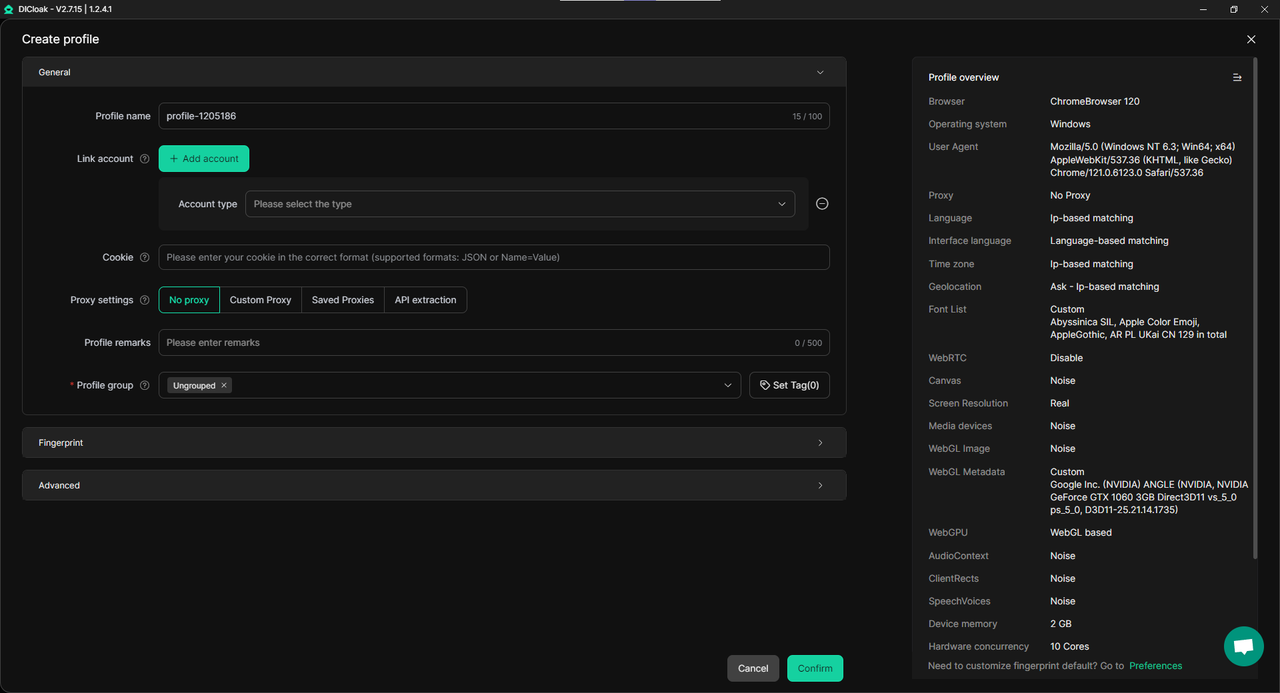
- Start quickly – pre-aged browser profiles with existing cookies reduce setup time.
- Operate efficiently – one-click profile generation, AI-driven routines, and integrated proxies.
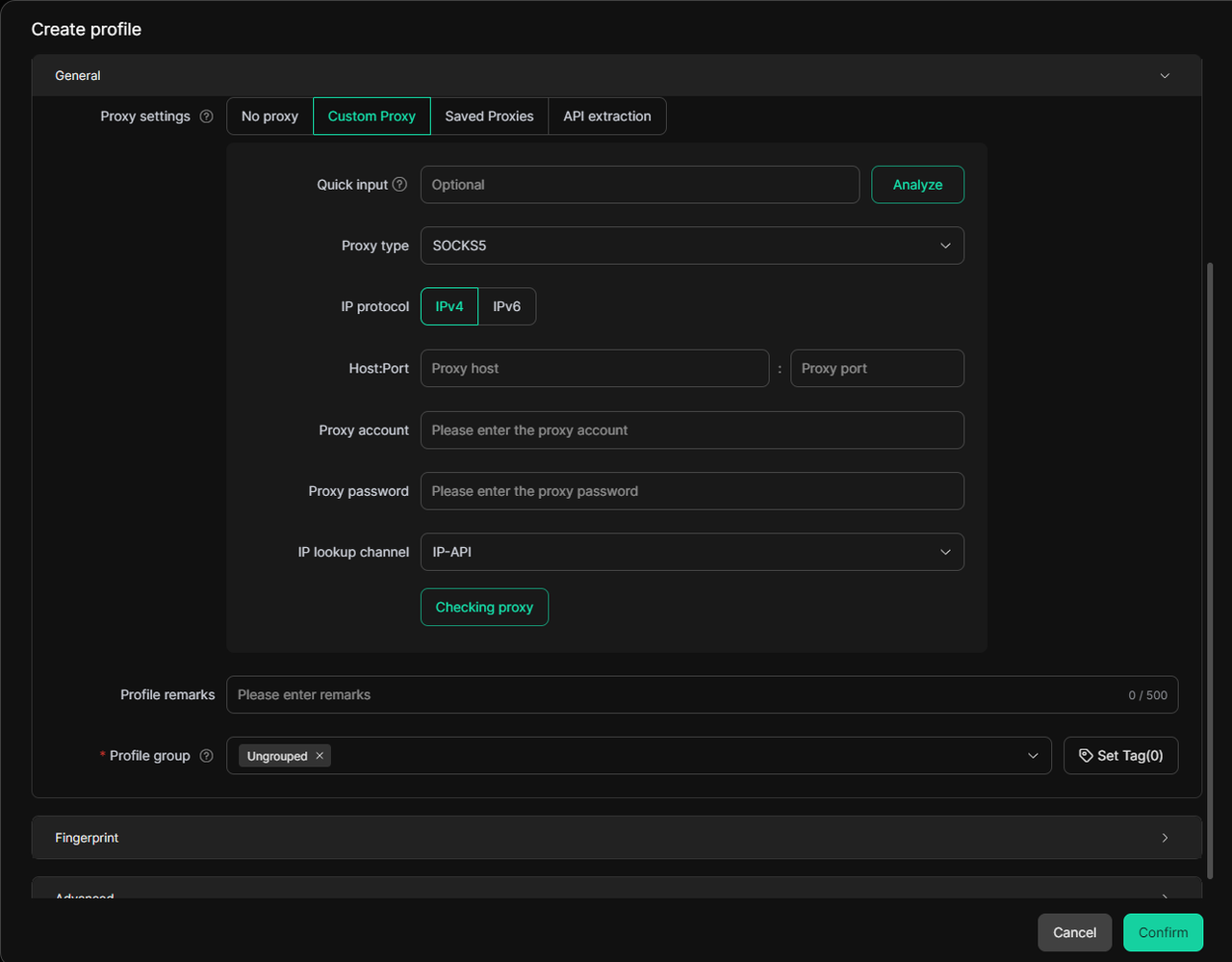
- Custom Proxy Configuration – Allows you to set unique proxies for each Crunchbase account, ensuring each account uses a different IP address, effectivelyreducing the risk of account linking or bans.
Frequently Asked Questions on Options to Crunchbase
Which Crunchbase rivals stand out in 2025?
Top Crunchbase substitutes for 2025 feature platforms such as Easy VC, Foundersuite, Dealroom, OpenVC, Tracxn, and PitchBook. Each one addresses a distinct requirement—be it access to investor intelligence, seamless CRM connections, in-depth market analysis, or AI-driven startup monitoring.
What drives the search for options for Crunchbase?
People seek Crunchbase replacements because its pricing can be steep, its international data coverage is sometimes lacking, and it may miss specific functions like detailed financial breakdowns or integrated communication utilities. Alternatives often boast superior geographical information, adaptable pricing structures, and integrated lead management or CRM capabilities.
Can substitutes for Crunchbase aid in proactive selling efforts?
Certainly, Crunchbase counterparts can bolster outbound sales by supplying investor details, prospect information, and CRM utilities. However, once the communication phase commences, utilities like DICloak become vital for handling numerous profiles and remaining unseen during marketing drives.
Is there a no-cost substitute available instead of Crunchbase?
Indeed, OpenVC serves as a complimentary alternative to Crunchbase. It provides a database of investors maintained by its community, allowing entrepreneurs to submit their pitch decks directly, entirely bypassing the need for paid subscriptions or costly filtering systems.
How does DICloak integrate with Crunchbase alternatives?
DICloak complements Crunchbase substitutes by enabling secure utilization of the gathered intelligence. Following the creation of prospect lists using services like PitchBook or Easy VC, DICloak facilitates the management of multiple identities, streamlined outreach automation, and the prevention of account suspensions, positioning it as a crucial instrument for scaled execution.
Closing Thoughts
If you are exploring options beyond Crunchbase, the goal extends beyond merely sourcing more data—it’s about selecting the right instruments that align with your actual workflow. Whether your focus is investigating funders, assembling prospect manifests, or tracking emerging company trends, the tools listed here each resolve a specific aspect of that workflow. But when you pivot toward action—dispatching communications, experimenting with conversion paths, or managing outreach across various accounts—you require more than just raw data. This is where DICloak proves beneficial. It offers a secure and dependable means to operate at volume, bypassing blocks or detection.
 Web Proxy Tools
 Free Tools
 Cookie Plugin
 UA Generator
 MAC Address Generator
 IP Generator
 IP Address List
 2FA Code Generator
 World Clock
 Anonymous Check
 WebRTC Leak Test
 UUID Generator
 Free Web Proxy Site
 Proxy Checker
 FB Ad Checker
 AI Web Scraping
 Free SMM Tools
 Twitter Shadowban Checker
 Instagram Name Checker
 UTM Generator
 Username Generator
 AI Hashtag Generator
 LinkedIn Headline Generator
 Social Media Image Resizer