A new affiliate can join the Amazon Associates program quickly, yet one missed disclosure can still put payouts at risk under the FTC Endorsement Guides. That gap is why affiliate marketing basics matter more than chasing hacks. Most beginners do not fail on effort; they fail on setup, tracking, and rule checks. If your links break, your traffic source gets flagged, or your account policy review goes wrong, your work can stall fast.
This guide gives you a clear starting path: how affiliate programs work, how to pick offers that fit your audience, how to place links without hurting trust, and how to track clicks and conversions with tools like Google Analytics. You will also learn where beginners get banned, including policy issues under Google Search spam policies, and what to lock down when running more than one account or team workflow. If you reach that stage, tools like DICloak can help separate browser profiles and reduce account mix-ups. Start with the setup checks that prevent avoidable mistakes.
How does affiliate marketing actually work from click to commission?
If you are learning affiliate marketing basics, picture a handoff chain, not a single action. You publish content with a tracked link. A reader clicks, lands on a merchant page, and completes a sale or lead form. Tracking then matches that action to your ID. Most lost commissions happen in tracking gaps, not content quality. This is the core of affiliate marketing basics.
Who does what: merchant, affiliate, network, and customer
The merchant owns the product, checkout page, and payout rules. You, the affiliate, drive traffic with reviews, tutorials, or social posts. The network (if used) tracks clicks, stores IDs, and reports conversions. The customer chooses to buy or submit a form.
Tracking responsibility usually sits with the merchant or network link system, not your blog platform. If your link is broken, missing parameters, or replaced by the wrong redirect, the sale may still happen but your commission can fail to attribute.
What happens after someone clicks your affiliate link
After the click, a cookie or click ID records who referred the visitor. Programs set an attribution window, such as 24 hours or 30 days. Some programs use last-click rules, so a later affiliate click can overwrite yours. The tracking and reporting flow is described in Amazon Associates docs and CJ publisher guides.
Commissions may be delayed for refund periods, fraud checks, or invalid leads. They may be rejected if traffic breaks program terms under FTC endorsement guidance or if required disclosures are missing.
How common payout models change your strategy
| Model |
Trigger |
Beginner fit |
Common risk |
| Pay per sale |
Completed purchase |
Good if your audience has buying intent |
Low conversion if traffic is cold |
| Pay per lead |
Form submit or signup |
Good for new sites with info traffic |
Lead quality filters can reject payouts |
| Pay per click |
Valid click |
Easy to start testing headlines |
Lower payout per action; invalid click rules |
Use Google Analytics plus network reports to compare outbound clicks vs approved conversions each week. Large gaps usually point to link setup, attribution windows, or offer mismatch.
What should you choose first: niche, audience, or affiliate program?
If you are learning affiliate marketing basics, pick in this order: niche, audience intent, then program. Choose a niche you can publish in for 6 months before you compare commission rates. This order cuts rework and keeps your content focused.
How to pick a niche you can create content for consistently
Start with a topic you can write 30-50 useful posts about. Check demand with Google Trends and search results quality in Google. If page one is full of thin list posts, you can often beat them with better how-to content.
Then check depth. Write 10 real questions your reader asks before buying. If you struggle to list 10, the niche is too thin.
For stability, mix evergreen topics with trend topics. Evergreen gives steady traffic over time. Trend topics can spike traffic, then drop fast. A practical split is 80% evergreen and 20% trend.
How to define buyer intent before selecting products
Do not pick products until you map intent. A problem-aware reader knows the pain, but not the fix. A solution-aware reader compares tools and prices.
Match content to that stage.
- Problem-aware: “why this keeps happening” posts, checklists, setup guides.
- Solution-aware: comparison posts, pricing breakdowns, trial limits, refund terms.
You should also follow FTC endorsement guidance so your links and disclosures stay clear.
How to compare affiliate programs beyond commission rate
A high rate can still lose money if refunds are high or tracking is weak. Use this quick screen:
| Check |
What to look for |
Why it changes outcomes |
| Cookie duration |
30/60/90-day window |
Longer windows keep credit after delayed purchases |
| EPC |
Earnings per 100 clicks |
Shows real click value, not headline commission |
| Refund rate |
Published or shared by manager |
High refunds erase earnings |
| Program support |
Response speed, clear terms |
Faster fixes when tracking breaks |
How to start affiliate marketing basics in 7 practical steps
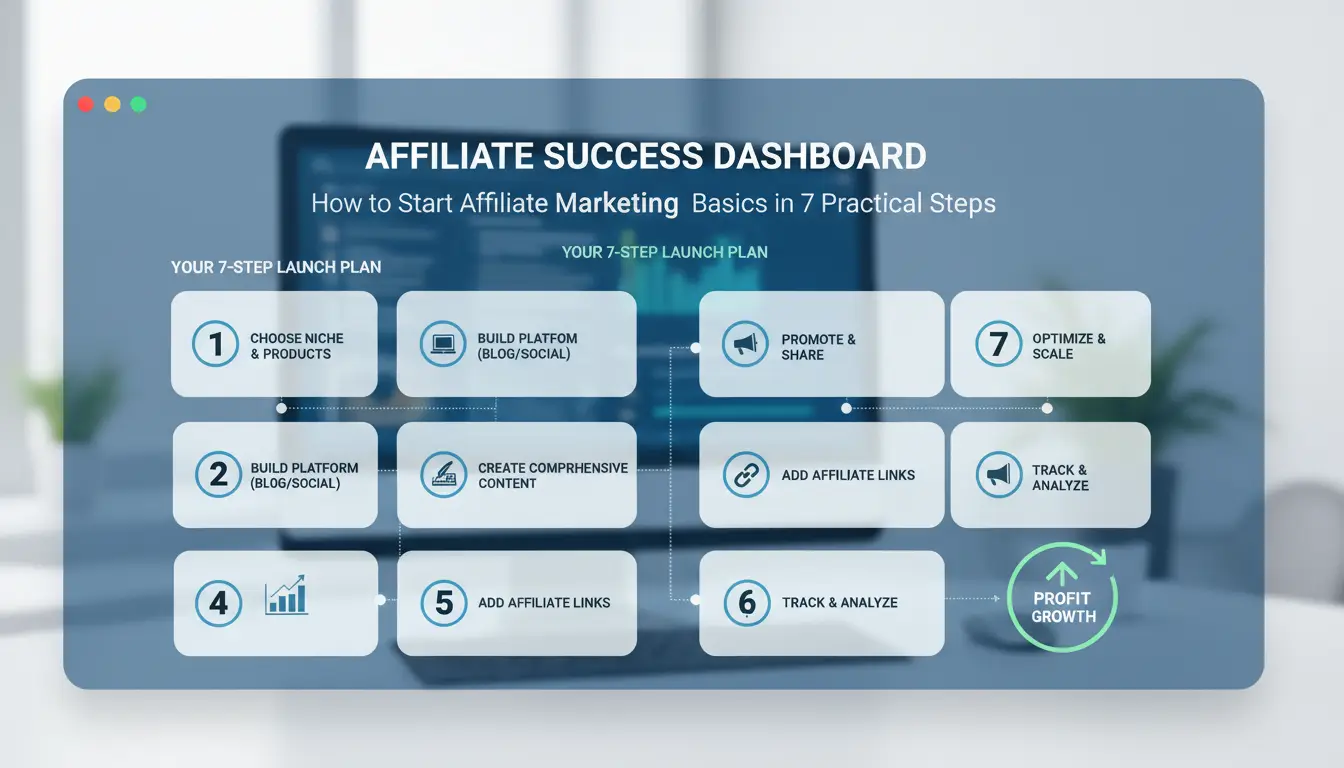
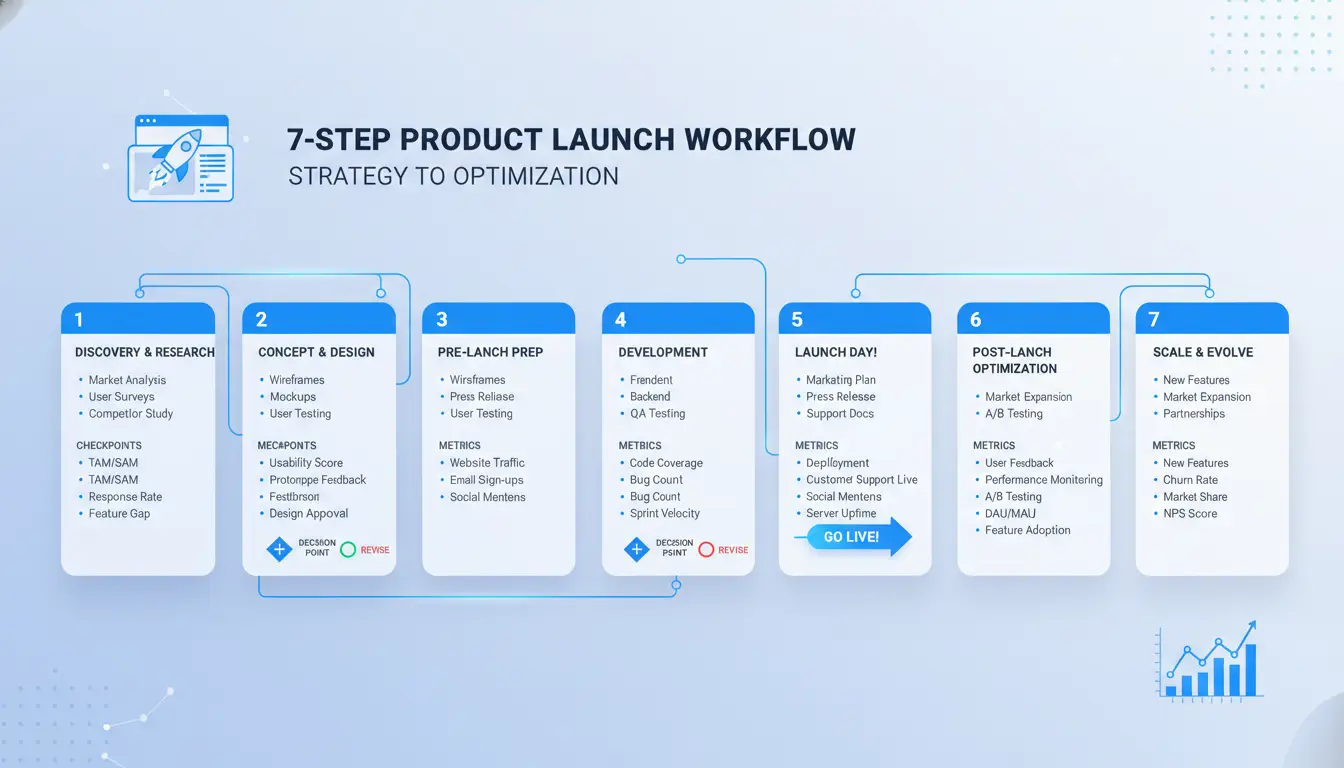
Use this as a launch checklist, in order. Do not stack tools early. For most beginners, one platform, one traffic source, and 3–5 focused posts are enough to validate an offer. Your goal is simple: get clean clicks, then your first tracked conversion.
Step 1–2: Set up your platform and trust foundation
Pick one main channel: blog, YouTube, social, or email. A blog gives stable search traffic and works well with product reviews. You can register a domain through providers listed by ICANN, then install your CMS.
Set up trust pages before link promotion:
- About page: who you help and what you test
- Contact page: real email or form
- Disclosure page: explain affiliate relationships per FTC endorsement guidance
Step 3–4: Join programs and map products to content types
Join 1–2 programs only. Check payout terms, cookie window, and approval rules. Start with official networks like Amazon Associates or direct brand programs.
Then map offer to content:
- Review: one product, clear use case
- Comparison: Product A vs B for a specific buyer
- Tutorial: show setup, include tools
- Alternatives: for readers unhappy with a known option
If the product solves the exact problem in your post, conversion rates are usually better than broad “top picks” lists.
Step 5: Publish content that solves a buying question
Build each post around one intent question, like “Is X good for beginners?” Put links after proof: screenshots, test notes, or step results. Keep calls to action short and direct, like “Check current price” or “See full feature list.”
Step 6–7: Add tracking and improve your first conversions
Track every link with UTM tags in Google Analytics and add sub-IDs from your affiliate platform to identify which page converts.
Test one variable at a time:
- Headline angle
- Intro hook
- CTA text and placement
Which traffic channels are best for beginners, and when should you switch?
For affiliate marketing basics, pick channels by cash and patience, not hype. If you have low budget, start with SEO plus short-form social. Add email after your content starts getting clicks. Move to paid traffic only after you know your earnings per click and refund rate from your own data in Google Analytics.
SEO content vs short-form social: speed vs long-term compounding
| Channel |
Time to early signals |
Ongoing workload |
Switch trigger |
| SEO blog posts |
3-6 months for stable search traffic |
Keyword research, writing, updates |
Keep scaling if pages gain impressions in Google Search Console |
| Short-form social |
1-4 weeks for reach tests |
Daily posting, hooks, edits |
Shift effort if views do not convert after 30-45 days |
Short-form gives faster feedback, while SEO builds traffic that can keep coming without daily posting.

Email marketing basics for affiliate follow-up
Start email once you get regular clicks. Offer one simple lead magnet, then send a 3-5 email welcome flow. Email gives conversion stability because you can follow up without waiting for algorithm reach on YouTube or Instagram.
When paid traffic makes sense for beginner affiliates
Use ads only when you can risk a test budget you can lose. A practical floor is $300-$500 per offer test. If commission is low and refunds are high, paid traffic can drain cash fast.
Why do many beginners fail at affiliate marketing basics?
Most early losses come from simple setup mistakes, not bad luck. If you learn the affiliate marketing basics, you can catch high-cost errors before you scale.
Promoting too many products without a clear angle
New affiliates often post links for every offer they see. That confuses readers. A mixed message lowers trust, and clicks drop even when traffic looks fine.
Use one offer, one audience problem, and one content format for 2-4 weeks. Example: one budget laptop accessory offer, short review videos, and one call to action per post. Tight focus makes weak points visible fast, so you can fix copy, traffic source, or landing flow without guessing.
Ignoring compliance and disclosure rules
If users cannot spot your affiliate relationship, you risk account warnings and payout trouble. Place a short disclosure near each affiliate link, not hidden in a footer. The FTC endorsement guide shows clear wording examples.
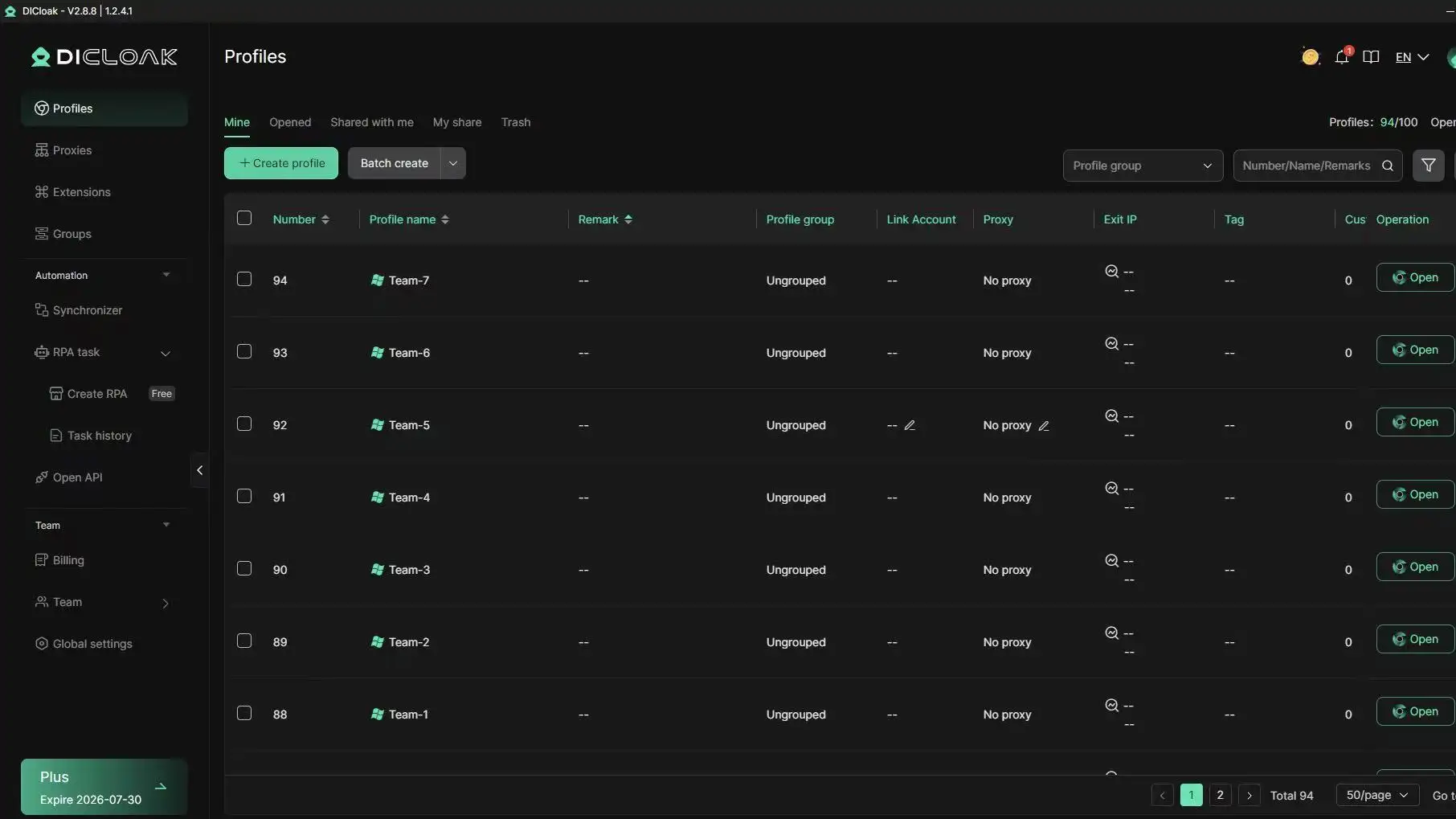
Policy checks also matter on search and social platforms. Thin pages, copied reviews, or misleading claims can trigger restrictions under Google Search spam policies. If your team runs multiple accounts, use separated browser profiles and clean permissions. You can use DICloak to reduce account mix-ups during daily work.
Creating content without tracking conversion signals
Without tracking, you cannot tell if the issue is traffic, offer fit, or page quality. Track these signals each week in Google Analytics and your affiliate dashboard:
- CTR: click-through rate from content to offer
- EPC: earnings per click
- CVR: conversion rate after click
- Refund rate: orders that later reverse
Expecting fast income without testing cycles
Beginners quit too early or scale too early. Real progress usually comes after repeated test cycles: publish, measure, adjust, repeat. Watch direction, not hype. If CTR rises and refund rate stays stable, your affiliate marketing basics are working even before strong commissions show up.
How can you scale affiliate campaigns safely when managing multiple accounts?
As you move past affiliate marketing basics, account safety becomes an operations problem, not just a traffic problem. A clean workflow lowers bans, bad edits, and lost access.
What risks appear when multiple people or accounts run promotions
The biggest failure point is account linkage. If two accounts log in with the same browser fingerprint, unstable IP pattern, or mixed cookies, ad platforms can connect them and trigger review. Team work adds another risk: one person changes tracking links or landing pages, and nobody can trace it later. That creates policy exposure under rules like the Google Search spam policies and ad network terms.
How DICloak helps isolate operations and reduce account bans
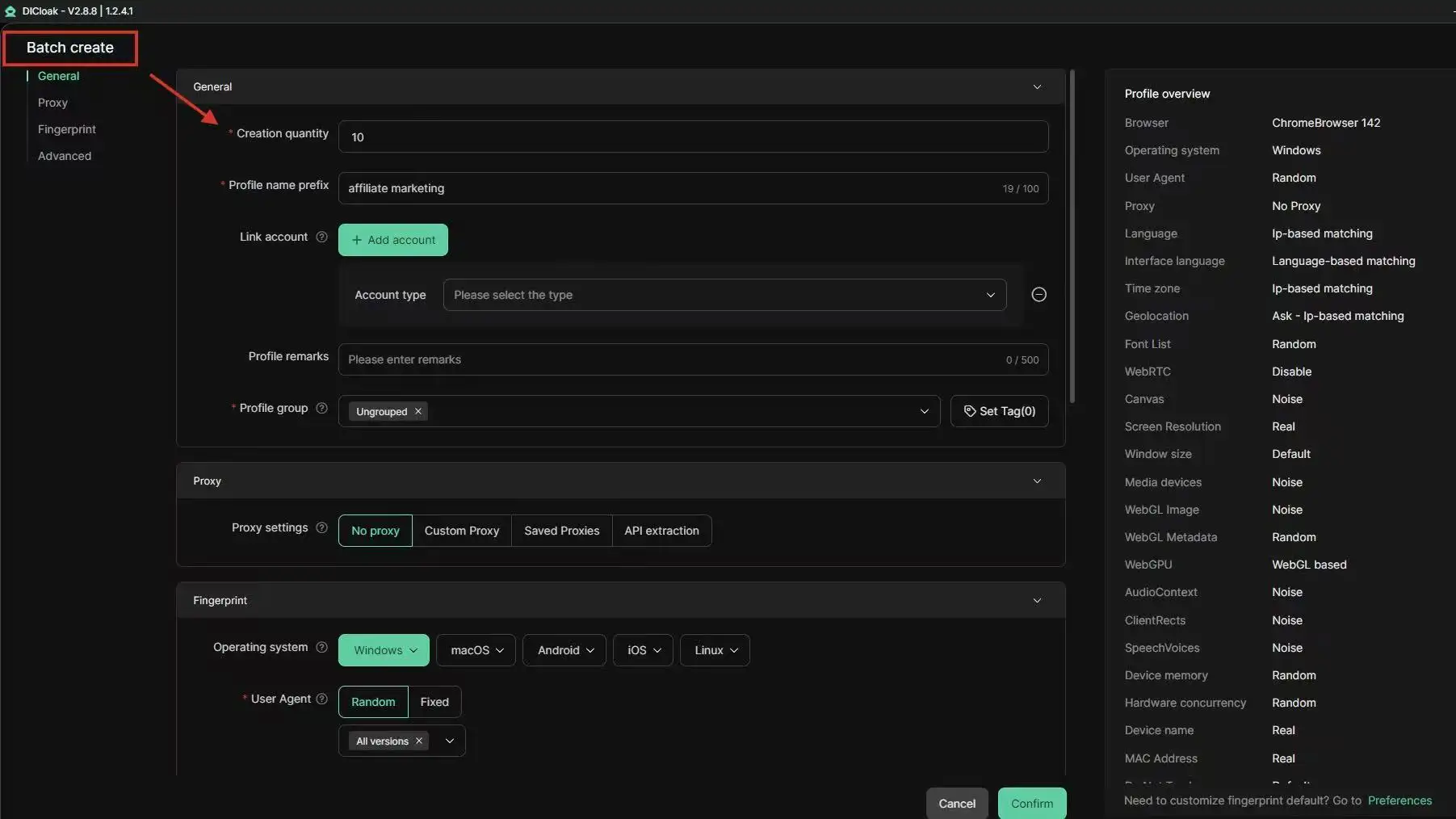
You can use DICloak to keep each account in a separate browser profile, each with its own fingerprint and independent proxy settings. This separation lowers cross-account contamination.
| Workflow item |
Shared browser setup |
Isolated profile setup |
| Fingerprint identity |
Reused across accounts |
Unique per account |
| Proxy assignment |
Easy to mix |
Fixed per profile |
| Cookie/session bleed |
Common |
Limited by profile boundary |
| Ban blast radius |
Can spread |
Usually contained to one profile |
How to use DICloak for team collaboration and repeatable execution
Set role permissions before scaling: editor, operator, and admin should not share full access. Use shared profiles only for assigned accounts, then review operation logs weekly. For repetitive affiliate tasks, you can use batch actions and RPA flows to reduce manual errors like wrong link placement or wrong account posting. If you cannot audit who changed what, do not scale spend yet.
A simple implementation checklist before scaling spend
Use one naming format: channel_offer_geo_owner. Bind one proxy to one profile. Store access rules in a short template. Run a weekly audit: login history, link changes, blocked actions, and conversion tracking checks in Google Analytics. This keeps affiliate marketing basics in place while your account count grows.
How much can you realistically earn, and how should you set goals?
The basic earnings formula every beginner should track
Use one model from day one: traffic × click-through rate × conversion rate × commission. If 1,000 visits get a 3% click rate, 30 clicks at 4% conversion gives 1.2 sales. At $25 commission, that is about $30. Small lifts at each step stack faster than chasing one big win. This is one of the core affiliate marketing basics.
What beginner benchmarks are realistic in the first 90 days
Set output goals before income goals: publish 12 to 20 useful pages, test 3 to 5 offers, and track every click in Google Analytics. Watch early signals: rising click-through rate, stable EPC, and fewer refund-heavy offers. If clicks rise but sales stay flat, your offer-page match is off.
When to reinvest in tools, content, or paid distribution
Scale breaks when account linkage, login location swings, or team mistakes trigger reviews. Tools like DICloak let you run isolated browser profiles with per-profile proxy settings, so each account keeps a consistent environment.
You can use permission controls for editors, buyers, and account owners, then check operation logs when something changes. Batch actions and RPA workflows cut manual repeats and reduce misclick errors as volume grows. Reinvest after EPC stays steady for several weeks; that is practical affiliate marketing basics.
What should your 30-60-90 day affiliate marketing basics plan look like?
Use this affiliate marketing basics plan as a strict weekly checklist. Do not add new channels until you get repeat clicks and at least one steady traffic source.
Days 1–30: foundation and first content assets
Pick one niche with buyer intent. Join 2–3 relevant programs. Read each program’s payout and policy pages before applying. Publish 5 pieces targeting search terms with clear action intent (for example, “best X for Y”). Add one affiliate link block and one clear disclosure on each page. Track clicks in Google Analytics.
Days 31–60: optimization and audience growth
Update your top 2 pages based on click and conversion data. Rewrite weak titles, tighten calls to action, and move link blocks higher if users miss them. Add one email form and a 3-email follow-up sequence tied to one offer group.
Days 61–90: systemize and prepare to scale
Document your content brief, publish flow, and weekly review template. Set next-quarter tests: two new keyword clusters, one new traffic source, one offer swap. If your team runs multiple accounts, you can use DICloak to separate browser profiles and reduce mix-ups.
Frequently Asked Questions
Can I start affiliate marketing basics without a website?
Yes. You can start affiliate marketing basics using social media posts, short-form videos, or an email newsletter. Add affiliate links in approved places, like video descriptions or bio links. The tradeoff: you rely on platform rules and algorithms. A website gives more control, builds long-term SEO traffic, and protects you from sudden account limits.
How long does affiliate marketing basics for beginners take to generate first commissions?
Most beginners see first commissions in weeks to a few months, based on channel. Paid ads can produce faster tests, while SEO blog content usually takes longer to rank. Social and video can convert sooner with strong hooks and product demos. Consistent posting, clear calls to action, and weekly link-page optimization speed results.
Is affiliate marketing legal, and what disclosures are required?
Affiliate marketing is legal in most regions when you follow advertising and consumer rules. You must clearly disclose paid relationships near the link or recommendation, not hidden on a separate page. Use plain language like “I may earn a commission.” Also follow platform policies and local laws (for example, FTC-style disclosure rules in the U.S.).
Do I need paid tools to learn affiliate marketing basics?
No. You can learn affiliate marketing basics with free tools first: a free blog platform, social analytics, keyword suggestions, link shorteners, and spreadsheet tracking. Upgrade when revenue starts: paid SEO tools for deeper keyword data, email platforms for automation, and landing page builders for testing. Buy tools only when they save time or raise conversion rates.
What is the difference between affiliate networks and direct in-house programs?
Affiliate networks are easier for beginners: one account, many merchants, centralized reporting, and scheduled payouts. In-house programs are run by one brand, often with custom terms and closer support. Networks usually provide stronger payout reliability checks. In-house programs can offer deeper relationships, custom coupon codes, and higher commissions after you prove consistent sales quality.
Conclusion
Affiliate marketing works best when you focus on a clear niche, choose relevant products, and build trust with helpful content that solves real problems. As you track performance and refine your strategy over time, consistent testing and audience-first recommendations are what turn beginner efforts into reliable long-term income.
Try DICloak For Free
 Web Proxy Tools
 Free Tools
 Cookie Plugin
 UA Generator
 MAC Address Generator
 IP Generator
 IP Address List
 2FA Code Generator
 World Clock
 Anonymous Check
 WebRTC Leak Test
 UUID Generator
 Free Web Proxy Site
 Proxy Checker
 FB Ad Checker
 AI Web Scraping
 Free SMM Tools
 Twitter Shadowban Checker
 Instagram Name Checker
 UTM Generator
 Username Generator
 AI Hashtag Generator
 LinkedIn Headline Generator
 Social Media Image Resizer