A single TikTok affiliate campaign can generate over 10,000 clicks in a day, if you know how to set up the right mix of links, content, and accounts according to Shopify's affiliate trends. But for most people searching how to do affiliate marketing, the real struggle isn't starting; it's staying profitable when platforms tighten rules, accounts get flagged, and cheap tricks stop working. You’ll find endless affiliate marketing tutorials promising easy wins, but the real step-by-step work starts with picking the right programs, building trust with your audience, and running multiple accounts without getting banned.
If you skip over the basics and jump straight into running paid ads or mass-posting links, you’ll hit roadblocks fast. For beginners, the hardest part is making that first sale without getting discouraged. Pros, on the other hand, need to handle scaling, juggling dozens of affiliate accounts, tracking which campaigns work, and dealing with social platform bans. Tools like DICloak now help serious marketers manage hundreds of social and ad accounts from one place, keeping each profile separated and safe.
Whether you want a clear affiliate marketing step by step path or just need to know which mistakes to avoid, this guide walks through what actually works, from your first signup to scaling up campaigns across Facebook, TikTok, and beyond. Here’s what matters most before you launch your next offer.
What Should You Know Before Starting Affiliate Marketing?
Getting clear on how to do affiliate marketing means understanding how the money actually flows and why this model stands out compared to freelancing or selling your own products. Many beginners think affiliate marketing is just posting links online and hoping for clicks, but the real process is more structured, and success depends on knowing how tracking, payments, and platform rules work.
How Affiliate Marketing Actually Works
Affiliate marketing runs on unique tracking links. When you join a program, you get a link tied to your account. If someone clicks your link and buys, you earn a commission. Most programs use cookies to track clicks and sales, if a buyer comes back within a set time, you still get paid.
There are two main ways to join: through affiliate networks or by working directly with a brand’s program. Networks like CJ Affiliate and ShareASale let you apply once and access many offers. Direct programs, like Amazon Associates, manage everything in-house. The table below compares both:
| Feature |
Affiliate Network |
Direct Program |
| Number of offers |
100s–1000s |
1 brand |
| Payment minimum |
$50–$100 |
Often lower |
| Approval speed |
Can be slow |
Usually fast |
Source: CJ Affiliate, Amazon Associates
What Makes Affiliate Marketing Unique
The main draw is low startup cost. You don’t need inventory or a website to begin, just a program and a way to share links, like a blog, YouTube channel, or social media account. Some people even start for free, though paid ads can speed things up.
Another big difference is passive income. Commissions keep coming even if you’re not working every day. The biggest risk is thinking affiliate marketing is easy money, most beginners give up before making their first sale. For a full affiliate marketing tutorial or affiliate marketing step by step guide, focus on building real traffic sources and tracking what works.
How to Choose the Right Niche and Affiliate Programs
Picking the right niche is where most people get stuck with how to do affiliate marketing. Chasing random “hot” trends usually burns out your time and budget, the real wins come from matching what you know with what buyers actually want. Here’s how to lock in a niche and affiliate program that can work for you long-term.
How to Pick a Niche That Fits Your Skills and Market Demand
Start by thinking through your own experience. If you already know fitness, home gadgets, or digital tools, you’ll spot scams and real deals faster. But passion alone won’t pay your bills. Check Google Trends and look at what’s selling on Amazon Associates or ClickBank. Use tools like keyword planners to see if people search for products in your area week after week.
The sweet spot is a topic you understand, has steady demand, and where you can offer tips buyers won’t find on page one of Reddit. If you only focus on what you like, but nobody is buying, you’ll quit before you see your first payout. Draw a quick map: write your top 3 interests, check how often they trend, and list 2–3 products you’d trust enough to recommend.
What to Look for in an Affiliate Program
Not all affiliate programs pay the same or treat you well. Focus on these must-check items:
| Feature |
What to Check |
| Commission rate |
Flat fees vs. % of sale |
| Payment terms |
PayPal, bank, crypto; fast/slow payouts |
| Program reputation |
Reviews on Trustpilot or forums |
| Support |
Fast answers, clear rules |
Before you join, search for “ProgramName + scam” or “payout issues.” Reliable programs show payment history and don’t hide their rules. If you want more details, a solid affiliate marketing tutorial or affiliate marketing step by step guide will walk through real examples. This approach sets a strong base for how to start affiliate marketing that lasts.
What Steps Should You Follow to Set Up Your Affiliate Marketing Workflow?
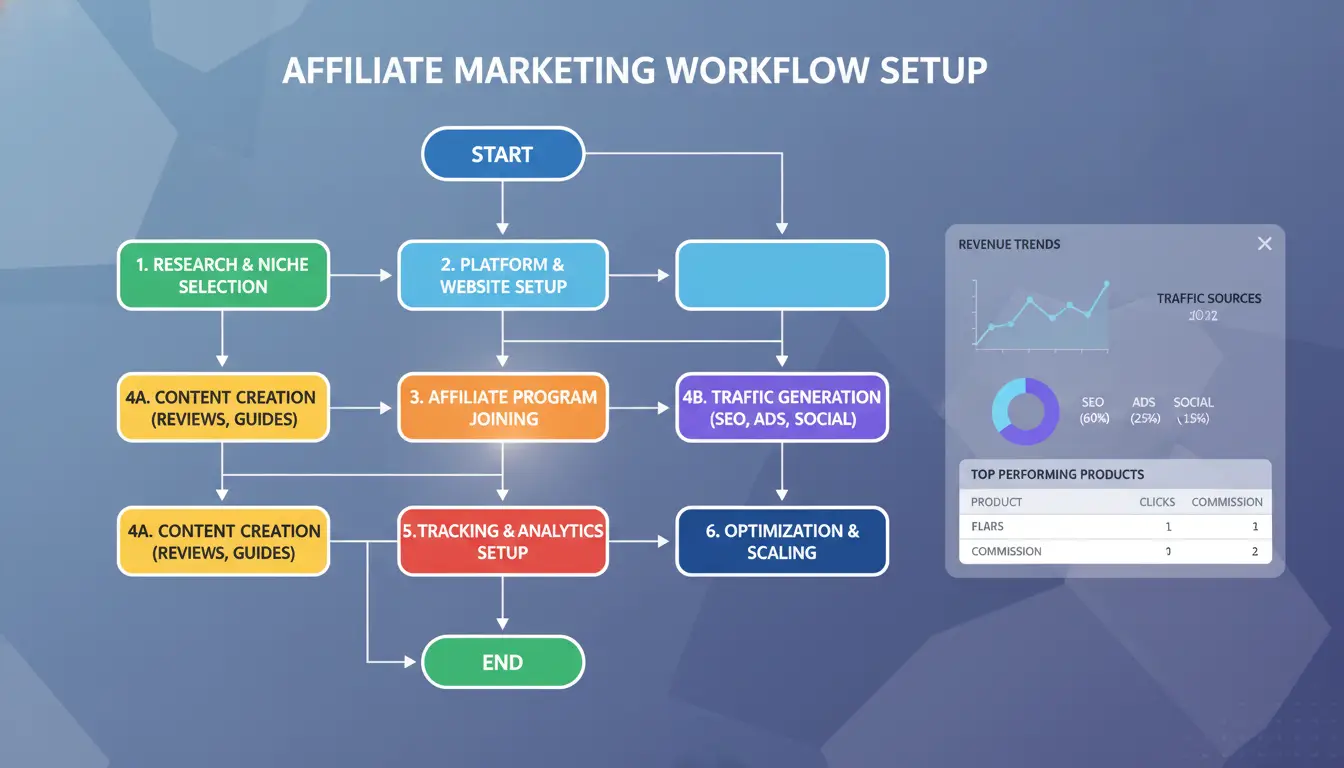
Getting your affiliate workflow right means fewer headaches and better results. A clear affiliate marketing step by step plan is the difference between hoping for clicks and actually seeing payouts. Here’s what matters most for anyone searching how to do affiliate marketing and looking for an affiliate marketing tutorial that works in real life.
How to Join Affiliate Networks and Get Approved
Signing up with the right networks is your first move. Most programs ask for basic info, your website, traffic sources, and sometimes your marketing plan. Approval can take hours or days. Tip: Show you have a real site or active social profiles. Write a short plan for how you’ll promote offers. Avoid copy-pasting generic answers, reviewers spot them fast. Popular networks like ShareASale, CJ Affiliate, and Amazon Associates have detailed guides you can check before applying.
How to Create Content That Converts
Content is what gets people to click, so focus on topics your audience cares about. Reviews, tutorials, and side-by-side comparisons work best for most niches. Use simple SEO basics: include keywords people search, answer real questions, and keep titles clear. If you want to see what style fits your brand, compare content types:
| Content Type |
Best For |
Example |
| Review |
Product trust |
“Is X worth it?” |
| Tutorial |
Step-by-step help |
“How to start affiliate marketing on TikTok” |
| Comparison |
Choosing products |
“X vs Y: Which is better?” |
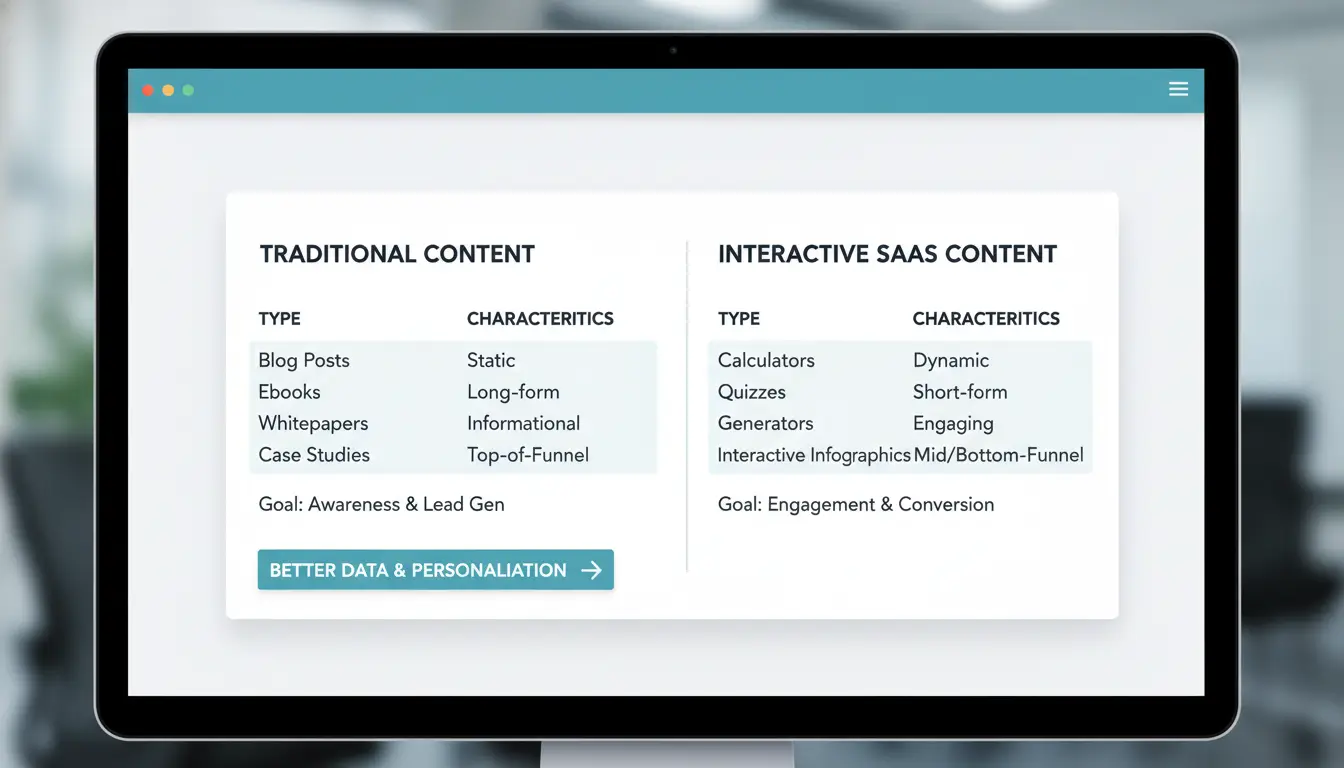
How to Add Affiliate Links Safely and Transparently
Rules matter. Every link must include a clear disclosure. Most sites use a short note like, “This page contains affiliate links.” Put links where they make sense, inside content, not hidden in footers. Avoid spamming links; search engines and visitors notice. Full transparency is what builds trust and keeps you in business. For those scaling up, you can use DICloak to safely manage multiple accounts and keep your promotion compliant across platforms.
What Risks and Mistakes Should Affiliate Marketers Avoid?
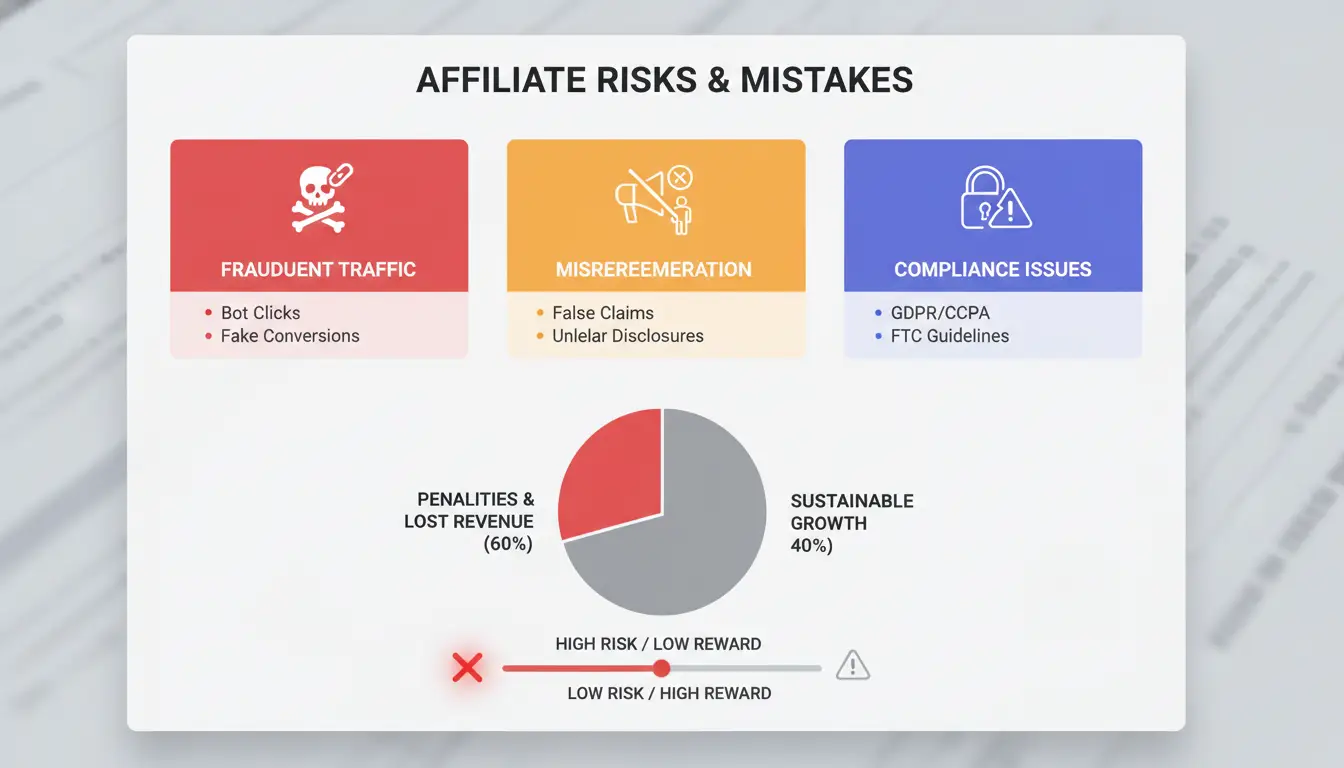
Jumping into affiliate marketing without a plan can cost you both accounts and commissions. Even if you follow every affiliate marketing tutorial, it’s easy to trip up on rules or miss hidden risks. Here’s what usually goes wrong, and how to stay safe as you learn how to do affiliate marketing.
Why Some Affiliate Accounts Get Suspended or Banned
Affiliate platforms and ad networks look for rule-breakers. The fastest way to lose your account is to ignore their terms. For example, sending fake clicks, using bots to boost numbers, or hiding the real source of traffic will get most accounts flagged. Facebook, Google, and even Amazon keep tight watch for these tricks. Programs like Amazon Associates will cut you off if they find you sending traffic from banned countries or using misleading links. Sometimes, just using the same device or IP for several accounts can trigger a ban if you’re not careful.
Common Mistakes That Kill Affiliate Earnings
Missing disclosure is a classic mistake. You must tell readers when a link earns you a commission, skip this, and you risk both bans and lost trust. Promoting low-quality or off-topic products is another frequent pitfall. If you push spammy offers or things your audience doesn’t care about, you’ll see clicks drop and refunds rise. This is why any good affiliate marketing step by step guide warns against chasing every offer you see.
How to Stay Compliant and Protect Your Accounts
Following FTC guidelines isn’t optional. Make your disclosure clear and easy to spot. Check each affiliate program’s own rules, since they can be stricter than the law. Use tools to track account health, watch for warnings or sudden traffic spikes. If you manage multiple accounts, you can use DICloak to keep each profile separated and lower your risk of linked bans. Taking these steps means you’ll have a safer path as you figure out how to start affiliate marketing.
How to Manage Multiple Affiliate Accounts and Scale Safely
Managing more than one affiliate account opens up new ways to reach different audiences, but it also brings real risks. If you’re learning how to do affiliate marketing, you quickly notice most platforms do not want users running many accounts. Getting this wrong leads to bans, lost commissions, and wasted time. Smart scaling means handling accounts, proxies, and workflows so every account stays clean and every campaign can grow.
Why Managing Multiple Accounts Gets Risky
Affiliate networks and social sites use advanced detection, tracking IP addresses, browser fingerprints, and login patterns. Even one wrong move, like logging in with the same browser profile or reusing an IP, can connect your accounts. That’s why marketers often lose accounts without warning. Facebook, TikTok, and Google Ads all scan for signs of cross-account control. If you’re following an affiliate marketing tutorial or reading an affiliate marketing step by step guide, you’ll see this risk called out early.
How DICloak Makes Multi-Account Affiliate Marketing Safer and More Efficient
You can use DICloak to split each affiliate profile into its own isolated browser, each with a unique fingerprint and proxy. This means clicks, cookies, and logins never cross between accounts.
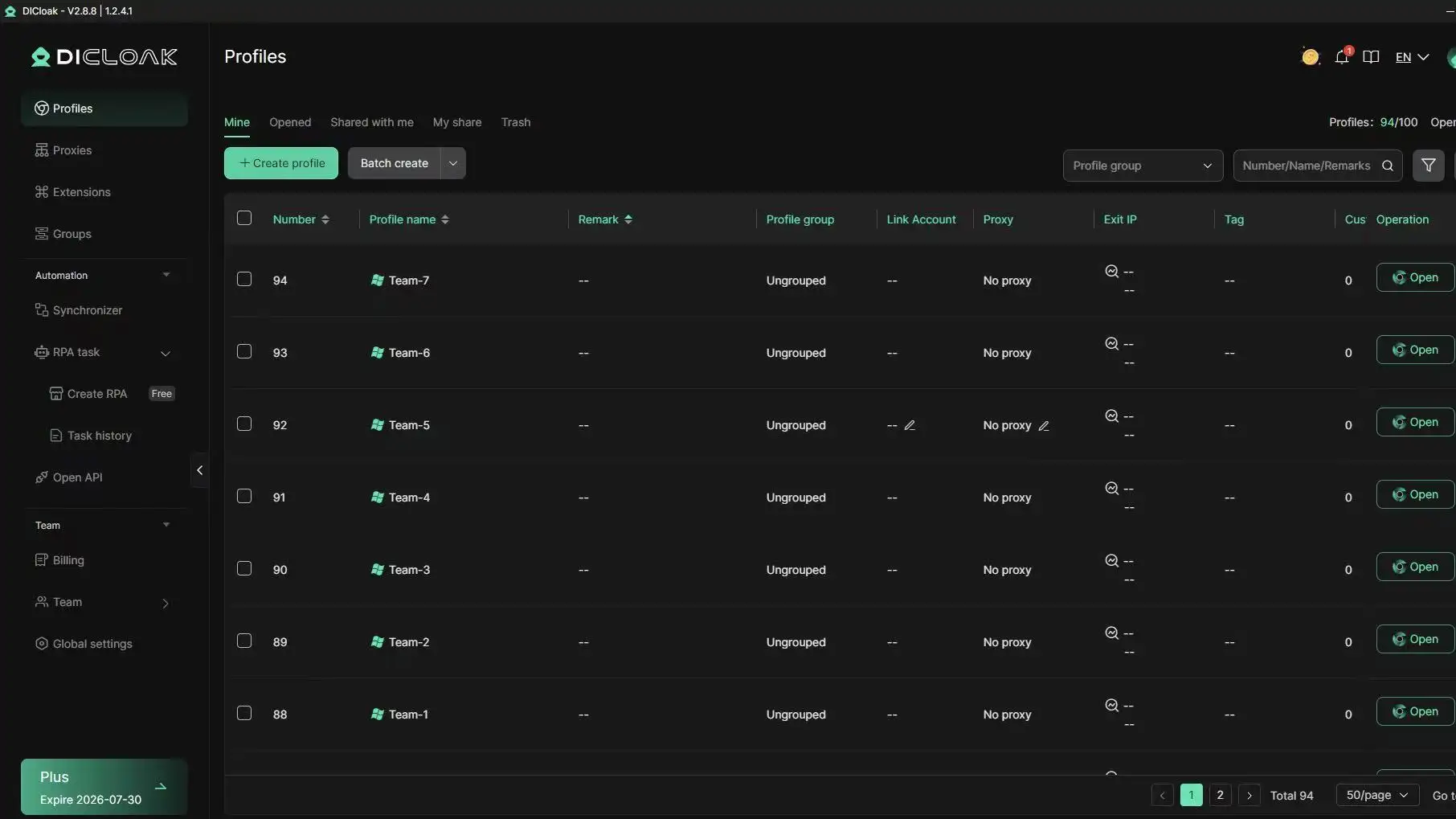
Automated workflows make repetitive jobs, like uploading creatives or checking stats, much faster. For teams, you can assign profiles and permissions, so no one can access accounts they shouldn’t. Keeping accounts truly separate is what lets you scale safely.
Scaling Campaigns Without Losing Accounts
Bulk profile creation in DICloak lets you prepare dozens of ready-to-go affiliate accounts at once. You can assign each to a team member with clear permission levels, reducing the risk of accidental bans. When you want to launch new offers or test fresh traffic sources, these workflows save hours compared to manual setup. If you’re looking for how to start affiliate marketing at scale, this is the playbook experienced teams use.
How to Promote Affiliate Offers Across Different Channels
Promoting affiliate links across channels takes more than just posting on one platform. The right strategy means pairing blogs, social media, email, and ads for bigger reach, a core lesson in any affiliate marketing tutorial. Here’s how to do affiliate marketing for real results.
Affiliate Marketing with Blogs and SEO
Start with keyword research. Write posts that answer what buyers search for, and add affiliate links naturally. Building trust matters: share real reviews, proof, and experiences. Over time, this approach can boost your posts in Google search.
Affiliate Marketing with Social Media and Paid Ads
Each platform has its own rules. TikTok likes short, creative videos. Facebook and Instagram are better for groups and Stories. Paid ads need careful tracking and ad account safety. Consistent posting with clear calls to action drives most clicks.
Email Marketing for Affiliate Campaigns
Collect emails from your blog or social pages. Send short, focused emails with one main offer and a clear link. Test subject lines and timing for better results.
Tools like DICloak let you manage hundreds of accounts safely using unique browser profiles and proxy settings. With RPA automation and team controls, scaling multi-channel affiliate campaigns gets easier and safer.
When Should You Automate and improve Your Affiliate Workflow?
Most people searching how to do affiliate marketing want to know when it’s time to stop doing everything by hand and start using tools. At the start, you can track clicks and sales in a simple spreadsheet. But when you run more than a few offers, try paid ads, or manage multiple accounts, manual work becomes a bottleneck. The right time to automate and improve is when you’re spending more time on busywork than on picking offers or making content.
How to Use Analytics to Improve Affiliate Performance
If you’re not tracking which links or ads drive sales, you’re flying blind. Every serious affiliate marketing tutorial points out the need to measure conversions and ROI (return on investment). Use built-in dashboards from networks like ClickBank or Amazon Associates to spot your top offers. Simple tools like Google Analytics can show you which landing pages bring sales. Winning affiliates check these numbers weekly and shift budget to what’s working. If you want a true affiliate marketing step by step process, always measure before scaling.
When Automation Tools Make Sense
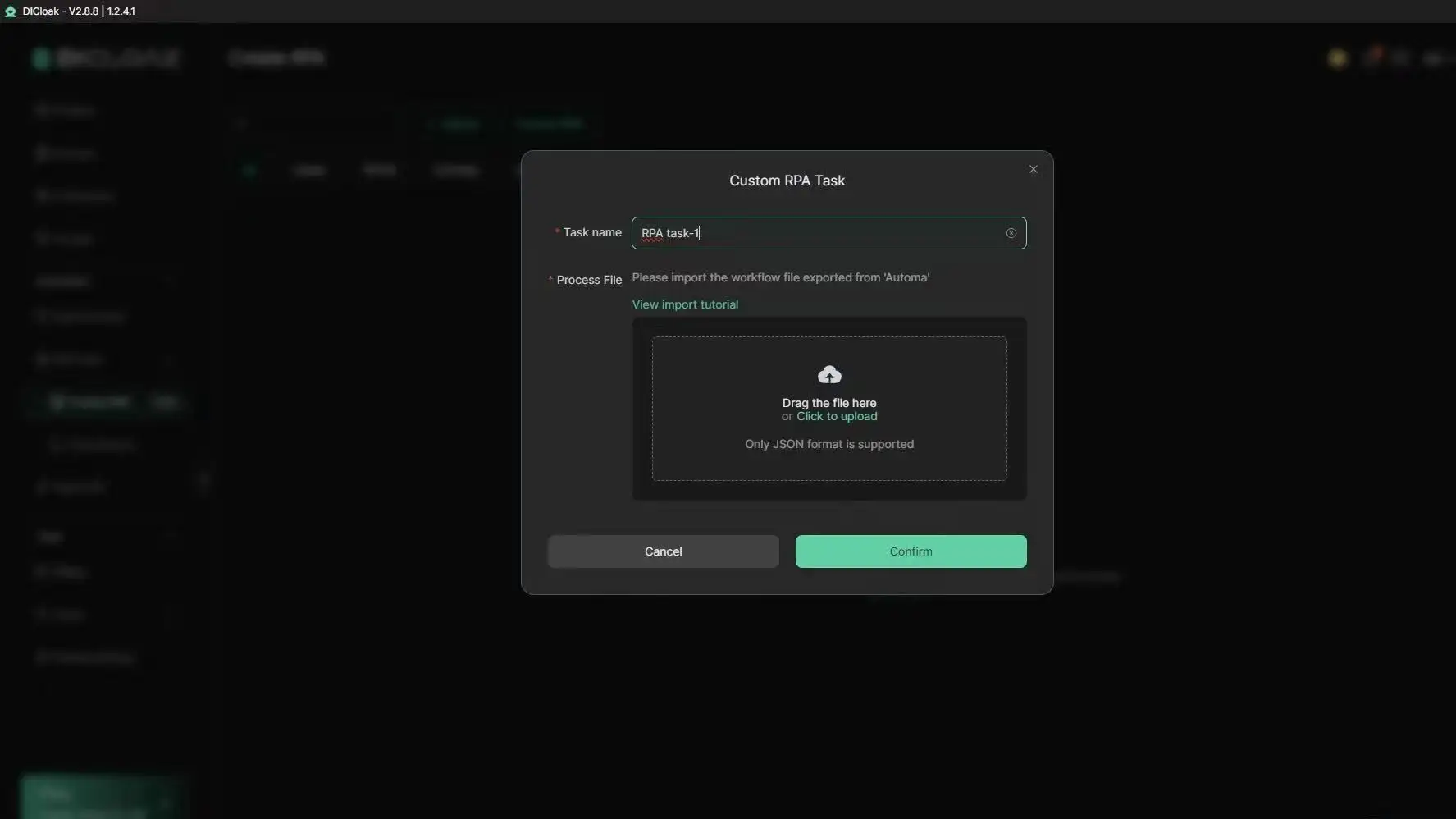
Copying links and posting them everywhere by hand only gets you so far. When you run ads on Facebook, TikTok, or Google, automation tools save hours. RPA (robotic process automation) can fill out forms, post content, or scrape data for research. Bulk operations, like updating dozens of ads at once, help you scale faster. With DICloak, you can keep each affiliate profile separate, run hundreds of accounts safely, and automate routine tasks.
Mistakes to Avoid When Automating Affiliate Marketing
Automating everything can backfire. If you blast the same message everywhere, platforms may suspend your accounts or hide your posts. Authenticity matters: real users click, comment, and share in ways bots can’t copy. Keep a close eye on results, and don’t set and forget. The biggest risk is letting automation run wild without checking for errors or warning signs. Always balance speed with real engagement.
How to Decide If Affiliate Marketing Is Right for You
Affiliate marketing sounds simple, but not every approach fits every person. Before searching for an affiliate marketing tutorial or drafting your first promotion, step back and look at what it takes to actually succeed.
What Skills and Resources You Need to Succeed
You don’t need to be a tech expert, but you can’t skip learning basic digital skills. If you want real results with affiliate marketing step by step, you’ll need to create content, blog posts, short videos, or social posts, that people trust and want to share. Writing, video editing, or even basic photo design come in handy.
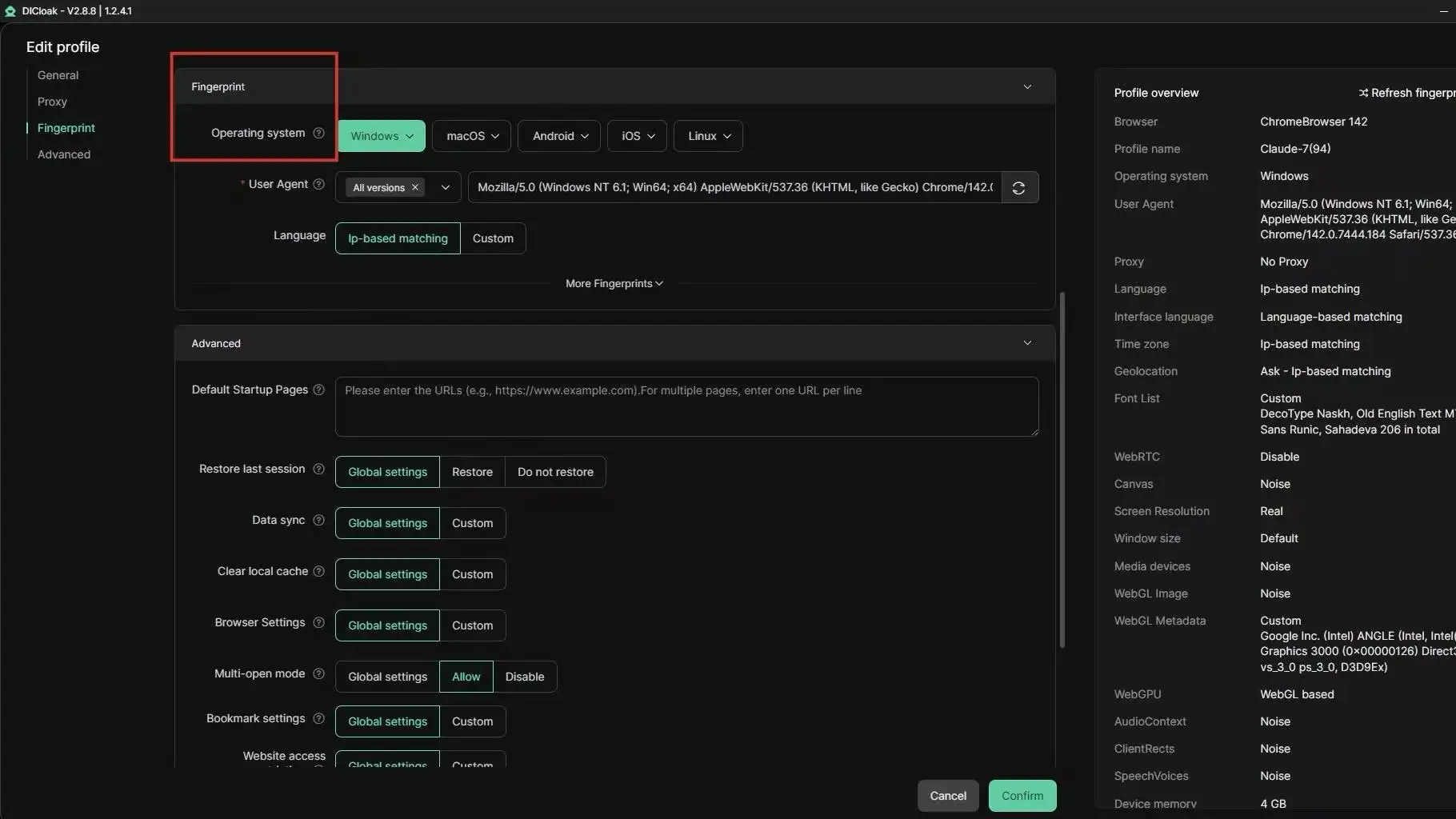
On top of that, you should know how to read simple analytics, use tracking links, and spot what’s working. Even a free Google Analytics account helps. If you plan to run more than one affiliate account on Facebook or TikTok, you’ll face platform bans or link blocks sooner or later, so understanding how to keep accounts separated is part of the job. Tools like DICloak help by letting you set up multiple browser profiles, each with its own proxy and digital fingerprint.
When Affiliate Marketing Makes Sense vs Other Monetization Models
Affiliate marketing is not the only way to earn online. Here’s a quick look at how it compares to other common options:
| Model |
Upfront Cost |
Risk Level |
Need for Inventory |
Long-Term Earnings |
| Affiliate |
Low |
Medium |
No |
Medium-High |
| Dropshipping |
Medium |
Medium |
No |
Medium |
| Ad Revenue |
Low |
Low |
No |
Low-Medium |
| Own Products |
High |
High |
Yes |
High |
Table: Affiliate marketing vs other models (Shopify guide, Wikipedia)
If you like testing new ideas, are patient with slow results, and can handle some trial and error, affiliate marketing fits. If you want fast income or control over products, other models may work better. The best fit comes down to your willingness to build skills and stick with it even before you see big returns.
Frequently Asked Questions
Do I need a website or blog to do affiliate marketing?
You don’t need a website to learn how to do affiliate marketing. Many people use social media like YouTube, Instagram, or TikTok to share affiliate links. A blog or website can boost your credibility and help with SEO. Social media is faster to start, but a website usually brings more long-term success in affiliate marketing.
Can I join multiple affiliate programs at once?
Yes, you can join several affiliate programs. This helps you test what works best. But managing many programs needs good tracking, so you don’t lose commissions. Focus first on a few programs related to your niche. As you learn how to start affiliate marketing, expand only when you can handle the extra work.
Is affiliate marketing legal in my country?
Affiliate marketing is legal in most countries, but laws differ. Some places need you to disclose affiliate links or pay taxes on earnings. Always check your local rules before starting an affiliate marketing tutorial. Look at your country’s business or advertising regulations for the latest rules.
How much money can beginners realistically earn with affiliate marketing?
Most beginners earn $0–$200 per month at first. Learning how to do affiliate marketing step by step is key. Your earnings depend on your traffic, niche, and effort. Picking popular products and building trust with your audience helps you earn more over time.
Can I use proxies to protect my affiliate accounts?
Proxies can hide your IP address and help manage multiple affiliate accounts safely. This is helpful if you run accounts for different brands. Use trusted proxy providers and follow each affiliate program’s rules. Breaking rules can get you banned, so read their terms before using proxies.
Conclusion
Mastering affiliate marketing involves choosing the right niche, building trust with your audience, and promoting quality products through effective channels. Consistent effort and tracking your results will help you refine your strategy and increase earnings over time.
Try DICloak For Free
 Web Proxy Tools
 Free Tools
 Cookie Plugin
 UA Generator
 MAC Address Generator
 IP Generator
 IP Address List
 2FA Code Generator
 World Clock
 Anonymous Check
 WebRTC Leak Test
 UUID Generator
 Free Web Proxy Site
 Proxy Checker
 FB Ad Checker
 AI Web Scraping
 Free SMM Tools
 Twitter Shadowban Checker
 Instagram Name Checker
 UTM Generator
 Username Generator
 AI Hashtag Generator
 LinkedIn Headline Generator
 Social Media Image Resizer