Vinted enforces its marketplace rules to protect buyers, sellers, and overall platform trust.
For sellers operating at scale—or managing both a personal account and a Pro Seller account—understanding how restrictions happen is critical for long-term stability.
Many sellers do not lose accounts because of one big mistake.
Problems usually build up over time through small overlaps in behavior, setup, or daily operations.
This guide explains why Vinted accounts get restricted, what actions most often trigger enforcement, and how professional sellers structure their workflows to reduce risk while staying aligned with platform policies.
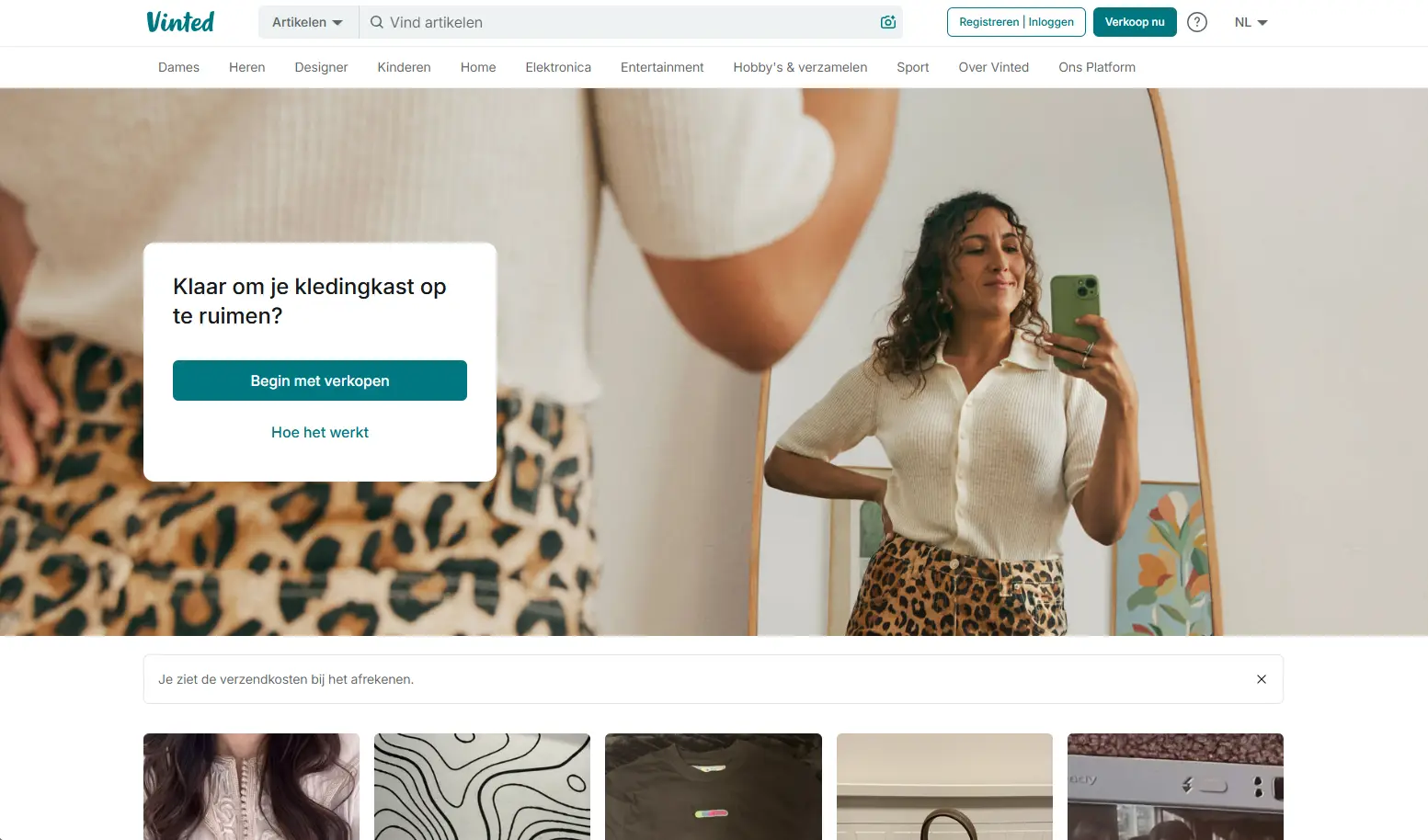
Understanding the Risks of a Blocked Vinted Account in a Multiple Vinted Account Setup
Vinted applies different levels of account restrictions based on the severity and pattern of rule violations.
Knowing the difference helps sellers respond correctly and avoid repeat issues.
Temporary Restrictions (Usually 7–30 Days)
Temporary restrictions are often applied automatically or after a short review.
Common triggers include:
- Excessive or aggressive messaging
- Attempts to move transactions outside the Vinted payment system
- Minor catalog violations, such as listing restricted items
- Repeated reports from other users
During this period, account features are limited.
Most sellers must wait for the restriction to expire or for a review decision.
Permanent Bans
Permanent bans are used for serious or repeated violations, including:
- Fraud or misleading transactions
- Selling counterfeit goods
- Systematic abuse of platform rules
- Operating multiple accounts in ways that violate Vinted’s Terms of Service
Once permanently banned, accounts are usually limited to fund withdrawal only.
Most account settings and administrative actions become unavailable.
Personal Account and Pro Seller Account Policy for Multiple Vinted Account Operations
Vinted generally allows one personal account per individual. There is one important exception.
A user may operate one personal account and one Pro Seller account, as long as:
- Each account uses a different email address
- Inventory is clearly separated
- The Pro Seller account follows all business and disclosure rules
Operating multiple personal accounts outside this structure greatly increases enforcement risk.
How Vinted Identifies Linked or High-Risk Accounts in multiple vinted account Workflows
Vinted does not rely on a single signal. Instead, it looks for patterns that repeat across accounts.
Problems usually appear when several signals overlap at the same time.
Device and Application proxy Signals
Vinted evaluates whether repeated logins appear to come from the same or very similar device proxies.
These checks go beyond basic cookies and may include:
- Browser and app configuration patterns
- Screen size and rendering behavior
- Operating system details visible to the browser
When multiple accounts repeatedly show near-identical proxies, they may be treated as linked.
Browser-Level Fingerprinting
Beyond standard cookies, Vinted also reviews browser-level traits such as:
- Screen resolution and color depth
- Installed system fonts
- Language and timezone settings
- How browser graphics are rendered
These traits form a stable browser signature over time.
Private or incognito modes do not change these characteristics.
Network Consistency and Access Issues
Network behavior is another common linking signal.
Issues often occur when:
- Multiple accounts access Vinted from the same network endpoint
- Previously restricted or unstable network routes are reused
- Network location does not match language or timezone settings
In some cases, users may see access errors that indicate the current network proxy is restricted.
A Practical Framework for Account Stability and Longevity
Long-term account health depends on reducing overlap and keeping behavior consistent.
Operational principle: Each account should appear to Vinted as a real, independent user with its own history and behavior patterns.
Financial and Logistics Separation
Some of the strongest linking signals are not technical.
Sellers should never reuse:
- Bank accounts or IBANs
- PayPal or other payment accounts
- Shipping addresses or pickup details
Shared financial or logistics data is often treated as clear evidence of shared control.
Network Management for Multi-Account Operations
To keep accounts separate, professional sellers usually rely on network setups that resemble normal home users.
Best practices include:
- Assigning one stable network route to each account
- Avoiding frequent manual switching during active sessions
- Keeping browser language, timezone, and location aligned with the network
Network instability and mismatches are common causes of login issues and temporary restrictions.
Scaling Multiple Vinted Account Workflows Without Cross-Account Interference
Once you manage more than a few Vinted accounts, logging in is no longer the main challenge.
The real problems show up in daily operations.
Common pain points include:
- Accounts getting linked when sessions or browser proxies overlap
- Repeated verification checks due to inconsistent login proxies
- Team confusion when staff share browsers or device contexts
- High time cost from repeating the same actions across many accounts
At this stage, sellers often need a profile-based workflow system. Each account needs its own stable workspace, while management stays centralized.
Using DICloak as a Workflow Infrastructure Tool
DICloak is an antidetect browser designed to help teams manage multiple web accounts using separated browser profiles. Each profile keeps its own cookies and login sessions. Profiles can also use separate proxy settings. You can also set browser profile details like locale and rendering-related behavior. This helps reduce cross-profile interference during daily work.
For teams, DICloak supports permission-based profile sharing. Managers can assign specific profiles to specific staff members without exposing unrelated accounts. This improves accountability and lowers internal risk.
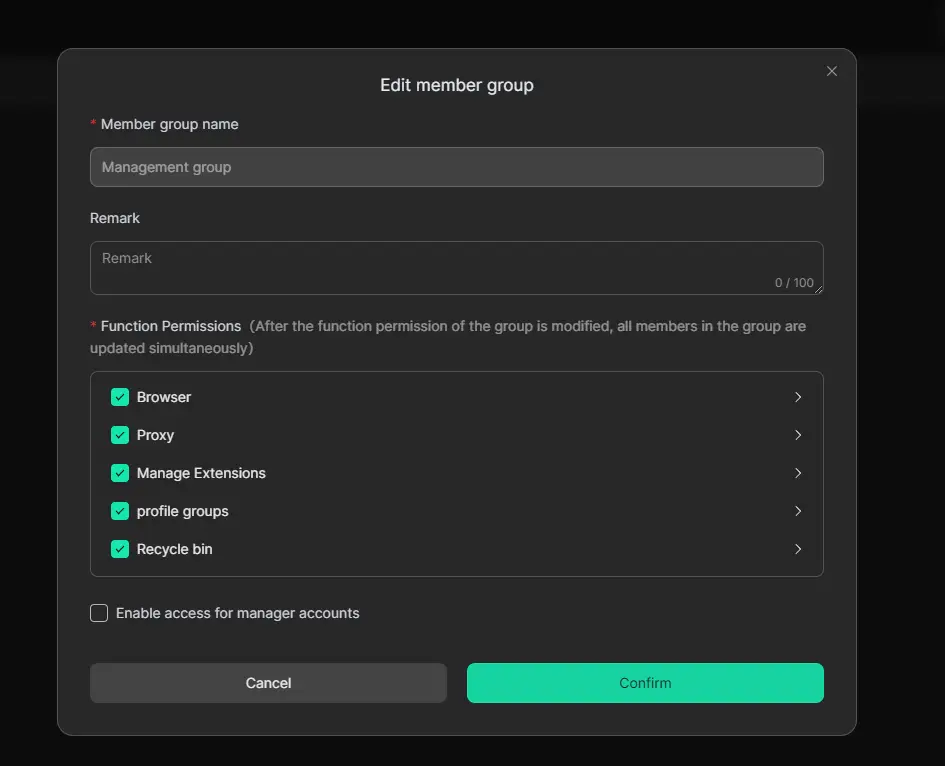
DICloak also includes automation features (RPA) that can reduce repetitive actions, such as routine navigation and standard form interactions. In DICloak, you can create an RPA task by going to Automation → Create RPA, then choosing a template from the RPA Marketplace and opening Task Settings. In the Task Type option, you can choose one of these common schedules:
- One-time: The task runs once and then stops. (This is the default.)
- Run multiple times: You can set an interval, an execution count, and a start time. This is useful when you want the same action to repeat in a controlled way (for example, checking messages, opening a page, or running a simple routine across selected profiles).
- Cyclic (Periodic): You can set a date range (start and end dates). The system will repeat the task daily within that range. This helps teams plan steady, predictable operations without needing to click “run” every day.
When properly configured and used with disciplined workflows, teams can manage many accounts from a single workstation, depending on workload and hardware capacity.
Comparing Account Management Approaches for Multiple Vinted Account Use Cases
Manual Single-Browser Management
- High risk of session overlap
- Difficult to manage reliably
- Poor scalability
Multiple Physical Devices
- Strong separation
- High hardware and maintenance cost
- Operational complexity increases quickly
Browser-Based Profile Isolation (for example, DICloak)
- Centralized control
- Lower hardware cost
- Requires correct setup and operational discipline
Content and Behavior Best Practices That Reduce Risk in Multiple Vinted Account Activity
Even with strong tools, behavior still matters.
Unique Listings and Media
- Avoid reusing identical product descriptions
- Use unique images or clean embedded metadata
- Repeated text and image reuse is often flagged during reviews
Regional Consistency
- Keep language, timezone, and location aligned
- Sudden regional changes often trigger extra checks
Natural Account Warm-Up
New accounts should build activity gradually:
- Browsing items
- Favoriting listings
- Slowly increasing posting volume
Posting aggressively right after account creation often leads to restrictions.
FAQ: Managing and Recovering Vinted Accounts in Multiple Vinted Account Scenarios
Why was my account restricted even with a different email?
Email separation alone is not enough. Vinted can also look at browser proxy patterns, network behavior, content similarity, and financial data. For example, if two accounts are always accessed from the same browser setup and the same network route, they may look linked even if the emails are different.
Can I manage two Vinted accounts on one phone?
This is high risk. Phones expose stable device signals that are hard to separate. If you must access more than one account, many sellers avoid mixing accounts on the same device and keep each account’s login proxy consistent over time.
What does an “Access Revoked” message usually mean?
It often points to a network or proxy issue. A common fix is to stop switching networks during active sessions and keep your device settings (language, timezone, and location) consistent with where you appear to be logging in from.
Would a profile-based browser tool help reduce accidental overlap?
Sometimes, yes—mainly for daily operations. Tools like DICloak let you run separate browser profiles so each Vinted account keeps its own cookies and login session. This can reduce mistakes like opening two accounts in the same browser storage or mixing sessions during busy work. It does not remove platform rules, and it still requires clean separation of payments, shipping details, and listing content.
Can I use the same bank account for multiple Vinted profiles?
No. Shared financial details (such as bank/IBAN or payout accounts) are one of the fastest ways accounts become linked and permanently restricted.
Can a permanently banned account be recovered?
Recovery is rare unless the restriction was issued by mistake. In most cases, sellers focus on withdrawing remaining funds (if allowed), reviewing what caused the restriction, and rebuilding operations with clearer separation before continuing.
Conclusion: Building a Sustainable Vinted Operation
Managing multiple Vinted accounts in 2026 requires more than knowing basic rules.
Long-term success depends on clear account separation, consistent behavior, clean content practices, and disciplined operations.
Tools like DICloak can support professional workflows by providing browser-level separation and team management features.
However, tools alone are not a solution.
Sellers who combine proper infrastructure with responsible listing behavior and clear account boundaries are best positioned to operat safely and sustainably on Vinted.
 Web Proxy Tools
 Free Tools
 Cookie Plugin
 UA Generator
 MAC Address Generator
 IP Generator
 IP Address List
 2FA Code Generator
 World Clock
 Anonymous Check
 WebRTC Leak Test
 UUID Generator
 Free Web Proxy Site
 Proxy Checker
 FB Ad Checker
 AI Web Scraping
 Free SMM Tools
 Twitter Shadowban Checker
 Instagram Name Checker
 UTM Generator
 Username Generator
 AI Hashtag Generator
 LinkedIn Headline Generator
 Social Media Image Resizer