In a world where our inboxes are flooded with spam, promotional emails, and unwanted newsletters, managing your email can feel like an endless task. Whether you're signing up for new services, downloading freebies, or testing websites, you don’t always want to give out your personal email address. This is where a gmail generator comes in — offering a simple solution to protect your privacy and organize your inbox effectively.
But how exactly does a gmail generator work? What benefits does it bring, and what risks should you be aware of? In this guide, we'll explore everything you need to know about creating temporary or alias Gmail addresses, the best tools to use, and how to ensure your privacy while managing multiple online accounts. Whether you're trying to avoid spam, enhance your security, or streamline your online communications, a gmail generator could be the answer.
Understanding Gmail Generators
In today’s digital world, managing multiple online accounts often means dealing with a lot of email. From newsletters to promotions, it’s easy for your main inbox to get cluttered with unwanted messages. A gmail generator can help you keep your inbox organized and secure by creating temporary or alternate email addresses that forward to your main Gmail inbox. These tools allow you to use variations of your real email without revealing your primary address, helping you avoid spam and maintain privacy.
What is a Gmail Generator?
A gmail generator is a tool or method for making extra or alternate email addresses, all linked to your main Gmail account. These alternate addresses are not separate accounts. They are just variations of your real Gmail address. People use them to keep their real email private. They also use them to avoid spam, newsletters, or too many ads. A gmail generator helps you hide your main address when you sign up on websites, or when you just want a short‑term email for a test or one‑time offer.
For example, imagine your real email is marysmith@gmail.com. With a gmail generator, you might use mary.smith@gmail.com or marysmith+shop@gmail.com when you sign up on a shopping site. Emails from that site go to your inbox. But you do not show your main email directly. This helps you keep your main inbox clean.
How Do Gmail Generators Work?
Gmail — the email service by Gmail — has some flexible rules for the “local part” (the part before @gmail.com). Because of these rules, it is easy to create alternate addresses that still feed into the same inbox. Here are two common tricks behind a gmail generator:
A gmail generator — whether a manual method or an online tool — simply automates making these variations for you. It gives you a list of address versions you can use. All mail sent to those addresses ends up in your main inbox. You don’t create new accounts. You just use the same Gmail account under different “aliases.”
Thanks to these built‑in Gmail features, a gmail generator can help you manage different parts of your online life. You can use one alias for work, another for shopping, and another for newsletters. Yet all emails flow into the same inbox.
Benefits of Using a Gmail Generator
Using a gmail generator can bring real benefits. It is useful in many everyday situations. Below are three big advantages when you use it well.
Enhancing Privacy and Security
A big reason people turn to a gmail generator is to keep their real email safe. When you give out your normal Gmail to many websites, you risk spam, data leaks, or even phishing. With a temporary or alias address, you hide your real inbox from unknown sites. For example, if you sign up for a newsletter using yourname+news@gmail.com, the site never sees your main address. This helps you avoid marketing floods.
Also, using a disposable or alias email helps reduce your digital footprint. If a website gets hacked or sells user data, your real email is not exposed. A gmail generator acts like a shield. It keeps you safer online when you are not sure about a service.
Organizing and Managing Your Inbox Effectively
Another good part of using a gmail generator is that your inbox stays tidy. Many websites send emails — newsletters, offers, updates, reminders. All this can clutter your main mailbox. By using different aliases for different purposes, you can separate work, shopping, trials, and sign‑ups. For example, you may use you+shop@gmail.com for online shopping, and you+forum@gmail.com for forum sign‑ups. Then you know exactly where each email comes from.
If one alias starts receiving too many ads, you can just stop using it. Your main inbox stays clean. This makes email easier to manage. It saves time and reduces stress when you check your mail.
Test Safely
A gmail generator is also great for testing or short‑term use. Suppose you try a new website or a free trial. You may not trust the site fully. You may just want to test if the site works. In that case, you can use a temporary alias instead of your real Gmail. If you never come back, the alias can stay unused.
For example, a developer or small business might sign up with a temp address to check registration flow or email notifications. This keeps the main email separate from test traffic. Or a user may want to download a free resource, get a one-time offer, then never hear from that sender again. A gmail generator makes that safe and easy.
By using a gmail generator for tests or one-time tasks, you reduce risk. You avoid unwanted mail and keep your privacy intact.
How to Choose the Right Gmail Generator Tool
When you decide to use a gmail generator, not all tools are the same. A good tool makes your email life easier. A bad one can bring risk or trouble. Here are ideas to help you pick the right tool.
Look for Privacy and Security Features
First, check if the tool protects your data. Some disposable‑email or alias services do not use strong security. Their temporary inbox may be visible to the public or poorly protected.
Choose a generator that does not show your alias inbox to everyone. Prefer one that does not store data longer than needed. For example, some tools erase all emails after a few hours or delete alias once you stop using it.
Also, do not rely on alias or disposable email for sensitive data or private tasks. Experts say disposable emails are “privacy tools, not security shields.”
Make Sure It Keeps Your Inbox Manageable
Another important thing is how the tool helps you organize mail. A good gmail generator lets you create easy‑to‑remember aliases or plus‑address tags (like yourname+shop@gmail.com). Then you see exactly where each email comes from — shopping, forums, or sign‑ups.
If the tool gives many random or complicated addresses, it may be hard to remember which alias you used where. That can hurt your management. Choose a tool that gives clear, simple alias names.
Consider How Long the Alias Lives
Different gmail generator tools offer different lifetimes for their temporary addresses. Some expire in minutes. Some last hours or days.
If you only need an alias for a quick test, choose a short‑life tool. If you need alias for a longer time — maybe for newsletters, forums, or deals — pick a tool with longer lifetime.
But remember: longer aliases raise the chance they may be blocked by sites. Some websites block known disposable‑email domains or frequently reject addresses from such services.
Check Tool Trust and Reputation
Before using a gmail generator, check reviews or user feedback. See if the tool had data leaks or complaints. A trustworthy tool is more likely to treat your data carefully.
Also read the tool’s privacy policy. Make sure it does not store more information than necessary. If a tool collects too much personal info, it may defeat the point of using disposable or alias emails.
Use Disposable Email Strategically
A good practice is to use gmail generator only when you need it — like one‑time signup, testing, or low‑trust sites. For services where you expect long-term emails — banking, official messages, family or work communications — use your regular Gmail, not a temporary alias.
This way, you balance privacy and reliability. You get the benefit of a clean inbox without losing access to important messages.
Types of Gmail Generators
There are different kinds of gmail generator tools you can use. Some give you aliases for your Gmail account. Others give you temporary or disposable inboxes. Below is an overview of some popular tools — and how they compare in features.
Overview of Popular Gmail Generator Tools
Mailmeteor
One popular tool is Mailmeteor Gmail Generator. This tool uses Gmail’s built‑in features (like dots or “+” alias) to create alternate addresses that still deliver to your main inbox. With Mailmeteor, you enter your Gmail address — and it gives you several alias versions fast. For example, if your Gmail is john.doe@gmail.com, it might generate j.ohn.d.oe@gmail.com or john.doe+shop@gmail.com. All email to these addresses arrives in your real Gmail. This makes it ideal for organizing newsletters, test sign‑ups, or sharing an email without revealing your main address.
Aspose
Another tool is Aspose Gmail Generator. This service can generate a temporary mail address — often called a “10‑minute mail” or short‑term mail address — based on your Gmail account. Aspose’s generator gives you a disposable address quickly. It allows you to use that address to register on a site, get confirmation or download links, and then set up Gmail filters to auto‑delete unwanted emails. This kind of temporary address is useful when you just want a one‑time email — for example, to download a free resource, sign up for a trial, or test a site — but do not want long-term messages or spam.
Gmailnator
The third option is Gmailnator. This service provides more fully disposable or throwaway Gmail‑based inboxes. With Gmailnator, you get an address that works independently (not just alias) and is meant for short-term, disposable use. This makes it helpful if you want maximum separation from your main email and expect possible spam or untrusted services.
Comparing Features of Different Tools
These tools differ in how they generate addresses and how you manage mail.
- Aliases vs. Disposable Inboxes: Mailmeteor uses aliases tied to your original Gmail. So all emails go to your main inbox — easy to manage and keep history. Aspose and Gmailnator provide disposable inboxes (or temporary addresses), which are better when you don’t want any ties to your main account after you finish using them.
- Lifetime of Address: With Mailmeteor aliases, the address lasts as long as you want. You can use it repeatedly. With Aspose, disposable addresses may expire after minutes or hours — good for one‑time tasks. Gmailnator also provides short‑term inboxes aimed at quick, disposable use.
- Ease of Use & Control: Mailmeteor lets you create multiple aliases quickly. You don’t need new passwords or login steps. It just works through your existing Gmail. Aspose gives a disposable address with instructions for filtering or deleting mail. That requires you to check Gmail settings (e.g. create filters) if you want to manage mail. Gmailnator gives full disposable inboxes — but because they may be separate from your main Gmail, you might need to log in separately or risk losing data once the inbox expires.
- Best Use Cases:
- Use Mailmeteor when you want long‑term alias addresses for newsletters, sign‑ups, or categories (shopping, work, etc.).
- Use Aspose when you just need a quick, short‑lived email — for site signups, trials, or one‑time downloads.
- Use Gmailnator when you want full separation — e.g. for risky sites or places where you expect spam or unwanted tracking.
Common Limitations of Gmail Generators
Using a gmail generator can help in many cases. But it also has real limits. You should know the downsides before you rely on it. Here are some common problems and risks.
Risk of Lost Access and Missing Important Emails
Some Gmail‑generator tools or disposable email services make addresses that expire or vanish after a short time. If you use such an address to sign up for a site — maybe for a one‑time offer or trial — you may get the confirmation email. But if you ever need to reset your password, get an invoice, or receive a security alert later, you may be locked out.
Because of this, many experts warn that disposable or temporary email should not be used for important or long‑term accounts.
Security and Privacy Weakness for Some Services
Not all tools labeled “temporary email” or generated via a gmail generator offer strong security. Many disposable‑email services do not use full encryption. Some even have public inboxes — meaning anyone who knows the address might read the messages. That means if you use such addresses for sensitive content — like account recovery, banking alerts, personal data — you risk exposing your info.
Emails May Not Arrive or Get Blocked
Because disposable or temporary‑email domains tend to be abused by spammers and bots, many websites block them. They might refuse sign‑ups or treat email as low trust. So if you use a gmail generator address with a disposable domain, you might fail to get the verification email or even have your sign‑up rejected. That can be frustrating and negate the usefulness of the generator.
Not Good for Long‑Term or Important Use
A gmail generator’s alias or disposable address is often best for short tasks — quick testing, one‑time downloads, or newsletters. For long-term services — banking, subscriptions, billing, official notices — it’s risky. If you rely on a throwaway email but never receive invoices or reminders, you may miss payments, important updates, or security alerts.
Ethical and Abuse Concerns
Because disposable emails are easy to create and throw away, some people misuse them. They make many fake accounts. They may try to spam, manipulate polls or downloads, or abuse free trials. This misuse can lead some services to block entire domains of disposable‑email tools. So even legitimate users may get blocked.
Not a Substitute for Real Security or Privacy
While a gmail generator can hide your main email, it does not guarantee full security. If the temporary inbox is insecure, public, or monitored by others, your privacy may still be at risk. If you need real privacy or long-term security, experts often suggest using a full-featured, secure email service — not a disposable alias.
Alternatives to Gmail Generators
Because of the limitations of a gmail generator, many people look for other email solutions. These alternatives can offer more security, privacy, or flexibility. Here are good options to consider when you want better control or protection for your email.
Other Email Management Options
One strong alternative is to use a secure or privacy‑focused email service. For example, Proton Mail offers encrypted email and strong privacy protections. If you expect long‑term email use — like work contacts, banking notices, or private messages — services like Proton Mail are more reliable than throwaway addresses. Encryption helps protect your messages from hackers or leaks.
Another example is Mailbox.org. This service gives you a secure email, plus tools like calendar, storage, and more. For those who care about privacy and want a full email system without the clutter and risk of disposable addresses, a dedicated secure email service can be a better long‑term choice.
These kinds of services help you avoid the main problems of a gmail generator: lost access, deleted addresses, or blocked disposable domains. They treat your account as permanent. Important messages, login recovery, plans or bills — all stay safe.
Complementary Tools for Enhanced Email Privacy
If you still like the convenience of using alternate emails (like via a gmail generator), you can combine them with other tools. This helps improve privacy and reduce risks.
Another complementary tool is to use a secure email service for your main, important mail — and a disposable or alias email (via gmail generator or temp mail) for risky or unknown sites. That way, your sensitive emails stay safe, while unknown, less‑trusted sites get only a throwaway address.
Finally, you can add extra privacy layers. For example, if you care about tracking or data collection, choose an email service or tool that strips trackers or ads, or uses encryption and strong privacy rules. That reduces the chance that your email reading or click history is tracked by marketers or third parties.
Why choose DICloak Antidetect Browsers for your business?
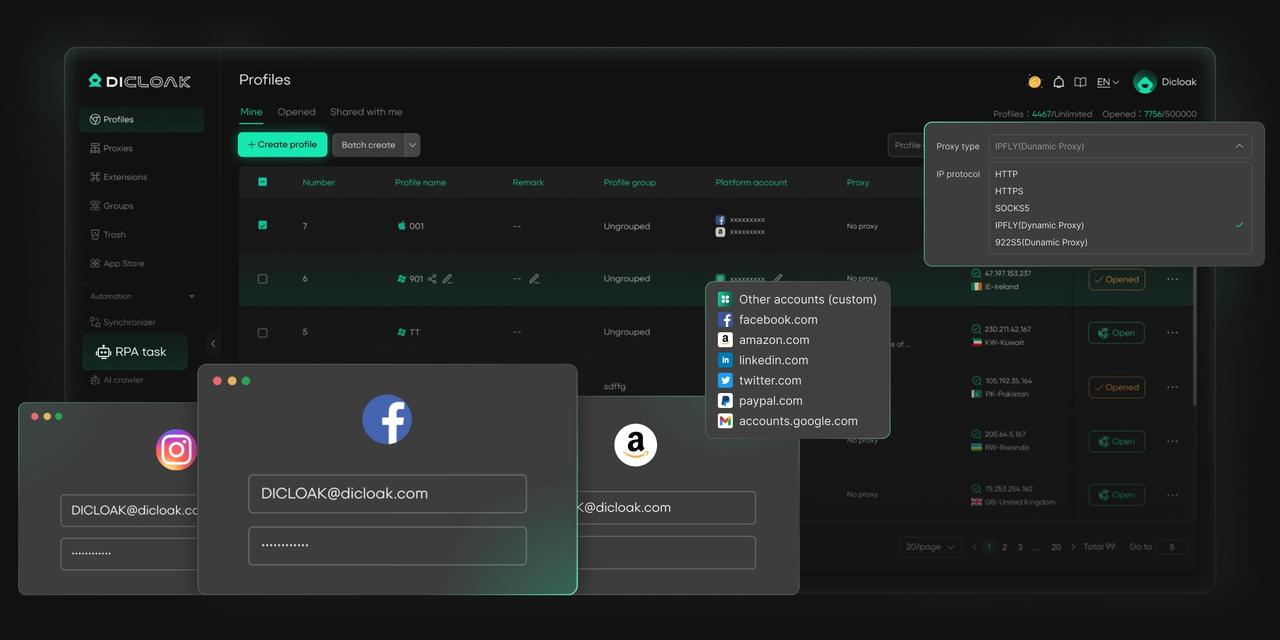
⚡The DICloak Antidetect Browser has become a global favorite for its unparalleled ability to efficiently and securely manage multiple accounts. Designed for professionals in social media management, affiliate marketing, traffic arbitrage, e-commerce, account farming, airdrops, and more, DICloak offers powerful features like RPA automation, bulk operations, and a window synchronizer. Additionally, it allows you to customize fingerprints and integrate proxies for each profile, ensuring top-level security and operational efficiency. It’s the ultimate tool for seamless, secure, and scalable operations.
What Makes DICloak Stand Out?
✅ Manage 1,000+ Accounts on One Device: Stop wasting money on extra hardware! DICloak allows you to manage multiple accounts on a single device, cutting costs and boosting efficiency.
✅ Guaranteed Account Safety, No Ban Risks: Every account gets its own isolated browser profile with custom fingerprints and IPs, drastically reducing the risk of bans. Your accounts, your control!
✅ Flexible Proxy Configuration for Maximum Performance: Seamlessly integrate with all major proxy protocols (HTTP/HTTPS, SOCKS5) and manage your proxy pool with bulk operations. No more struggling with IP management—DICloak has you covered.
✅ Streamlined Team Collaboration for Better Results: Easily manage your team with advanced tools like profile sharing, permission settings, data isolation, and operation logs. Your team works smarter, not harder.
✅ Automate the Grind with RPA: DICloak's built-in RPA saves you hours of manual work. Automate repetitive tasks, streamline workflows, and focus on what really matters—growing your business.
✅ Powerful Bulk Tools to Scale Your Operations: Create, import, and launch multiple browser profiles in one click. DICloak makes scaling your business as easy as it gets.
✅ Compatible with All Major Operating Systems: Based on the Chrome core, DICloak supports simulating Windows, Mac, iOS, Android, and Linux operating systems. No matter what platform you need, DICloak has you covered.
🔗 Ready to Get Started?
Visit the DICloak website to explore more details and choose the plan that’s right for you. Start for free today and experience the power of secure, efficient, and scalable multi-account management!
Conclusion
In today’s digital world, managing your online presence and maintaining privacy is crucial. A gmail generator can be a helpful tool to organize your inbox, reduce spam, and protect your main email address. By creating aliases or disposable emails, you can keep your primary email secure and separate from unwanted communications.
However, while gmail generators are useful for short‑term tasks, they come with limitations, including security risks, potential loss of access, and the chance that some sites may block disposable emails. It’s important to use these tools wisely and avoid using them for important or sensitive accounts.
For better protection, consider combining gmail generators with advanced tools like DICloak, which provides enhanced privacy features, including profile isolation, secure proxy configuration, and advanced fingerprint customization. DICloak helps safeguard your digital identity while using temporary email addresses, ensuring complete anonymity.
Choose the right tools based on your needs, and always prioritize privacy when managing your online presence. Download DICloak for the ultimate security when handling multiple accounts.
Frequently Asked Questions (FAQ)
What is a Gmail Generator and How Does It Work?
A gmail generator is a tool that allows you to create temporary or alternate email addresses linked to your main Gmail account. It uses Gmail’s built‑in alias features, like dots and plus addressing, to create variations of your real email address. These aliases forward emails to your main inbox while keeping your real email address private.
How Can a Gmail Generator Help Improve My Email Privacy?
A gmail generator helps improve your email privacy by allowing you to use disposable or alias addresses instead of your real Gmail. This way, you can keep your primary email hidden from websites, reducing spam and protecting your personal data from potential leaks or phishing attacks.
What Are the Benefits of Using a Gmail Generator?
Using a gmail generator allows you to organize and manage your inbox more effectively. By creating aliases for different purposes (e.g., shopping, forums, newsletters), you can separate emails and keep your main inbox free from clutter. Additionally, it enhances your privacy by masking your real email address.
Can I Rely on a Gmail Generator for Important Accounts?
While gmail generators are great for one‑time tasks and low‑trust sites, they may not be reliable for important accounts. Disposable emails may expire or get blocked, and sensitive communications may not be secure. It’s best to use your real Gmail for banking, work, or long-term subscriptions.
Are There Any Risks or Limitations to Using a Gmail Generator?
Yes, there are some limitations to using a gmail generator. The generated emails can expire quickly, leaving you without access to important emails. Some websites may block disposable email addresses. Additionally, while gmail generators enhance privacy, they do not provide complete security, and important accounts should not rely on them.
 Web Proxy Tools
 Free Tools
 Cookie Plugin
 UA Generator
 MAC Address Generator
 IP Generator
 IP Address List
 2FA Code Generator
 World Clock
 Anonymous Check
 WebRTC Leak Test
 UUID Generator
 Free Web Proxy Site
 Proxy Checker
 FB Ad Checker
 AI Web Scraping
 Free SMM Tools
 Twitter Shadowban Checker
 Instagram Name Checker
 UTM Generator
 Username Generator
 AI Hashtag Generator
 LinkedIn Headline Generator
 Social Media Image Resizer