核心关键词:Fix Twitter Login Issues 改写对象:adspower 改写例文链接:https://www.adspower.com/blog/cannot-log-into-twitter-fix-x-login-issue seo:Fix Twitter Login Issues fast with this step-by-step guide. Learn common causes, account recovery tips, and how to prevent future Twitter login problems.
Being locked out of your Twitter (now X) account is a common and frustrating experience. It cuts you off from direct messages, trending topics, and your personal content, often when you need access the most. If you're struggling to log in, don't worry. This guide provides clear, step-by-step instructions to help you diagnose and solve the most frequent login problems and get you back into your account quickly.
Before You Can Fix Twitter Login Issues, Understand the Cause
Identifying the root cause of your login problem is the first and most important step toward finding the right solution. Most login failures fall into one of a few common categories. Here are the most common reasons you might be unable to log into your X/Twitter account.
Incorrect Username or Password
Simple mistakes are often the culprit. A small typo, an accidental autocorrect, or simply forgetting your exact password can prevent you from logging in. Always double-check your credentials before trying again.
Account Suspension or Lock
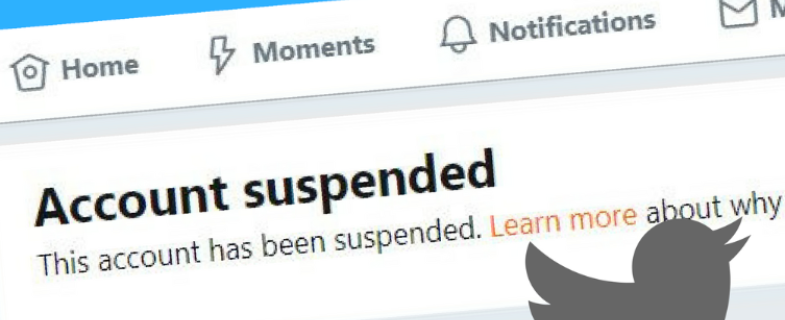
Your account can be temporarily locked, suspended, or shadowbanned for violating X's community guidelines, suspicious login activity, or using automation tools that go against the rules. In these cases, Twitter usually sends a notification explaining the situation and what to do next.
Two-Factor Authentication (2FA) Problems
While 2FA adds a critical layer of security, it can also lock you out if you lose access to your authenticator app, get a new phone, or misplace your backup codes. Without your second factor, you won't be able to complete the login process.
Browser or App Glitches
Technical issues with your software can interfere with your login attempt. An outdated app, a corrupted browser cache, conflicting cookies, or even certain browser extensions can cause problems, including failures with the "Continue with Google/Apple" options.
Network or Device Issues
The problem might not be with your account but with your connection. Restricted networks, such as those at a school or workplace, may use firewalls that block access to social media sites. VPNs and proxies can also sometimes cause conflicts.
Twitter/X Server Downtime
Though it happens rarely, X's servers can experience outages due to maintenance or unexpected traffic surges. When this occurs, it can cause widespread login failures for many users at once.
How to Fix Twitter Login Issues: A Step-by-Step Guide
Follow this practical checklist to troubleshoot and resolve the most common login errors.
- Check Twitter's Server Status: Before trying anything else, visit a platform like Downdetector or Twitter's official status page to confirm if the issue is server-wide. If it is, the only solution is to wait for their team to fix it.
- Clear Browser Cache and Cookies: Corrupted data stored in your browser can cause persistent login issues. To clear it in Chrome, go to
Settings > Privacy & Security > Delete Browsing Data. As a quick alternative, you can also try logging in using your browser's Incognito or Private mode.
- Update the Twitter App: If you're on a mobile device, go to the App Store (for iOS) or Google Play Store (for Android) and check if there is an update available for the X app. Installing the latest version can fix known bugs.
- Disable Browser Extensions: Temporarily turn off any ad blockers, or other browser extensions you have running. These tools can sometimes conflict with the login process and cause it to fail.
- Reset Your Password: Click the "Forgot password?" link on the login page. X will send instructions to the email address or phone number associated with your account. Follow the link to create a new password.
- Use an Alternative Login Method: If you originally created your account using your Google or Apple ID, make sure you are selecting that specific login option instead of trying to enter a username and password manually.
How to Recover Your Account to Fix Twitter Login Issues
If basic troubleshooting doesn't work, you may need to go through the official account recovery process.
If You Forgot Your Password
Go to the X login page and click "Forgot password?". Enter your email, phone number, or username when prompted. X will send you a message with a link and instructions to reset your password. If you don't see the email, be sure to check your spam or junk folder.
If Your Account is Locked or Suspended
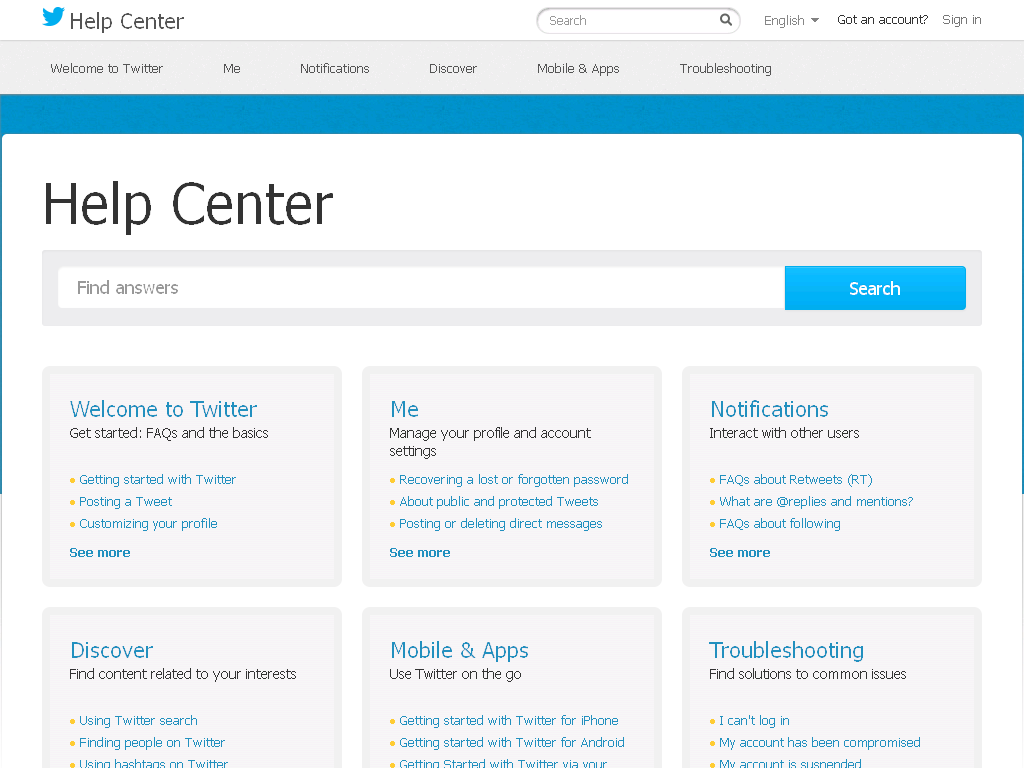
If a password reset doesn't work or you see a message that your account is locked, you will need to contact support. Go to the Twitter Help Center and submit a support request with all the necessary details. A response typically takes between 24 and 72 hours. For a suspended account, the login screen will provide specific instructions on how to appeal the decision.
If You Think Your Account Was Hacked
If you suspect unauthorized activity on your account, report the incident immediately by filling out the form at https://help.twitter.com/forms/hacked.
If You Lost Your 2FA Device
If you can no longer access your two-factor authentication method, you have a few options:
- Use one of your saved backup codes to log in.
- Try to recover your authenticator app if it was installed on your old device.
- If all other options fail, contact X support to begin an identity verification process.
Proactive Tips to Avoid and Fix Future Twitter Login Issues
Taking a few preventative steps can significantly reduce your chances of getting locked out in the future.
General Security Practices
- Enable Multiple Recovery Options: Make sure both an up-to-date email address and phone number are linked to your X account. This gives you more than one way to regain access if you get locked out.
- Secure Your Email Account: Your primary email is the key to your X account. Protect it with a strong, unique password and enable two-factor authentication on the email account itself.
- Save Your 2FA Backup Codes: When you enable 2FA on X, you are given a set of single-use backup codes. Download these codes and store them in a safe, secure place, like a password manager or a physical document.
- Use a Password Manager: A password manager helps you create and store unique, complex passwords for all your online accounts, which is one of the best ways to prevent unauthorized access.
- Manage App Access Wisely: Periodically review the third-party applications that have access to your X account. Go to
Settings > Security and Account Access > Apps and Sessions to review and revoke permissions for any apps you no longer use or trust.
- Avoid Public or Shared Devices: Logging into your account on public computers is risky. If you must use one, always make sure to log out completely from your session when you are finished.
Securely Manage Multiple Accounts with DICloak
Managing multiple X accounts for business or marketing can easily trigger security flags. Using a standard browser makes it easy for Twitter to link your accounts through your digital fingerprint. If one account is flagged, all linked accounts are at risk.
The professional tool to solve this problem is an antidetect browser like DICloak. It's designed to manage multiple accounts safely and prevent login issues.
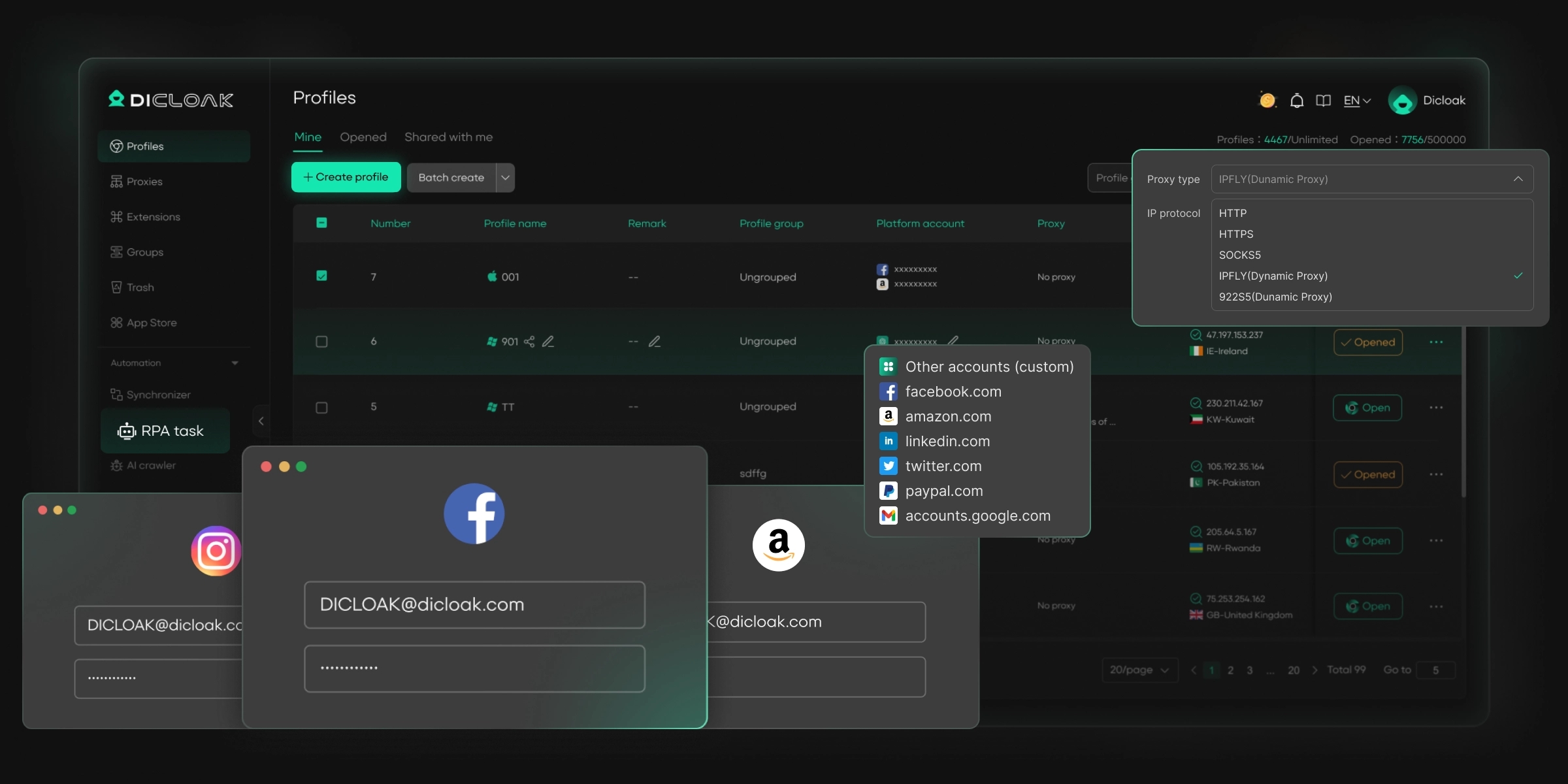
DICloak helps by:
- Providing isolated browser profiles: Each profile functions like a separate virtual machine, but is far faster and more cost-effective. This prevents cookie and cache leakage between accounts, making it impossible for platforms to link them.
- Creating unique browser fingerprints: DICloak customizes hundreds of fingerprint elements for each profile, spoofing your IP address, geo-location, cookies, WebGL, WebGPU, and canvas data, making each account appear as a unique, genuine user on a different device.
- Ensuring account safety: This isolation creates guaranteed account safety with no ban risks, drastically reducing automated suspensions when managing many accounts from a single computer.
Using a specialized tool like DICloak is the best practice for ensuring long-term, uninterrupted access across all your professional and personal accounts.
Conclusion
While being locked out is stressful, most login issues are entirely solvable. By methodically working through these troubleshooting steps, you can diagnose the root cause and regain access efficiently. To ensure seamless access in the future, make it a priority to keep your recovery information up to date and secure.
FAQs: Your Questions on How to Fix Twitter Login Issues Answered
Why does Twitter say "Login error" even with the right password?
This error can be caused by browser or app glitches (like corrupted cache), network connectivity issues, or a temporary problem with Twitter's servers. The best first steps are to clear your browser cache and cookies or check for updates to the mobile app.
I didn't receive the password reset email. What should I do?
First, check your spam or junk mail folder. If it's not there, wait a few minutes and then try resending the request from the "Forgot password?" page. Ensure you are entering the correct email address associated with the account.
Can I get back into my account if I lost my 2FA backup codes?
Yes, but you must contact Twitter Support directly through their Help Center. They will guide you through a process to verify your identity before restoring access.
My account is suspended. Does resetting my password fix this?
No, resetting your password will not lift an account suspension. A suspension is a separate issue related to a violation of rules. You must follow the specific appeal instructions that Twitter provides when you attempt to log in to a suspended account.
How can I prevent my multiple business accounts from getting locked?
The best practice is to use an antidetect browser like DICloak. This tool creates a separate and isolated browser profile for each of your accounts, making them appear as unique users. This prevents them from being linked and flagged for suspicious activity, which is a common cause of lockouts.
 Web Proxy Tools
 Free Tools
 Cookie Plugin
 UA Generator
 MAC Address Generator
 IP Generator
 IP Address List
 2FA Code Generator
 World Clock
 Anonymous Check
 WebRTC Leak Test
 UUID Generator
 Free Web Proxy Site
 Proxy Checker
 FB Ad Checker
 AI Web Scraping
 Free SMM Tools
 Twitter Shadowban Checker
 Instagram Name Checker
 UTM Generator
 Username Generator
 AI Hashtag Generator
 LinkedIn Headline Generator
 Social Media Image Resizer