More and more people are looking for alternatives to Facebook. Concerns about privacy, data collection, and ads have led users to seek platforms that offer more control over their information. Whether it’s alternatives to Facebook Marketplace or other social networks, users are exploring options that respect their privacy and give them a break from Facebook's constant tracking. The trend is growing as people want safer, simpler ways to connect online.
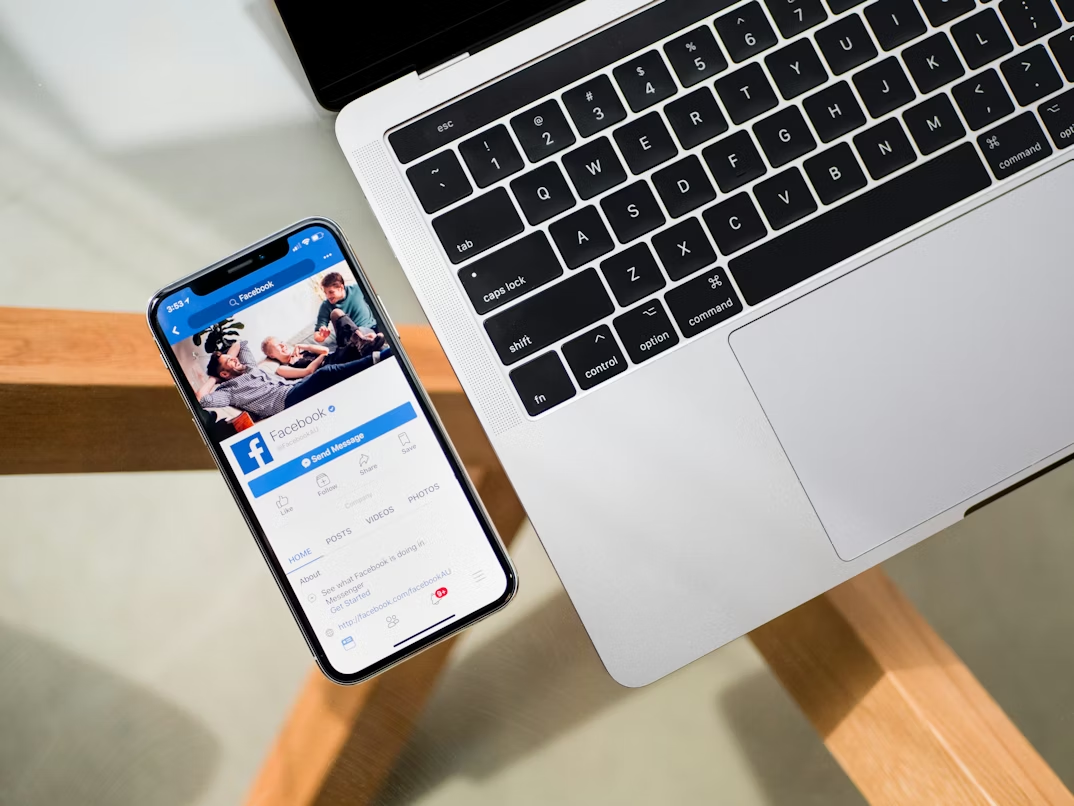
Reasons for Seeking Alternatives to Facebook
Privacy Concerns
As Facebook grows, so do concerns about privacy. Many users are uneasy about how their data is handled, especially after scandals like Cambridge Analytica. This has pushed many to look for alternatives to Facebook that give them more control over their information. Platforms like alternatives to Facebook Marketplace are becoming popular because they promise better privacy protection.
Ad Fatigue
Another big reason people are leaving Facebook is the constant stream of ads. Users are tired of having their feeds flooded with sponsored content. Alternatives to Facebook like MeWe and Vero offer ad-free experiences, letting users enjoy their feeds without interruptions.
Algorithm Challenges
Facebook’s algorithm has frustrated many. Instead of seeing posts from friends or groups, users get content based on what Facebook thinks will get the most engagement. This often means missing out on posts you care about. Alternative to Facebook platforms like Mastodon show posts in chronological order, giving users a more straightforward, less frustrating experience.
Shifting User Preferences
Social media trends are changing. Younger users, in particular, are moving away from Facebook and exploring platforms that offer a more personalized experience. Apps like TikTok and Instagram are popular because they cater to specific interests and give users more control. This shift is making alternatives to Facebook more appealing as people look for new ways to connect.
Platform Saturation
Finally, Facebook’s size can feel overwhelming. With billions of users, it can be hard to find meaningful interactions. Smaller platforms like Reddit and Discord offer more focused spaces where people can connect with like-minded users. These alternatives to Facebook give a sense of community without the clutter of a giant user base.
Top Alternatives to Facebook
After understanding why more people are moving away from Facebook, let’s look at some of the alternatives to Facebook that offer different features and benefits. Whether you’re looking for more privacy, a better user experience, or a niche community, there are plenty of options out there.
Minds
Minds is a privacy-focused social media platform that allows users to share content without worrying about surveillance. It combines social networking with blockchain technology, meaning users can earn cryptocurrency for their posts. Minds gives users control over their data and doesn't rely on traditional advertising methods, making it a solid alternative to Facebook for those seeking more freedom online.
Vero
Vero offers a simpler, more authentic social media experience. It’s ad-free and uses a chronological feed, which is a refreshing change from Facebook's algorithm-driven content. Vero allows users to share posts with different levels of privacy, so you can decide who sees what. This makes it a great alternative to Facebook for those who value privacy and control over their content.
Instagram
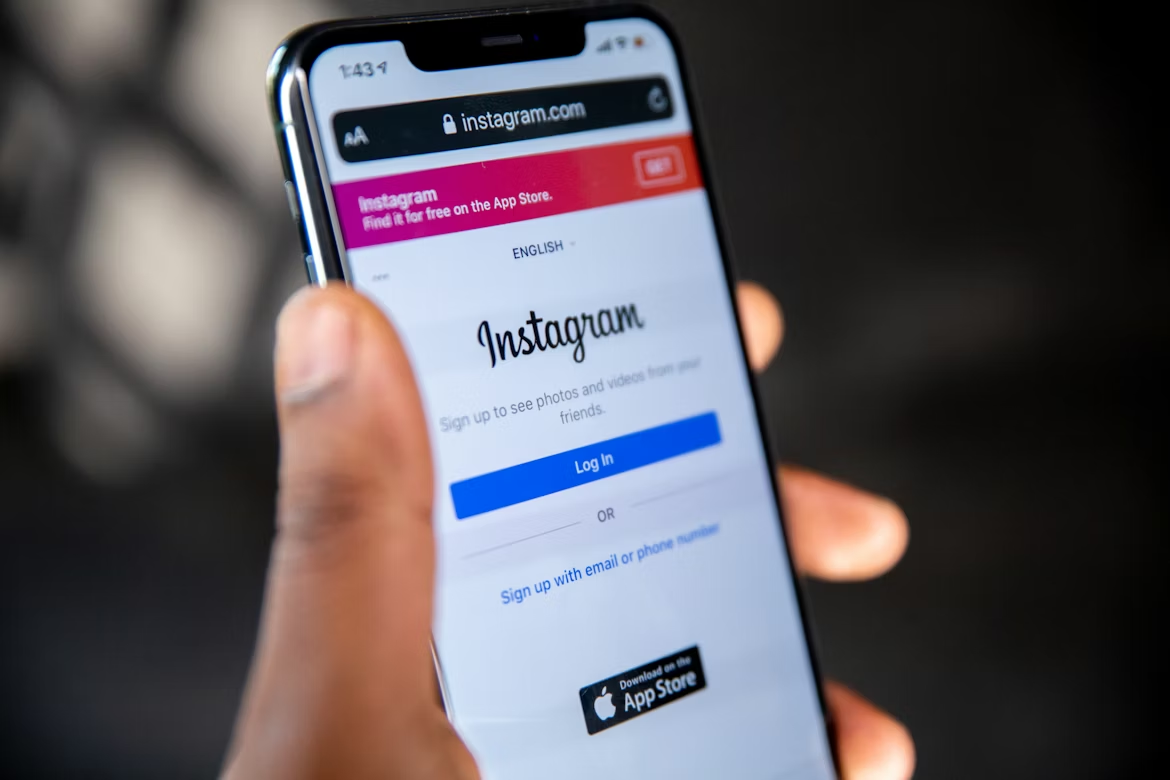
While Instagram is owned by Facebook, it stands out as a unique platform with a focus on photos and videos. Unlike Facebook, Instagram has a more visual-centric experience, making it appealing to users who prefer sharing images or short videos. Although Instagram still collects data, its focus on creative expression sets it apart from Facebook’s more text-heavy feed. If you enjoy visual content but want something different from Facebook, Instagram is a good alternative to Facebook.
Diaspora
Diaspora is a decentralized social network, meaning no single company controls it. Users create accounts on independent "pods" or servers, giving them control over their data and the communities they join. This unique setup offers greater privacy and security than Facebook, making Diaspora one of the most privacy-conscious alternatives to Facebook. It’s especially appealing to those looking to avoid corporate control over their social experience.
Telegram
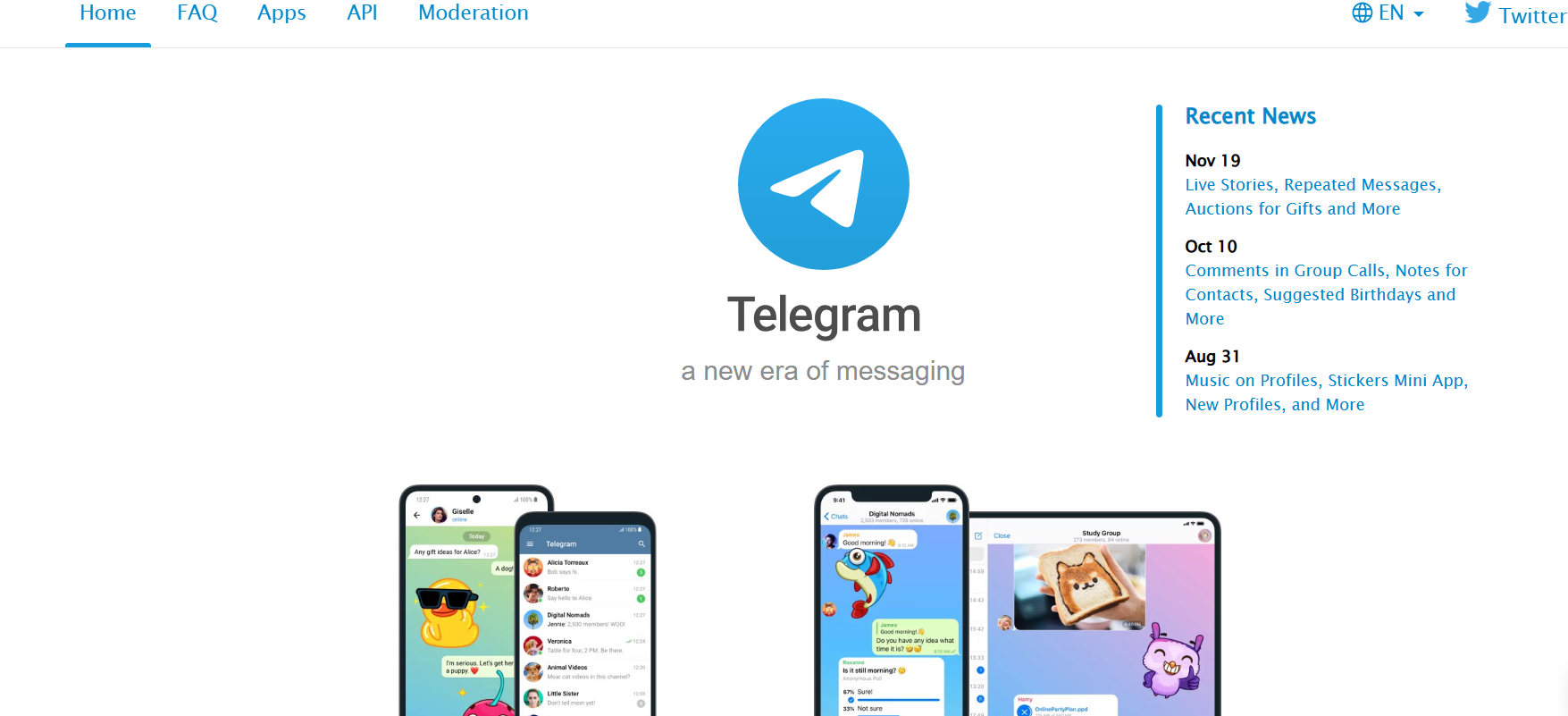
Telegram is a messaging app that also supports large community groups, channels, and public discussions. It’s known for its strong encryption and privacy features, making it a great choice for users looking for secure communication. Telegram allows users to build communities and share content in a way that feels more personal and private than Facebook. Its focus on privacy and ease of communication makes it a great alternative to Facebook.
Reddit
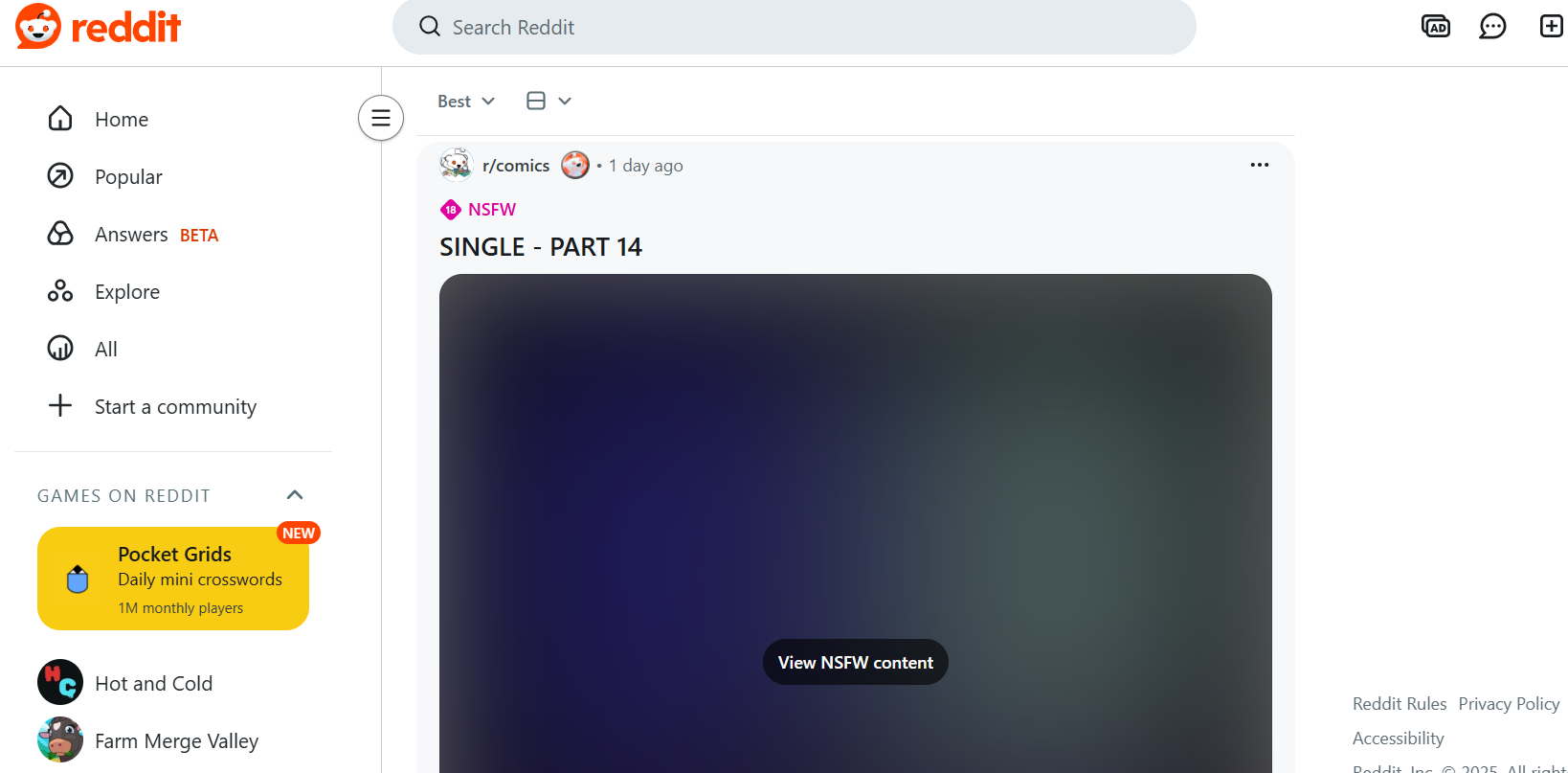
Reddit is one of the most popular platforms for niche communities. Instead of one large network, Reddit is made up of smaller, topic-based forums called "subreddits." Users can join specific subreddits to discuss topics they’re passionate about, whether it's a hobby, news, or a shared interest. Reddit fosters a deeper sense of community compared to Facebook, and its anonymity is a key draw for privacy-conscious users. This makes Reddit a strong alternative to Facebook for people who want more focused discussions.
LinkedIn
LinkedIn is a professional networking platform that focuses on career development and business connections. Unlike Facebook, which mixes personal and professional content, LinkedIn is designed specifically for building a professional network. It’s a great alternative to Facebook for anyone who wants to focus on job opportunities, business news, and professional development.
Mastodon
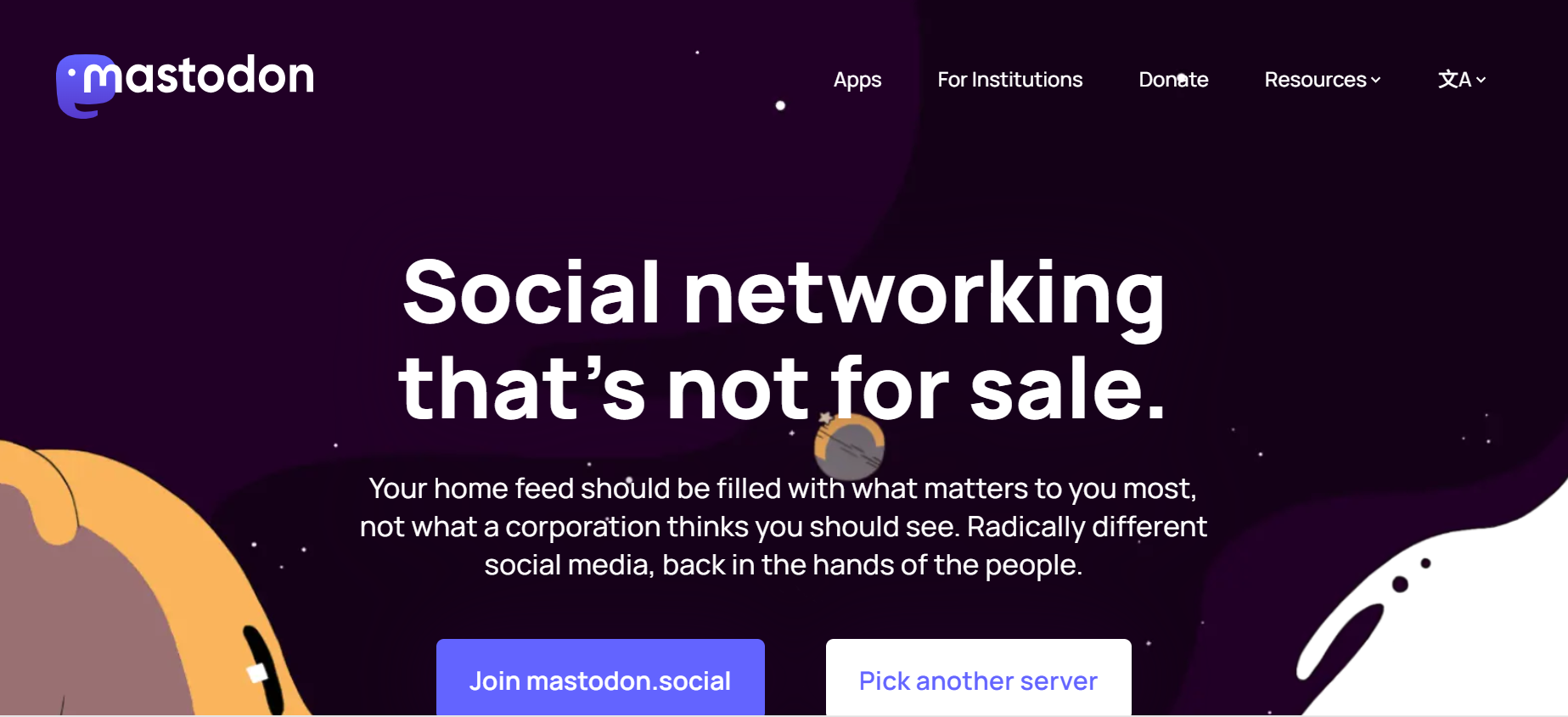
Mastodon is a decentralized, open-source social media platform that allows users to create their own servers or “instances.” Each instance has its own rules and community, giving users more control over their social experience. Mastodon’s federated model means content is shared across different servers, but no single company owns the platform. For those looking for a unique, customizable experience, Mastodon is an excellent alternative to Facebook.
X (formerly Twitter)
X, previously known as Twitter, focuses on real-time news and short-form content. While it still collects data for ads, it is a go-to platform for breaking news, public discussions, and direct engagement with celebrities, businesses, and influencers. X’s fast-paced, real-time nature makes it a good alternative to Facebook for those who want quick updates and open discussions on current events.
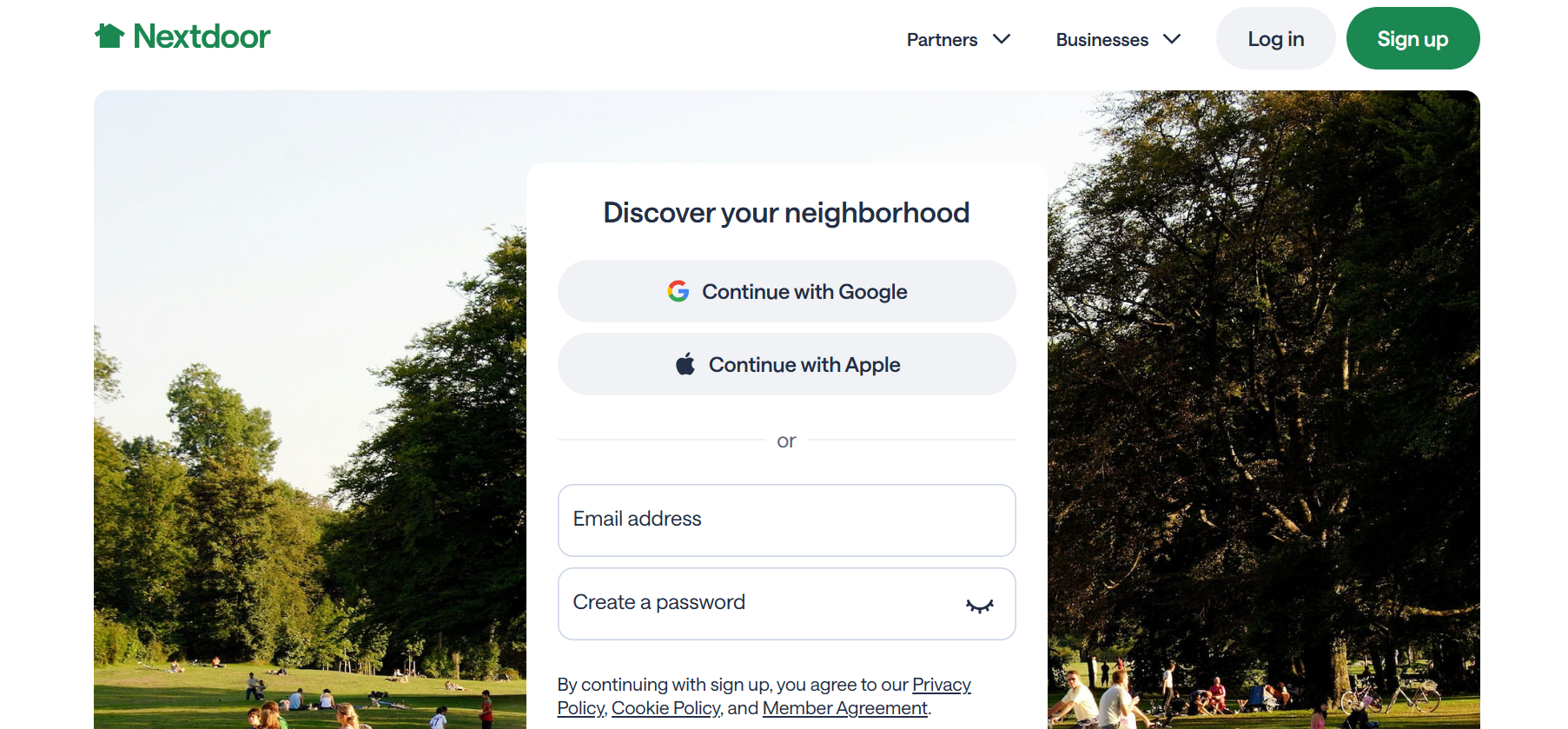
Nextdoor
Nextdoor is a community-based social platform designed for neighbors and local areas. It’s an excellent alternative to Facebook for people who want to connect with others in their immediate surroundings. Whether you’re looking to buy or sell items locally, get neighborhood recommendations, or stay updated on local events, Nextdoor focuses on local connections and fosters a sense of community.
Choosing the Right Platform
Now that you’ve seen the alternatives to Facebook, it's time to choose the one that fits you best. Here's how to pick the right platform for your needs.
Defining Your Goals
Think about what you want from a new platform. Are you looking to share personal updates, or build a professional network? If you want something like Facebook Marketplace, check out options like MeWe or Reddit. Knowing your goals will help you choose the right fit.
Researching Features and Privacy Policies
Different platforms offer different features. Some, like Mastodon, let you control your own community, while others, like Telegram, focus on privacy. Read the privacy policies to see how your data will be used. If privacy is important, look for platforms with strong security, like Signal or Diaspora.
Evaluating Pricing Tiers
Many platforms offer both free and paid versions. For example, MeWe has a free version, but you can pay for extra features. LinkedIn also has a free version, but paid accounts unlock advanced tools. Think about what you need and whether the premium options are worth it for you.
Identifying Your Target Audience
Where is your audience? If you're looking for local connections, Nextdoor is great. For niche topics, try Reddit. If you want a professional audience, LinkedIn is your best bet. Knowing where your community hangs out will help you make the right choice.
Testing the Platform
Before committing, try out the platform. Sign up, post a few updates, and see how it feels. Many platforms are free, so you can explore without risk. Testing will give you a better idea if the platform fits your needs.
Community Engagement and Building
Once you’ve picked the right platform, it’s time to build a community. Here’s how alternatives to Facebook can help you connect with others.
Importance of Community Engagement
Engagement is key to building meaningful connections. Platforms like Minds and Telegram make it easy to create active, engaged communities. On Telegram, for example, you can form groups and channels to connect with people who share your interests. This makes the community feel more personal and supportive.
Differences Between Audience and Community
An audience just watches; a community interacts. Platforms like Reddit and Mastodon help build real communities, where users participate, discuss, and share. If you want to build an engaged community, choose platforms that encourage active conversations rather than passive scrolling.
Creating a Customer Engagement Hub
If you're building a brand, you need a customer engagement hub. Platforms like Discord or Nextdoor offer ways to connect directly with customers. You can answer questions, share updates, and gather feedback in real-time. These platforms are less focused on ads and algorithms, making them perfect for fostering a loyal community.
The role of DICloak when logging into Alternative social media platforms
Why choose DICloak Antidetect Browsers for your business?
⚡The DICloak Antidetect Browser has become a global favorite for its unparalleled ability to efficiently and securely manage multiple accounts. Designed for professionals in social media management, affiliate marketing, traffic arbitrage, e-commerce, account farming, airdrops, and more, DICloak offers powerful features like RPA automation, bulk operations, and a window synchronizer. Additionally, it allows you to customize fingerprints and integrate proxies for each profile, ensuring top-level security and operational efficiency. It’s the ultimate tool for seamless, secure, and scalable operations.
What Makes DICloak Stand Out?
✅ Manage 1,000+ Accounts on One Device: Stop wasting money on extra hardware! DICloak allows you to manage multiple accounts on a single device, cutting costs and boosting efficiency.
✅ Guaranteed Account Safety, No Ban Risks: Every account gets its own isolated browser profile with custom fingerprints and IPs, drastically reducing the risk of bans. Your accounts, your control!
✅ Flexible Proxy Configuration for Maximum Performance: Seamlessly integrate with all major proxy protocols (HTTP/HTTPS, SOCKS5) and manage your proxy pool with bulk operations. No more struggling with IP management—DICloak has you covered.
✅ Streamlined Team Collaboration for Better Results: Easily manage your team with advanced tools like profile sharing, permission settings, data isolation, and operation logs. Your team works smarter, not harder.
✅ Automate the Grind with RPA: DICloak's built-in RPA saves you hours of manual work. Automate repetitive tasks, streamline workflows, and focus on what really matters—growing your business.
✅ Powerful Bulk Tools to Scale Your Operations: Create, import, and launch multiple browser profiles in one click. DICloak makes scaling your business as easy as it gets.
✅ Compatible with All Major Operating Systems: Based on the Chrome core, DICloak supports simulating Windows, Mac, iOS, Android, and Linux operating systems. No matter what platform you need, DICloak has you covered.
🔗 Ready to Get Started?
Visit the DICloak website to explore more details and choose the plan that’s right for you. Start for free today and experience the power of secure, efficient, and scalable multi-account management!
Frequently Asked Questions (FAQs)
Why are people leaving Facebook?
People are leaving Facebook mainly due to privacy concerns, data security issues, and the overwhelming number of ads. Scandals like Cambridge Analytica made users more cautious about how their information is handled. Plus, Facebook’s algorithm often pushes ads over real content, leading many to explore alternatives to Facebook like Mastodon and MeWe, which offer more privacy and user control.
Are there ethical alternatives to Facebook?
Yes, there are ethical alternatives to Facebook. Platforms like Minds use blockchain to protect user data, while Vero offers an ad-free, privacy-focused experience. These platforms prioritize user privacy, making them great choices for anyone looking for a more transparent, secure social media experience.
Do users need a Facebook account to join Instagram?
No, you don’t need a Facebook account to use Instagram. While Instagram is owned by Facebook, you can join with just your email or phone number. However, if you have a Facebook account, you can link it to Instagram for easier sharing between the two.
Conclusion
Embracing Change in Social Media
Social media is always changing, and exploring alternatives to Facebook can help you find a platform that fits your needs. Whether you're after better privacy, fewer ads, or a more focused community, there are many options like MeWe, Minds, and Reddit that offer a fresh experience.
Don’t hesitate to try new platforms. Find the one that works best for you, whether it's for local connections or just a more private space. The right alternative to Facebook can give you a more enjoyable and secure social media experience.
 Web Proxy Tools
 Free Tools
 Cookie Plugin
 UA Generator
 MAC Address Generator
 IP Generator
 IP Address List
 2FA Code Generator
 World Clock
 Anonymous Check
 WebRTC Leak Test
 UUID Generator
 Free Web Proxy Site
 Proxy Checker
 FB Ad Checker
 AI Web Scraping
 Free SMM Tools
 Twitter Shadowban Checker
 Instagram Name Checker
 UTM Generator
 Username Generator
 AI Hashtag Generator
 LinkedIn Headline Generator
 Social Media Image Resizer