The frustration is predictable: you try to verify a new account or protect your primary identity, only to get a “This number is not allowed” error. That is why more users are searching for how to get a virtual phone number that actually works in 2026. The challenge is no longer just about avoiding simple IP blacklists. Major platforms like TikTok, WhatsApp, and Google now utilize sophisticated device integrity APIs, behavioral profiling, and real-time VoIP database updates to identify and block non-mobile numbers. Successfully navigating this environment requires a move away from disposable scripts toward mobile-grade infrastructure and isolated device environments.
What exactly is a virtual phone number and why do you need one in 2026?
A virtual phone number is a telephone identifier not tied to a physical SIM card or specific hardware. It works through Voice over Internet Protocol (VoIP), routing calls and SMS through the internet to a management app or designated secondary line. For anyone researching how to get a virtual phone number, it is important to know that these numbers are often used for flexibility, privacy, and account separation rather than standard personal calling.
Strategists and practitioners use these numbers to mitigate several risks:
- Identity De-linking: Preventing platforms from connecting disparate digital personas through a shared primary number.
- Geographic Arbitrage: Establishing a local presence in foreign markets to access region-locked content or services.
- Scalable Verification: Managing an ecosystem of accounts across social media or e-commerce platforms without maintaining a physical phone farm.
The difference between VoIP, Virtual SIMs, and Burner numbers
If you want to understand how to get a virtual phone number that actually works, you first need to know the difference between the main types of number infrastructure. Choosing the wrong setup can lead to instant account flagging:
- VoIP Numbers: Internet-based and typically the most affordable. However, they are frequently tagged as "non-fixed VoIP" in Carrier Identification Code (CIC) databases, making them easy for high-security platforms to reject.
- Virtual SIM (eSIM) Numbers: Offered by providers like iPlum or Airalo. These are often recognized as legitimate mobile lines because they are issued by traditional cellular carriers, offering the highest success rates for verification.
- Burner/Temporary Numbers: High-turnover, SMS-only numbers designed for one-time use. These are highly susceptible to "Already Registered" errors due to constant recycling.
Why standard virtual numbers are no longer enough for high-security platforms
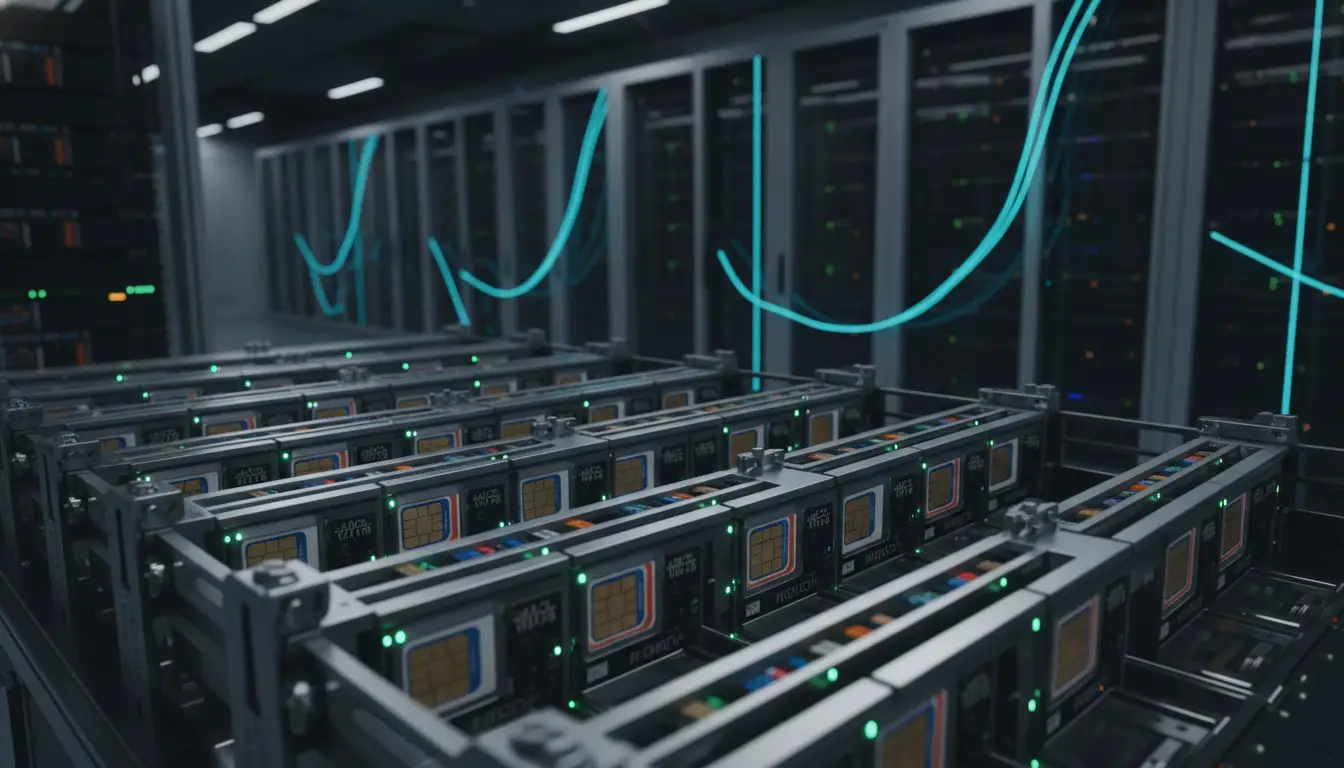
Anyone researching how to get a virtual phone number for TikTok, WhatsApp, Telegram, or Google should know that platforms have moved far beyond simple VoIP checks. Many now focus on “Sybil detection,” which means identifying multiple fake identities created by the same operator. Instead of only flagging VoIP traffic, security systems also inspect the metadata behind the incoming SMS request. If a number comes from a known data center range or does not carry a valid mobile network operator (MNO) signature, registration may be blocked. In 2026, fresh number blocks that have not already been used across thousands of verifications are often the only reliable option.
Can I actually get a free virtual phone number that works?
If you are researching how to get a virtual phone number for free, it is important to understand the trade-offs first. While “free” search intent remains high, most free options come with heavy data harvesting, recycled numbers, or a high risk of being blocked by major platforms.
Google Voice: Still the gold standard for US-based users?
Google Voice remains a stable option for those within the United States, but it is no longer a "one-click" solution. It requires an existing, valid US mobile number for initial verification. While excellent for personal privacy, it is increasingly flagged by WhatsApp’s security systems, which categorize it as a virtual overlay.
TextNow and TextFree: Best for casual use and low-stakes verification
TextNow and TextFree operate on an ad-supported model. Their numbers stay active as long as there is occasional activity, making them superior to one-time "Receive SMS" sites for ongoing use. However, their numbers are frequently recycled; if you receive an "already in use" error, you must request a new number from their available pool.
The risks of using "Receive SMS Online" public sites
Public sites like receive-smss.com or sms-online.co are catastrophic for privacy. Every verification code is visible to the public, and because these numbers are hammered by bot traffic, they are the first to be blacklisted by platform security AI. Use these only for low-stakes, throwaway services.
Which paid virtual number services are the most reliable for 2026?
For users trying to understand how to get a virtual phone number that works consistently in 2026, paid services are often the most dependable option. When reliability and long-term account stability matter, professional-grade providers are usually the safer choice.
| Service Name |
Best Use Case |
Approx. Starting Price |
Core Advantage |
Success Rate (Est.) |
| Twilio |
Developers/Automation |
~$1/month |
API access & global scalability. |
Medium |
| OpenPhone |
Startups & Teams |
~$13/month |
Professional UI with shared inboxes. |
High |
| Hushed |
Personal Privacy |
~$1.99/week |
Flexible numbers with high privacy. |
High |
| MySudo |
Encrypted Security |
~$0.99/month |
Integrated privacy silos (Sudos). |
High |
| Vonage |
Enterprise Scalability |
~$13/month |
Verified business-grade reliability. |
High |
Hushed and MySudo: Privacy-first options for personal security
Hushed and MySudo are designed to manage multiple identities. They are particularly effective because they allow users to dispose of a number and provision a new one instantly. This is the preferred method for managing identities across marketplaces or dating apps where persistent "creeping" is a risk.
Twilio and Vonage: Why these are the go-to for technical users and developers
These are infrastructure providers rather than simple apps. They offer programmatic control over large number blocks. For practitioners managing dozens of accounts, Twilio’s ability to automate SMS reception via webhooks is a critical component of a modern verification workflow.
How to get a virtual number for a specific country (US, UK, and beyond)?
When learning how to get a virtual phone number for a specific country, the process often depends on local telecom rules and identity requirements. In many cases, the harder the local regulations, the harder it is to get a number from that region, especially when “Know Your Customer” (KYC) laws are strict.
Securing US and UK numbers from abroad
US numbers are accessible via OpenPhone or Google Voice. For the United Kingdom, specialized providers like VoIPfone or Sipgate offer dedicated UK lines. These are recognized by most UK-based financial and social services as legitimate domestic lines.
The challenge of "Hard" regions: India, Germany, and Japan
Strict local telecom laws in these regions often require physical proof of residency or local identity documents.
- India: Use JioCall, Airtel Thanks, or TextLocal. Most require Indian KYC documentation.
- Germany: Sipgate is the established leader here, providing German numbers to users who can navigate their verification requirements.
- Japan: Extremely difficult for non-residents. International VoIP providers are often legally barred from offering Japanese mobile numbers without a local presence.
How to match your digital location to your virtual number
Anyone trying to understand how to get a virtual phone number that works reliably should also pay attention to environment matching. One major trigger for security systems is a mismatched identity, such as using a US number while your IP address or device signals show a different region. To reduce risk, your broader digital setup, including proxy location and browser fingerprint consistency, should match the country code of the number you are using.
Why is my virtual number not working for WhatsApp or Telegram?
If you are researching how to get a virtual phone number for WhatsApp or Telegram, one of the first things to understand is that verification failure is often caused by carrier detection. In many cases, the platform can tell whether the number comes from a virtual provider or a real mobile network, and that difference directly affects whether the code goes through.
WhatsApp’s aggressive stance against VoIP numbers
WhatsApp uses real-time carrier lookup services to identify VoIP lines. If you receive the "This number is not allowed" error, the platform has flagged the provider's entire number block. Success in 2026 requires using mobile-grade eSIMs from providers like iPlum or Airalo, which provide numbers that look like standard mobile lines to WhatsApp’s filters.
Telegram verification: Why Google Voice still works (mostly)
Telegram is more permissive with VoIP numbers than Meta-owned platforms. If Google Voice or TextNow fails, the reliable fallback is SMS-activate.org. They offer one-time "fresh" numbers specifically for Telegram verification, often priced under $0.50, sourced from real mobile carriers.
The "Already Registered" problem and how to avoid recycled numbers
Because virtual numbers are a finite resource, they are recycled. High-tier paid services allow you to "scrub" a number or select from fresh blocks. Always check if a number is already registered by attempting a password recovery on the target platform before you finalize the purchase.
How should I choose between a personal number and a business virtual line?
If you are trying to understand how to get a virtual phone number, it is also important to know what kind of number you actually need. A personal virtual number may be enough for privacy, basic verification, or keeping work and life separate. But for customer communication, team workflows, or brand operations, a business virtual line is usually the better fit.
Key features to look for in a virtual business number
For users researching how to get a virtual phone number for business use, SMS support is only one small part of the decision. A stronger setup should also include features that support daily operations and team coordination, such as:
- Call Routing & Extensions: The ability to direct callers to different stakeholders.
- Voicemail-to-Email: Essential for asynchronous team workflows.
- Shared Inboxes: Allowing multiple agents to manage customer interactions from a single number.
When to use a virtual address and phone number bundle
Establishing a "local" presence in a city like New York or London requires more than just a 212 or 020 number. Services like iPostal1 or Regus provide a virtual business address paired with a phone number, which is often required for verifying business accounts on platforms like Amazon or Google Business Profile.
How to Use Virtual Phone Numbers to Manage Multiple Accounts at Scale?
In 2026, a phone number is just one piece of the puzzle. Platforms track "hardware identifiers" such as IMEI, Android ID, and MAC addresses. If you run multiple accounts—even with different numbers—from the same device, they will be linked through behavioral profiling and device fingerprints.
Beyond the number: Why device isolation is the next step
To manage a secure ecosystem, each account must live in its own isolated environment. This prevents "account linking," where a ban on one profile triggers a domino effect across your entire network.
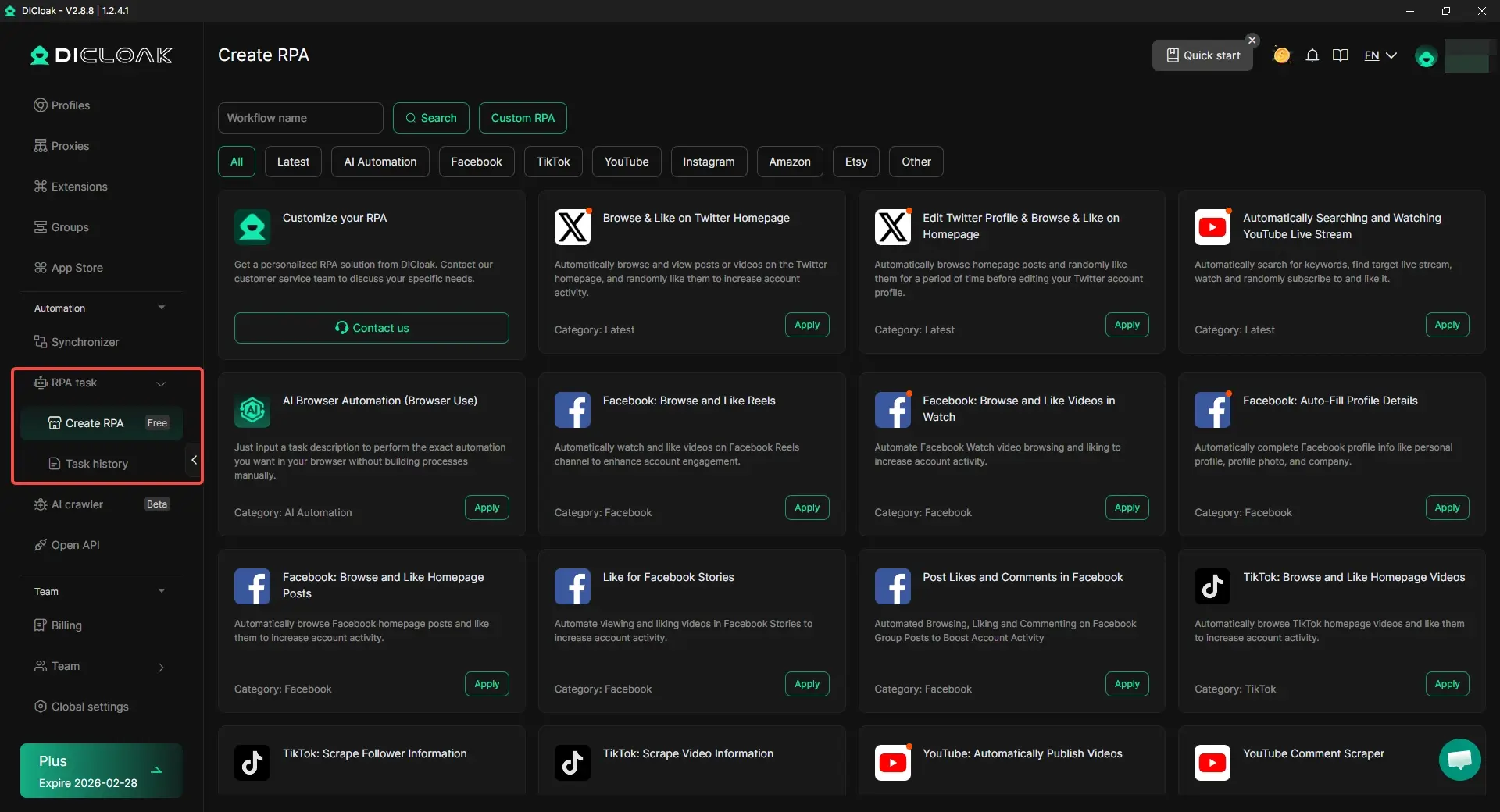
Using DICloak to protect your account ecosystem
For those managing large-scale operations, a number is useless without an antidetect environment. DICloak provides the necessary isolation through:
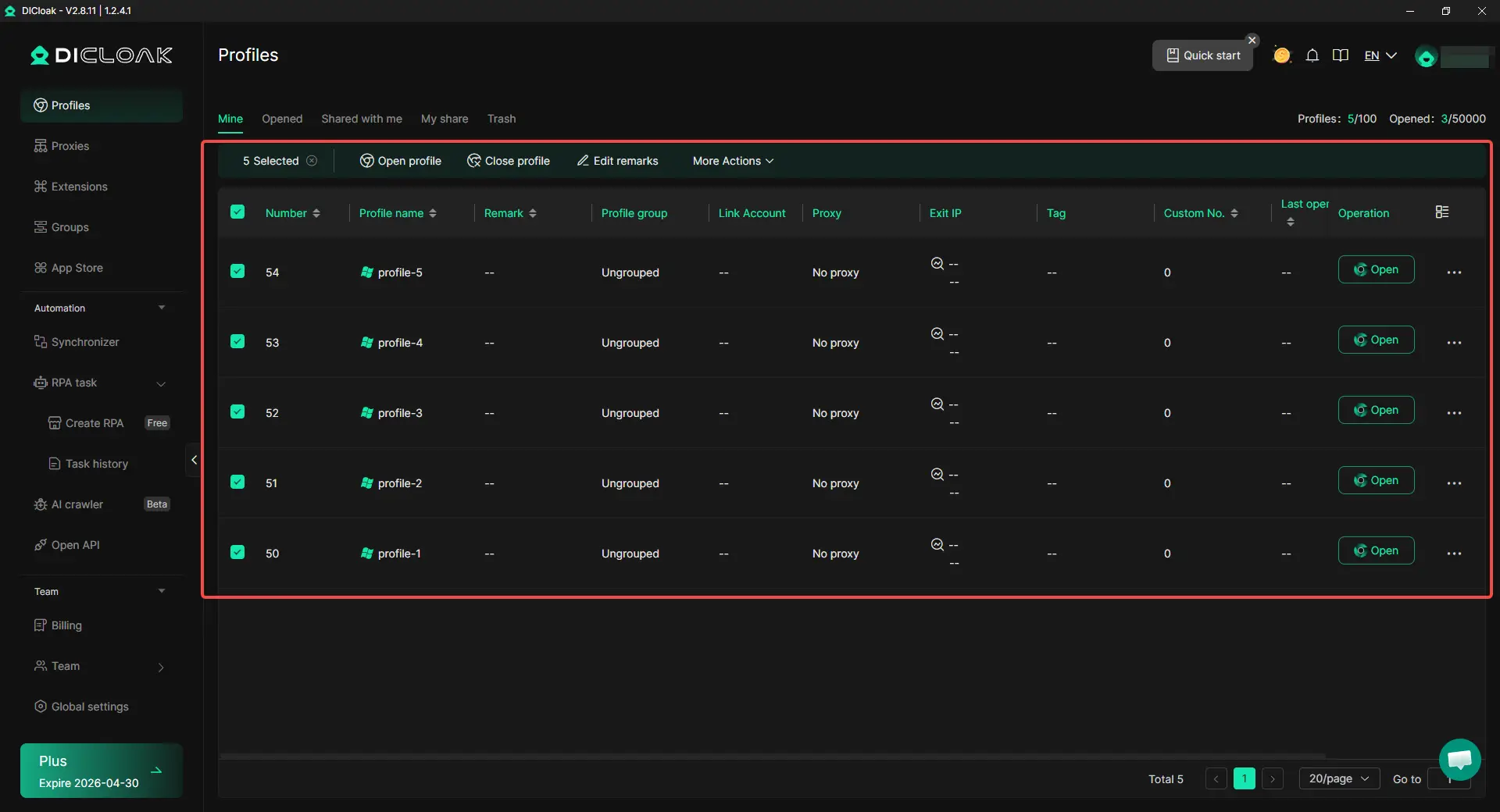
- Isolated Browser Profiles: Each account operates in a unique silo with its own cookies, cache, and encrypted storage for passwords.
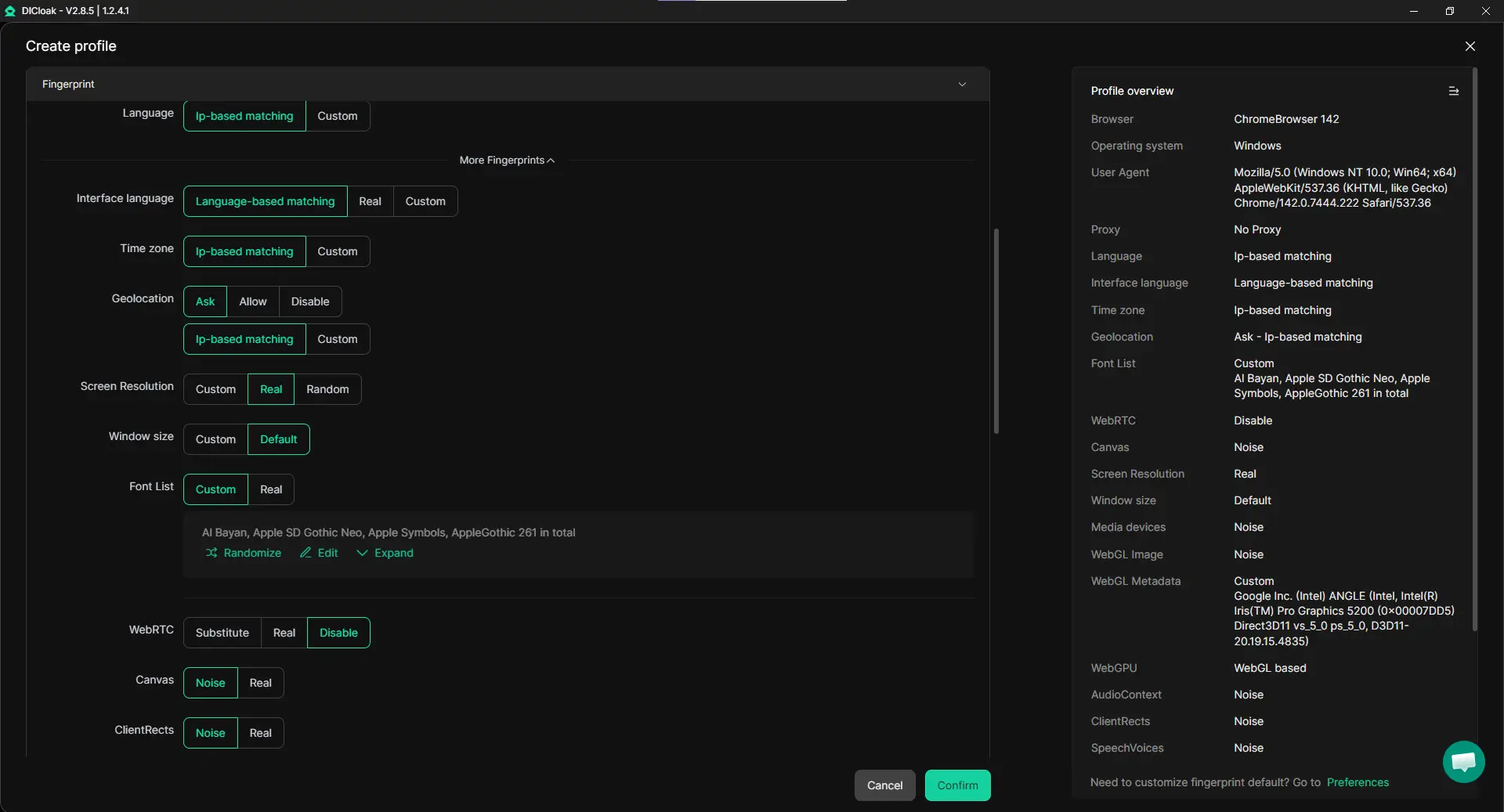
- Digital Fingerprint Customization: Mask parameters like User Agent, WebGL, and Geolocation to emulate a unique hardware profile for every account.
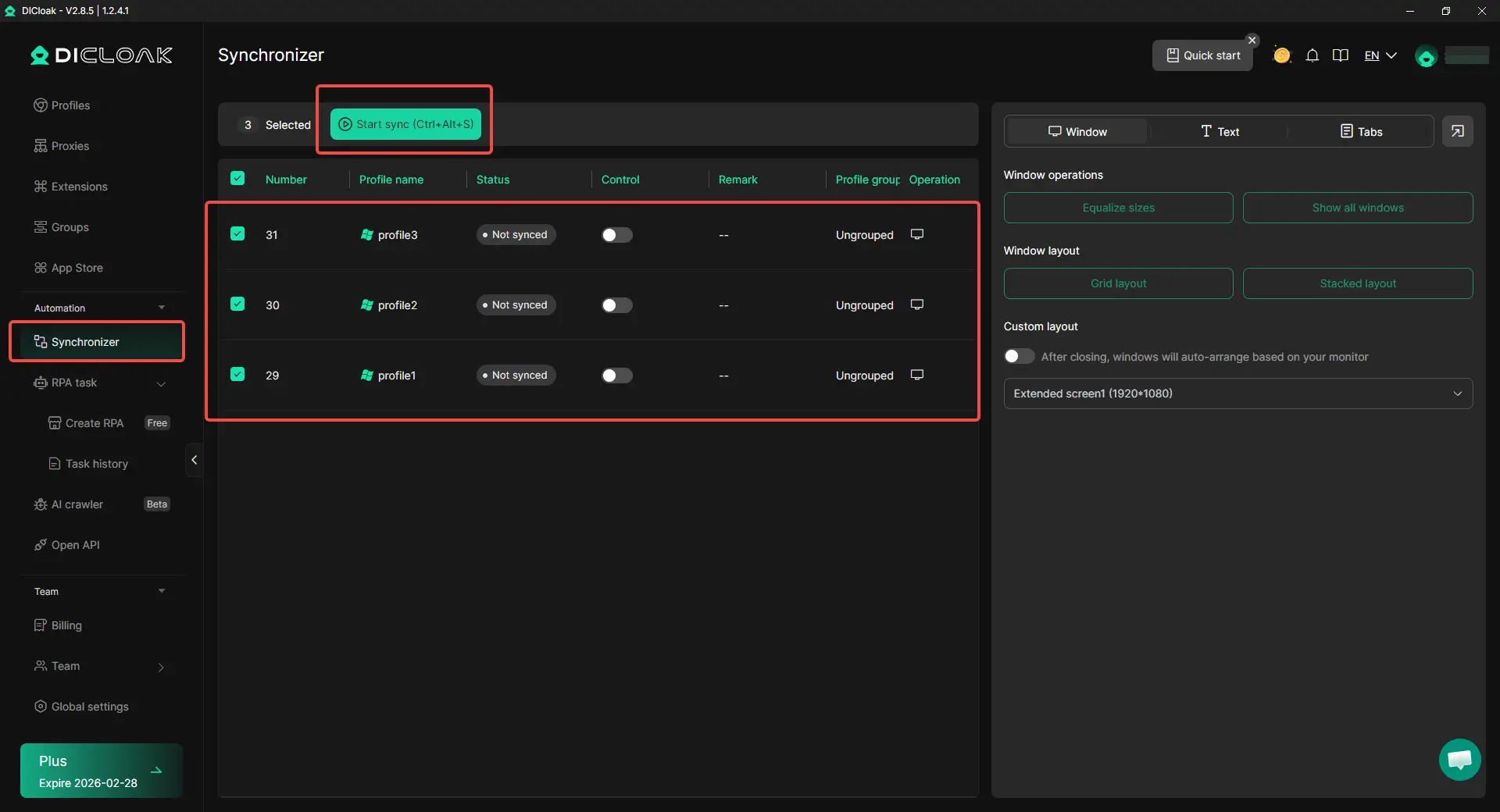
- Synchronizer: Streamline repetitive tasks across multiple profiles simultaneously, ensuring efficient management of account farms.
- RPA Automation & Open API: Automate complex workflows—like account warming or content posting—without manual intervention.
Conclusion
If you want to understand how to get a virtual phone number that actually works in 2026, the key is to match the quality of the number to the security level of the platform. For casual privacy, a VoIP number from Hushed suffices. For high-stakes platforms like WhatsApp or Telegram, you must utilize mobile-grade eSIMs or specialized verification services. Most importantly, never operate multiple accounts from a single device fingerprint. Pair your numbers with an isolated environment like DICloak to keep your digital footprint remains fragmented and secure. Always test a service with a small monthly payment before committing to a long-term plan to ensure it bypasses the specific filters of your target platform.
Frequently Asked Questions about Getting a Virtual Phone Number
Can I get a virtual number for free permanently?
If you are researching how to get a virtual phone number for free, Google Voice is one of the few options that can provide a long-term free US number as long as it stays active. Still, free numbers are recycled more often, which means they have a higher chance of already being blocked or previously used on major platforms.
Is it legal to use a virtual phone number?
Yes. For people learning how to get a virtual phone number for privacy, business, or secondary account use, the good news is that virtual numbers are legal in most jurisdictions. The legal risk usually comes from how the number is used, not from the number itself.
Can I use a virtual number for 2FA (Two-Factor Authentication)?
It is unreliable for high-security services like banking. Many financial institutions explicitly block VoIP numbers for 2FA. For social media, mobile-grade eSIM numbers are more reliable for long-term 2FA.
What is the difference between a virtual number and a temporary number?
A virtual number is a persistent asset you can keep for years. A temporary (or burner) number is a disposable, short-term tool meant for a single SMS verification.
Why do some sites reject my VoIP number?
A common issue for users searching how to get a virtual phone number is that not every number will be accepted everywhere. Many platforms now run carrier and integrity checks against telecom databases. If a number is identified as a VoIP line or linked to data center infrastructure instead of a real mobile network, it may be rejected.
How do I get a virtual number for SMS only?
If you specifically want to know how to get a virtual phone number for SMS only, infrastructure platforms like Twilio or verification-focused services such as SMS-Activate are common options. These services can offer SMS-focused numbers at a lower cost than full calling and messaging plans.
 Web Proxy Tools
 Free Tools
 Cookie Plugin
 UA Generator
 MAC Address Generator
 IP Generator
 IP Address List
 2FA Code Generator
 World Clock
 Anonymous Check
 WebRTC Leak Test
 UUID Generator
 Free Web Proxy Site
 Proxy Checker
 FB Ad Checker
 AI Web Scraping
 Free SMM Tools
 Twitter Shadowban Checker
 Instagram Name Checker
 UTM Generator
 Username Generator
 AI Hashtag Generator
 LinkedIn Headline Generator
 Social Media Image Resizer