CPA marketing in 2026 is more dynamic and data-driven than ever. Affiliates no longer rely only on simple traffic or high-payout offers. Success comes from understanding different CPA models, choosing the right networks, driving targeted traffic, using smart tools, and staying compliant with privacy rules. Whether you are a beginner learning how CPA marketing works or an experienced marketer scaling campaigns, having a structured approach and the right resources is key to maximizing earnings and long-term results.
What is CPA Marketing and How Does It Work?
Before learning CPA marketing strategies, it is important to know the basic idea first. Many beginners hear about CPA and think it is hard. In fact, the model is simple. A business pays only when a user takes a clear action.
Defining CPA Marketing: A Beginner’s Guide
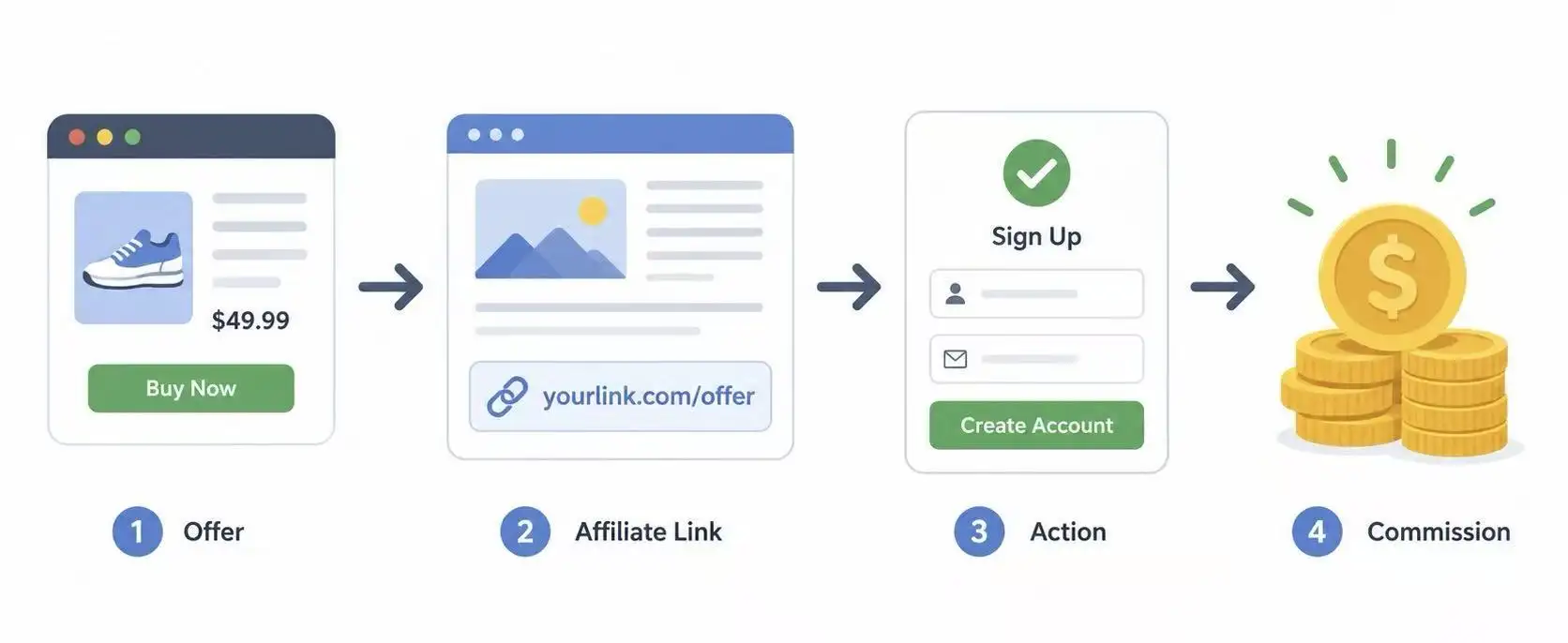
CPA marketing means Cost Per Action marketing. In this model, an advertiser pays an affiliate when a user completes a set action. The action can be a sign-up, app install, free trial, form submit, or sale.
For example, a finance app may pay $8 when someone signs up through your link. A software brand may pay $20 when a user starts a free trial. This is how CPA marketing works in real life.
Many beginners ask, “Is CPA marketing legit?” Yes, it is a real performance marketing model. But it must be done with honest traffic, clear content, and trusted CPA marketing websites or networks. Good CPA marketing training can also help beginners learn offer rules, tracking, and traffic quality before spending money.
How CPA Marketing Differs from Other Advertising Models
CPA marketing is different from CPC and CPM. With CPC, advertisers pay for clicks. With CPM, they pay for every 1,000 views. But with CPA, they pay only when a real action happens.
This makes CPA useful for brands that want clear results. It also helps affiliates understand how to make money with CPA marketing. The goal is not just to get traffic. The goal is to send the right people to the right offer.
So, if you want to learn how to do CPA marketing, start with one simple offer. Read the rules. Choose a traffic source. Track every result. This keeps your first campaign easier to manage.
Types of CPA Marketing Models to Explore
After knowing what CPA marketing is and how CPA marketing works, let’s look at three main models. Each pays you in a different way and suits different goals.
| Model |
Action |
Example Payout |
Best For |
Notes |
| CPS |
Sale |
$15 per purchase |
E-commerce |
High payout, requires strong conversion |
| CPL |
Lead |
$5 per email |
Software signup |
Low-cost traffic, good for beginners |
| Recurring |
Subscription |
$10/month |
SaaS |
Long-term income, requires retention |
Cost Per Sale (CPS) Model Explained
The CPS model pays you when a sale happens. For example, a fashion brand may pay $15 every time someone buys a shirt through your link. This model shows you how to make money with CPA marketing when users complete a purchase. CPS is common on many CPA marketing websites that list affiliate offers.
Cost Per Lead (CPL) Model and Its Applications
CPL pays when you send a qualified lead. A lead is usually a person who fills out a form or gives their email. For instance, a software company might pay $5 for an email signup. This model is good for how to do CPA marketing when you start with low cost traffic and want to build interest before a sale.
Recurring Payments in CPA Marketing
Some offers pay again and again. For example, a subscription service may pay you a monthly fee as long as the customer stays subscribed. This part of CPA helps affiliates build long‑term income. Many networks and training resources show how this recurring CPA model works and teach you CPA marketing training to grow steadily.
How to Choose the Right CPA Network
Once you understand the main CPA marketing models, the next step is choosing where to run your offers. A CPA network connects affiliates with advertisers. This choice matters because it affects your offers, tracking, payout speed, and long-term trust.
| Network |
Minimum Payout |
Payment Frequency |
Allowed Traffic |
Extra Features |
| Network A |
$50 |
Weekly |
Social, Paid Search |
Tracking Dashboard |
| Network B |
$100 |
Monthly |
Organic, Email |
Affiliate Support |
Factors to Consider When Selecting a CPA Network
A good CPA network should have clear offer rules, real support, and trusted payment history. For example, if you promote a loan form offer, the network should tell you which traffic sources are allowed. This is a key part of how to do CPA marketing safely.
Beginners can also check CPA marketing training pages, reviews, and public case studies before joining. Trusted CPA marketing websites often explain offer terms, traffic limits, and approval steps.
Comparing Payout Structures Across Networks
Do not only look at the highest payout. A $30 offer is not always better than a $10 offer. If the $10 offer converts faster and pays weekly, it may bring better cash flow.
Many CPA networks use minimum payout limits, such as $50 or $100. Some pay weekly, while others pay monthly or later. So, when learning how to make money with CPA marketing, always compare payout rate, payment time, and conversion quality together.
Red Flags to Watch Out for in CPA Networks
Is CPA marketing legit? Yes, but not every network is safe. Be careful with networks that hide offer rules, delay payments for no clear reason, or promise “easy money” with no real work.
Also avoid networks that ask for strange upfront fees. Real CPA marketing works through tracked actions, not empty promises. A good network should explain how CPA marketing works, what traffic is allowed, and when you will get paid.
Proven Strategies to Drive Traffic for CPA Marketing
After picking the right CPA network, the next step is sending people to your offers. Traffic decides how much you earn and shows how CPA marketing works in real life.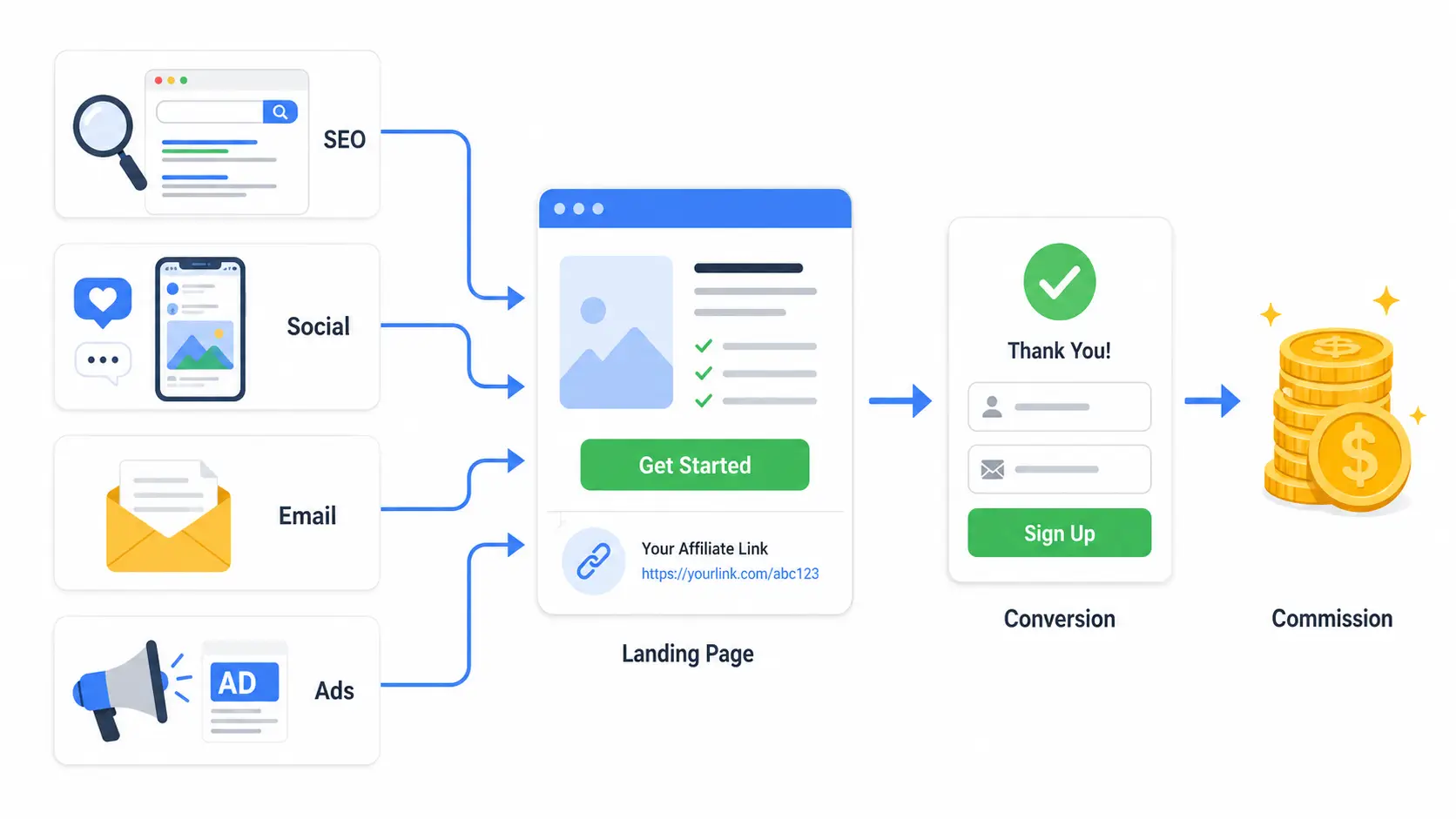
Using SEO to Boost Organic Traffic
SEO helps you get free visitors from search engines. For example, a blog reviewing productivity apps can link to a free trial offer. Good content and keywords increase clicks. This is how to do CPA marketing without paid ads. Many beginners follow CPA marketing training to learn proper SEO for affiliates.
Social Media Tactics for CPA Success
Social media can bring fast traffic. Sharing tips on TikTok, Instagram, or Facebook can lead users to a signup offer. Short videos, posts, and stories work well. Choosing the right network and post style shows how to make money with CPA marketing in practical ways. Trusted CPA marketing websites give case studies of social campaigns that convert.
Tools and Resources to Enhance CPA Marketing Efforts
After driving traffic, using the right tools can make CPA marketing easier and more effective. Automation saves time and reduces mistakes.
Automation Tools to Streamline Your Workflow
Tools like link trackers, email autoresponders, and analytics dashboards help you track clicks and conversions. For example, a tracker shows which blog post sends the most signups. This is key for how to do CPA marketing efficiently and boost earnings.
Educational Resources for CPA Marketers
Learning from tutorials, forums, and CPA marketing training courses helps beginners understand rules, offers, and traffic methods. Websites with case studies show real examples of how CPA marketing works and how to make money with CPA marketing safely and reliably.
Long-Term Trends in CPA Marketing for 2026
After using tools and learning resources, it is also important to watch where the market is going. CPA marketing in 2026 is not only about sending traffic. It is also about using smarter tools, cleaner data, and safer methods.
The Role of AI and Automation in CPA Marketing
AI can help affiliates test ads, write landing page ideas, and find weak points in a campaign. For example, if one traffic source sends many clicks but few leads, AI tools can help spot the problem faster.
Automation also helps with daily tasks. It can track links, check reports, and send follow-up emails. This makes it easier to learn how to do CPA marketing with less manual work. Good CPA marketing training now often includes AI tools, tracking, and testing skills.
Still, AI should not replace human judgment. A real marketer must check the offer rules, user intent, and traffic quality. This is how CPA marketing works best in a long-term way.
Adapting to Privacy Regulations and Data Changes
Privacy is a big topic in 2026. Cookies, user consent, and tracking rules keep changing. So affiliates should not depend only on third-party data.
A better way is to build first-party data. For example, a blog can collect email signups before sending users to CPA offers. This helps you understand your audience and improve results.
Is CPA marketing legit? Yes, when affiliates use honest traffic and respect privacy rules. Trusted CPA marketing websites usually explain allowed traffic, tracking limits, and data rules clearly. This also helps beginners learn how to make money with CPA marketing in a safer way.
DICloak: A Practical Tool for CPA Marketing Operations
For CPA marketing in 2026, managing accounts, traffic tests, and team work in one normal browser can get messy. With DICloak, you can create separate browser profiles for different offers, ad accounts, or traffic sources. Each profile can use its own cookies, fingerprint settings, and proxy setup, which helps keep campaigns cleaner.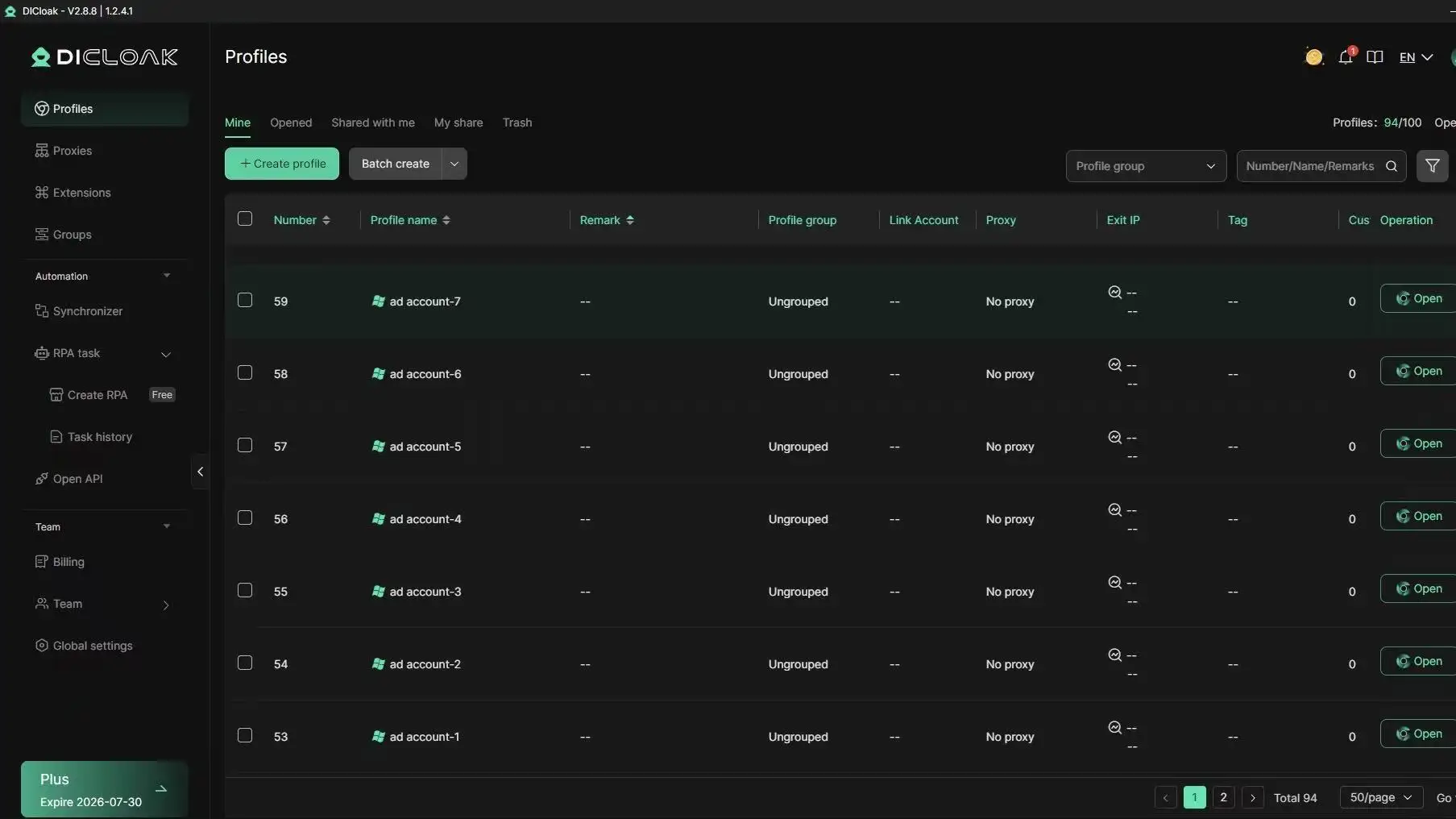
What is DICloak and How Does It Work?
DICloak is an antidetect browser for affiliate marketers, media buyers, and teams. You can use it to manage multiple CPA marketing accounts on one device, run bulk tasks, and share profiles with team members safely.
Automating CPA Marketing Tasks with DICloak
When CPA campaigns grow, repeated tasks can take a lot of time. With DICloak, you can use RPA automation to open profiles, check landing pages, visit offer links, or collect basic campaign data. This helps affiliates reduce manual work and focus more on testing offers, improving content, and tracking conversions.
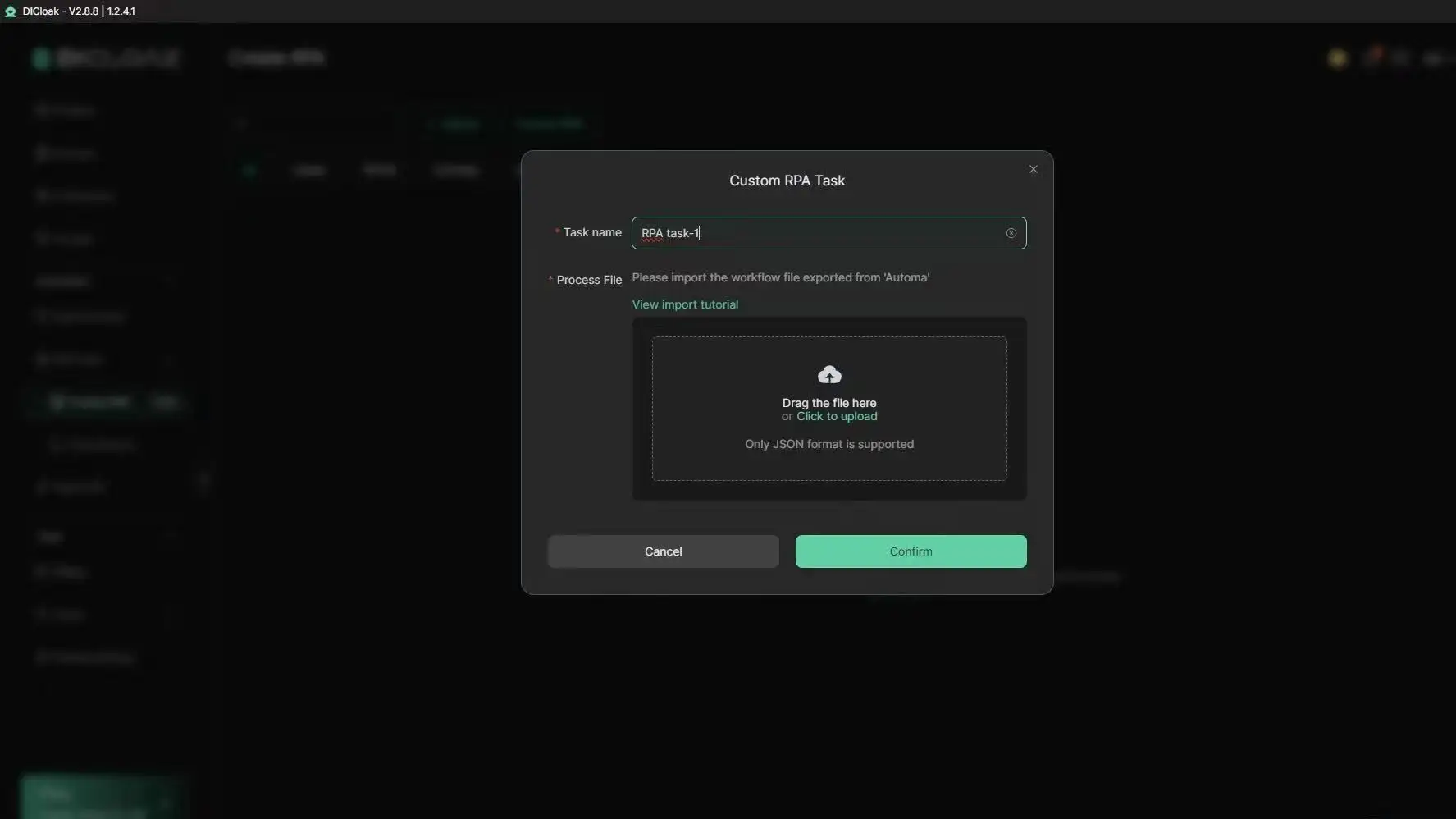
For CPA marketers running multiple offers, keeping campaigns organized is important. Using separate browser profiles for different traffic sources, offers, or advertising accounts can make testing and performance analysis much easier. Combined with automation and proper tracking, DICloak can help streamline daily campaign management.
Frequently Asked Questions About CPA Marketing
What is the average income potential in CPA marketing?
The income potential in cpa marketing depends on your offer, traffic source, niche, and conversion rate. A beginner may only earn a small amount at first while testing offers. An experienced affiliate can earn much more by promoting high-converting offers and tracking results carefully. For example, if one CPL offer pays $5 per lead and your campaign brings 40 valid leads, you can earn $200 from that campaign.
Is CPA marketing suitable for beginners?
Yes, cpa marketing can be suitable for beginners because you do not need to create your own product. You can start by joining a CPA network, choosing one simple offer, and learning how traffic and conversions work. Beginners should start small. It is better to test one offer with clear rules than to promote many offers at once. CPA marketing training, case studies, and trusted CPA marketing websites can also help reduce early mistakes.
What are the biggest challenges in CPA marketing?
The biggest challenges in cpa marketing are choosing the right offer, getting quality traffic, following offer rules, and tracking results. Many beginners fail because they only look at high payouts. A high payout does not always mean better profit. For example, a $30 offer with poor conversion may perform worse than a $6 offer that converts often. Good tracking helps you see what really works.
How can I find high-converting CPA offers?
You can find high-converting cpa marketing offers by checking CPA networks, reading offer rules, and looking at conversion data when available. Focus on offers with clear landing pages, simple user actions, and trusted advertisers. For example, a free trial offer may convert better than a paid product if the audience is still new to the brand. Always test before scaling.
Is CPA marketing legit in 2026?
Yes, cpa marketing is legit when it is done with real traffic, honest content, and clear tracking. Many brands use CPA because they only pay when users take a real action, such as signing up, installing an app, or buying a product. However, affiliates must follow network rules. Fake leads, misleading ads, and poor traffic can lead to rejected payments or account bans.
Conclusion
Mastering CPA marketing requires strategy, organization, and the right tools. By understanding different CPA models, selecting reliable networks, testing traffic, and using automation and browsers like DICloak, affiliates can scale safely and efficiently. Staying informed on AI trends, privacy changes, and ethical best practices ensures sustainable growth. With focused effort and continuous learning, anyone can take their CPA marketing campaigns to the next level and build a profitable, long-term online business.
 Web Proxy Tools
 Free Tools
 Cookie Plugin
 UA Generator
 MAC Address Generator
 IP Generator
 IP Address List
 2FA Code Generator
 World Clock
 Anonymous Check
 WebRTC Leak Test
 UUID Generator
 Free Web Proxy Site
 Proxy Checker
 FB Ad Checker
 AI Web Scraping
 Free SMM Tools
 Twitter Shadowban Checker
 Instagram Name Checker
 UTM Generator
 Username Generator
 AI Hashtag Generator
 LinkedIn Headline Generator
 Social Media Image Resizer